Our Endangered World
Is Burning Leaves Bad for the Environment?
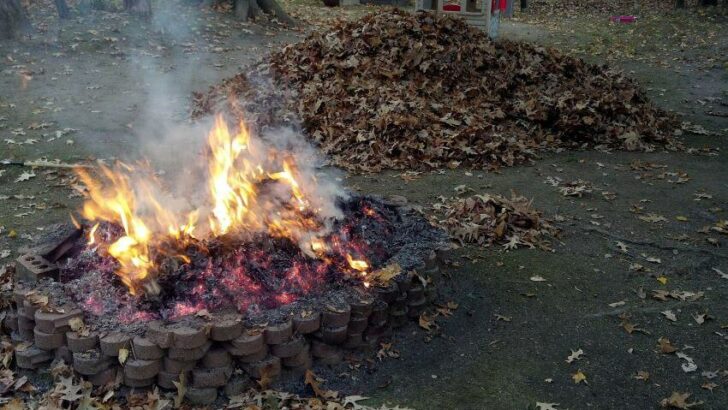
As autumn progresses, many people are raking up their fallen leaves to dispose of them; some might put them in the garbage disposal, compost…
Is Water a Renewable Resource? Yes—But It Isn’t Unlimited
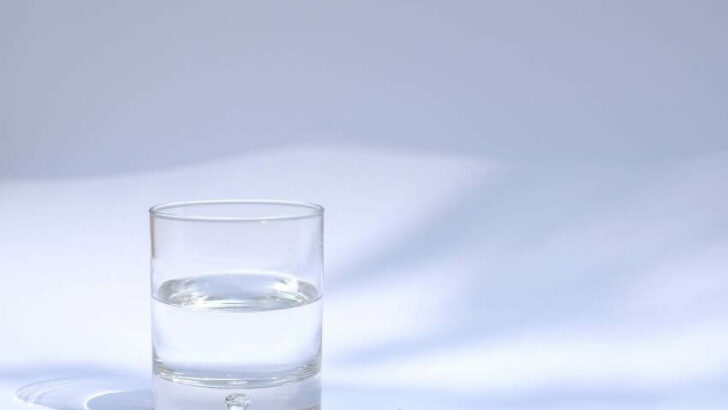
Water is renewable because the water cycle replenishes it. But usable freshwater can be polluted, depleted, or pumped faster than it recharges—especially in deep…
Is Silicone in Shampoo Bad for the Environment?
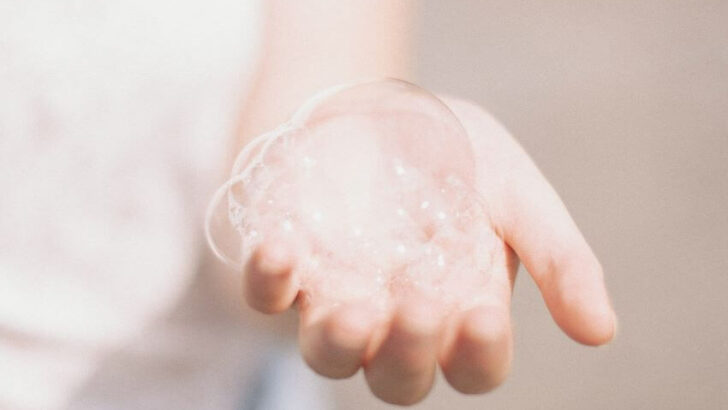
However, Silicone’s synthetic form is used in shampoos and many beauty products for its water-repelling properties and to make the hair shiny and sleek.
Is Spray Deodorant Bad for the Environment?
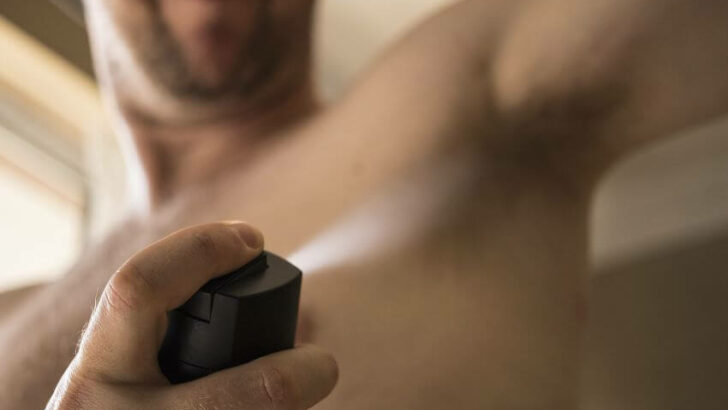
Deodorant is most commonly used in spraying form. It keeps away odors and allows you to go about with confidence.
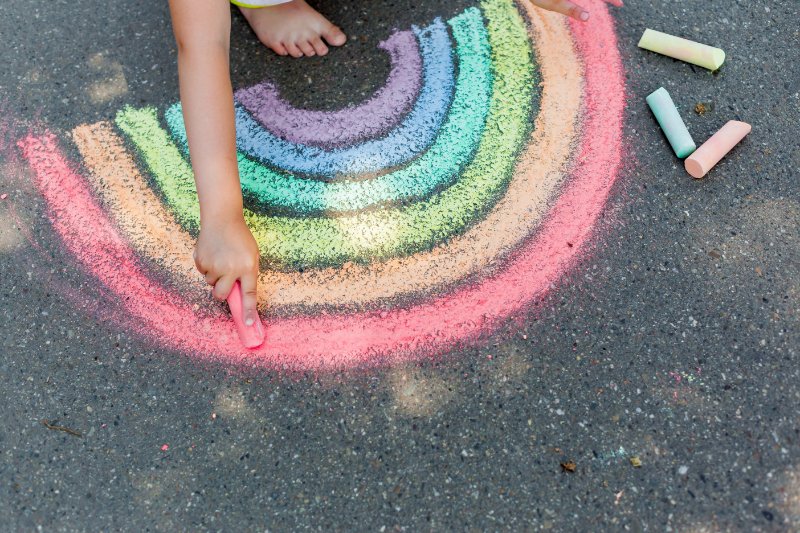
Is Sidewalk Chalk Bad for the Environment?
From festivals to charity runs, sidewalk chalk feels harmless—but its gypsum base and pigments can linger in soil and waterways, harming ecosystems.
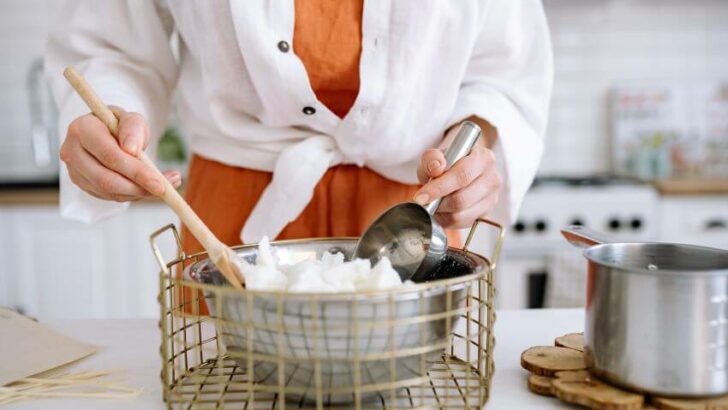
Is Paraffin Wax Bad for the Environment?
Unfortunately, there is still a question of whether it’s environmentally friendly to use paraffin wax in candle making. Is paraffin wax bad for the…
Is Polypropylene Bad for the Environment?
Polypropylene (PP) is a thermoplastic polymer that was discovered in 1954.PP has an unusually large number of industrial and consumer uses due to its…
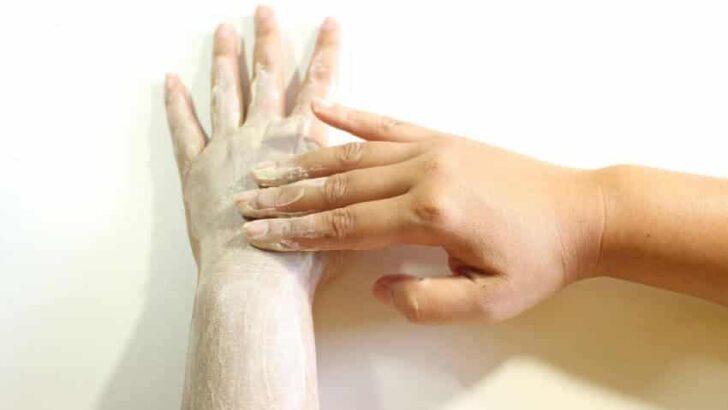
Is Hydrated Silica Bad for the Environment?
Silica is a compound of silicon and oxygen that exists practically everywhere on the Earth’s surface, particularly in rocks and water.
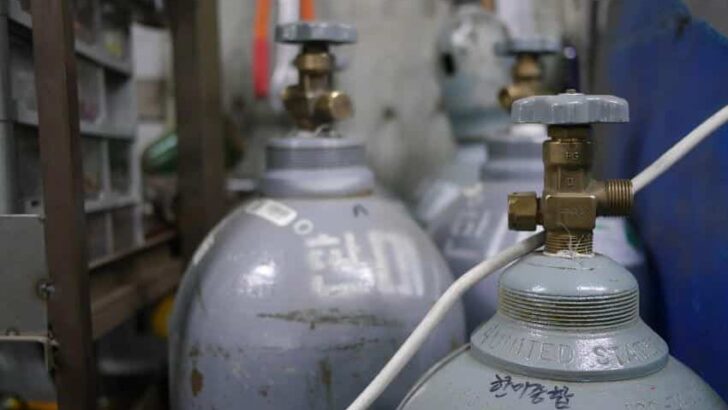
Is R410A Bad for the Environment?
It has both bad and good qualities. The R410a is a kind of refrigerant that was manufactured and developed during the 1990s.
Is Corn Bad for the Environment?
Corn is a cereal grain that is the most widely planted commercial crop in America. Corn is a part of our everyday lives.