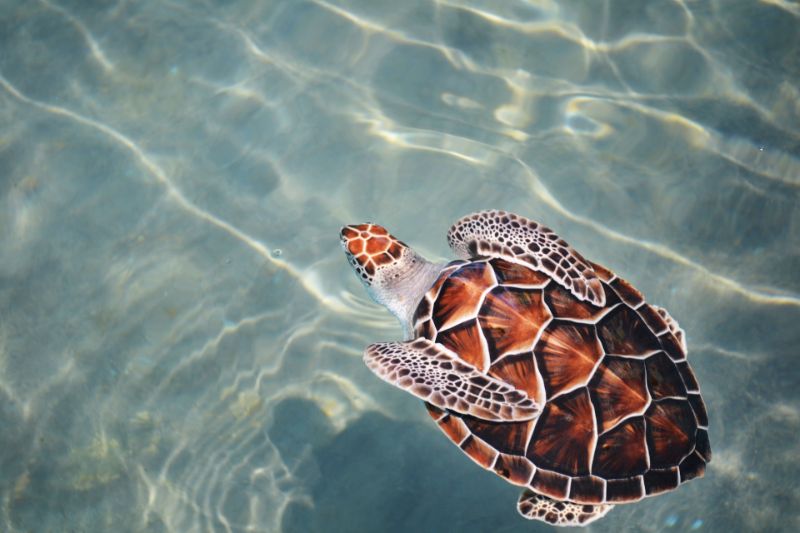
Animals ending with E include snake, turtle, bald eagle, Masai giraffe, porpoise, American bumble bee, porcupine, blue whale, Canada goose, mouse, greater bird-of-paradise, chimpanzee, coyote, American Quarter Horse, manatee, and killer whale.
The list spans mammals, birds, reptiles, and an insect. Some names refer to a single species or domestic breed, while others describe a broad group containing many species. The profiles below make those distinctions clear while showing how the animals adapt to different environments.
At a Glance
- The list contains 10 mammals, three birds, two reptiles, and one insect.
- Every name is written in singular form and ends with the letter E.
- Multiword names qualify when their final word ends in E, as in bald eagle and blue whale.
- Common names do not represent a single taxonomic rank, so each entry is labeled as a species, breed, family, order, or broader group.
- Taxonomy and conservation information was last checked in August 2026.
Quick List of 16 Animals Ending With E
| Animal | Animal group | Typical habitat | Notable fact |
|---|---|---|---|
| 1. Snake | Reptile group | Deserts, forests, wetlands, trees, and oceans | Different species are adapted for climbing, swimming, burrowing, or open-ground movement. |
| 2. Turtle | Reptile group | Oceans, freshwater, and land | A turtle’s shell is integrated with its skeleton. |
| 3. Bald eagle | Bird species | North America near open water | It is an opportunistic predator and scavenger that feeds heavily on fish. |
| 4. Masai giraffe | Mammal species | East African savannas and woodlands | It was recognized as a distinct giraffe species in a major 2025 reclassification. |
| 5. Porpoise | Marine mammal family | Coastal, temperate, and subarctic waters | Porpoises generally have blunt snouts and spade-shaped teeth. |
| 6. American bumble bee | Insect species | Prairies, fields, farms, and open woodland | It is a native pollinator that usually nests underground. |
| 7. Porcupine | Rodent group | Forests, scrublands, and grasslands | Its quills are modified hairs and cannot be shot at predators. |
| 8. Blue whale | Marine mammal species | Most major oceans | It is the largest animal known to have lived. |
| 9. Canada goose | Bird species | Wetlands, grasslands, farms, and urban parks | The species includes both migratory and year-round resident populations. |
| 10. Mouse | Rodent common name | Fields, forests, deserts, and buildings | The word describes many small rodents rather than one species. |
| 11. Greater bird-of-paradise | Bird species | New Guinea and Aru Islands forests | Males display long golden flank plumes during courtship. |
| 12. Chimpanzee | Primate species | Equatorial African forests and woodlands | Chimpanzees use tools and pass learned behavior between generations. |
| 13. Coyote | Canid species | Deserts, grasslands, forests, farms, and cities | Its flexible diet and behavior allow it to occupy heavily altered landscapes. |
| 14. American Quarter Horse | Domestic horse breed | Farms, ranches, and equestrian facilities | The breed was developed for short-distance speed and working versatility. |
| 15. Manatee | Sirenian mammal group | Warm coastal waters, estuaries, and rivers | Manatees feed primarily on aquatic vegetation. |
| 16. Killer whale | Dolphin species | Every ocean | Different populations specialize in different prey and hunting methods. |
How This List Was Selected
Each entry uses a recognized English common name whose final written character is E. Singular forms count, so turtle qualifies while turtles does not. Multiword names are judged by their final word.
The names do not all describe equivalent biological units. Bald eagle and chimpanzee are species, American Quarter Horse is a domestic breed, porpoise is a family-level common name, and snake and turtle cover entire reptile orders. That distinction matters when discussing habitat, diet, or conservation. See what biologists mean by a species for more taxonomy context.
16 Animal Names That End in E
1. Snake
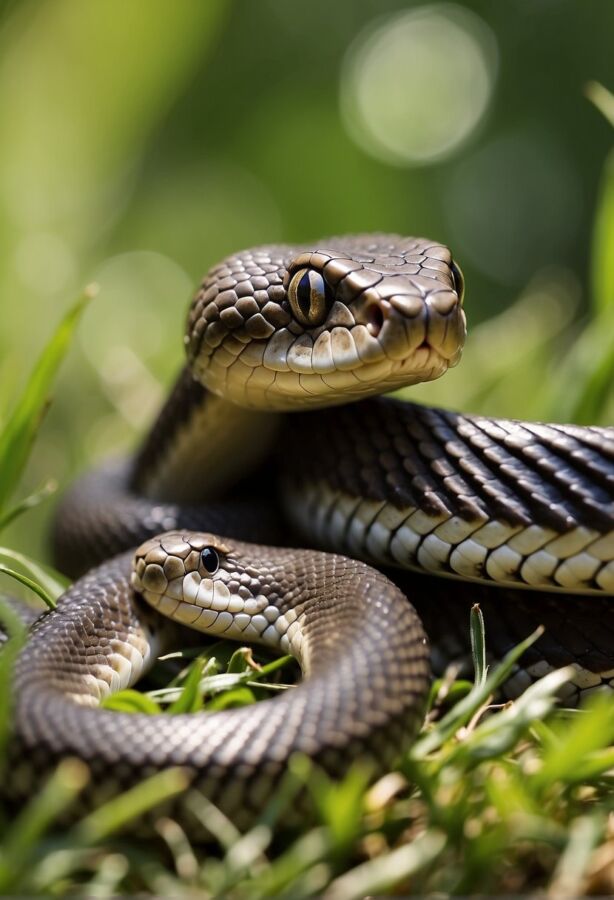
Snake is a broad common name for reptiles in the order Serpentes, not a single species. Snakes occupy deserts, forests, grasslands, wetlands, trees, burrows, and marine environments. Their elongated bodies and specialized muscles allow different species to climb branches, move through loose sand, swim, or squeeze into narrow shelters.
The Eastern hognose snake illustrates how specialized a snake can become. It favors dry, sandy ground, often near wetlands that support its preferred toad prey. Its upturned snout helps it dig, and its defensive display can include flattening its neck, hissing, and feigning death.
2. Turtle

Turtle is the singular common name for reptiles in the order Testudines. The group includes ocean-going sea turtles, freshwater species, and primarily terrestrial animals such as box turtles. All turtles breathe air, and their shells are living parts of the skeleton rather than removable armor.
Diet varies substantially. Adult green sea turtles consume large amounts of seagrass and algae, loggerheads crush hard-shelled prey, and box turtles may eat plants, fungi, insects, worms, and other aquatic invertebrates. The Smithsonian’s sea turtle overview explains how anatomy and diet differ among marine species.
3. Bald Eagle
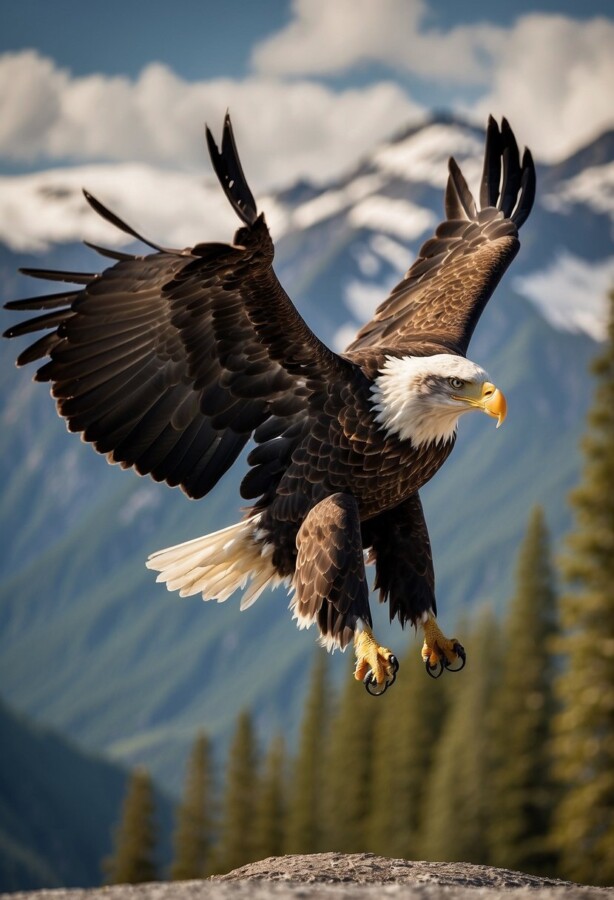
The bald eagle (Haliaeetus leucocephalus) is a North American bird of prey closely associated with rivers, lakes, reservoirs, and coastlines. It usually nests in a large, sturdy tree with access to open flight paths and reliable food.
Fish make up much of its diet, but bald eagles also scavenge carrion, take waterbirds, and steal food from other animals. Their dependence on productive freshwater and coastal ecosystems made their recovery an indicator of broader environmental improvement. The species was removed from the U.S. endangered species list in 2007 but remains protected under federal law.
4. Masai Giraffe
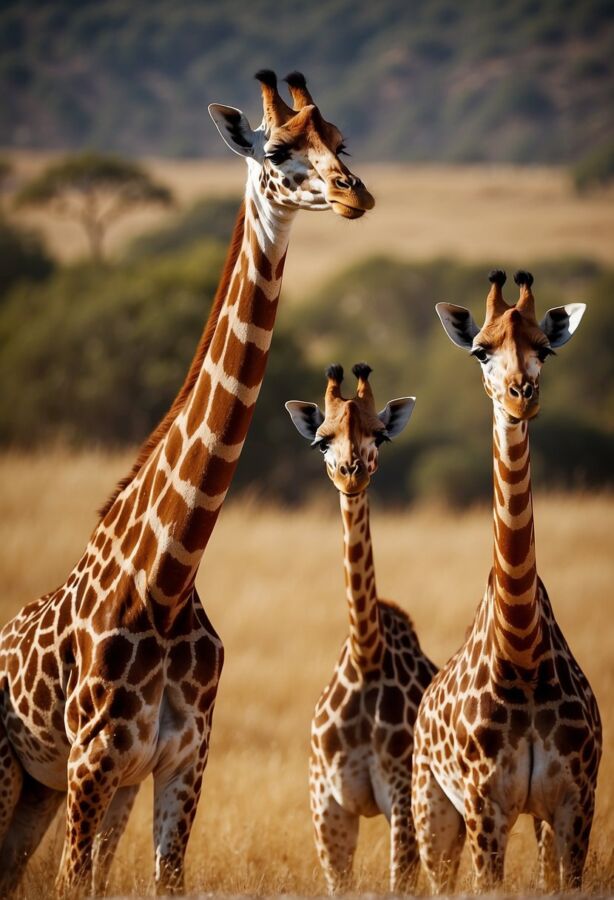
The Masai giraffe (Giraffa tippelskirchi) lives mainly in Kenya and Tanzania, with a related population in Zambia’s Luangwa Valley. Its coat typically has large, irregular patches with jagged edges. Like other giraffes, it browses leaves and shoots that are beyond the reach of most herbivores.
In August 2025, the IUCN Giraffe and Okapi Specialist Group recognized four giraffe species, including the Masai giraffe. Updated species-level Red List assessments require additional work, so older subspecies assessments should not be presented as if they were already final species-level classifications. Persistent concerns include illegal killing, land conversion, and habitat loss and fragmentation.
5. Porpoise
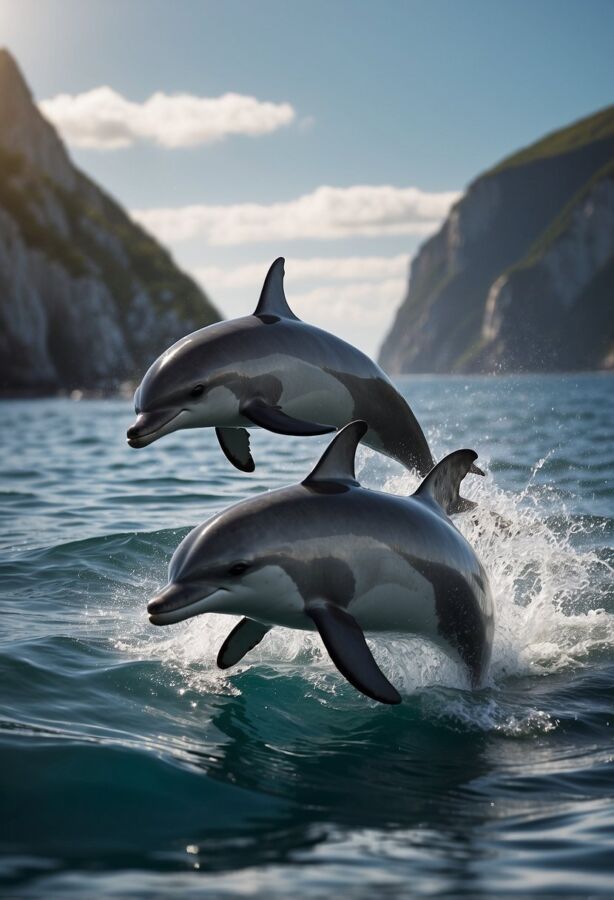
Porpoise refers to toothed whales in the family Phocoenidae. Porpoises are related to dolphins but generally have stockier bodies, shorter or less pronounced beaks, and spade-shaped teeth. Members of the family include the harbor porpoise, Dall’s porpoise, and vaquita.
The harbor porpoise occupies coastal waters across much of the Northern Hemisphere and feeds on schooling fish and squid. The vaquita, found only in the northern Gulf of California, is considered the world’s most endangered marine mammal. Entanglement in illegal gillnets remains its central threat.
6. American Bumble Bee
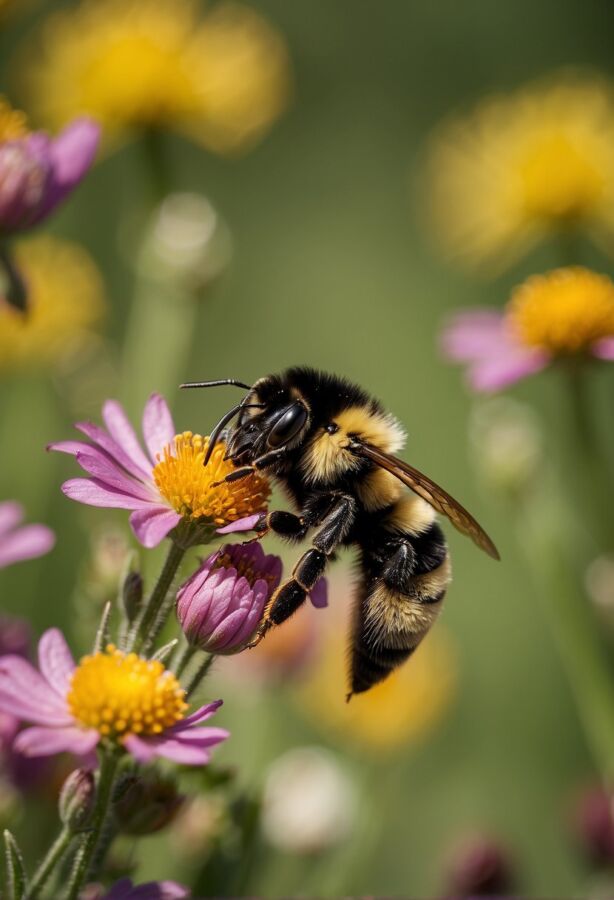
The American bumble bee (Bombus pensylvanicus) is a native pollinator historically found across much of central and eastern North America. Colonies usually nest underground in abandoned burrows or cavities near flower-rich fields, prairies, roadsides, and farmland.
Workers gather pollen and nectar while transferring pollen among wildflowers and crops. The species has declined across substantial parts of its former range. As of August 2026, the U.S. Fish and Wildlife Service treats it as a species under Endangered Species Act review rather than an already federally listed species. Its ecological role is related to, but distinct from, the managed bumble bees used in greenhouse pollination.
7. Porcupine
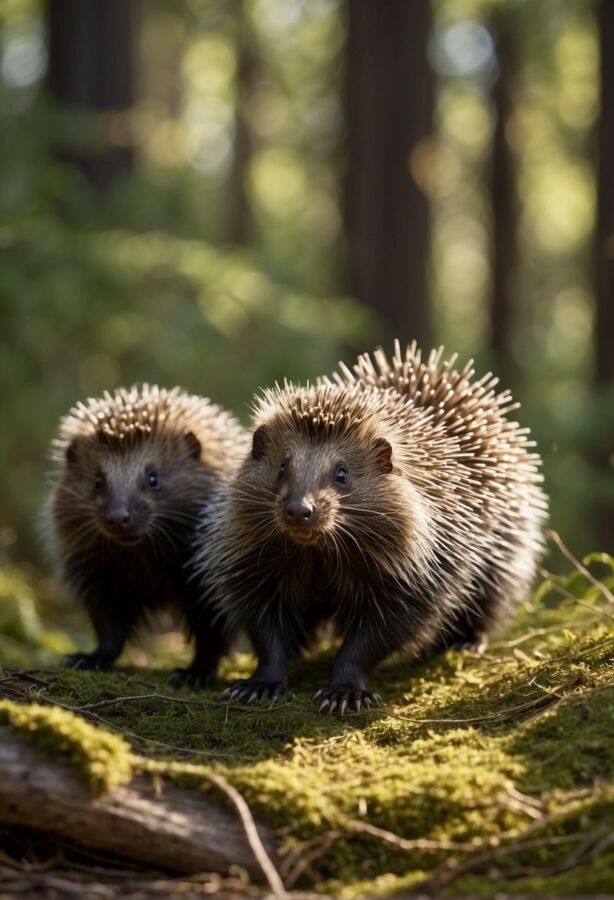
Porcupine is a common name for large, quill-bearing rodents in two families. Old World porcupines belong to Hystricidae, while New World porcupines belong to Erethizontidae. The two groups differ in body shape, habitat use, and climbing ability, so traits from one species should not be applied to every porcupine.
Quills are modified hairs used for defense. A threatened porcupine may raise them, turn its back, or swing its tail, but it cannot launch them through the air. Contact can cause loosely attached quills to detach. The San Diego Zoo’s porcupine profile also notes that these rodents generally rely on plant material such as leaves, bark, roots, fruits, and stems.
8. Blue Whale
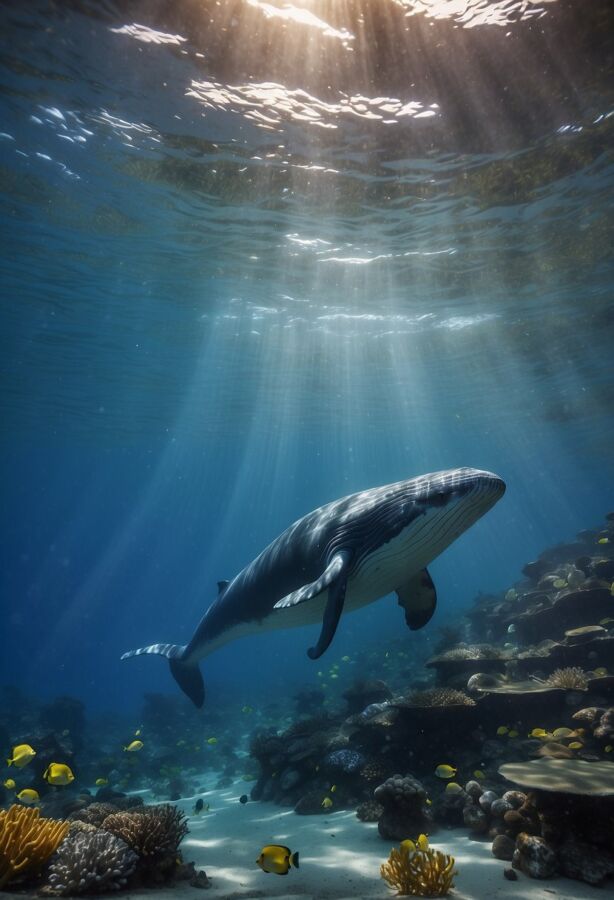
The blue whale (Balaenoptera musculus) is the largest animal known from the fossil or living record. The biggest individuals can approach 30 meters, or roughly 100 feet, in length. Blue whales occur across most major oceans and migrate between feeding and breeding areas.
Despite their size, they feed primarily on krill. A whale engulfs krill-rich water and forces it through baleen plates, trapping the prey inside its mouth. Twentieth-century commercial whale hunting caused severe population losses. Blue whales remain endangered and now face ship strikes, fishing-gear entanglement, underwater noise, and changes to prey availability.
9. Canada Goose
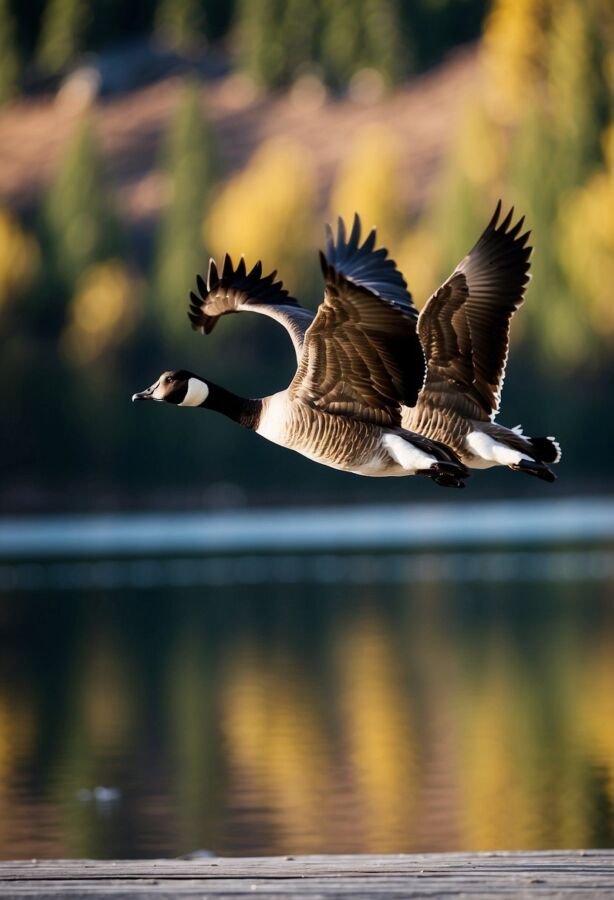
The Canada goose (Branta canadensis) is recognized by its black head and neck, white cheek patch, brown body, and loud calls. It uses wetlands, lakes, rivers, farm fields, golf courses, parks, and other landscapes that combine open water with short vegetation.
Northern populations may undertake long seasonal migrations, while many geese living in cities and suburbs remain in one region throughout the year. They graze on grasses, aquatic plants, and agricultural grains. Their success around people makes them one of North America’s most familiar adaptable and unusual birds, although concentrated flocks can create local management conflicts.
10. Mouse
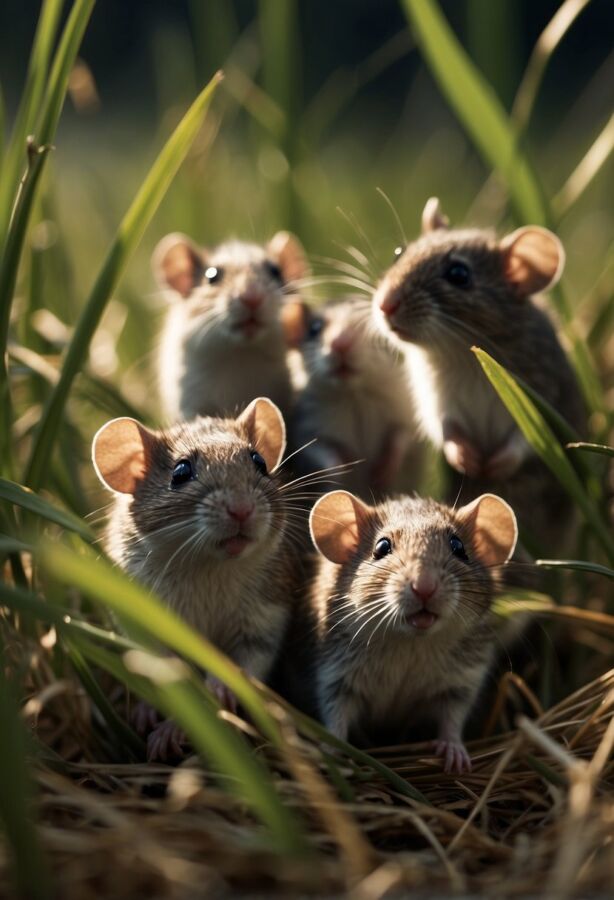
Mouse is a common name applied to many small rodents rather than one species or single evolutionary branch. The house mouse (Mus musculus) is the most familiar example because it has spread alongside people, but field mice, deer mice, harvest mice, and other animals called mice belong to several genera and families.
According to Animal Diversity Web’s house mouse account, house mice are adaptable omnivores that can eat seeds, grains, insects, and human food. Under favorable conditions, they reproduce quickly. Wild mice also serve as prey for owls, snakes, foxes, and other predators, while introduced house mice can damage stored food and threaten wildlife on islands.
11. Greater Bird-of-Paradise
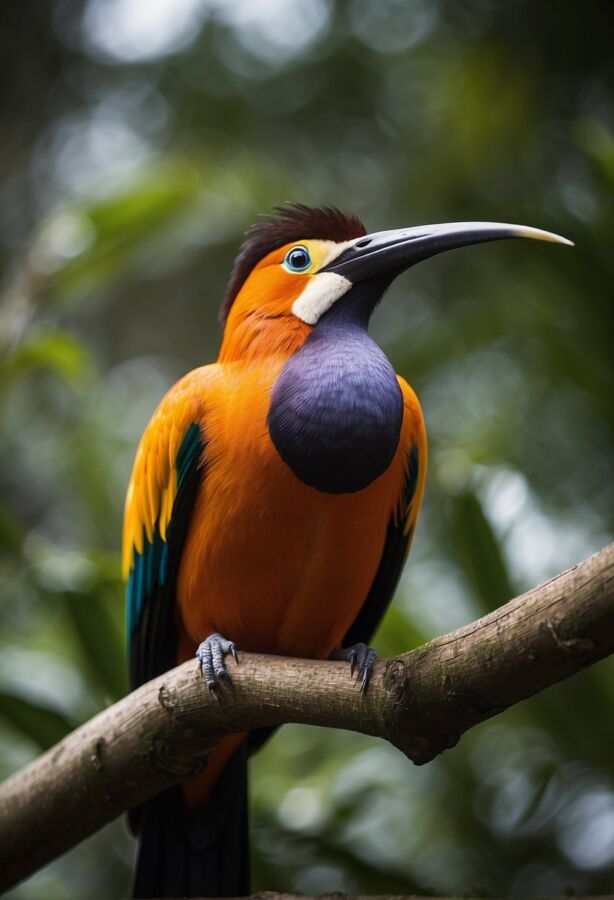
The greater bird-of-paradise (Paradisaea apoda) inhabits lowland and hill forests in southwestern New Guinea and the Aru Islands. It feeds mainly on fruit and arthropods and often forages in the forest canopy.
Males gather at communal display sites, where they call, pose, and lift long golden flank plumes over their backs. These feathers are not tail feathers, as the original draft stated. Females visit the display area and choose among the males. The species is currently assessed as Least Concern, but it remains dependent on intact forest habitat.
12. Chimpanzee
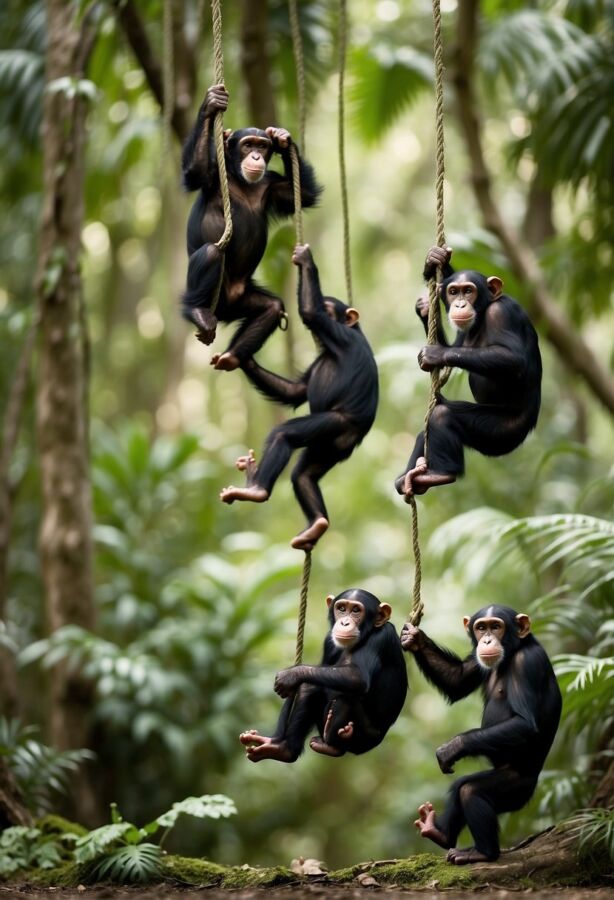
The chimpanzee (Pan troglodytes) lives in forests, woodland mosaics, and savanna environments across equatorial Africa. Chimpanzees form large communities that regularly divide into smaller temporary groups and reunite, a pattern called fission-fusion social organization.
They make and use tools, cooperate during hunts, maintain long-term social relationships, and learn local traditions from other group members. The Jane Goodall Institute describes chimpanzee cultures that pass knowledge across generations. Chimpanzees are endangered, with populations affected by habitat destruction, disease, hunting, and illegal trafficking.
13. Coyote
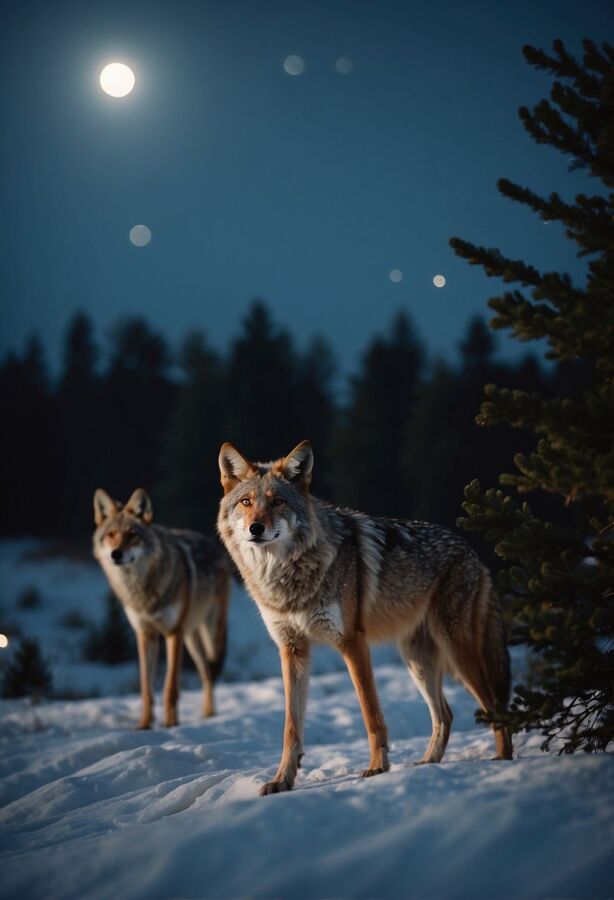
The coyote (Canis latrans) occupies deserts, grasslands, forests, agricultural areas, suburbs, and major cities across much of North and Central America. Coyotes eat rodents, rabbits, insects, fruit, carrion, and other available foods, allowing them to adjust when one resource becomes scarce.
Coyotes are not strictly nocturnal. They can be active during the day or night, although those living near people often shift more activity toward dusk, dawn, and darkness. People can reduce conflict by never feeding coyotes, securing garbage and pet food, supervising small pets, and maintaining distance. Their ability to jump and scramble is considerable, although the answer to whether coyotes can climb trees requires some qualification.
14. American Quarter Horse
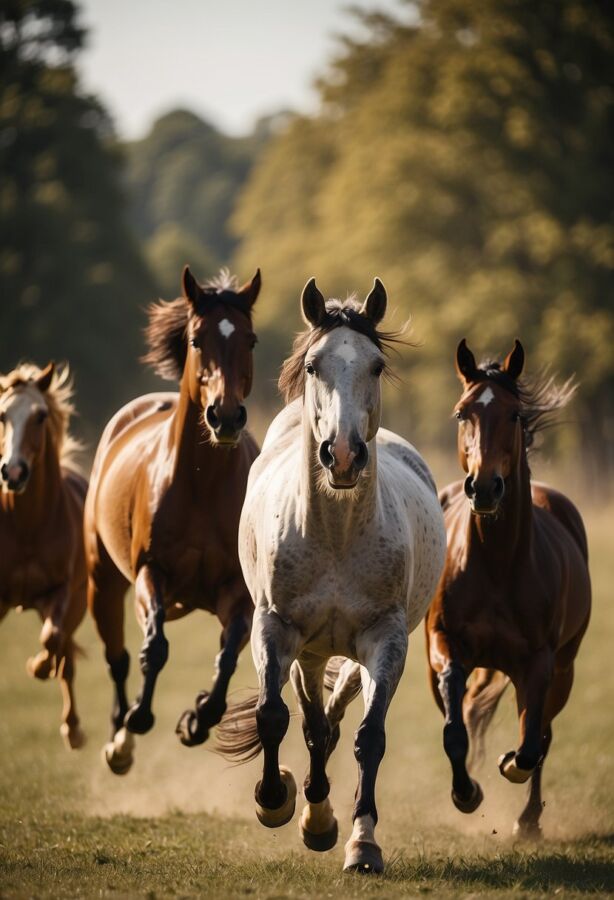
The American Quarter Horse is a domestic breed of Equus caballus, not a wild species. It developed from horses used in colonial North America and took its name from its ability to sprint over a quarter mile.
Quarter Horses are generally compact, muscular, and responsive. Their acceleration and agility suit racing, ranch work, cutting, reining, rodeo, and recreational riding. Because this is a managed breed, a wildlife conservation status is not applicable. Responsible breeding, training, veterinary care, and humane treatment are more relevant considerations. See this overview of different types of horses for wider breed context.
15. Manatee
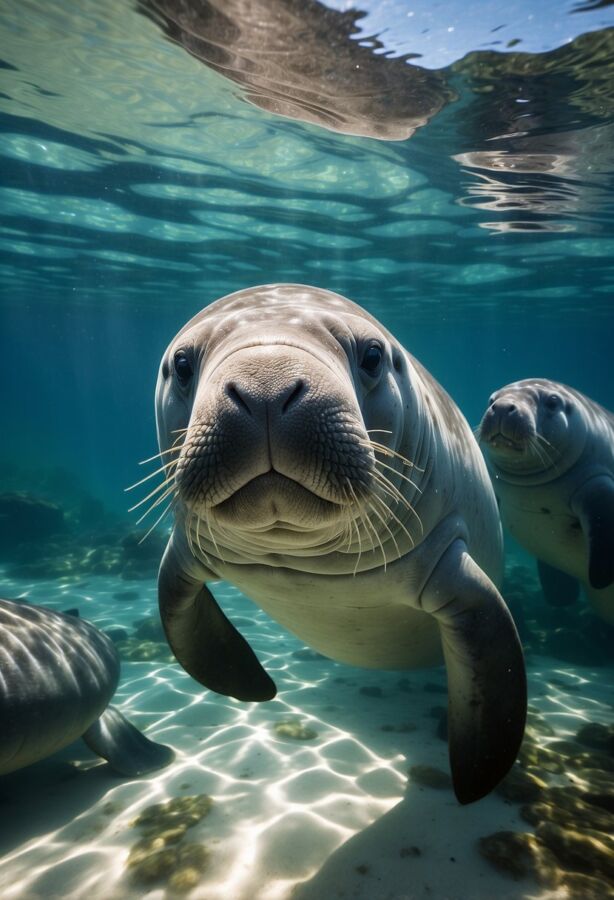
Manatee refers to large aquatic mammals in the genus Trichechus. The three living types of manatees are the Amazonian, West Indian, and West African manatee. Manatees and dugongs belong to the order Sirenia; they are not members of the dolphin family.
Manatees use warm rivers, springs, estuaries, lagoons, and coastal waters, depending on the species. They feed mainly on seagrasses and other aquatic vegetation. The U.S. Fish and Wildlife Service identifies watercraft collisions, fishing-gear entanglement, habitat degradation, loss of warm-water habitat, and reduced forage as important threats to West Indian manatees.
16. Killer Whale
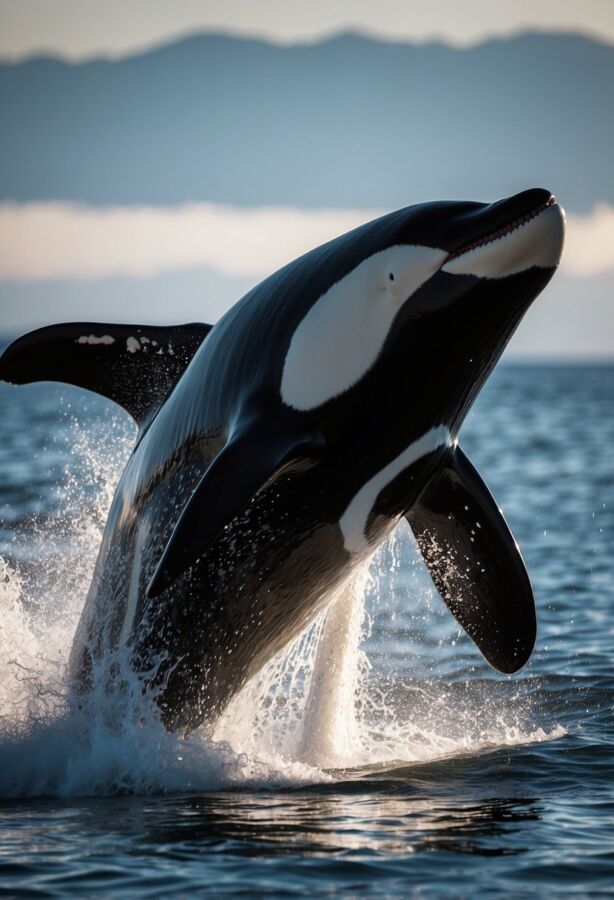
The killer whale or orca (Orcinus orca) is the largest member of the oceanic dolphin family, Delphinidae. Orcas occur in every ocean, from polar seas to tropical waters, although abundance and behavior differ among regions.
Researchers recognize multiple ecotypes with distinct diets, calls, social traditions, and hunting methods. Some specialize in fish, while others hunt seals, whales, rays, or sharks. NOAA’s killer whale species account emphasizes that conservation risk varies sharply by population. It is therefore misleading to assign one simple status to every killer whale worldwide.
What These Animal Names Reveal
The final letter of an animal’s English name says nothing about its biological relationship to the other animals on this list. A bumble bee, giraffe, turtle, and killer whale share the same final letter but belong to entirely different branches of animal life.
That linguistic coincidence can still be a useful starting point for learning. The strongest wildlife resources move beyond the name to explain taxonomy, habitat, ecological role, and the evidence behind conservation claims. Understanding why wildlife conservation matters also helps place individual species within the ecosystems and human decisions that shape their future.
Frequently Asked Questions
What are some common animals whose names end in E?
Common examples include snake, turtle, bald eagle, Masai giraffe, porpoise, American bumble bee, porcupine, blue whale, Canada goose, mouse, greater bird-of-paradise, chimpanzee, coyote, American Quarter Horse, manatee, and killer whale.
Which mammals have names ending in E?
Mammals on this list include Masai giraffe, porpoise, porcupine, blue whale, mouse, chimpanzee, coyote, American Quarter Horse, manatee, and killer whale.
Which birds have names ending in E?
Bald eagle, Canada goose, and greater bird-of-paradise are bird names ending in E.
Which sea animals have names ending in E?
Marine examples include sea turtle, porpoise, blue whale, manatee, and killer whale. Some snake species also live in the ocean, although snake is a much broader reptile name.
Does the word turtles count as an animal name ending with E?
No. The plural word turtles ends in S. The singular form turtle ends in E and qualifies for the list.