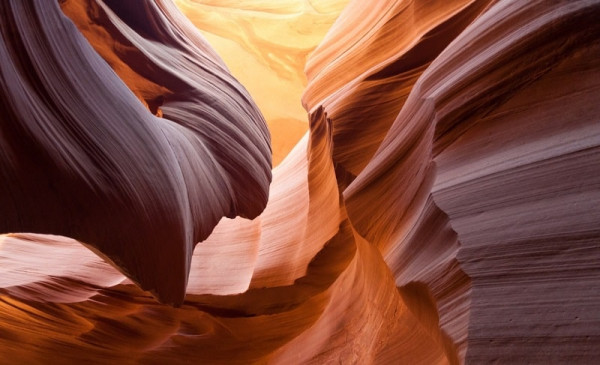
Erosion is the removal and transport of soil, rock, or sediment by moving water, wind, ice, waves, gravity, or human disturbance. Natural erosion is not inherently good or bad: it shapes landscapes and supplies sediment to rivers, floodplains, beaches, and other depositional environments. The problem is accelerated erosion, which removes soil faster than natural systems can replace or stabilize it.
The clearest way to understand the erosion pros and cons is to separate three natural functions from four major risks. Erosion can form landforms, redistribute sediment, and maintain dynamic river or coastal features. In excess, however, it strips fertile topsoil, reduces soil-water function, pollutes waterways, and damages habitats and infrastructure.
Key Takeaways
- Natural erosion is part of Earth’s surface cycle. Material removed in one place is transported and eventually deposited elsewhere.
- The benefits mainly occur at a geological or ecosystem scale. They do not make preventable topsoil loss desirable on farms, gardens, construction sites, or developed coastlines.
- Accelerated erosion is usually harmful. Bare soil, intensive tillage, vegetation removal, overgrazing, construction, concentrated runoff, and poor drainage can increase erosion.
- Keeping soil covered is one of the most reliable controls. Vegetation, crop residue, mulch, buffers, and properly selected erosion-control materials reduce the force of rain, runoff, and wind.
What Is Erosion?
Erosion is the movement of earth material from its original location. Rainfall may detach soil particles, the flow of water may carry them downhill, and a river may transport them for miles before deposition occurs.
Erosion is related to weathering, but the terms are not interchangeable:
- Weathering breaks rock or minerals down in place.
- Erosion removes and transports the loosened material.
- Deposition occurs when the transporting force loses energy and leaves the material in a new location.
The Food and Agriculture Organization of the United Nations defines soil erosion as the accelerated removal of topsoil by water, wind, and tillage. FAO emphasizes that erosion occurs naturally but is intensified by unsustainable land use.

Erosion Pros and Cons at a Glance
| Effect | Potential benefit or harm | Why it matters |
|---|---|---|
| 1. Landscape formation | Benefit | Carves valleys, canyons, cliffs, arches, and other landforms. |
| 2. Sediment redistribution | Benefit with limits | Supplies material to floodplains, deltas, beaches, dunes, and river bars. |
| 3. Dynamic habitat formation | Benefit with limits | Natural channel movement and deposition create changing habitat surfaces. |
| 4. Loss of fertile topsoil | Harm | Removes organic matter, nutrients, soil organisms, and productive soil structure. |
| 5. Reduced soil-water function | Harm | Can reduce infiltration and plant-available water while increasing runoff. |
| 6. Water pollution | Harm | Sediment and attached nutrients or chemicals can degrade aquatic ecosystems. |
| 7. Damage and increased hazards | Harm | Undermines banks, shorelines, roads, buildings, drainage systems, and slopes. |
Main Types of Erosion
Water Erosion
Water erosion begins when raindrops detach particles or runoff starts moving loose material. It is commonly described in four forms:
- Splash erosion: Raindrop impact dislodges particles from the surface.
- Sheet erosion: A thin layer of soil is removed relatively evenly across an area.
- Rill erosion: Runoff cuts small channels that can often be smoothed during ordinary land preparation.
- Gully erosion: Concentrated flow creates larger channels that cannot be corrected through normal cultivation alone.
Similar processes affect streambanks and shorelines. The mechanics and consequences of lake erosion, for example, depend on waves, changing water levels, runoff, soil composition, and shoreline vegetation.
Wind Erosion
Wind erosion is most severe where soil is dry, loose, finely textured, and poorly protected by plants or residue. Wind can lift fine dust into the air, bounce larger particles across the surface, and push heavier grains along the ground.
Coastal Erosion
Waves, currents, tides, storms, and changing water levels remove and redistribute coastal sediment. Erosion on one section of shoreline may supply sand to another, but buildings and roads placed in a retreating coastal zone remain at risk.
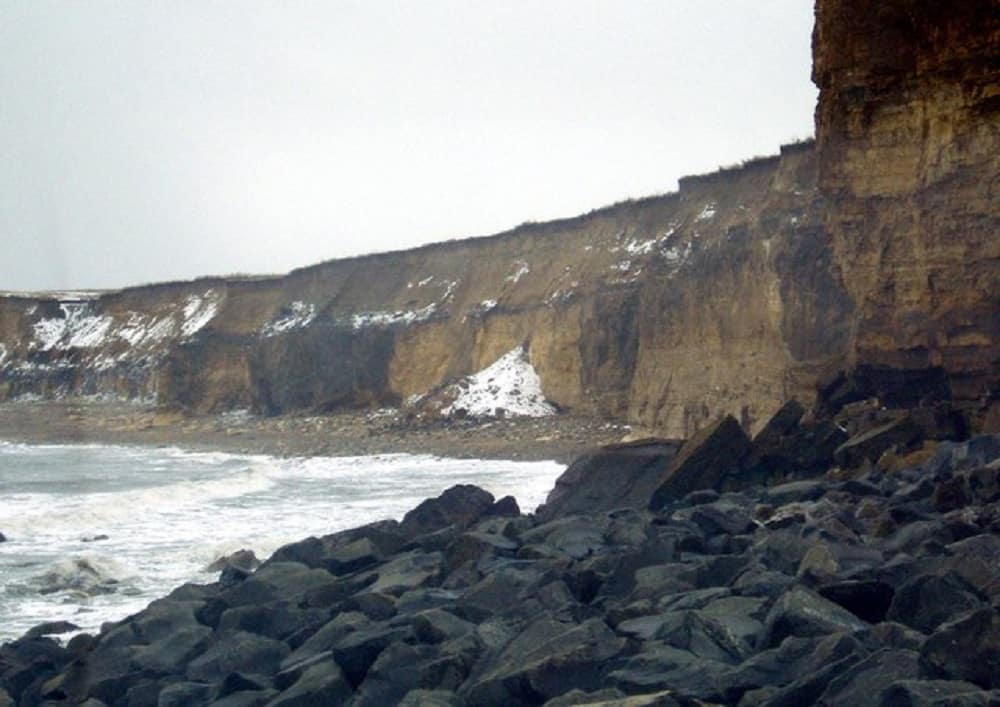
Glacial, Gravity, and Tillage Erosion
Glaciers abrade and carry rock while carving broad valleys. Gravity moves material through rockfalls, slumps, landslides, and other mass movements. Tillage erosion occurs when repeated soil disturbance moves soil downslope or away from higher parts of a field.
3 Natural Benefits of Erosion
Calling these effects “pros” requires context. They are benefits of functioning geological systems, not arguments for allowing avoidable erosion on productive or developed land.
1. Erosion Shapes Landscapes
Moving water, waves, wind, ice, and gravity gradually lower high areas and cut into exposed rock. Working with weathering and tectonic uplift, erosion forms valleys, canyons, cliffs, arches, river channels, and other recognizable landforms.
Erosion also exposes deeper rock layers and fossils that would otherwise remain buried. This makes geological history visible, although the same process can destabilize cliffs and slopes when people build too close to them.
2. It Redistributes Sediment
Erosion is one part of a larger source-to-sink system. Rivers remove sediment from uplands and redeposit it where flow slows. Wind builds dunes and deposits fine material downwind. Coastal currents shift sand along shorelines.
These deposits can create floodplains, deltas, beaches, sandbars, alluvial fans, and other landforms. The benefit depends on location and quantity: sediment that helps maintain a beach can smother habitat or fill a reservoir when delivered in excess.
3. Natural Erosion and Deposition Create Dynamic Habitats
Rivers and coasts are not fixed structures. Bank erosion, channel movement, and sediment deposition create new bars, banks, shallow areas, and exposed surfaces. Different plants and animals use these changing types of habitats at different stages.
This does not mean more sediment is always better. A natural amount and grain-size distribution may support a functioning habitat, while a sudden load of fine soil from a construction site or bare field can bury it.
4 Major Disadvantages of Erosion
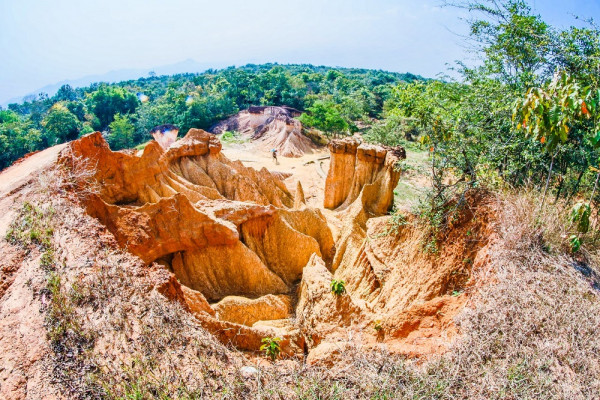
4. Erosion Removes Fertile Topsoil
Topsoil commonly contains more organic matter, biological activity, and plant-available nutrients than the material beneath it. Removing this layer can reduce rooting conditions and crop productivity while increasing the need for soil amendments.
The damage can be easy to miss when sheet erosion removes a thin layer across a broad field. Rills, sediment collected at the bottom of a slope, and exposed subsoil may be the first obvious signs that the loss has progressed.
5. It Can Reduce Infiltration and Water Storage
Erosion removes surface structure and organic matter that help soil absorb and hold water. Compaction and surface crusting may then reduce infiltration, causing more rain to become runoff. That runoff can detach additional soil and reinforce the erosion cycle.
The exact outcome varies with soil texture, slope, vegetation, and the underlying horizon. Some exposed subsoils drain rapidly; others seal, compact, or remain waterlogged. The relevant terrain and soil conditions must be evaluated before selecting a remedy.
6. Sediment Can Pollute Water and Damage Aquatic Habitats
Soil carried from fields, roads, construction areas, or unstable banks does not disappear. It enters drainage systems, streams, lakes, reservoirs, estuaries, or coastal waters.
The U.S. Environmental Protection Agency reports that excessive sedimentation can overwhelm aquatic ecosystems and smother breeding areas. Eroded particles may also carry phosphorus, nitrogen, pesticides, pathogens, or other contaminants attached to the soil.
Added nutrients can stimulate algal growth and contribute to low-oxygen conditions. Suspended sediment may reduce light penetration, abrade or clog aquatic organisms, and cover gravel or plants used for feeding and reproduction.
7. Erosion Damages Property and Increases Hazards
Uncontrolled erosion can undermine roads, bridge approaches, retaining structures, foundations, pipelines, drainage outlets, trails, and shoreline buildings. Sediment can block culverts and reduce drainage capacity.
Removing material from the base of a slope or streambank can also make it less stable. Erosion does not cause every flood or landslide, but FAO notes that severe soil erosion can amplify hydrogeological risks and damage urban infrastructure.
What Accelerates Erosion?
Erosion rates depend on rainfall intensity, wind, soil properties, slope, drainage, vegetation, and land management. Common human accelerators include:
- Removing trees, grasses, crop residue, or other protective cover
- Leaving fields or construction soil bare during heavy rain or strong wind
- Intensive or poorly timed tillage
- Overgrazing that reduces plant cover and compacts the surface
- Concentrating runoff through wheel tracks, paths, downspouts, ditches, or failed drainage systems
- Building roads or structures that change natural drainage
- Repeated foot, vehicle, or livestock traffic on vulnerable slopes and banks
FAO identifies intensive agriculture, deforestation, overgrazing, and improper land-use change as major causes of accelerated soil erosion. The relevant cause should be corrected rather than simply covering the visible damage.
How to Prevent or Reduce Soil Erosion
Erosion cannot and should not be eliminated from every natural system. The practical objective is to prevent avoidable soil loss, slow runoff, protect vulnerable surfaces, and keep displaced sediment out of waterways and infrastructure.
- Keep soil covered. Maintain living vegetation, cover crops, crop residue, mulch, or another suitable protective layer. Cover reduces raindrop impact and wind exposure.
- Reduce unnecessary soil disturbance. Conservation tillage or no-till systems can leave more residue on the surface and preserve soil structure. The appropriate method depends on the crop, soil, climate, and management system.
- Slow and spread runoff. Contour cultivation, grassed waterways, terraces, level spreaders, swales, and check structures may reduce flow velocity when properly designed.
- Use vegetated buffers and windbreaks. Grasses, shrubs, and trees can intercept runoff, trap sediment, stabilize roots, and reduce wind speed.
- Stabilize disturbed soil promptly. Seed, mulch, mats, wattles, blankets, and other erosion control products should be matched to the slope, flow conditions, soil, duration, and vegetation plan.
- Manage water at its source. Repair leaking pipes, redirect downspouts safely, protect drainage outlets, and prevent water from concentrating on bare slopes.
- Use site-specific professional guidance. Severe gullies, failing banks, landslide-prone slopes, coastal retreat, and erosion near structures require qualified engineering, conservation, or local regulatory advice.
The EPA recommends systems of practices rather than isolated fixes. Its examples include cover crops, conservation tillage, vegetated buffers, tailored drainage, and careful nutrient management. USDA’s Natural Resources Conservation Service soil-health guidance can help U.S. land managers find science-based conservation assistance.
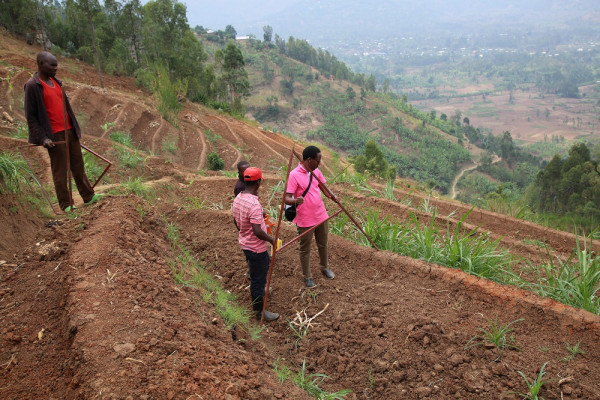
For small disturbed areas, an erosion control blanket may provide temporary surface protection while vegetation becomes established. It will not correct concentrated drainage, an unstable slope, or a failing streambank by itself.
How to Tell When Erosion Needs Attention
| Observation | Likely meaning | Practical response |
|---|---|---|
| Minor seasonal sediment movement in an undeveloped natural channel | May be part of normal channel adjustment | Monitor before interfering with the system. |
| Bare patches, surface crusting, or soil collecting downslope | Early sheet or splash erosion | Restore cover and correct runoff before channels form. |
| Small channels after rain | Rill erosion and concentrated flow | Disperse runoff and stabilize the surface. |
| Deepening gullies | Advanced concentrated erosion | Seek a designed grade-control and drainage solution. |
| Exposed roots, leaning trees, or undercut banks | Active bank or shoreline retreat | Assess stability and downstream consequences. |
| Cracks, slumping, or erosion near a foundation or road | Possible structural or slope hazard | Contact a qualified professional promptly. |
The Bottom Line
The central tradeoff is not “erosion versus no erosion.” Natural erosion and deposition are necessary parts of changing landscapes. The real problem is erosion that occurs faster, in a more concentrated form, or in a more damaging location than the surrounding system can absorb.
On farms, gardens, roadsides, construction sites, and developed shorelines, preventing accelerated erosion protects soil productivity, water quality, habitats, and property. Effective management begins by identifying the source of runoff or exposure, then selecting a control suited to the site. That approach reflects the practical difference between conservation and preservation: the goal is to manage natural processes responsibly, not pretend they can be stopped entirely.
Frequently Asked Questions
Is erosion good or bad?
Erosion is neither entirely good nor entirely bad. At natural rates, erosion shapes landscapes and supplies sediment to floodplains, beaches, and other depositional areas. Accelerated erosion is harmful when it removes fertile soil, pollutes water, damages habitats, or threatens property.
What is the difference between weathering and erosion?
Weathering breaks rock and minerals down in place. Erosion removes and transports that loosened material through water, wind, ice, waves, gravity, or human disturbance. Deposition occurs when the transported material settles in a new location.
What are the four main types of water erosion?
The four commonly described forms are splash erosion, sheet erosion, rill erosion, and gully erosion. Splash detaches particles, sheet erosion removes a thin layer, rills are small runoff channels, and gullies are larger channels that ordinary cultivation cannot remove.
What human activities accelerate erosion?
Common accelerators include deforestation, intensive tillage, overgrazing, construction, bare soil, poorly managed drainage, road building, and repeated traffic on vulnerable slopes or banks. These activities remove protective cover or concentrate water and wind energy.
What is the most effective way to reduce soil erosion?
Keeping soil covered with living plants, crop residue, or suitable mulch is a strong starting point. Effective control usually combines cover with runoff management, reduced disturbance, buffers, and site-specific practices rather than relying on one product.
See Related: 13 Pros and Cons of Fossil Fuels: Benefits, Risks, and Alternatives
See Related: 11 Important Pros and Cons of Veganism