Our Endangered World

How Do Ocean Trenches Form? Learn the Secrets of the Deep Sea
Oceanic trenches are distinctive geological formations that underscore the dynamic nature of the Earth’s crust.
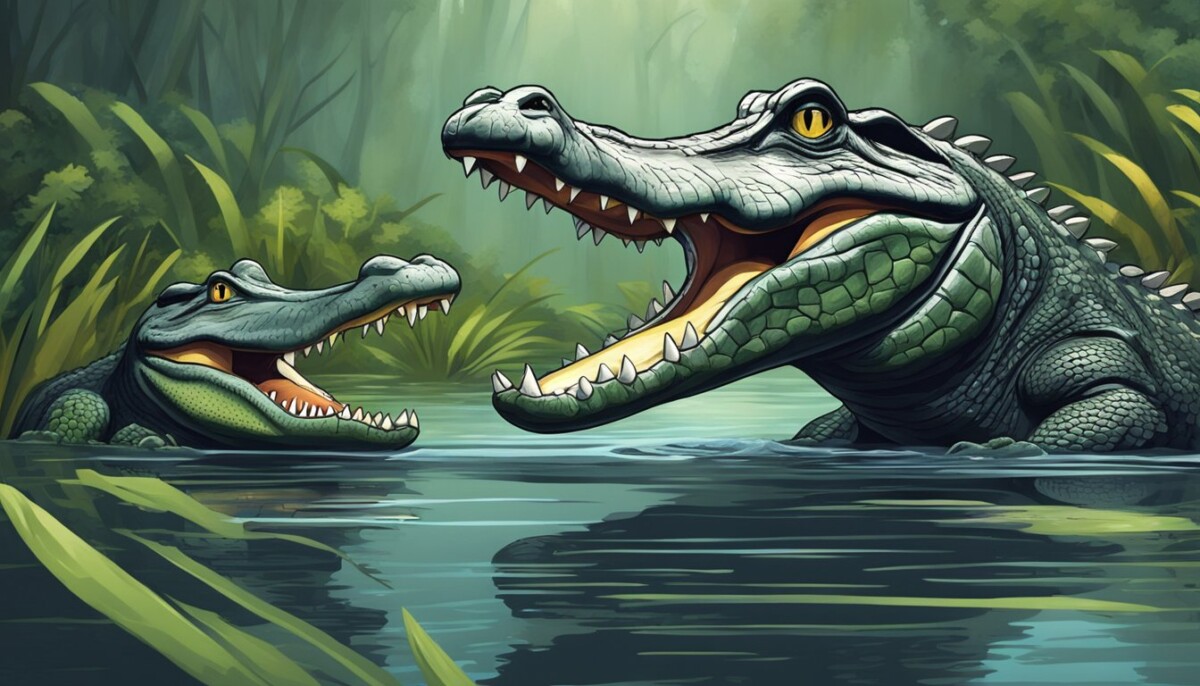
Alligator vs Crocodile: Unveiling the Riveting Battles of Reptilian Might
Alligators and crocodiles are commonly mistaken for each other, yet they are distinct creatures that belong to different families within the Crocodylia order.
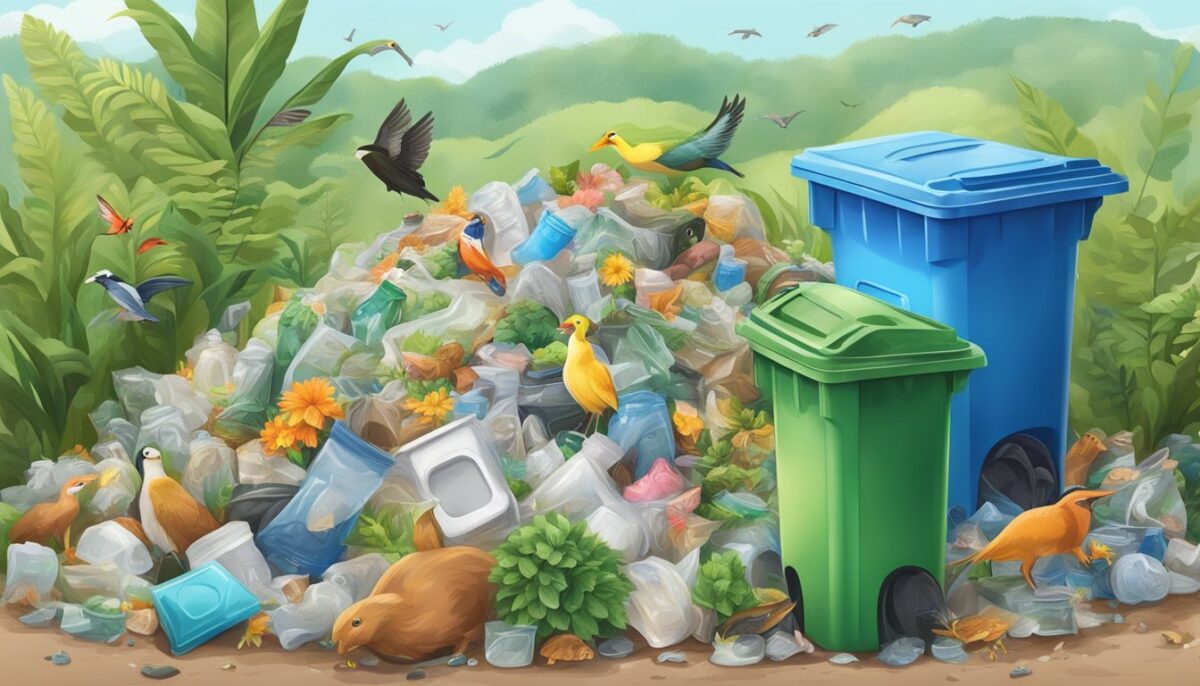
Why Recycling Won’t Solve the Plastic Problem
Plastic recycling can recover some clean, well-sorted materials, but it cannot keep pace with rising production or safely process every polymer, additive, multilayer package,…
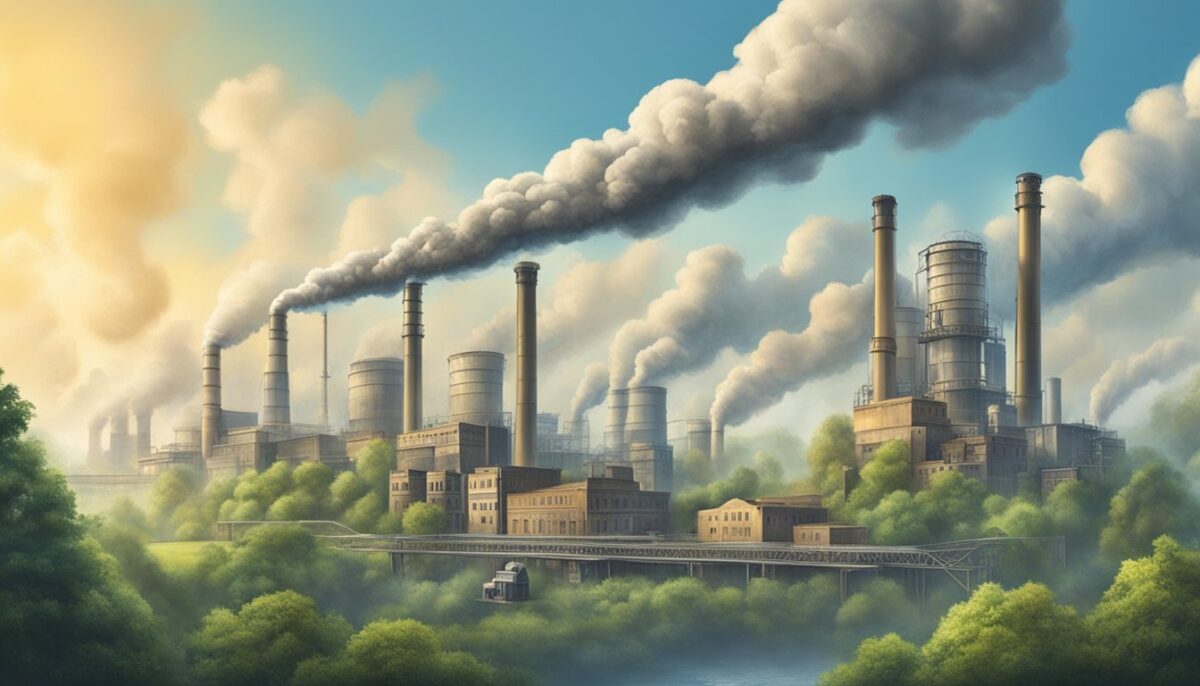
Carbon Inequality: How the Richest 1% Drive Climate Change
The richest 1% produced 16% of global consumption emissions in 2019, according to Oxfam and SEI. This fact-checked guide explains the data, newer research…

ME MOTHER EARTH Bamboo Charcoal Dental Floss Review: Is It Worth It?
ME MOTHER EARTH bamboo charcoal floss refills reduce disposable packaging, but the biodegradability claim needs context. See specs, tradeoffs, and verdict.

Best Me Mother Earth Products: Eco-Friendly Choices
One way to embrace this lifestyle is by choosing eco-friendly products and foods that have a minimal impact on our planet.

Tripling Renewable Energy Capacity by 2030: Progress, Gaps, and the U.S.-EU Role
Global renewable power capacity reached 5.15 TW in 2025, but the COP28 target is 11.17 TW by 2030. This update explains the remaining gap,…

Gardman R687 Mini Greenhouse Review: Is Your Garden Game-Changer?
Looking for a compact and efficient way to kickstart your home gardening journey? The Gardman R687 Mini Greenhouse might be just what you need.
Exploring the Mysterious Depths of the Hadal Zone
The hadal zone represents the deepest region of the ocean, extending from 6,000 to 11,000 meters. Discover the extreme conditions and life in these…

Are Bears Color Blind? Unveiling the Truth About Their Vision
Bears possess dichromatic vision rather than being completely color blind, allowing them to perceive two primary colors to interact with their environment.