Our Endangered World

Australia’s Nature Repair Market: How It Works in 2026
Australia’s Nature Repair Market moved from legislation to on-ground projects in 2025. This updated explainer covers how biodiversity certificates work, the two registered projects,…

Health Effects of Air Pollution: 5.1 Million Deaths Linked to Fossil Fuels
Air pollution damages the heart, lungs and other organs and is linked to millions of premature deaths. This evidence-led update explains the BMJ’s 5.1…
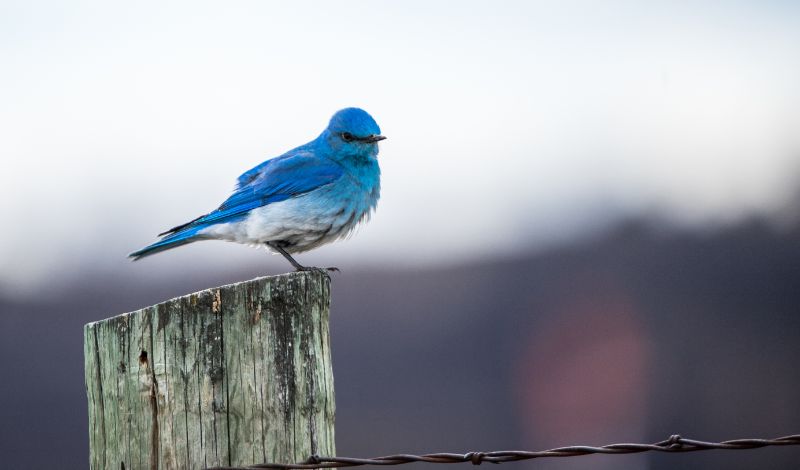
Blue Birds: A Comprehensive Guide to Identification and Habitats
Bluebirds are a captivating species of medium-sized birds native to North America, belonging to the genus Sialia within the thrush family (Turdidae).
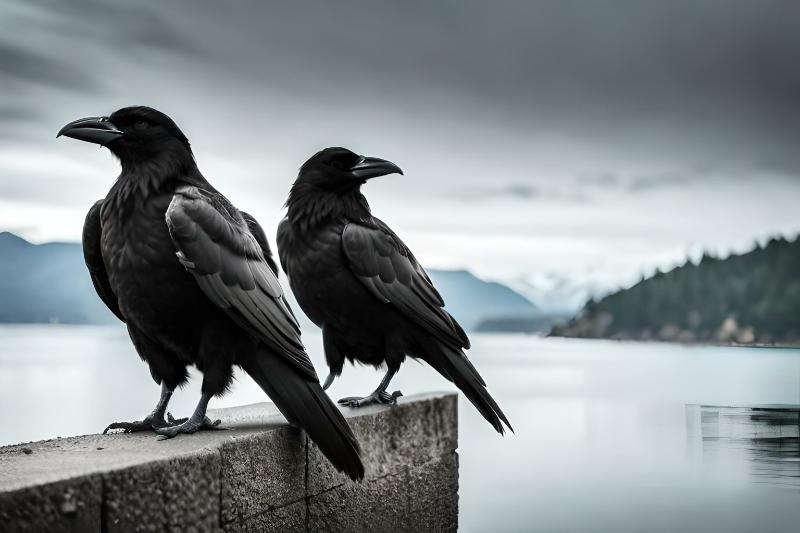
Crow vs Raven: Understanding the Key Differences
In the world of birds, the raven and crow hold a particular place of interest for ornithologists and laypeople.

10 Ways Climate Change and Biodiversity Loss Reinforce Each Other
Climate change and biodiversity loss reinforce each other through wildfire, damaged carbon sinks, ocean warming, food-system pressure, and failed restoration. These ten evidence-based links…
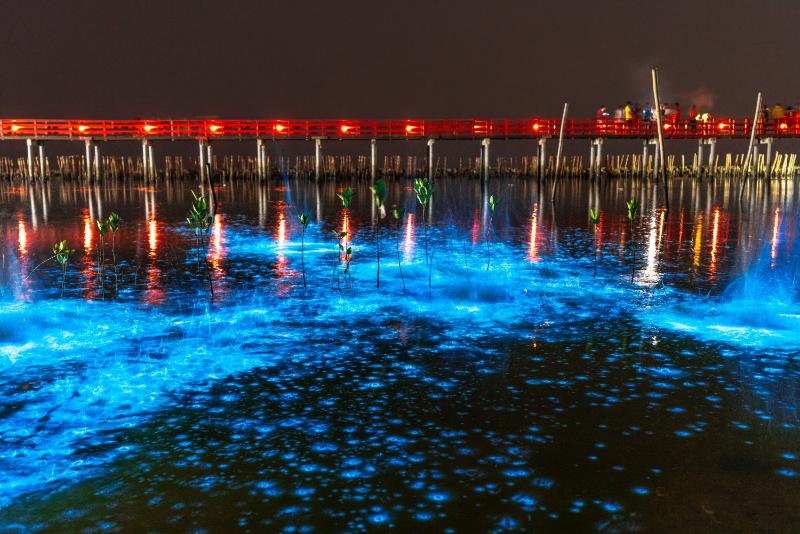
What Is Bioluminescence? How Living Light Works
Instead of reflecting sunlight or absorbing outside light, a bioluminescent organism makes its own glow inside its body, in specialized cells, or with help…

Hydrothermal Vents: The Mysteries of the Ocean’s Powerful Underwater Fountains
Hydrothermal vents are openings in the ocean floor where geothermally heated water is released, forming unique ecosystems deep beneath the Earth’s surface.

100+ Incredibly Unique Monkey Names
Explore over 100 inventive monkey names—from playful to profound—ideal for pet owners, wildlife fans, and anyone wanting a moniker that mirrors primate’s charm.

Sarah Ott’s Climate Change Conversion: From Skeptic to Science Educator
Sarah Ott once believed climate change was a hoax. Her path back to evidence—and into climate education—shows how misinformation gains power through trust and…

Snail Diet: What Do Snails Eat and How to Feed Them Properly
Snails are mostly herbivorous mollusks that feed on plants, algae, and decaying organic matter, requiring calcium for healthy shell development.