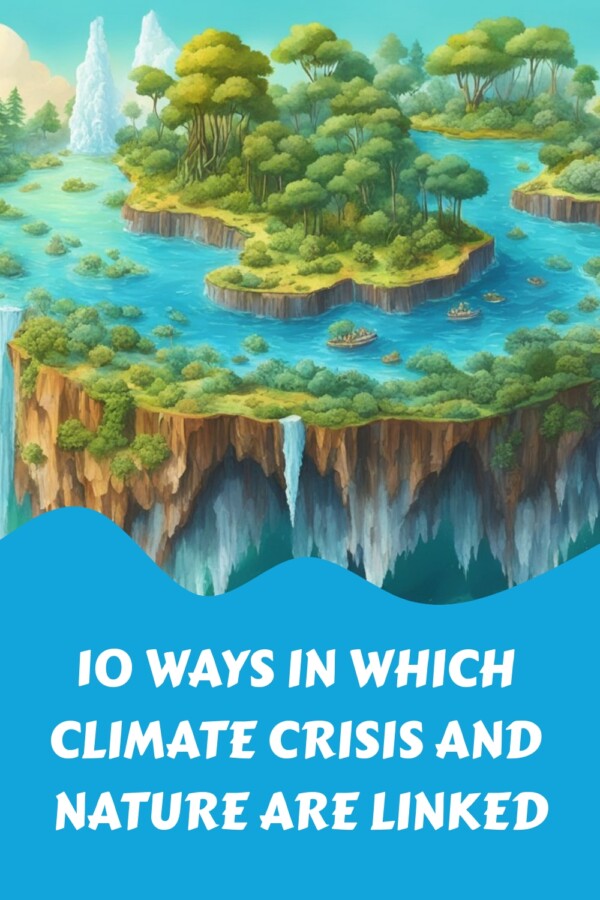
Climate change and biodiversity loss reinforce each other. Rising temperatures, drought, extreme heat, wildfire, ocean warming and acidification damage habitats and disrupt species. In turn, degraded forests, peatlands, wetlands, grasslands and marine ecosystems store less carbon, absorb fewer emissions and provide less protection from floods, heat and food-system shocks.
These are not two separate environmental emergencies. The Intergovernmental Panel on Climate Change recognizes the interdependence of climate, ecosystems, biodiversity and human societies, while recent U.S. Geological Survey research describes a destabilizing feedback: climate change accelerates nature loss, and nature loss can weaken the biological systems that regulate climate.
Key takeaways:
- Climate hazards become more damaging when ecosystems are already fragmented, polluted, overused or dominated by invasive species.
- Nature stores carbon in living vegetation, soils, sediments and the ocean, but a carbon stock is not automatically a permanent carbon sink.
- Wildlife matters to climate regulation because animals pollinate plants, disperse seeds, cycle nutrients and shape vegetation.
- Protecting intact ecosystems usually delivers faster and more reliable climate benefits than trying to recreate them after they are lost.
- Nature-based solutions can support mitigation and adaptation, but they cannot replace rapid cuts in fossil-fuel emissions.
The climate–biodiversity feedback loop, in brief
The relationship works in both directions. The IPBES Global Assessment identifies climate change as an increasingly important driver of biodiversity decline, alongside land- and sea-use change, direct exploitation, pollution and invasive species. Biodiversity loss then reduces the resilience and, in some cases, the carbon-storage capacity of ecosystems.
| Pathway | Immediate effect on nature | How the damage feeds back |
|---|---|---|
| 1. Severe wildfire | Habitat loss, wildlife mortality and soil damage | Carbon is released and future carbon uptake can decline |
| 2. Degraded landscapes | Invasive plants and simplified vegetation alter fuel loads | More frequent fire can lock ecosystems into a degraded state |
| 3. Damaged carbon-rich ecosystems | Forests, peatlands and wetlands lose ecological function | Stored carbon is released and sink capacity weakens |
| 4. Species range and timing shifts | Migration, breeding, feeding and flowering fall out of sync | Pollination, regeneration and food webs become less reliable |
| 5. Marine heatwaves | Coral bleaching, kelp loss and marine die-offs | Coastal protection, fisheries and ecosystem resilience decline |
| 6. Ocean warming and acidification | Food webs and calcifying organisms face greater stress | Marine carbon cycling and blue-carbon habitats are disrupted |
| 7. Wildlife decline | Seed dispersal and nutrient cycling weaken | Forest composition and long-term carbon storage can change |
| 8. Failed restoration | Seedlings die during heat, drought, fire or disease outbreaks | Planned carbon removals and habitat recovery do not materialize |
| 9. Food-system pressure | Habitat is converted to crops or grazing land | Deforestation and soil degradation add emissions |
| 10. Poorly planned displacement | Receiving areas may face new pressure on land and water | Unplanned development can fragment ecosystems and increase risk |
1. Hotter, drier conditions increase destructive wildfire risk
Climate change does not ignite every wildfire, but it can make the conditions in which fires spread more likely and more severe. Higher temperatures, longer droughts and a drier atmosphere pull moisture from vegetation and soils. When an ignition occurs, those dry fuels can support faster-moving and more intense fires. The National Oceanic and Atmospheric Administration identifies human-caused warming as a key driver of increasing wildfire risk and extent in several regions.
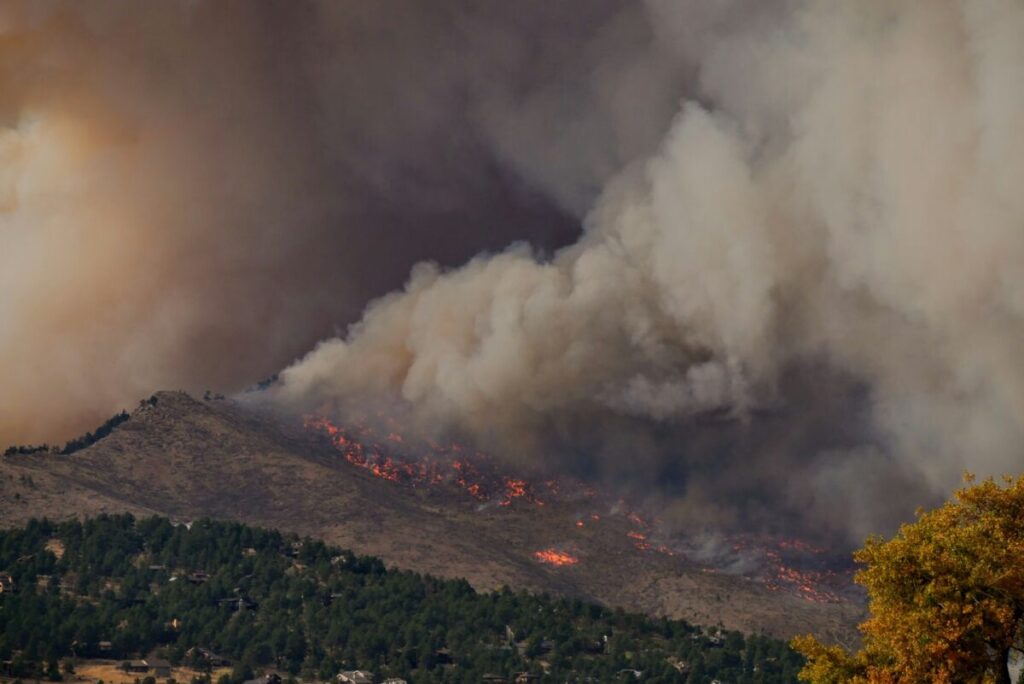
The ecological toll extends beyond animals killed during the flames. Survivors may lose shelter, nesting sites and food; smoke and heat can cause additional stress; and post-fire erosion can damage rivers and coastal waters. Scientists estimated that nearly three billion mammals, birds, reptiles and frogs were killed or displaced during Australia’s 2019–2020 bushfires, according to a WWF-Australia-commissioned assessment.
Fire is also a natural and necessary process in many ecosystems, so the goal is not to eliminate it everywhere. The climate risk comes from changes in fire frequency, season, intensity or location that exceed what native species and soils can tolerate. Repeated severe burns can prevent forests or shrublands from recovering, converting a temporary disturbance into a long-term loss of habitat and carbon storage.
2. Degraded landscapes can create a self-reinforcing fire cycle
Climate is only one part of wildfire risk. Land management, development, fire suppression history and vegetation all determine how much fuel is present and how flames move. A diverse native landscape can contain wetter patches, open areas and species with different flammability. A simplified or invaded landscape may instead develop continuous fuel beds that carry fire across large areas.
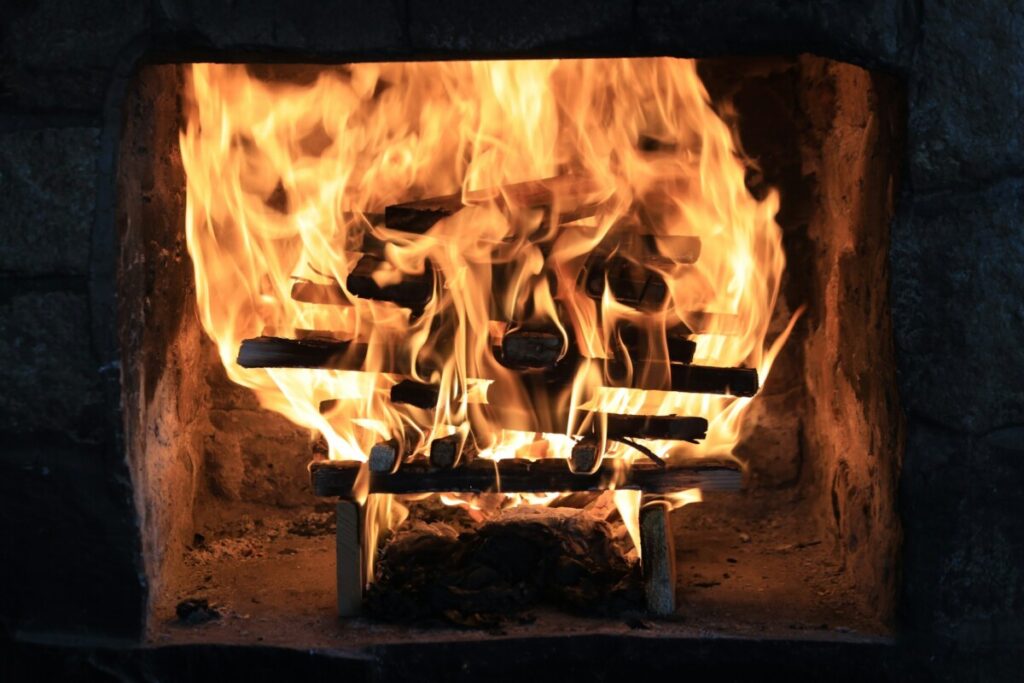
In Hawaiʻi, for example, the U.S. Geological Survey warns that invasive grasses can increase ecosystem flammability. Fire then removes native vegetation, while fast-growing grasses recolonize quickly and supply fuel for the next burn. Similar grass–fire cycles threaten sagebrush and dryland ecosystems elsewhere.
Breaking this cycle requires more than clearing vegetation. Effective management can include controlling invasive plants, restoring native species, using prescribed or cultural burning where ecologically appropriate, reducing human ignitions and designing communities around realistic fire behavior. The right intervention depends on the habitat and its natural fire regime.
3. Damage to forests, peatlands and wetlands releases carbon and weakens future uptake
A carbon stock is carbon already stored in vegetation, soil, peat or sediment. A carbon sink absorbs more carbon than it releases over a given period. An ecosystem can hold a large carbon stock while its annual sink weakens—or even become a net source after drainage, clearing, fire or prolonged drought.
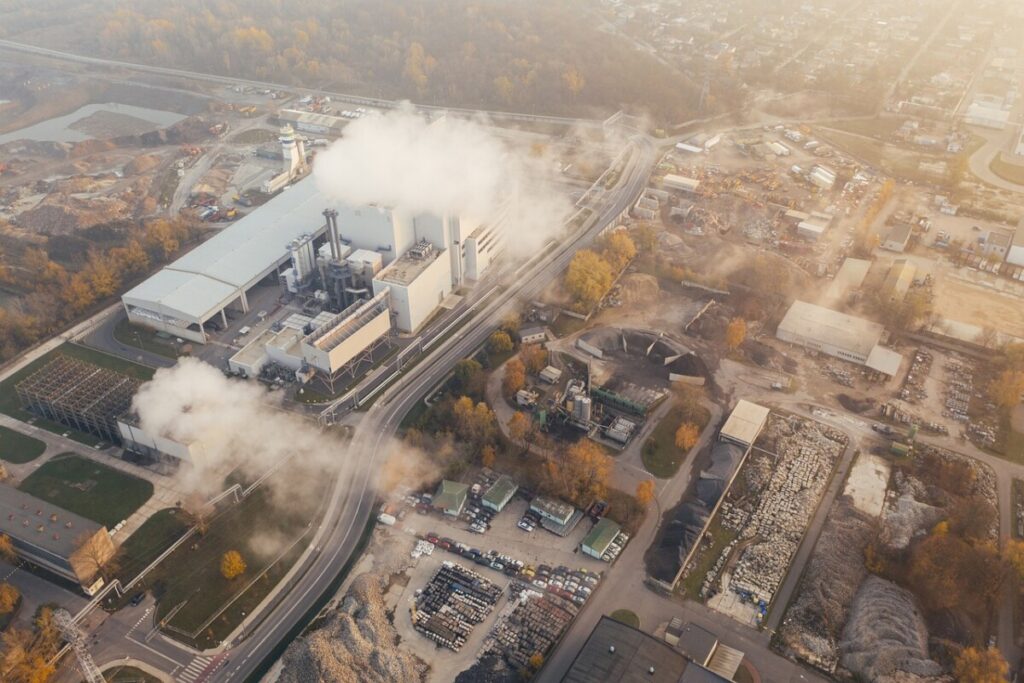
Peatlands show why protecting existing carbon stores matters. They cover only about 3% to 4% of the world’s land surface but contain up to one-third of global soil carbon, according to the UN Environment Programme’s Global Peatlands Assessment. Draining peat for farming, forestry or extraction exposes carbon-rich material to oxygen, producing carbon dioxide and making the land more fire-prone.
Forests, mangroves, salt marshes, seagrass meadows and healthy soils also hold important carbon stocks. Clearing or degrading them causes an immediate release and removes future capacity to take up carbon. That is why conserving intact, carbon-rich landscapes and terrain types is generally a higher-confidence near-term climate action than relying on uncertain future restoration.
4. Warming changes where species live and when ecological events happen
Species respond to climate change by shifting their ranges, changing behavior or adjusting the timing of migration, breeding, flowering and feeding. Many move toward higher latitudes, higher elevations or deeper water in search of suitable conditions, although real-world shifts do not always follow those simple directions. The outcome depends on habitat, competitors, food, barriers and the speed of change.
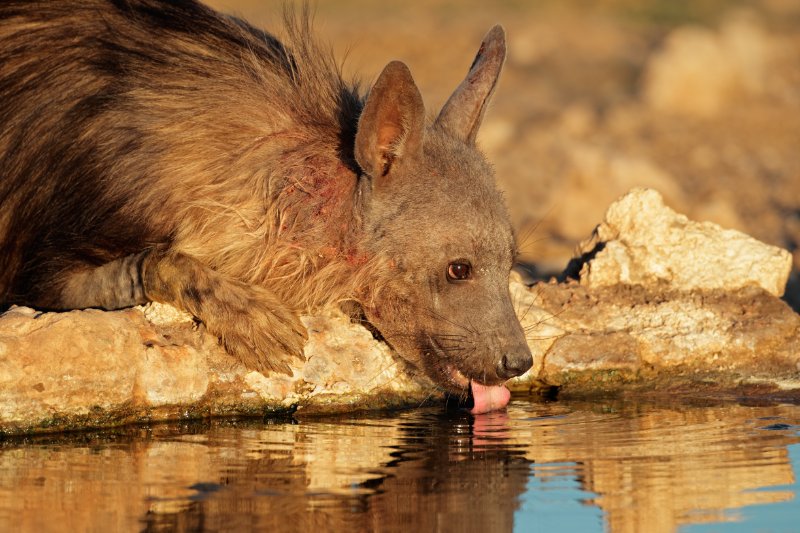
Movement is not always possible. Roads, farms, fences, cities and fragmented habitat can block access to cooler areas. Mountain species may run out of higher ground, while island and polar species have limited escape routes. Even mobile species can arrive in places where food, shelter or breeding partners are missing.
Timing shifts can be equally disruptive. A plant may flower earlier, while its pollinator responds to a different temperature or daylight cue. A migratory bird may reach a breeding area after a seasonal insect peak has passed. These mismatches can weaken reproduction and food webs even before a species disappears from a region.
5. Marine heatwaves can strip away coral, kelp and seagrass habitat
The ocean absorbs most of the excess heat trapped by greenhouse gases, so marine ecosystems are exposed to both gradual warming and short periods of exceptional heat. Marine heatwaves can cause coral bleaching, kelp-forest collapse, seagrass damage and mass mortality among fish, seabirds and marine mammals.
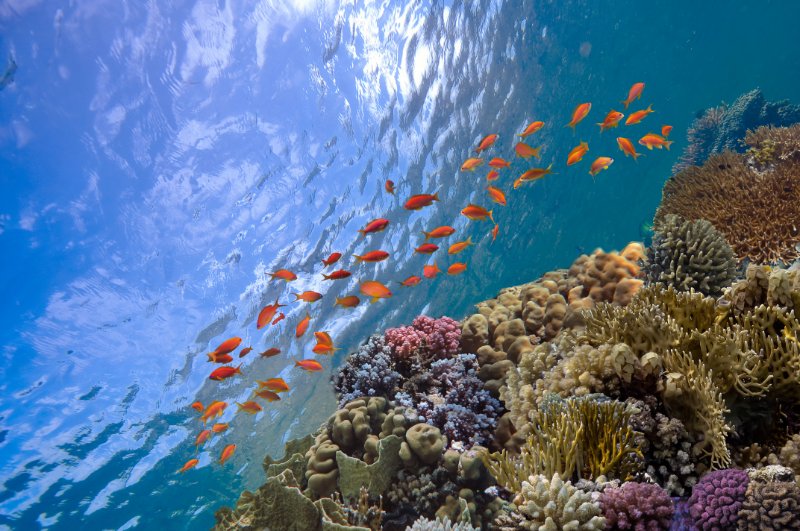
Coral bleaching happens when heat-stressed corals expel the algae that provide much of their food and color. Corals can recover if heat subsides, but prolonged or repeated bleaching increases disease and mortality. In a June 2026 update, NOAA Coral Reef Watch reported that bleaching-level heat stress had affected about 84.4% of the world’s coral reef area between January 2023 and September 2025.
Reef decline affects more than biodiversity. It can reduce fish habitat, tourism income and natural protection from waves and storms. Local action—such as reducing pollution, destructive fishing and direct physical damage—can improve reef resilience, but it cannot fully compensate for continued global warming.
6. Ocean warming and acidification disrupt marine carbon cycling
The ocean is a major climate buffer. It absorbs roughly 30% of the carbon dioxide released to the atmosphere and more than 90% of the excess heat in the climate system. That slows atmospheric warming, but it also changes seawater chemistry and increases thermal stress.
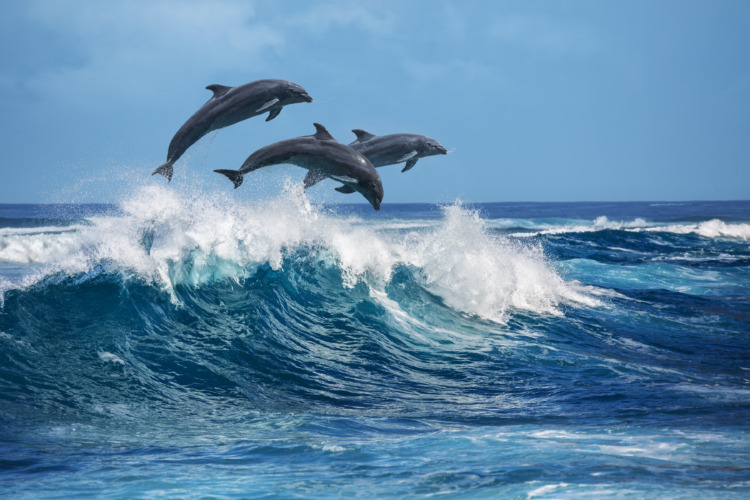
When seawater absorbs carbon dioxide, chemical reactions reduce pH and the availability of carbonate ions used by corals, oysters and other organisms to build shells and skeletons. NOAA describes this long-term change as ocean acidification. At the same time, warming can reduce oxygen, shift plankton communities and alter the mixing and circulation that move carbon through the ocean.
Coastal “blue-carbon” habitats—including mangroves, salt marshes and seagrass—store carbon in vegetation and sediments while providing nursery habitat and storm protection. Destructive coastal development and poor water quality can eliminate those benefits. Reducing overfishing and other direct pressures on marine food webs also improves ecological resilience.
Claims about the exact amount of carbon released by fishing practices such as bottom trawling remain an active area of research, and global estimates vary. The better-supported conclusion is narrower: protecting marine habitats and food webs preserves biodiversity, adaptation capacity and locally important carbon stores, but it does not remove the need to cut fossil-fuel emissions.
7. Losing wildlife can change how forests regenerate and store carbon
Animals are active parts of the carbon cycle, not simply occupants of habitat. Birds, primates, bats and large mammals disperse seeds; herbivores shape vegetation; predators influence food webs; and animals move nutrients across land and water. Removing key species can change which plants reproduce and which trees dominate a future forest.
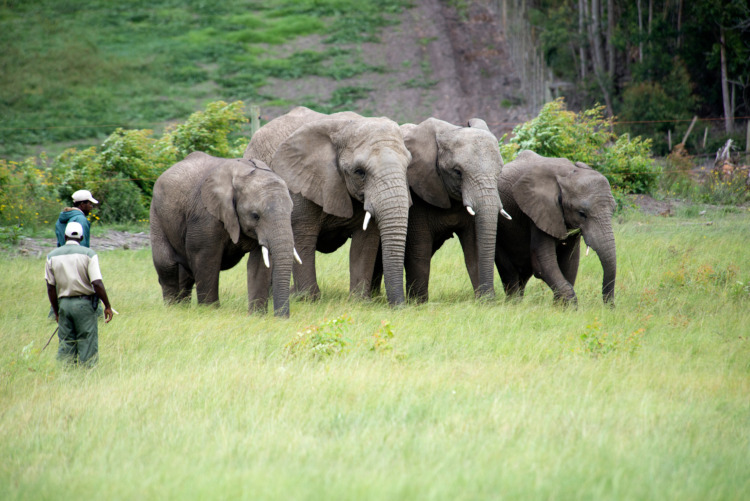
A 2015 Science Advances study found that many large tropical trees with substantial carbon-storage potential rely on large vertebrates for seed dispersal. A 2024 Nature Climate Change modeling study likewise found that restricted movement of large fruit-eating birds reduced potential future biomass in the fragmented landscapes it examined.
The size of this effect differs among forests, species and regions, so wildlife conservation should not be reduced to a single carbon number. The broader lesson is robust: poaching, hunting and fragmentation can remove ecological interactions that tree-planting programs assume will still be present. Protecting animals, corridors and connected habitat helps forests regenerate as functioning ecosystems rather than collections of stems.
8. Heat, drought, fire and disease make restoration harder
Restoration is often presented as a predictable path from planting to mature habitat. In reality, young trees and recovering wetlands are vulnerable to drought, extreme heat, fire, pests, disease, browsing and altered rainfall. Climate conditions based on the past may no longer be a reliable guide to which species or seed sources will survive for decades.
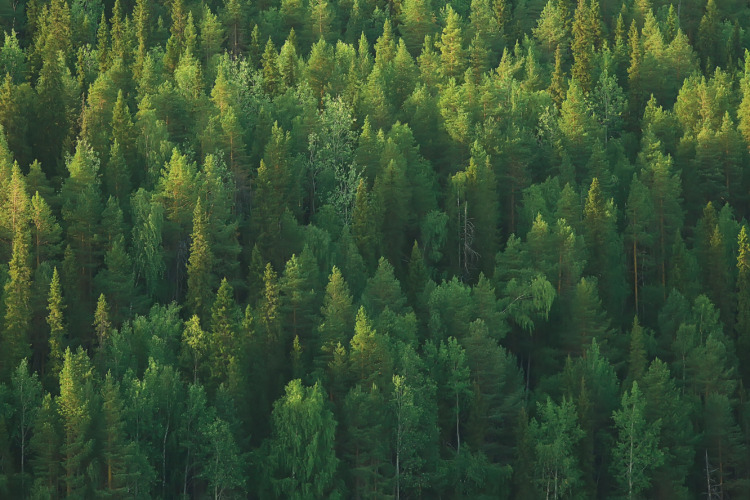
Climate-smart restoration starts with the site: soils, water, fire regime, current land use, nearby habitat and future climate exposure. The International Union for Conservation of Nature recommends enhancing species and genetic diversity and adapting management as environmental conditions change. In many places, natural regeneration, assisted regeneration or restoring hydrology can be more effective than planting a uniform stand of trees.
Projects also need long-term maintenance and monitoring. Seedling survival, connectivity, native species recovery, water impacts and community benefits matter more than the number of seedlings put in the ground. Protecting an intact ecosystem remains preferable to destroying it and promising to recreate its carbon and biodiversity later.
9. Climate-stressed food systems can push agriculture into natural habitat
Heat, drought, flooding, changing rainfall, pests and water scarcity can reduce crop and livestock productivity. A poorly planned response is to compensate by converting more forest, grassland or wetland to agriculture. That may increase short-term production while releasing carbon, fragmenting habitat and weakening pollination, soil fertility and water regulation.
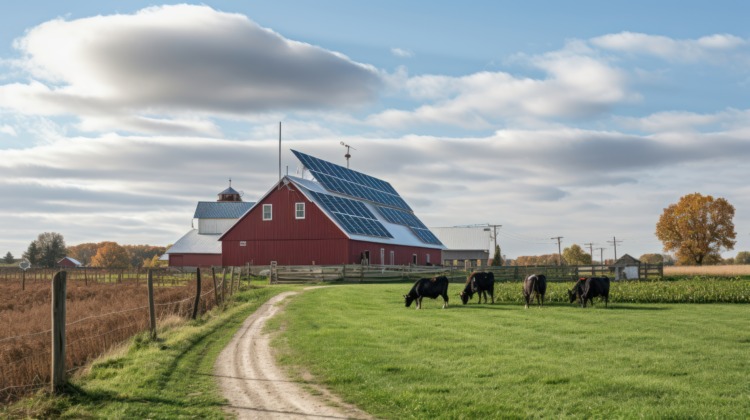
This risk matters because agricultural expansion is already associated with almost 90% of global deforestation, according to the Food and Agriculture Organization of the United Nations. Cropland expansion accounts for roughly half, with livestock grazing responsible for much of the remainder.
Expansion is not inevitable. Diversifying crops, improving soil organic matter, using water more efficiently, reducing food loss, protecting pollinators, shifting incentives away from deforestation and supporting producers on existing farmland can improve resilience without treating habitat conversion as the default. Climate adaptation should lower risk across the food system, not transfer it to biodiversity.
10. Climate displacement can shift environmental pressure when planning fails
People move for interconnected economic, social, political and environmental reasons. Climate change can intensify those pressures through water scarcity, declining crop productivity, sea-level rise and repeated disasters. The World Bank’s Groundswell analysis projected that, under a high-impact scenario, as many as 216 million people could move within their own countries across six regions by 2050.
Displaced people should not be framed as the environmental threat. The outcome depends on governance: whether receiving communities have housing, sanitation, water, transport, livelihood options and clear land rights. Without those systems, informal settlement or emergency resource use can place additional pressure on forests, wetlands and water. With inclusive planning, mobility can be a legitimate adaptation strategy rather than a new source of ecological and human harm.
Early emissions cuts and resilient development could substantially reduce the scale of forced movement in the World Bank scenarios. Where movement is unavoidable, planning should protect both human dignity and the ecosystems on which host and displaced communities depend.
How to break the climate–nature feedback loop
The strongest response works on climate and biodiversity together while avoiding solutions that shift harm from one system to another.
- Cut greenhouse-gas emissions rapidly. Protecting nature becomes harder with every increment of warming. Energy efficiency, clean power, electrification, methane reduction and other climate change mitigation strategies address the underlying pressure.
- Protect intact, carbon-rich ecosystems first. Preventing the loss of primary forests, peatlands, mangroves, salt marshes, seagrass and old grasslands avoids immediate emissions and preserves ecological complexity that may take centuries to recover.
- Restore diverse ecosystems for future conditions. Use native species and genetic diversity, repair hydrology, reconnect habitat and monitor survival. A restoration plan should include drought, fire and heat risk rather than assume historical conditions will return.
- Reduce direct pressures on wildlife and habitat. Climate action works better when paired with limits on overexploitation, pollution, invasive species and fragmentation. Healthy populations and connected habitats give species more room to adapt.
- Center rights, equity and local knowledge. Indigenous Peoples and local communities manage many of the world’s most ecologically intact landscapes. Effective conservation requires secure tenure, free, prior and informed consent, fair benefit sharing and meaningful participation in decisions.
Nature-based solutions are a complement to rapid emissions cuts, not a substitute for them. A climate project should produce measurable benefits for biodiversity and people rather than use tree planting or carbon credits to delay fossil-fuel reductions.
IUCN guidance on nature-based solutions
Frequently asked questions
These concise answers address the most common questions about the relationship between climate change and nature loss.
How are climate change and biodiversity loss connected?
Climate change alters temperature, rainfall, oceans and extreme events, damaging species and habitats. Biodiversity loss then weakens ecosystem resilience, carbon storage, water regulation and other natural processes that help people and the climate.
Does biodiversity loss make climate change worse?
It can. Deforestation, peatland drainage, wetland loss and damaged food webs can release stored carbon or reduce future carbon uptake. The size of the effect varies by ecosystem, location and type of disturbance.
Can nature stop climate change on its own?
No. Protecting and restoring ecosystems can reduce emissions, remove some carbon and improve adaptation, but nature-based solutions cannot replace rapid reductions in fossil-fuel use and other greenhouse-gas sources.
Which ecosystems are most important for storing carbon?
Forests, peatlands, wetlands, grasslands, mangroves, salt marshes, seagrass and ocean systems all store carbon. Their importance depends on the amount stored, how secure it is and whether the ecosystem remains a net sink.
What is the best way to protect climate and nature together?
Cut emissions while protecting intact ecosystems, reducing habitat destruction and overexploitation, restoring diverse native habitats, and supporting Indigenous and local stewardship. The mix of actions must fit the local ecology and community.
The bottom line
Climate change and biodiversity loss form a feedback loop, but that does not make the outcome inevitable. Rapid emissions cuts reduce the pressure on ecosystems. Protecting intact nature keeps carbon stored and gives species room to adapt. Carefully designed restoration, sustainable food production and equitable planning can rebuild resilience without transferring costs to vulnerable communities.
For the next step, see how the climate-driven wildlife crisis affects species, review the evidence on whether it is too late to stop climate change, and focus on actions that reduce emissions while protecting living systems.