
An endangered plant is a plant species at high risk of extinction in the wild — formally, one listed as Endangered or Critically Endangered on the IUCN Red List, or protected under a national law such as the U.S. Endangered Species Act. Habitat loss, illegal collection, invasive species and climate change are the main drivers.
The scale is larger than most people assume. Royal Botanic Gardens, Kew’s State of the World’s Plants and Fungi 2023 estimates that 45% of all known flowering plant species are threatened with extinction, and that 77% of plant species still awaiting formal scientific description are already threatened. Only about 18% of described plant species have been assessed for the Red List at all, so most endangered plants have never been counted.
Below are 30 endangered and threatened plants from every inhabited continent, each with its current conservation status and where it actually grows.
Pests, forest fires, and other natural disasters are among the causes of the endangered plants of the flora world.
Likewise, industrial activity and the expansion of cities have generated extinct plants and, of course, many others that are threatened today on the endangered plant list.
4 Main Reasons Why Plants Become Endangered
There are many reasons why plants face extinction, but the top threats include:
- Pests and Diseases: Invasive insects and pathogens can decimate native plant populations that have no natural defense against them.
- Climate Change and Poor Soil: Shifting weather patterns and soil degradation make it difficult for highly specialized plants to survive in their historical ranges.
- Habitat Destruction: Deforestation, agricultural expansion, and urban development physically destroy the environments where rare plants grow.
- Over-Harvesting: Many wild plants are illegally extracted for ornamental use or unverified medicinal purposes.
Advances in agriculture and urbanization and the continuous use of pesticides destroy habitats. The figures for habitat loss are serious, but they are also widely misquoted. The often-repeated “2.3 million square kilometres of forest lost” figure comes from Hansen et al. (2013) in Science and covers twelve years (2000–2012) worldwide — not a single year. Annual global tree-cover loss runs closer to 0.2–0.3 million square kilometres, which is still roughly half the area of Spain being cleared every year.
In Europe and the United States, spaces are lost to intensive agriculture, so endangered plants will always exist in the US. On the Atlantic coast of South America, thousands of hectares of forests are burned, as is in Madagascar.
In Indonesia, the same practice is used to plant oil palm for producing palm oil – the crop behind a long list of products that contain palm oil.
How you can help fight habitat loss
Habitat loss is a serious problem that is having devastating effects on our natural habitat. While there are many steps that we can take as individuals to protect our planet and fight habitat loss, below are some of the most important ones.
- One of the best ways to combat habitat loss is to reduce your carbon footprint. You can do this in various ways, from driving less often to saving energy at home.
- Reducing your reliance on fossil fuels will help minimize greenhouse gas emissions, which contribute to global warming and can destroy natural habitats.
- Another key step you can take is supporting organizations that advocate for environmental protection. This might take the form of volunteering or donating money, but we must work together to save our vulnerable habitats from further harm.
- In addition to these individual actions, it’s also important that we become more informed about the causes and impacts of habitat loss. We need to learn more about what’s happening locally and globally to make informed decisions and hold our leaders accountable for their actions.
By taking all of these steps, whether big or small, each of us has the power to help preserve our planet for future generations.
How are endangered plant species protected?
Multiple different ways endangered plant species can be protected from becoming completely extinct.
- At the most fundamental level, efforts are often made to preserve these endangered plants’ habitats and reduce or eliminate human activities that could damage or disrupt them.
- Conservationists work to identify and study these vulnerable species, often creating detailed biological profiles for each. These studies help inform strategies for protecting individuals and preserving habitat areas where groups of endangered plants live.
- Additionally, many conservation organizations work directly with government entities to create legislation that protects these sensitive species. An example of a government entity is the U.S. Fish and Wildlife Service.
- Finally, public education programs help to raise awareness about the importance of preserving the Earth’s precious flora, encouraging the public to take action in their communities.
- Ultimately, the goal of protecting endangered plant species is an ongoing effort that requires cooperation from diverse stakeholders across multiple sectors. Through continued collaboration and innovation, we can work towards a more sustainable future that protects and preserves vital plant biodiversity for generations.
Endangered Plant Species Around the World
1. Eastern Cape Giant Cycad (Encephalartos altensteinii)
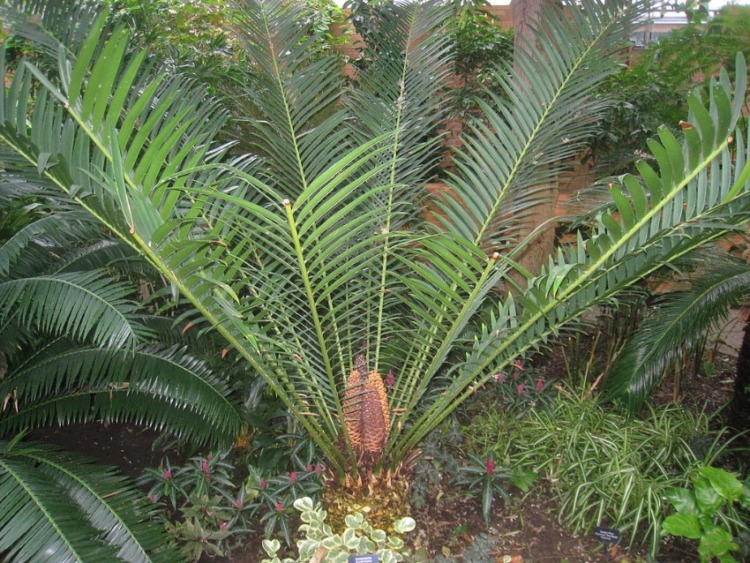
Encephalartos altensteinii — the Eastern Cape giant cycad or “breadtree” — is a slow-growing cycad endemic to the coastal Eastern Cape of South Africa, where it grows on rocky slopes and in evergreen forest valleys. It reaches about 4 to 7 metres (13–23 ft) tall. The IUCN Red List classifies it as Vulnerable, driven by habitat clearance, harvesting for traditional medicine and removal by collectors.
Due to their wind resistance, they are often used as ornamental plants in large gardens and parks, especially on the sea coast.
Individual plants can live for centuries — the specimen at Kew Gardens, brought to Britain in 1775, is often called the oldest pot plant in the world. That longevity is also the problem: cycads mature slowly, so a poached adult plant cannot be replaced within a human lifetime.
See Related: Best Outdoor Jobs | Careers to Consider for Outdoor Lovers
2. Phalaenopsis Micholitzii
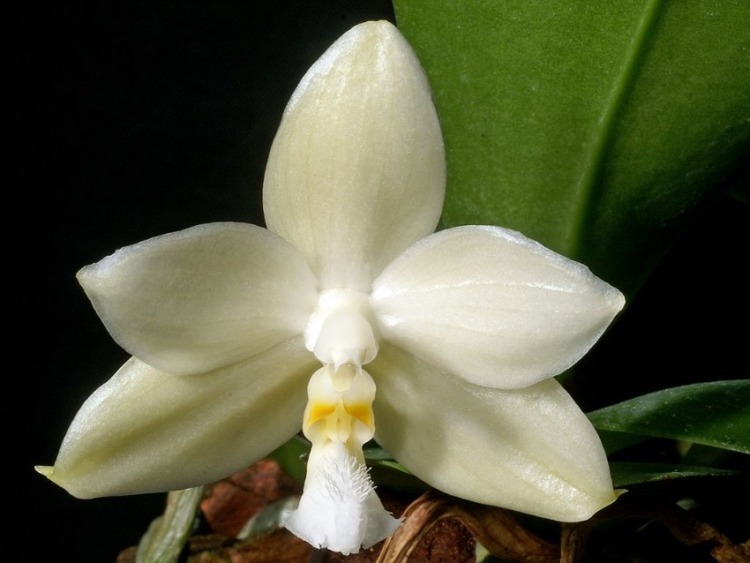
Phalaenopsis micholitzii is a moth orchid in the family Orchidaceae, native to the humid lowland forests of the Philippines. It is a tropical forest species, not a tundra plant — no orchid of this genus grows in tundra, and the tundra’s flora is dominated instead by mosses, lichens, sedges and dwarf shrubs.
However, it is currently in critical danger of disappearing. This type of orchid is normally found in humid forests with tropical climates.
Its beautiful structure and natural appeal make it a threatened species due to overcollection and the loss of habitat it has been exposed to in recent years.
3. Sea Pineapple (Atractylis preauxiana)
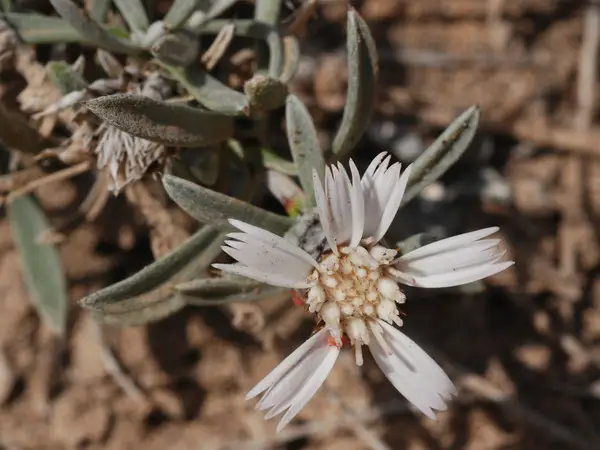
Atractylis preauxiana — the “piña de mar” or sea pineapple — is one of the rarest shrubs in the Canary Islands. It is not widely distributed: it survives only in a handful of stony coastal sites on the south-eastern fringes of Gran Canaria and Tenerife, in a fragmented range of a few square kilometres, and is treated as Critically Endangered on that basis.
Although it barely reaches a height of 30 centimeters, its characteristic leaves, with highly visible whitish ligules, allow it to be identified with the naked eye.
Its threats are almost entirely local and physical: coastal residential development, fly-tipping of rubble, ploughing, rabbit grazing and vehicles driven across its habitat. Recovery work has focused on fencing individual population nuclei.
The shrub of the Asteraceae family has been threatened by various causes, and today, it is part of the Red Book of the Threatened Vascular Flora of Spain.
4. Acacia Anegadensis
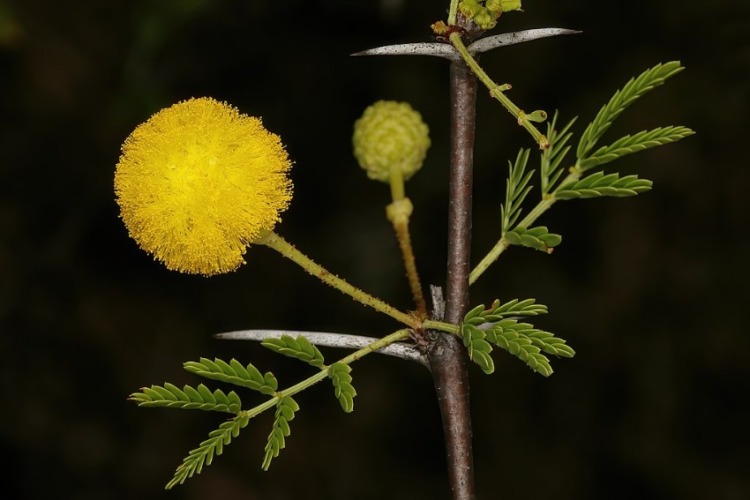
In the British Virgin Islands, a type of acacia is critically endangered. This species, which belongs to the island’s flora, is considered one of the trees in danger of extinction after suffering consequences from the rise in the sea level of its habitat, which has been altered due to climate change.
This small tree with thorns also has small flowers, which make it a very attractive species due to its bright yellow color and the small pods with seeds inside.
See Related: Different Types of Tundra Plants
5. Drosera Anglica
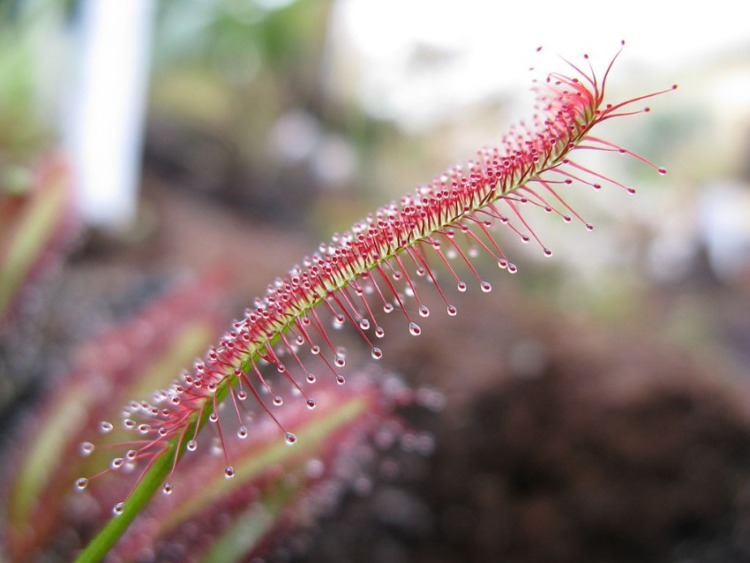
Long-leaved sundew (Drosera Anglica) is a carnivorous plant that emerged from a hybridization that resulted in fertile offspring.
It is small, no more than 10 centimeters, and grows in temperate regions, from southern Japan and Hawaii to Álava and Asturias.
Its presence in puddles, swamps, and bogs is very fragile, and any alteration in the peat bog habitat leads to its loss.
6. Amorphophallus Titanum
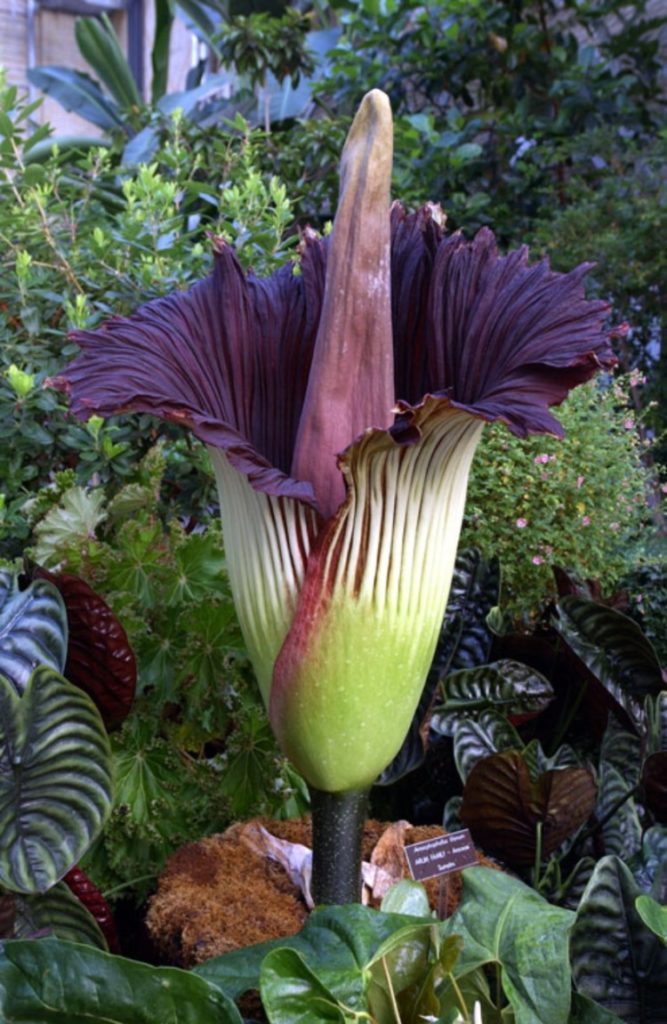
The next endangered plant you meet may leave you speechless when you observe its striking body.
Amorphophallus titanum — the titan arum, or bunga bangkai (“corpse flower”) in Indonesian — is endemic to the rainforests of western Sumatra. It draws attention for its smell, which mimics rotting meat to attract carrion beetles and flesh flies, and for its size — it is one of the strangest blooms on Earth, alongside the other mysterious flowers that use deception to reproduce.
It is frequently called the world’s largest flower, and that is not quite right: the titan arum produces the world’s largest unbranched inflorescence — a single stalk carrying hundreds of tiny flowers. The largest individual flower belongs to Rafflesia arnoldii, which can span nearly a metre and weigh up to 11 kg (24 lb). The IUCN lists Amorphophallus titanum as Endangered, with fewer than 1,000 individuals estimated to remain in the wild; the plants people see are almost always cultivated specimens in botanical gardens.
7. Dionaea Muscipula
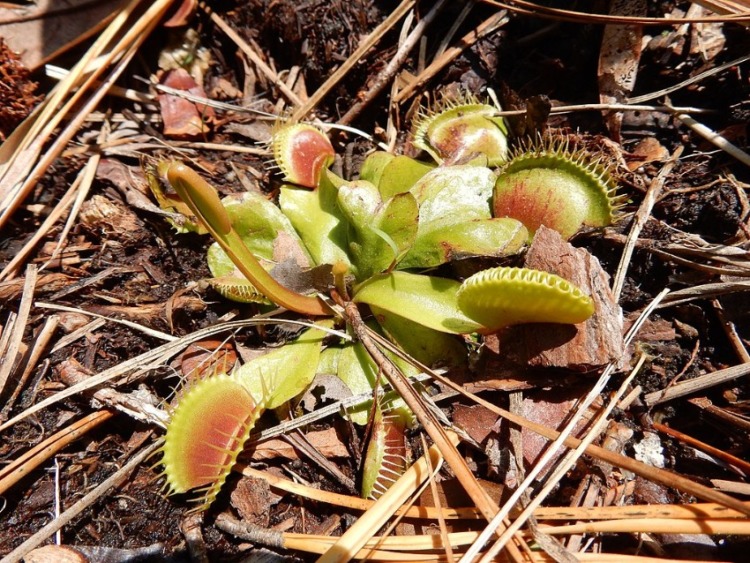
Dionaea muscipula, the Venus flytrap, is a carnivorous plant listed as Vulnerable on the IUCN Red List. It is often assumed to be tropical or Hawaiian. It is neither: the Venus flytrap is endemic to a roughly 75-mile (120 km) radius around Wilmington, North Carolina, in the wet longleaf-pine savannas of the Carolina coastal plain, and grows wild nowhere else on Earth.
It needs nutrient-poor, permanently wet, acidic soil and — critically — regular fire, which clears the shrubs that would otherwise shade it out. Fire suppression is one reason wild populations have collapsed even where the habitat itself still exists.
Its decline is not natural. The two documented causes are conversion of its wetland habitat and outright poaching for the houseplant trade — so much so that North Carolina made taking a wild Venus flytrap a Class H felony in 2014, punishable by up to 29 months in prison.
8. Cycas Revoluta
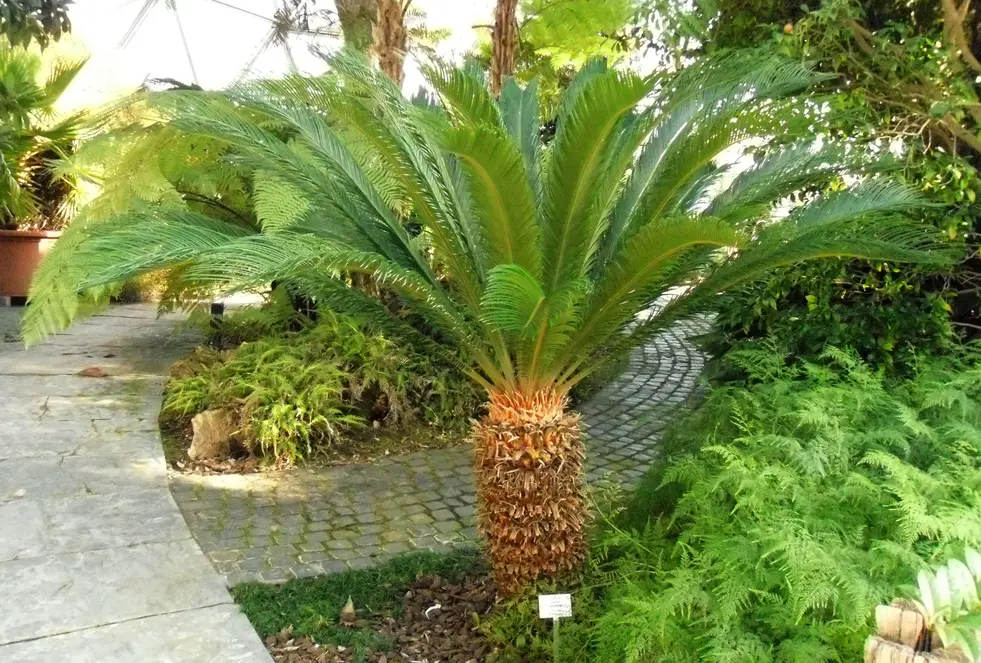
Returning to the endangered plants, mentioning the sago palm, false palm, or cica is necessary, as this Japanese plant is also known.
An honest caveat belongs here: Cycas revoluta, native to southern Japan and the Ryukyu Islands, is assessed as Least Concern by the IUCN and is not an endangered plant. It is included because it is so often listed as one — its cultivated ubiquity masks the fact that many of its close relatives in the genus Cycas, and cycads generally, are among the most threatened plant groups on Earth. It is also genuinely toxic: every part of the plant contains cycasin, and ingestion is frequently fatal to dogs.
It is often used as a houseplant without knowing its high toxicity level.
See Related: Easy Plant Propagation Techniques to Start Today
9. Dracaena Draco
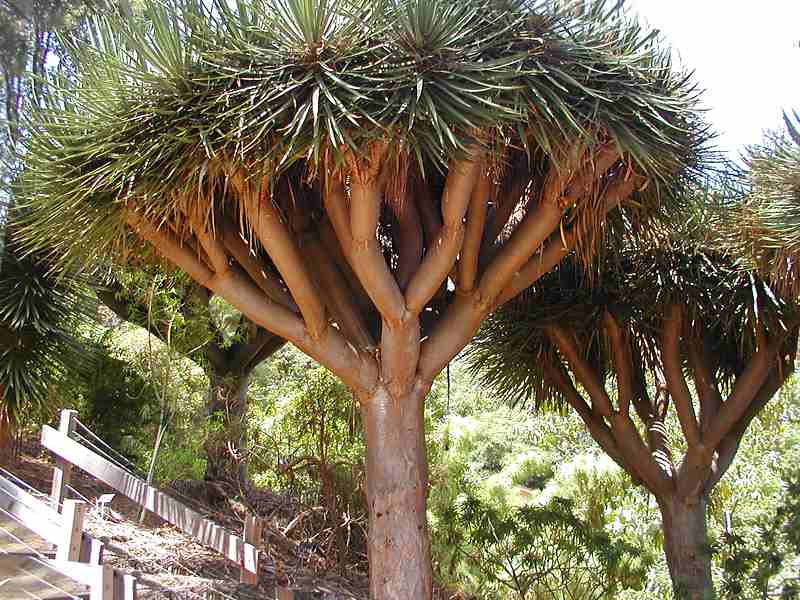
Another plant in danger of extinction is the Dracaena Draco or Drago. This endangered plant species is a symbol of the island of Tenerife, where you can find one of the most important specimens in the world. Its life span ranges between 500 and 600 years.
Although it also grows in Morocco, it is one of the plants in danger of extinction in Spain.
Its slow growth, rough stem, and white flowers are characteristic features of this common species in wooded areas.
10. The Medusagyne
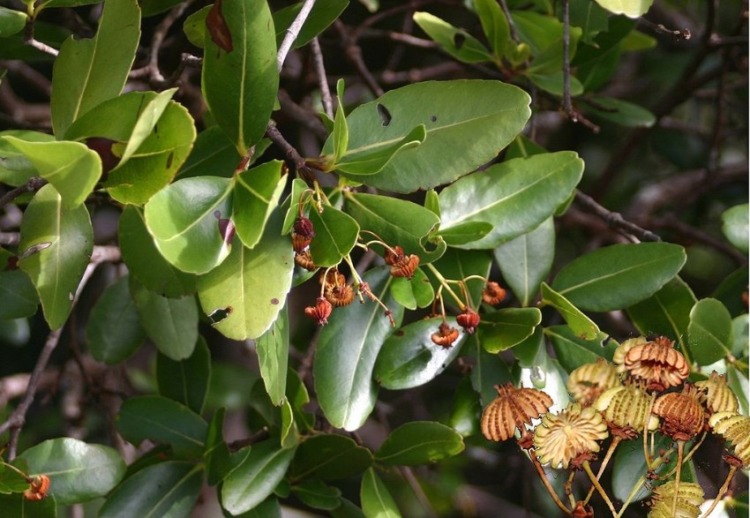
These endangered plants in the desert are typically known to grow on the island of Mahé in Seychelles.
It is the only species of the genus Medusagyne and receives that name due to the shape of the fruits that grow on it. It was originally believed to be an extinct plant; however, in 1970, some species were found.
Despite this, today, it is part of the flora in danger of extinction due to natural causes since its seeds do not finish germinating naturally.
In addition, climate change has generated alterations in its habitat, such as the humid forests, which are like the endangered plants in the tropical rainforest.
11. Tillandsia Dyeriana
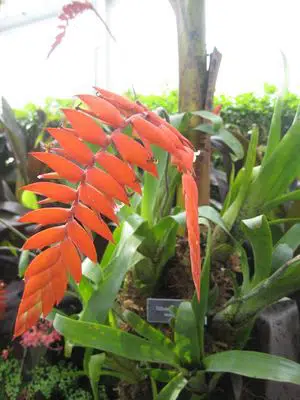
Returning to Ecuador, we find this epiphytic plant that grows in Guayas.
Its orange color makes it a beautiful plant that is, for natural reasons, in critical danger of extinction.
Tillandsia Dyeriana is part of the bromeliad family, and due to its critical situation, it could become one of the extinct plants of the American continent like other endangered plants in Hawaii.
Despite this, the few species of this beautiful flower continue to adorn the Ecuadorian vegetation with its picturesque color.
12. Heliconia Brenneri
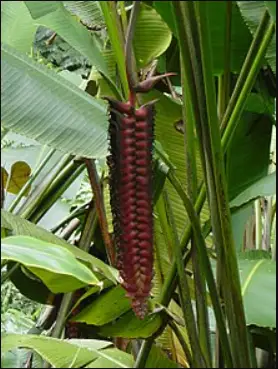
There are endangered plants in the rainforest, but there are also several in Ecuador. The next species belongs to the Heliconiaceae family and also grows in Ecuador. Today, it is a vulnerable species that tends to become an endangered plant if the necessary measures are not taken.
Heliconia Brenner grows in the mountains up to 2000 meters above sea level. In Ecuador, this beautiful plant is close to a highway that has become its main enemy, the Limón-Indanza, since its expansion has put it at risk.
13. Heliconia Obscura
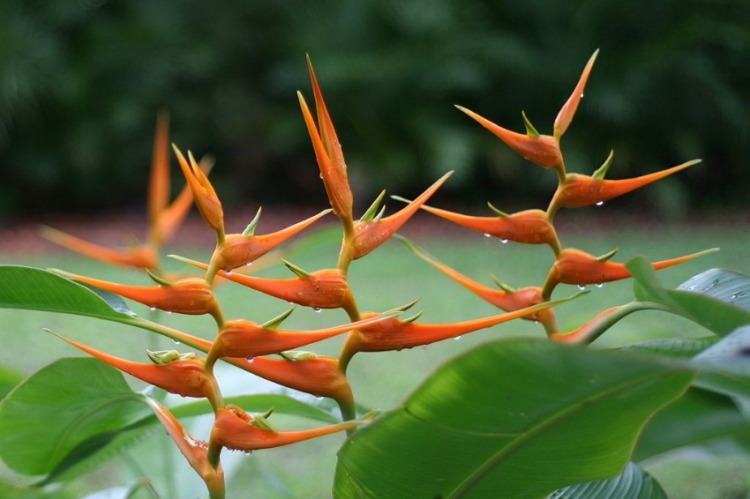
Staying with the Heliconiaceae, Heliconia obscura is a second threatened member of the family from the same region — it has no connection to Texas or to North American flora.
As with Heliconia Brenner, Obscura grows in the humid forests of Ecuador and, in turn, Peru.
Its recognised subspecies — H. obscura subsp. fusca, subsp. dichroma and subsp. obscura — are all restricted-range, so a single episode of forest clearance can remove a large share of a subspecies at once.
14. Trilepisium Gymnandrum
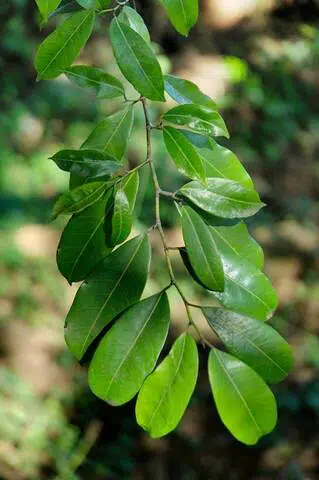
Trilepisium gymnandrum is a tree in the fig family (Moraceae) endemic to the Seychelles — the name is gymnandrum, in the genus Trilepisium, and both are routinely garbled in online plant lists. It is one of a small group of Seychelles endemics whose entire world range sits on a few granitic islands.
This plant species grows in forests and lowlands. Numerous efforts are being made to keep alive the few species of this plant that are still part of the world ecosystem. If successful, the showy green-leaved plant can continue complementing the forests with its striking color.
See Related: Is Silicone in Shampoo Bad for the Environment?
15. Guzmania Lepidota
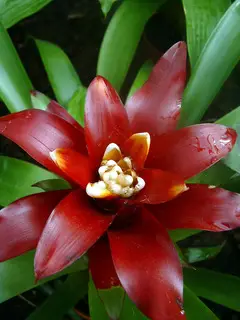
When you think about striking colors, we must mention this endangered plant in Ecuador, which is no different from the endangered plants in the Amazon rainforest.
Guzmania lepidota is a bromeliad of humid tropical and subtropical forest in the northern Andes, from Colombia and Ecuador into Peru. It grows as an epiphyte, rooted on tree branches rather than in soil, which ties its survival directly to the survival of mature forest.
However, habitat loss has made this beautiful flower a plant species in danger of extinction. Some experts even consider it a possibly extinct plant.
16. Acuña Cactus (Echinomastus erectocentrus var. acunensis)
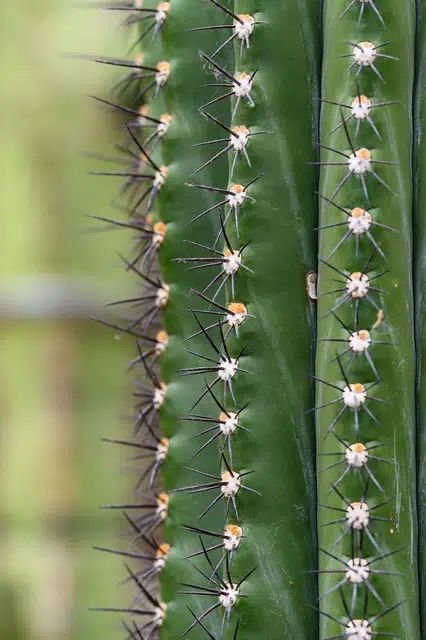
“The cactus” is not a species — Cactaceae is a plant family of roughly 1,500 species, and a 2015 global assessment of 1,478 cactus species found 31% of them threatened with extinction, making cacti one of the most imperilled large plant groups assessed to date. The specific plant usually described here is the acuña cactus, a small spherical succulent with grey-green skin, pink-to-brown spines and magenta flowers, restricted to the Sonoran Desert of Maricopa, Pima and Pinal counties in southern Arizona plus one population in Sonora, Mexico.
The U.S. Fish and Wildlife Service listed the acuña cactus as Endangered on 1 October 2013 and designated 7,501 hectares of critical habitat for it in August 2016. Eight extant populations hold roughly 3,893 plants in total, and monitoring shows deaths outpacing new seedlings.
17. Sirdavidia Solannona
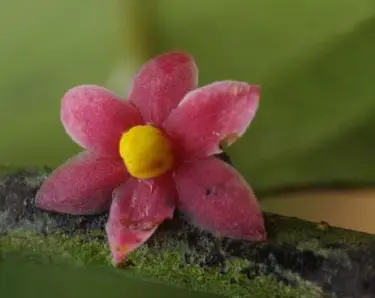
With the list of endangered plants, we could not leave out the Sirdavidia solannona, a rarity with a narrow trunk reaching up to four or six meters high.
It was discovered in 2013 in the jungles of Gabon, and its only closest relative grows in Tanzania, at a distance of 3,000 kilometers. Its fragility lies in its population, which is scarce.
It is pollinated by buzz pollination, or sonication: a bee grips the flower and vibrates its flight muscles, shaking pollen — not seeds — out of the anthers. The vibration is audible, not ultrasonic, and it moves pollen between flowers rather than dispersing seed.
18. Terminalia Acuminata
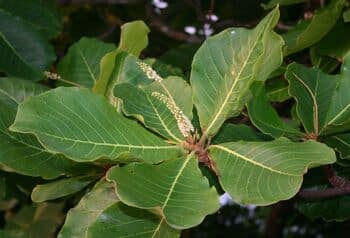
Guarajuba (Terminalia acuminata) is a tree of the lowland and montane Atlantic Forest of Rio de Janeiro state, Brazil. Historical accounts describe massive individuals reaching about 25 metres (82 ft); surviving trees are typically 10–12 m. No Atlantic Forest tree approaches 100 metres — the tallest tree ever measured anywhere, a coast redwood, is about 116 m.
Its high-quality wood was widely used in the 20th century to build houses and boats, but the high pressure of logging led to its extinction.
The species was declared Extinct in the Wild by the IUCN — one of only three Brazilian plants ever given that status — before being rediscovered in 2015 as several small subpopulations surviving inside the city of Rio de Janeiro itself. It has since been reassessed as Endangered, and the Rio de Janeiro Botanical Garden runs the propagation programme.
19. Spiranthes aestivalis
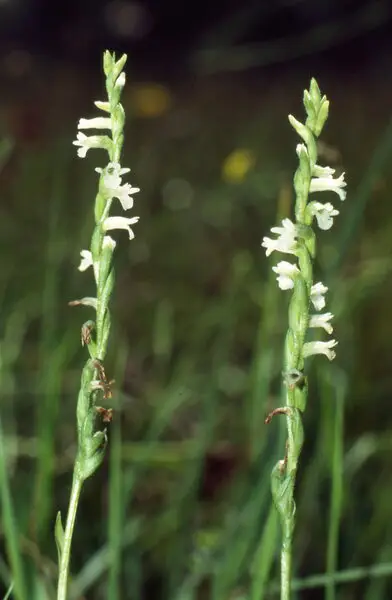
Girl’s Braid, or Spiranthes aestivalis, is an endangered plant and mini-orchid that grows throughout most of Western Europe and North Africa.
In Spain, it can be found in Cuenca, but it often grows near small abandoned populations and is conquered by weeds and weeds.
It is barely the height of a little finger, and its stem is as fine as a reed’s.
They are difficult to locate, but their growth is more compromised because they are threatened by losing their habitats due to deforestation, desertification, and agriculture.
Numerous Spanish and community provisions give it an absolute protection status.
See Related: How Do Sharks Help the Ecosystem?
20. Wollemia Nobilis
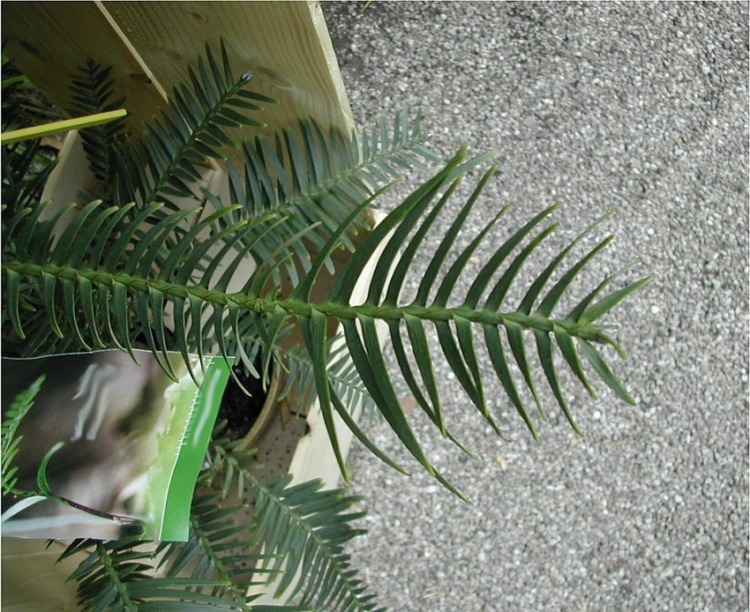
The Wollemi pine (Wollemia nobilis) is a living fossil: its lineage appears in the fossil record from the Jurassic onward, and it was known only from fossils until a bushwalker found living trees in 1994, in a remote sandstone canyon in Wollemi National Park, New South Wales, Australia. The exact location has never been published. It is a member of the Araucariaceae, one of the oldest surviving families of coniferous trees.
These endangered plants tend to be highly threatened. This conifer can grow up to 40 meters, and since its discovery, it has been considered the most threatened tree in the world.
The wild population is roughly 60 mature trees plus a few hundred seedlings, and the IUCN lists the species as Critically Endangered. During Australia’s 2019–20 bushfire season the entire wild stand came within reach of the fire front, and a covert firefighting operation — aircraft dropping retardant around the canyon rim and irrigation set up on the grove itself — kept it alive. Commercial propagation now sells Wollemi pines worldwide, which is deliberate: a plant in a hundred thousand gardens is a plant with no poaching market.
See Related: Conservation Volunteers
21. Dendrobium Changjiangense
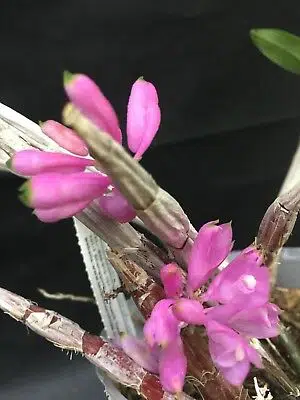
This rare orchid grows in the mountain forests of Hainan, China’s southernmost island province. Its flowers are very small, reaching no more than one centimetre.
However, the destruction of their habitat and the furtive collection has led them to appear on the Red List of the IUCN (International Union for Conservation of Nature) as in high danger of extinction.
Dendrobium changjiangense is endemic to Hainan and does not occur in the United States. Florida does, however, have its own imperilled orchids — the ghost orchid (Dendrophylax lindenii) among them — which face the same combination of habitat loss and illegal collection. See our guide to endangered species in Florida.
22. Texas prairie dawn ( Hymenoxys Texana )
Hymenoxys texana, the Texas prairie dawn-flower, was federally listed as Endangered in 1986. It is not a desert plant of the arid Southwest: it is endemic to the Texas Gulf Coastal Prairie around Houston — Harris, Waller, Fort Bend, Trinity and Gregg counties — and grows in seasonally wet, saline barrens on and around “pimple” (mima) mounds, in bare patches of compacted sandy loam crusted with Nostoc blue-green algae.
It is a tiny annual, only 10–15 cm (4–6 in) tall, with reddish-purple stems, and it flowers from early March into April only when the preceding winter has been wet enough. Its habitat sits directly in the path of Houston’s suburban expansion, which is the principal reason it remains listed.
Whether they are monitoring its growth or working hands-on with local populations, these individuals are helping to ensure that future generations can continue to experience and appreciate this beautiful plant.
23. Cirsium Vinaceum (Sacramento Mountains thistle)
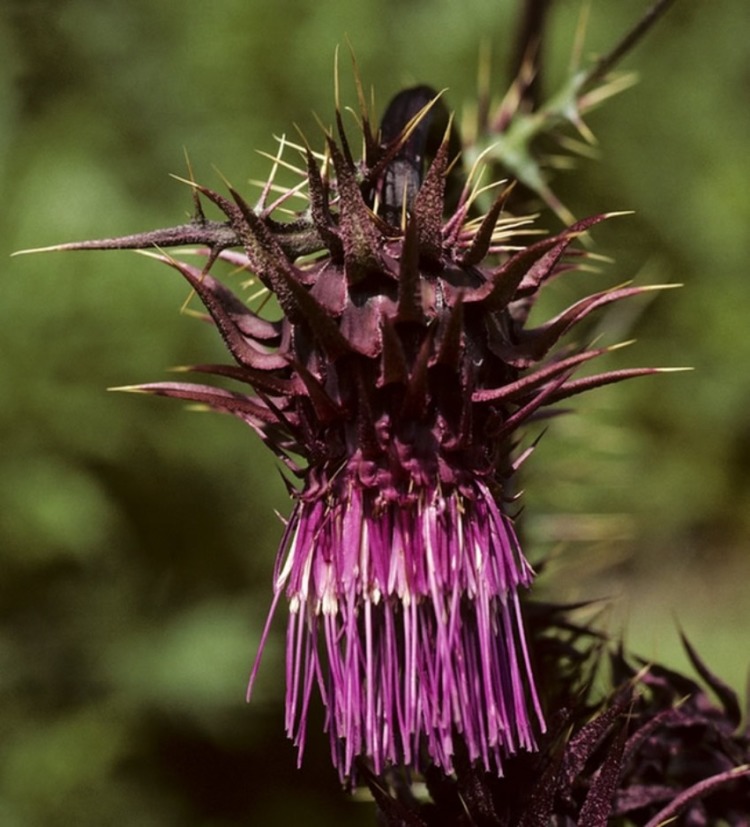
The Cirsium Vinaceum, commonly known as the Sacramento Mountains thistle, is a beautiful but endangered plant species. Native to the Sacramento Mountains in New Mexico, this thistle grows at high altitudes and requires specific conditions to thrive.
Unfortunately, where it naturally occurs has been subject to increasing development pressure in recent years. This has led to habitat loss and fragmentation, leaving the Cirsium Vinaceum increasingly vulnerable to extinction. However, there is still hope for this species.
Through conservation efforts, we can help protect its remaining habitat and ensure that future generations can enjoy the beauty of the Sacramento Mountains thistle.
24. Green Pitcher Plant (Sarracenia oreophila)
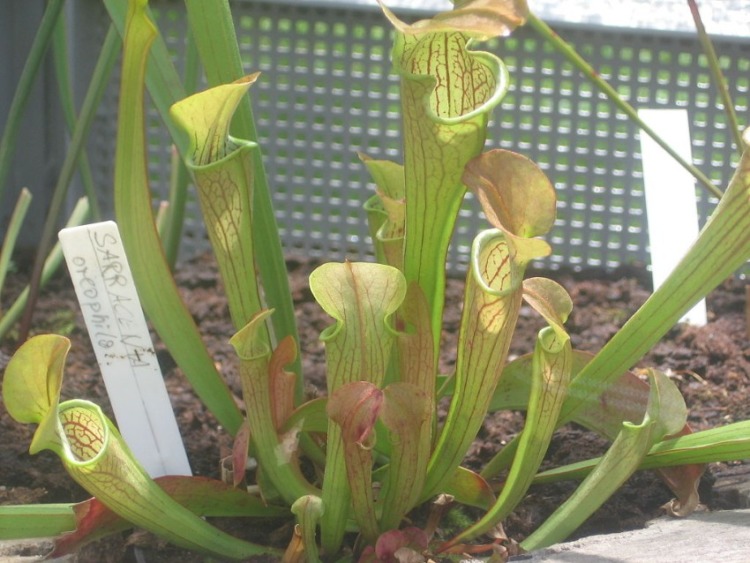
The green pitcher plant is a unique species that is becoming increasingly endangered. Native to North America, this carnivorous plant has long been revered for its impressive ability to trap and digest insects. With its distinctively colored leaves and delicate tendrils, the plant displays nature’s beauty.
Unfortunately, human activities are putting this endangered species at risk. Global warming has altered the habitats where these plants thrive, making it difficult for them to survive and reproduce. Moreover, certain farming practices have contributed to increased soil erosion, further threatening the survival of the green pitcher plant.
25. Pine Hill (Ceanothus roderickii)
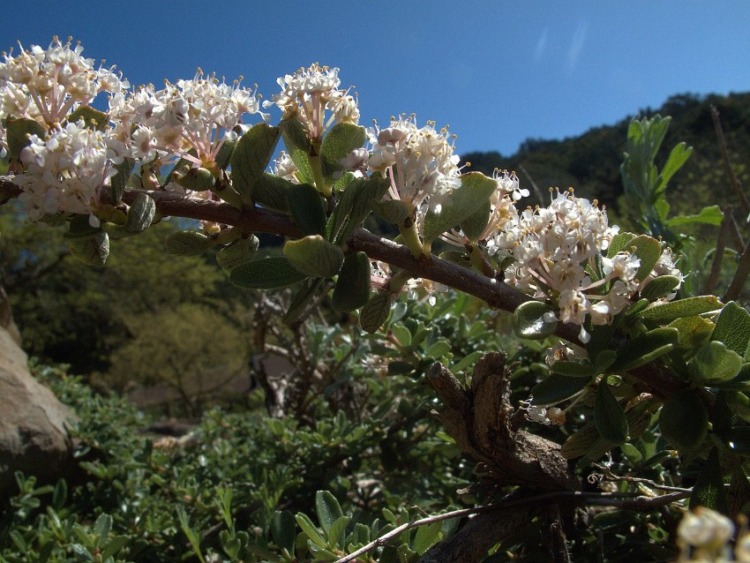
The Pine Hill ceanothus (Ceanothus roderickii) is an endangered shrub species in California. Growing up to six feet tall, this evergreen plant is characterized by its small, white flowers and glossy green leaves.
Once prevalent throughout the Sierra Nevada foothills, the Pine Hill ceanothus has been reduced to just a few hundred plants in the wild due to habitat loss and livestock grazing. However, efforts are being made to conserve this species.
The Pine Hill ceanothus is now protected under the Endangered Species Act, and a recovery plan has been implemented to promote its growth and protect its habitat. In addition, seeds from the Pine Hill ceanothus have been collected and planted in restored habitats throughout California. With continued effort, it is hoped that the Pine Hill ceanothus will one day be removed from the endangered species list.
26. Minnesota Dwarf Trout Lily (Erythronium Propullans)
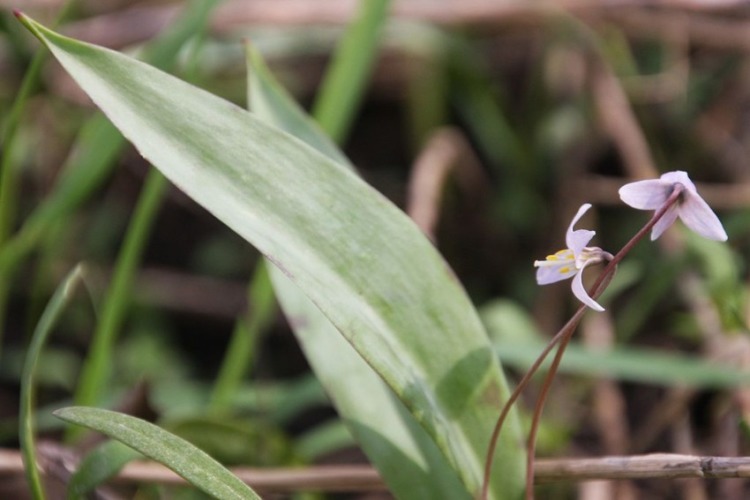
Erythronium propullans, the Minnesota dwarf trout lily, grows wild nowhere else on Earth — but it is a plant of south-eastern Minnesota, not the north, confined to woodlands in Rice, Goodhue and Steele counties. It was federally listed as Endangered in 1986, and monitoring over the past two decades has recorded declines of up to 85% at known sites.
Unlike many other types of plants, this humble little flower has adapted to survive and thrive in harsh conditions, making it an important symbol of resilience and sustainability.
Its flowers are pale pink, not yellow — the yellow trout lily is a different, common species — and they are about the size of a dime, roughly 1 cm across, with four to six tepals. It is a spring ephemeral: it flowers for a matter of days in late April and early May and has died back before the forest canopy closes.
Most plants never flower at all, spreading instead by offsets from the parent bulb, which is why colonies expand so slowly. Browsing by deer, competition from invasive plants and streambank erosion are its main threats, not a shortage of pollinators.
For these reasons and more, it is a precious treasure that must be protected at all costs. We urge everyone to do their part in safeguarding this endangered plant species for generations to come.
27. North Park Phacelia (Phacelia formosula)
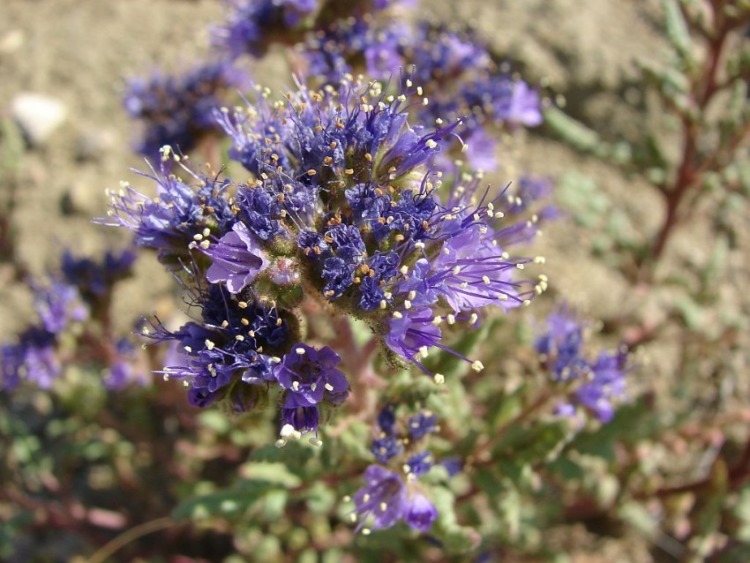
Phacelia formosula, the North Park phacelia, is endemic to Colorado — not California. It is confined to North Park and the Laramie River Valley in Jackson and Larimer counties, with genetic evidence of a further population in Grand County, growing on barren outcrops of the Coalmont, Niobrara and Troublesome Creek formations. It is a small annual or biennial, 6–12 inches tall, with bright purple flowers coiled at the stem tips.
With its purple blossoms and delicate, fern-like leaves, Phacelia Formosula is revered for its striking appearance and important role in supporting the local ecosystem. However, due to a number of environmental threats, including habitat loss and invasive species, this plant has become increasingly endangered over the years.
This is also the rare good-news entry on the list, and it belongs alongside the other endangered species success stories. Listed as Endangered in 1982, the North Park phacelia recovered well enough that the U.S. Fish and Wildlife Service proposed removing it from the endangered species list on 19 March 2024. That proposal is not yet final: the Service reopened the comment period on 30 April 2026 after revising its Species Status Assessment, and comments closed on 1 June 2026. Until a final rule publishes, the plant remains federally Endangered.
With continued care and conservation efforts, this plant species is expected to thrive long into the future.
28. San Bernardino Mountains (Lesquerella kingii ssp. bernardina)
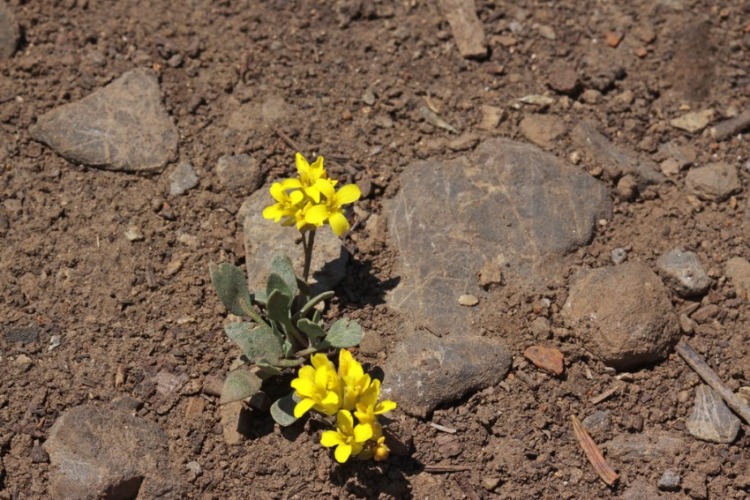
The San Bernardino Mountains bladderpod — now accepted as Physaria kingii ssp. bernardina, formerly Lesquerella kingii ssp. bernardina — is endemic to the Big Bear Valley area of the San Bernardino Mountains in California. It is a small perennial herb, not an annual, growing in loose carbonate gravels. It was federally listed as Endangered in 1994.
The stems and leaves are covered in a white, waxy coating. The flowers are yellow and cup-shaped. Lesquerella kingii ssp. bernardina is endangered due to its limited range and habitat loss.
This subspecies is only found in San Bernardino, and its habitat is degraded by human activities such as recreation, fire suppression, and grazing. To protect this endangered species, it is important to minimize our impact on its habitat. We can do this by staying on designated trails, avoiding off-trail travel, and refraining from campfires outside developed campsites.
29. Santa Cruz Island fringepod (Thysanocarpus conchuliferus)
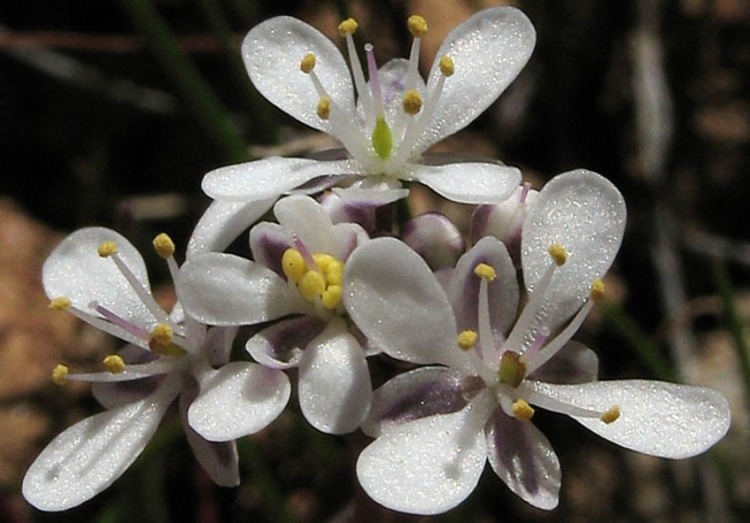
The Santa Cruz Island fringepod is a small, endangered plant found only in California. It is endangered due to habitat loss and human degradation.
This plant grows in coastal sage scrub and grassland habitats, which are lost due to urbanization, agriculture, and invasive species. It has pale green leaves and white flowers and is about 6 inches tall.
The Santa Cruz Island fringepod is an important part of the island’s ecosystem. The plant helps to stabilize the soil and provides food for insects and other animals.
30. Salt Marsh Bird’s-Beak (Cordylanthus maritimus ssp. maritimus)
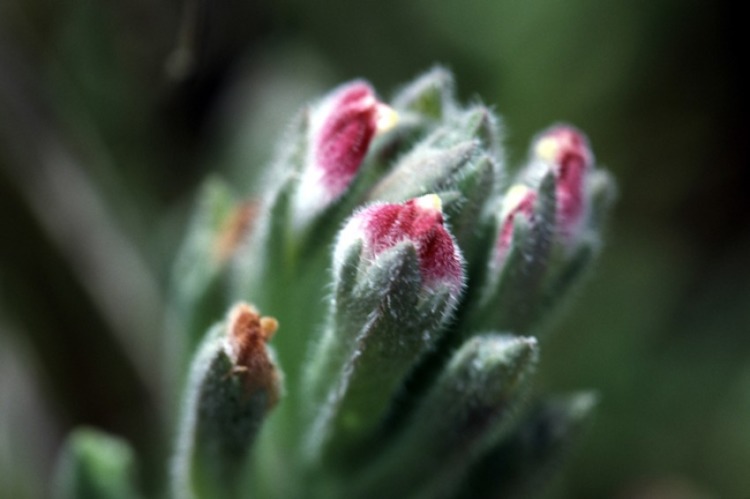
The endangered species here is the plant, not the habitat: salt marsh bird’s-beak is an annual wildflower of coastal salt marshes, federally listed as Endangered in 1978. It survives in scattered marshes from San Luis Obispo County, California, south into northern Baja California, Mexico — it has never occurred in Europe.
It is a hemiparasite: it taps the roots of neighbouring marsh plants for water and nutrients, so it cannot be conserved in isolation from the rest of the marsh community. Northern populations grow large and heavily branched and flower from May to October; those at the Tijuana River estuary and southward stay compact and sparsely branched.
The salt marshes it depends on filter pollutants from coastal water and buffer storm surge, and roughly 90% of southern California’s historic coastal wetland has already been filled or developed. The plant’s remaining threats are invasive marsh grasses, urban runoff and sea-level rise — projected at close to a metre by 2100, which would drown the narrow tidal band it occupies.
These 30 species span six continents and every kind of habitat — Sumatran rainforest, Canary Island scree, Carolina pine savanna, Colorado shale barrens and Californian tidal marsh. What they share is small range and slow recovery: nearly all of them exist in one place and nowhere else, which is exactly why a single road, fire regime change or collector can end them.
If we all work together, we can ensure these plants will continue to thrive for many years. What do you think? Do you have any ideas on how we can help preserve these amazing plants? Let us know in the comments below!
FAQ
u003cstrongu003eWhat is the most endangered plant?u003c/strongu003e
There is no single answer, because most plant species have never been assessed. The usual example of the rarest is Wood’s cycad (Encephalartos woodii), which is Extinct in the Wild: it was found in South Africa’s oNgoye Forest in 1895, no female plant has ever been located, and every specimen alive today is a clone of that one male. The hooded pitcher plant (Sarracenia minor) is often named here by mistake – the IUCN lists it as Least Concern.
u003cstrongu003eu003ca href=u0022https://www.ourendangeredworld.com/greater-bamboo-lemur/u0022u003eIs bamboo endangeredu003c/au003e?u003c/strongu003e
Bamboo is not one species – it is a group of well over 1,000 grasses, and the common cultivated kinds are abundant. Individual wild bamboos are a different matter: many are narrow-range forest endemics threatened by clearance, and their decline matters beyond the plants themselves, because specialist feeders such as the greater bamboo lemur and the giant panda depend on particular bamboo species.
u003cstrongu003eWhat are endangered plants in the UK?u003c/strongu003e
The best-known is the lady’s-slipper orchid (Cypripedium calceolus), collected to the point that it was declared extinct in Britain in 1917 until a single wild plant was found in the Yorkshire Dales in 1930 and guarded in secret for decades. The fen orchid (Liparis loeselii) is another, though it is a recovery story – it was recently reclassified from Endangered to Near Threatened on the Great British Red List. Devil’s-bit scabious and the early purple orchid, sometimes listed here, are both widespread and common. There are also several u003ca href=u0022https://www.ourendangeredworld.com/types-of-bamboo/u0022u003etypes of bamboou003c/au003e that are at risk of becoming endangered due to factors such as deforestation and climate change.
u003cstrongu003eWhat are endangered plants in India?u003c/strongu003e
Two well-documented ones are the Khasi pitcher plant (Nepenthes khasiana), India’s only pitcher plant, endemic to the Garo, Khasi and Jaintia Hills of Meghalaya, listed as Endangered by the IUCN and on CITES Appendix I; and kuth (Saussurea costus), a Himalayan medicinal plant assessed as Critically Endangered, also on CITES Appendix I, with wild collection banned in India. Note that the great Indian bustard is a bird and the king cobra is a snake – both are endangered, but neither is a plant.
Related Resources