Successful farming requires more than knowing how to grow a crop or care for livestock. New farmers need production knowledge, business discipline, safety awareness, practical equipment skills, and the judgment to adapt when weather, prices, pests, or animal-health conditions change.
The exact skills you need will depend on your enterprise, scale, climate, and market. A vegetable grower, dairy producer, orchard operator, and greenhouse farmer perform different technical work. However, each must plan operations, keep useful records, control risk, communicate clearly, understand costs, and turn production into a product customers will buy.
What farming skills do you need?
The most important farming skills are production knowledge, operations planning, recordkeeping and financial management, equipment use, safety and biosecurity, communication, marketing, post-harvest or value-add knowledge, and problem-solving. A farm owner does not need to perform every specialist task personally, but must understand enough to make sound decisions, supervise qualified help, and recognize when expert advice is required.
Key takeaways
- Production skill is only one part of farming. A productive farm can still lose money if its costs, labor, inventory, or sales channels are poorly managed.
- Safety is an operating skill. Machinery, animals, chemicals, heat, confined spaces, traffic, and repetitive work require training and preparation.
- Records turn experience into evidence. Track what you planted or raised, what it cost, how much labor it required, what you sold, and which market produced the strongest return.
- Market research should begin before production expands. Know the buyer, quality standard, quantity, price range, packaging, and delivery expectation before committing substantial capital.
- Start small enough to learn. A pilot plot, limited herd, leased facility, apprenticeship, or supervised production cycle can expose costly assumptions before they become large losses.
| Farming skill | Why it matters | A useful first practice |
|---|---|---|
| Production knowledge | Protects crop, soil, and animal health | Complete a field, soil, crop, or herd assessment with an experienced adviser |
| Operations planning | Keeps time-sensitive work on schedule | Build a seasonal calendar with labor, input, and equipment deadlines |
| Recordkeeping and finance | Shows costs, cash needs, margins, and weak points | Record every input, labor hour, harvest, loss, and sale for one enterprise |
| Equipment and technology | Reduces downtime and supports better decisions | Learn the inspection and maintenance routine for one essential machine or system |
| Safety and biosecurity | Reduces injury, contamination, and disease risk | Conduct a hazard walk and write an emergency contact sheet |
| Communication | Improves work quality and professional relationships | Write a clear task brief that another person can follow |
| Marketing | Connects production with real demand | Interview prospective buyers before selecting final production volume |
| Post-harvest and value addition | Protects quality and may improve revenue per unit | Map every step from harvest or collection to the customer |
| Problem-solving and adaptability | Helps the farm respond to biological, weather, and market variability | Review one completed production cycle and test one measured improvement |
9 essential farming skills
1. Production knowledge: soil, crops, and livestock
A farmer must understand the biological system being managed. For crop operations, this includes soil characteristics, water, fertility, seed or plant selection, planting timing, weeds, pests, diseases, harvest indicators, and storage requirements. Livestock operations require knowledge of species-appropriate feed, water, housing, handling, breeding, health observation, welfare, and manure management.
Start by learning what your enterprise needs from its site. The slope, drainage, soil, water access, exposure, infrastructure, and surrounding land uses can affect what is practical. Reviewing the main types of land used for farming can help you frame those early questions, but a local assessment is still necessary before buying or leasing property.
The USDA Natural Resources Conservation Service organizes soil-health management around four principles: maintain living roots, minimize disturbance, maximize soil cover, and increase biodiversity. These principles are not a universal recipe; their application depends on the soil, crop, climate, equipment, and business. They provide a useful framework for asking how each practice affects soil structure, water, organisms, nutrient cycling, and erosion. See the NRCS soil-health guidance for the underlying framework.
Pest management also requires diagnosis rather than reflex. The U.S. Environmental Protection Agency describes integrated pest management as a process of monitoring, correctly identifying the organism, establishing an action threshold, preventing problems where possible, and selecting an appropriate control. That approach reduces the risk of treating the wrong problem or applying an unnecessary control. Review the EPA integrated pest management principles and follow all applicable labels, training requirements, and local regulations.
Controlled-environment systems create their own learning requirements. Choosing vegetables that perform well in greenhouses requires an understanding of temperature, humidity, light, irrigation, airflow, disease pressure, and available space. Likewise, the differences between hydroponics and aquaponics affect water chemistry, nutrient management, equipment, and biological risk.
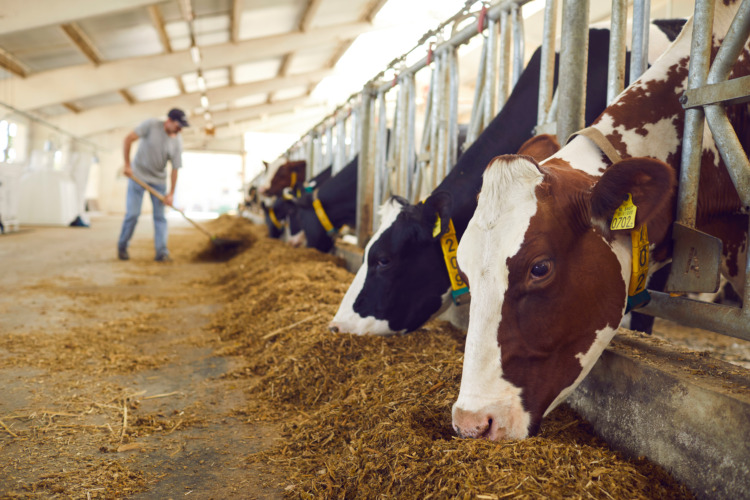
Livestock knowledge includes noticing changes in appetite, movement, behavior, production, body condition, or other normal patterns. Observation helps a farmer identify when an animal needs closer evaluation, isolation, or qualified veterinary care. It does not replace a veterinarian, diagnostic testing, or a written herd- or flock-health plan.
The practical goal is not to memorize every possible problem. It is to understand normal conditions, collect useful observations, apply routine husbandry correctly, and know when a situation exceeds your competence.
2. Farm operations and seasonal planning
Farming is a sequence of dependent tasks. A late order, missed maintenance window, unavailable worker, delayed planting, broken irrigation line, or full storage area can affect every stage that follows. Operations skill means seeing these dependencies before they become emergencies.
Create a seasonal calendar that includes site preparation, planting or breeding, feeding, irrigation, crop protection, veterinary work, harvest, storage, deliveries, equipment service, hiring, ordering, reporting, and cash-payment dates. Then convert the seasonal plan into weekly work and daily priorities.
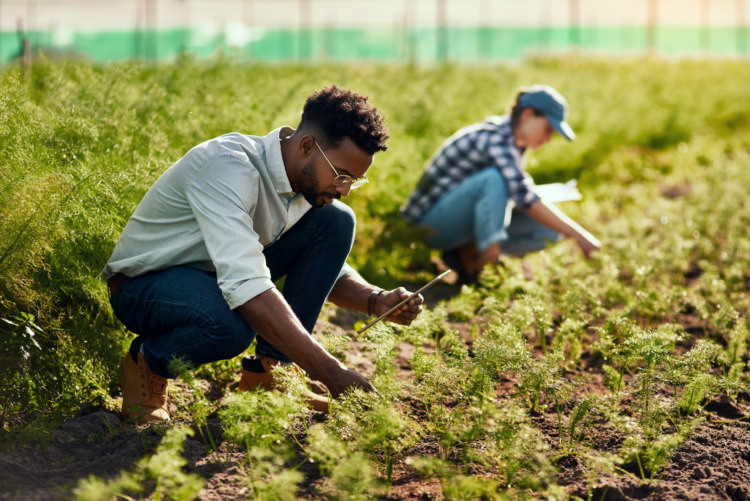
A useful operations plan answers five questions:
- What must be completed?
- When is the viable work window?
- Which person, input, machine, facility, or permit is required?
- What is the fallback if the original plan fails?
- What record will confirm the work was completed correctly?
Seasonal planning is especially important in protected agriculture. Decisions about keeping a greenhouse warm in winter affect crop selection, energy use, ventilation, disease pressure, and costs. A plan for growing vegetables year-round in a greenhouse must account for changing light, temperature, crop cycles, maintenance, and market demand—not only the physical structure.
3. Recordkeeping and financial management
Good records show what happened, what it cost, and what should change. At a minimum, a commercial farm should be able to connect production volume with labor, inputs, losses, inventory, sales, and the market channel through which the product was sold.
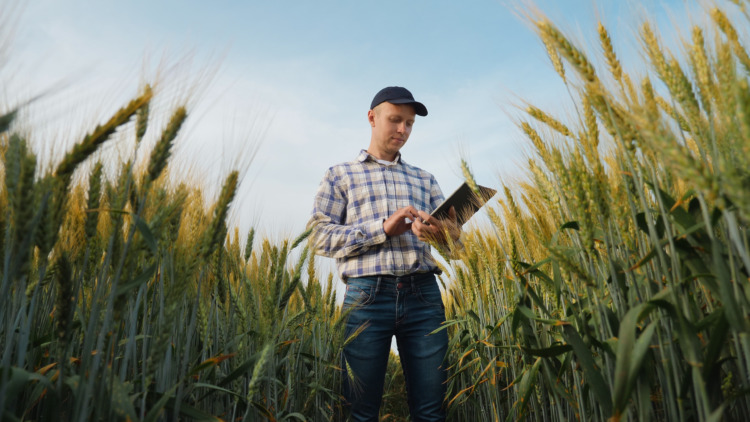
Useful records may include:
- Planting, breeding, treatment, harvest, and production dates
- Input quantities, suppliers, lot information, and costs
- Paid and unpaid labor hours by activity
- Equipment use, fuel, maintenance, and repairs
- Yield, mortality, spoilage, culls, returns, and other losses
- Sales by product, outlet, customer type, and market channel
- Accounts payable, accounts receivable, debt payments, taxes, and insurance
- Cash-flow forecasts and actual monthly cash movement
The University of Minnesota Extension recommends categorizing specialty-crop sales by outlet and market channel so an operator can compare how each channel performs. Review its farm recordkeeping guidance for an example of turning sales records into management information.
Do not evaluate an enterprise by revenue or yield alone. Calculate the cost of producing a saleable unit, including labor, packaging, delivery, market fees, losses, maintenance, and overhead. A high-yield enterprise can still consume cash or produce a weak return once hidden labor and post-harvest losses are included.
The recording system can be a notebook, spreadsheet, accounting platform, farm-management application, or a combination. The best system is accurate, consistently used, backed up, understandable to the people who need it, and detailed enough to support a decision.
4. Equipment, maintenance, and digital skills
Farm equipment ranges from hand tools and pumps to tractors, milking systems, refrigeration, irrigation controls, climate systems, and processing equipment. A farmer should know how to inspect essential equipment, operate it within their training, recognize abnormal performance, follow service intervals, and stop work when a fault creates an unacceptable risk.
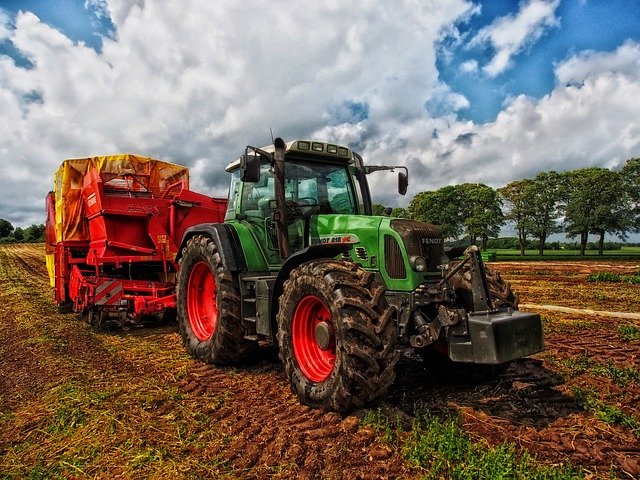
Basic mechanical ability can shorten downtime, but it should not encourage unsafe improvisation. Use the manufacturer’s instructions, isolate energy sources as required, wear task-appropriate protection, and call a qualified technician when a repair exceeds your knowledge or equipment.
Digital fluency is increasingly useful as well. USDA describes modern agricultural operations using tools such as GPS, temperature and moisture sensors, aerial imagery, machines, information systems, and robots. See the USDA overview of agriculture technology for examples.
The goal is not to buy every available device. Before purchasing a tool, ask:
- Which recurring decision will this improve?
- What data does it collect, and how reliable is that data?
- Who will maintain, calibrate, secure, and interpret it?
- Will it save enough labor, loss, water, energy, or input cost to justify ownership?
- What happens if the device, software, internet connection, or vendor becomes unavailable?
Greenhouse operators also need to understand how individual components affect the whole growing environment. That includes choosing shade cloth for a greenhouse, evaluating greenhouse foggers, and planning efficient greenhouse shelving systems. Equipment should solve a defined production or workflow problem rather than substitute for a clear operating plan.
5. Farm safety, biosecurity, and emergency readiness
Farm safety belongs in daily planning. U.S. CDC/NIOSH data show that agriculture, forestry, fishing, and hunting had one of the country’s highest fatal occupational injury rates in 2022. Transportation incidents, animals, machinery, objects, and equipment were among the major hazards identified. Review the agency’s agriculture worker safety guidance.
A basic farm-safety system should include:
- Task-specific training and written procedures
- Pre-use machinery and vehicle inspections
- Appropriate guards, restraints, ventilation, and personal protective equipment
- Safe chemical storage, mixing, application, and disposal
- Heat, weather, fatigue, and hydration plans
- Animal-handling and escape-route planning
- First-aid supplies, emergency contacts, location directions, and communication methods
- Procedures for visitors, children, contractors, and untrained workers
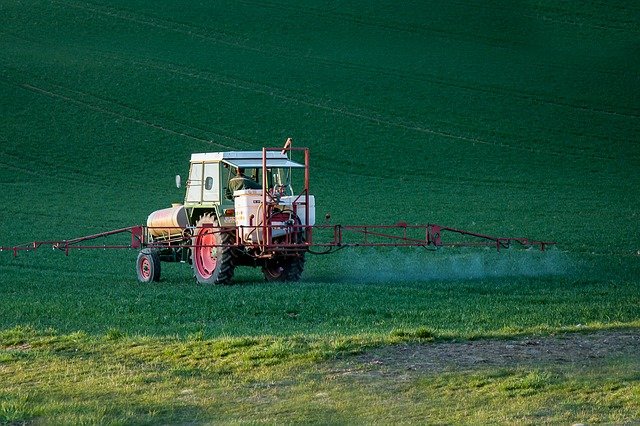
Anyone applying crop-protection products must follow the product label, required protective measures, applicable training or certification rules, re-entry restrictions, storage requirements, and local law. Integrated pest management should guide the decision about whether treatment is necessary; it does not override the label or legal obligations.
Livestock and poultry farms also need biosecurity routines. Depending on the operation, these may include controlling access, recording visitors, isolating new or sick animals, separating clean and dirty areas, using dedicated clothing or footwear, cleaning equipment, and maintaining emergency contacts. USDA APHIS provides current biosecurity checklists and planning resources.
6. Communication and people management
Farming involves employees, family members, contractors, veterinarians, agronomists, suppliers, landlords, lenders, inspectors, buyers, neighbors, and customers. Misunderstandings can affect safety, product quality, animal care, delivery timing, and professional trust.

Strong farm communication is concrete. A work instruction should explain the task, location, timing, quality standard, hazard, required equipment, person responsible, and method for confirming completion. Important verbal instructions should be supported by a written checklist, map, schedule, label, or operating procedure when practical.
People management also includes listening. Workers may notice an equipment sound, animal behavior, water leak, damaged crop, unsafe shortcut, or quality problem before the owner does. A farm that discourages questions can lose useful information.
Practice discussing mistakes without hiding them, negotiating expectations before work begins, documenting agreements, giving timely feedback, and escalating technical questions to the appropriate specialist. These are business controls, not optional personality traits.
7. Marketing, customer research, and sales
Marketing begins before planting, breeding, or purchasing large quantities of inventory. A farmer should know who is likely to buy the product, what form and quality the buyer wants, how much they can absorb, when they need it, what alternatives they have, and what price range the market may support.

Possible market channels include farmers markets, community-supported agriculture programs, farm stands, restaurants, grocery stores, distributors, processors, schools, hospitals, wholesalers, and direct online sales. Each channel creates different expectations for volume, consistency, packaging, pricing, delivery, customer service, insurance, and administration. The University of Minnesota Extension outlines several of these options in its direct farm marketing guidance.
Before scaling production, speak with prospective customers and test the commercial assumptions. Ask about:
- Preferred products, varieties, grades, cuts, or package sizes
- Expected weekly or seasonal volume
- Price expectations and payment terms
- Delivery days, receiving hours, and minimum order sizes
- Food-safety, insurance, traceability, or certification requirements
- What would cause the buyer to reject or stop purchasing the product
Good products do not automatically reach the right customer at a viable price. Marketing skill connects a defined product with a defined buyer through a channel the farm can serve consistently and profitably.
8. Post-harvest handling and value addition
Post-harvest handling protects the value already created. Depending on the product, this may involve timely cooling, cleaning, grading, packing, storage, transport, inventory rotation, traceability, or maintaining an appropriate cold chain. Poor handling can turn a productive harvest into shrink, rejection, lower quality, or lost sales.
Value addition is more specific than improving production. It means changing the product, processing, packaging, convenience, service, or market position in a way that a customer values. Examples may include converting milk into cheese, fruit into preserves, grain into flour, herbs into a dried and packaged product, or mixed produce into a prepared box.
A value-added product is not automatically more profitable. Processing equipment, labor, ingredients, packaging, spoilage, insurance, testing, labeling, inspections, storage, distribution, and marketing can add substantial cost. Calculate the full unit economics and confirm demand before committing capital.
Food-processing, meat, dairy, egg, alcohol, labeling, cottage-food, and facility rules vary by product and jurisdiction. Confirm the applicable requirements with the relevant local authority before producing or selling a processed product.
9. Observation, problem-solving, and continuous learning
Farming operates under changing biological, environmental, and commercial conditions. The useful skill is not reacting to every variation. It is observing carefully, separating symptoms from causes, gathering enough evidence, choosing a proportionate response, and reviewing the result.
A simple problem-solving process is:
- Describe the condition. Record what changed, where, when, and how widely.
- Check the basics. Verify measurements, equipment function, water, feed, weather, timing, and recent work.
- Identify plausible causes. Avoid assuming the first visible symptom proves a diagnosis.
- Seek qualified input. Use extension educators, agronomists, veterinarians, technicians, laboratories, experienced producers, or other relevant experts.
- Choose a measured response. Define what will be changed and what result would indicate improvement.
- Document the outcome. Record whether the intervention worked, what it cost, and what should be done next time.
Continuous learning does not mean adopting every new method. Compare a proposed change with the farm’s goals, resources, risk tolerance, customer requirements, and existing evidence. Test unfamiliar practices at a manageable scale before making them standard across the operation.
How to build farming skills before investing heavily
USDA’s Beginning Farmer and Rancher Development Program emphasizes training, education, outreach, technical assistance, and the knowledge, skills, and tools needed to make informed operating decisions. Prospective farmers should use the same sequence: learn, practice, measure, and then commit more capital. Explore the USDA beginning-farmer program resources as a starting point for locating supported training.
1. Choose one enterprise and one likely customer
“Start a farm” is too broad to plan. Define a crop, animal, service, or product; an intended scale; a likely site; and a customer. The skills required to sell salad greens to restaurants differ from those needed to produce commodity grain, eggs, nursery plants, or breeding livestock.
2. Learn in the local production environment
Use extension programs, agricultural colleges, producer associations, apprenticeships, field days, incubator farms, veterinarians, agronomists, experienced operators, and equipment training. Local instruction matters because soil, climate, diseases, pests, markets, and regulations vary.
3. Work through a complete production cycle
Planting or acquiring animals is only the beginning. Try to observe or participate in planning, routine care, troubleshooting, harvest or collection, post-harvest handling, sales, cleanup, maintenance, and end-of-cycle financial review.
4. Run a small, measurable pilot
Keep the project small enough that mistakes are survivable but complete enough to expose the real workflow. Record labor, inputs, output, losses, sales, customer reactions, and equipment use. Include the value of your own labor rather than treating it as free.
5. Write the business case before scaling
Set goals, describe the operation, identify resources, evaluate markets, model financing, consider alternatives, and define how performance will be monitored. The SARE farm business-planning guide provides a whole-farm framework for that process.
A practical 90-day farming skills plan

| Period | Primary work | Output to complete |
|---|---|---|
| Days 1–14 | Select one enterprise, identify likely buyers, visit working farms, review land and infrastructure needs, and list local regulatory questions. | A one-page enterprise description, buyer list, site checklist, and unanswered-question log |
| Days 15–30 | Study core production, safety, equipment, biosecurity, and recordkeeping practices with qualified local guidance. | A seasonal calendar, hazard checklist, emergency contact sheet, and recordkeeping template |
| Days 31–60 | Complete supervised practical work or begin a limited pilot. Record labor, inputs, observations, faults, losses, and output. | A daily work log and first estimate of labor and input cost per saleable unit |
| Days 61–90 | Test the market, collect buyer feedback, review quality and losses, identify the main bottleneck, and compare the result with the original assumptions. | A pilot review with a continue, revise, pause, or stop decision and a budget for the next cycle |
Ninety days will not make someone proficient in every part of farming. The purpose of the plan is to replace a vague ambition with direct exposure, records, professional contacts, and a clearer view of the work and risk.
Common mistakes new farmers should avoid
- Choosing what to produce before identifying a buyer. Production enthusiasm does not prove sufficient demand at a viable price.
- Buying land or equipment before testing the workflow. Ownership can lock capital into an enterprise that has not been validated.
- Measuring yield but not labor, losses, or cash flow. A strong harvest does not guarantee a financially sound operation.
- Keeping records only for taxes or compliance. Operational records should also improve production, scheduling, pricing, purchasing, and market decisions.
- Treating safety as an occasional inspection. Safety, maintenance, training, and emergency preparation belong in routine work.
- Attempting specialist work without proper qualifications. Veterinary care, electrical systems, structural work, machinery repair, pesticide application, processing, and other activities may require professional skill or legal authorization.
- Scaling before the system is repeatable. Expansion multiplies weak processes as easily as it multiplies good ones.
The bottom line
The best farmers combine technical ability with disciplined management. They understand their crop or livestock system, schedule work around biological and seasonal constraints, keep records that reveal the economics, operate equipment safely, communicate clearly, build a market, and learn from measured results.
You do not need to master every skill before taking the first step. You do need enough practical exposure to understand the work, recognize your knowledge gaps, seek qualified help, and test the business at a scale you can afford to learn from.
This article provides general educational information. Agricultural, veterinary, pesticide, food-safety, labor, tax, land-use, and licensing requirements vary by operation and jurisdiction. Consult the appropriate local authorities and qualified professionals before acting on regulated, hazardous, or enterprise-specific matters.
Frequently asked questions
What are the most important farming skills?
The most important farming skills include crop or livestock production knowledge, operations planning, recordkeeping, financial management, equipment use, farm safety, biosecurity, communication, marketing, post-harvest handling, and problem-solving. The exact mix depends on the farm’s enterprise, scale, location, and market.
What are hard skills in agriculture?
Hard skills are teachable technical abilities used to complete agricultural work. Examples include soil sampling, irrigation management, machinery operation, equipment maintenance, animal handling, crop scouting, recordkeeping, budgeting, food handling, and using farm technology. Some activities require formal training, certification, or licensing.
What soft skills do farmers need?
Useful soft skills include communication, observation, organization, leadership, teamwork, negotiation, time management, critical thinking, and adaptability. These skills help farmers coordinate people, respond to problems, work with buyers and advisers, and make decisions under changing conditions.
How can a beginner learn farming skills?
A beginner can combine extension courses, agricultural education, apprenticeships, field days, mentoring, supervised farm work, equipment training, and a small pilot enterprise. Working through a complete production and sales cycle usually reveals more than studying production in isolation.
Do you need a degree to become a farmer?
A degree is not universally required to operate a farm, but requirements differ by country, job, and activity. Specific pesticide, food-processing, animal-health, equipment, or business activities may require training, certification, licensing, or professional oversight. Practical experience and business education are valuable even when a degree is not required.