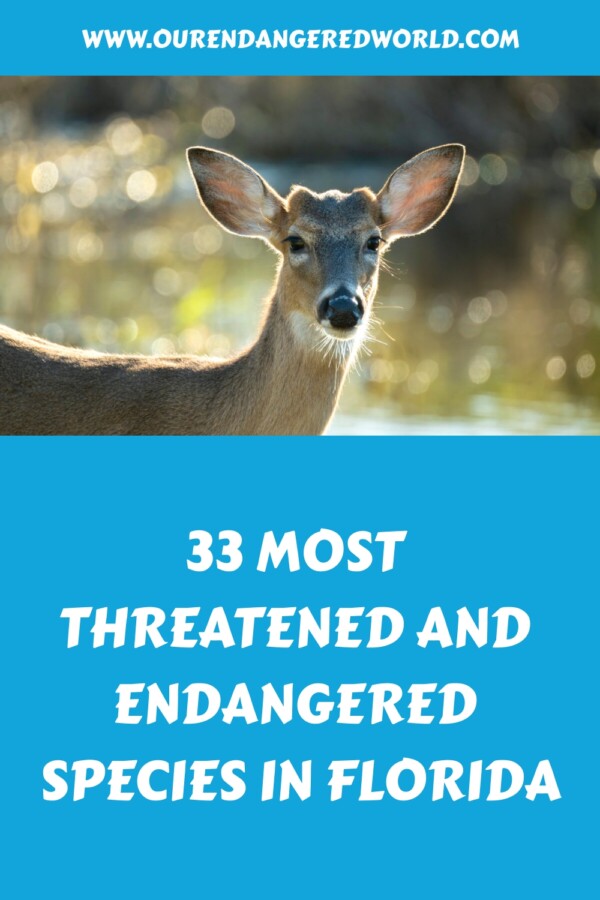
Florida has far more than 33 imperiled animals. The Florida Fish and Wildlife Conservation Commission’s June 2026 wildlife list contains 136 taxa across federal and state categories. This article profiles 33 federally endangered or threatened animals with a current, well-documented connection to Florida.
Last verified: August 14, 2026. Of the 33 animals below, 31 are federally endangered and two—the West Indian manatee and red-cockaded woodpecker—are federally threatened. The selection is representative, not exhaustive, and excludes plants.
Direct answer: Florida’s endangered species include the Florida panther, Key deer, Florida bonneted bat, smalltooth sawfish, several sea turtles, rare butterflies, beach mice, Everglades birds, and freshwater mussels found in Panhandle rivers.
Key Takeaways
- Florida’s June 2026 official publication contains 136 wildlife taxa across federal endangered, federal threatened, similarity-of-appearance, experimental-population, and state-threatened categories.
- The official PDF warns that most federal labels in that edition were current only through May 2025, so later federal actions require separate verification.
- This updated list removes Bachman’s warbler, which was delisted because it is extinct, and red wolf, whose only wild population is in eastern North Carolina.
- The West Indian manatee is federally threatened, not endangered. The red-cockaded woodpecker was also reclassified as threatened.
- Habitat loss is the recurring pressure, but Florida species also face altered water flow, vehicle strikes, bycatch, fire suppression, invasive predators, pollution, hurricanes, and sea-level rise.
How Many Endangered and Threatened Species Are in Florida?
There is no single number that answers every version of this question. Federal and state agencies use different legal categories, taxonomic units, and authorities. FWC’s June 2026 publication lists 136 wildlife taxa: 50 federally designated endangered, 41 federally designated threatened, six threatened because of similarity of appearance, one nonessential experimental population, and 38 state-designated threatened taxa.
That total is a legal and administrative snapshot, not a count of every rare animal or plant in Florida. It also includes some taxa for which FWC has limited constitutional authority. Readers comparing lists should check the date, agency, geographic scope, and whether the source counts species, subspecies, distinct population segments, plants, or only wildlife. For terminology, see the difference between endangered, threatened, and extinct.
What Changed in Florida’s Species Lists in 2026?
| Taxon | 2026 action | What it means |
|---|---|---|
| Wood stork | Federal delisting announced February 9, 2026 | Removed from the federal list due to recovery; it remains protected under Florida rule while FWC completes its state review. |
| Okaloosa darter | Removed from Florida’s list June 10, 2026 | FWC concluded it did not meet the criteria for state-designated threatened status after federal delisting. |
| Florida reef gecko | State status changed June 10, 2026 | Reclassified as state-designated threatened after approval of a management plan. |
| Florida Keys mole skink | Federal endangered rule effective August 20, 2026 | The final rule was published July 21; it was scheduled to take effect six days after this article’s verification date. |
| Key ring-necked snake and rim rock crowned snake | Federal endangered rule effective August 20, 2026 | Both final listings were scheduled to take effect after this article’s verification date. |
These changes explain why an older article can show a plausible-looking number while still being wrong. FWC also requires a state review and approved management plan before many state-list changes become effective.
Why Older Florida Endangered-Species Lists Can Mislead
- Bachman’s warbler: removed from this article because the U.S. Fish and Wildlife Service delisted it due to extinction.
- Red wolf: removed because the only wild population is in eastern North Carolina, not Florida.
- Gray bat: removed from this selected current-Florida list because the federal species profile says historical small populations no longer roost in northwestern Florida.
- West Indian manatee: corrected from endangered to federally threatened.
- Red-cockaded woodpecker: corrected from endangered to federally threatened following the 2024 reclassification.
- Choctawhatchee beach mouse: separated from unrelated paragraphs that previously described the Key Largo cotton mouse and Perdido Key beach mouse.
- Florida leafwing: corrected to the Florida pine-rockland subspecies rather than a broader Caribbean leafwing description.
33 Endangered and Threatened Species in Florida at a Glance
| Species | Federal status | Primary Florida habitat | Main pressure |
|---|---|---|---|
| Florida Bonneted Bat | Endangered | South Florida pine, hardwood, wetland, agricultural, and urban landscapes | Habitat loss, roost loss, fragmentation, storms, and a restricted range |
| Key Deer | Endangered | Lower Florida Keys pine rocklands, hardwood hammocks, wetlands, and developed areas | Vehicle strikes, habitat loss, disease, sea-level rise, and human feeding |
| West Indian Manatee | Threatened | Florida coasts, estuaries, rivers, springs, and warm-water refuges | Watercraft collisions, seagrass loss, harmful algal blooms, entanglement, and loss of warm-water habitat |
| Florida Panther | Endangered | South Florida forests, swamps, prairies, pinelands, and ranchlands | Habitat loss and fragmentation, vehicle strikes, and genetic isolation |
| Anastasia Island Beach Mouse | Endangered | Coastal dunes on and near Anastasia Island | Dune development, storms, erosion, artificial lighting, and free-roaming cats |
| Choctawhatchee Beach Mouse | Endangered | White-sand dunes along part of Florida’s central Panhandle coast | Coastal development, hurricanes, habitat fragmentation, and predators |
| Perdido Key Beach Mouse | Endangered | Coastal dunes on Perdido Key | Development, storms, dune loss, artificial lighting, and introduced predators |
| St. Andrew Beach Mouse | Endangered | Coastal dunes in and around the St. Andrew Bay region | Storms, development, dune fragmentation, and predation |
| Lower Keys Marsh Rabbit | Endangered | Coastal marshes, freshwater wetlands, and transition zones in the Lower Keys | Habitat loss, sea-level rise, vehicles, and free-roaming cats |
| Lower Florida Keys Rice Rat | Endangered | Salt marsh, mangrove, and wetland habitats in the Lower Keys | Coastal development, habitat alteration, sea-level rise, and introduced predators |
| Florida Salt Marsh Vole | Endangered | A short stretch of saltgrass marsh in Florida’s Big Bend region | Extremely restricted range, hurricanes, flooding, vegetation change, and sea-level rise |
| Key Largo Woodrat | Endangered | Tropical hardwood hammocks in northern Key Largo | Small range, habitat fragmentation, development, and predation |
| Everglade Snail Kite | Endangered | Freshwater marshes and lakes in central and South Florida | Poorly timed water levels, nesting-habitat loss, and changes in apple-snail availability |
| Cape Sable Seaside Sparrow | Endangered | Short-hydroperiod marl prairies in the southern Everglades | Altered water timing, wildfire, habitat conversion, storms, and sea-level rise |
| Florida Grasshopper Sparrow | Endangered | Dry prairie in south-central Florida | Habitat loss, altered fire, flooding, small populations, and low reproductive success |
| Red-Cockaded Woodpecker | Threatened | Open, frequently burned mature pine forests | Loss of old pines, habitat fragmentation, and fire suppression |
| Reticulated Flatwoods Salamander | Endangered | Fire-maintained pine flatwoods and temporary wetlands in the western Panhandle | Wetland drainage, fire suppression, roads, forestry changes, and habitat fragmentation |
| Smalltooth Sawfish | Endangered | Shallow coastal and estuarine waters, especially in South and Southwest Florida | Bycatch, loss of nursery habitat, vessel interactions, and slow reproduction |
| Hawksbill Sea Turtle | Endangered | Coral reefs, rocky areas, and tropical coastal waters | Bycatch, illegal tortoiseshell trade, reef degradation, marine debris, and nesting-habitat loss |
| Kemp’s Ridley Sea Turtle | Endangered | Gulf of Mexico and Atlantic coastal waters, including Florida | Fishing bycatch, marine debris, vessel strikes, and nesting-beach disturbance |
| Leatherback Sea Turtle | Endangered | Open ocean and Florida’s Atlantic nesting beaches | Fishing bycatch, vessel strikes, plastic ingestion, coastal lighting, erosion, and warming nests |
| Bartram’s Scrub-Hairstreak | Endangered | Pine rocklands in Miami-Dade County and the Florida Keys | Habitat loss, fire suppression, hurricanes, and insecticide exposure |
| Florida Leafwing | Endangered | South Florida pine rocklands | Pine-rockland loss, fire suppression, hurricanes, and pesticide exposure |
| Miami Blue Butterfly | Endangered | Coastal habitats and islands in the Florida Keys | Habitat loss, hurricanes, invasive ants, and very small isolated populations |
| Schaus Swallowtail Butterfly | Endangered | Tropical hardwood hammocks in South Florida and the Keys | Habitat loss, hurricanes, pesticides, and small isolated populations |
| Choctaw Bean | Endangered | Stable sand and clay substrates in Panhandle rivers and creeks | Sedimentation, poor water quality, unstable streambeds, and restricted distribution |
| Round Ebonyshell | Endangered | The main channel of the Escambia-Conecuh river system | Extremely restricted range, contaminants, dredging, mining, and unstable streambeds |
| Southern Kidneyshell | Endangered | Stable sand near bedrock in the Choctawhatchee River drainage | Sedimentation, water-quality decline, altered flow, and loss of host-fish connections |
| Gulf Moccasinshell | Endangered | Streams in the Econfina, Apalachicola-Chattahoochee-Flint, and related Gulf drainages | Sedimentation, contaminants, altered flow, dams, and disrupted host-fish populations |
| Ochlockonee Moccasinshell | Endangered | The Ochlockonee River system in Florida and Georgia | Extreme rarity, sedimentation, pollution, altered flow, and host-fish loss |
| Oval Pigtoe | Endangered | Econfina Creek and the Apalachicola, Ochlockonee, and Suwannee systems | Sedimentation, altered flow, water pollution, dams, and host-fish disruption |
| Shinyrayed Pocketbook | Endangered | Clean, flowing streams in northeastern Gulf river basins | Sedimentation, water-quality decline, altered flow, and loss of host fish |
| Fat Threeridge | Endangered | The Apalachicola-Chattahoochee-Flint and Chipola river systems | Dams, altered flow, sedimentation, unstable streambeds, and poor water quality |
Mammals
Florida’s endangered mammals range from wide-roaming carnivores to rodents confined to a few islands or marshes. The strongest recovery plans protect connected habitat and reduce direct human-caused deaths.
1. Florida Bonneted Bat
Eumops floridanus. Federal status: Endangered. The Florida bonneted bat is found only in South Florida. It forages over forests, wetlands, open water, farms, golf courses, and neighborhoods, while roosting in tree cavities, roof tiles, and some bat houses. Development can remove both feeding habitat and scarce roost sites. Its small range also makes major hurricanes and other local disturbances unusually consequential.
2. Key Deer
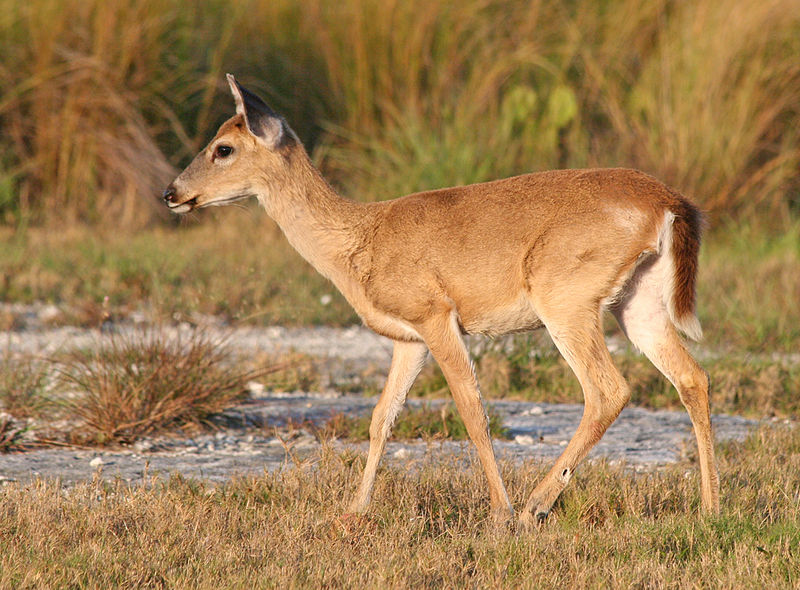
Odocoileus virginianus clavium. Federal status: Endangered. The Key deer is the smallest North American white-tailed deer subspecies and occurs only in the Lower Florida Keys. It relies heavily on upland pine rocklands and hardwood hammocks, although it also crosses roads and developed areas. Vehicle collisions remain a serious threat. Feeding Key deer is harmful because it draws them toward people and traffic; the U.S. Fish and Wildlife Service advises visitors not to approach or feed them.
3. West Indian Manatee
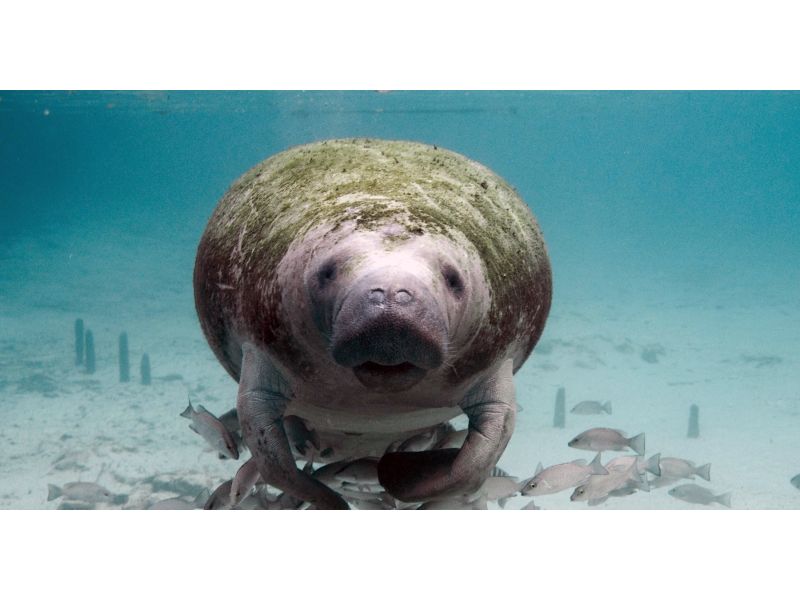
Trichechus manatus. Federal status: Threatened. The Florida manatee is a subspecies of the West Indian manatee and uses marine, brackish, and freshwater habitats across Florida. During cold weather, manatees depend on warm-water refuges such as springs and power-plant outfalls. Watercraft strikes, seagrass and habitat loss, entanglement, red tide, and changes to warm-water access remain major pressures. A 2025 federal proposal would list the Florida subspecies separately as threatened, but the current species-level listing remains threatened. See our profile of the Florida manatee for more background.
4. Florida Panther
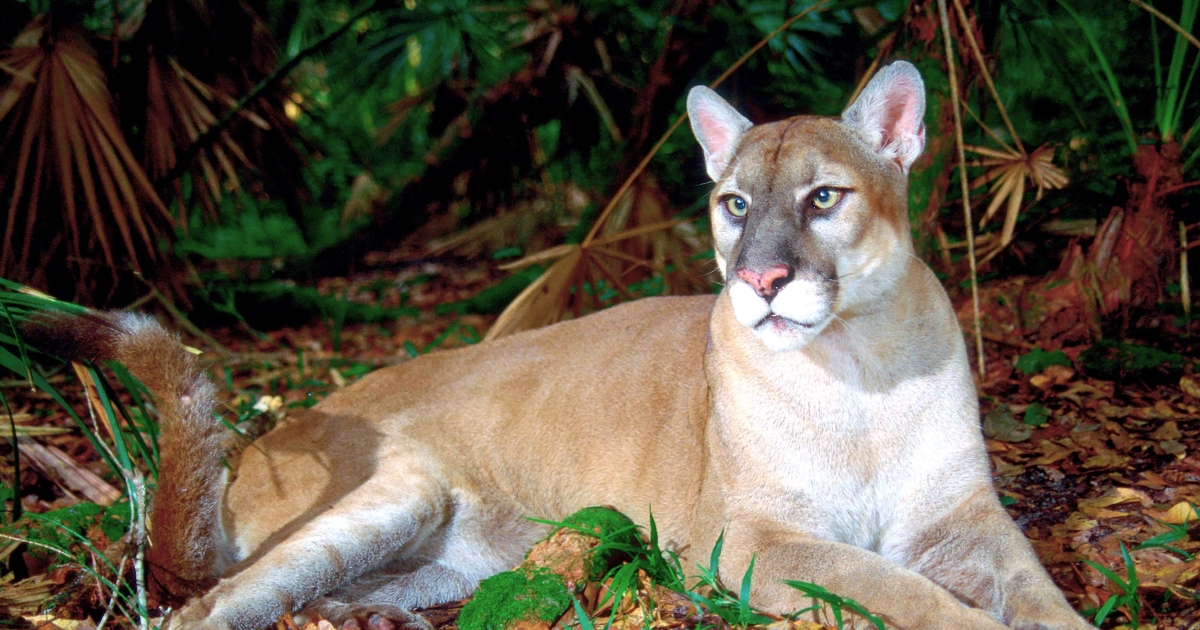
Puma concolor coryi. Federal status: Endangered. The Florida panther survives mainly in South Florida, where large home ranges must overlap a connected network of forests, wetlands, prairies, and working lands. The Florida Fish and Wildlife Conservation Commission estimates about 120 to 230 adults and yearlings, while emphasizing that this elusive cat is difficult to count. Development and roads fragment habitat, and vehicle collisions are a persistent source of mortality. American alligators are not the reason the panther became endangered. If you are curious about the alligator itself, we cover why an alligator cannot stick out its tongue in a separate guide.
5. Anastasia Island Beach Mouse
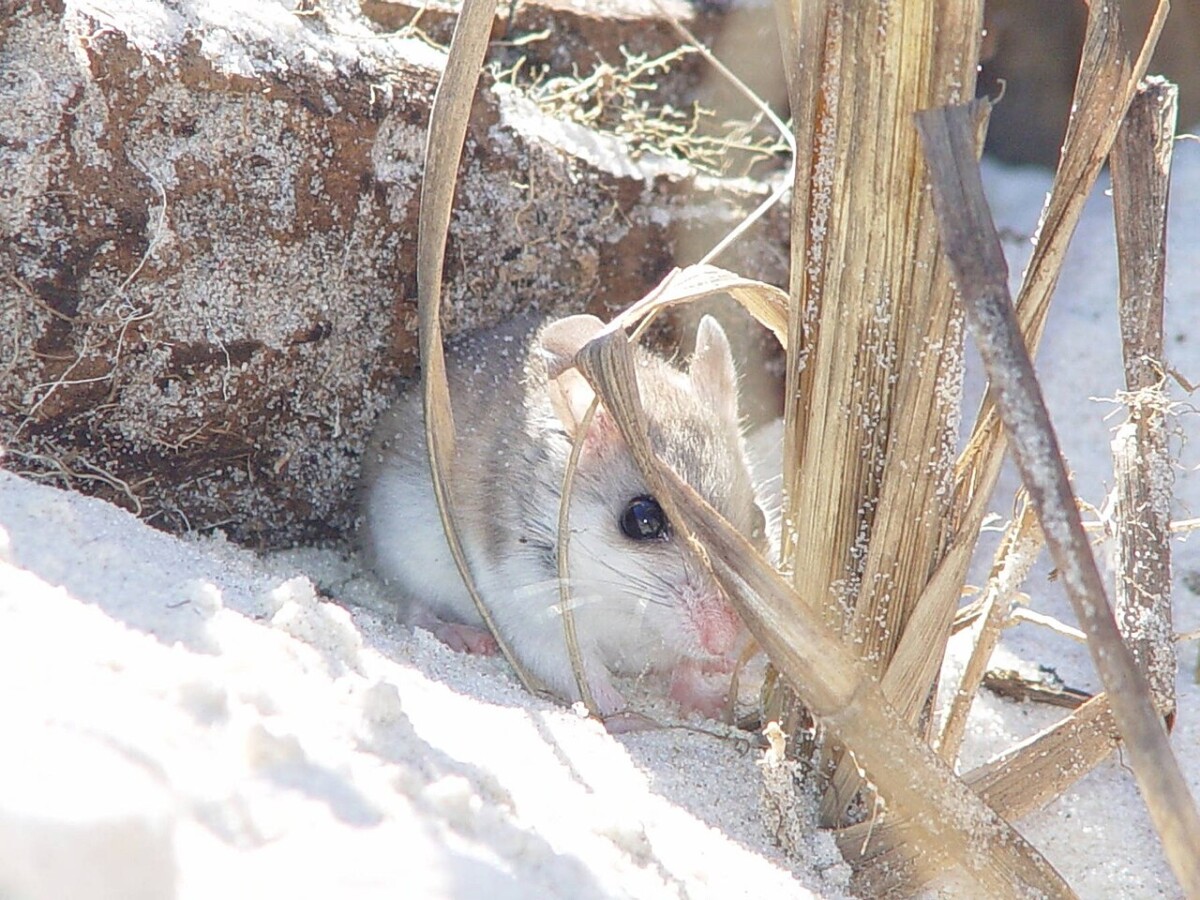
Peromyscus polionotus phasma. Federal status: Endangered. The Anastasia Island beach mouse is a pale, nocturnal subspecies adapted to Atlantic coastal dunes. It eats seeds and insects, burrows in dune vegetation, and helps move seeds through the beach ecosystem. Development, storm damage, dune erosion, and predators associated with developed areas can isolate or eliminate local populations.
6. Choctawhatchee Beach Mouse
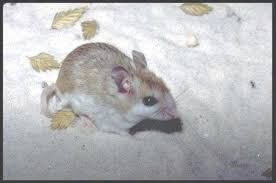
Peromyscus polionotus allophrys. Federal status: Endangered. The Choctawhatchee beach mouse lives in Gulf Coast dunes and is colored to blend with pale sand. Its burrows and feeding activity are closely tied to native dune plants. Coastal development, hurricanes, fragmented habitat, and free-roaming predators reduce the amount of connected dune habitat available for recovery.
7. Perdido Key Beach Mouse
Peromyscus polionotus trissyllepsis. Federal status: Endangered. The Perdido Key beach mouse is restricted to a narrow barrier-island habitat in Florida and Alabama. It depends on intact primary, secondary, and scrub dunes for food, shelter, and dispersal. Because its range is so small, a single hurricane or development project can affect a large share of its remaining habitat.
8. St. Andrew Beach Mouse
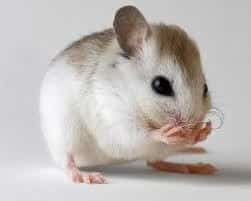
Peromyscus polionotus peninsularis. Federal status: Endangered. The St. Andrew beach mouse occupies dune systems in Florida’s eastern Panhandle. Its sandy coat provides camouflage, and its burrows offer shelter from heat and predators. Hurricanes are natural dune-shaping events, but recovery becomes harder where roads, buildings, and hardened shorelines prevent mice from moving among dune habitats.
9. Lower Keys Marsh Rabbit
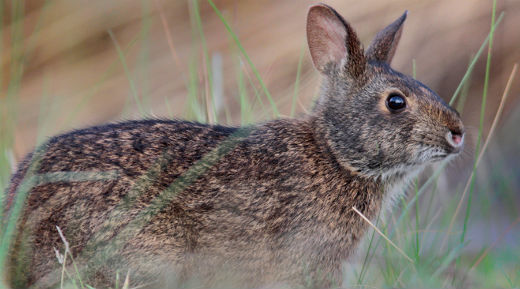
Sylvilagus palustris hefneri. Federal status: Endangered. The Lower Keys marsh rabbit is a small, dark subspecies found only in the Lower Florida Keys. It uses dense grasses and wetland-edge vegetation for feeding, cover, and nesting. Development, road mortality, free-roaming cats, saltwater intrusion, and rising seas threaten the low-lying habitat it needs. Learn why wetlands are important to wildlife.
10. Lower Florida Keys Rice Rat

Oryzomys palustris natator. Federal status: Endangered. Also called the silver rice rat, this wetland rodent is limited to the Lower Florida Keys. It is larger and paler than many mainland marsh rice rats and can swim between patches of suitable habitat. Its survival depends on connected salt-marsh and mangrove systems that are increasingly constrained by development, flooding, and sea-level rise.
11. Florida Salt Marsh Vole
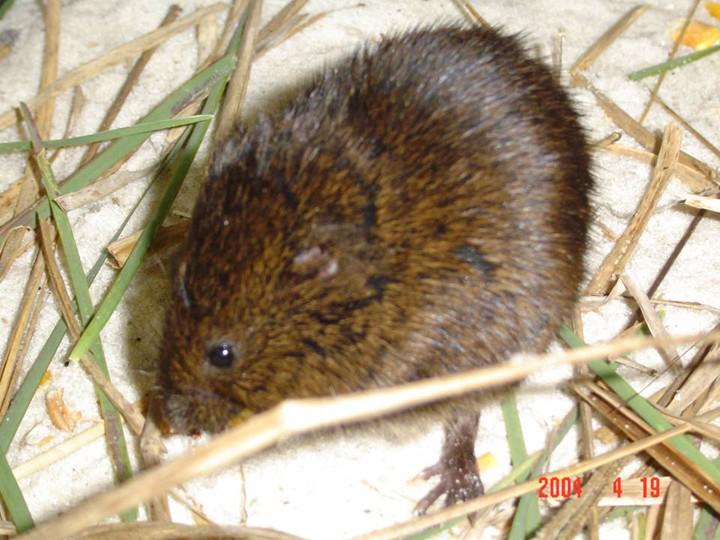
Microtus pennsylvanicus dukecampbelli. Federal status: Endangered. The Florida salt marsh vole is known from a very small area of Big Bend salt marsh, where it has been associated with saltgrass near black needlerush. Its restricted range means storms, flooding, vegetation shifts, or a local development impact can affect much of the known population. In February 2026, researchers confirmed the vole’s presence after hurricane-related concern, an important detection that did not remove the underlying risk.
12. Key Largo Woodrat
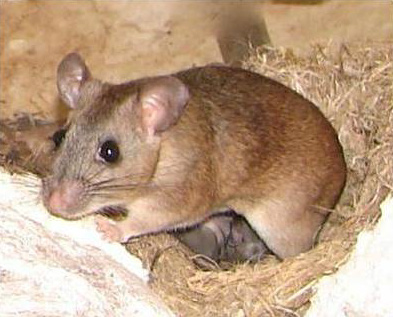
Neotoma floridana smalli. Federal status: Endangered. The Key Largo woodrat is known for building large stick nests in tropical hardwood hammocks. Its current range is concentrated in protected areas of northern Key Largo, but a small, fragmented range still leaves the population vulnerable to storms, disease, predators, and habitat change outside protected boundaries.
Birds
Florida’s imperiled birds depend on very different habitats: Everglades marsh, dry prairie, and mature pine forest. Each requires active management of water, fire, or both.
13. Everglade Snail Kite
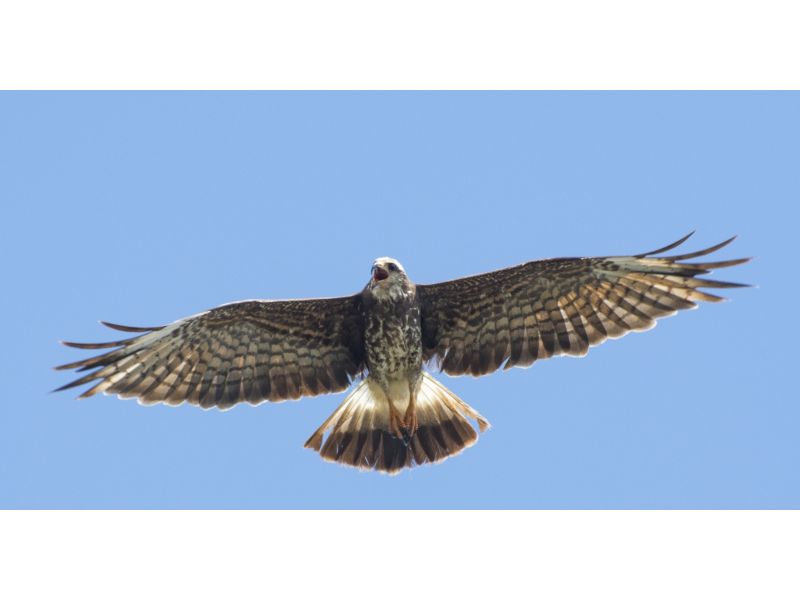
Rostrhamus sociabilis plumbeus. Federal status: Endangered. The Everglade snail kite is a wetland raptor specialized for eating apple snails. It needs water levels that keep snails available while protecting nests from flooding, drying, and predators. Water-management decisions, wetland alteration, and shifts in native and invasive apple-snail populations can all affect breeding success. Its dependence on a narrow food source makes hydrologic management especially important.
14. Cape Sable Seaside Sparrow

Ammodramus maritimus mirabilis. Federal status: Endangered. The Cape Sable seaside sparrow is a nonmigratory Everglades subspecies that nests close to the ground in seasonally dry marl prairie. Its breeding cycle depends on a narrow hydrologic window: water must recede enough for nesting without leaving habitat exposed to prolonged drought or badly timed fire. Sea-level rise and saltwater intrusion add pressure near the southern edge of its range.
15. Florida Grasshopper Sparrow
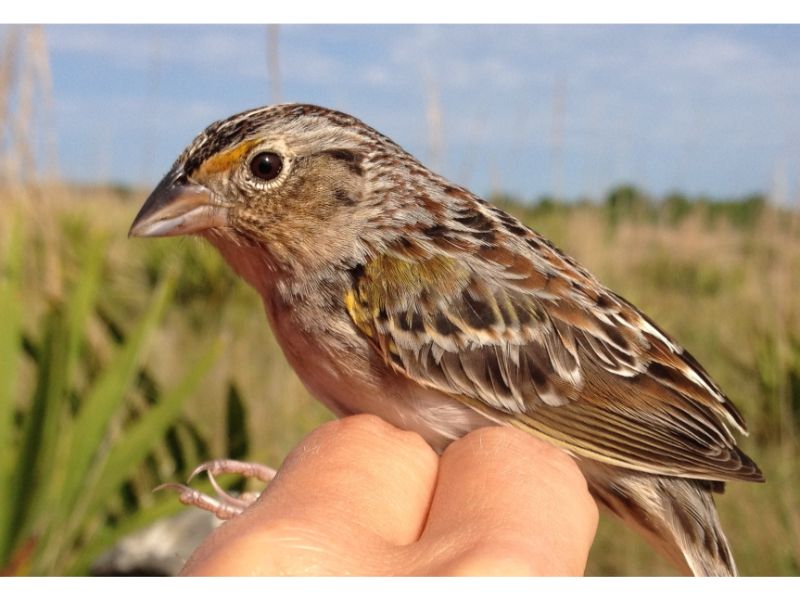
Ammodramus savannarum floridanus. Federal status: Endangered. The Florida grasshopper sparrow is confined to dry prairie in south-central Florida. Its insect-like song gives the bird its common name. Recovery work now combines habitat management, nest protection, captive breeding, releases, and close monitoring. Prescribed fire is essential for maintaining open prairie, but timing matters because nests are built on or near the ground.
16. Red-Cockaded Woodpecker
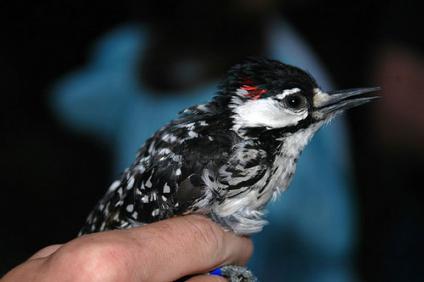
Picoides borealis. Federal status: Threatened. The red-cockaded woodpecker was reclassified from endangered to threatened in 2024, and Florida adopted the federally designated threatened status in 2025. It excavates nest cavities in living, mature pine trees and depends on open pine forests maintained by recurring fire. Loss of old pines and fire suppression remain central threats. It is one of several imperiled birds whose recovery depends on active habitat management.
Amphibian, Fish, and Sea Turtles
These species connect upland wetlands, estuaries, coral reefs, nesting beaches, and the open ocean. Their recovery depends on protecting habitat across more than one life stage.
17. Reticulated Flatwoods Salamander
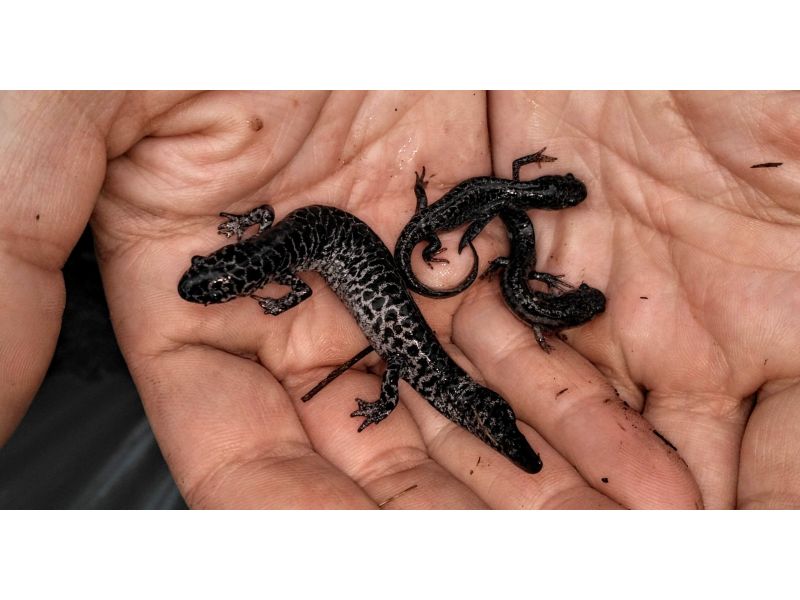
Ambystoma bishopi. Federal status: Endangered. The reticulated flatwoods salamander spends much of its adult life underground in pine flatwoods and breeds in shallow, fish-free seasonal wetlands. Ditching, drainage, roads, incompatible forestry, and fire suppression can separate adult habitat from breeding ponds. Its ecology shows why conserving endangered amphibians often requires protecting both wetlands and the uplands around them.
18. Smalltooth Sawfish
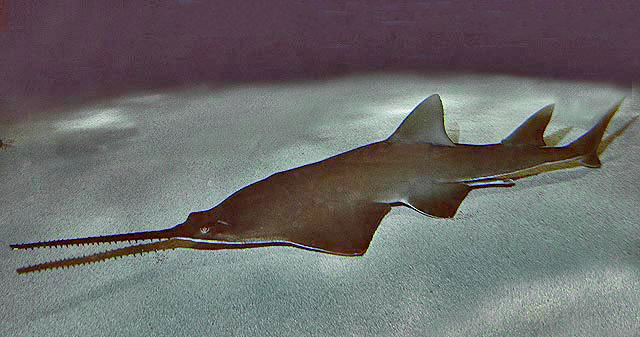
Pristis pectinata. Federal status: Endangered. The smalltooth sawfish is a ray with a long, toothed rostrum rather than a true shark. In U.S. waters, its remaining stronghold is centered in Florida, including shallow estuaries and mangrove nursery habitat. Entanglement in fishing gear, coastal habitat loss, and slow population growth drove the decline. Anyone who catches one should keep it in the water, cut the line as close as safely possible, and report the encounter.
19. Hawksbill Sea Turtle
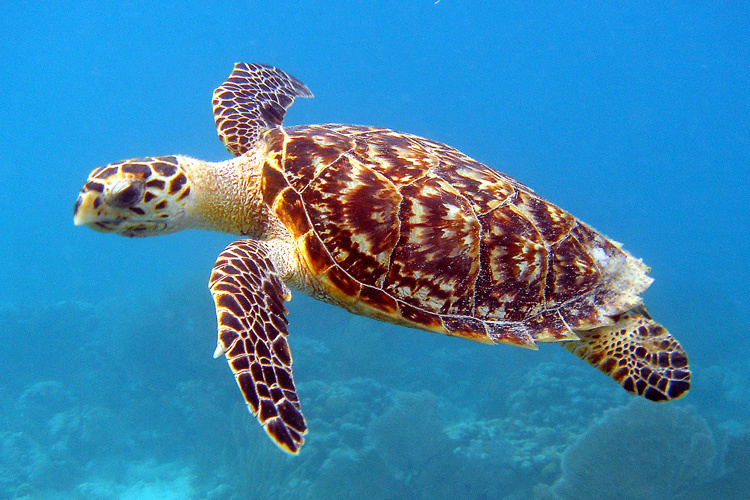
Eretmochelys imbricata. Federal status: Endangered. The hawksbill sea turtle has a narrow, pointed beak and overlapping shell scutes. Hawksbills forage around coral reefs and hard-bottom habitats, where they often eat sponges. Historic trade in “tortoiseshell,” accidental capture in fishing gear, marine debris, and reef loss continue to threaten the species. Protecting hawksbills also means working to conserve coral reefs.
20. Kemp’s Ridley Sea Turtle
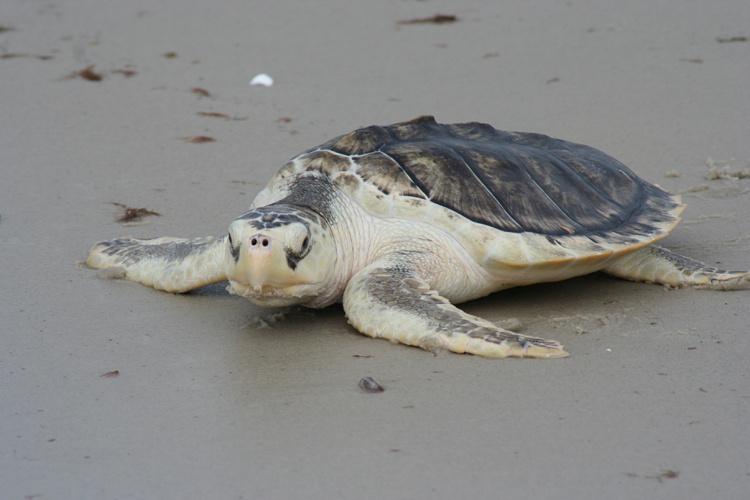
Lepidochelys kempii. Federal status: Endangered. Kemp’s ridley is the smallest sea turtle and the only species in which mass daytime nesting, called an arribada, is a defining behavior. Most nesting occurs in the western Gulf of Mexico, but juveniles and adults use Florida waters. Turtle-excluder devices, protected nesting beaches, and bycatch reduction have aided recovery, yet fishing interactions and marine debris remain major threats.
21. Leatherback Sea Turtle
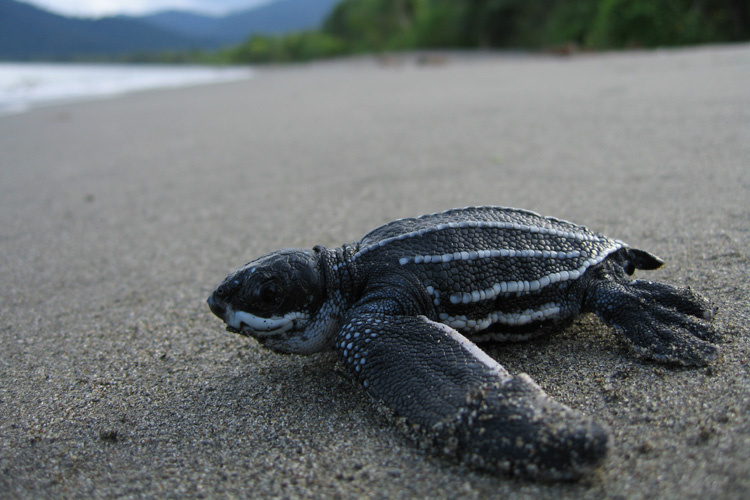
Dermochelys coriacea. Federal status: Endangered. The leatherback sea turtle is the world’s largest living turtle and lacks the hard, scuted shell of other sea turtles. It migrates across ocean basins and feeds mainly on jellyfish. Leatherbacks nest on parts of Florida’s Atlantic coast, where artificial light, beach armoring, erosion, and rising temperatures can affect eggs and hatchlings. At sea, bycatch and plastic ingestion are major hazards.
Butterflies
Florida’s four butterflies in this list survive in small, fragmented South Florida habitats. Host plants, prescribed fire, storm resilience, and careful pesticide use are central to their recovery.
22. Bartram’s Scrub-Hairstreak

Strymon acis bartrami. Federal status: Endangered. Bartram’s scrub-hairstreak is a small South Florida butterfly tied to pine rocklands and its larval host plant, pineland croton. Adults can recolonize recently burned habitat when fire is carefully managed, but long-unburned sites become too shaded. Urban development, fragmented pine rocklands, storms, and broad insecticide use can further reduce already isolated populations.
23. Florida Leafwing
Anaea troglodyta floridalis. Federal status: Endangered. The Florida leafwing is a South Florida subspecies whose closed wings resemble a dead leaf. Its caterpillars depend on pineland croton, so the butterfly’s fate is closely linked to healthy, fire-maintained pine rocklands. The older article confused this Florida subspecies with broader Caribbean leafwing forms; this profile now uses the current Florida taxon and range.
24. Miami Blue Butterfly
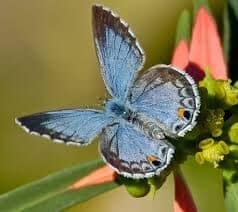
Cyclargus thomasi bethunebakeri. Federal status: Endangered. The Miami blue butterfly once occurred more widely along Florida’s southern coast but is now associated with a small number of island populations in the Keys. Larvae use several host plants and can interact with ants. Habitat loss, severe storms, invasive ants, and isolation make recovery difficult even when suitable vegetation is restored.
25. Schaus Swallowtail Butterfly
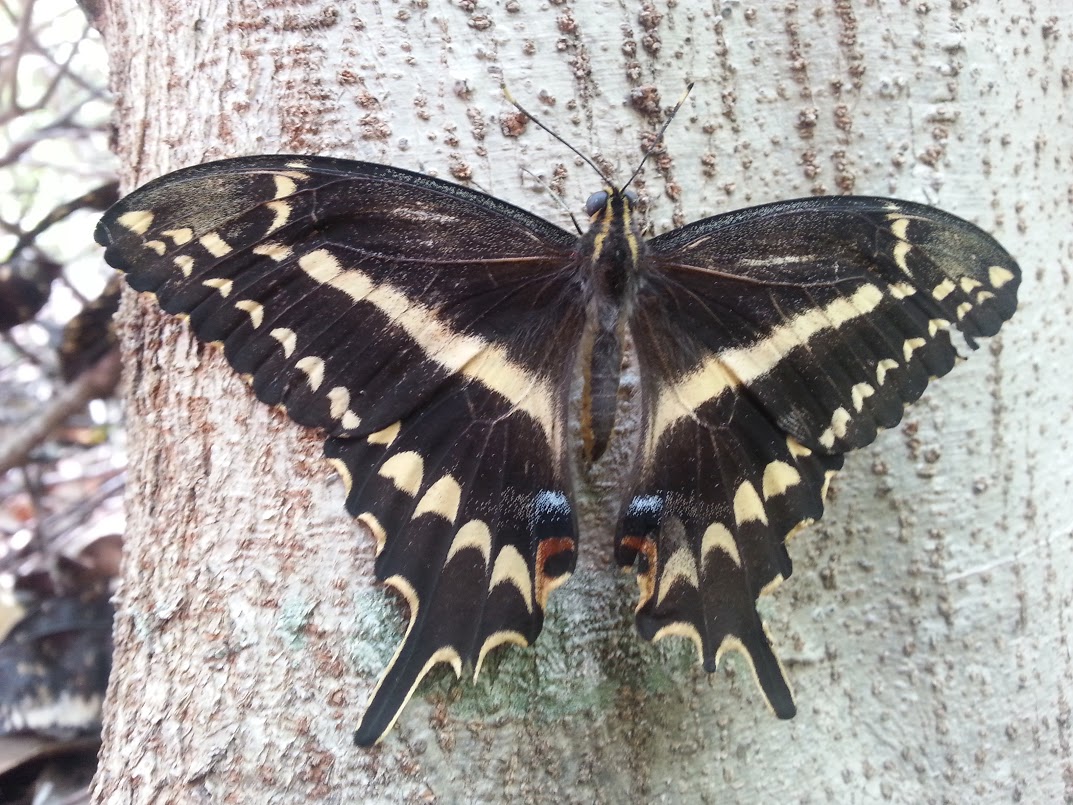
Heraclides aristodemus ponceanus. Federal status: Endangered. The Schaus swallowtail butterfly uses tropical hardwood hammocks and depends on native host plants such as torchwood and wild lime. Habitat protection, captive propagation, releases, and monitoring have supported recovery work. Hurricanes, pesticide exposure, and the small size and separation of remaining populations continue to create risk.
Freshwater Mussels
Freshwater mussels are filter feeders, but their life cycles are more complex than the earlier draft suggested. Unionid mussel larvae usually must attach to a suitable host fish before becoming free-living juveniles. Clean water alone is not enough; rivers also need stable beds, connected flow, and intact fish communities.
26. Choctaw Bean
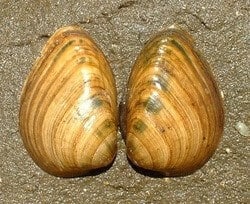
Obovaria choctawensis. Federal status: Endangered. The Choctaw bean occurs in the Escambia, Yellow, and Choctawhatchee river drainages of Florida and Alabama. It lives in moderate current over stable silty-sand or sandy-clay substrates. Excess sediment, contaminants, channel alteration, and other changes that destabilize riverbeds can smother mussels or prevent feeding and reproduction.
27. Round Ebonyshell
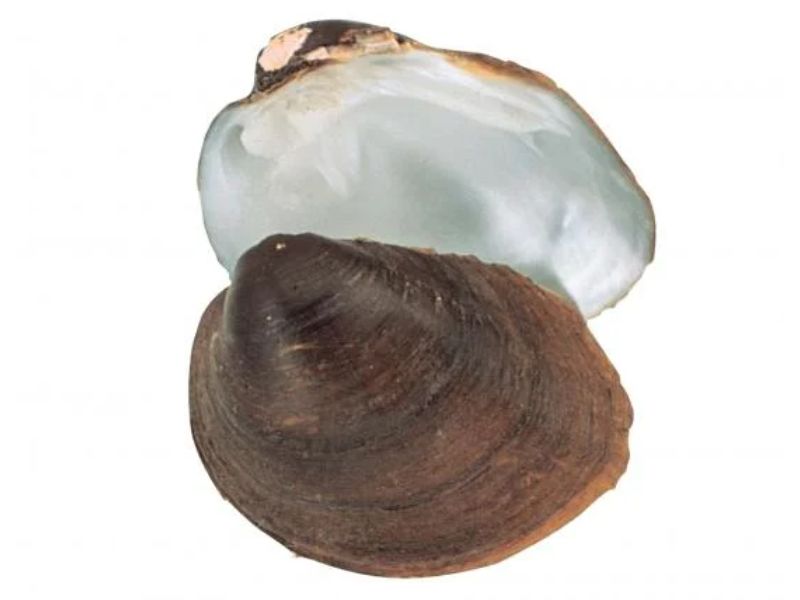
Reginaia rotulata. Federal status: Endangered. The round ebonyshell is restricted to the main channel of the Escambia-Conecuh river system in Florida and Alabama. Its narrow range makes contaminant spills, severe floods, dredging, gravel removal, and streambed disturbance especially dangerous. The accepted scientific name is Reginaia rotulata, replacing the outdated genus used in the earlier draft.
28. Southern Kidneyshell
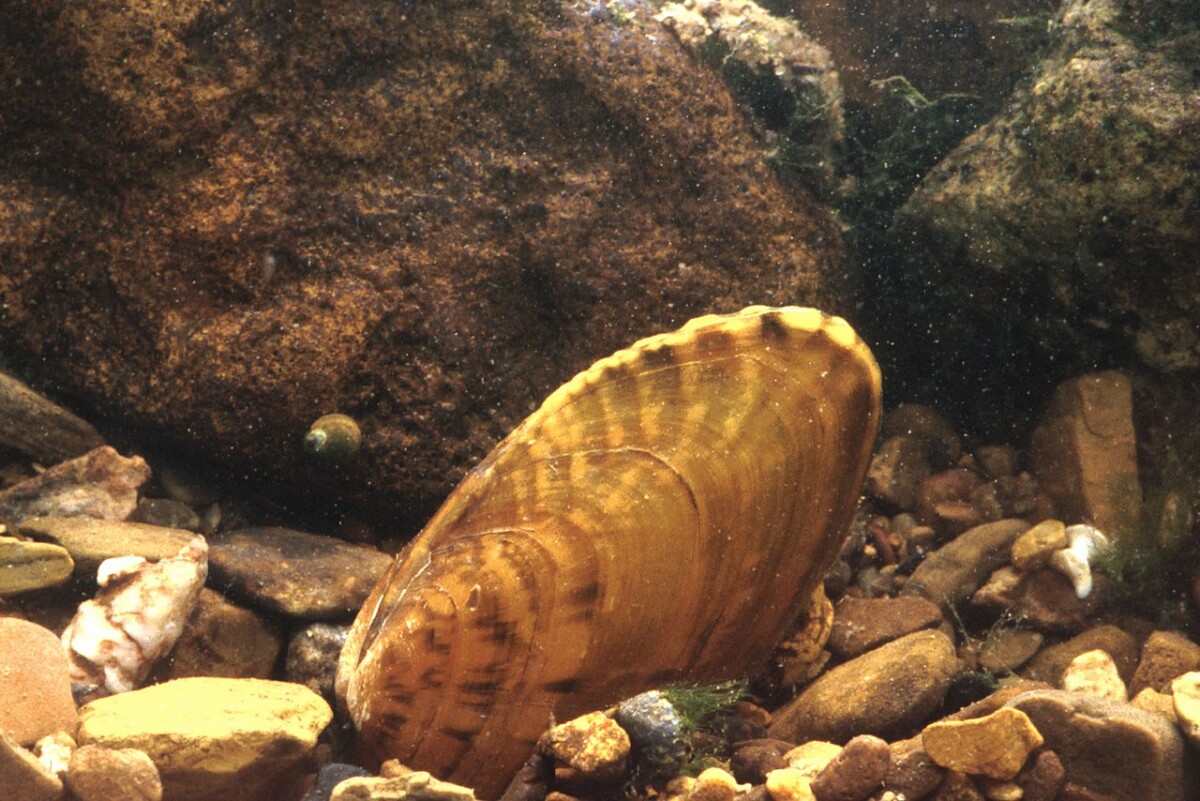
Ptychobranchus jonesi. Federal status: Endangered. The southern kidneyshell was historically known from the Escambia, Yellow, and Choctawhatchee drainages but is now known only from the Choctawhatchee system. Like other unionid mussels, its larvae must develop on fish before becoming free-living juveniles. Protecting the mussel therefore requires clean water, stable substrate, and an intact fish community—not simply placing adult mussels in a river.
29. Gulf Moccasinshell
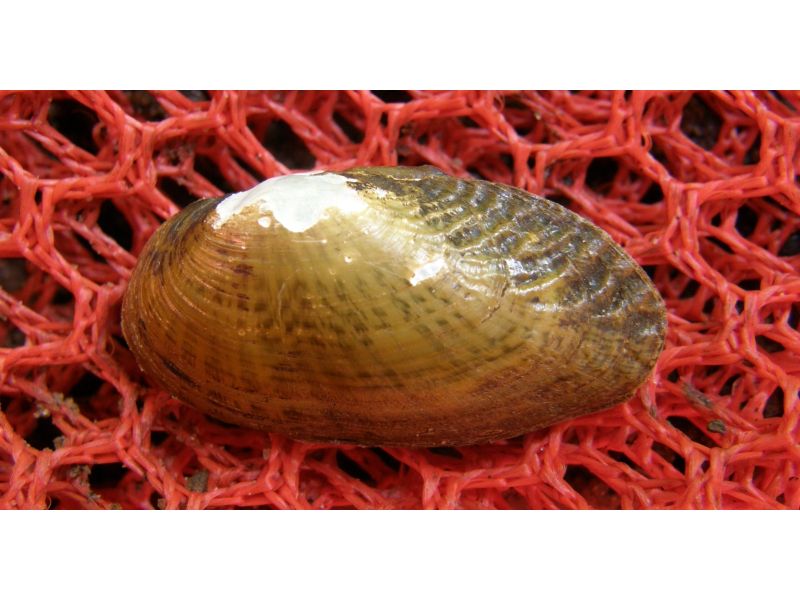
Medionidus penicillatus. Federal status: Endangered. The Gulf moccasinshell occurs in several river systems that drain to the northeastern Gulf of Mexico. Its larvae use fish—especially darters—as hosts during early development. Sediment, pollution, channel alteration, impoundments, and the loss of suitable host fish can interrupt reproduction even where adult mussels remain.
30. Ochlockonee Moccasinshell
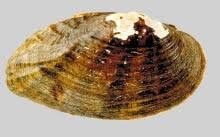
Medionidus simpsonianus. Federal status: Endangered. The Ochlockonee moccasinshell has a very limited distribution in the Ochlockonee River system. Its rarity makes every surviving population important. Biologists infer that, like the related Gulf moccasinshell, it depends on small fish such as darters during its larval stage. Stable stream channels, adequate flow, and low contaminant loads are essential to recovery.
31. Oval Pigtoe
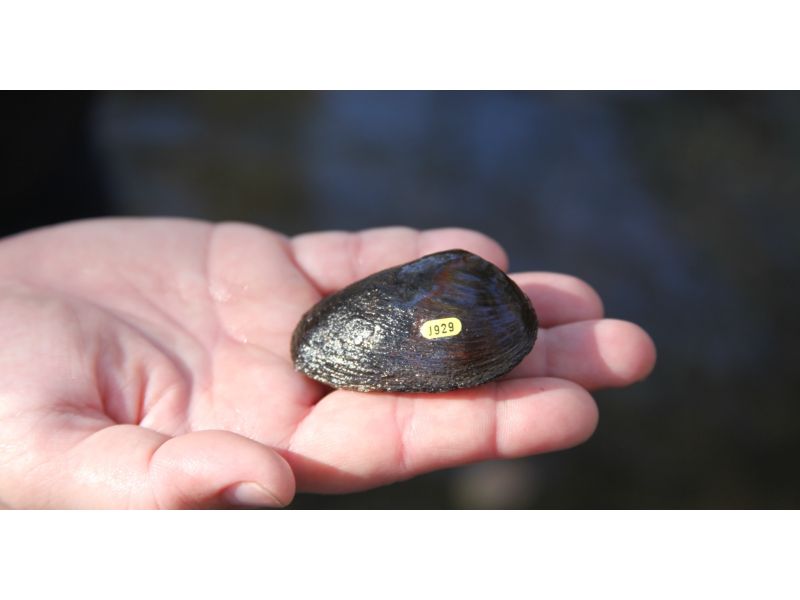
Pleurobema pyriforme. Federal status: Endangered. The oval pigtoe has a broader basin distribution than several mussels on this list, occurring across four northeastern Gulf river systems. Its larvae can develop on small-bodied fish, including sailfin shiners. A wide geographic footprint does not eliminate risk when dams, sediment, channel instability, and declining water quality affect multiple connected river reaches.
32. Shinyrayed Pocketbook
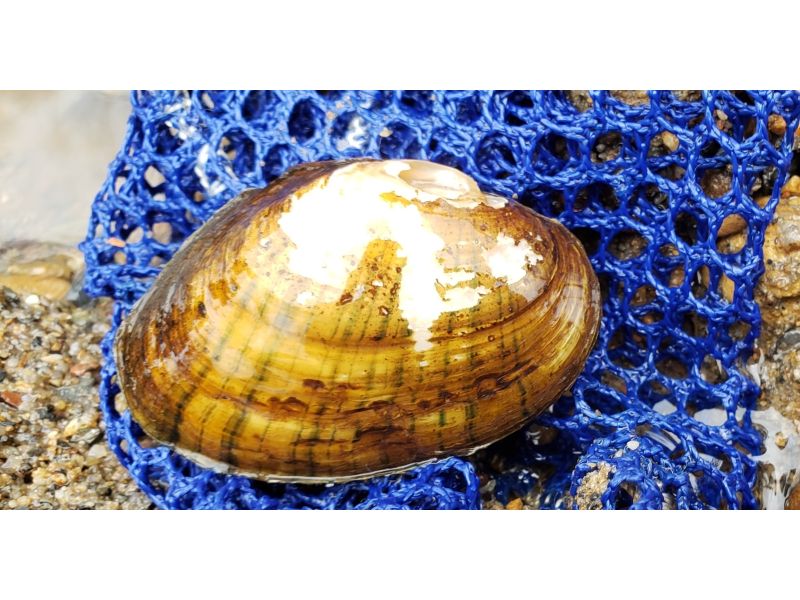
Hamiota subangulata. Federal status: Endangered. The shinyrayed pocketbook has a smooth shell marked by green rays and occurs in parts of the Apalachicola-Chattahoochee-Flint, Chipola, Ochlockonee, and related systems. The current scientific name is Hamiota subangulata; older federal documents may use Lampsilis subangulata. Clean current, stable substrate, and suitable host fish are all necessary for reproduction.
33. Fat Threeridge

Amblema neislerii. Federal status: Endangered. The fat threeridge is a heavy-shelled mussel that can reach about four inches and has prominent horizontal ridges. It occurs in the Apalachicola-Chattahoochee-Flint and Chipola systems. Flow regulation, channel instability, sediment, contaminants, and habitat fragmentation can reduce the stable river conditions this long-lived animal needs.
Why Florida Species Become Endangered
The same statewide pressures recur, but they affect species differently. A road can kill a panther or Key deer directly, while the same road can fragment beach-mouse dunes or prevent fire from moving safely through pine habitat. Conservation works best when the action matches the species’ actual life cycle.
Habitat Loss and Fragmentation
Development can remove habitat outright or divide it into patches too small to support breeding, dispersal, or recovery after a storm. This is especially serious for species limited to pine rocklands, coastal dunes, tropical hardwood hammocks, and the Lower Keys. Protecting corridors and restoring damaged sites are core habitat-loss solutions.
Altered Water Flow and Water Quality
Everglades birds respond to the depth, timing, and duration of flooding. Freshwater mussels depend on stable riverbeds, suitable current, host fish, and low contaminant loads. Manatees need healthy aquatic vegetation and reliable warm-water refuges. Nutrient pollution, sediment, toxic spills, dams, drainage, and poorly timed releases can change an ecosystem even when the land around it appears intact. See the main types of water pollution and how water flow affects ecosystems.
Vehicles, Boats, and Fishing Gear
Vehicle strikes are a major source of mortality for Florida panthers and Key deer. Watercraft collisions kill and injure manatees. Sawfish and sea turtles can become entangled or hooked in commercial and recreational fishing gear. Speed limits, wildlife crossings, turtle-excluder devices, safe-release practices, and responsible disposal of fishing line address these threats directly.
Fire Suppression and Poorly Timed Fire
Pine rocklands, dry prairie, and open longleaf-pine forests evolved with recurring fire. Without it, shrubs and hardwoods crowd out the plants and open structure needed by butterflies, grasshopper sparrows, and red-cockaded woodpeckers. Fire must still be planned around drought, nesting, smoke, and nearby communities; “more fire” is not a complete management prescription.
Storms, Rising Seas, and Small Ranges
Hurricanes are natural in Florida, but species with only one or two populations have little margin for loss. Sea-level rise, saltwater intrusion, shoreline hardening, and repeated storm erosion can squeeze beach mice, marsh rabbits, rice rats, and the Florida salt marsh vole between rising water and development. Small populations also face lower genetic diversity and greater vulnerability to disease or random events—common drivers of extinction risk.
How the Law Protects Endangered Species in Florida
The Endangered Species Act
Under the federal Endangered Species Act, an endangered species is in danger of extinction throughout all or a significant portion of its range. A threatened species is likely to become endangered in the foreseeable future. The U.S. Fish and Wildlife Service manages most terrestrial and freshwater species and the manatee; NOAA Fisheries manages most marine species. The agencies share responsibility for sea turtles.
The law prohibits many forms of unauthorized “take,” supports recovery planning, and requires federal agencies to consult under Section 7 when an action they fund, authorize, or carry out may affect a listed species or designated habitat. Requirements vary by species and activity, so project-specific legal questions should be directed to the responsible agency rather than inferred from a general article.
Critical Habitat
Critical habitat identifies areas considered essential to a listed species’ conservation. A designation does not automatically create a refuge, close land to the public, or regulate every private activity. Its main legal effect is on federal actions and projects with federal funding or permits, which must avoid destroying or adversely modifying the designated habitat.
Florida’s State Listing Process
Florida also maintains state-designated threatened species and its own wildlife rules. FWC evaluates petitions, convenes biological review groups, develops management plans, accepts public comment, and adopts changes through the Commission. A federal delisting does not always remove Florida protection immediately; the wood stork remained protected under state rule after its 2026 federal delisting while FWC began a state review.
Everglades Restoration
The Comprehensive Everglades Restoration Plan, authorized in 2000, is a federal-state program intended to improve the quantity, quality, timing, and distribution of water across South Florida. Its projects matter to species such as the Cape Sable seaside sparrow and Everglade snail kite because a restored landscape still needs the right water in the right place at the right time.
How to Help Endangered Wildlife in Florida
- Follow posted speed limits. Slow down in panther, Key deer, manatee, and sea-turtle areas, especially at night or in low visibility.
- Do not feed wildlife. Feeding Key deer or other wild animals changes their behavior and can draw them toward roads and people.
- Keep cats indoors or in enclosed outdoor spaces. Free-roaming cats are a preventable threat to beach mice, marsh rabbits, birds, and other small wildlife.
- Use wildlife-friendly coastal lighting. Follow local sea-turtle lighting rules and keep unnecessary light away from beaches and dunes.
- Pack out fishing line and plastic. Entanglement and ingestion injure manatees, sea turtles, sawfish, birds, and other marine animals.
- Protect native habitat. Support land conservation, prescribed-fire programs, wetland restoration, living shorelines, and native plants appropriate to the site.
- Report injured or dead protected wildlife. Use current FWC or federal reporting channels; do not attempt to capture or move an animal unless instructed by an authorized responder.
- Check before building or clearing. Landowners and contractors should verify whether federal permits, consultations, seasonal restrictions, or state guidelines apply.
- Support evidence-based conservation. Donating, volunteering, and voting for durable habitat and water-quality programs can do more than one-time wildlife encounters. See practical ways to conserve natural resources.
Frequently Asked Questions
How many endangered and threatened species are in Florida?
FWC’s June 2026 wildlife publication contains 136 taxa across federal and state categories. That is not a simple count of federally endangered animals: it includes 50 federally designated endangered, 41 federally designated threatened, six similarity-of-appearance taxa, one experimental population, and 38 state-designated threatened taxa. The PDF also notes that most federal labels in that edition were current only through May 2025.
What is the difference between endangered and threatened?
Under the U.S. Endangered Species Act, endangered means a species is in danger of extinction throughout all or a significant portion of its range. Threatened means it is likely to become endangered in the foreseeable future.
What is Florida’s most endangered animal?
No federal or Florida agency publishes one official ranking of the single most endangered animal. The Florida grasshopper sparrow, Florida salt marsh vole, Miami blue butterfly, and several freshwater mussels are among the state’s most precarious wildlife because they have very small populations, restricted ranges, or both.
Are Florida manatees endangered?
No. As of August 14, 2026, the West Indian manatee remains federally threatened. A 2025 proposal would recognize the Florida manatee subspecies separately and retain it as threatened while listing the Antillean subspecies as endangered, but the current species-level listing is still threatened.
How can people help endangered species in Florida?
Protect habitat, follow wildlife and boating speed limits, keep cats indoors, use sea-turtle-friendly lighting, never feed Key deer, dispose of fishing line and plastic correctly, report injured wildlife through official channels, and support science-based land, fire, water, and coastal-restoration programs.
Related Resources
- Endangered birds and the habitats they need
- Why amphibians are declining around the world
- Types of turtles and how they differ
- Endangered plants and the pressures they face
Protecting Florida Wildlife Means Protecting Habitat
Florida’s imperiled wildlife does not need a single generic solution. Panthers need connected land and safer roads. Manatees need seagrass, clean water, and secure warm-water habitat. Beach mice need mobile dunes. Pine-rockland butterflies and red-cockaded woodpeckers need carefully managed fire. Mussels need stable rivers and host fish. The shared lesson is clear: legal protection works best when it is paired with long-term habitat management, reliable monitoring, and fewer preventable deaths.