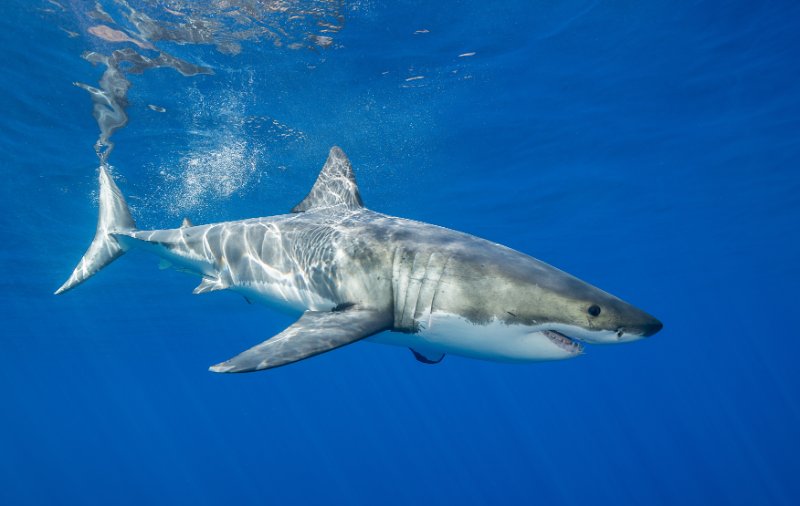
How do sharks help the ecosystem? They regulate prey and mid-level predators, change where animals feed, move nutrients between habitats, and support coastal economies. Large predatory species can also influence seagrass and coral reef food webs. Their impact is not identical everywhere: it depends on the shark species, its abundance, the habitat, and the other predators in the system.
That nuance matters. There are more than 500 types of sharks, and many are small or occupy the middle of a food web rather than the top. A filter-feeding whale shark, a reef-dwelling blacktip shark, and a large tiger shark perform different ecological jobs. A 2024 review in Science describes sharks as predators, competitors, facilitators, nutrient transporters, and prey.
Key Takeaways
- Not all sharks are apex predators. Their ecological roles vary by species, size, life stage, and habitat.
- Sharks can affect ecosystems by eating prey, competing with other predators, and changing where prey animals move and feed.
- Tiger sharks in Shark Bay provide one of the best-documented examples of predators redistributing turtle and dugong grazing pressure across seagrass habitat.
- Sharks can support reefs and blue-carbon habitats, but their effects are local and context-dependent rather than automatic.
- Overfishing and bycatch are the main global threats. Effective conservation requires species-specific catch limits, bycatch reduction, habitat protection, and enforcement.
| Ecosystem role | How sharks can help | Important caveat |
|---|---|---|
| Food-web regulation | Predation and competition can affect the abundance, size, and behavior of prey and mid-level predators. | Many sharks are not apex predators, and strong trophic cascades do not occur everywhere. |
| Risk effects | The presence of sharks can change where prey feed, rest, and travel. | The response depends on prey condition, habitat, season, and actual predation risk. |
| Biodiversity | Different shark species add distinct functions and connections to food webs. | Counting sharks alone does not measure whether the full range of ecological roles is present. |
| Habitat support | Predator-driven changes in grazing can reduce pressure on parts of seagrass meadows. | Sharks cannot compensate for poor water quality, marine heatwaves, dredging, or boat damage. |
| Nutrient and carbon processes | Sharks move nutrients through feeding, migration, excretion, and decomposition, and may indirectly support blue-carbon habitats. | The size of their contribution to long-term carbon storage remains uncertain. |
| Human benefits | Shark tourism can support jobs, research, and conservation incentives. | Benefits depend on responsible management and fair distribution to nearby communities. |
Evidence note: Sharks are not ecologically interchangeable. The effect of losing one species from one bay should not be treated as a universal prediction for every ocean ecosystem.
How Sharks Help the Ecosystem: 7 Evidence-Based Roles
1. Sharks Regulate Prey and Mid-Level Predators
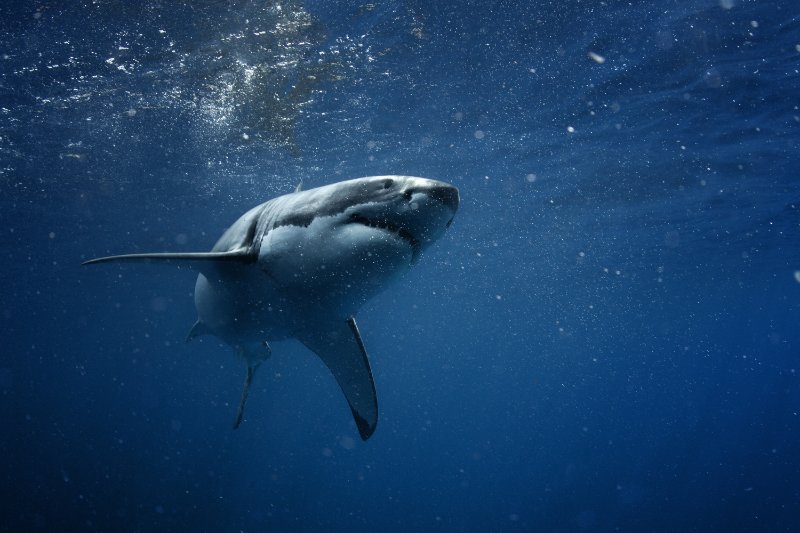
Large predatory sharks can influence the number, size distribution, and behavior of the animals they eat. They may also compete with other predators or limit some mesopredators—animals that hunt but are themselves vulnerable to larger predators. These interactions can prevent a single consumer from becoming disproportionately influential within a food web.
An apex predator is an animal near the top of a particular food web, not a label that applies to every member of a species group. White sharks, tiger sharks, and some hammerheads can function as apex or near-apex predators as adults. Smaller sharks may be mesopredators or prey for larger sharks, marine mammals, large fishes, and even octopuses. NOAA notes that most shark species are under three feet long and are not at the top of the food web.
Predators sometimes catch vulnerable individuals, but it is too broad to claim that sharks universally prevent disease or strengthen the gene pool of every prey population. The better-supported ecological conclusion is that sharks can alter prey abundance, behavior, distribution, and interactions with other species. The strength and direction of those effects must be tested in each system.
2. Sharks Change Where and How Prey Feed
A shark does not need to catch an animal to affect it. Prey respond to danger by changing feeding times, travel routes, group size, and habitat use. Ecologists call these non-consumptive or risk effects.
Research in Shark Bay, Western Australia, shows this clearly. When tiger-shark risk is high, green turtles adjust where they forage, while an individual turtle’s body condition influences how much risk it accepts. Dugongs also alter their use of shallow, food-rich seagrass areas when tiger sharks are active. These changes spread the predator’s influence beyond the animals it directly consumes.
Risk effects are not the same as permanently frightening every grazer away. Hungry or healthy animals may accept more danger, and prey can use habitat features to escape. The ecological outcome therefore depends on the balance between food quality, safety, and the prey’s ability to respond.
3. Sharks Support Biodiversity and Food-Web Resilience
Sharks contribute to biodiversity through the different functions they perform. Some hunt large prey, some consume small fishes or invertebrates, some filter plankton, and some become food for larger predators. Mobile species also connect reefs, seagrass beds, open water, and deep habitats.
This functional diversity matters because ecosystems depend on interactions, not just species counts. Losing a large predator may release a mid-level predator from control. Losing a small bottom-dwelling shark may remove a different feeding pathway. Other predators sometimes compensate, but that replacement may be incomplete, delayed, or absent.
Protecting a range of shark species therefore supports the same principle explained in our guide to why biodiversity matters to ecosystems: ecological resilience is stronger when multiple species and functions remain intact.
4. Tiger Sharks Can Protect Seagrass Meadows Indirectly

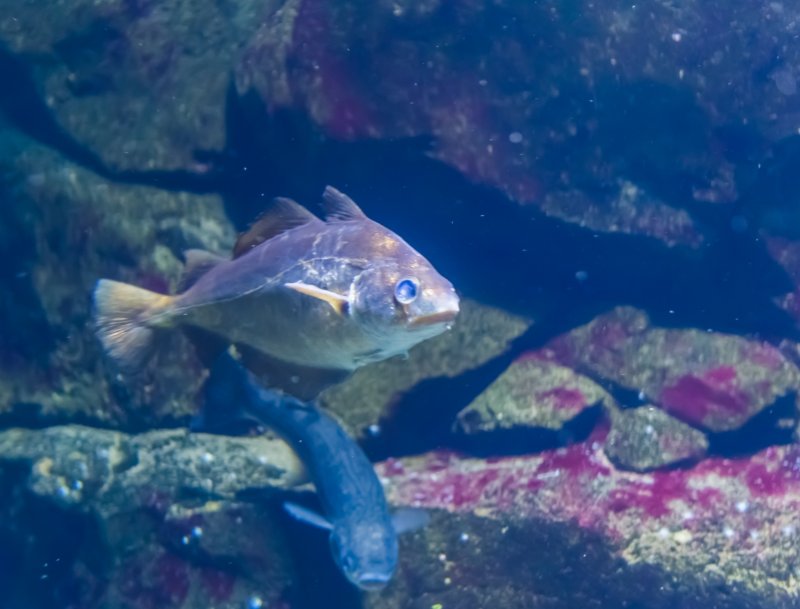
Seagrass meadows are productive marine habitats that shelter juvenile fish, stabilize sediment, and store organic carbon. In Shark Bay, tiger sharks influence how green turtles and dugongs use these meadows. Grazers tend to reduce their use of exposed, high-risk areas when shark activity is high, distributing feeding pressure across the landscape.
The shark’s role is indirect: it changes grazer behavior rather than maintaining the plants itself. This is why the Shark Bay work is valuable but should not be turned into the universal claim that sharks always prevent turtles from destroying seagrass. Different turtle species, predator communities, and seagrass systems can respond differently.
Sharks are also only one part of seagrass protection. Water quality, temperature, disease, anchors, propellers, dredging, and coastal development can overwhelm any predator effect. A 2023 review of sharks and blue-carbon ecosystems found promising ecological connections but emphasized the need for more direct measurements linking sharks to organic carbon stocks.
5. Sharks Support Coral Reef Ecosystems
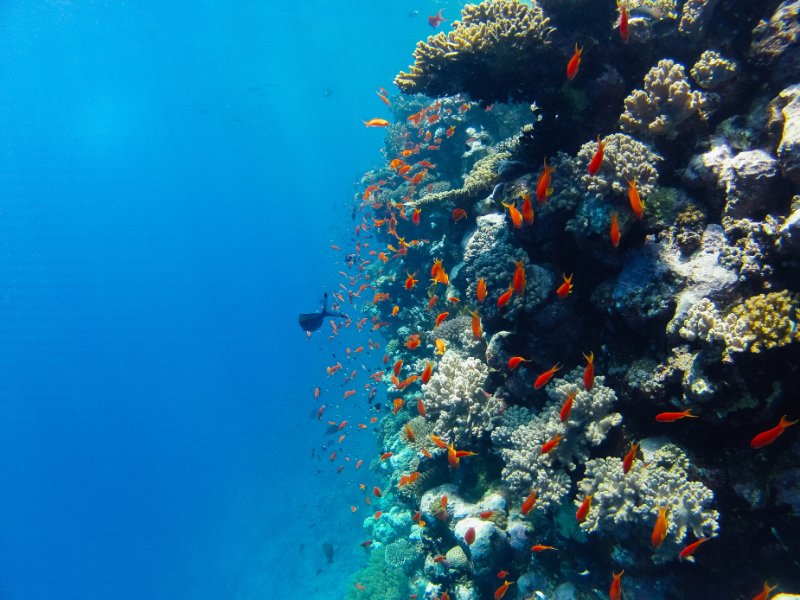
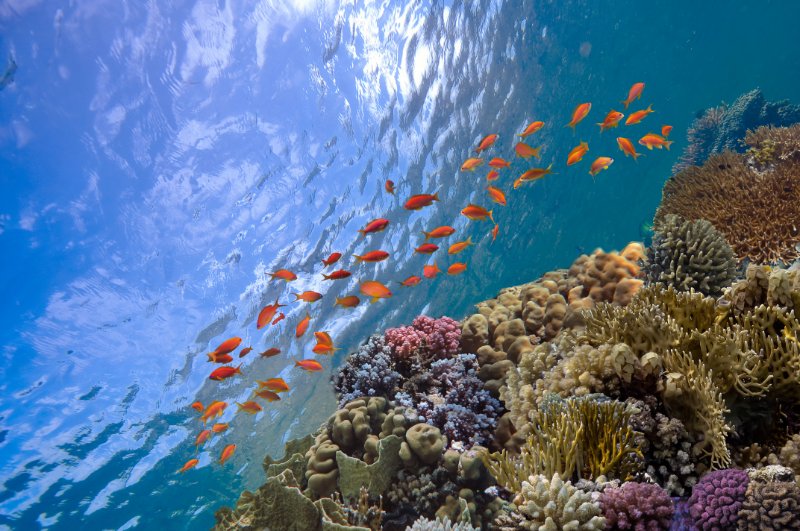
Sharks can affect coral reefs through several pathways. They may consume fishes and invertebrates, compete with other predators, change prey behavior, scavenge carcasses, and carry nutrients between feeding and resting areas. Together, these roles can influence the composition and movement of reef communities.
- Direct predation: Some sharks regulate prey or competing predators.
- Behavioral effects: Reef animals may change where or when they feed in response to sharks.
- Nutrient transport: Mobile sharks can transfer nutrients across reef zones and between habitats.
- Scavenging and food supply: Sharks consume carrion and also become food for other organisms.
The evidence does not support one simple grouper–herbivore–algae cascade for every reef. Many reef sharks are mid-level predators, and the 2024 scientific synthesis found that large ecosystem effects are not ubiquitous. Reef condition is also shaped by heat stress, destructive fishing, pollution, disease, and coastal development.
The relationship works in both directions: sharks can contribute to reef function, while healthy reefs provide food and habitat for sharks. That reciprocal dependence is especially important because a 2023 global assessment found that 59% of 134 coral-reef-associated shark and ray species were already in threatened categories. Protecting sharks should therefore accompany practical ways to conserve coral reefs, not substitute for them.
6. Sharks Move Nutrients and Influence Carbon Cycling

Sharks move biological material through the ocean. A shark may feed in one habitat and release waste in another, migrate between coastal and offshore waters, carry nutrients vertically through the water column, or become food for scavengers after it dies. These pathways connect places that might otherwise exchange fewer nutrients.
Sharks may also influence carbon cycling indirectly. In seagrass and other blue-carbon habitats, predator-driven changes in grazing can help retain vegetation and sediment carbon under some conditions. Shark biomass contains carbon as well, but the climate significance of carcasses sinking to the seafloor has not been quantified well enough to treat shark protection as a stand-alone carbon-removal strategy.
The accurate conclusion is that sharks participate in nutrient and carbon processes, while the size of their climate effect remains an active research question. Protecting them can preserve ecological options and relationships that scientists are still measuring.
7. Sharks Support Coastal Livelihoods and Conservation Incentives
Living sharks can generate recurring economic value through diving, snorkeling, research, education, and related travel spending. An Australian study published in 2017, using tourist surveys collected from 2013 to 2014, conservatively estimated annual direct shark-diver expenditure at $25.5 million. A 2020 study estimated that shark and ray dive tourism accounted for at least a median USD 22 million in attributable expenditure in Indonesia in 2017.
Those figures are historical estimates, not current market values. More importantly, tourism does not automatically produce conservation. Operators need responsible wildlife-interaction rules, monitoring, safe group sizes, and transparent benefit-sharing. Nearby communities and fishers must receive meaningful value if tourism is expected to create durable incentives for protection. Our guide to marine conservation diving tourism explains how tourism and ecosystem protection can reinforce each other.
Claims about sharks and commercial fisheries require similar care. Healthy predator communities can support resilient food webs, but more sharks do not guarantee larger catches everywhere. The frequently repeated story that shark declines caused cownose rays to destroy North Carolina shellfish was critically reassessed in 2016; the authors found that the evidence did not support the simple trophic-cascade narrative. Fishery outcomes also depend on harvest pressure, habitat quality, climate, disease, and the life histories of the species involved.
What Happens if Sharks Disappear?
Removing sharks can change who eats whom, where prey animals feed, how nutrients move, and which ecological functions remain. The result is not a single universal chain reaction. Some ecosystems may experience a strong cascade, while others may be partly buffered by other predators or respond only after a long delay.
- Mid-level predators may expand or change behavior. This can increase pressure on smaller fishes or invertebrates, depending on the food web.
- Grazing patterns may become more concentrated. Where sharks create meaningful risk, their loss can allow turtles, dugongs, or other prey to spend more time in preferred feeding areas.
- Nutrient connections may weaken. Fewer mobile predators can reduce the movement of nutrients among habitats and depth zones.
- Functional diversity declines. Losing a species may remove a role that another predator cannot fully replace.
- Coastal economies can lose value. Wildlife tourism, research, and cultural relationships may decline with local shark populations.
The loss of one shark species is also different from the loss of an entire functional group. This is why managers need species-level data rather than a single rule for all sharks.
Why Shark Populations Are Declining
Overfishing is the dominant global threat. A 2021 Nature analysis estimated that the global abundance of oceanic sharks and rays fell by 71% between 1970 and 2018 as relative fishing pressure increased eighteen-fold. That finding applies to the studied oceanic assemblage; it should not be misreported as a 71% decline for every shark species in every habitat.
A 2024 Science study estimated that total fishing mortality rose from at least 76 million sharks in 2012 to at least 80 million in 2019, including about 25 million sharks from threatened species. The IUCN’s 2024 global status report adds an important distinction: only 26% of species are targeted globally, while most are caught and retained as bycatch.
- Targeted and retained catch: Sharks and rays are sold for meat, fins, skins, liver oil, gill plates, and other products.
- Bycatch: Animals caught while fishers target tuna, swordfish, shrimp, or other species may be retained or die before release.
- Slow population recovery: Many large sharks grow slowly, mature late, and produce relatively few young.
- Habitat degradation: Coastal development, pollution, and damage to nurseries and feeding grounds add pressure.
- Climate change: Warming, deoxygenation, and shifting prey distributions can alter shark habitat and migration.
Shark finning remains a serious conservation and animal-welfare issue, but finning bans alone do not solve overall fishing mortality. Effective management must also cover whole-animal landings, bycatch, catch limits, trade, reporting, and enforcement. Understanding the distinction between endangered, threatened, and extinct species also helps readers interpret conservation status accurately.
How People Can Help Protect Sharks
- Choose traceable, well-managed seafood. Sustainability varies by species, stock, fishing gear, and country. Look for current regional guidance rather than treating every fishery as equivalent.
- Support science-based fisheries rules. Effective tools include catch limits, bycatch-reduction gear, protected nursery and aggregation sites, monitoring, and enforcement.
- Choose responsible wildlife tourism. Favor operators that avoid chasing or touching animals, limit crowding, follow local interaction rules, train guides, and contribute data or funding to conservation.
- Avoid unidentified shark and ray products. Without a species name, legal origin, and traceable supply chain, sustainability claims are difficult to verify.
- Support credible, locally grounded conservation. Look for transparent goals, measurable outcomes, community participation, and public reporting. These conservation facts and strategies provide additional context.
- Share accurate information. Sharks need neither fear-based demonization nor exaggerated ecological claims. Specific, evidence-based explanations are more persuasive and more trustworthy.
Frequently Asked Questions
How do sharks help the ecosystem?
Sharks can regulate prey and mid-level predators, change where animals feed, move nutrients, and support biodiversity and coastal economies. The strength of each effect depends on the species and ecosystem.
What would happen if sharks disappeared?
Shark loss can alter predator-prey relationships, grazing patterns, nutrient movement, and tourism value. Some ecosystems may experience strong cascades, while others may be partly buffered by other predators.
Are all sharks apex predators?
No. More than 500 shark species occupy many positions in marine food webs. Large adult white, tiger, and some hammerhead sharks can be apex predators, while many smaller sharks are mid-level predators or prey.
How do sharks protect seagrass meadows?
In places such as Shark Bay, tiger-shark risk changes where turtles and dugongs feed, reducing concentrated grazing in some seagrass areas. This indirect effect varies by habitat and does not replace water-quality or habitat management.
Do sharks help coral reefs?
Sharks can influence coral reefs through predation, competition, prey behavior, scavenging, and nutrient transport. Their effect differs among reefs, and protecting sharks cannot substitute for addressing warming, pollution, and destructive fishing.
Do sharks help fight climate change?
Sharks participate in carbon cycling and may indirectly support carbon-storing habitats such as seagrass. However, scientists have not quantified a universal climate benefit, so shark conservation should not be presented as a stand-alone carbon-removal solution.
The Bottom Line
Sharks do not keep every ocean ecosystem “in balance” in the same way. Their importance comes from the range of roles they perform. Some are powerful predators, some influence prey behavior, some move nutrients across habitats, and others serve as prey or support wildlife tourism.
Protecting sharks and rebuilding depleted populations reduces the risk of losing ecological functions before they are fully understood. The most effective approach combines species-specific fisheries management, habitat protection, responsible tourism, community participation, and honest communication about what the evidence does—and does not—show.