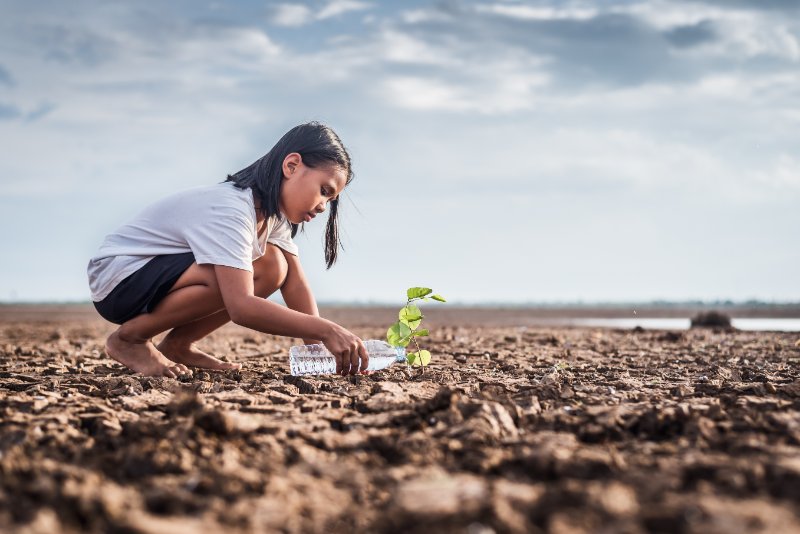
No — it is not too late to stop climate change, but it is almost certainly too late to avoid passing 1.5°C. The World Meteorological Organization confirmed 2024 as the first calendar year more than 1.5°C above the 1850–1900 pre-industrial average (about 1.55°C), and the remaining carbon budget for a 50% chance of holding 1.5°C is roughly 130 billion tonnes of CO2 — a little over three years at today’s emission rate. Warming stops climbing once the world reaches net-zero CO2, so every tonne avoided still changes the outcome.
Human-caused climate change is not scientifically contentious — the Intergovernmental Panel on Climate Change (IPCC) concluded it is unequivocal that human influence has warmed the atmosphere, ocean and land. What is genuinely open is how much further warming gets locked in, and that turns on decisions made this decade.
Where Things Stand in 2026: The Numbers
- 2024 was the first calendar year above 1.5°C — about 1.55°C above the 1850–1900 baseline (WMO).
- 2025 came in at 1.44°C, the second or third warmest year on record; 2023, 2024 and 2025 are the three warmest years in every major dataset (WMO, State of the Global Climate 2025).
- Fossil CO2 emissions hit a record 38.1 billion tonnes in 2025, up about 1.1% (Global Carbon Budget 2025).
- About 130 billion tonnes of CO2 remain in the 1.5°C carbon budget (50% chance, from the start of 2026) — a little over three years at the current rate of roughly 42 billion tonnes a year.
- Sea level is rising about 4.5 mm a year, double the 2.1 mm a year measured in 1993 (NASA).
- Global temperature stabilises within roughly 20–30 years of net-zero CO2 — but sea level rise continues for centuries (IPCC AR6).
Those six numbers answer the question better than any slogan: the 1.5°C target is nearly gone, and the temperature response to net-zero is fast enough that action still pays.
To the greatest extent, climate change results from the phenomenon of global warming. And global warming happens when our atmosphere holds more heat than it can due to greenhouse gases. Greenhouse gases’ effect leads to numerous adverse environmental effects, such as the following.
- Rising sea levels,
- Extreme weather events like hurricanes and floods,
- Food shortages due to crop failures,
- Species extinction, and
- Biodiversity loss.
Currently, the known causes of climate change include the following:
- Record fossil-fuel and cement CO2 emissions — 38.1 billion tonnes in 2025, up about 1.1% on 2024 (Global Carbon Budget 2025)
- Intense burning of fossil fuels
- Growing population
- Methane accumulation from waste and farming-related activities
The effects of this are becoming too apparent in places like California, where wildfires have grown out of control. But can we revert this? I will talk all about this in a bit.
So what’s being done about climate change in the US?
US federal policy changed direction in this period: the United States left the Paris Agreement for a second time, with the withdrawal taking legal effect on 27 January 2026. Carbon pricing in America now runs mainly at state level — the 11-state Regional Greenhouse Gas Initiative (Virginia legislated to rejoin in April 2026), the California–Quebec Cap-and-Invest programme, extended through 2045 in September 2025, and Washington’s Cap-and-Invest scheme. The three jurisdictions signed a linkage agreement in June 2026 and expect to run a joint market from 2027.
The truth is there is no one-fit-all solution to deal with climate change hence the many different solutions proposed. But since each has its pros and cons, it’s prudent to evaluate them closely.
1. Cap-and-trade Legislation
Cap-and-trade is no longer only a proposal in the US — it already operates. A regulator sets a hard ceiling on emissions from covered facilities, issues a matching number of allowances, and lowers that ceiling each year. RGGI has capped power-sector emissions across the north-east since 2009 and California’s programme has run since 2013. Worldwide, the World Bank counted 37 emissions trading systems in operation in 2025.
See Related: How Are Fossil Fuels Taken from the Earth?
See Related: Offshore Drilling Pros and Cons, With 2026 Policy and Costs
2. Carbon Trading
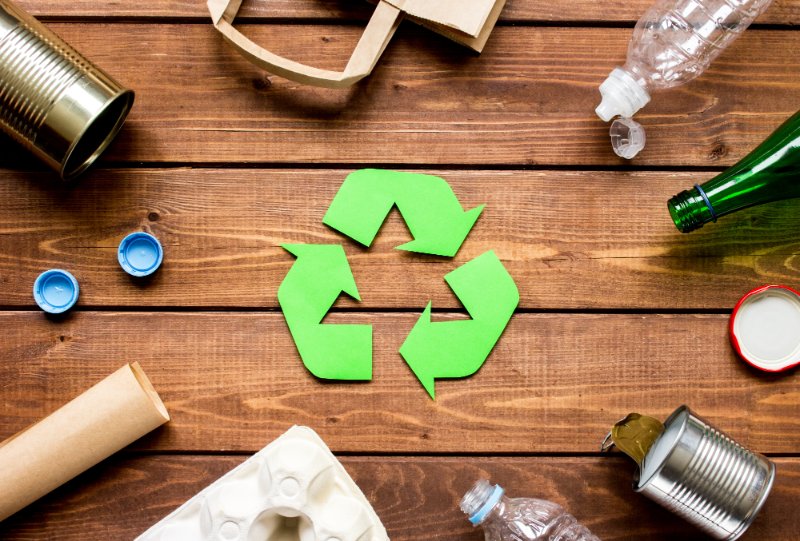
Another close approach is carbon trading. Unlike the cap-and-trade legislation, carbon trading is market-based. It targets companies that emit emissions intending to cut their emissions.
Since this is an example of a market-based approach to environmental regulation, it means that forces like supply and demand will take effect. These forces will encourage companies not to exceed their limits because it will be too costly for them to do so.
See Related: Ways Climate Change is Affecting Animals
3. Carbon Taxation
An alternative solution often proposed by conservatives is carbon taxation. This one puts a tax on carbon emissions from fossil fuels. It is also a market-based approach to environmental regulation but on the other side of the coin. So how does this work?
Here, taxes are added on top of greenhouse gas-emitting activities like manufacturing, transportation, and fossil fuel production, so that companies have a financial reason to cut emissions. Taxes and trading systems together now number 80 carbon pricing instruments worldwide — 43 carbon taxes and 37 trading systems — covering roughly 28% of global greenhouse gas emissions and raising more than $100 billion in a single year (World Bank, State and Trends of Carbon Pricing 2025).
See Related: What is Overfishing? Examples & Solutions to Prevent
4. Geoengineering
Finally, some believe geoengineering will be an important tool in mitigating carbon dioxide build-up in our atmosphere. Geoengineering refers to the deliberate modification of the climate. Proposed methods include carbon dioxide removal and solar radiation management.
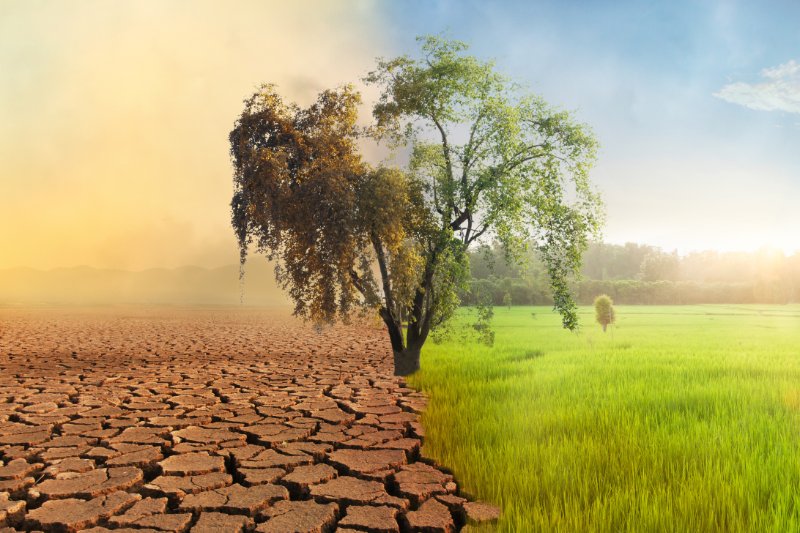
The effects of global warming have been disastrous in many places. For instance, vulnerable areas like coastal regions have seen a rise in sea levels that have put homes at risk. Widening of deserts is another scenario, but perhaps the most visible one is California, which has become a tinderbox ready to catch fire.
Countries are still negotiating and legislating, but the gap between pledges and actual emissions remains wide — which is precisely why individuals should care about climate change rather than leave it entirely to governments.
Is It Too Late to Stop Climate Change?
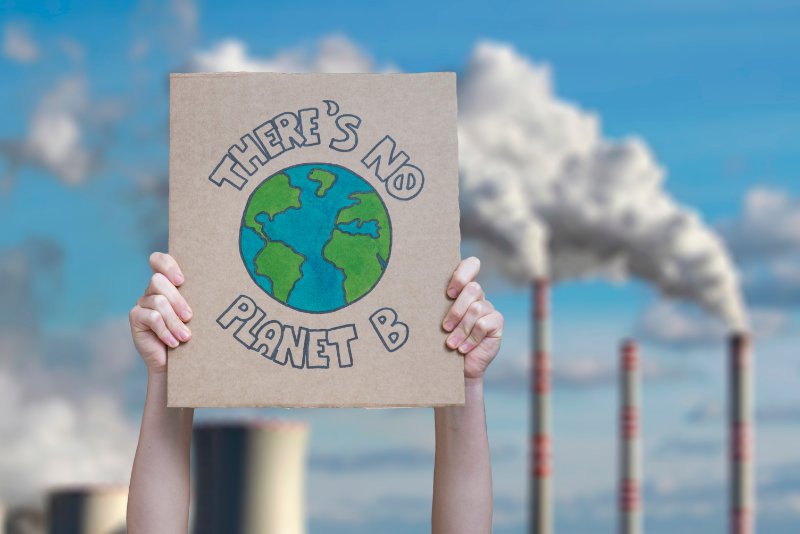
The honest answer has two halves: it is not too late to limit climate change, and it is almost certainly too late to avoid overshooting 1.5°C. Human-induced warming is projected to reach 1.5°C around 2030 on current trends, and the budget for a 50% chance of staying below it runs out in roughly three years at today’s emissions. That is not a reason to disengage — the difference between 1.5°C, 2°C and 3°C is measured in coastlines, harvests and species, so every avoided tonne still counts. For readers who want to work on this professionally, there are careers built entirely around climate change.
The longer we wait, however, the harder it will be to take meaningful steps to address the problem. We need to act now if we want to have any chance of averting catastrophic climate change.
Fortunately, there has been a lot of effort by people worldwide to help reduce greenhouse gas emissions and slow down global warming. We’ve made some progress, but we still have a long way to go before the global temperature stabilizes. Stability and safety in this context revolve around future generations’ ability to survive and meet their needs.
It’s true that there is less time than we would like to think before greenhouse gas emissions collapse our global economy. However, if we can reduce the causal effects of climate change, like the use of fossil fuels, and become more energy efficient, we might have a chance.
And while the amount of damage done by climate change continues to increase every day, we cannot afford to give up. It’s not over until it’s over!
See Related: What Is the Goal of Wildlife Conservation?
Is Climate Change Reversible?
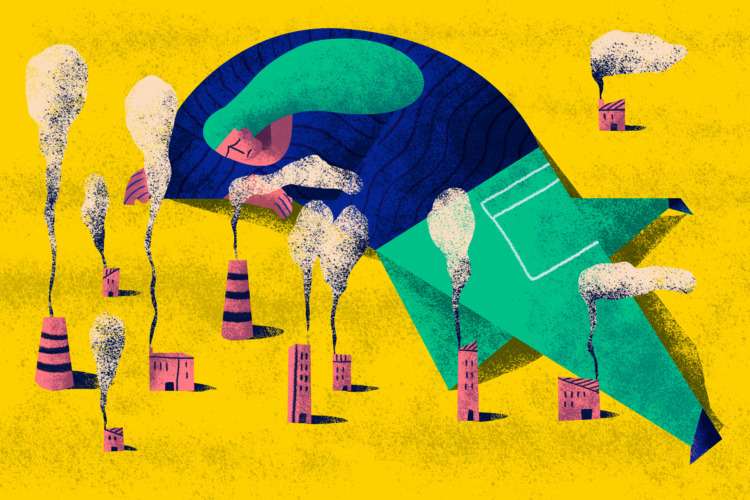
Partly — and the IPCC’s Sixth Assessment Report is specific about which parts. Global surface temperature stops rising and begins to stabilise within roughly 20 to 30 years of the world reaching net-zero CO2, so warming is not a one-way ratchet. Sea level rise is different: it is irreversible over hundreds to thousands of years, because the deep ocean and the ice sheets respond slowly to what has already been emitted. In short, temperature is reversible on a human timescale; coastlines are not.
The interventions necessary must, however, come from everyone. We must have individual and collective efforts from governments, non-governmental organizations, institutions, and other actors in the private sector. Either way, world leaders are called upon to be at the forefront of handling climate change and influencing others to act.
Individuals are encouraged to consider being more environmentally conscious. This is achieved by using clean energy solutions, recycling more, and using alternative forms of transportation.
Governments must also look at how they influence energy production. They should always strive to reduce their emissions to help make a difference. But mostly, the government’s response should revolve around establishing laws, policies, and guidelines to address climate change.
We can all make choices in our daily lives that will help reduce the negative effects of climate change on the planet. The next few years will be crucial if we want any chance of reducing greenhouse gas emissions and reversing the damage already done. The longer we wait, the harder it will be for us to make a difference.
There is a dire need for everyone to act now. If we don’t want to be in the wrong historical moment, we must do something to protect our future generations.
How Long do we have to Stop Climate Change?
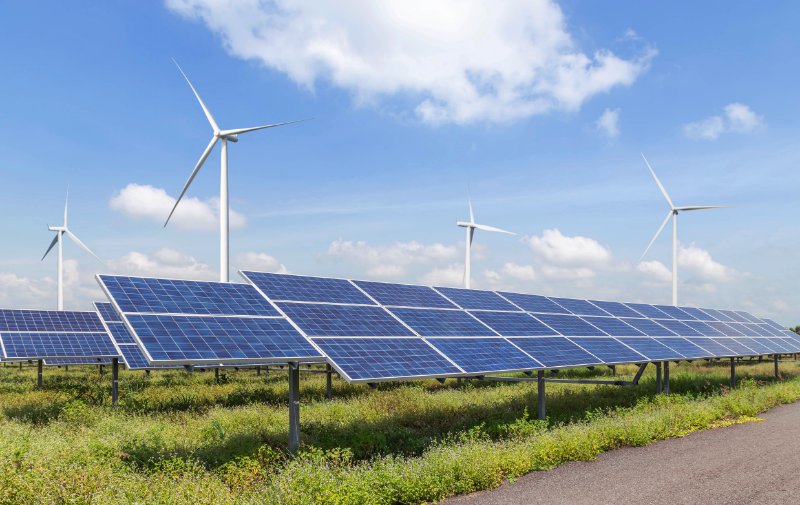
There is a definitive number, and it is small. Scientists express it as a remaining carbon budget: from the start of 2026, roughly 130 billion tonnes of CO2 can still be emitted for a 50% chance of holding warming to 1.5°C. At the current rate of about 42 billion tonnes a year, that is a little over three years of emissions. The Global Carbon Budget’s slightly more generous estimate, 170 billion tonnes, still works out at only about four years.
The shift is already visible in the electricity data. Combined wind and solar generation rose from about 15% of global electricity in 2024 to roughly 17% in 2025 and is set to pass 19% in 2026, according to the International Energy Agency — up from around 4% a decade earlier. Renewables as a whole are overtaking coal, pushing coal’s share of world generation below 33% for the first time in a century. The catch is speed: clean power is largely meeting new demand rather than replacing existing fossil generation, which is why emissions still hit a record in 2025.
Stopping climate change is a process. And it’s highly influenced by active participation from all stakeholders. We must halt all environmental degradation and other contributors to climate change by implementing the proposed climate solutions.
The 1.5°C limit in the Paris Agreement is measured against the 1850–1900 pre-industrial average and assessed over decades rather than single years — so 2024’s 1.55°C does not mean the goal is formally missed, but it is an unambiguous warning. The WMO puts 2025 at 1.44°C and gives roughly a 70% chance that the 2025–2029 five-year average exceeds 1.5°C. Each further fraction of a degree accelerates ice-sheet and glacier melt and desertification.
Some people believe it may already be too late to do anything about the problem of climate change. Well, it is not entirely true. However, the trends are gaining interest among scholars, researchers, scientists, the business community, and other relevant stakeholders.
See Related: Different Types of Green Energy
Dangers of Climate Change

The effects of climate change are evident across the world. They include the following
- More extreme weather conditions
- Changing weather patterns
- Phenomena such as storms, droughts, and floods
One thing is for sure, things will get worse unless something is done soon and from everyone. For example, scientists have found evidence of rapid melting in some of the world’s largest glaciers. These include the Himalayas and the Alps.
The trend is unmistakable in the global record: the past 11 years are the 11 warmest ever measured, and 2023, 2024 and 2025 are the three warmest in every major dataset (WMO). It is that consistency, not any single hot year, that makes proactive action urgent.
But we must be ready to bear the associated costs. And the more we wait before acting, the more expensive it will become to stop climate change.
Melting ice and warming seawater have raised global sea level by about 10 cm since 1993, and the rate has doubled from 2.1 mm a year in 1993 to roughly 4.5 mm a year by 2024 (NASA). Low-lying deltas pay first: the UN human rights office has cited projections that around 17% of Bangladesh’s territory could be submerged by 2050, displacing about 20 million people. Higher seas also raise the odds of coastal flooding far from the tropics.
Another major effect is the change in rainfall patterns around the world. For instance, higher temperatures also mean more evaporation. So places once known for plentiful rain will now become increasingly arid and dry out.
The melting ice caps also affect polar bears due to the loss of feeding grounds and habitat. These examples, and many others, only help realize the need for immediate action or reaction. All actors are necessary to stop climate change and avert the climate crisis, which is quickly gaining dangerous traction.
See Related: Different Overfishing Solutions for Conservation
See Related: How Does Saving Water Help Climate Change? — why cutting hot-water use is one of the most direct household levers on emissions.
Final Thoughts on the Climate Crisis
This article has exploited climate change from various fronts. The goal was to help you understand its effects and highlight some possible interventions. In the end, you should understand what you need to do or how to act to help mitigate climate change.
It is important that each one of us does our part to help preserve our environment for future generations. And remember, our actions could be mitigation-oriented or adaptation-oriented, depending on the nature of the action. Because most of humanity now lives in towns and cities, a great deal of that work is urban conservation — protecting nature and historic fabric inside the places people actually live.
We can all do many simple things to make a difference. Whether it’s reducing our reliance on fossil fuels, recycling, and composting, driving less, and using public transportation when possible, there’s a lot that we can do.
We can also try investing in renewable energy sources and supporting politicians who pledge to take action on climate change. The goal is to see a brighter future for us and the coming generations.
We encourage you to educate yourself further about climate change and the steps we can take to address it. Your commitment is what counts in this context. Together, we can make a difference.
Related Resources
- Best Wildlife Conservation Jobs
- Rare Flowers from Around the World
- Is Acrylic Bad for the Environment?
See Related: Sarah Ott’s Climate Change Conversion: From Skeptic to Science Educator
See Related: Guardians of the Globe: The Incredible Animals That Are Helping Fight Climate Change