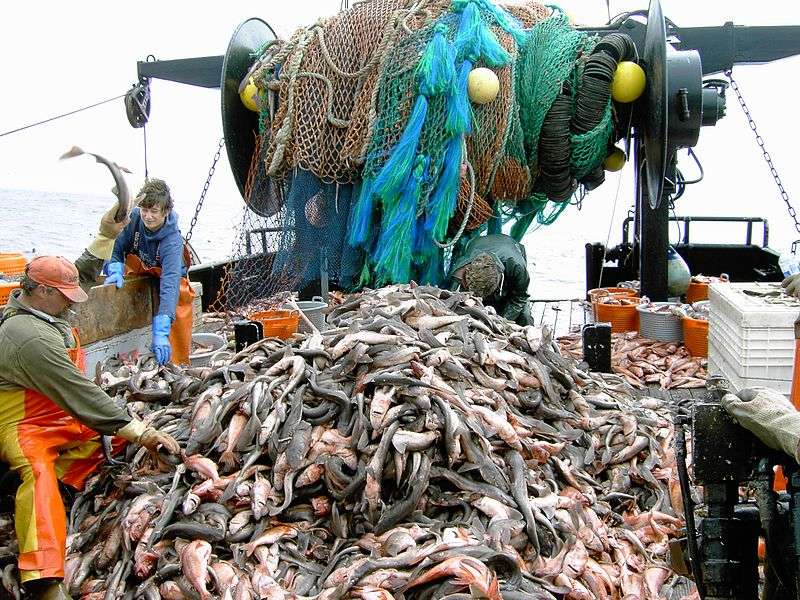
Overfishing means catching fish faster than a stock can reproduce. The UN Food and Agriculture Organization’s State of World Fisheries and Aquaculture 2026 found that only 62.4% of assessed marine fish stocks are fished within biologically sustainable levels, down from 64.5% two years earlier. The seven overfishing solutions that actually work are science-based catch limits, rights-based management, marine protected areas, ending harmful subsidies, selective gear, informed consumers and enforcement against illegal fishing.
The health of marine ecosystems depends on sustainable fishing practices. And overfishing poses a significant threat to the balance of these ecosystems. It reduces the fish supply and undermines the economies and communities that rely on fishing as a livelihood.
Consequently, it is vital to understand the causes of overfishing and develop solutions in saving fish population.
Potential solutions to overfishing include fisheries management reforms, increased marine protected areas, sustainable fishing practices, consumer awareness and education, and fighting illegal fishing. These measures are crucial in mitigating the adverse impact of overfishing. It is imperative to take action now to safeguard the ocean ecosystems for future generations.
Effects of Overfishing
Food Chain Breakdown
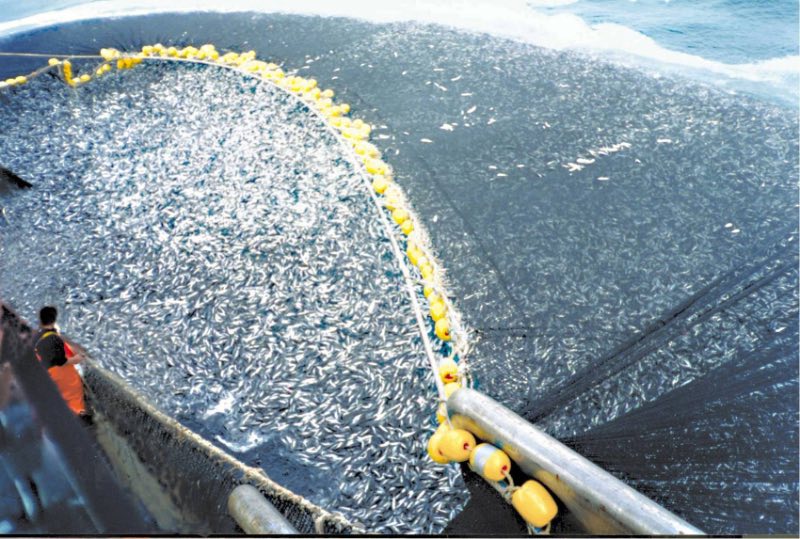
The threatening impact of overfishing on the food chain is a growing concern, and its long-term effects are bound to be severe. Overfishing is widespread rather than universal: FAO’s 2026 assessment classifies 37.6% of assessed marine stocks as biologically unsustainable, up from 35.5% two years earlier. Because the largest and best-managed stocks tend to be fished most carefully, 72.6% of everything actually landed still comes from sustainable stocks — but the pressure ripples through fish populations and entire ecosystems.
Fishing constitutes the primary source of sustenance for numerous populations worldwide, particularly those in coastal communities. However, overfishing poses a significant threat to this precious resource. Its adverse impact could lead to food shortages for those dependent on it.
Increase in Endangered Species
The escalating numbers of endangered species bear witness to the current ecological imbalance that threatens our planet. The dwindling numbers of targeted species have inadvertently impacted untargeted ones, pushing them close to the brink of extinction. To counter this situation, reasonable efforts must be undertaken to increase their numbers.
Decrease in Fish Caught
The exponential growth in population has fueled a spike in the demand for catching fish. Certain fish species are in higher demand than others, and they are, therefore, more susceptible to being targeted.
Although fishing is a source of economic gain and provides sustenance to communities, it takes a toll on the natural marine systems. The unrestrained practice of overfishing results in the depletion of fish supply, eventually leaving waters replete of their once-abundant bounty.
Decrease in Essential Predators
The large-scale fishing industry’s predatory practices have resulted in a decrease in the numbers of essential predators, such as sharks and tuna. These species are particularly vulnerable to overfishing and often get caught in fishing vessels while other companies catch fish species. Their removal from their natural habitats not only harms their populations but also affects marine lives farther down the food chain.
Tuna are the counter-example that proves management works. FAO’s 2026 assessment found just over 91% of assessed tuna stocks are biologically sustainable, and more than 99% of tuna landed came from sustainable stocks, after regional fisheries management organisations adopted precautionary harvest strategies.
See Related: Reasons Why is Biodiversity Important to Ecosystems
Overfishing Solutions: Fisheries Management Reforms
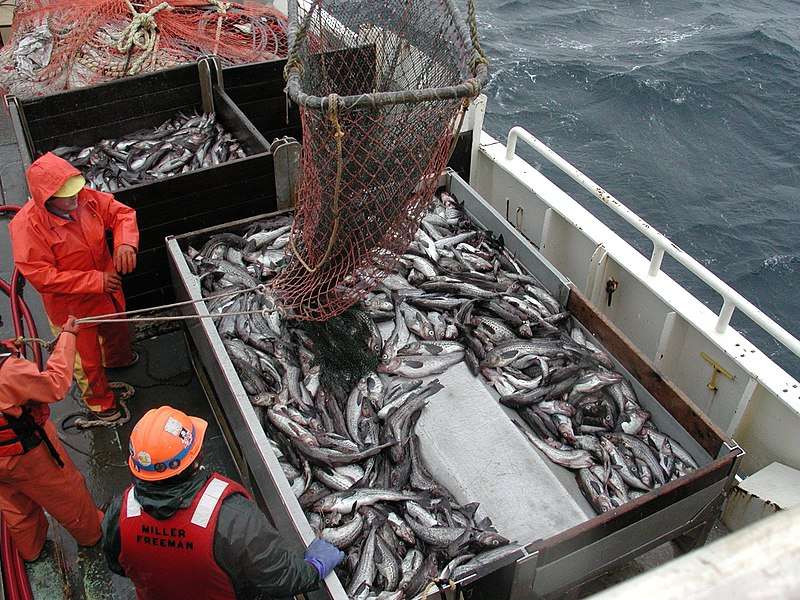
The implementation of fisheries management reforms is a paramount measure for ensuring the effective management of fish supply and preserving the fisheries sector’s long-term sustainability. Here are some of the top fisheries management reforms that have the potential to address overfishing:
See Related: Are Fish Endangered? What You Need to Know
The 7 Overfishing Solutions at a Glance
- Rights-based fishery management — give fishers a secured share of a science-set catch so they profit from rebuilding a stock instead of racing to strip it.
- More and better marine protected areas — MPAs passed 10% of the global ocean in 2026, but only about 3.5% is fully or highly protected, against a 30%-by-2030 target.
- Government action on catch limits and subsidies — enforce total allowable catch, and apply the WTO Agreement on Fisheries Subsidies that entered into force on 15 September 2025.
- Sustainable fishing practices and gear — selective gear, closed seasons and ecosystem-based management that cut bycatch and spare seabed habitat.
- Less seafood waste — better buying, storage and cooking so fewer fish are caught only to be thrown away.
- Consumer awareness and certification — choose MSC-certified wild seafood and ASC-certified farmed seafood.
- Enforcement against illegal fishing — the FAO Port State Measures Agreement now has 86 Parties closing their ports to IUU catches.
See Related: Importance of Wildlife Conservation
1. Adopt Rights-Based Fishery Management
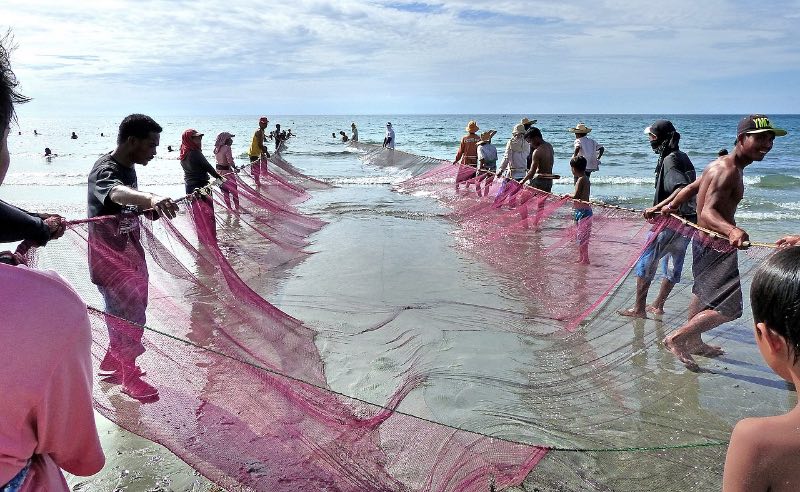
The adoption of rights-based fishery management tools is an effective solution for overfishing. This strategy assigns fishers with access privileges to a specific fishing area, ensuring responsible and sustainable use of resources. The designation of access privileges encourages good stewardship among anglers and motivates them to take better care of the resources they use.
It also leads to improved fishing practices. It reduces overfishing, discarding, and excessive effort, resulting in reduced fishing pressure and improved economic performance of fisheries.
Furthermore, this approach provides benefits to fishers, such as increased stability in resource availability, predictable income flows, and reduced risk through the flexibility to adjust strategies if needed.
In addition to its benefits for fishers, rights-based fishery management can improve the conservation and sustainable management of fisheries resources. It incentivizes responsible resource use, thereby reducing negative impacts on the environment resulting from overfishing.
See Related: Is It too Late to Stop Climate Change? Fast Facts to Know
2. Create More Marine Protected Areas

Expanding MPAs and implementing no-catch zones are effective ways to address overfishing and rejuvenate marine ecosystems. Establishing fishing bans on the open sea is now legally possible: the UN High Seas Treaty (the BBNJ Agreement) entered into force on 17 January 2026 and, for the first time, creates a mechanism to designate marine protected areas across the roughly two-thirds of the ocean that lies beyond any country’s jurisdiction.
Scale is the missing piece. Marine protected areas passed 10% of the global ocean in April 2026, but only about 3.5% of the ocean is fully or highly protected — the level of protection that actually rebuilds fish populations. The Kunming-Montreal Global Biodiversity Framework target is 30% protected by 2030.
The utilization of MPAs has demonstrated great success in preserving fish populations. MPAs are valuable tools that can aid in curbing overfishing, promoting biodiversity, and ensuring a fair allocation of resources that incentivizes sustainable fishing practices.
In addition, creating more MPAs can encourage global communities to take action against overfishing by demonstrating the availability of practical solutions.
Local communities residing in these areas can also benefit from establishing more protected regions by obtaining a stable source of food, income, and employment from healthy and thriving fish populations.
See Related: Whale Shark: Species Overview and Conservation Efforts
3. Work with Governments
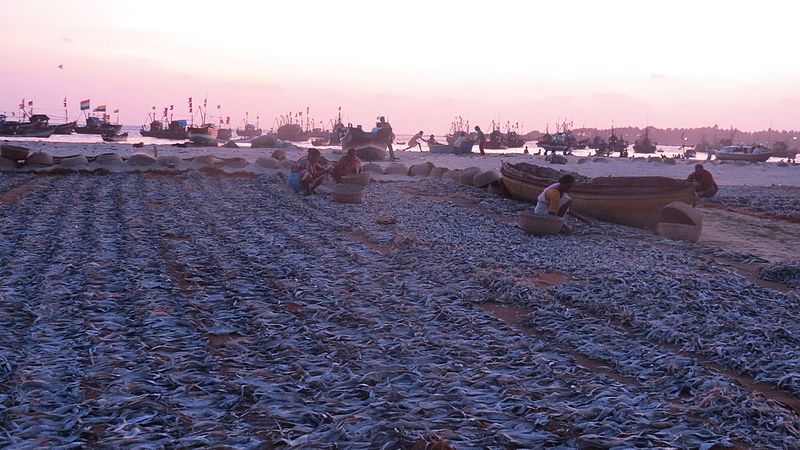
Collaborating with the government to establish catch limits is the most effective method for preventing companies from catching excessive amounts of fish. Adhering to total allowable catch regulations is crucial in combating overfishing.
Governments also control the money. Public subsidies have long paid for the fuel, vessels and gear that make it profitable to keep fishing depleted stocks. That changed on 15 September 2025, when the WTO Agreement on Fisheries Subsidies entered into force after two-thirds of WTO members formally accepted it. It prohibits subsidies for illegal, unreported and unregulated fishing, for fishing stocks that are already overfished, and for unregulated fishing on the high seas.
The protection of marine resources falls under the government’s responsibility. It is necessary to guarantee sustainable fishing practices by creating regulations that promote fisheries management reform.
To combat illegal fishing, governments should increase surveillance and law enforcement. Collaboration with ocean-conservation NGOs such as Oceana, researchers, and other stakeholders is essential in promoting sustainable fishing practices. Educating consumers on sustainable seafood and supporting local communities that depend on fisheries are crucial steps in promoting sustainable fisheries.
4. Encourage Sustainable Fishing Practices
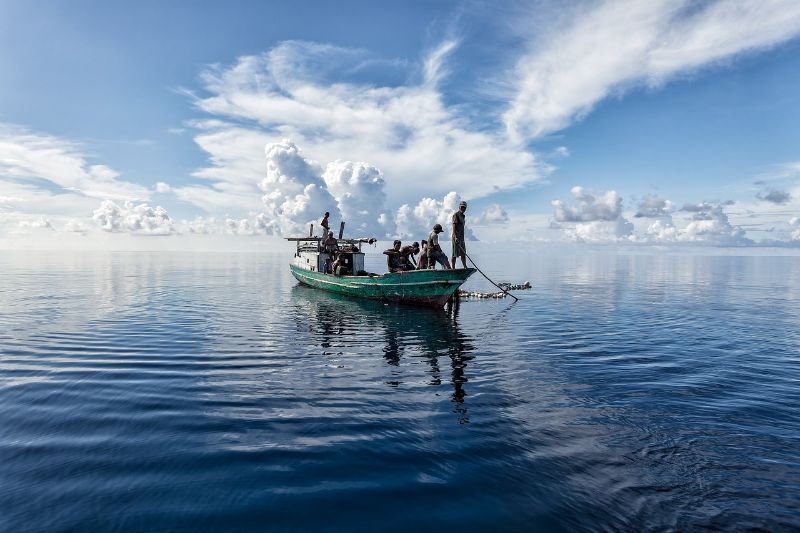
Develop Sustainable Fishing Practices
The utilization of sustainable fishing practices is crucial for maintaining the health of our oceans. Anglers should avoid damaging practices like trawling, longlining, and bottom-dragging. Instead, they should use methods like rod-and-reel fishing that reduce bycatch.
Support Responsible Aquaculture
Responsible aquaculture can also be a sustainable way to raise seafood, and it now supplies more than half of the world’s aquatic animal food. Check the label carefully, because the two main certifications cover different things: the Marine Stewardship Council (MSC) blue label certifies wild-caught seafood, while the Aquaculture Stewardship Council (ASC) label certifies farmed seafood.
Utilize Ecosystem-Based Fisheries Management
Ecosystem-based fisheries management seeks to balance marine ecosystems by carefully monitoring fish populations, habitats, and other factors. Closed seasons can also protect vulnerable species or habitats from overharvesting and give populations time to rebuild naturally.
Practice Catch-and-Release Fishing
Catch-and-release fishing is an excellent way to reduce the number of fish harvested from a population without harming them. Fish that are released can keep reproducing, helping maintain healthy populations for future generations. Survival after release is not automatic, though — it depends heavily on gear type, where the fish is hooked and how long it is kept out of the water.
See Related: What Are The Effects of Overharvesting?
5. Reduce Food Waste and Learn Better Ways to Cook and Store Seafood

Reducing food waste and learning to cook and store seafood can also help promote sustainability. When dining out, ask if the fish is sustainable or if sustainable seafood options are available.
Plan meals efficiently to reduce food waste and research recipes to avoid overcooking or undercooking seafood. Buy seafood from reliable sources or local fishermen to ensure sustainability and reduce waste.
Avoid buying more than you need and use all of it before it spoils. Properly store seafood in the fridge or freezer to keep it fresh longer. Donate unused portions to local food pantries or charity organizations that work to feed the hungry.
6. Consumer Awareness and Education

The promotion of consumer awareness is essential in enforcing fishing industry regulations. To achieve this, the collaboration of governments and fisheries is necessary to educate consumers about sustainable practices, marine life protection, and ocean conservation.
As consumers, we can actively reduce overfishing by familiarizing ourselves with existing regulations and purchasing sustainable seafood products. Certification programs such as MSC or Responsible Fisheries Management (RFM) blue fish label ensure that seafood is sustainably sourced.
In addition, we can support efforts to reduce illegal fishing by seeking out legally caught and sold products and choosing restaurants and retailers committed to sourcing sustainable seafood.
Consumer awareness campaigns can inspire more people to learn about sustainable fishing practices, safeguarding our oceans and their inhabitants from further deterioration. Moreover, we must recognize the significance of big fish, such as bluefin tuna, salmon, marlin, and sharks, in the marine ecosystem and avoid overfishing them solely for commercial gain.
See Related: Ways Climate Change is Affecting Animals
7. Fighting Illegal Fishing
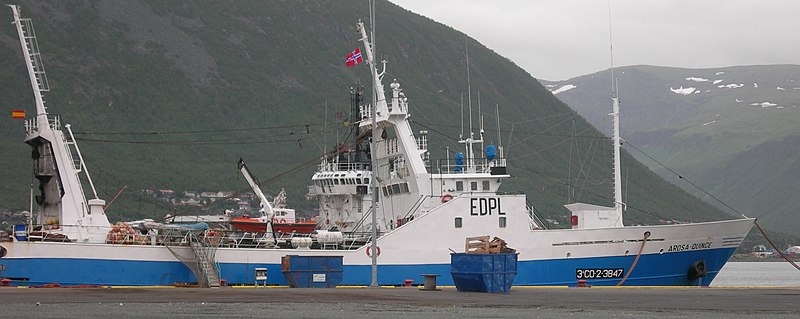
The worldwide impact of illegal, unreported, and unregulated (IUU) fishing is well-known. The FAO estimates that one in every five fish caught worldwide originates from IUU fishing. In 2009, FAO members adopted the Agreement on Port State Measures to Prevent, Deter and Eliminate Illegal, Unreported and Unregulated Fishing — the first binding international treaty aimed specifically at IUU fishing. It entered into force in June 2016 and, as of June 2026, has 86 Parties, the Republic of Moldova being the most recent.
Under this international treaty, foreign-flagged vessels involved in fishing-related operations must provide information about their activities, including boats, crew, cargo, and destination details. Port states must also inspect ships suspected of carrying illegally caught fish and incorporate these fish into management plans that protect wild fish stocks.
The PSMA also targets vessels that use prohibited equipment or methods, with countries implementing port monitoring systems, including satellite imagery and surveillance technologies.
Adopting these measures globally can encourage resistant countries to join in safeguarding our oceans’ wild fish stocks for future generations.
See Related:
- What Are The Effects of Overharvesting?
- Encouraging Endangered Species Success Stories
- Ways to Save Animals Facing Extinction