To conserve coral reefs, reduce both global and local stress. Globally, that means cutting the greenhouse gas emissions that drive ocean warming and acidification. Locally, it means reducing pollution, overfishing, physical contact, anchor damage, poorly managed tourism, and destructive coastal development.
Individual choices are not a substitute for effective policy, reef management, or industry action. They are still useful when they prevent direct damage, reduce pollution, support responsible businesses, and build public pressure for larger changes. The 10 actions below explain where personal behavior helps and where collective action matters more.
Key Takeaways
- Climate action has the greatest global leverage. Warmer water drives mass bleaching, while absorbed carbon dioxide changes ocean chemistry and slows reef growth.
- Local protection still matters. Cleaner water, sustainable fishing, no-contact recreation, and effective marine protection can give reefs a better chance to resist and recover from heat stress.
- “Reef-safe” should not be treated as a guarantee. Use shade and UPF clothing first, follow local sunscreen rules, check active ingredients, and continue protecting your skin.
- Support work that measures results. Favor tour operators, protected areas, and conservation groups that publish permits, monitoring data, community partnerships, and clear outcomes.
Why Coral Reefs Need Protection Now
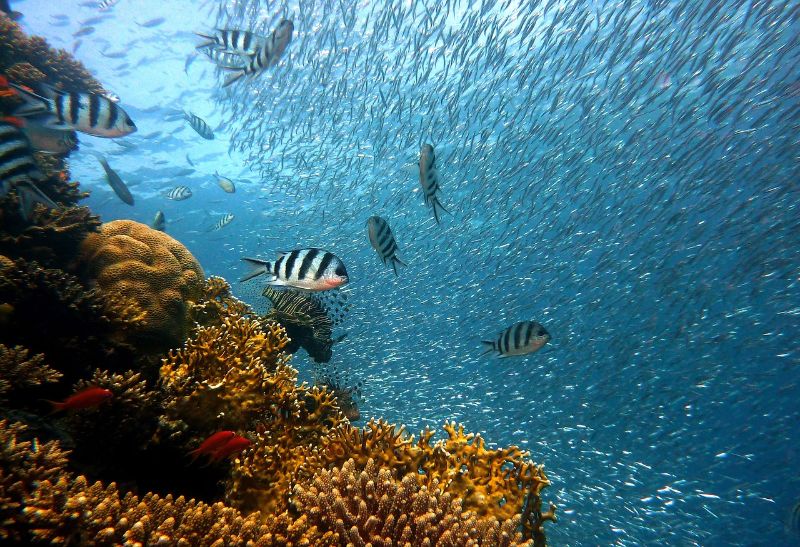
Coral reefs cover only about 1% of the world’s oceans, yet they provide habitat for at least 25% of marine life, according to the National Oceanic and Atmospheric Administration. They also support fisheries, tourism, cultural practices, and coastal protection. In other words, reef decline affects far more than the corals themselves; it changes entire marine habitats and the communities that depend on them.
The pressure is intensifying. NOAA and the International Coral Reef Initiative confirmed the fourth global coral bleaching event in April 2024. Bleaching happens when stressed corals expel the algae that provide much of their food and color. A bleached coral is not necessarily dead, but prolonged or repeated stress can cause mortality and leave surviving colonies more vulnerable to disease.
Climate change is the greatest global threat to coral reefs. At the same time, the U.S. Environmental Protection Agency identifies sediment, excess nutrients, sewage, toxic chemicals, marine debris, overfishing, coral harvesting, anchors, and recreational misuse as major local threats. Reducing those local pressures cannot stop marine heatwaves, but it can improve reef condition and resilience.
How to Conserve Coral Reefs: 10 Actions
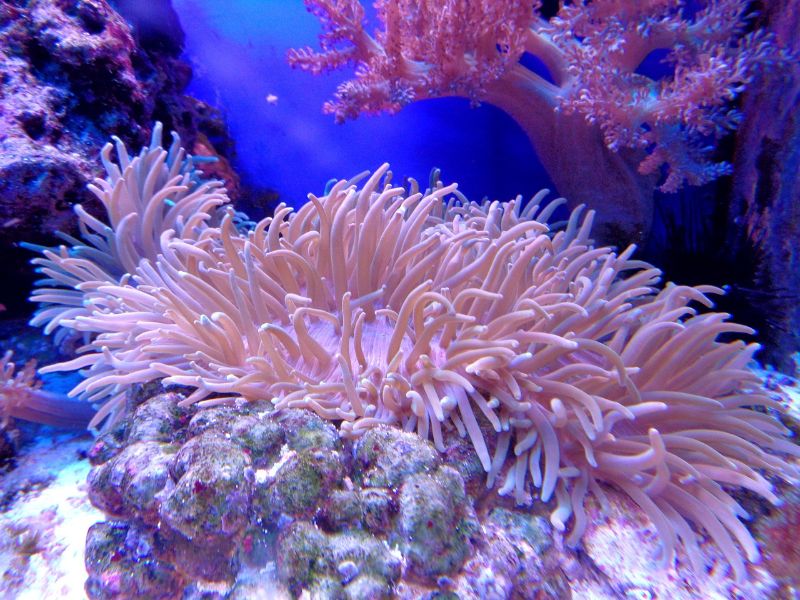
The strongest conservation strategy works at two levels: address the global causes of warming and acidification, while reducing the local damage that makes reefs less able to recover.
| Action | Primary scale | Why it helps |
|---|---|---|
| 1. Cut greenhouse gas emissions | Global and systemic | Limits the warming and ocean chemistry changes that threaten reefs worldwide. |
| 2. Follow no-contact reef etiquette | Direct and local | Prevents breakage, abrasion, sediment disturbance, and anchor damage. |
| 3. Choose responsible reef tourism | Business and local | Rewards operators that protect sites instead of degrading them. |
| 4. Reduce sunscreen pollution | Direct and local | Lowers chemical exposure at heavily visited swimming and snorkeling sites. |
| 5. Choose sustainable seafood | Market and ecosystem | Reduces pressure on reef food webs and discourages destructive fishing. |
| 6. Keep waste and chemicals out of water | Watershed and local | Reduces debris, toxins, pathogens, and sewage reaching coastal waters. |
| 7. Reduce fertilizer and stormwater runoff | Watershed and local | Limits sediment and nutrient pollution that can smother corals and fuel algae. |
| 8. Conserve water and energy | Household and systemic | Reduces wastewater loads and energy-related emissions. |
| 9. Support effective protected areas and restoration | Community and policy | Protects habitat, fish populations, and selected reefs while supporting recovery. |
| 10. Volunteer, donate, report, and advocate | Civic and community | Builds monitoring capacity, funding, enforcement, and political support. |
1. Support Rapid Cuts in Greenhouse Gas Emissions
Ocean warming increases thermal stress and mass bleaching. Carbon dioxide absorbed by seawater also lowers pH and reduces the availability of carbonate ions that reef-building corals need to form and maintain their skeletons. NOAA describes climate change as the greatest global threat to coral reef ecosystems and explains how warming, acidification, changing storms, sea-level rise, and altered rainfall affect reefs.
Use the leverage available to you rather than treating this as a purity test. At home or work, improve energy efficiency, choose lower-emission electricity when available, and reduce unnecessary fossil-fuel use. For larger impact, support credible climate solutions, ask companies for time-bound emissions plans, and vote for policies that cut pollution while protecting affected workers and communities. Our comparison of the lowest-greenhouse-gas energy sources can help clarify the tradeoffs.
This is also where honest prioritization matters: carrying a reusable item is useful, but it does not equal the impact of decarbonizing power, transport, buildings, and industry. Both can be worthwhile without pretending they operate at the same scale.
2. Practice No-Contact Snorkeling, Diving, and Boating
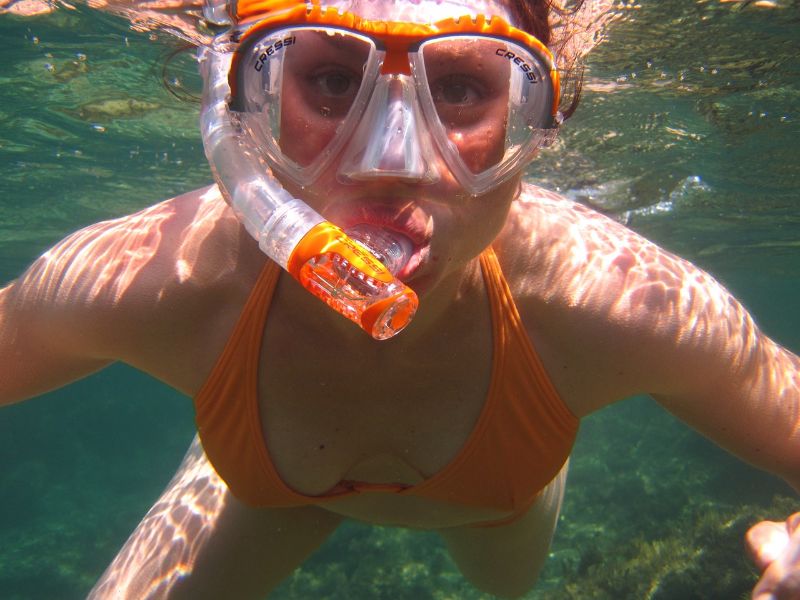
Corals are living animals, and many species grow slowly. A fin kick, handhold, dropped camera, or standing foot can break branches, remove tissue, or stir sediment over nearby colonies. Keep your body and equipment clear of the bottom, secure gauges and cameras, and practice buoyancy skills before entering a sensitive site.
- Never touch, stand on, collect, or feed wildlife on a reef.
- Use a designated mooring buoy. Never anchor on coral.
- Enter and exit through sandy or designated areas.
- Keep fins away from coral and loose sediment.
- Follow closures, capacity limits, wildlife distances, and local guide instructions.
The EPA’s reef protection guidance specifically recommends responsible diving and snorkeling, avoiding contact, and using moorings or sandy bottom instead of anchoring on reefs.
3. Choose Tour Operators and Accommodations That Protect Reefs
A “sustainable” label is not enough. Before booking a snorkeling, diving, fishing, or boat trip, look for operating practices you can verify:
- A required reef-etiquette briefing before guests enter the water.
- Use of permanent moorings rather than anchors at reef sites.
- Small groups and guides who actively prevent touching, chasing, feeding, or collecting wildlife.
- Valid local permits and compliance with protected-area rules.
- No promises of guaranteed wildlife encounters that encourage harassment.
- Clear wastewater, fuel, waste, and wildlife-reporting procedures.
- Local employment, community partnerships, or conservation fees with transparent use.
At your lodging, ask how sewage is treated, whether boats use moorings, and how the property manages stormwater. Simple habits also help: refill a reusable water bottle, decline unnecessary single-use items, and avoid leaving waste that can blow or wash into waterways.
4. Use Sun Protection That Reduces Aquatic Pollution

Do not sacrifice sun safety. Sunscreen helps prevent sunburn and reduces skin-cancer risk, while some ultraviolet filters can enter aquatic environments when they wash off swimmers or move through wastewater. The National Academies’ review describes both the environmental concerns and the need to protect human health.
The practical approach is layered:
- Use shade, a wide-brimmed hat, sunglasses, and UPF clothing or a rash guard to reduce the amount of sunscreen needed.
- Apply broad-spectrum sunscreen to exposed skin and reapply according to the label.
- Follow ingredient restrictions at your destination; rules vary by country, state, park, and marine protected area.
- Do not rely on a “reef-friendly” claim alone. Check the active ingredients.
- Avoid spraying sunscreen over sand, water, or other people.
The National Park Service recommends zinc oxide and titanium dioxide as active ingredients and prioritizes covering up with UV-blocking clothing. No product should be described as harmless in every concentration, formulation, or ecosystem, so use the lowest-exposure strategy that still protects your skin.
5. Choose Sustainable Seafood and Avoid Coral Souvenirs
Overfishing can remove herbivorous fish that graze algae, alter food webs, and damage reef habitat. Destructive fishing methods cause direct physical harm. Learn how overfishing affects marine ecosystems, then ask restaurants and retailers what species they sell, where it was caught or farmed, and which management system applies.
For seafood sold in the United States, NOAA Fisheries provides science-based sustainable seafood information. In other countries, use the relevant national fisheries authority or a transparent regional guide rather than assuming one global label fits every fishery.
Do not buy living coral, coral jewelry, reef rock, or marine animals of unclear origin. A souvenir is not worth supporting illegal harvest or habitat destruction. If you keep a saltwater aquarium, use captive-bred animals and legally sourced, documented specimens.
6. Keep Plastic, Chemicals, and Sewage Out of Waterways
Pollution does not need to start beside a reef to reach one. Rain and drainage systems move litter, oil, pesticides, household chemicals, sewage, and fine sediment from streets and yards into rivers, estuaries, and coastal water. Understanding the main types of water pollution makes it easier to identify where prevention is possible.
- Never pour paint, oil, pesticides, medicines, or cleaning chemicals into a street drain.
- Secure bins and dispose of cigarette butts and fishing line properly.
- Pick up pet waste so pathogens and nutrients do not wash into waterways.
- Maintain septic systems and report sewage leaks or illegal discharges.
- Reduce disposable plastics, but prioritize preventing all litter from entering water.
Beach cleanups remove existing debris and can document recurring sources. They are useful, but prevention upstream is more efficient than repeatedly collecting the same waste after it escapes.
7. Reduce Fertilizer, Sediment, and Stormwater Runoff

Many tropical coral reefs thrive in relatively clear, low-nutrient water. Excess nitrogen and phosphorus can fuel algal growth, while sediment can smother corals and block the light they need. EPA identifies fertilizer, sewage, animal waste, construction, agriculture, and urban stormwater as important land-based sources.
- Test soil before adding fertilizer and apply only what is needed.
- Do not fertilize before heavy rain or spread product onto pavement.
- Use native plants, mulch, vegetated buffers, and ground cover to hold soil.
- Direct downspouts into planted areas where appropriate.
- Install rain gardens, permeable surfaces, or rain barrels where local conditions and regulations allow.
- Support erosion controls and wastewater upgrades in coastal watersheds.
These measures work best as a connected watershed strategy. A rain barrel can reduce runoff from one roof; land-use rules, green infrastructure, sewage treatment, and agricultural practices determine what reaches the coast at larger scale.
8. Conserve Water and Energy
Water conservation can reduce the volume that treatment systems must process, especially in places with limited infrastructure or seasonal water stress. Fix leaks, use efficient fixtures, run full laundry and dishwasher loads, and follow local drought guidance. Our guide to how saving water helps climate change explains the energy-water connection.
Energy conservation also reduces emissions when the avoided electricity or fuel would otherwise come from carbon-intensive sources. Focus on durable changes: insulation, efficient cooling, lower-carbon transport, cleaner electricity, and procurement standards at businesses or properties you control.
9. Support Effective Marine Protected Areas and Science-Based Restoration
Marine protected areas can restrict damaging activities, protect habitat, and provide refuge for marine life. Protection on paper is not enough, however. Strong programs have clear boundaries and rules, enforcement capacity, ecological monitoring, community participation, and funding that lasts beyond the launch announcement.
NOAA notes that highly protected marine reserves can increase biomass, organism size and density, and species richness within their boundaries. When choosing tours, paying conservation fees, or supporting policy, look for marine protected areas that publish management plans and monitoring results.
Coral restoration can help selected sites by growing and outplanting corals, improving habitat, preserving genetic diversity, and responding to damage. NOAA’s coral restoration program uses several of these methods. Restoration is valuable, but it cannot substitute for reducing heat stress, pollution, overfishing, and physical damage. Otherwise, newly planted corals face the same pressures that damaged the reef.
10. Volunteer, Donate, Report Damage, and Advocate
Choose the form of participation that matches your time, skills, and location. You can join a monitored cleanup, help with citizen-science observations, report anchor damage or illegal harvest to the responsible authority, assist a local watershed group, or support a reef-management organization.
Before donating, check whether the organization publishes:
- A specific geography, threat, and conservation method.
- Measurable ecological or community outcomes rather than only activity counts.
- Financial reports, leadership information, and conflicts-of-interest policies.
- Long-term monitoring, not only one-day planting or cleanup totals.
- Local and Indigenous participation in decisions that affect customary waters and livelihoods.
Advocacy matters because many reef threats are governed by public decisions: wastewater investment, fisheries rules, protected-area enforcement, coastal development, climate policy, and pollution controls. Use accurate conservation facts, ask representatives for specific action, and follow up on budgets and implementation rather than stopping at public pledges.
What Not to Do Around Coral Reefs
- Do not touch, stand on, kick, collect, or break coral.
- Do not anchor on a reef or drag gear across the bottom.
- Do not feed, chase, hold, or reposition marine animals for photos.
- Do not buy coral, reef rock, or wildlife of uncertain origin.
- Do not leave fishing line, cigarette butts, food packaging, or other waste.
- Do not assume a sustainability claim is meaningful without evidence.
Frequently Asked Questions
What is the biggest threat to coral reefs?
Human-caused climate change is the greatest global threat because warmer water drives mass bleaching and absorbed carbon dioxide changes ocean chemistry. Local threats—including pollution, overfishing, coastal development, disease, anchors, and direct contact—can further weaken reefs and reduce their ability to recover.
Can bleached coral recover?
Yes, sometimes. Bleached coral is stressed but not automatically dead. It can recover if temperatures or other stressors return to tolerable levels soon enough. Prolonged, severe, or repeated bleaching increases the risk of disease, reduced reproduction, and mortality.
Does reef-safe sunscreen really exist?
A “reef-safe” label is not proof that a product is harmless in every ecosystem or concentration. Use shade and UPF clothing first, protect exposed skin with sunscreen, follow local ingredient rules, check active ingredients, and avoid spraying sunscreen over sand or water.
How can I help coral reefs if I live far from the ocean?
Reduce greenhouse gas emissions, use fertilizer carefully, keep trash and chemicals out of storm drains, choose responsibly managed seafood, conserve water and energy, support credible conservation groups, and advocate for effective climate and clean-water policy.
Is coral restoration enough to save reefs?
No. Restoration can rebuild selected sites, preserve genetic diversity, and help damaged reefs recover, but it does not remove the main causes of decline. Long-term success also requires cuts in greenhouse gas emissions and stronger control of pollution, overfishing, coastal damage, and disease.
Protect Reefs at Two Scales
The most useful way to think about coral reef conservation is not “Which single habit saves a reef?” It is “Which pressures can I reduce directly, and which systems can I help change?” Avoiding contact, preventing runoff, and choosing responsible operators protect specific places. Climate policy, clean energy, wastewater infrastructure, fisheries management, and enforced marine protection determine whether reefs can persist at scale.
Choose one direct action you can repeat and one collective action you can support. That combination is more honest—and more effective—than treating coral conservation as a checklist of consumer purchases.
Related Resources
- How climate change affects animals and their habitats
- What overfishing is and how to prevent it
- Practical solutions to climate change