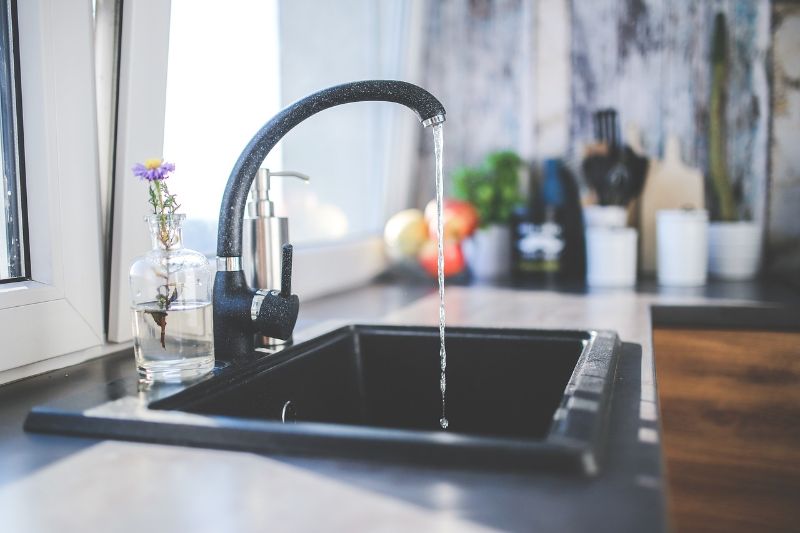
Saving water helps fight climate change because water has to be pumped, treated and — above all — heated, and most of that energy still comes from burning fossil fuels. Drinking water and wastewater systems alone account for roughly 2% of all energy used in the United States, releasing more than 45 million tons of greenhouse gases every year, according to the U.S. Environmental Protection Agency. Every gallon you do not use is energy that never has to be generated.
When we think about saving water, we often consider how it will help our pockets. Well, that’s true. Saving water saves energy, which helps save money. But did you know that saving water has a positive effect on climate change? The scale is bigger than most people assume: EPA WaterSense reports that the average American family uses more than 300 gallons of water per day at home, and about 70% of that is used indoors — where nearly all of it has been treated, pressurised and often heated first.
When we use less water, it helps reduce energy consumption and greenhouse gas emissions, because less water means less energy spent moving, treating and heating it. Heating is the biggest single piece: the U.S. Department of Energy puts water heating at about 18% of a typical home’s energy use, making it the second-largest energy expense in most households after heating and cooling. At state scale the effect is larger still — the California Energy Commission’s benchmark study found that water-related energy accounts for about 19% of California’s electricity and roughly 30% of its non-power-plant natural gas.
When you use water wisely, it can help reduce your carbon footprint. That is important because climate change is happening at an alarming rate. What about extreme weather events and natural disasters occurring more frequently?
The best way to do this is by slowly getting into the habit of water conservation in your daily living. Make a few minor adjustments around your home that can help save water and reduce greenhouse gases. Energy efficiency is good for homes, your budget, and the environment.
How can we save water to save energy?

In a world where climate change is a real and present danger, it is important to find ways to reduce our carbon footprint. One of the most direct ways to do that at home is by saving water.
Conserving water has a big role in conserving energy. When you conserve water, you’re also conserving energy, which means fewer carbon emissions into the atmosphere. That link is strongest at the utility end of the pipe: the EPA reports that energy can be as much as 40% of a drinking water system’s operating costs, and that drinking water and wastewater plants are typically a municipal government’s largest energy consumers, often 30% to 40% of everything the local government uses.
What are the easiest ways to save water?
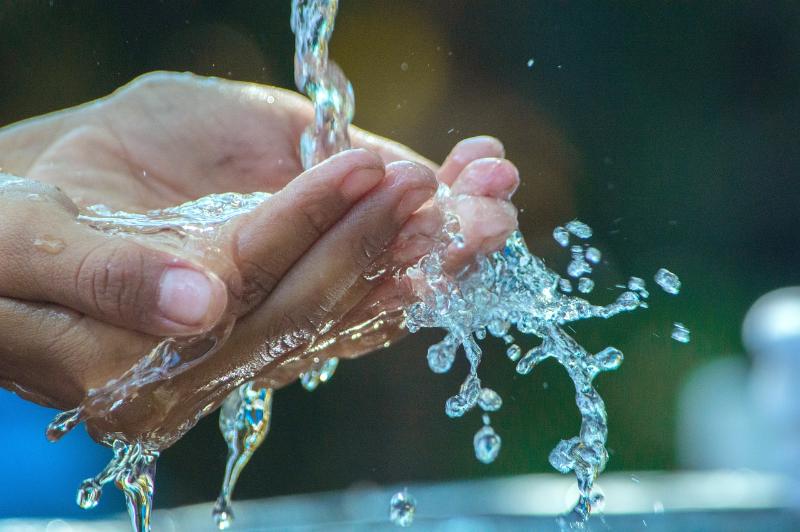
The easiest ways of water conservation are taking shorter showers and turning off the faucets while brushing your teeth. Showering alone is nearly 17% of residential indoor water use in the United States — about 1.2 trillion gallons a year. A typical shower runs eight minutes at 2.1 gallons per minute, or roughly 17 gallons; a WaterSense-labeled showerhead is capped at 2.0 gallons per minute against a 2.5-gallon standard model, and every WaterSense product must be at least 20% more water-efficient than the baseline.
You’ll be surprised at how much energy goes into heating water in your house. Because water heating is roughly 18% of household energy use, a shorter shower cuts your energy bill and your carbon emissions at the same time — this is the single place where saving water and saving energy overlap most directly.
And if you turn off the faucet while brushing your teeth? That saves even more energy. A standard bathroom faucet runs at about 2 gallons per minute, so the EPA calculates that simply turning off the tap while brushing your teeth or shaving saves more than 200 gallons of water per person every month.
Water heaters use a lot of energy. To reduce your emissions, switch to tankless water heaters. They fit under sinks and on walls and only heat as much water as needed, so there’s little energy wasted.
Using hot water from a running faucet consumes a lot of energy. You will reduce your carbon dioxide emissions if you wash your clothes using unheated water: ENERGY STAR estimates that about 90% of the energy a clothes washer uses goes to heating the water, not to turning the drum, so switching a load to cold is close to eliminating that load’s energy footprint.
See Related: Is Water a Renewable Resource?
Is it possible to recycle used water?
There are many ways to recycle water; one of the most common is collecting and storing rainwater. This can be done by installing a rain barrel or cistern in your home. Rain barrels are small containers that catch rainwater from your roof, while a cistern is much larger. Check your local rules before you install one: rainwater harvesting is legal in all 50 U.S. states, but a handful regulate it because of prior-appropriation water rights. Colorado is the strictest, limiting most households to two barrels holding 110 gallons in total, for outdoor non-potable use only.
You can also use greywater systems to reduce or reuse water in your home. A greywater system filters and cleanses wastewater from sinks, showers, tubs, and washing machines before it goes into a septic tank or sewer system. The filtered water can then be used for irrigation or toilet flushing. Holding water on site instead of flushing it into a storm drain is one of the core moves in urban conservation, alongside green roofs and rain gardens.
Another option is to harvest groundwater by digging wells into the ground where there is an underground freshwater source. Groundwater may be polluted by pesticides or other chemicals used on crops. You should always test the water before using it for drinking or other uses that require high-quality water, such as laundry, cooking, or bathing.
What activities make using water dangerous for the environment?

When you heat water to use warm water, there are greenhouse gas emissions to generate that energy. Aside from that, doing laundry also releases greenhouse gas emissions. Not only that, but your dishwasher also greatly contributes to the world’s greenhouse gas emissions. You might not have thought of it, but many greenhouse gases emitted daily come from household chores and appliances like these.
See Related: Best Rain Barrels for Water Collection
How can I reduce greenhouse gas emissions by saving water?
Water conservation plays a real role in energy efficiency and in reducing greenhouse gas emissions — but it is worth being precise about how big that role is. Nationally, water and wastewater utilities are about 2% of U.S. energy use; in a water-intensive state like California, water-related energy reaches about 19% of electricity. Saving water is therefore a meaningful lever rather than the single largest one, and its biggest payoff for most households is indirect: the hot water you do not use.
The more water you save, the less energy will be needed to pump that water and treat it. This means fewer greenhouse gases in the atmosphere from those processes. By practicing water conservation, you increase energy efficiency and will do your part to help fight climate change!
See Related: Why Should We Care About Climate Change?
What other ways can I do to help reduce greenhouse gas emissions?
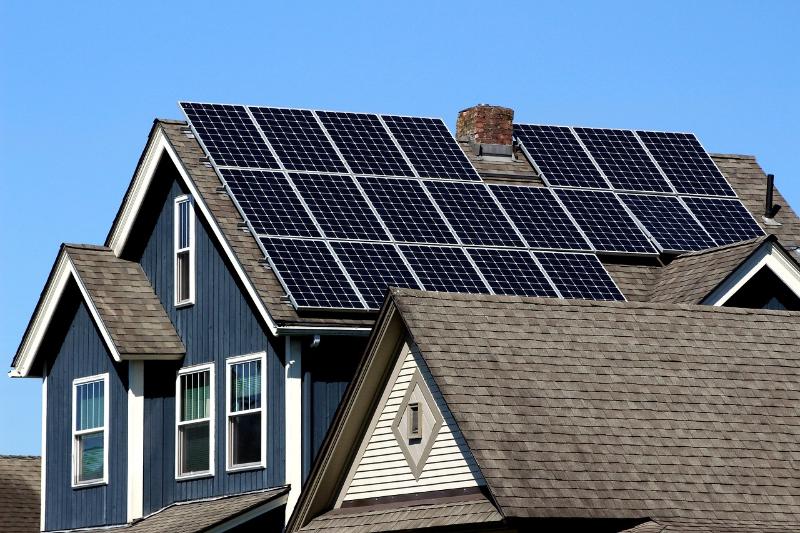
There are many other ways to reduce greenhouse gas emissions besides saving water. You can use appliances that run from renewable energy sources like solar lights. This will generate light from the sun’s rays, reducing energy costs.
Energy efficiency can reduce your house’s carbon dioxide emissions and save money. Several utility companies also give free home energy audits to help you understand how your home uses energy. This will help you make changes that will contribute to your energy savings and reduce electricity use.
How can I reduce my house’s carbon emissions?
Greenhouse gases are a big contributor to climate change, negatively affecting our water supplies. While most greenhouse gases come from burning fossil fuels, water is also involved.
Believe it or not, all your household appliances contribute to carbon emissions. Refrigerators, air conditioners, water heaters, furnaces, you name it. One way to reduce emissions is to reduce the consumption of items that produce carbon dioxide. Less energy use, fewer emissions.
Using less electricity is the first step. Unplug appliances when not in use because many electronics continue using electricity even if you turn them off. Hanging your clothes will also help, not requiring electricity or natural gas.
You can also slowly integrate green power or other renewable sources into your house to reduce greenhouse gas emissions. Use solar panels or wind turbines. Other countries also use alternative energy sources like hydroelectric, solar, wind, and geothermal power plants. These sources are low-carbon rather than zero-carbon. Measured across the full life cycle — manufacturing, construction and operation — the IPCC’s median estimates are about 12 grams of CO2-equivalent per kilowatt-hour for onshore wind, 24 g for hydropower and 48 g for solar photovoltaics, against roughly 490 g for natural gas and 820 g for coal. Hydropower is the most variable of the three, because reservoirs flooding organic matter can release methane.
Installing more efficient lighting and better insulation can lessen the amount of energy used by your house. Use energy-efficient LED lights instead of incandescent bulbs. Insulate and seal heating and cooling ducts and use a programmable thermostat. Use dual-paneled windows, install insulated doors, buy solar panels, maintain appliances or buy new appliances with the Energy Star label.
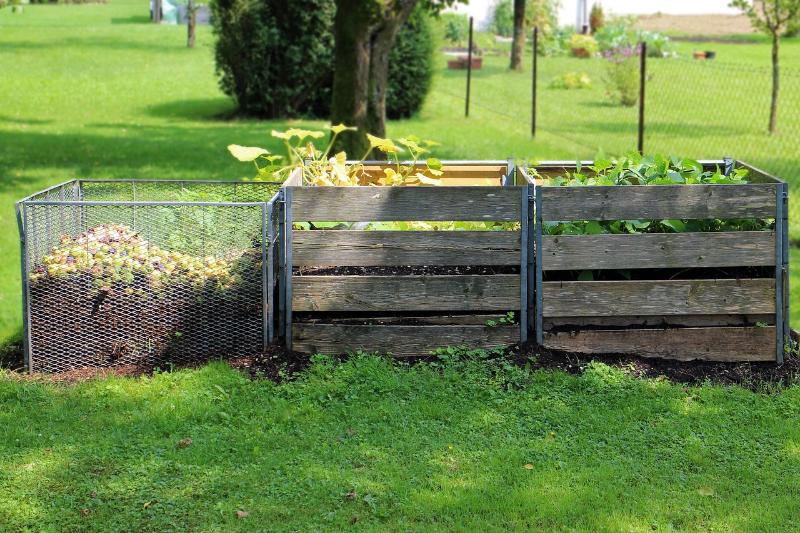
Plant your garden, and make compost for your food and yard waste. Planting trees and plants increases the carbon sinks, which is anything that absorbs more carbon dioxide than it releases.
Fix your leaks first: the biggest easy win
Before changing any habit, find the water you are already losing. EPA WaterSense estimates that household leaks waste nearly 1 trillion gallons of water nationwide every year, and that the average home loses more than 9,300 gallons annually — roughly the amount needed to wash 300 loads of laundry. A single leaking toilet is the worst offender, capable of wasting about 200 gallons per day on its own, usually because of a worn flapper that costs a few dollars to replace.
You can find a silent toilet leak in ten minutes: put a few drops of food colouring in the tank, wait, and if colour appears in the bowl before you flush, the flapper is leaking. Swapping an old toilet for a WaterSense-labeled model, which uses 1.28 gallons per flush against the 1.6-gallon federal standard, saves the average family close to 13,000 gallons a year.
Water scarcity is a climate problem too
The climate case for water conservation is not only about energy and carbon emissions. It is also about supply. An estimated 2.4 billion people lived in water-stressed countries as of 2020 according to United Nations tracking of Sustainable Development Goal 6, with almost 800 million of them in high or critically water-stressed conditions. Climate change is intensifying both drought and flooding, which makes freshwater resources less predictable exactly as demand rises.
Households are not the largest user. Agriculture accounts for roughly 72% of global freshwater withdrawals, with industry near 15% and municipal supply about 13%. That does not make domestic water conservation pointless — reducing demand keeps more water in rivers and aquifers, lowers the load on water treatment and wastewater treatment facilities, protects freshwater ecosystems during drought, and delays the expensive, carbon-intensive water infrastructure that shortages otherwise force communities to build.
See Related: Types of Water Pollution You Need to Know About
FAQ
How does saving water help climate change?
Saving water cuts greenhouse gas emissions because water has to be pumped, treated and heated, and that energy still comes largely from fossil fuels. U.S. drinking water and wastewater systems use about 2% of the nation’s energy and release more than 45 million tons of greenhouse gases a year (EPA). Hot water matters most at home: water heating is roughly 18% of household energy use (U.S. Department of Energy).
How can I save water at home?
Take shorter showers, turn off the tap while brushing your teeth (worth more than 200 gallons per person per month), run the dishwasher and washing machine only when full, and wash clothes cold. Then fix your leaks: EPA WaterSense estimates household leaks waste nearly 1 trillion gallons nationwide each year, and a single leaking toilet can waste about 200 gallons a day.
Can I use rainwater at home?
Usually yes, but check your state first. Rainwater harvesting is legal in all 50 U.S. states, though some regulate it — Colorado limits most households to two barrels holding 110 gallons total, for outdoor non-potable use only. Harvested rainwater is well suited to gardens, lawns and washing the car. Do not drink untreated roof runoff, which can carry bacteria and debris.
Related Resources
- Best Climate Change Jobs Around the World
- Books on Pollution | Noise, Air and Water
- Different Types of Green Energy
- Types of Water Pollution You Need to Know About
See Related: Sarah Ott’s Climate Change Conversion: From Skeptic to Science Educator
See Related: Guardians of the Globe: The Incredible Animals That Are Helping Fight Climate Change