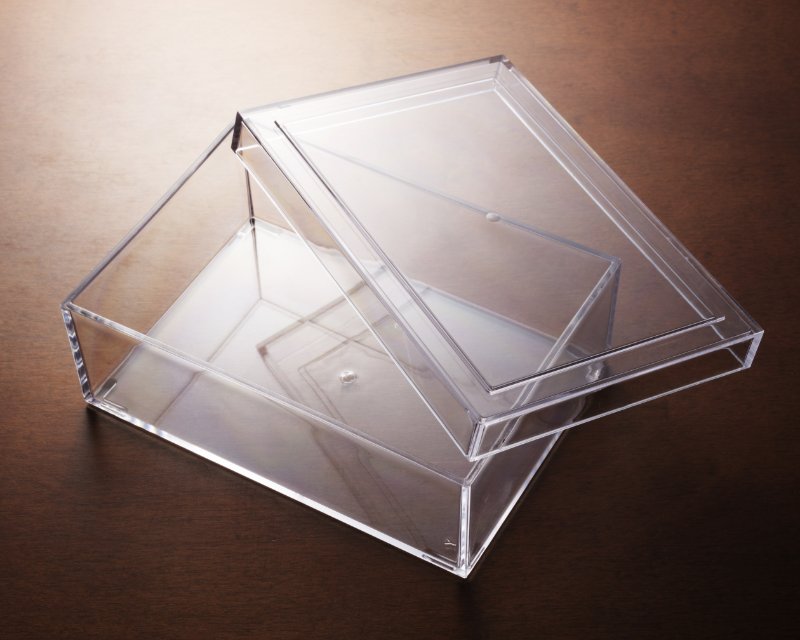
Yes—acrylic usually has a meaningful environmental footprint. Most acrylic materials are synthetic plastics made from fossil-derived feedstocks. They do not readily biodegrade, and you should not assume that a household recycling program will accept them. The exact impact depends on whether you mean rigid acrylic sheet, acrylic textile fiber, or acrylic paint.
That distinction matters. A durable PMMA panel used for safety glazing is not environmentally equivalent to a disposable display or a cheaply made acrylic sweater. The better choice is generally the material that performs the required job, lasts, can be repaired or reused, and has a real end-of-life route.
Research note: The technical sources and recycling guidance in this article were reviewed in July 2026. Collection rules vary by location, so verify that a recycler accepts acrylic before placing it in a recycling bin.
Acrylic’s environmental impact at a glance
- Conventional acrylic is generally fossil-derived. Its production uses petrochemical feedstocks and energy.
- Standard PMMA and acrylic fiber are not readily biodegradable. Weathering may break them into smaller particles without fully returning the material to harmless natural substances.
- PMMA can be recycled technically, but access is limited. Clean, separated sheet and manufacturing offcuts have better recovery options than mixed consumer products.
- Acrylic clothing can release plastic microfibers. Shedding can occur during manufacturing, wearing, washing, and disposal.
- Long service life can improve the tradeoff. A product that remains useful for decades may be more defensible than a short-lived acrylic item, although durability does not erase its production footprint.
- Monomer hazards and finished-product risks are different questions. Exposure to production chemicals should not be used to make unsupported claims about every finished acrylic product.
Like other forms of plastic pollution, acrylic becomes most problematic when products are short-lived, difficult to separate, littered, or discarded without an established recovery system.
What does “acrylic” mean?
Acrylic is an umbrella term, not one single product. Search results often mix several related but chemically distinct materials, which leads to inaccurate environmental and health claims.
| Form of acrylic | What it is | Common uses | Primary environmental concern |
|---|---|---|---|
| PMMA or acrylic glass | Poly(methyl methacrylate), a transparent thermoplastic made by polymerizing methyl methacrylate | Glazing, signs, displays, lenses, lighting, vehicle parts, aquariums, furniture, and medical products | Production footprint, persistent waste, and limited collection for specialist recycling |
| Acrylic fiber | A manufactured textile fiber whose polymer contains at least 85% acrylonitrile units by weight under the federal definition | Sweaters, blankets, upholstery, yarn, faux fur, socks, and outdoor textiles | Fossil-derived production, microfiber shedding, and limited fiber-to-fiber recycling |
| Acrylic paint and coatings | Formulations that use acrylic polymers as binders, along with pigments and other ingredients | Artist paint, architectural coatings, sealants, and finishes | Formulation-specific production, paint residue, packaging, and disposal concerns; see the separate guide to acrylic paint’s environmental impact |
PMMA is commonly called acrylic glass and is sold under trade names such as PLEXIGLAS and Perspex. It is a thermoplastic, which means it can be softened and reshaped with heat under controlled processing conditions. Acrylic textile fiber is a different polymer category based mainly on acrylonitrile.
PMMA can be described as an “organic polymer” in the chemistry sense because it is carbon-based. That does not mean it is organic in the agricultural, plant-based, or environmentally preferable sense. Conventional PMMA is a synthetic plastic.
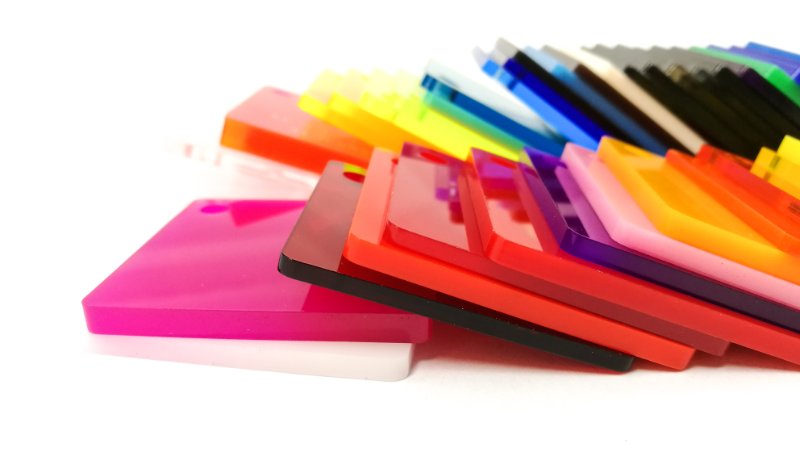
Why can acrylic be harmful to the environment?
Fossil feedstocks and manufacturing create an upstream footprint
Conventional acrylic production depends heavily on petrochemical supply chains. Those supply chains include extraction, refining, feedstock production, polymerization, heat, electricity, transport, and process controls. These upstream impacts are part of the wider discussion about petroleum’s environmental tradeoffs.
A useful current example comes from the 2025 environmental product declaration for PLEXIGLAS boards and panels. It reports a global-warming potential of 4.62 kilograms of carbon-dioxide equivalent per kilogram of average product for raw-material supply through manufacturing, represented by life-cycle modules A1 through A3.
That number should not be applied to every acrylic product. It covers a defined manufacturer, product group, production system, geography, and assessment method. Acrylic fiber, paint, cast sheet, extruded sheet, recycled-content products, and products made with different electricity mixes can have different results. The useful conclusion is that the raw-material and production stage is a material part of acrylic’s footprint, not that one number represents the entire industry.
Acrylic waste is persistent
Standard PMMA and acrylic textile fibers are not designed to biodegrade under ordinary soil, freshwater, marine, composting, or landfill conditions. Sunlight, abrasion, heat, and weather may weaken or fragment an acrylic product, but fragmentation is not the same as complete biodegradation.
Small fragments can become harder to recover and easier to disperse through soil and water. This is why long product life, controlled collection, reuse, and material recovery are more credible environmental strategies than waiting for acrylic to “break down.”
Recycling exists, but collection and sorting are major barriers
Clean PMMA sheet can be mechanically recycled into regrind or granulate. Certain PMMA grades can also be chemically depolymerized so that methyl methacrylate can be recovered and used as a feedstock. The 2025 PLEXIGLAS declaration describes physical and chemical routes for cleanly separated material and shows that material recovery can create substantial potential life-cycle credits.
The practical problem is access. PMMA is not part of the high-volume bottle and container streams handled by many municipal facilities. Adhesives, coatings, protective films, embedded hardware, mixed polymers, dirt, and small quantities can make recovery less economical. A material can therefore be technically recyclable without being recyclable through the system available to a particular household or business.
Research is continuing. A 2026 Nature Communications study reported gram-scale depolymerization of consumer PMMA at lower temperatures than conventional thermal processes, with more than 95% conversion and a monomer yield above 70% under the study conditions. This is promising research, but it is not evidence that the process is already available to ordinary households or operating at commercial scale.
Acrylic textiles can release plastic microfibers
Acrylic clothing and household textiles can shed small plastic fibers during production, normal wear, washing, drying, and disposal. The European Environment Agency identifies wearing and washing synthetic textiles as recognized sources of microplastics in water, air, and soil.
The amount released varies by yarn, fabric construction, finishing, garment quality, age, washing conditions, and measurement method. This variability is why a universal “fibers per wash” claim is rarely reliable. It does not change the underlying issue: synthetic-fiber loss contributes to water pollution and disperses material that is difficult to recover once released.
Recycled acrylic fiber remains a small part of the market. Textile Exchange’s Materials Market Report 2025 estimates that recycled acrylic accounted for about 0.8% of acrylic-fiber production in 2024. That limited share shows why a garment’s “recyclable” description should not be confused with evidence that it is likely to become new acrylic fiber.
Production hazards are not the same as finished-product risk
A blanket statement that “acrylic causes cancer” is inaccurate. Different acrylic materials use different monomers, and hazard classifications do not automatically describe the risk posed by a finished product during normal use.
Methyl methacrylate, the liquid monomer used to make PMMA, can irritate the skin, eyes, mucous membranes, and respiratory system. However, the U.S. Environmental Protection Agency considers methyl methacrylate not likely to be carcinogenic to humans.
Acrylonitrile, the monomer used to produce acrylic textile fiber, was classified by the International Agency for Research on Cancer as carcinogenic to humans in 2024. The evidence is especially relevant to occupational and industrial chemical exposure. It does not by itself prove that wearing a finished acrylic sweater or touching a finished PMMA sheet causes cancer.
Risk depends on the chemical, dose, exposure route, duration, residual monomer, additives, and processing conditions. Workers and makers should follow product-specific ventilation, dust-control, temperature, and protective-equipment instructions when casting, heating, sanding, cutting, or otherwise processing acrylic materials.
Is acrylic biodegradable?
No. Standard PMMA and acrylic textile fiber are not considered biodegradable under normal environmental conditions. They may weather, crack, or fragment, but those physical changes do not mean microorganisms have converted the polymer into water, carbon dioxide, biomass, and other harmless natural products.
There is also no reliable universal number for how many years every acrylic product takes to disappear. A thin textile fiber, a thick construction panel, a coated sign, and an item buried in a dry landfill will experience very different conditions. Claims that acrylic always takes a precise number of years to decompose usually imply more certainty than the evidence supports.
A label should identify the test method and disposal conditions before it is trusted. “Degradable,” “biodegradable,” and “compostable” do not mean the same thing; the differences are explained in our guide to biodegradable and compostable materials.
Is acrylic recyclable?
Some acrylic is recyclable, but most people need a specialist route rather than a household recycling bin. Clean PMMA sheet and manufacturing offcuts have the clearest recovery pathways. Mixed products, textile blends, paint residue, and contaminated material are more difficult.
| Acrylic form | Possible recovery route | Practical action |
|---|---|---|
| Clean PMMA sheet and offcuts | Reuse, mechanical regrinding, or specialist chemical recycling | Keep pieces clean and separated by material, color, and grade where possible. Contact a sheet fabricator, sign maker, manufacturer, or plastics recycler before delivery. |
| Molded or assembled acrylic products | Possible when the polymer can be identified and separated | Remove metal, electronics, adhesives, films, and other materials only when safe and practical. Ask the recycler what preparation is required. |
| Acrylic clothing and textiles | Reuse, resale, donation, limited textile sorting, or specialized fiber recycling | Keep wearable items in use. Use a verified textile collection service for unwearable garments; do not place clothing in a standard packaging-recycling bin. |
| Acrylic paint and coatings | Depends on whether the material is liquid, cured, water-based, solvent-based, or mixed with other substances | Follow local paint and household-waste instructions. See the guide to acrylic paint’s environmental impact for paint-specific practices. |
A resin-identification number or recycling-style symbol identifies a material category; it does not guarantee that a local program accepts the item. Check the program’s current accepted-material list rather than relying on the symbol alone.
Is acrylic ever the better environmental choice?
It can be, but only in a specific application and compared with realistic alternatives. PMMA is valued for optical clarity, low weight, weather resistance, formability, and break resistance. Those properties can support long service life in glazing, lighting, transport, medical, and construction applications.
Some PMMA construction products are designed to remain in service for decades. A durable panel that avoids repeated replacement may justify its initial production impact better than a short-lived acrylic decoration. The opposite is true when virgin acrylic is used for a temporary sign, disposable display, trend-driven garment, or product that cannot be disassembled.
Use these five questions before choosing acrylic:
- Does the application need acrylic’s specific performance? Identify the required clarity, weight, impact resistance, weathering, hygiene, or forming properties.
- Can an existing product or offcut be reused? Reuse avoids the production of another item and usually preserves more material value than recycling.
- Will the product remain useful long enough to justify its footprint? Prefer durable, repairable, adaptable designs over temporary or trend-driven uses.
- Is verified recycled content available? Request the percentage, source, certification or chain-of-custody method, and whether the claim refers to pre-consumer or post-consumer material.
- Is there a real recovery route? Identify the recycler or take-back program before purchasing rather than relying on a general “recyclable” claim.
A material should be judged as part of a product system. Weight, durability, replacement rate, coatings, transport, repairability, recycled content, and local recovery can matter more than the material name by itself.
How to reduce acrylic’s environmental impact
When buying PMMA sheet or acrylic products
- Use existing pieces, reclaimed sheet, or fabricator offcuts before ordering virgin material.
- Plan cuts carefully so the purchased sheet size produces as little waste as possible.
- Choose a thickness and grade appropriate to the load and service life rather than over-specifying or buying a fragile product that will fail early.
- Ask for documented recycled content and an environmental product declaration when purchasing material at project scale.
- Prefer designs that can be repaired, refaced, repurposed, or separated from metal and other plastics.
- Avoid permanent adhesives, mixed laminates, and unnecessary coatings when they would prevent future separation.
When using acrylic clothing
- Keep garments in use for as long as they remain functional. Repairing or buying secondhand often avoids more production than replacing an item with a newly manufactured “eco” version.
- Wash only when needed and follow the care label. Shorter, cooler cycles can reduce energy use and may reduce fiber stress compared with unnecessary long, hot washing.
- Wash full loads without overfilling the drum, and avoid replacing a functioning washing machine solely for a marginal environmental feature.
- Consider a properly designed microfiber-capture bag, laundry device, or external filter. The OECD’s review of microplastics policies discusses source-control measures, but effectiveness varies by product and use.
- Repair, resell, donate, or use an appropriate textile-collection service instead of placing clothing in household packaging recycling.
- For new performance apparel, compare durability, recycled-content evidence, repair options, and shedding controls rather than assuming one fiber is universally best. Our guide to sustainable swimwear materials shows how these tradeoffs affect water-focused clothing.
Individual care practices help, but product design, manufacturing controls, take-back systems, wastewater treatment, and extended producer responsibility can reduce microfiber pollution more effectively at scale. The burden should not fall solely on the person doing laundry.
When recycling acrylic sheet
- Confirm that the material is PMMA rather than polycarbonate, PETG, polystyrene, or a laminate.
- Keep sheet clean, dry, and free from paper, wood, food, sealants, and mixed-plastic contamination.
- Separate cast and extruded grades when the recycler requests it.
- Store usable offcuts by size so they can be offered for reuse before grinding or disposal.
- Contact the recycler before transporting material. Confirm minimum quantities, accepted colors, contamination limits, fees, and whether the service handles post-consumer or only post-industrial waste.
Better alternatives depend on the use
No substitute is impact-free. Glass, metals, wood, paper, natural fibers, cellulosic fibers, polycarbonate, and other plastics all involve resource extraction and processing. Compare them against the same functional requirements and local end-of-life system.
| Use | Options to consider | Tradeoff to check |
|---|---|---|
| Permanent glazing, guards, or lenses | Reused glass, glass, recycled-content PMMA, or polycarbonate when higher impact resistance is required | Compare weight, breakage, transport, scratch resistance, service life, safety requirements, and actual recovery options. |
| Temporary signs and displays | Reused acrylic panels, rental systems, paperboard, responsibly sourced wood, or reusable fabric | Inks, laminates, coatings, lighting, and adhesives can prevent recycling even when the base material is recoverable. |
| Sweaters and blankets | Secondhand products, recycled wool, durable cotton, linen, hemp, or responsibly sourced cellulosic fibers | Natural fibers can involve land, water, chemical, labor, or animal-welfare impacts. Durability and care remain important. |
| Outdoor and performance textiles | Long-lived products with verified recycled content, repair services, replaceable components, and documented shedding controls | Some natural fibers cannot meet the same stretch, drying, weather, or abrasion requirements. Avoid replacing functional gear without a clear benefit. |
| Art and decorative finishes | Use existing supplies, minimize leftover mixtures, choose refillable or lower-waste formats, and select the medium that fits the work | Pigments, additives, packaging, cleaning practices, and disposal can matter as much as the polymer binder. |
| Decorative boxes, organizers, and accessories | Secondhand products or durable wood, metal, glass, paperboard, or reused acrylic | A heavier alternative is not automatically better if it requires more material, transport, or frequent replacement. |
The bottom line
Acrylic is not an environmentally neutral material. Conventional forms rely heavily on fossil-derived feedstocks, persist after disposal, and are not widely recovered through household recycling. Acrylic textiles add the separate problem of microfiber shedding and have very limited fiber-to-fiber recycling.
That does not make every acrylic use equally harmful. PMMA can provide valuable clarity, durability, low weight, weather resistance, and break resistance in products that remain useful for many years. The strongest environmental case involves necessary performance, long service life, reuse, documented recycled content, separable design, and a confirmed recovery route.
For everyday decisions, buy less, keep useful products in service, avoid disposable acrylic items, and verify recycling claims before purchase. These principles also apply across the broader list of practical ways to help the environment.
Frequently asked questions
Is acrylic environmentally friendly?
Not generally. Conventional acrylic is usually fossil-derived, does not readily biodegrade, and has limited recycling access. A durable, reused, or recycled-content acrylic product can still be preferable to a short-lived alternative when it performs a necessary function for longer.
Is acrylic a plastic?
Yes. Acrylic glass is PMMA, a transparent thermoplastic. Acrylic textile fiber is a different synthetic polymer based mainly on acrylonitrile, while acrylic paint uses acrylic polymers as binders.
Is acrylic biodegradable?
No. Standard PMMA and acrylic textile fibers are not considered biodegradable under normal environmental conditions. Weathering can fragment them into smaller plastic particles without fully converting the polymer into harmless natural substances.
How long does acrylic take to decompose?
There is no reliable universal number. Conditions and product forms vary, and claims such as “hundreds of years” are often repeated without product-specific evidence. The useful conclusion is that acrylic is persistent and should not be treated as biodegradable.
Can acrylic go in a household recycling bin?
Usually not. PMMA requires clean sorting and specialist processing, and local programs differ. Check the recycler’s accepted-material list; a resin mark or recycling symbol does not guarantee curbside acceptance.
Is acrylic clothing bad for the environment?
It has clear drawbacks: fossil-derived production, microfiber shedding, and limited fiber-to-fiber recycling. Keeping a garment in use, buying secondhand, washing only when needed, and using microfiber-capture measures can reduce its impact.
Is acrylic toxic or carcinogenic?
Do not treat all acrylic products as the same hazard. The MMA monomer can irritate skin, eyes, and airways, while IARC classifies acrylonitrile as carcinogenic based largely on occupational exposure evidence. That does not prove normal contact with a finished PMMA sheet or acrylic sweater causes cancer.