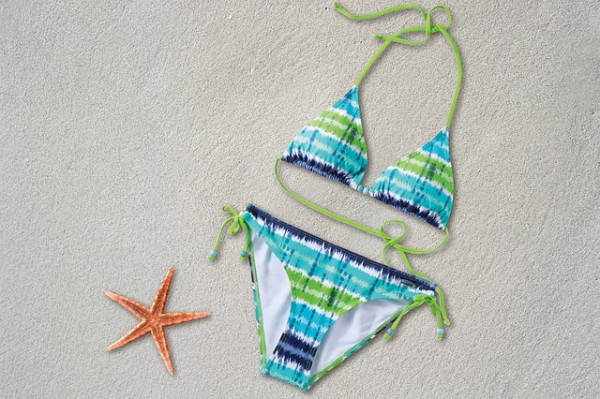
Sustainable swimwear is usually made with recycled nylon or polyester, but recycled fabric alone does not make a swimsuit low-impact. Better choices disclose exact fiber percentages, fit the intended activity, use credible standards where relevant, and are durable enough to wear for years.
Based on official product information checked on July 22, 2026, the Patagonia Women’s Sunny Tide One-Piece is our best all-around pick for transparent material disclosure, practical coverage, and active use. The other recommendations below address needs such as long-torso sizing, shoulder coverage, compression, performance surfing, broader sizing, and lower prices.
This article may contain affiliate links. If you buy through one, we may earn a commission at no extra cost to you. Our selections are based on published product information, not paid placement or hands-on testing. Product details, list prices and availability were checked July 22, 2026 and can change without notice.
Sustainable swimwear: key takeaways

- “Sustainable” is a relative claim. Most performance swimwear remains a synthetic product with environmental tradeoffs.
- Look for exact fiber percentages. “Made with recycled materials” is less useful than a disclosed shell and lining composition.
- Certifications cover different issues. Recycled content, harmful-substance testing, chemical management, and labor conditions are not interchangeable.
- Fit and durability matter. A suit that stays in use for several seasons is usually a better purchase than one that fits poorly and is quickly replaced.
- Recycled synthetics can still shed microfibers. Recycled nylon and polyester are not biodegradable and do not create a zero-waste garment.
- The lowest-impact purchase may be no purchase. Keep using a swimsuit that still fits and performs well.
12 sustainable swimwear picks compared

| Pick | Best for | Documented material | Price checked | Main tradeoff |
|---|---|---|---|---|
| Patagonia Sunny Tide | All-around material transparency | 80%–83% recycled nylon or polyester, depending on colorway, plus spandex | US$145 | Fiber blend changes by colorway |
| Carve Designs All Day | Shoulder coverage and an active cut | 82% recycled polyester, 18% spandex | US$128 | Check opacity reviews for pale colorways |
| Summersalt Sidestroke | One-shoulder compression and a long-torso pathway | 78% recycled polyamide, 22% elastane | US$125 list price | Long-torso and size availability varies by color |
| Londre Minimalist | Compressive fit and classic or long lengths | 88% recycled polyester shell; 79% recycled polyester lining | US$159 | High-leg, cheekier cut |
| Vitamin A Luxe Link | High recycled-content stretch blend | 80% recycled nylon, 20% recycled spandex | US$95 sale; US$190 regular | Low stock and final sale |
| Seea Arianne | Surfing with cap-sleeve coverage | 95% recycled nylon, 5% spandex | US$160 | Limited to XS–XL on the checked page |
| Peony Shirred One Piece | Designer styling and adjustable fit | 82% recycled polyamide shell; 80% recycled polyamide lining | US$360 | Highest price and limited current stock |
| Batoko Puffin | Playful print and XS–3XL sizing | 85% polyester, 15% elastane; brand states GRS-certified post-consumer feedstock | £60 | Ships from the UK |
| Outerknown Apex Evolution | Performance surfing | 90% NetPlus recycled nylon, 10% spandex | US$168 | Slim fit and premium price |
| Patagonia Wavefarer | Rugged fixed-waist boardshort | 100% post-consumer recycled nylon | US$79 | No built-in liner |
| Quiksilver Sun Dial | Lower-priced fixed-waist boardshort | Brand describes 53% and 35% polyester components as partially recycled, plus 12% spandex | US$51.99 sale; US$66 regular | Exact total recycled percentage is unclear |
| Patagonia Baggies Longs | Casual swimming and all-day wear | 100% post-consumer recycled nylon body with recycled polyester mesh liner | US$75 | Elastic-waist short rather than a technical boardshort |
What is sustainable swimwear?
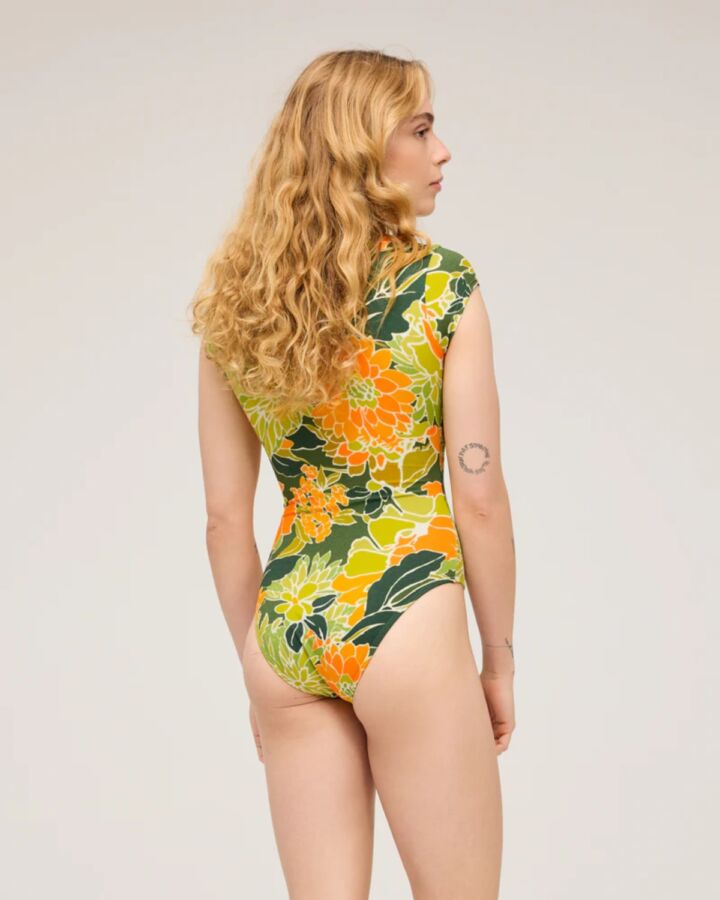
Sustainable swimwear is swim clothing designed to reduce specific environmental or social impacts compared with a conventional alternative. That may involve recycled fibers, safer chemistry, traceable manufacturing, labor standards, durable construction, repair options, or lower-waste production. No single fabric or certification makes an entire swimsuit impact-free.
Recycled nylon and recycled polyester
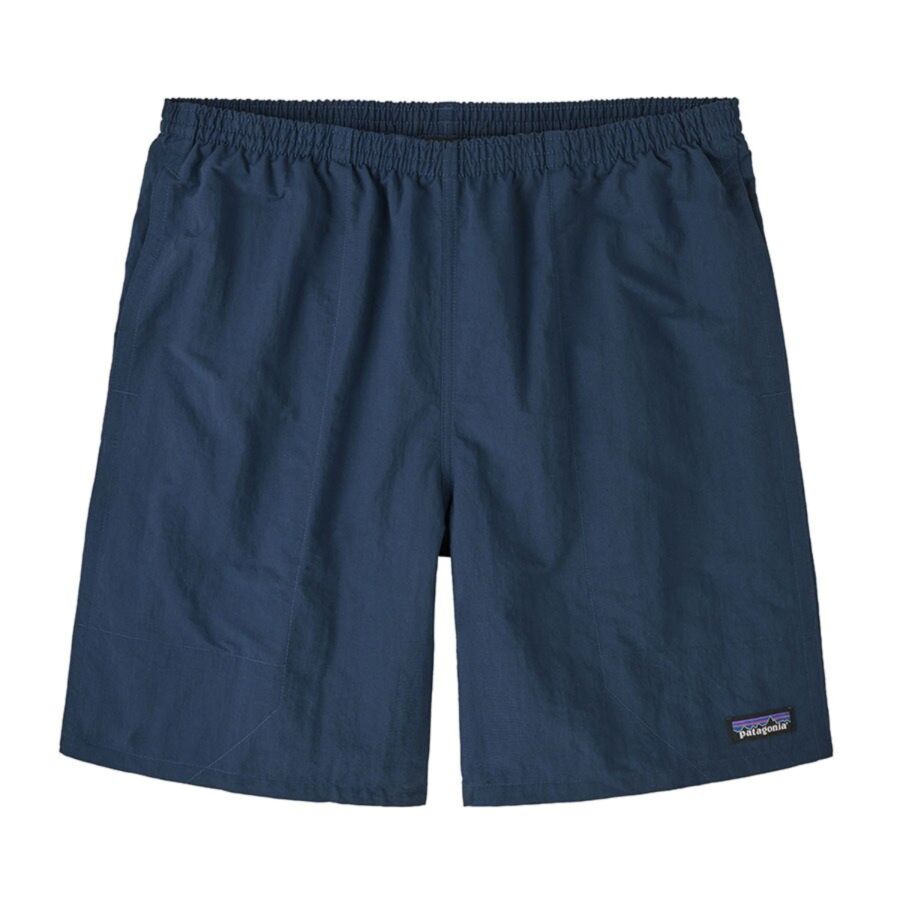
Most of the products in this guide use recycled nylon, recycled polyamide—which is another name for nylon—or recycled polyester. These materials can reduce demand for new fossil-based fibers, but they remain synthetic plastics and are normally combined with elastane or spandex for stretch.
Textile Exchange’s 2025 Materials Market Report found that recycled fibers represented 7.6% of global fiber production in 2024. Most of that volume was recycled polyester made from plastic bottles, while less than 1% of the global fiber market came from pre- or post-consumer recycled textiles.
That distinction matters. Turning bottles or discarded fishing nets into yarn can displace some virgin feedstock, but it is not the same as turning an old swimsuit into another swimsuit in a closed textile-to-textile loop.
Standards and certifications worth checking
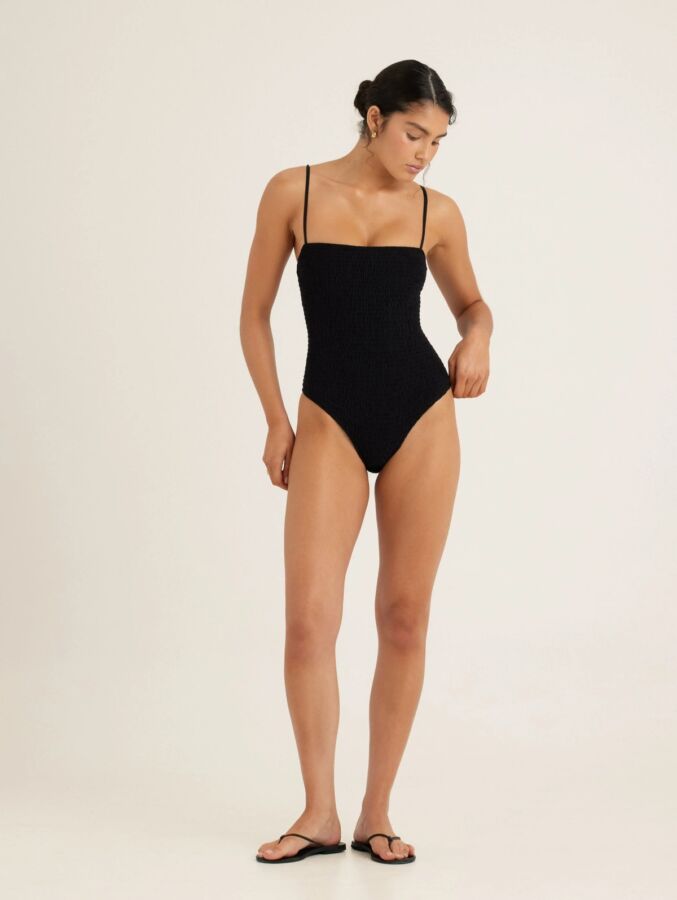
- Global Recycled Standard and Recycled Claim Standard: Verify recycled material and chain of custody. GRS also includes processing-related social, environmental and chemical requirements.
- OEKO-TEX STANDARD 100: Indicates that covered textile components have been tested against limits for harmful substances. It is not a recycled-content or labor certification.
- bluesign: Focuses on chemical inputs, production processes, resource use and supply-chain data.
- Fair Trade factory claims: Address labor-related factory requirements and worker premiums. Verify whether the statement applies to the exact product, factory or broader brand.
A useful product page states the fiber percentage, certification scope, factory information, care instructions and any meaningful limitation. A row of sustainability logos without product-level details provides much less evidence.
Environmental limits of recycled swimwear

- Microfiber shedding remains possible. The European Environment Agency identifies manufacturing, wearing and washing synthetic textiles as sources of microplastic release. See our explanation of other types of water pollution.
- Recycled synthetics are not normally biodegradable. Nylon, polyester and elastane should not be marketed as biodegradable simply because their feedstock is recycled. Our comparison of biodegradable and compostable materials explains the distinction.
- Mixed fibers complicate the end of life. Most suits use a nylon-or-polyester blend with elastane, rather than a single recyclable material.
- Recycled content is only one attribute. It does not by itself prove low emissions, safe chemistry, fair labor, durability or responsible end-of-life handling.
- Broad claims deserve scrutiny. The FTC Green Guides caution against unqualified terms such as “green” and “eco-friendly.” Specific, substantiated claims are more useful.
How we selected these sustainable swimwear picks

We reviewed current official product pages rather than relying on stale marketplace listings. No hands-on testing was performed. Each recommendation was evaluated using the following criteria:
- Documented material composition: Preference for exact shell and lining percentages over vague recycled-material claims.
- Current official availability: The product needed an active brand page when checked, with low-stock or final-sale limitations clearly disclosed.
- Useful fit or activity distinction: Each pick had to serve a specific need, such as surfing, long torsos, shoulder coverage, broader sizing or casual wear.
- Additional evidence: Relevant standards, safer-chemistry claims, factory information or traceable recycled feedstock improved a product’s assessment.
- Transparent tradeoffs: Price, coverage, sizing limits, unclear claims and return restrictions were treated as decision factors rather than hidden.
- Range: The final list includes women’s and men’s styles across several price points and activity levels.
We excluded discontinued or unclear Amazon listings, unverified claims about how many bottles a product removes from the environment, and products whose sustainability case depended only on broad promotional language.
Sustainable women’s swimwear
1. Patagonia Women’s Sunny Tide One-Piece

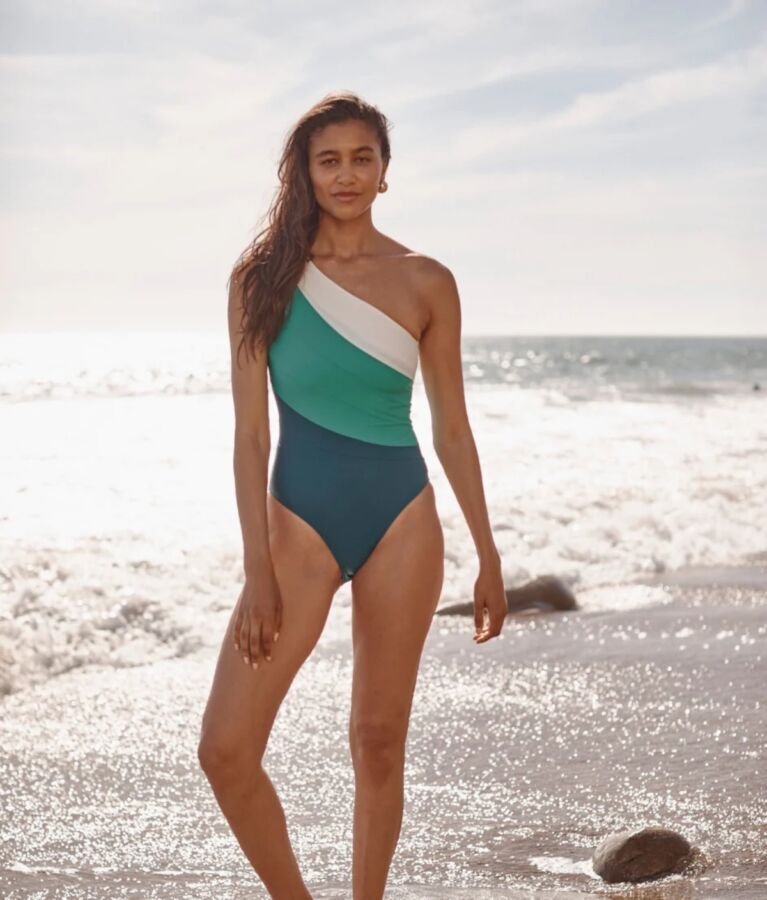
The Sunny Tide is our best all-around pick because Patagonia discloses the composition by colorway instead of presenting one generic material claim. It is designed for swimming, paddling and active beach use, with secure straps, a subtle V-neck and moderate seat coverage.
- Best for: An active one-piece with straightforward coverage and material disclosure
- Materials: Solids use 83% recycled nylon and 17% spandex; prints use 83% recycled polyester and 17% spandex; jacquards use 80% recycled nylon and 20% spandex
- Other evidence: Fully lined and made in a Fair Trade Certified factory
- Price checked: US$145
- Tradeoff: The environmental attributes differ by colorway, so verify the selected variant rather than relying on the collection-level description
Check current Sunny Tide colors, sizing and availability at Patagonia.
2. Carve Designs All Day One Piece
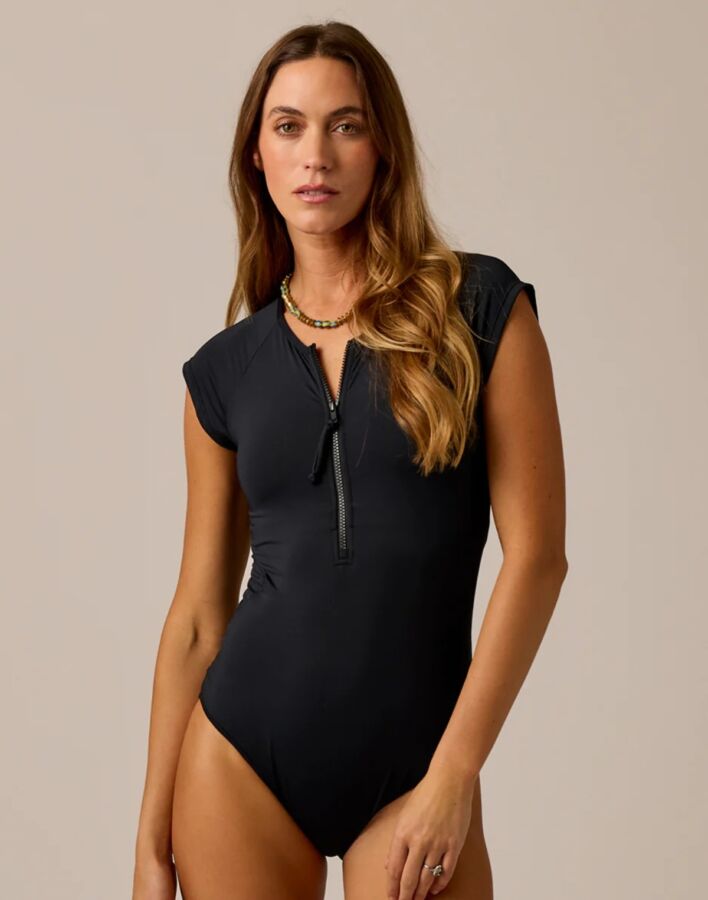
The All Day is the strongest option here for readers who want more coverage across the shoulders without moving to a full rash guard. It combines cap sleeves and a front zip with a built-in shelf bra and removable chest pads.
- Best for: Recreational swimming, paddleboarding and added shoulder coverage
- Materials: 82% recycled polyester and 18% spandex
- Other features: UPF 50+ brand claim, front zip, shelf bra and removable pads
- Price checked: US$128
- Tradeoff: A recent customer review on the official site reported that one pale color became transparent when wet. That does not establish a problem across every variant, but black is the more conservative choice and color-specific reviews should be checked.
View the black All Day One Piece at Carve Designs.
3. Summersalt Sidestroke

The Sidestroke is a recognizable one-shoulder suit with a compressive feel. Summersalt also maintains long-torso versions within the Sidestroke family, making the range worth checking when conventional one-piece proportions feel too short.
- Best for: One-shoulder styling, compression and access to long-torso variants
- Main fabric: 78% recycled polyamide and 22% elastane
- Checked list price: US$125 before temporary site promotions
- Tradeoff: Long-torso styles, sizes and sale prices vary by print and color, so confirm that the exact selected variant has the required fit
Check the current Sidestroke collection at Summersalt.
4. Londre Minimalist

Londre’s Minimalist serves readers who want a sculpting fabric and the option to choose between classic and long body lengths. The checked black version was offered from XS through 3XL in both lengths.
- Best for: A compressive fit with classic and long-torso options
- Shell: 88% recycled polyester and 12% spandex
- Lining: 79% recycled polyester and 21% spandex
- Other evidence: Londre states that the fabric comes from an OEKO-TEX STANDARD 100-certified factory
- Price checked: US$159
- Tradeoff: The low scoop, open back and high leg provide less coverage than the Patagonia or Carve options
View classic and long Minimalist options at Londre.
5. Vitamin A Luxe Link One Piece

The Luxe Link stands out because both components of its stretch blend are described as recycled. It has adjustable shoulder straps, a back closure, removable cups and classic coverage.
- Best for: Shoppers prioritizing a high recycled-content percentage in a polished one-piece
- Materials: 80% recycled nylon and 20% recycled spandex
- Price checked: US$95 sale; US$190 regular
- Tradeoff: The checked page showed low stock and final-sale status, meaning the item could not be returned or exchanged
Check current Luxe Link stock and final-sale terms at Vitamin A.
6. Seea Arianne One Piece

The Arianne is designed more like a short-sleeve surf suit than a conventional pool one-piece. Cap sleeves add shoulder coverage while the shelf bra and textured stretch fabric support active movement.
- Best for: Surfing and swimming with cap-sleeve coverage
- Materials: 95% recycled nylon and 5% spandex
- Sizes shown: XS–XL
- Price checked: US$160
- Tradeoff: The size range is narrower than several other women’s picks, and the textured fabric may not appeal to readers seeking a smooth compression suit
View the Arianne One Piece at Seea.
7. Peony Shirred One Piece
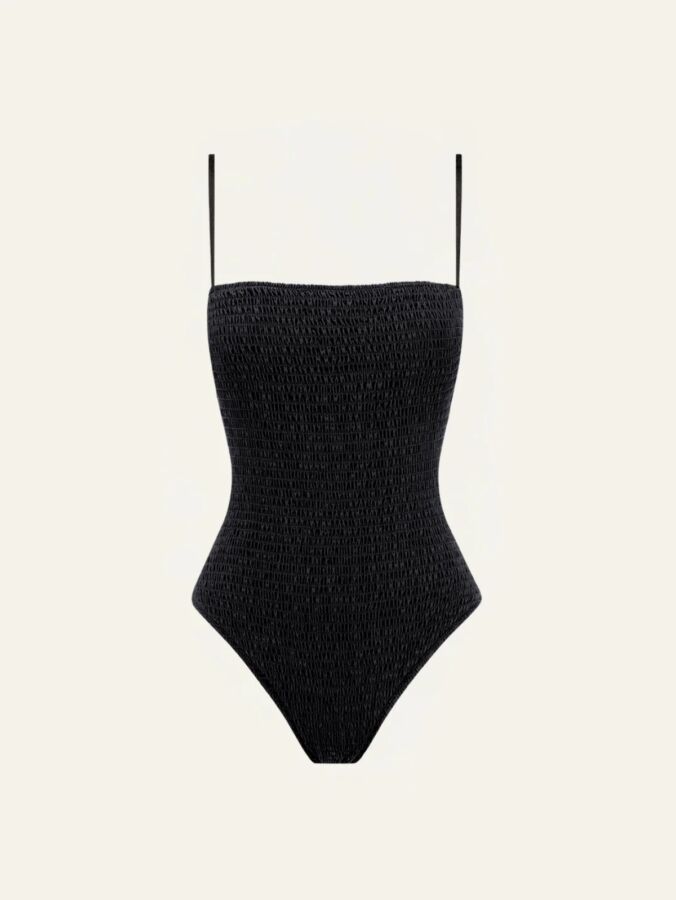
Peony’s Shirred One Piece is the designer option in this comparison. Its square neckline, all-over shirring, adjustable straps, removable padding and moderate coverage create a more fashion-led fit than the performance suits above.
- Best for: Luxury styling with adjustable straps and moderate coverage
- Main fabric: 82% recycled polyamide and 18% elastane
- Lining: 80% recycled polyamide and 20% spandex
- Price checked: US$360
- Tradeoff: It is the most expensive recommendation, and the checked page displayed a stock-notification state for the selected variant
Check current sizes and stock for Peony’s Shirred One Piece.
8. Batoko Puffin
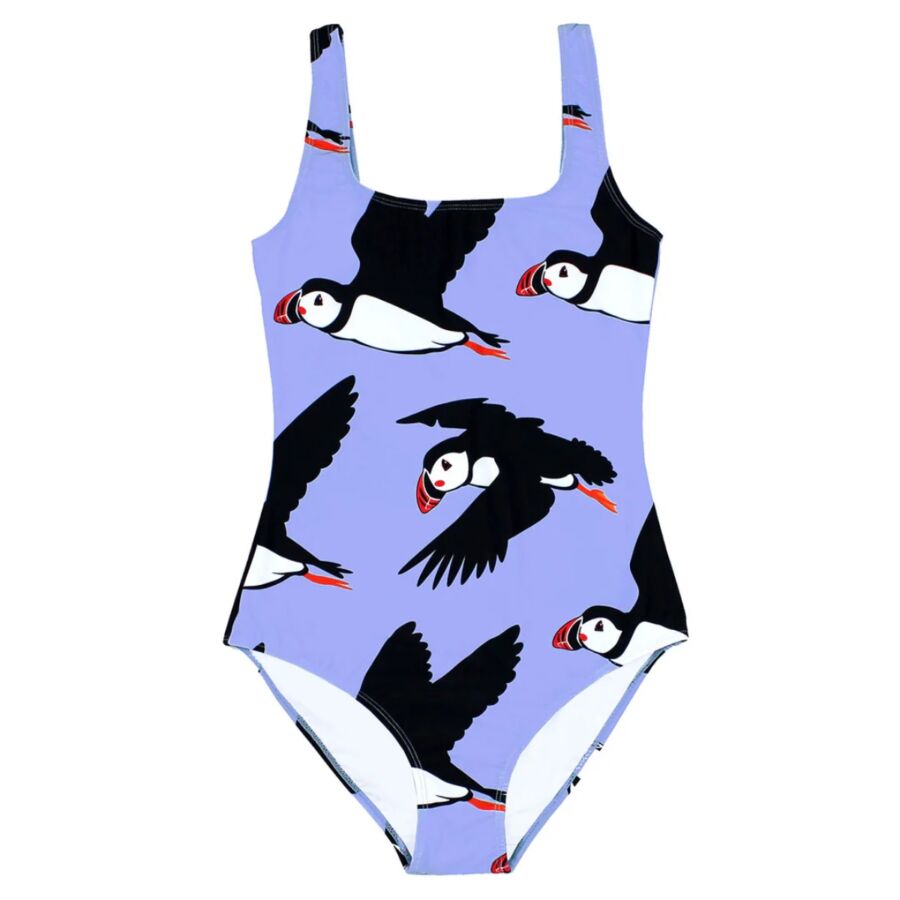
The Puffin is the most playful product in the shortlist and was offered from XS through 3XL when checked. Batoko states that the fabric is made from GRS-certified post-consumer plastic waste and prints the suits in small batches.
- Best for: Bold animal prints and a broader size range
- Composition: 85% polyester and 15% elastane
- Other features: Fully lined, scoop back and no cups, wire or shelf bra
- Price checked: £60
- Tradeoff: Orders ship from the United Kingdom, so international readers should check delivery costs, duties and return logistics before purchasing
View current Puffin sizes and delivery terms at Batoko.
Sustainable swimwear for men
9. Outerknown Apex Evolution Trunk by Kelly Slater

The Apex Evolution is the most performance-focused men’s option in this list. Outerknown uses NetPlus recycled nylon sourced from recycled fishing nets and gives the trunk a slim, fixed-waist surf fit.
- Best for: Regular surfing and readers prioritizing a technical fixed-waist trunk
- Materials: 90% NetPlus recycled nylon and 10% spandex
- Fit: Slim, with a 17-inch outseam on size 32
- Price checked: US$168
- Tradeoff: The slim cut will not suit everyone, and the price is substantially higher than the Patagonia Wavefarer or Quiksilver Sun Dial
Check Apex Evolution sizing and availability at Outerknown.
10. Patagonia Wavefarer Boardshorts

The Wavefarer is the more attainable technical boardshort in the comparison. It uses a fixed, contoured waistband and a slightly relaxed performance fit rather than the elastic waist and mesh liner found in Baggies.
- Best for: Surfing, paddling and readers who want a conventional 19-inch boardshort
- Material: 100% post-consumer recycled nylon NetPlus made from recycled fishing nets
- Other evidence: bluesign-approved fabric and a water-repellent finish made without intentionally added PFAS
- Price checked: US$79
- Tradeoff: No built-in liner; readers who prefer a lined casual short may be more comfortable in Baggies
View Wavefarer colors and sizing at Patagonia.
11. Quiksilver Sun Dial 19-Inch Boardshorts

The Sun Dial is the lower-priced fixed-waist option. It has a 19-inch outseam, adjustable drawcord, stretch fabric, quick-dry construction and an internal key bungee.
- Best for: A lower-priced performance boardshort
- Official composition wording: 53% partially recycled REPREVE polyester, 35% partially recycled polyester and 12% spandex
- Price checked: US$51.99 sale; US$66 regular
- Tradeoff: “Partially recycled” does not disclose how much of each polyester component is recycled. Do not simplify the product into an unsupported “88% recycled” claim.
Check current Sun Dial colors, prices and sizes at Quiksilver.
12. Patagonia Baggies Longs
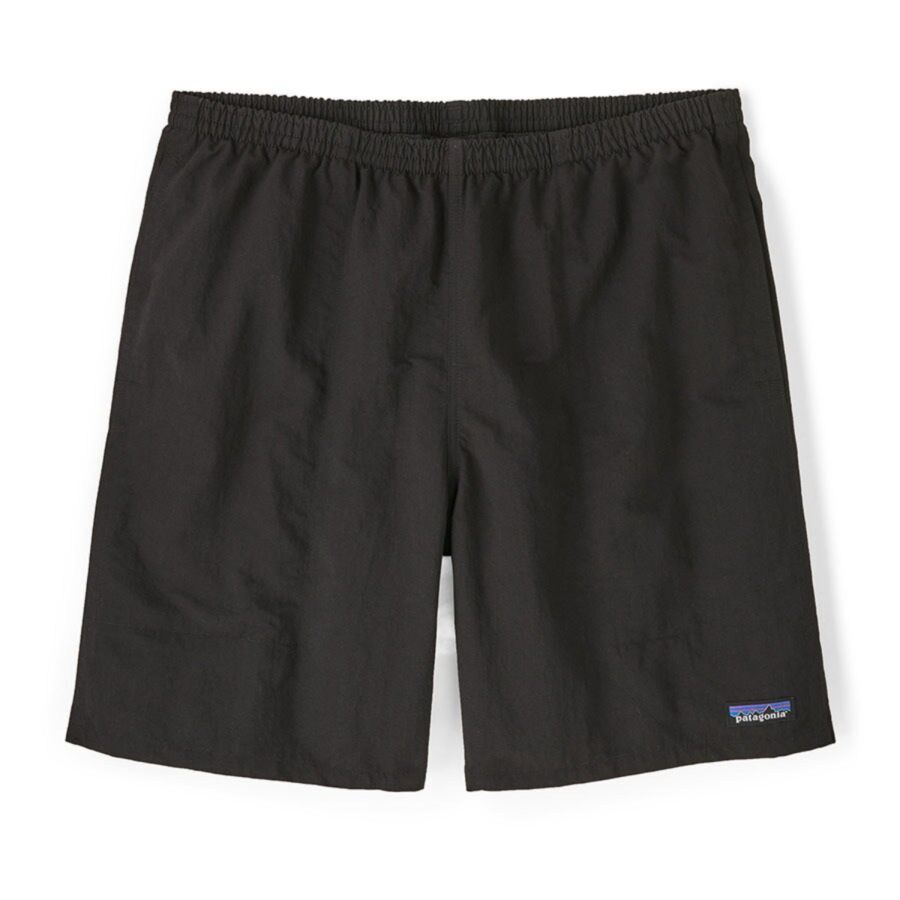
Baggies Longs are casual, lined shorts designed for swimming, travel and everyday wear. They are a better match than a technical boardshort for readers who prefer an elastic waistband, pockets and a built-in mesh liner.
- Best for: Casual swimming, travel and use away from the water
- Body: Quick-drying 100% post-consumer recycled nylon NetPlus
- Liner: Recycled polyester mesh
- Other evidence: Made in a Fair Trade Certified factory
- Price checked: US$75
- Tradeoff: The elastic-waist, lined design is less streamlined for performance surfing than the Wavefarer or Apex
View current Baggies Longs colors and availability at Patagonia.
How to choose sustainable swimwear
1. Start with the actual use

A suit for lap swimming, surfing or paddleboarding needs more security than one intended for sunbathing. Prioritize fixed waists, secure straps, shoulder coverage, compression or a liner according to what you will actually do in the water.
2. Check fit, torso length and coverage

Review both the size chart and the exact cut. “One piece” does not tell you whether a suit has a high leg, cheeky seat, long torso, shelf bra or enough shoulder support. Check return restrictions before buying swimwear, especially when a product is marked final sale.
3. Verify the material claim

- Look for exact percentages for the shell, lining and stretch fiber.
- Confirm whether a certification applies to the finished garment, fabric, feedstock or factory.
- Treat branded fibers such as NetPlus or REPREVE as traceability information, not proof that the entire product is impact-free.
- Be cautious with phrases such as “partially recycled,” “ocean-bound,” “green,” or “conscious” when the product page does not quantify them.
4. Prioritize longevity over novelty

The cheapest suit is poor value if the fit prevents you from wearing it. The most technically impressive recycled fabric is also a weak purchase if the garment does not suit your activity. Choose the smallest number of suits that reliably cover your real needs, then care for them well.
How to make a swimsuit last longer

- Follow the garment label first. Brand-specific instructions take priority over general advice.
- Rinse after saltwater or chlorine. Use cool fresh water and avoid leaving a wet suit compressed in a bag for long periods.
- Wash only when needed. Hand wash or use a gentle cold cycle when the care label permits it.
- Avoid wringing and harsh abrasion. Rough pool edges, hook-and-loop fasteners and abrasive seating can damage stretch fabric.
- Air-dry away from strong heat. Lay the garment flat or hang it as directed, preferably out of intense direct sun.
- Address minor damage early. Repair an accessible seam or loose stitch before it becomes a larger failure.
Gentler care may reduce unnecessary abrasion, but it cannot make a synthetic garment microfiber-free. The more reliable objective is to preserve fit and function for as long as practical.
FAQs
What is the most sustainable fabric for swimwear?
There is no single zero-impact swimwear fabric. Recycled nylon and recycled polyester can reduce demand for virgin fossil-based fiber, but fit, durability, verified claims and long-term use matter just as much.
Is recycled polyester swimwear biodegradable?
No. Recycled polyester and recycled nylon are still synthetic plastics and are generally not biodegradable or compostable under normal disposal conditions.
Does recycled swimwear shed microplastics?
It can. Synthetic textiles may release microfibers during manufacturing, wear and washing, whether the fiber is virgin or recycled. Gentle care and less frequent washing can reduce abrasion, but they do not make shedding impossible.
Which certifications matter for sustainable swimwear?
GRS and RCS verify recycled content and chain of custody, OEKO-TEX STANDARD 100 tests for harmful substances, and bluesign addresses chemistry and production inputs. Fair Trade factory claims cover labor-related requirements. Each standard covers a different part of the product.
How should you wash sustainable swimwear?
Follow the garment label first. Rinse after saltwater or chlorine, wash only when needed using a gentle cold cycle or hand wash if directed, avoid wringing, and air-dry away from strong heat.
Is buying a recycled swimsuit always better than keeping one you own?
No. If your current swimsuit still fits and works, continuing to use it avoids the impacts of producing and shipping a replacement. Buy a new suit when you need one, then choose for fit, durability, transparent materials and realistic use.
Choose fit and longevity before novelty
Start with the swimsuit you already own. If it still fits, stays secure and performs well, continuing to use it is usually more defensible than replacing it solely because another product is marketed as recycled.
When a replacement is necessary, choose for activity and fit first. Then compare exact material percentages, certification scope, care requirements, return terms and realistic years of use. A durable suit worn repeatedly is a stronger purchase than a theoretically lower-impact option that does not fit and is quickly discarded.
For the same decision framework in another clothing category, compare our guide to sustainable shoes. You can also focus on changes beyond shopping with these practical ways to help the environment.