Quick answer: Total Garbage by Edward Humes is the best overall starting point for most adult readers because it connects waste, plastic, food, energy and everyday systems in one readable investigation. Choose Plastic Inc. for a current account of the plastics industry, Choked for air pollution, Why Noise Matters for noise pollution, Troubled Water for US drinking-water problems and Air Pollution: Sources, Impacts and Controls for technical study. For children ages 6–9, start with What a Waste or Magic in a Drop of Water.
Pollution is not one problem. It includes harmful particles in the air, chemicals in water and soil, plastic debris, contaminated runoff, excessive sound and unequal exposure to toxic substances. The World Health Organization reports that 99% of the global population breathes air above its guideline limits and attributes about seven million deaths per year to ambient and household air pollution. The United Nations Environment Programme estimates that more than 11 million metric tonnes of plastic enter oceans annually, while WHO guidance on environmental noise links excessive noise to sleep disturbance, hearing problems, cardiovascular risks and cognitive effects.
This reading list stays focused on pollution. It includes books for children, general readers, students and professionals, with clear notes about scope, age, technical depth and limitations.
Disclosure: This article may contain affiliate links. Recommendations are based on subject relevance, publisher-verified information, audience fit and editorial usefulness—not commission rates, retailer rankings or unverified customer ratings.
Best books on pollution at a glance
| Book | Best for | Main topic | Reader |
|---|---|---|---|
| Total Garbage | Best overall | Waste, plastic, food and energy systems | General adult readers |
| Plastic Inc. | Current plastics investigation | Plastic production, recycling claims and microplastics | Adults and book clubs |
| Choked | Air-pollution narrative | Health, politics and clean-air policy | Adults and students |
| Why Noise Matters | Noise pollution | Health, transport, law and soundscapes | Students, campaigners and policymakers |
| They Poisoned the World | PFAS and corporate accountability | Forever chemicals and contaminated water | Adults and book clubs |
| Troubled Water | US drinking water | Contaminants, infrastructure and regulation | General and policy readers |
| Silent Spring | Classic environmental history | Pesticides and ecological harm | Adults and students |
| A Terrible Thing to Waste | Environmental justice | Toxic exposure, inequality and public health | Adults and advanced students |
| Air Pollution: Sources, Impacts and Controls | Technical reference | Measurement, modelling, health and controls | College students and professionals |
| What a Waste | Illustrated children’s introduction | Waste, litter, recycling and pollution | Ages 6–9 |
| Magic in a Drop of Water | Children’s water-science biography | Ruth Patrick, rivers and water pollution | Ages 6–9 |
How we chose these books

- Direct relevance: The main subject had to be pollution, waste or toxic exposure—not simply nature, conservation or climate change in general.
- Reliable metadata: Authors, publishers, publication dates, page counts and age ranges were checked against publisher or direct book sources.
- Audience fit: The list includes illustrated children’s books, accessible reporting, historical works and a technical academic reference.
- Distinct value: Each title contributes a different subject, method or perspective rather than repeating the same broad environmental message.
- Useful limitations: Older policy books, geographically focused investigations and dense academic titles are identified clearly.
These are editorial recommendations, not claims of hands-on product testing. Retailer star ratings and sales rankings were not used as selection criteria. Publication dates and page counts refer to the linked editions; regional, digital and later editions may differ.
The 11 best books on pollution
1. Total Garbage by Edward Humes — best overall
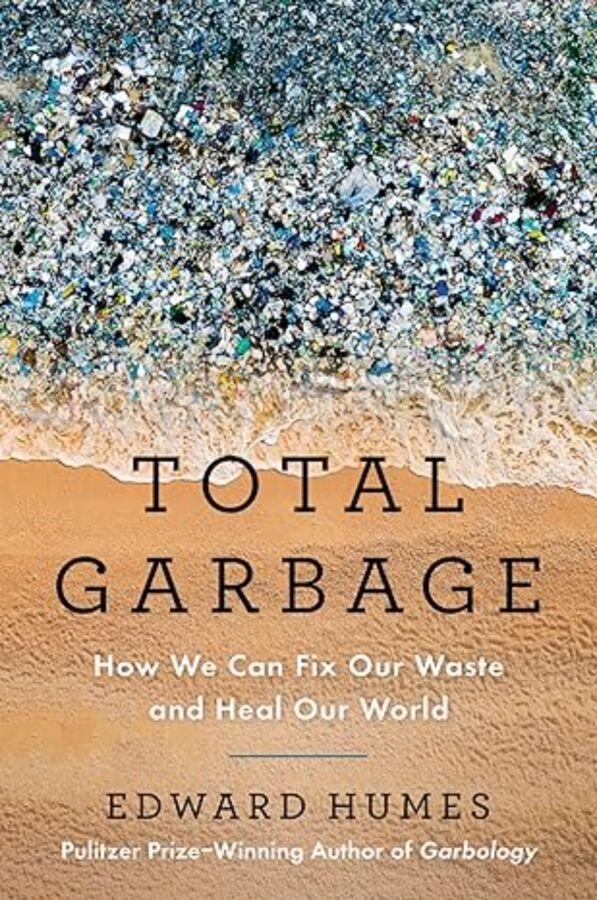
Best for: General readers who want a current, wide-angle explanation of waste and its connection to pollution.
Verified edition: Avery; 288 pages; hardcover published in 2024 and paperback in 2025.
Total Garbage: How We Can Fix Our Waste and Heal Our World examines the waste built into food, energy, transportation, packaging and household consumption. That breadth makes it the strongest first choice for readers who want to understand why pollution cannot be solved only by putting more items in a recycling bin.
The book’s main strength is systems thinking. It connects individual choices with infrastructure, business practices and community-level solutions while remaining more approachable than an environmental-engineering textbook. After reading it, the site’s guide to ways to reduce waste offers a practical next step.
- Choose it if: You want one readable book covering several forms of waste and pollution.
- Skip it if: You need detailed treatment of one pollutant, laboratory method or specific regulation.
View the publisher details for Total Garbage.
2. Plastic Inc. by Beth Gardiner — best current plastic-pollution investigation
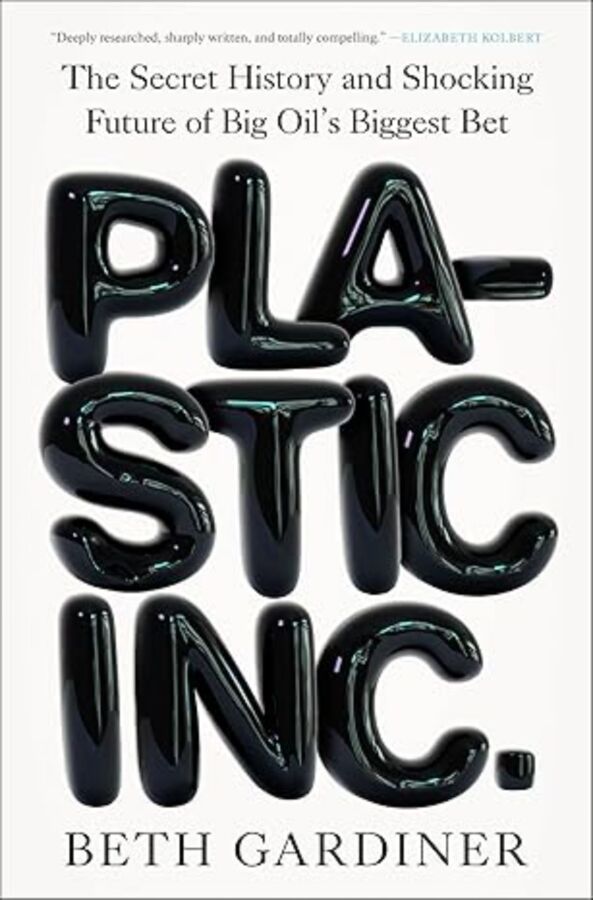
Best for: Readers interested in the business, politics and public narratives behind plastic production.
Verified edition: Avery; published February 24, 2026; 352 pages.
Plastic Inc.: The Secret History and Shocking Future of Big Oil’s Biggest Bet investigates how the plastics business expanded and how industry messaging shaped public understanding of recycling. It also follows current concerns about chemicals and microplastics without reducing the problem to litter alone.
This is the most current book on the list and a useful complement to a general explanation of plastic pollution. Its investigative approach is especially useful for readers who want to understand incentives, institutional decisions and corporate accountability.
- Choose it if: You prefer reported narrative and want a recent account of the plastics industry.
- Skip it if: You need a short neutral primer, polymer-science textbook or household recycling manual.
View the publisher details for Plastic Inc..
3. Choked by Beth Gardiner — best narrative about air pollution
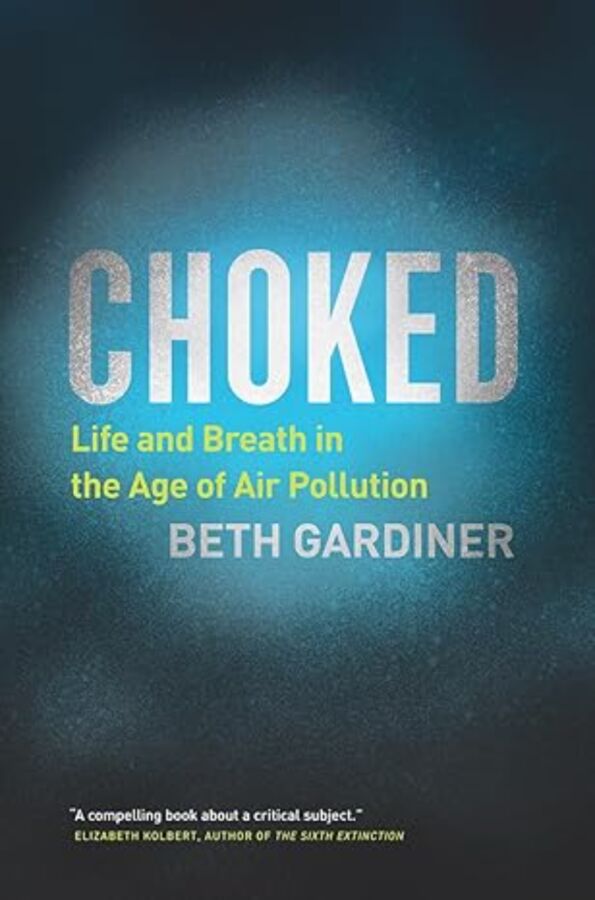
Best for: Readers who want air-pollution science and policy explained through people, places and reporting.
Verified edition: University of Chicago Press; 2019; 312 pages.
Choked: Life and Breath in the Age of Air Pollution follows air pollution through cities and regions including London, Poland, India and the United States. Gardiner connects health research with political decisions, economic forces and the work of people trying to improve air quality.
The human stories make an invisible pollutant easier to understand, while the international reporting prevents the issue from being framed as a problem belonging to only one country. Some named political debates reflect the book’s 2019 context, so readers researching current law should pair it with up-to-date government or WHO guidance.
- Choose it if: You want a global, readable account of air pollution’s human and political dimensions.
- Skip it if: Your main need is pollutant measurement, atmospheric modelling or engineering controls.
View the University of Chicago Press details for Choked.
4. Why Noise Matters — best book on noise pollution
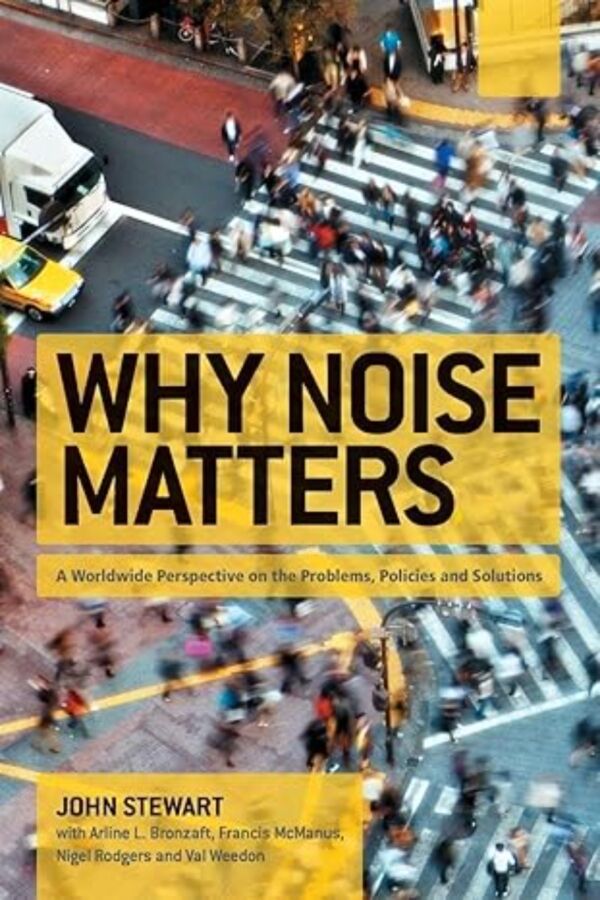
Best for: Students, campaigners, environmental-health readers and policymakers studying harmful sound.
Verified edition: Routledge; first edition, 2011; 184 pages.
Written by John Stewart, Francis McManus, Nigel Rodgers, Val Weedon and Arline Bronzaft, Why Noise Matters treats noise as a health, social, cultural, legal and environmental issue. Its coverage includes transport, workplaces, neighborhoods, unwanted music, law and policy responses from different countries.
The book is older than several other recommendations, but few accessible titles cover noise pollution with comparable breadth. Because health evidence and official guidance continue to develop, use it alongside current WHO noise guidance when making technical or policy claims.
- Choose it if: You want a focused introduction to noise beyond hearing loss alone.
- Skip it if: You need an acoustical-engineering manual or the latest jurisdiction-specific noise limits.
View the Routledge details for Why Noise Matters.
5. They Poisoned the World by Mariah Blake — best on PFAS and forever chemicals
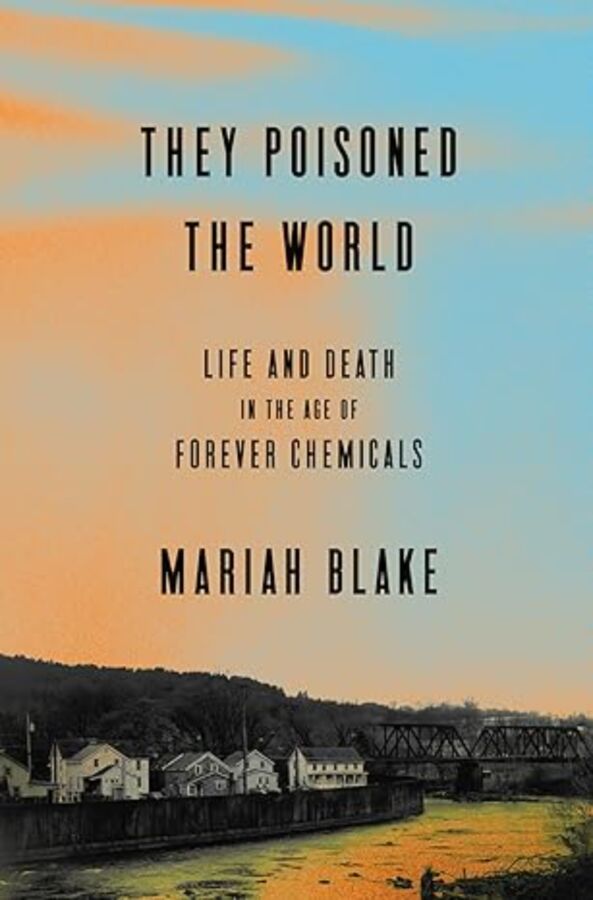
Best for: Readers interested in chemical contamination, investigative journalism and community action.
Verified edition: Crown; published May 6, 2025; 320 pages.
They Poisoned the World: Life and Death in the Age of Forever Chemicals uses the experience of Hoosick Falls, New York, to investigate PFAS contamination, chemical-industry conduct, regulatory failures and the residents who challenged powerful institutions.
The book makes an abstract class of chemicals concrete by following a community and the documentary trail around it. Its scope is primarily American and investigative rather than a neutral chemistry reference, which is useful to know before choosing it for a course or research project.
- Choose it if: You want a deeply reported story about PFAS, contaminated water and public accountability.
- Skip it if: You need a global toxicology textbook or a concise guide to testing household water.
View the publisher details for They Poisoned the World.
6. Troubled Water by Seth M. Siegel — best on US drinking-water systems
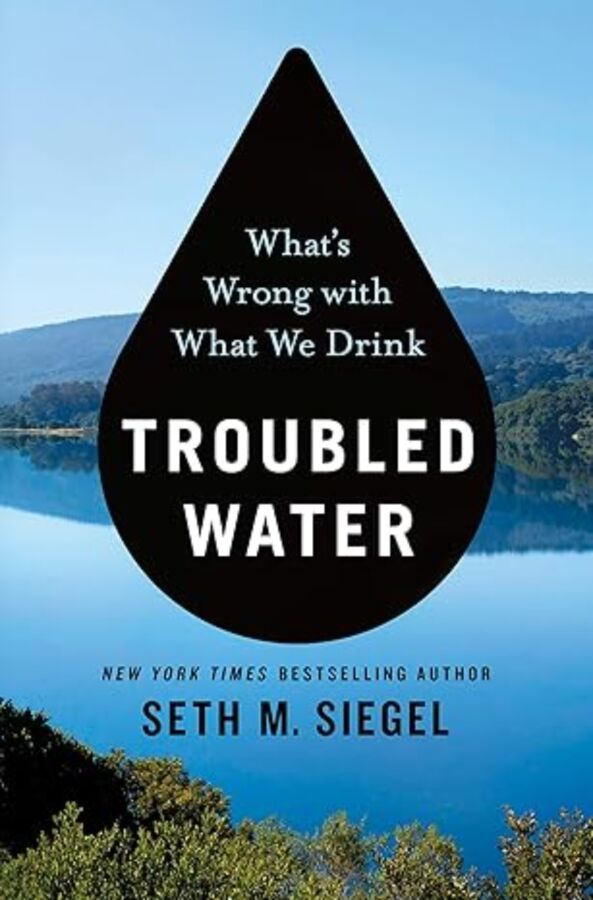
Best for: Readers examining drinking-water contamination, utilities, infrastructure and US regulation.
Verified edition: Thomas Dunne Books; published October 1, 2019; 352 pages.
Troubled Water: What’s Wrong with What We Drink investigates how contaminants enter US drinking-water systems, why infrastructure and institutions struggle to respond, and which reforms the author believes could improve water quality.
The book’s defined geographic scope is a strength for readers researching the United States, but it should not be treated as a worldwide survey. Regulations, contaminant standards and infrastructure programs can also change after publication, so current legal or safety decisions require current government sources.
- Choose it if: You want a readable examination of US drinking-water institutions and reform.
- Skip it if: You need a global hydrology text, local water-quality result or current legal advice.
View the Macmillan details for Troubled Water.
7. Silent Spring by Rachel Carson — best classic on pesticide pollution
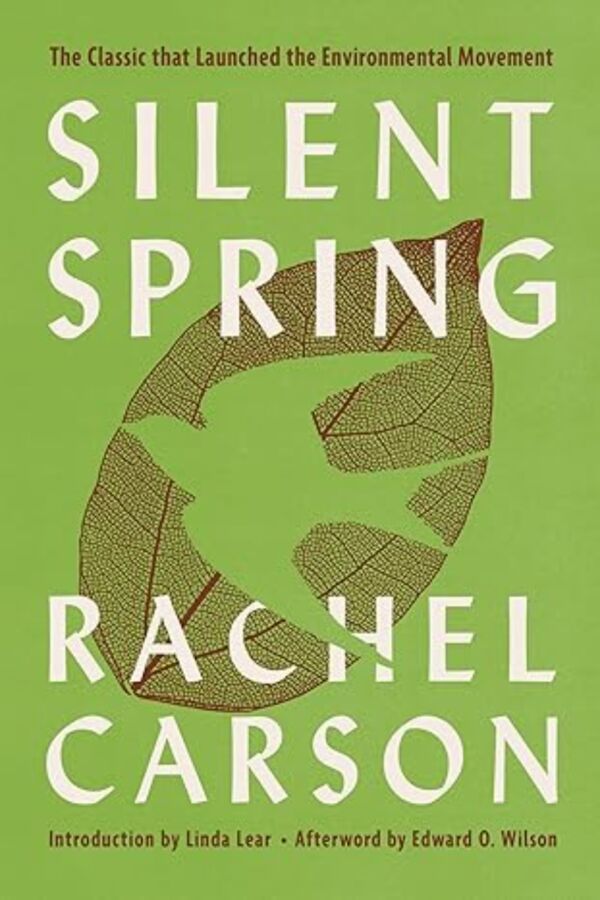
Best for: Readers studying environmental history, science communication and pesticide pollution.
Verified edition: Originally published in 1962; the referenced 2002 anniversary paperback is 400 pages.
Silent Spring documented the ecological consequences of persistent chemical pesticides and challenged the assumption that widespread chemical use was harmless when applied as directed. Carson translated complex science into a public argument about evidence, uncertainty, industry power and government responsibility.
Its historical importance remains substantial, but it is not a current pesticide manual. Chemical use, environmental monitoring, regulations and scientific knowledge have changed since 1962. Read it for history, reasoning and communication, then verify present-day claims through current scientific and regulatory sources.
- Choose it if: You want the foundational work that helped reshape public discussion of synthetic pesticides.
- Skip it if: Your only need is current pesticide law, product safety guidance or modern exposure data.
Review the edition and historical details for Silent Spring.
8. A Terrible Thing to Waste by Harriet A. Washington — best on environmental justice
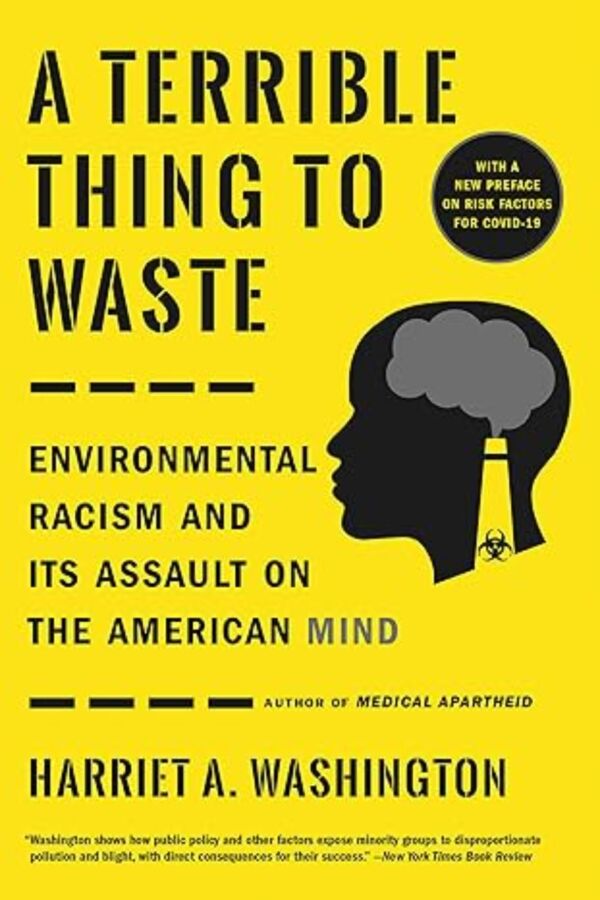
Best for: Readers examining how toxic exposure and environmental policy affect communities unequally.
Verified edition: Little, Brown Spark; published July 23, 2019; 368 pages.
A Terrible Thing to Waste: Environmental Racism and Its Assault on the American Mind examines lead, atmospheric pollution, industrial waste and other hazards through the framework of environmental racism and public health. Washington challenges explanations that treat unequal outcomes as detached from housing, infrastructure, exposure and institutional decisions.
This book adds an essential dimension missing from pollution lists that discuss contaminants without asking who is most exposed or who has the least power to prevent exposure. Its focus is strongly centered on the United States and on health and social analysis rather than remediation engineering.
- Choose it if: You want pollution discussed alongside race, inequality, housing and public health.
- Skip it if: You need laboratory protocols, treatment-system design or a geographically broad pollution survey.
View the Hachette details for A Terrible Thing to Waste.
9. Air Pollution: Sources, Impacts and Controls — best technical reference
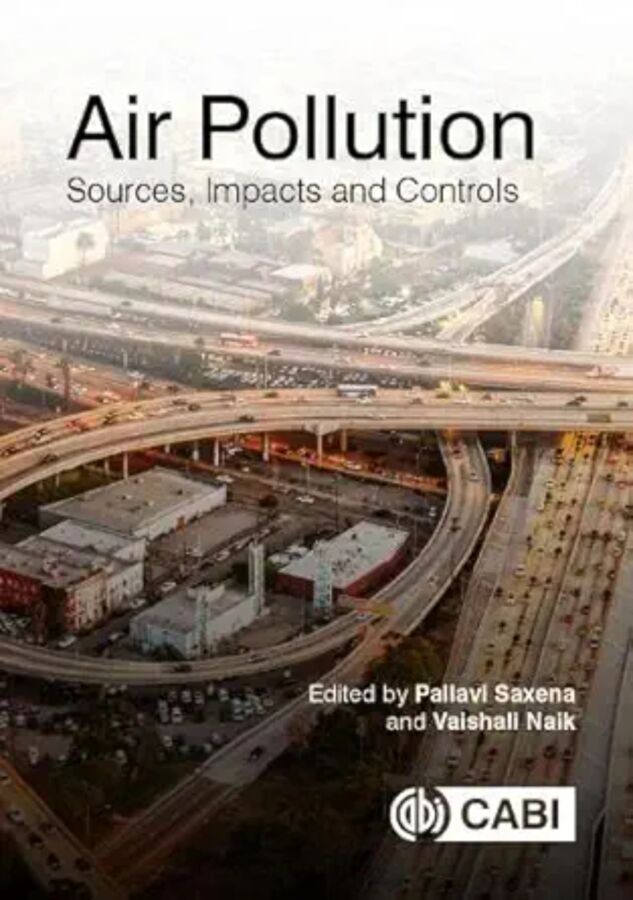
Best for: Environmental-science and atmospheric-science students, researchers and consultants.
Verified edition: Edited by Pallavi Saxena and Vaishali Naik; CAB International; first edition, 2019; Ovid lists 224 pages.
This edited academic volume covers human-made and natural emissions, pollutant transport, measurement, atmospheric modelling, air-quality indices, health effects, megacities, control technologies and policy. It is the most technically structured book on this list.
Unlike Choked, it is organized for study and reference rather than narrative reading. That makes it more useful for coursework and professional background research, but less suitable for a casual reader seeking an accessible introduction.
- Choose it if: You need technical breadth, terminology and a structured overview of monitoring and control.
- Skip it if: You prefer personal stories, introductory prose or a book for younger readers.
View the Ovid bibliographic details for Air Pollution: Sources, Impacts and Controls.
10. What a Waste by Jess French — best illustrated introduction for children
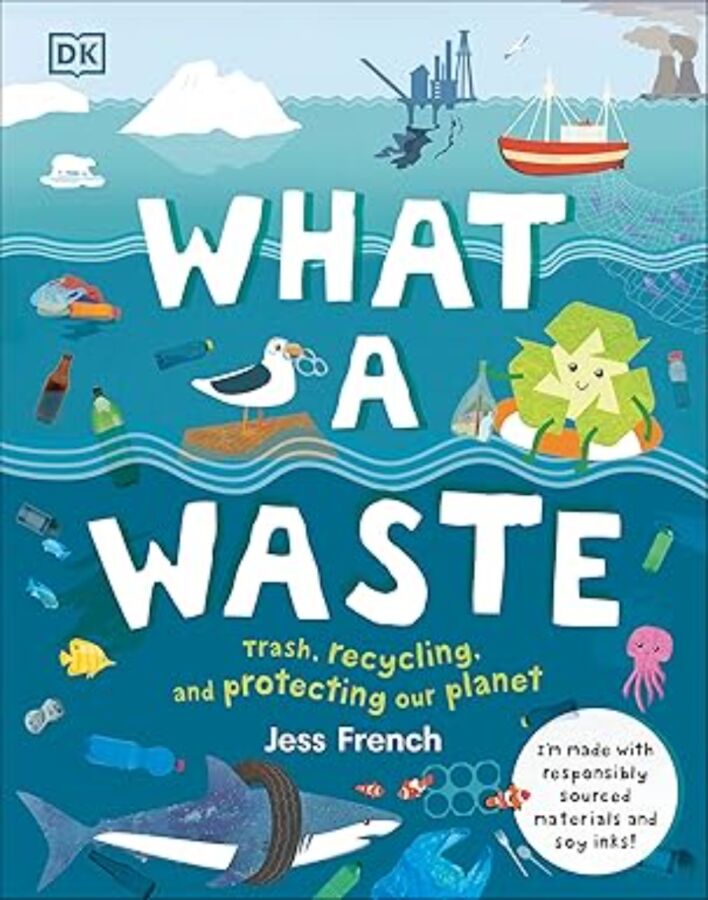
Best for: Primary-age readers who enjoy illustrated facts, short sections and practical examples.
Publisher age range: 6–9 years; DK Children; published April 2, 2019; 72 pages.
What a Waste: Trash, Recycling, and Protecting Our Planet introduces litter, pollution, recycling, resource use and environmental solutions through large illustrations and bite-sized explanations. Children can browse individual spreads or read the book in longer sessions with an adult.
It works better as an illustrated survey than as a storybook. That makes it useful in classrooms and for curious independent readers, but some younger children may need help with the vocabulary and amount of information.
- Choose it if: A child likes visual nonfiction, facts and practical ideas.
- Skip it if: You need a simple bedtime story, board book or narrowly focused book about one pollutant.
View the publisher details for What a Waste.
11. Magic in a Drop of Water by Julie Winterbottom — best children’s water-science biography
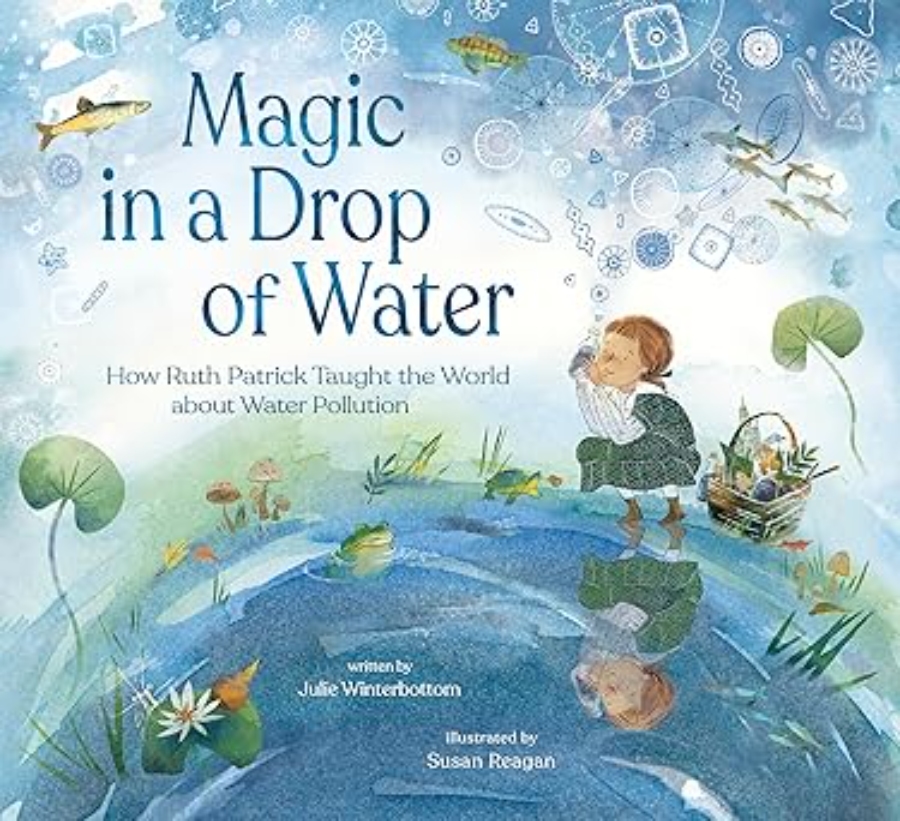
Best for: Children who enjoy scientist biographies, river ecology and illustrated STEM books.
Publisher age range: 6–9 years; Rocky Pond Books; published March 25, 2025; 48 pages.
Magic in a Drop of Water: How Ruth Patrick Taught the World about Water Pollution tells the story of ecologist Ruth Patrick and her work using biodiversity and river life to understand water quality. The biography gives children a person and a scientific process to follow rather than presenting pollution only as a list of alarming facts.
Its narrower focus is a strength for classrooms covering scientists, freshwater ecosystems or women in STEM. It does not replace a broad book on air, plastic, soil and noise pollution.
- Choose it if: A child is interested in science, rivers, fieldwork or environmental history.
- Skip it if: You need an all-purpose guide to every type of pollution.
View the publisher details for Magic in a Drop of Water.
How to choose the right pollution book
- For a broad adult introduction: Start with Total Garbage.
- For current investigative reporting: Choose Plastic Inc. for plastics or They Poisoned the World for PFAS.
- For air pollution: Read Choked for narrative reporting or Air Pollution: Sources, Impacts and Controls for technical study.
- For water pollution: Choose Troubled Water for US drinking-water systems or Magic in a Drop of Water for a primary-age science biography.
- For noise pollution: Choose Why Noise Matters.
- For historical context: Read Silent Spring.
- For environmental justice: Read A Terrible Thing to Waste.
- For children ages 6–9: Choose What a Waste for broad coverage or Magic in a Drop of Water for a focused story about science and rivers.
Publisher age ranges are guides rather than guarantees. Consider the child’s reading level, sensitivity to environmental topics and preference for stories versus illustrated facts.
What pollution topics do these books cover?
- Air pollution: Harmful gases and particles can come from transport, power generation, household fuels, industry, agriculture and waste burning. WHO identifies air pollution as a major environmental health risk.
- Water pollution: A defined outlet such as a discharge pipe is a point source. The EPA describes nonpoint-source pollution as diffuse contamination carried by runoff, precipitation, drainage, seepage or atmospheric deposition. The guide to types of water pollution explains additional categories and examples.
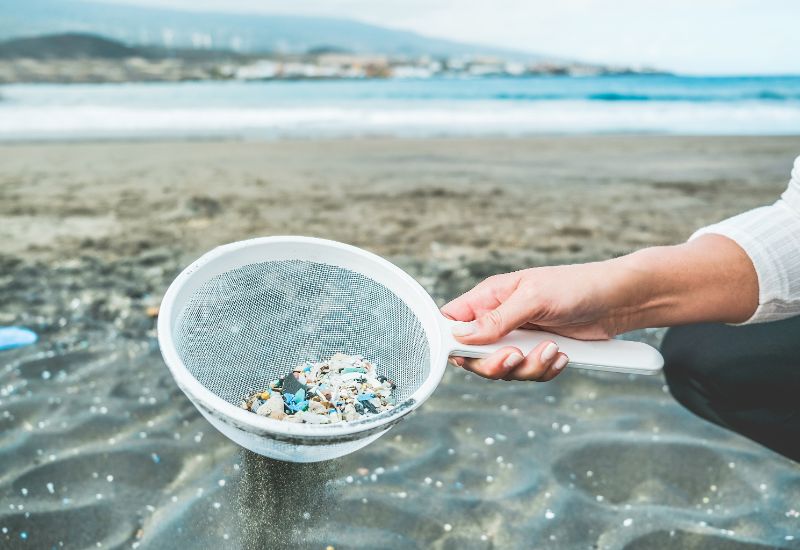
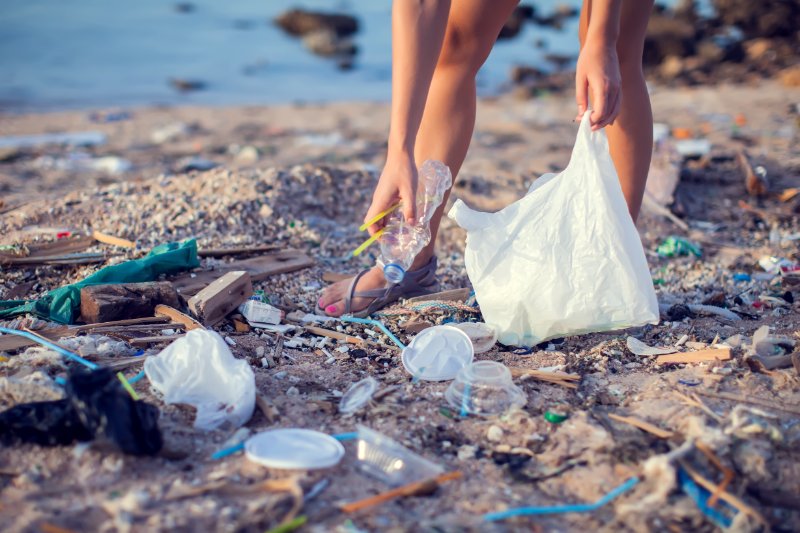
- Plastic pollution: The problem extends from production and product design through chemical additives, use, disposal, fragmentation and leakage into ecosystems. Recycling is one tool, not a complete substitute for reduction and better systems.
- Noise pollution: Road, rail and air traffic, construction, workplaces and leisure sound can create harmful exposure. Noise is environmental energy rather than a physical substance, but excessive exposure can still affect health and ecosystems.
- Toxic chemicals and environmental justice: Pollution burdens are not distributed evenly. Housing, work, infrastructure, regulatory enforcement, political power and proximity to industrial sources can shape exposure.
- Solid waste: Collection, landfills, incineration, dumping and material recovery create different tradeoffs. Understanding waste disposal methods helps connect household waste with broader pollution systems.
Climate change and pollution overlap, but they are not synonyms. Burning fossil fuels can release both greenhouse gases and health-damaging air pollutants. Climate change concerns long-term changes in the climate system; pollution concerns harmful substances or energy introduced into air, water, soil or living environments.
Which pollution book should you read first?
For most adult readers, start with Total Garbage. It gives enough breadth to show how waste, consumption, infrastructure and pollution connect without requiring a technical background. Choose a specialist book instead when your question is already clear: Choked for air, Why Noise Matters for noise, Troubled Water for US drinking water, Plastic Inc. for plastics or They Poisoned the World for PFAS.
The useful next step is not to read every title at once. Pick the book that matches your question, note one claim you want to verify and identify one realistic action within your household, school, workplace or community. The guide to how to be an environmentalist can help turn that reading into a practical plan.
Frequently asked questions
What is the best overall book on pollution?
Total Garbage by Edward Humes is the best starting point for most adults because it connects waste, plastic, food, energy and practical solutions in a readable 288-page investigation. Readers focused on one pollutant should choose a specialist title instead.
What is a good book on pollution for children?
What a Waste is a strong illustrated introduction for ages 6–9. Magic in a Drop of Water is better for children who enjoy scientist biographies and want to learn how Ruth Patrick helped researchers understand water pollution.
Which book explains noise pollution?
Why Noise Matters is the most focused choice. It treats noise as a health, environmental, social and policy issue and compares approaches used in different countries. Pair it with current WHO guidance for updated health information.
Which pollution book is best for students or researchers?
Air Pollution: Sources, Impacts and Controls is the most technical option for environmental-science and atmospheric-science students. Silent Spring is also valuable for environmental history, evidence-based argument and science communication.
Are climate change books the same as pollution books?
No. The subjects overlap because fossil-fuel combustion can produce greenhouse gases and harmful air pollutants, but climate change concerns long-term changes in the climate system, while pollution concerns harmful substances or energy introduced into the environment.
Related environmental reading
- Explore more science, policy and nature writing in this list of conservation books.
- See how pollution and habitat change affect wildlife through these books on endangered species.