Green energy comes from naturally replenished resources and is selected for its lower environmental impact compared with fossil fuels. The six broad types are solar, wind, hydropower, geothermal, ocean energy, and bioenergy. They can supply electricity, heat, and fuels, but none is entirely impact-free.
These technologies are becoming central to the power system. Based on preliminary data, the International Energy Agency reported that renewable generation virtually matched coal globally in 2025, with solar photovoltaics driving much of the growth. The useful question is no longer simply whether an energy source is renewable. It is how the source performs across its full life cycle, at a specific site, and for the job it must do.
Key takeaways
- The six main types of green energy are solar, wind, hydropower, geothermal, ocean energy, and bioenergy.
- Solar and wind are scalable and widely deployable, but their output varies with weather and time of day.
- Hydropower and geothermal can provide steadier electricity, although suitable sites are limited and local impacts can be significant.
- Bioenergy is renewable only when its feedstocks are replenished, and it is green only when sourcing, land use, methane leakage, and combustion emissions are responsibly managed.
- “Renewable,” “green,” and “clean” overlap, but they are not interchangeable. Nuclear power is low-carbon but not renewable, while hydrogen is an energy carrier whose impact depends on how it is produced.
What is green energy?
Green energy is a practical label for energy from renewable sources that delivers a comparatively high environmental benefit. In the U.S. voluntary electricity market, the Environmental Protection Agency defines green power as a subset of renewable energy and includes solar, wind, geothermal, biogas, eligible biomass, and low-impact small hydropower.
Renewable energy has a broader definition. The U.S. Energy Information Administration describes renewable resources as naturally replenishing but limited by the amount of sun, wind, water, heat, or biomass available at a given time and place.
Green does not mean impact-free. Solar panels and turbines require materials and manufacturing. Dams alter rivers. Geothermal projects require drilling. Bioenergy may release carbon dioxide and other pollutants. A credible comparison considers construction, operation, fuel or feedstock, land and water use, biodiversity, community effects, and end-of-life management. See our comparison of life-cycle greenhouse gas emissions by energy source for the climate side of that assessment.
Green energy vs. renewable, clean, and alternative energy
| Term | Core meaning | Typical examples | Important caveat |
|---|---|---|---|
| Green energy | Renewable energy selected for comparatively high environmental benefit | Solar, wind, geothermal, low-impact hydropower, eligible bioenergy, and potentially marine energy | The definition varies by market, policy, and project |
| Renewable energy | Energy from resources replenished on a human timescale | Sunlight, wind, moving water, Earth’s heat, biomass, waves, and tides | A renewable source can still cause emissions or ecological damage |
| Clean or low-carbon energy | Energy with low direct greenhouse gas emissions or air pollution | Most renewables and nuclear power | Low operational emissions do not mean zero life-cycle impact |
| Alternative energy | A broad term for energy used instead of conventional fossil fuels | Renewables, nuclear, hydrogen, and other technologies depending on context | The term is too broad to describe environmental performance by itself |
Nuclear power illustrates the difference. It produces electricity without direct carbon dioxide emissions and is commonly classified as clean or low-carbon, but uranium is not a renewable resource. Likewise, hydrogen is an energy carrier, not a primary energy source. Hydrogen made with low-emission electricity can support a cleaner energy system; hydrogen made from unabated fossil fuels cannot be assumed to be green. Our guide to hydrogen energy tradeoffs explains the distinction in more detail.
Natural gas is neither renewable nor green. It is a fossil fuel, and burning it releases carbon dioxide. This overview of why natural gas is a fossil fuel covers its origin and environmental effects.
Because terminology varies, this article uses six broad resource categories also recognized in the U.S. Department of Energy’s renewable resource assessment: solar, wind, hydropower, geothermal, marine energy, and biomass.
The 6 main types of green energy
| Type | How it works | Common uses | Main strength | Main limitation |
|---|---|---|---|---|
| Solar | Captures sunlight as electricity or heat | Rooftops, utility power, water and space heating | Modular and widely available | Output varies with sunlight; projects require materials, space, and grid planning |
| Wind | Uses moving air to turn a generator | Onshore, offshore, and distributed electricity | Low direct emissions and no cooling water | Variable output; siting, transmission, noise, and wildlife require attention |
| Hydropower | Uses moving water to turn turbines | Grid electricity, run-of-river systems, and storage support | Can be long-lived and controllable | Dams and diversions can disrupt rivers, habitats, and communities |
| Geothermal | Uses heat from inside Earth | Electricity, district heat, direct heat, and heat pumps | Can provide steady output | Power generation is geographically constrained and drilling is costly |
| Ocean energy | Captures waves, tides, currents, or temperature differences | Coastal and island electricity, desalination, and remote systems | Tides and currents can be predictable | Most technologies remain less mature and face harsh marine conditions |
| Bioenergy | Converts organic material into heat, electricity, gas, or liquid fuel | Industrial heat, biogas, electricity, and transport fuels | Can use residues and capture waste methane | Climate and ecological performance depends heavily on the feedstock and process |
1. Solar energy
Solar energy turns sunlight into electricity or useful heat. For electricity, the Department of Energy identifies two main technology families: photovoltaic panels, which convert light directly into electricity, and concentrating solar-thermal power, which uses mirrors to concentrate heat for power generation. Solar thermal collectors can also heat water or buildings directly.
Solar can be installed on a home, over a parking lot, on previously developed land, or at utility scale. Its modular design is a major advantage: adding more panels increases capacity without requiring a single large generating unit. Output falls at night and during poor weather, so a high-solar grid also needs transmission, flexible demand, storage, or other generation.
For practical examples, see these common uses for solar panels. Homeowners comparing equipment can also review our guide to home solar panels, while checking local installer credentials, warranties, roof condition, shade, utility rates, and incentives independently.

2. Wind energy
Wind turbines capture the kinetic energy of moving air. The blades rotate a shaft connected to a generator, producing electricity without burning fuel. Projects can be built on land, offshore, or at smaller distributed scales where the wind resource and local rules make them practical.
Wind turbines produce no direct air or water pollution during normal operation and do not need cooling water. Their full impact still includes materials, construction, roads, transmission, noise, visual changes, and possible harm to birds and bats. Careful siting, monitoring, and mitigation are therefore part of responsible wind development. The Department of Energy summarizes these wind-energy benefits and challenges.
Our detailed guide to the advantages and drawbacks of wind energy covers land use, reliability, cost, wildlife, and community concerns.

3. Hydropower
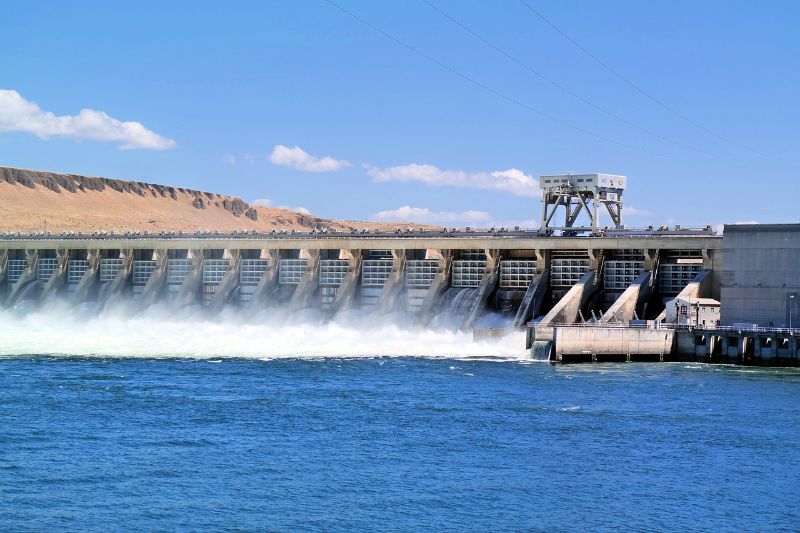
Hydropower uses moving water to turn turbines. It includes reservoir dams, run-of-river projects, diversions, and very small systems that use existing water infrastructure. The Department of Energy notes that some hydropower facilities operate without a large dam.
Reservoir hydropower can often adjust output when demand changes, which makes it useful for grid balancing. Pumped-storage hydropower moves water uphill when electricity is available and releases it later; it is an energy-storage system rather than a new primary energy source.
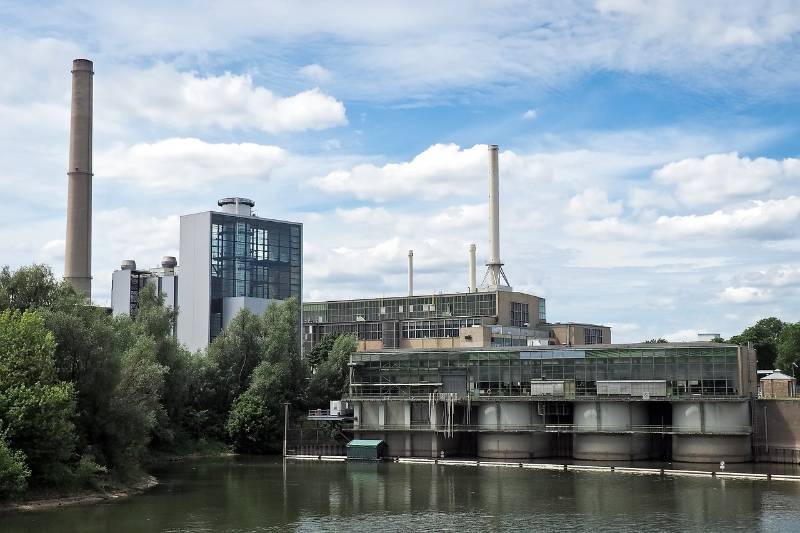
The environmental record is mixed. Dams and diversions may block fish migration, change water temperature and sediment flow, inundate land, displace communities, and produce reservoir methane under some conditions. That is why the EPA’s green-power definition emphasizes low-impact small hydropower rather than treating every dam as green. Review the EIA’s summary of hydropower’s environmental effects and our guide to the benefits and tradeoffs of hydroelectric power.
4. Geothermal energy
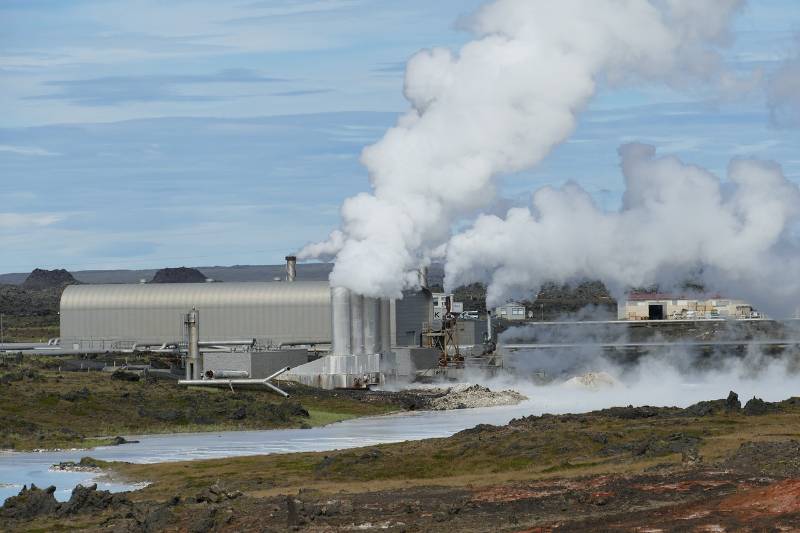
Geothermal energy is heat from inside Earth. It comes from heat retained during the planet’s formation and from the natural decay of radioactive elements in rocks. The EIA explains three broad uses: generating electricity, directly heating buildings or processes, and using shallow-ground temperatures with geothermal heat pumps.
Geothermal power plants bring hot water or steam to the surface to drive a generator, then often reinject fluids underground. They can provide steady output that does not depend on sunlight or wind. However, economical power projects require suitable geology, drilling expertise, water and fluid management, and safeguards for underground resources. Some plants release small amounts of carbon dioxide or sulfur compounds, although emissions are generally much lower than at fossil-fuel plants.
Direct geothermal heat can also support agriculture. A geothermal greenhouse heating system, for example, can maintain growing temperatures without using geothermal electricity.
5. Ocean energy
Ocean energy, also called marine renewable energy, captures energy from waves, tides, river and ocean currents, or temperature differences between warm surface water and colder deep water. Devices include tidal-stream turbines, wave-energy converters, barrages, and ocean thermal energy conversion systems.
Tides and some currents are highly predictable, which could make marine energy useful for coastal and island communities. The Department of Energy describes marine technologies as an active area of testing and deployment. Compared with mature solar, wind, and hydropower, many ocean-energy systems still face higher costs, difficult maintenance, corrosion, grid-connection challenges, and the need to understand effects on marine life and navigation.
6. Bioenergy
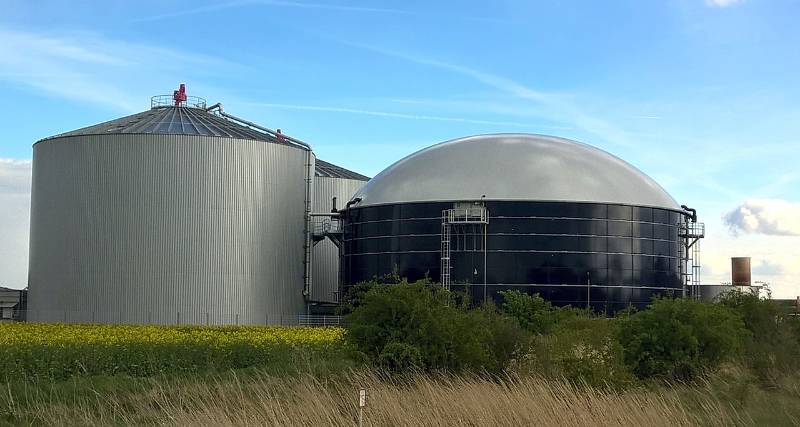
Bioenergy comes from organic material produced by plants and animals. The category includes solid biomass such as wood residues, biogas and biomethane from decomposing organic waste, and liquid biofuels. In other words, biogas is a form of bioenergy, not a separate peer category.
Biogas forms when microorganisms break down sewage, manure, food waste, or other organic material without oxygen. Capturing and using the methane can reduce the climate damage that would occur if it escaped to the atmosphere. Gas cleanup, methane-leak controls, digestate management, and a reliable waste feedstock are essential.
Solid biomass can provide heat or electricity, but combustion releases carbon dioxide and air pollutants. Its climate value depends on what material is used, what would have happened to it otherwise, how quickly the source regrows, land-use change, transport, and the efficiency of conversion. Bioenergy should therefore be evaluated by feedstock and project rather than labeled carbon-neutral by default. The EIA’s biomass overview explains the major conversion routes.
For deeper context, see how biomass energy works, the main types of biomass feedstocks, and the advantages and disadvantages of biofuels.
Which type of green energy is best?
There is no single best green energy source. The strongest option depends on the local resource, the required energy service, grid conditions, cost of capital, land and water constraints, community priorities, and acceptable environmental tradeoffs. Solar and wind are often competitive choices for new electricity, but the lowest-cost generator is not automatically the lowest-cost or most reliable energy system once transmission, storage, and timing are considered.
| Need | Often a strong starting option | Why | Check before choosing |
|---|---|---|---|
| Home or small-business electricity | Rooftop or community solar | Modular and close to the point of use | Shade, roof condition, local rates, permits, financing, and installer quality |
| Large-scale new electricity | Utility solar or onshore wind | Scalable and often cost-competitive | Transmission, interconnection, curtailment, storage, land, and community consent |
| Steady low-carbon power | Geothermal or responsibly sited reservoir hydropower | Can provide firm or controllable output | Geology, water, river ecology, seismic risk, permitting, and capital cost |
| Predictable coastal or island resource | Tidal or other marine energy | Tides and currents can be forecast accurately | Technology maturity, maintenance, marine habitats, navigation, and grid access |
| Organic-waste management plus energy | Waste-derived biogas | Can capture methane and make useful heat or power | Methane leakage, feedstock contamination, digestate, air emissions, and economics |
| High-temperature heat or fuel where direct electrification is difficult | Carefully sourced bioenergy | Stores energy in a fuel that can be transported | Land use, food competition, air pollution, carbon payback, and supply-chain traceability |
For a direct comparison of the two most deployable variable resources, see solar vs. wind energy.
Benefits and tradeoffs of green energy
Green energy can reduce dependence on fossil fuels, lower operational greenhouse gas emissions and air pollution, diversify energy supply, and reduce exposure to volatile fuel costs. Solar and wind can also be built at many scales, from individual buildings to utility projects.
Those benefits do not erase project-specific harm. As the MIT Climate Portal explains, no energy source is perfectly clean across its full life cycle. Responsible evaluation should ask:
- How much greenhouse gas and air pollution does the project cause from extraction through disposal?
- How does it affect water, land, habitats, and biodiversity?
- Who receives the benefits, and who bears noise, displacement, pollution, or other burdens?
- Does the project respect local and Indigenous rights, informed participation, and fair compensation?
- Can the output be integrated reliably with the grid, storage, transmission, and demand?
- Can equipment and materials be repaired, repowered, reused, recycled, or safely disposed of?
This framework prevents a renewable label from replacing real environmental due diligence.
How homes and businesses can use more green energy
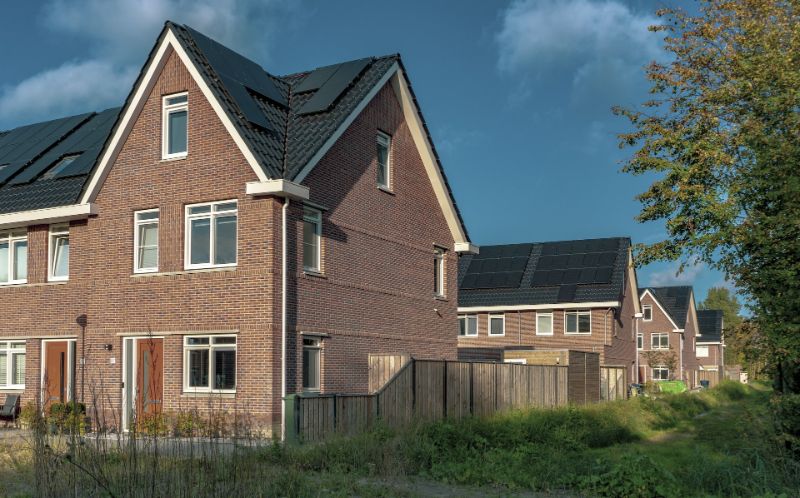
- Reduce demand first. Insulation, controls, efficient equipment, and maintenance can lower the amount of new generation required. Start with practical ways to reduce household energy use or improve commercial building efficiency.
- Evaluate on-site generation. Compare rooftop solar, small wind, geothermal heat pumps, and other options using the actual site resource, local permits, total installed cost, expected output, warranties, and maintenance rather than choosing by headline price.
- Check off-site options. Depending on the market, a utility green-power plan, community solar subscription, power-purchase agreement, or independently certified renewable energy certificate may be available. Verify who owns the environmental attributes and whether claims could be double counted.
- Electrify suitable end uses. Electric heating, cooking, vehicles, and industrial equipment can reduce direct fossil-fuel use when the electricity supply is low-carbon and the equipment fits the application.
- Match use with clean supply where possible. Timers, smart controls, thermal storage, and managed charging can shift flexible demand toward periods of abundant renewable electricity.
Frequently asked questions
What are the six main types of green energy?
The six broad types are solar energy, wind energy, hydropower, geothermal energy, ocean or marine energy, and bioenergy. Bioenergy includes biomass, biogas, biomethane, and biofuels.
How is green energy different from renewable energy?
Renewable energy comes from resources that replenish naturally. Green energy is a narrower label for renewable options judged to provide comparatively high environmental benefit. A renewable project can still have significant land, water, pollution, or ecosystem impacts.
Which type of green energy is best?
No single source is best everywhere. Solar and wind are often strong choices for new electricity; geothermal and reservoir hydropower can provide steadier output; marine energy may suit coastal locations; and waste-derived biogas can pair energy production with methane capture. The best choice depends on the resource, use, cost, grid, and local impacts.
Is nuclear energy green?
Nuclear power is generally classified as low-carbon or clean because it produces no direct carbon dioxide during electricity generation. It is not renewable because uranium is a finite fuel, and its mining, cost, safety, and waste requirements must also be considered.
Is natural gas green energy?
No. Natural gas is a fossil fuel. Burning it releases carbon dioxide, and methane can leak during production, processing, and transport.
Is hydrogen a renewable energy source?
Hydrogen is an energy carrier, not a primary renewable resource. Its environmental impact depends on how it is produced. Hydrogen made with low-emission electricity can be low-carbon; hydrogen made from fossil fuels without effective carbon controls is not green.
Is biogas green energy?
Biogas can qualify as green energy when it uses appropriate organic wastes, prevents methane leakage, manages digestate responsibly, and delivers a meaningful life-cycle emissions benefit. It should not be treated as automatically carbon-neutral.
Bottom line
The six main types of green energy—solar, wind, hydropower, geothermal, ocean energy, and bioenergy—solve different problems. Solar and wind offer broad deployment potential. Hydropower and geothermal can add steadier output where local conditions permit. Marine energy offers predictable coastal resources but is still developing. Bioenergy can make use of residues and waste, yet demands the most careful feedstock and emissions accounting.
The soundest approach is to reduce avoidable energy demand, choose the lowest-impact resources available locally, disclose tradeoffs honestly, and build a diverse system that can deliver reliable energy without shifting disproportionate costs to ecosystems or communities.
See Related: 15 Green Revolution Pros and Cons to Know
See Related: What is Greenwashing? Exposing the Green Sheen