
Marine conservation success stories show that ocean recovery is possible when people reduce a specific pressure, enforce the change, and measure what happens next. The ten examples below connect each intervention to a documented result, including a 463% increase in fish biomass at Cabo Pulmo, a roughly sevenfold rise in one California harbor porpoise stock, and more than 2,400 acres of healthy restored oyster reef in Chesapeake Bay.
Last verified: August 2026. Population estimates, fishery status, and restoration results can change as agencies publish new surveys and stock assessments.
Key takeaways
- A conservation success needs a measurable ecological result, not only a new policy, campaign, or protected-area designation.
- The strongest recoveries reduced a clear pressure such as hunting, bycatch, overfishing, or habitat loss.
- Rules worked best when local communities, fishers, scientists, agencies, and enforcement teams shared responsibility.
- Recovery often takes decades, especially for whales, seals, sea turtles, and other slow-reproducing animals.
- A recovering population can decline again. Monitoring and protection must continue after the first positive trend appears.
Marine conservation success stories at a glance
| Case | Main pressure | Intervention | Measured result | Important limit |
|---|---|---|---|---|
| Humpback whales | Commercial whaling | International moratorium and national protections | Nine of 14 distinct U.S. population segments no longer warranted Endangered Species Act listing in 2016 | Four segments remain endangered and one remains threatened |
| Northern elephant seals | Commercial hunting | Hunting bans and protected breeding beaches | A 2023 estimate placed the population at 194,903 animals | The species passed through a severe genetic bottleneck |
| California harbor porpoises | Gillnet bycatch | Coastal set-gillnet restrictions | The Morro Bay stock rose from about 570 to about 4,200 | Bycatch controls must remain in place |
| Hawaiian green turtles | Harvest and nesting disturbance | Legal protection and long-term nest monitoring | NOAA reports a 3% to 5% annual increase in nesting females | Climate change threatens nesting habitat and hatchling sex ratios |
| Seychelles hawksbill turtles | Harvest for tortoiseshell | Reserve protection and intensive monitoring | A long-term study documented an eightfold rise in nesting females on Cousin Island | The result covers one nesting population, not the species worldwide |
| Hawaiian monk seals | Historical hunting and continuing human-caused threats | Rescue, translocation, debris removal, disease response, and monitoring | The population reached about 1,600 and has increased gradually since 2013 | It remains roughly one-third of its historical size |
| Cabo Pulmo reef fish | Overfishing | Community-supported no-take marine reserve | Fish biomass increased 463% from 1999 to 2009 | The landmark result is historical and requires continued protection |
| North Atlantic swordfish | Overfishing | International catch limits, size rules, and closures | The stock rebuilt ahead of schedule and is currently not overfished | International compliance and updated assessments remain essential |
| Sea turtles in shrimp trawl fisheries | Accidental capture | Turtle excluder devices | Current designs can exclude 97% of sea turtles when used correctly | Installation, maintenance, training, and enforcement determine performance |
| Chesapeake Bay oysters | Reef loss, disease, harvest, and poor water quality | Reef construction, hatchery seed, and tributary-scale monitoring | More than 2,400 acres of healthy reef, with 99% of six-year-old restored reefs meeting minimum biological targets | Restoration does not remove bay-wide water-quality and climate pressures |
What counts as a marine conservation success?
A marine conservation success is a documented ecological improvement linked to an intervention. Researchers who assembled 217 verified marine conservation cases looked for significant positive change toward a previously documented condition. That standard is more useful than counting how many laws were passed, how many hectares were labeled protected, or how many corals were planted.
The evidence does not need to show complete recovery. A population can increase while remaining endangered. A restored reef can meet local targets while the wider ecosystem stays under pressure. The claim should identify the baseline, the action, the measured outcome, the geographic scale, and the remaining risk.
This distinction matters because conservation is often presented as a collection of uplifting stories. The cases below are useful for a different reason: each one reveals a mechanism that can be tested, repeated, adapted, or rejected elsewhere.
Marine mammals that recovered after direct threats were reduced
1. Humpback whales recovered after commercial whaling stopped
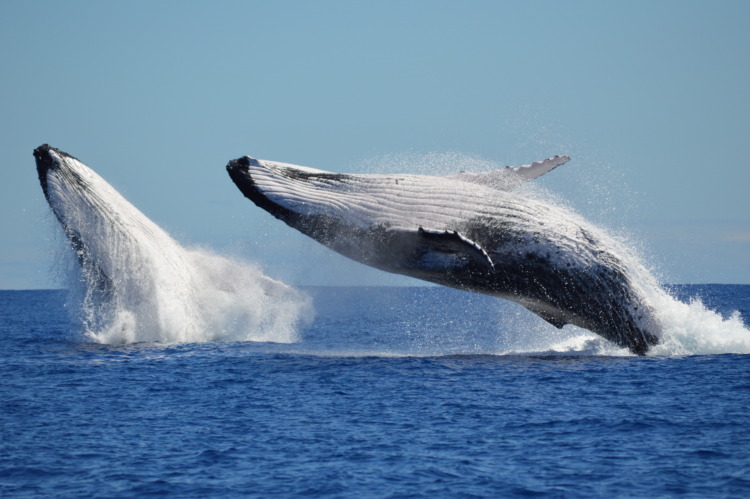
Many humpback whale populations increased after commercial whaling ended, although recovery has not been uniform. NOAA Fisheries reports that most humpback populations were reduced by more than 95% during the whaling era. The International Whaling Commission’s commercial-whaling moratorium, in effect since the mid-1980s, removed the largest direct source of mortality across much of the whales’ range.
In 2016, NOAA divided humpback whales into 14 distinct population segments for Endangered Species Act decisions. Nine segments had recovered enough that listing was no longer warranted. Four remained endangered and one remained threatened. That is a more accurate picture than treating every humpback whale as part of one fully recovered global population.
Why it worked: The intervention matched the scale of the problem. Humpbacks cross national boundaries, so an international restriction mattered more than isolated local rules. National protections, vessel-strike reduction, disentanglement teams, and habitat management then addressed threats that the whaling moratorium did not remove.
What remains: Entanglement, ship strikes, underwater noise, prey shifts, and climate change still affect humpbacks. The transferable lesson is that migratory species need coordinated protection across feeding grounds, migration routes, and breeding areas.
2. Northern elephant seals rebounded from fewer than 1,000 animals
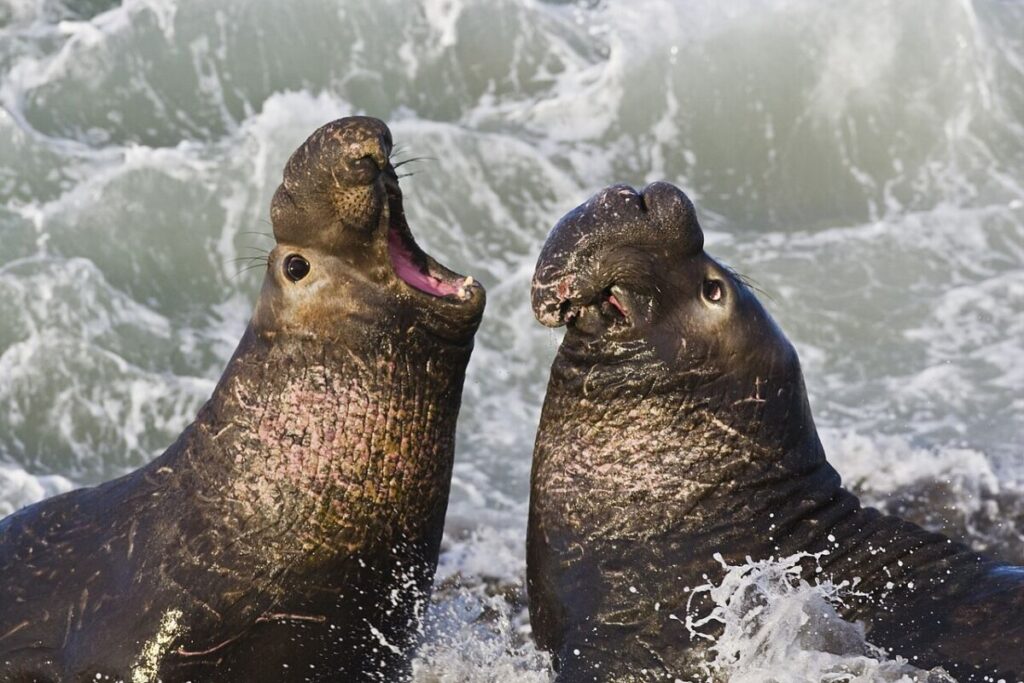
Northern elephant seals were hunted for oil until the population approached extinction. The National Park Service estimates that fewer than 1,000 remained by 1910. Mexico banned hunting in 1922, the United States extended protection, and breeding colonies gradually reoccupied islands and mainland beaches along the Pacific coast.
The latest large-scale estimate cited by the National Park Service’s 2025–2026 monitoring summary placed the 2023 population at 194,903 animals, including 44,397 births. About 81% were counted on the Channel Islands, which remain the species’ demographic center.
Why it worked: Hunting bans removed the dominant source of mortality, and protected rookeries gave females reliable places to give birth. Long-running counts at breeding sites made the recovery visible and helped managers respond to storms, crowding, disturbance, and changing colony locations.
What remains: The species passed through a severe genetic bottleneck, and climate-driven changes in food supply or breeding habitat could still affect it. The recovery shows what can happen when direct killing stops before the final breeding population disappears.
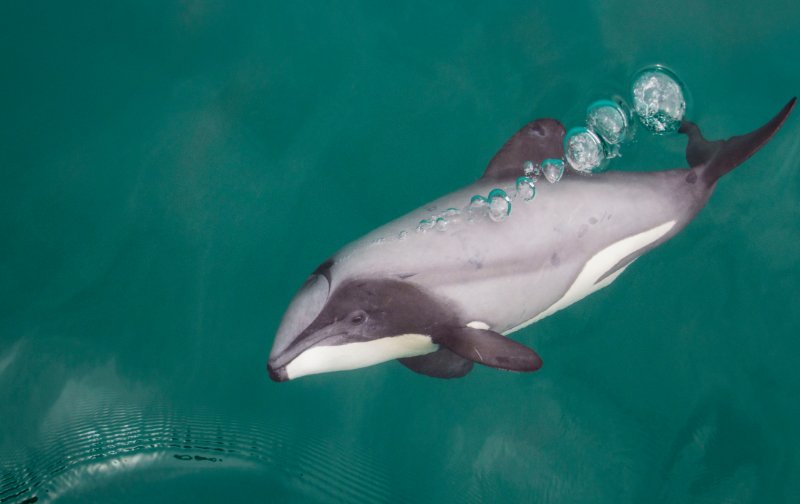
3. California harbor porpoises increased after coastal gillnets were restricted
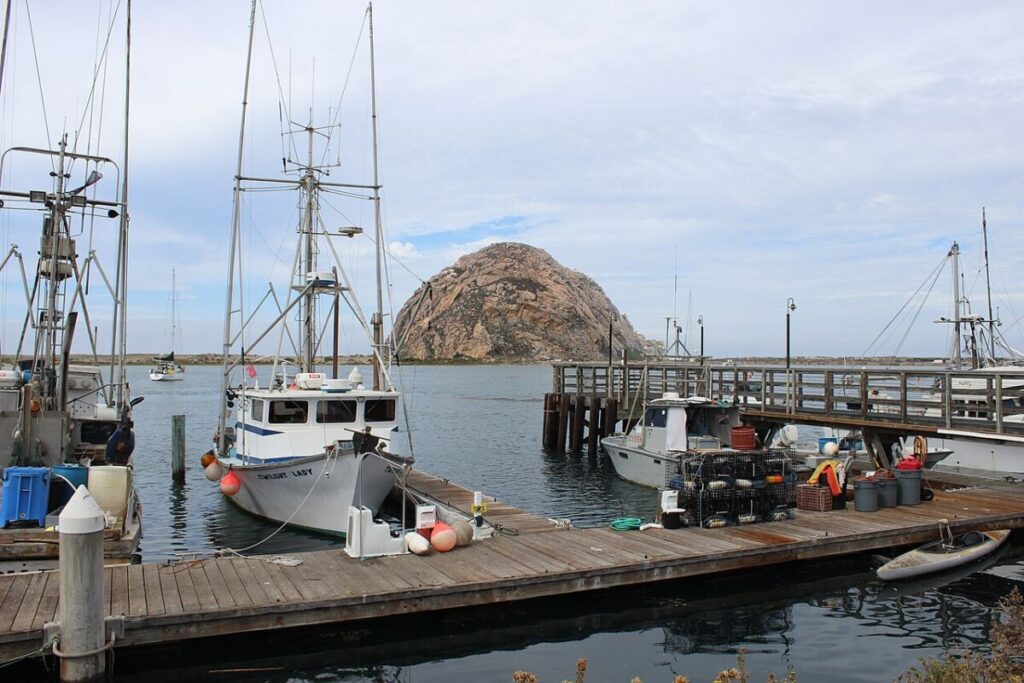
California harbor porpoises provide an unusually clear bycatch case. Coastal set-gillnets entangled small cetaceans that could not surface to breathe. As California and federal managers phased out or prohibited those nets in nearshore waters, three of the state’s four harbor porpoise stocks increased.
NOAA Fisheries reports that the Morro Bay stock grew from an estimated 570 animals in 1991 to about 4,200 in recent surveys, a roughly sevenfold increase. Long-term aerial surveys helped separate a real population trend from short-term shifts in where porpoises were seen.
Why it worked: Managers removed a specific fishing method from the habitat where it caused the most harm. The intervention did not depend on breeding porpoises in captivity, moving them, or changing their behavior.
What remains: Gillnet bycatch still threatens small cetaceans in many parts of the world. This case supports targeted gear restrictions when monitoring shows that a fishery is driving mortality faster than a population can replace itself.
4. Hawaiian monk seals began increasing after intensive recovery work

Hawaiian monk seals illustrate a harder kind of success. Removing one historical threat was not enough, so managers used multiple interventions to keep individual animals alive and improve juvenile survival. NOAA teams and partners disentangle seals, remove marine debris, treat disease and injuries, relocate vulnerable pups, respond to shark predation at selected sites, and monitor animals across the Hawaiian archipelago.
According to NOAA’s July 2026 science update, the population is about 1,600 animals: roughly 1,200 in Papahānaumokuākea Marine National Monument and 400 in the main Hawaiian Islands. The population began a gradual increase in 2013 after decades of decline.
Why it worked: Managers treated survival as a portfolio of problems rather than searching for one universal fix. Rescue and veterinary care protected individual seals, while debris removal, fishery management, public reporting, and long-term demographic data addressed broader causes.
What remains: Hawaiian monk seals are still endangered and remain at roughly one-third of their historical abundance. Fishery interactions, intentional harm, toxoplasmosis, marine debris, and climate-related habitat loss continue. This is meaningful progress, not a finished recovery.
Sea turtle recovery stories built on decades of protection
5. Hawaiian green turtles increased under legal protection and nest monitoring

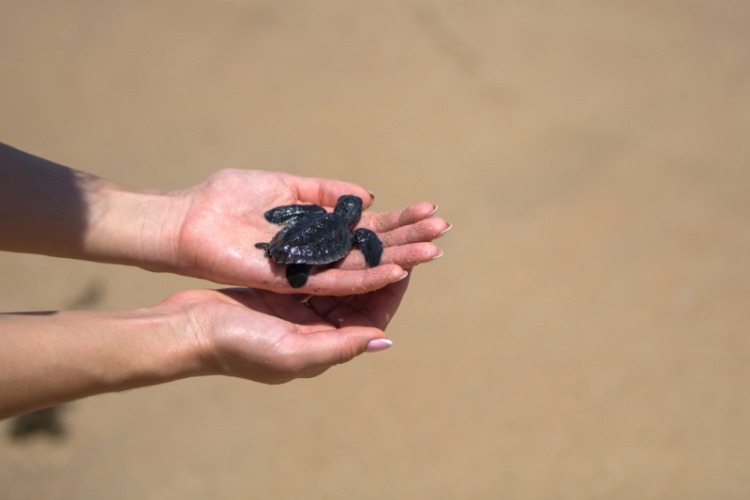
Hawaiian green turtles, known locally as honu, were once harvested for meat, shells, and eggs. Hawaii protected the turtles in 1974, and federal protection followed under the Endangered Species Act in 1978. Researchers then maintained one of the world’s longest sea turtle monitoring programs at French Frigate Shoals, the main nesting area for the population.
NOAA Fisheries reports that the statewide nesting population has increased by about 3% to 5% per year. At East Island, the average number of nesting females rose from 92 per year during the program’s first decade to 411 per year three decades later, with a record 808 females counted in 2011.
Why it worked: Legal protection covered both turtles and eggs, while repeated counts at the same nesting sites produced a trend managers could evaluate. Community reporting, beach management, fishery measures, and research on feeding and migration areas extended protection beyond the nesting season.
What remains: Sea-level rise, storms, warming sand, disease, vessel strikes, and fishery interactions can reverse gains. Green turtles mature slowly, so today’s nesting trend reflects decisions maintained over several decades.
6. Seychelles hawksbill turtles returned to a protected nesting island

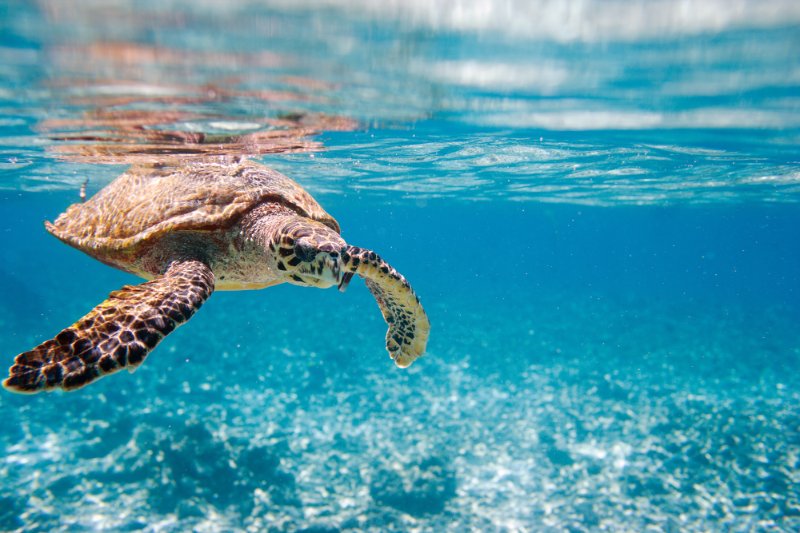
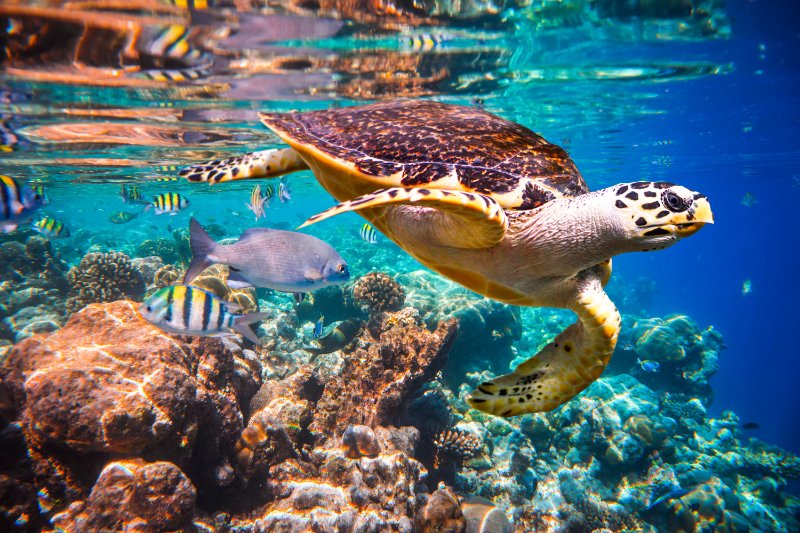
Hawksbill turtles were heavily hunted for tortoiseshell, and nesting females were especially vulnerable when they came ashore. Cousin Island in the Seychelles became a protected reserve, where wardens and researchers monitored nests, tagged females, limited disturbance, and prevented harvest.
A long-term study published in 2010 documented an eightfold increase in the island’s nesting population. The maximum annual estimate rose from 23 nesting females in 1973 to 256 in the 2007–2008 season. That finding replaces the unsupported claim that nesting females increased from 200 to 8,000 per year.
Why it worked: Protection was concentrated at a site where turtles predictably gathered and could be counted. The reserve paired enforcement with continuous field data rather than assuming that legal designation alone would produce a result.
What remains: Hawksbills migrate through waters managed by multiple countries and remain exposed to illegal trade, fisheries, coastal development, and climate change. The Cousin Island result is a strong local recovery signal, not a global population estimate.
Marine reserves, fishery rules, and habitat restoration that produced measurable gains
7. Cabo Pulmo’s no-take reserve increased fish biomass by 463%

Cabo Pulmo, on Mexico’s Baja California Peninsula, is one of the clearest examples of a community-supported no-take reserve. Local families backed the marine park created in 1995 and shifted away from extracting fish inside its boundaries. Community support helped turn legal protection into day-to-day compliance and enforcement.
A peer-reviewed study in PLOS ONE found that total fish biomass rose from 0.75 metric tons per hectare in 1999 to 4.24 metric tons per hectare in 2009, an increase of 463%. Biomass of top predators increased elevenfold, and carnivore biomass increased fourfold during the same period.
Why it worked: The reserve prohibited extraction, covered enough habitat to support reef food webs, and had local legitimacy. Scientists also had baseline and follow-up surveys, which made it possible to quantify the change rather than relying on visitor impressions.
What remains: The 463% figure describes the 1999–2009 study period, not a current census. Tourism pressure, coastal development, warming water, and enforcement still matter. Cabo Pulmo shows that marine protected areas can produce large gains when the rules are strong and people on the ground support them.
8. North Atlantic swordfish rebuilt under international catch controls
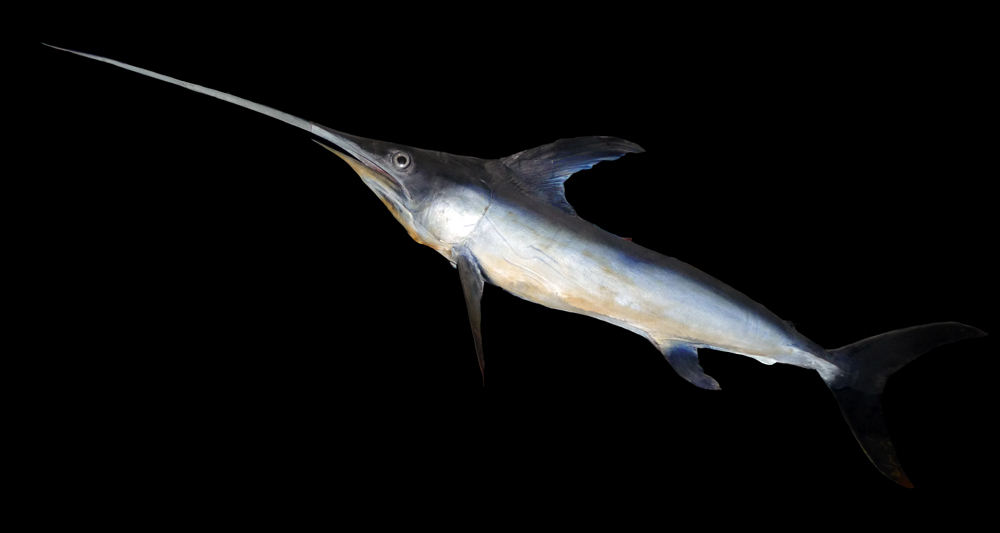
North Atlantic swordfish were heavily overfished by the late 20th century. In 1999, the International Commission for the Conservation of Atlantic Tunas adopted a rebuilding plan that reduced catches, set minimum-size rules, and supported time-area closures and monitoring.
The stock rebuilt ahead of schedule. According to NOAA Fisheries’ July 2026 status page, the 2022 stock assessment found that North Atlantic swordfish were not overfished and were not subject to overfishing.
Why it worked: Swordfish move across national waters and the high seas, so rebuilding depended on shared catch rules rather than one country’s policy. Managers also retained a regulated fishery after the stock recovered instead of treating conservation and fishing as mutually exclusive.
What remains: Stock status depends on continued compliance, accurate catch reporting, bycatch reduction, and updated assessments. The case shows that a depleted commercial fish population can rebuild when harvest falls below the rate the stock can sustain.
9. Turtle excluder devices cut sea turtle capture in shrimp trawls

A turtle excluder device, or TED, is a grid fitted inside a shrimp trawl. Shrimp pass through to the cod end, while a large animal such as a sea turtle is directed toward an escape opening. The design tackles bycatch without requiring the entire shrimp fishery to close.
NOAA Fisheries states that current TED designs are 97% effective at excluding sea turtles when they are installed and used correctly. NOAA engineers developed and refined the technology with the shrimp industry, and federal rules require TEDs in many commercial shrimp trawls in U.S. waters.
Why it worked: The intervention combined gear engineering, regulation, training, inspection, and continued design improvement. Fishers could keep target catch while giving turtles an escape route.
What remains: A device cannot work if the opening is blocked, the angle is wrong, the grid is damaged, or a vessel is exempt. TEDs also address one source of mortality, not habitat loss, vessel strikes, plastic ingestion, or other fisheries. The broader lesson is that technical fixes need standards and enforcement.
10. Chesapeake Bay oyster restoration met predefined biological targets

Oysters build three-dimensional reefs that filter water and provide habitat for fish, crabs, and other organisms. Chesapeake Bay lost much of that reef structure through harvest, disease, sediment, and declining water quality. Federal and state partners responded with large tributary-scale projects rather than scattered small plantings.
As of February 2026, NOAA Fisheries reported more than 2,400 acres of healthy oyster reef across the targeted tributaries, including about 1,900 acres that were actively restored. Among restored reefs monitored at six years old, 99% met the program’s minimum oyster density and biomass targets, and 83% met the higher target.
Why it worked: Partners agreed on restoration blueprints and success criteria before judging the outcome. Crews added reef substrate where needed, planted hatchery-reared juvenile oysters, protected restored areas from harvest, and returned to measure survival, density, and biomass.
What remains: Restored reefs still face disease, low oxygen, warming water, sediment, and watershed pollution. The project demonstrates how habitat restoration can be evaluated honestly: define the biological target first, then publish whether the site met it.
What the strongest ocean recoveries have in common
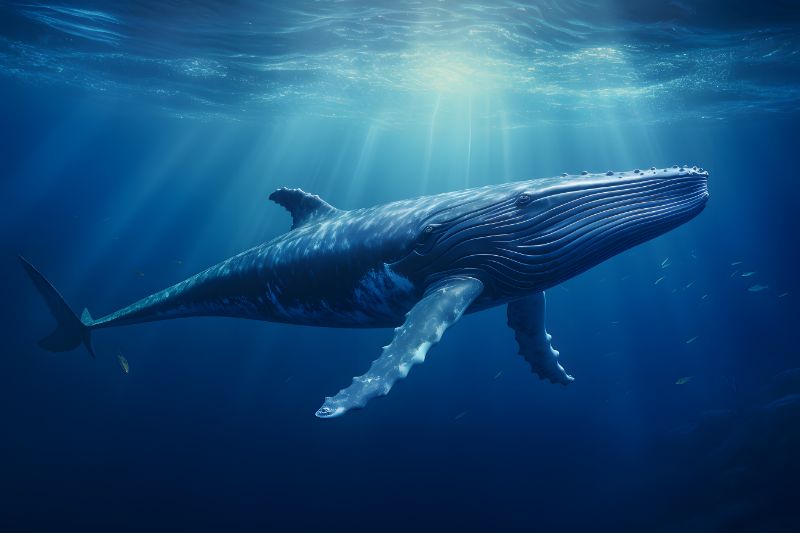
The 217-case global review found that stewardship and cooperation among different groups were central to many successful outcomes. The cases on this page also share five practical features.
- A specific pressure was identified. Managers targeted whaling, hunting, gillnet bycatch, excessive catch, trawl bycatch, or missing reef habitat rather than relying on a broad awareness campaign.
- The rule changed behavior. A hunting ban, no-take zone, catch limit, gear standard, or harvest closure altered what happened in the water.
- People affected by the rule had a role. Cabo Pulmo residents, shrimp fishers, international fishery bodies, local wardens, scientists, and restoration crews helped design, accept, enforce, or improve the intervention.
- The project had a baseline and a monitoring period. Population counts, biomass surveys, nesting records, stock assessments, and reef targets showed whether the intervention worked.
- Management continued after the first gain. Recovering wildlife still needed protection from new threats, and managers adapted as conditions changed.
These principles also appear in terrestrial and freshwater conservation. The species and setting change, but credible recovery claims still require a defined threat, a measurable response, and enough time to distinguish a trend from a temporary fluctuation.
What marine conservation success does not mean
A positive trend can be real without being permanent. Conservation reporting becomes misleading when it turns one strong decade, one protected island, or one restored site into a claim that the wider problem has been solved.
A recovered population can decline again
Eastern North Pacific gray whales were removed from the U.S. endangered species list in 1994 after a major recovery from commercial whaling. Recent abundance estimates are much lower than the roughly 27,000 figure often repeated in older articles. NOAA’s 2025–2026 analysis produced an apparent estimate of roughly 15,930 to 20,530 whales, following an estimated 11,700 to 14,200 in 2024–2025. NOAA cautions that the apparent increase is too fast to represent births and deaths alone, so migration timing and survey detectability may be involved.
The gray whale example does not erase the earlier recovery. It shows why abundance, body condition, calf production, prey availability, and unusual mortality must be tracked after delisting.
Restoration activity is not the same as ecosystem recovery
Coral nurseries and outplanting can preserve genetic diversity, test heat-tolerant strains, and rebuild small patches of structure. They should not be described as proof that Florida’s coral reef has recovered. The Florida Keys National Marine Sanctuary reports that fewer than 150 unique elkhorn corals and 300 unique staghorn corals remain alive on Florida’s Coral Reef, about 1% of their former abundance.
Local restoration also cannot remove global heat stress. NOAA reported that the fourth global coral bleaching event exposed about 84% of the world’s reef area to bleaching-level heat stress between early 2023 and mid-2025. Restoration remains useful, but emissions, water quality, disease, coastal development, and local disturbance determine whether planted coral can persist.
A local result should stay local in the wording
Cousin Island’s hawksbill increase, Morro Bay’s harbor porpoise trend, and Cabo Pulmo’s fish biomass gain are strong results at defined scales. None proves that hawksbills, harbor porpoises, or tropical reef fish are secure everywhere. Good conservation reporting names the population, place, time period, and measurement instead of expanding the claim beyond the data.
How to support conservation approaches with evidence behind them
- Look for published outcomes before donating. Strong projects state the baseline, intervention, monitoring method, and latest result. A count of trees planted, corals outplanted, or hectares announced is an activity metric, not proof of ecological recovery.
- Support protected areas with management capacity. Boundaries matter when they are paired with staff, enforcement, local participation, monitoring, and a plan for tourism and fishing pressure.
- Use science-based seafood guidance. Fishery status varies by species, stock, gear type, and region. Check a current government or independently reviewed guide rather than assuming that one species is always sustainable or always harmful.
- Respect wildlife rules at beaches and on the water. Viewing distances, seasonal closures, vessel-speed zones, leash rules, and reporting hotlines reduce disturbance and help managers respond to entanglement, injury, or stranded animals.
- Reduce demand for wildlife products. Understanding how shark finning harms ocean predators is one practical starting point for avoiding products tied to unsustainable or illegal harvest.
- Back long-term monitoring. Population surveys and stock assessments are less visible than rescue work, but they reveal whether an intervention is producing a durable result.
Related conservation success stories
Marine recovery is part of a wider conservation pattern. Explore these source-led collections for additional examples and the mechanisms behind them:
- Endangered species success stories involving legal protection, habitat work, captive breeding, and threat reduction.
- Wildlife corridor success stories showing how reconnecting habitat can restore movement and gene flow.
- Broader conservation success stories across species and ecosystems.
Frequently asked questions about marine conservation success
What is a marine conservation success story?
A marine conservation success story is a documented ecological improvement linked to a specific intervention. A credible example identifies the baseline, action, measured outcome, geographic scale, time period, and remaining threats.
What is one of the clearest examples of successful marine conservation?
Cabo Pulmo is one of the clearest measured examples. A peer-reviewed study found that fish biomass inside the Mexican no-take reserve increased 463% from 1999 to 2009 after local families supported and enforced protection.
Can marine protected areas restore fish populations?
Yes, well-designed and enforced marine protected areas can increase fish abundance, biomass, size, and predator numbers. Results depend on the strength of the rules, reserve size and location, compliance, enforcement, habitat condition, and time under protection.
Have humpback whales fully recovered?
No. Many humpback populations have recovered strongly since commercial whaling ended, but recovery varies. In the United States, nine of 14 distinct population segments no longer warranted Endangered Species Act listing in 2016, while four remained endangered and one remained threatened.
How long does marine ecosystem recovery take?
There is no single timeline. Fishing restrictions can change fish biomass within years, while whales, seals, turtles, and reef-building habitats may need decades. Recovery speed depends on reproduction, habitat condition, connectivity, climate, and whether the original pressure stays reduced.
Can coral or habitat restoration offset climate change?
No. Restoration can rebuild local habitat, preserve genetic diversity, and improve resilience, but it cannot replace reductions in heat-trapping emissions or local pollution. Restored organisms still face warming, acidification, disease, storms, and habitat degradation.
The practical lesson from successful ocean recovery
The evidence supports a repeatable sequence: identify the pressure, change the behavior causing it, involve the people who must carry out the change, define the result, monitor it, and adapt. Different species recover at different speeds, and protection cannot end at the first sign of improvement.
These cases matter because they show which interventions produced measurable outcomes. They do not prove that the ocean crisis is over. They provide tested starting points for the next population, fishery, reef, or coastal community facing a similar problem.