
Benchmark current energy use, fix operational waste, and prioritize HVAC, lighting, controls, envelope, equipment, and renewable-energy upgrades.
Energy Conservation
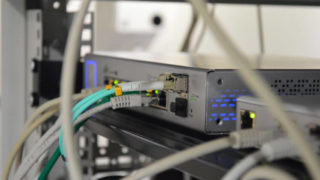
Have you ever wondered how those internet cafes with multiple computers run in just one network and can share files and connect to gaming? We all know that those computer units alone already consume a lot of electricity, but how about the network connection itself? In this article, let us discover whether is it energy …


The responsibility to save the environment and conserve energy isn’t just for corporations. Eco-friendliness is also something that every household and home office should think about!


Hydropower energy is one of the oldest forms of mechanical power in human history, having been used for over 2,000 years to enhance lives across the globe. Today, hydroelectric power plants continue to provide energy to the human experience but just how do they compare to other sources of energy used today? Let’s take a …
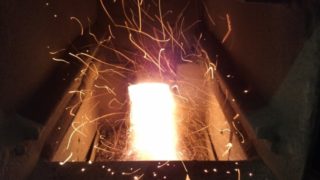
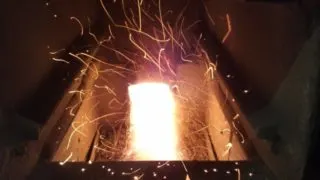
Pellet stoves are a popular way to provide safe, affordable indoor heat. A pellet stove combines compressed wood pellets, combustion, and airflow to create heat that warms your space. Fire lights the pellets, and the flow carries them through the system and into your environment. Pellet stoves are much cheaper and more effective when compared …


Electric fireplaces are hot this year! An electric fireplace provides heat, but without the use of fuel or fire. A digital display adds to its allure and gives the warm visuals you would expect to see within a traditional fireplace.


Not too long ago, I found that my old front door was no longer the right fit for my home. After years of constant exposure to the elements, our old wooden door had gotten warped to the point where even closing it became a chore.
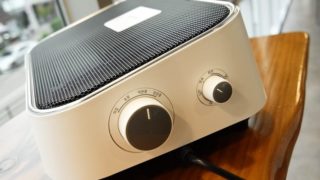
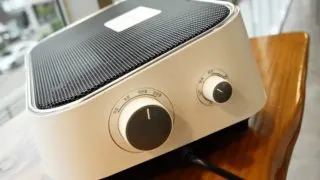
Compare 10 electric heaters for large rooms by heat type, safety, controls, and operating cost. Learn which models suit zone heating—and when a heat pump is the better choice.


A double oven can use less energy for small meals when you use its smaller cavity, but running both usually increases consumption. Compare types, labels, and costs.

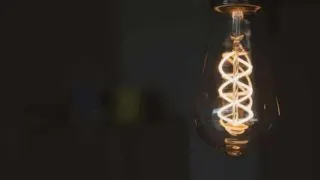
Energy-efficient bulbs emit visible, non-ionizing light. Standard household LEDs produce negligible UV, while CFLs emit small amounts and contain mercury. Here is what the evidence says and how to choose a safer bulb.