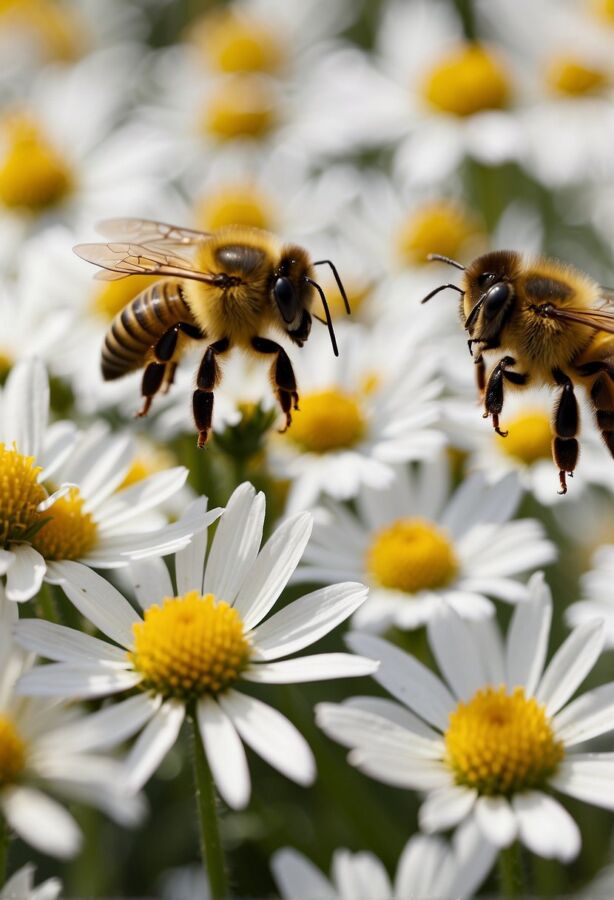
Pollinators are animals that move pollen between flowers, enabling many plants to produce seeds and fruit. Bees are the best-known examples, but flies, moths, butterflies, beetles, wasps, birds, bats, and other animals also perform this work.
The role of pollinators extends far beyond honey or a few familiar crops. Nearly 90% of the world’s wild flowering plant species depend at least partly on animal pollination. More than three-quarters of leading food-crop types benefit from pollinators in their yield or quality, while crops that depend at least partly on animal pollination account for about 35% of global crop-production volume, according to the IPBES global assessment of pollinators and pollination.
That does not mean every meal would disappear without bees. Staple crops such as wheat, rice, maize, and many root crops are primarily wind-pollinated, self-pollinated, or vegetatively reproduced. The greater risk is a decline in the abundance, quality, affordability, and diversity of many fruits, nuts, seeds, vegetables, oils, spices, and plant communities.
Key takeaways
- Pollination is a process, not a synonym for fertilization. Pollen must first reach a compatible stigma before fertilization and seed development can occur.
- Pollinators support wild ecosystems as well as agriculture. Pollinated plants produce seeds, fruit, foliage, and habitat used by other animals.
- The major food statistics describe different things. Crop types, production volume, and the portion directly attributable to pollination should not be treated as interchangeable figures.
- Pollinator declines are real but uneven. Strong regional evidence exists, particularly in parts of Europe and North America, while major data gaps remain for many insects and regions.
- Protecting diverse wild pollinators matters. Managed honey bees can support agriculture, but adding hives does not replace wild habitat or the ecological roles of other species.
- The most useful actions address food, shelter, exposure, and connectivity. Protect existing habitat, provide season-long flowers, reduce pesticide risk, retain nesting material, connect habitat patches, and limit unnecessary nighttime lighting.
What is pollination?
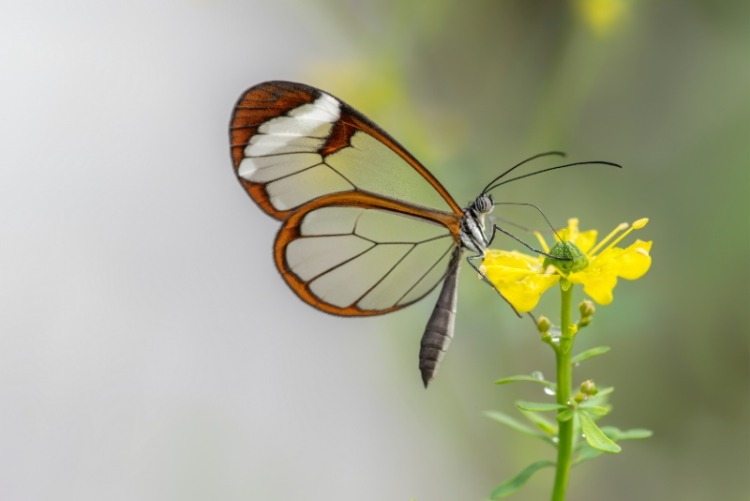
Pollination is the transfer of pollen from a flower’s pollen-producing structures, called anthers, to a receptive stigma. The pollen may move within one flower, between flowers on the same plant, or between separate plants of the same species.
Wind and water can move pollen, but many flowering plants rely on animals. A pollinator usually visits a flower for nectar, pollen, oils, fragrance compounds, shelter, or another resource. Pollen attaches to its body and may reach a compatible flower during a later visit.
Pollination is not the same as fertilization
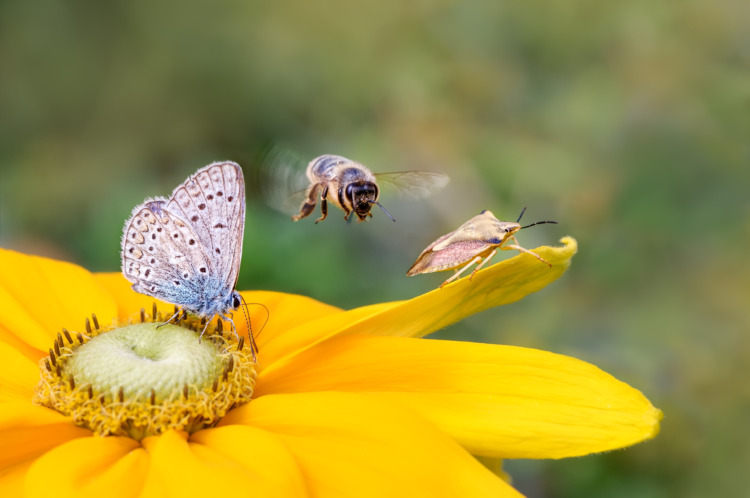
Pollination delivers pollen to the stigma. Fertilization happens later, after a compatible pollen grain germinates and a pollen tube carries reproductive cells toward an ovule. Successful fertilization can then lead to seed development and, in many plants, fruit formation.
This distinction matters because a flower can receive visits without receiving enough suitable pollen. Poor weather, too few compatible plants, ineffective visitors, damaged pollen, or a mismatch between flowering and pollinator activity can all limit reproductive success.
Not every flower visitor is an effective pollinator
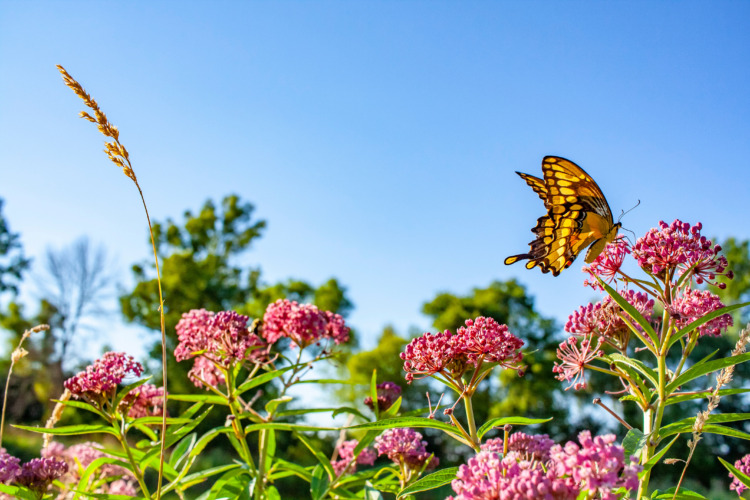
An animal becomes an effective pollinator only when its behavior and body position transfer compatible pollen to the flower’s receptive structures. Some visitors touch the anthers and stigma repeatedly. Others take nectar without contacting either structure, remove pollen without delivering it, or visit at the wrong stage of the flower’s development.
Pollination effectiveness therefore depends on more than visitor numbers. Body size, hairiness, feeding behavior, flower shape, visit frequency, travel between plants, and the amount of compatible pollen deposited can all affect the result.
Why pollinators matter to ecosystems and food production
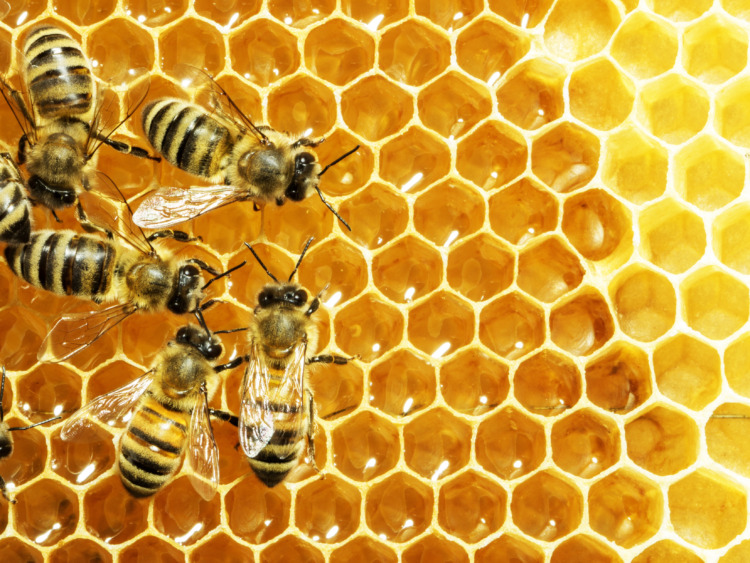
Pollination is a critical regulating ecosystem service. It helps maintain plant reproduction, food webs, genetic exchange among plant populations, agricultural output, and the livelihoods connected to pollinator-dependent crops.
| Evidence | Accurate interpretation | What it does not mean |
|---|---|---|
| About 87.5% of wild flowering plant species depend at least partly on animal pollination. | Animal pollination supports reproduction across most wild flowering-plant diversity. | Every individual plant or every seed depends completely on an animal pollinator. |
| More than three-quarters of leading global food-crop types benefit from animal pollination. | Many different crop categories gain yield, quality, or reproductive benefits. | Pollinators produce three-quarters of all food by weight or calories. |
| About 35% of global crop-production volume comes from crops that depend at least partly on animal pollination. | A substantial share of production comes from crops with some degree of pollinator dependence. | Thirty-five percent of all production would disappear if animal pollination stopped. |
| An estimated 5–8% of current global crop production is directly attributable to animal pollination. | This is the estimated production that would be lost in a complete absence of animal pollination. | Only 5–8% of pollination’s ecological, nutritional, or social value matters. |
| The estimated annual market value directly attributable to pollination was $235–$577 billion. | This is a global crop-market estimate expressed in 2015 U.S. dollars. | It is a current 2026 price estimate or a complete valuation of wild ecosystems. |
Pollinators sustain wild plant communities and food webs

Pollinated plants produce seeds and fruit eaten by insects, birds, mammals, and other animals. They also form vegetation that provides nesting material, shelter, shade, and physical habitat. When plant reproduction falls, the consequences can move through food webs rather than remaining limited to flowers.
Pollinators do not directly clean the air, hold soil in place, or regulate water. Instead, their contribution to plant reproduction helps sustain the plant communities that perform those functions. This indirect relationship is important and more accurate than assigning every ecosystem service directly to a bee or butterfly.
Pollinators support crop yield, quality, and dietary diversity
Animal pollination influences crops to different degrees. In some plants it is needed for commercially useful fruit or seed production. In others it improves the number, size, shape, consistency, or quality of the harvest even when the plant is capable of some self-pollination.
Many pollinator-benefited crops contribute vitamins, minerals, fats, and other nutrients. This makes pollination especially important to dietary diversity, even though the largest sources of human calories—particularly cereal grains—are generally less dependent on animal pollinators.
Pollinator diversity matters, not just total abundance
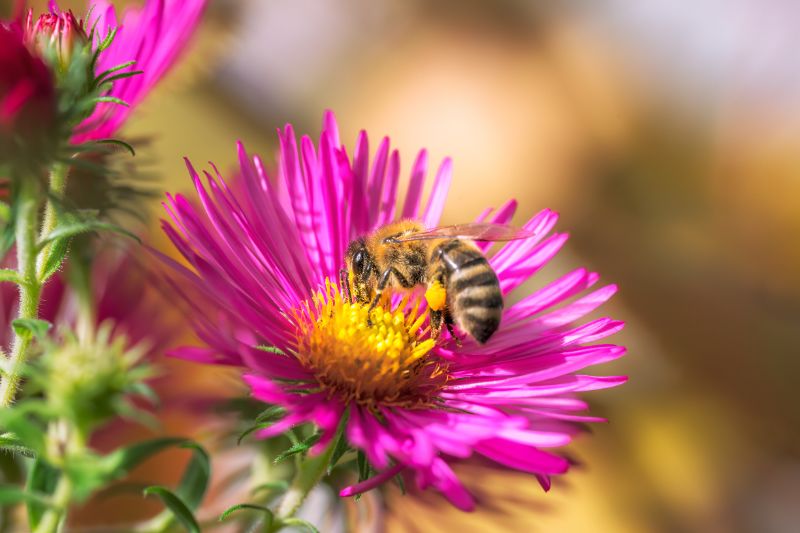
Different pollinators work under different temperatures, weather conditions, times of day, flower shapes, and seasons. A diverse community is more likely to include species that complement one another rather than leaving the entire system dependent on one insect.
A global meta-analysis published in Nature Ecology & Evolution found that reduced pollinator-species diversity consistently lowered measures of plant reproductive success, including seed set, fruit set, and fruit weight. The observed effect was stronger for wild plants than cultivated plants.
Which animals are pollinators?
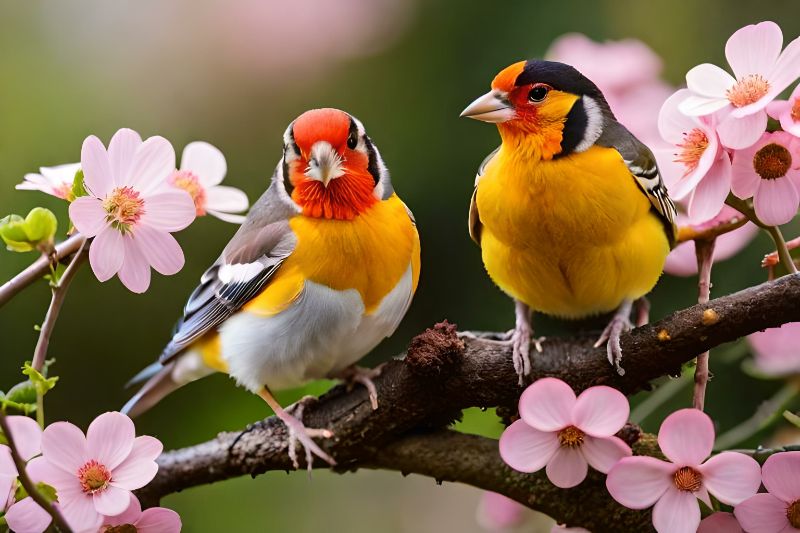
Pollinator is a functional description rather than a single branch of the animal kingdom. Each broad group contains many distinct organisms; readers who want the biological distinction can review how scientists define a species.
| Pollinator group | Examples | How they contribute |
|---|---|---|
| Bees | Solitary bees, bumble bees, stingless bees, and managed honey bees | Many bees deliberately collect pollen and have branched hairs that trap it. Some can perform buzz pollination by vibrating flowers. |
| Flies | Hoverflies, blow flies, bee flies, and small midges | Flies are important in cool, wet, high-elevation, and early-season conditions. Tiny midges pollinate some highly specialized flowers. |
| Butterflies and moths | Day-flying butterflies and both daytime and nocturnal moths | Their long mouthparts reach nectar in deep flowers. Moths are especially important in nighttime pollination networks. |
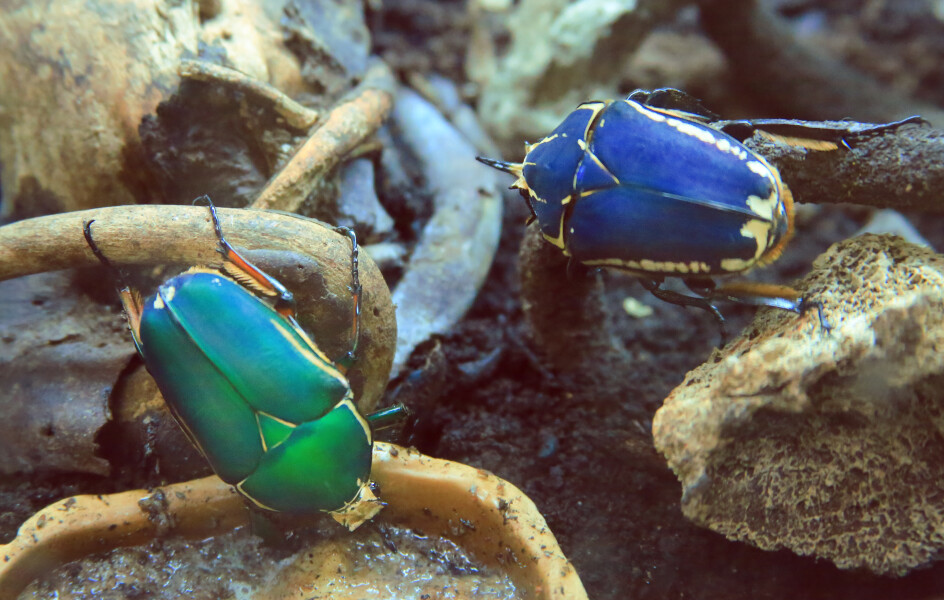
| Beetles and wasps | Flower beetles, pollen wasps, and many generalist wasps | These insects visit a wide range of open or strongly scented flowers and can carry pollen between them. |
| Birds | Hummingbirds, sunbirds, honeyeaters, and several other nectar-feeding birds | Birds often pollinate sturdy, nectar-rich flowers while pollen contacts the head, bill, or feathers. |
| Bats and other mammals | Nectar-feeding bats and a smaller number of non-flying mammals | These animals pollinate some large or night-blooming plants, particularly in tropical, subtropical, and arid ecosystems. |
Wild pollinators and managed honey bees are not interchangeable
Managed western honey bees are valuable agricultural animals and effective pollinators for many crops. However, hive numbers are not a reliable measure of the condition of wild bees, hoverflies, moths, butterflies, birds, bats, or the habitats supporting them.
Managed honey bees also cannot fully replace wild pollinator communities. Some plants are better served by other species, some flowers require behaviors such as buzz pollination, and different pollinators remain active under different environmental conditions. Installing more hives is therefore not a substitute for restoring flowers, nesting sites, host plants, and connected habitat.
Are pollinators really declining?
Many pollinator populations and species have declined, but the evidence should be described at the scale at which it was collected. Long-term records show losses in occurrence, abundance, or diversity among numerous wild bees, butterflies, and other pollinators at local and regional scales, especially in northwestern Europe and North America.
A single worldwide percentage for all insect pollinators would be misleading. Most insect-pollinator groups have not received complete global extinction-risk assessments, and monitoring remains limited across much of Latin America, Africa, Asia, and Oceania. Local declines have been recorded in those regions, but the available data do not support one uniform global trend for every species.
Global assessments are more complete for vertebrate pollinators. IPBES estimated that 16.5% of vertebrate pollinator species were threatened with global extinction, with a higher proportion among island species. Regional assessments have also found substantial risks for some bee and butterfly groups.
The most accurate conclusion is not that every pollinator is disappearing everywhere. It is that documented declines, concentrated risk, and large monitoring gaps justify conservation before additional losses become harder or more expensive to reverse.
What threatens pollinators?

Pollinators are rarely affected by one pressure in isolation. Limited food can make animals less resilient to disease. Pesticide exposure can compound poor nutrition. Climate shifts can become more disruptive when habitat is already fragmented. Effective conservation addresses these interacting pressures rather than searching for one universal cause.
Habitat loss, degradation, and fragmentation
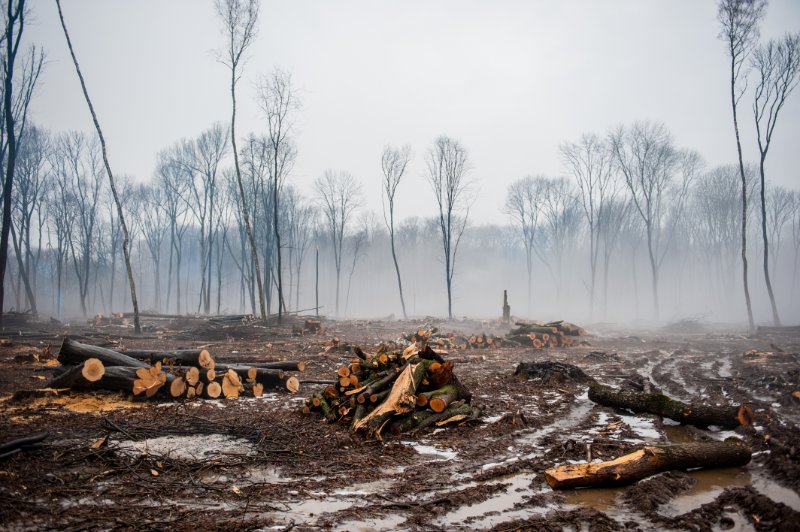
Road construction, intensive agriculture, frequent mowing, urban development, simplified gardens, and removal of hedges or dead vegetation can reduce flowers, larval host plants, nest sites, shelter, and overwintering habitat. A flower bed alone may not compensate if the surrounding landscape provides nowhere to reproduce or survive the winter.
Fragmentation also separates feeding and breeding areas. Small habitat patches remain more useful when animals can move safely among them, which is why wildlife corridors can reconnect fragmented habitats across farms, road verges, parks, riverbanks, and urban neighborhoods.
Pesticides and intensive land management
Pesticide is a broad category that includes insecticides, herbicides, fungicides, and other products. Their risks differ by active ingredient, dose, formulation, persistence, timing, application method, and route of exposure.
Insecticides can directly harm exposed pollinators. Herbicides may remove flowering plants and shelter. Fungicides can also affect some pollinators directly or interact with other stressors. Systemic insecticides may enter plant tissues, while dust and drift can carry residues beyond the intended treatment area.
“Organic” does not automatically mean harmless to pollinators. Applying a product after dusk may reduce direct contact with some daytime visitors, but it does not remove persistent residues, protect nocturnal moths, or prevent exposure to bees resting in vegetation or soil. Product labels, open blooms, drift, and the biology of local species all matter.
Climate change and extreme weather
Changing temperatures and rainfall can alter flowering dates, emergence, migration, geographic ranges, nectar availability, and the frequency of droughts, floods, fires, and heat events. Some plant-pollinator relationships may remain synchronized, while others become mismatched when one partner responds differently from the other.
Species with narrow climatic ranges, specialized host-plant relationships, or limited ability to move may be particularly vulnerable. Connected habitat gives populations more opportunities to shift their ranges as local conditions change.
Disease, parasites, and managed-pollinator movement
Managed and wild pollinators can be affected by viruses, bacteria, fungi, protozoa, mites, and other parasites. The Varroa mite is a major threat to managed western honey-bee colonies, and moving managed pollinators over long distances can create opportunities for pathogens to spread.
Good hive hygiene, responsible commercial movement, disease screening, adequate nutrition, and reduced exposure to other stressors can lower risk. Beekeeping and wild-pollinator conservation should be treated as related but distinct management tasks.
Invasive species and simplified plant communities
An introduced plant is not automatically useless to pollinators; some non-native flowers provide nectar or pollen. The larger problem occurs when an invasive species dominates a habitat, displaces diverse native vegetation, removes specialist host plants, or changes nesting and fire conditions.
Introduced predators, competitors, parasites, and pathogens can also affect native pollinators. Management should be based on regional evidence rather than assuming every non-native garden plant has the same ecological effect.
Artificial light at night

Nighttime lighting can change the behavior, movement, feeding, reproduction, and mortality risk of moths and other nocturnal insects. It can also alter interactions between nocturnal pollinators and the plants they visit.
In one 2017 field experiment in Switzerland, artificially illuminated plant communities received 62% fewer nocturnal flower visits than dark plots, and fruit set fell by 13% in the focal plant. The exact effect will vary among habitats and lighting systems, but the study shows that unnecessary illumination can disrupt an ecological process rather than merely attracting insects.
How to protect pollinators: actions that make a meaningful difference
A productive conservation plan provides four essentials: food, places to reproduce, shelter through the full life cycle, and protection from avoidable hazards. The following priorities apply at different scales, from a balcony to a farm or municipal park.
| Priority action | Why it helps | Common mistake to avoid |
|---|---|---|
| Protect existing habitat | Established soil, stems, trees, hedges, and plant communities may already contain nests and overwintering animals. | Clearing a mature habitat and replacing it with a decorative flower bed. |
| Provide overlapping bloom periods | Different species emerge and forage at different times. | Planting one large flush of summer flowers followed by months without food. |
| Use integrated pest management | Prevention, monitoring, thresholds, and targeted controls reduce unnecessary exposure. | Routine calendar spraying or assuming a natural product is automatically safe. |
| Retain nesting and overwintering material | Many pollinators use bare soil, stems, leaf litter, dead wood, cavities, or sheltered vegetation. | Making the entire property uniformly mulched, mowed, raked, and cleared. |
| Reduce unnecessary nighttime light | Darker habitat protects nocturnal movement, feeding, and pollination. | Leaving bright, unshielded outdoor fixtures on throughout the night. |
| Connect and monitor habitat | Connected patches support movement, while observations reveal which plants and practices are working. | Treating one isolated installation as a complete conservation strategy. |
1. Protect existing habitat before creating new habitat
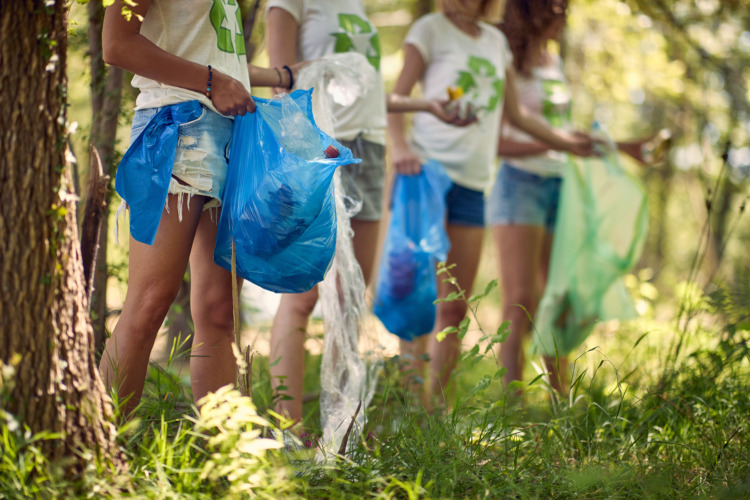
Start by identifying what is already present. A quiet soil bank may contain ground nests. Standing stems may hold developing solitary bees. A hedge may provide flowers, wind protection, nest cavities, and a migration route. Leaf litter may shelter moth pupae, beetles, or bumble-bee queens.
Protecting these features is often faster, less expensive, and less disruptive than removing them and starting over. Where safety allows, retain mature native plants, dead wood, patches of undisturbed soil, sheltered corners, and some fallen leaves.
2. Plant a season-long food supply

Select plants for the actual site: region, soil, moisture, sunlight, elevation, and available space. Locally native plants are a strong foundation because they support ecological relationships developed in that region, including specialist insects whose larvae may feed on only a narrow group of plants.
The U.S. Fish & Wildlife Service recommends providing flowers from early spring through fall. North American readers can use the Pollinator Partnership’s ecoregional planting guides; readers elsewhere should use regional conservation agencies, botanic gardens, universities, or native-plant societies.
A practical planning target is the 3 × 3 × 3 approach: choose at least three locally suitable species flowering in the early season, three in the middle, and three late in the season. This is a design aid rather than a biological minimum. Greater diversity and longer overlap generally support more species.
- Plant repeated groups of the same species so pollinators can find and forage on them efficiently.
- Include flowers with different shapes, heights, colors, and access points.
- Include larval host plants, not only nectar plants for adults.
- Avoid relying entirely on heavily doubled flowers whose reproductive structures are difficult to reach.
- Ask nurseries whether plants or seeds have been treated with systemic insecticides or other persistent pesticides.
- Check regional invasive-species lists before using generic “wildflower” mixes.
3. Use integrated pest management instead of routine spraying
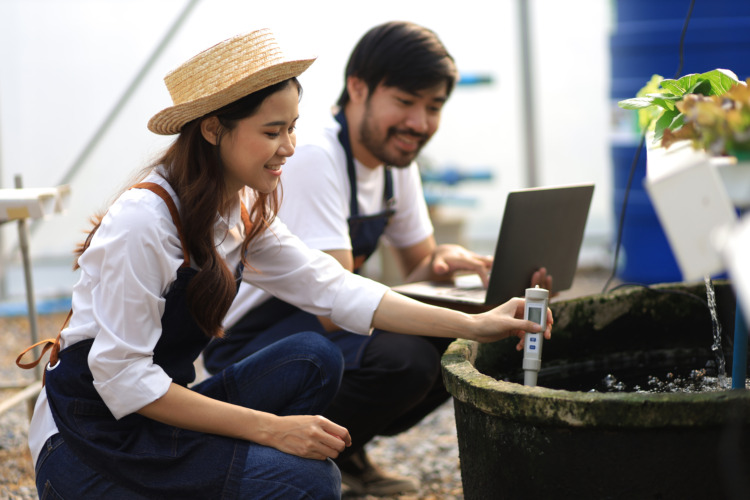
Integrated pest management, or IPM, treats pesticide use as one option within a larger decision process. The goal is not to eliminate every insect. It is to prevent unacceptable damage while reducing risk to people, wildlife, beneficial organisms, and the surrounding environment.
- Identify the organism correctly. A caterpillar, beetle, wasp, or fly may be a pollinator, a pollinator’s immature stage, or a predator of a genuine pest.
- Decide whether intervention is necessary. Cosmetic leaf damage may not justify treatment, especially when larvae provide food for birds or later become pollinators.
- Prevent recurring problems. Improve plant health, choose suitable species, rotate crops, remove infected material when appropriate, and use physical barriers or mechanical controls.
- Use biological and targeted controls first. Encourage natural enemies and treat only the affected area when a response is justified.
- If a pesticide is necessary, follow the label exactly. Use the lowest effective rate, prevent drift and runoff, protect water, and avoid treating open flowers or active forage areas unless the label expressly permits it.
- Consider the full exposure period. Evening application is not a guarantee of safety because nocturnal pollinators may be active, other insects may rest in the crop overnight, and residues may persist into the next day.
The U.S. Environmental Protection Agency’s pollinator-protection guidance explains measures such as bloom restrictions, time-of-day restrictions, buffers, and drift mitigation. The applicable label and local law take precedence over generalized garden advice.
4. Leave nesting and overwintering habitat
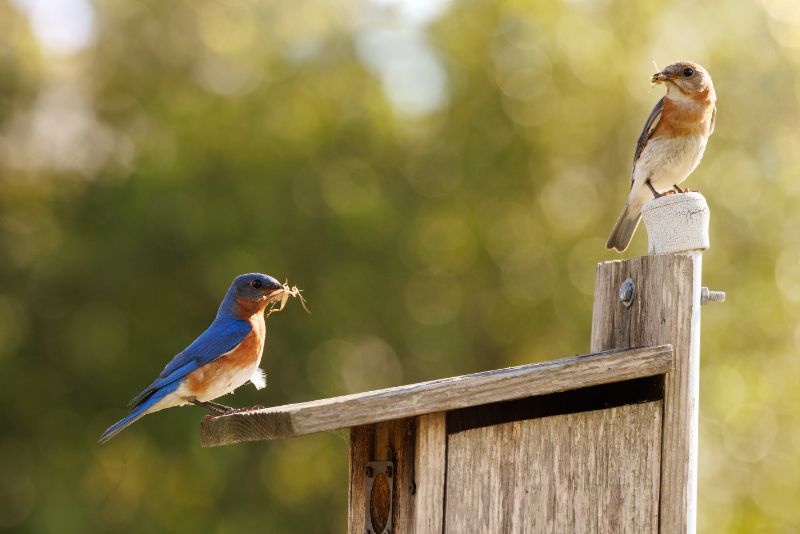
Most wild bee species are solitary rather than hive-forming. In North America, the USDA Forest Service estimates that approximately 70% of wild bees nest in the ground. Others use hollow or pithy stems, beetle holes in wood, rock crevices, abandoned burrows, or natural cavities.
- Leave several sunny, well-drained patches of untilled, pesticide-free soil without plastic landscape fabric.
- Retain hollow and pithy stems through winter and long enough for developing insects to emerge.
- Leave some leaf litter beneath trees, shrubs, and perennial beds.
- Preserve safe dead wood, brush, tussocky grass, and sheltered edges.
- Avoid covering every exposed soil surface with thick mulch or hard landscaping.
Bee hotels can support a limited group of cavity-nesting species, but they are not a universal solution. Large or neglected hotels can concentrate moisture, parasites, pathogens, and predators. The University of Minnesota Extension notes that artificial nests may support more parasites and non-native bees than natural nesting areas.
If you install a bee hotel, use a small, weather-protected design with appropriately deep, replaceable or cleanable tunnels. Inspect and maintain it regularly. A patch of natural stems and undisturbed habitat is often the lower-maintenance option.
5. Reduce lawn intensity and mowing
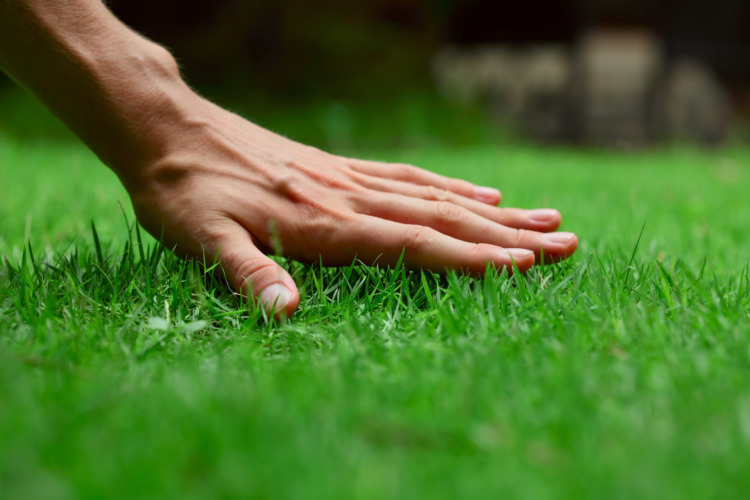
A uniformly short lawn offers limited food and shelter. Convert part of it into native planting, flowering turf, a hedge, or a less frequently mowed strip. Where practical, mow paths and functional areas while leaving other sections taller.
A single no-mow month can allow some flowers to appear, but it does not replace season-long habitat. The stronger strategy is to retain flowering plants, vary mowing dates, remove invasive plants selectively, and avoid cutting every area at the same time.
6. Reduce artificial light at night
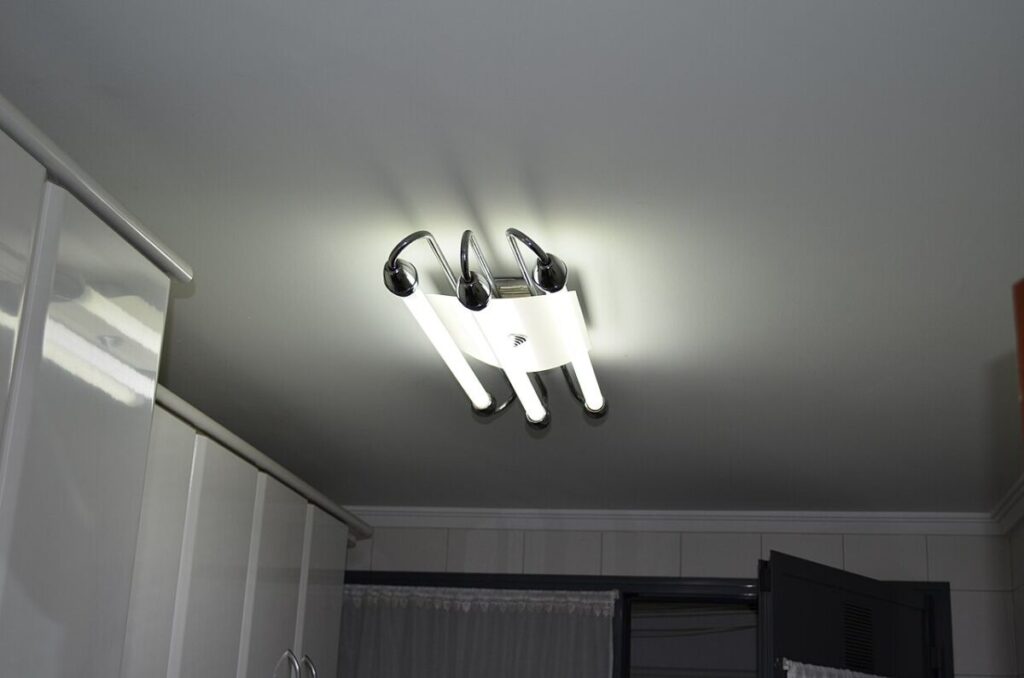
- Switch off decorative and security lights when they are not needed.
- Use timers or motion sensors instead of all-night operation.
- Shield fixtures so light points downward rather than into vegetation or the sky.
- Use the lowest brightness that still meets the legitimate safety need.
- Keep flowering areas, hedges, pond edges, and habitat corridors as dark as practical.
7. Provide water without creating another hazard
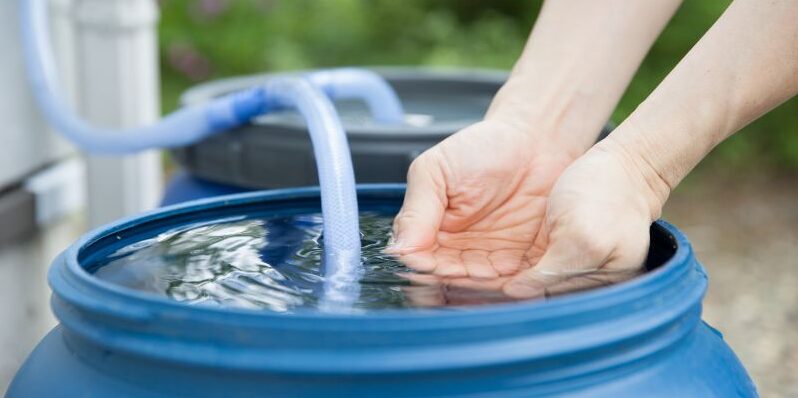
A pond with a shallow edge, damp soil, or a small dish with stones can give insects a safe place to land and drink. Keep artificial containers shallow, clean them regularly, and replace the water frequently so it does not become stagnant or support mosquito development.
Water is supplementary. It should not replace the more important work of protecting flowers, nests, shelter, and pesticide-free habitat.
8. Help pollinators from a balcony, patio, or windowsill
A large yard is not required. Several containers can provide useful forage if they contain untreated plants with overlapping bloom periods. Choose locally suitable flowers and allow culinary herbs such as chives, thyme, oregano, or sage to flower where those plants are appropriate and non-invasive.
- Use the largest containers the space can safely support so plants dry out less quickly.
- Group flowering pots where insects can find them easily.
- Include early-, middle-, and late-season bloom where the growing season permits.
- Avoid pesticide granules, treated ornamental plants, and sticky traps placed near flowers.
- Turn off balcony lighting when it is not needed.
- Join a community garden or support habitat on nearby shared property if private space is limited.
Common pollinator-friendly gardening mistakes
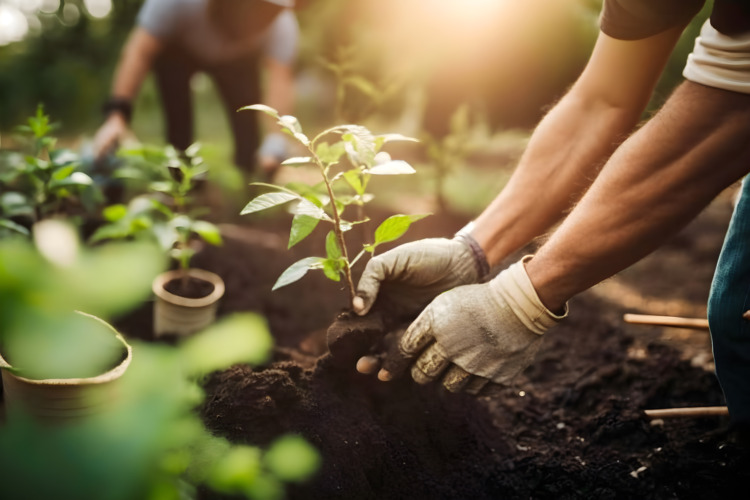
| Mistake | Why it falls short | Better approach |
|---|---|---|
| Planting only summer flowers | Early-emerging and late-season pollinators encounter food gaps. | Plan overlapping bloom from the beginning to the end of the local growing season. |
| Buying an unspecified “wildflower” mix | The mix may contain plants unsuitable for the climate or invasive in the region. | Use a traceable regional seed mix or select species individually. |
| Choosing flowers only by color | Some highly modified flowers provide little accessible pollen or nectar. | Include simple, open flowers and observe which plants local insects actually use. |
| Assuming an organic pesticide is pollinator-safe | Natural origin does not determine toxicity, persistence, or exposure. | Assess the active ingredient and label, then use IPM and avoid open blooms. |
| Installing a large bee hotel and leaving it untouched | Dense, unmaintained nests can accumulate moisture, parasites, and disease. | Prioritize natural habitat or maintain a small, cleanable structure. |
| Making the garden completely tidy | Removing leaves, stems, wood, and bare soil removes life-cycle habitat. | Keep selected areas intentionally undisturbed while maintaining safe paths and boundaries. |
| Adding honey-bee hives as the only conservation action | Hives do not restore habitat or protect specialist wild pollinators. | Support diverse plants, nests, host species, and connected habitat first. |
| Relying on one no-mow month | A short pause may not provide continuous flowers or safe overwintering habitat. | Adopt a year-round mowing and habitat-management plan. |
What farms, businesses, schools, and cities can do
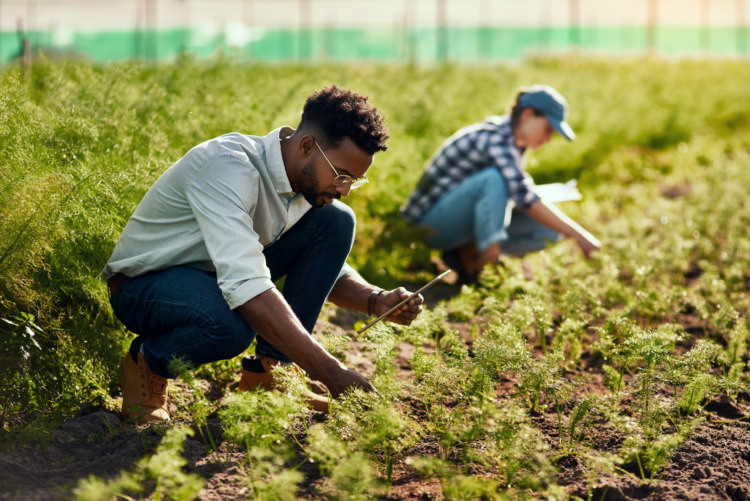
Individual gardens help, but many pollinators move across property boundaries. Land managers and institutions can protect larger habitat areas, reduce synchronized disturbance, and connect isolated patches.
- Map existing habitat before construction or landscaping. Identify flowering areas, nest sites, hedges, wet areas, dead wood, and dark corridors before changing the site.
- Protect and connect habitat. Use native hedgerows, field margins, flowering strips, roadside vegetation, green roofs, and linked park plantings where appropriate.
- Stagger mowing and vegetation removal. Avoid clearing every verge, meadow, or field edge at once.
- Adopt a written IPM policy. Require monitoring, action thresholds, recordkeeping, label compliance, drift protection, and justification for treatments.
- Improve plant procurement. Ask suppliers about pesticide treatments, regional origin, invasiveness, and the full-season bloom schedule.
- Manage nighttime lighting. Audit fixtures near trees, gardens, water, hedges, and migration routes; then remove, shield, dim, or schedule unnecessary lights.
- Measure outcomes. Record bloom coverage, pesticide use, nesting features, and pollinator observations rather than counting only how many plants were installed.
- Coordinate with neighboring landowners. A series of modest connected sites can be more useful than one isolated patch surrounded by hostile conditions.
Farm-scale interventions require crop-specific and region-specific planning. Flower strips, managed field margins, reduced drift, nesting areas, and alternative pest controls should be designed with agronomists, extension specialists, conservation agencies, and neighboring beekeepers or land managers.
Join a pollinator community-science project
Consistent observations help researchers detect seasonal changes, distribution shifts, and areas where monitoring is sparse. Useful records include the date, location, plant, number or type of visitor, photographs, weather, and observation duration.
- The Great Sunflower Project accepts repeated pollinator counts from gardens, parks, schools, and other sites in North America.
- Bumble Bee Watch allows participants in the United States and Canada to upload photographs, propose an identification, and receive expert verification.
- Readers elsewhere can look for a national pollinator-monitoring scheme, museum recording network, university project, or established biodiversity platform operating in their region.
Repeated observations from one site are often more useful than a single record because they show how the community changes through the season and over multiple years.
Frequently asked questions about pollinators

What is a pollinator?
A pollinator is an animal that transfers pollen within a flower or between flowers, helping a compatible plant complete fertilization and produce seeds or fruit. Bees are the best-known pollinators, but flies, moths, butterflies, beetles, wasps, birds, bats, and other animals also pollinate plants.
Why are pollinators important?
Pollinators support the reproduction of nearly 90% of wild flowering plant species and benefit more than three-quarters of leading food-crop types. Their work sustains plant communities, food webs, crop yield and quality, dietary diversity, and many agricultural livelihoods.
What would happen if pollinators disappeared?
Wheat, rice, maize, and many other staples would not immediately disappear because they rely mainly on wind, self-pollination, or vegetative reproduction. However, many wild plants and pollinator-benefited crops would produce fewer or lower-quality seeds and fruit, reducing biodiversity, dietary variety, and ecosystem resilience.
Are honey bees the only important pollinators?
No. Wild bees, hoverflies, moths, butterflies, beetles, wasps, birds, bats, and other animals perform pollination. Managed honey bees are valuable for many crops, but they cannot replace the ecological roles, behaviors, and seasonal coverage provided by diverse wild pollinators.
What are the biggest threats to pollinators?
The main pressures include habitat loss and fragmentation, pesticide exposure, intensive land management, climate change, extreme weather, pathogens and parasites, invasive species, simplified plant communities, and artificial light at night. These pressures often interact rather than acting alone.
What plants are best for pollinators?
The best choices are locally suitable, non-invasive plants that provide accessible pollen or nectar and overlap in bloom from early to late in the local growing season. Locally native species are a strong foundation, especially when they also serve as larval host plants.
Are organic pesticides safe for pollinators?
Not automatically. A product’s origin does not determine its toxicity, persistence, or exposure risk. Use integrated pest management, check the active ingredient and label, avoid open blooms, prevent drift, and apply a pesticide only when a justified problem cannot be managed with a lower-risk method.
Are bee hotels good or bad for pollinators?
A small, well-designed, regularly maintained bee hotel can support some cavity-nesting bees. Large or neglected structures can accumulate moisture, parasites, pathogens, and predators. Natural nesting habitat such as hollow stems, dead wood, leaf litter, and bare soil is often more useful and requires less intervention.
How can I help pollinators without a yard?
Grow untreated flowers in containers, allow suitable herbs to bloom, turn off unnecessary balcony lighting, avoid pesticide use, join a community garden, participate in pollinator monitoring, and support habitat policies or projects in shared public spaces.
Protecting pollinators protects ecological relationships
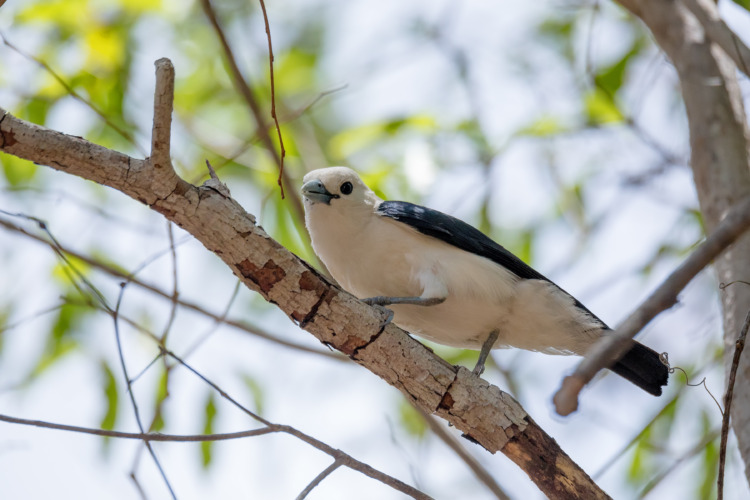
Pollinator conservation is not about saving one familiar insect or installing a hive and declaring the work complete. It means protecting diverse animals, the plants they depend on throughout their life cycles, and the connected habitats that allow both to persist.
Start with the action you control: preserve an existing habitat feature, add flowers for a missing season, stop an unnecessary pesticide treatment, leave nesting material, reduce nighttime lighting, or document what visits a local plant. Small sites become far more useful when many households, farms, schools, businesses, and public agencies make compatible choices.
The wider lesson applies across ecosystems: animals influence ecological stability through networks of feeding, movement, reproduction, and habitat use. The same principle helps explain how sharks help ecosystems in marine environments.