
The International Crane Foundation (ICF) is a leading global conservation organization based in Baraboo, Wisconsin, dedicated to protecting the world’s 15 species of cranes and their natural wetland and grassland habitats. Since its founding in 1973, the ICF has collaborated with governments and NGOs worldwide on regional landscape conservation, captive breeding, and ecological restoration.
- Location: Baraboo, Wisconsin, United States.
- Founded: 1973 in Baraboo, Wisconsin, by George Archibald and Ron Sauey (the two ornithology students first envisioned it in 1971 at Cornell University).
- Species: Black Crowned Crane, Black-necked Crane, Blue Crane, Brolga, Demoiselle Crane, Eurasian Crane, Grey Crowned Crane, Hooded Crane, Red-crowned Crane, Sandhill Crane, Sarus Crane, Siberian Crane, Wattled Crane, White-naped Crane, and Whooping Crane.
What is the International Crane Foundation?
International Crane Foundation is a leading conservation organization dedicated to protecting the world’s 15 species of cranes and their habitats. International Crane Foundation (ICF) has been active in crane conservation since 1973.
The Foundation works with many governments, other non-governmental organizations, and private partners around the world.
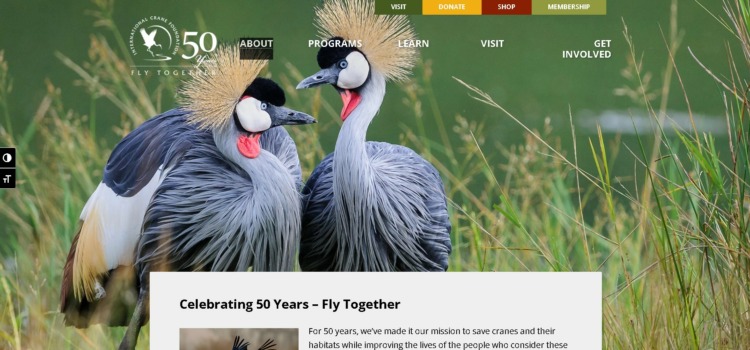
International Crane Foundation collaborates on regional and landscape-scale conservation initiatives—to protect old-growth forests, nature trails, freshwater streams, grassland conservation efforts, and wetlands habitat for cranes while restoring degraded landscapes where possible.
International Crane Foundation’s Mission

The foundation’s mission is to protect the world’s 15 species of cranes and their habitats. International Crane Foundation collaborates on regional and landscape-scale conservation initiatives.
The organization works to protect all 15 crane species and their wetland and grassland habitats — from its 250-acre global headquarters in Baraboo, Wisconsin, to field programs across Africa, Asia, and North America.
Its Baraboo campus is the only place on Earth where all 15 crane species can be seen together, including Sandhill, Whooping, Wattled, Grey Crowned, White-naped, and Red-crowned Cranes.
It is to protect old-growth forests, freshwater streams, and wetlands habitat for cranes while restoring degraded landscapes where possible. As well as restored tall grass prairie.
The foundation works with many governments, other non-governmental organizations, and private partners around the world to protect and conserve cranes as well as their habitats.
See Related: Best Wildlife Conservation Jobs
Projects
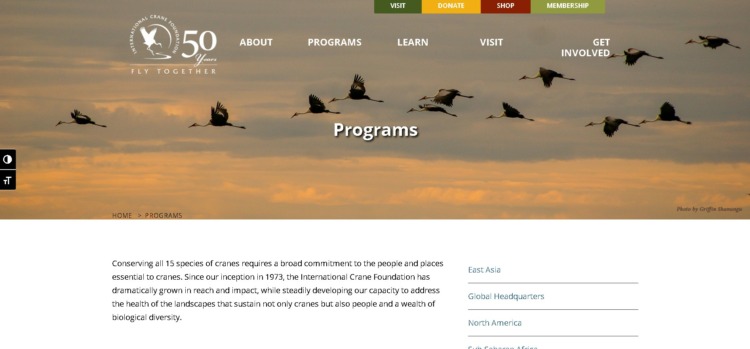
The International Crane Foundation works worldwide to conserve cranes and the ecosystems, watersheds, and flyways on which they depend.
ICF provides knowledge, leadership, and inspiration to engage people in resolving threats to cranes and their diverse landscapes.
International Crane Foundation activities and projects include:
- Regional conservation programs across Africa, East Asia, South and Southeast Asia, and North America
- Crane captive breeding and reintroduction, including the eastern North America Whooping Crane recovery
- Wetland and grassland habitat restoration and management
- Scientific research, veterinary medicine, and crane health
- Education, outreach, and community engagement
Conserve Cranes
Various crane conservation groups work hard to conserve various cranes species need your help! International conservation group scientists’ work depends upon stable populations of cranes to study, conserve and protect.
It is not a typical research organization. It concentrates its efforts on the crane’s threatened environment and for this endeavor, counts on volunteers across the globe to partner with them in their mission.
International Cranes should have a place at our table as we set out to create a sustainable world culture reliant only on renewable energy sources for its use, instead of non-renewables controlled by unstable regions of the world.
Besides being an important ecological indicator species, these tall long-necked birds are singing symbols that carry deep meaning from cultures around the world signifying the circle of life that continues despite our modern actions.
Collaborations with Other Crane Conservation Organizations
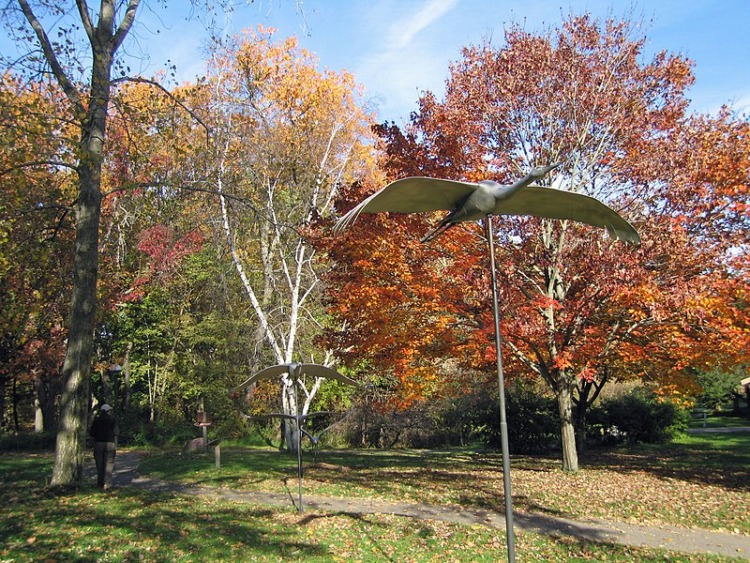
The foundation has collaborated with many organizations such as International Center for Cranes and International Migratory Bird Day. They have also partnered with the Crane Specialist Group to provide resources for research into whooping cranes and other species of cranes.
The Foundation works in more than 50 countries, coordinating the IUCN Species Survival Commission’s Crane Specialist Group and partnering with governments, universities, and local communities to protect cranes and their wetland and grassland habitats.
Its scientists share expertise in captive breeding, veterinary medicine, wetland restoration, and geographic information systems (GIS) with partners around the world, and support community-based projects that give people a stake in keeping cranes and their habitats healthy.
The Foundation also raises public awareness of cranes and migratory birds through exhibits, education programs, and observances such as World Migratory Bird Day.
Their scientific research team also works with other organizations to further scientific research on cranes and their relatives.
Its research team collaborates with universities and other conservation organizations to advance the science of crane biology, health, and habitat management.
Conserving Crane Habitat
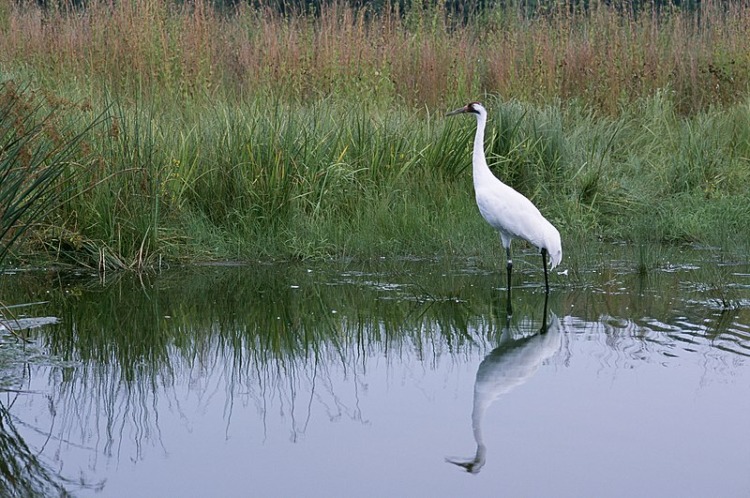
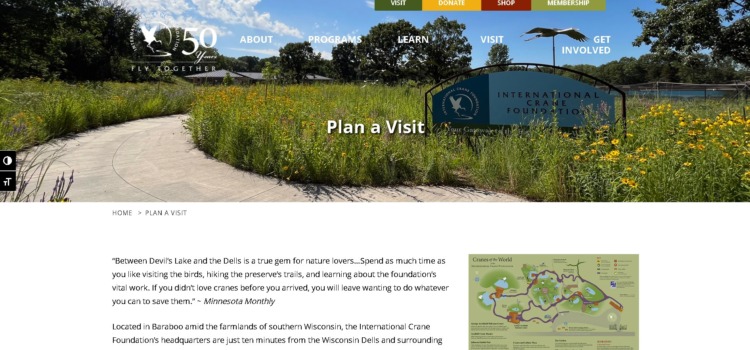
The Foundation’s global headquarters sits amid the Baraboo Hills near the Wisconsin Dells, on a 250-acre campus of restored prairie, oak savanna, and wetlands.
The campus features live exhibits of all 15 crane species, breeding facilities, a research library, a visitor center, and interpreted nature trails, and it provides crane-conservation education to the public while advancing global efforts to protect cranes and their habitats.
The visitor center includes galleries of crane exhibits and other conservation displays, along with a gift shop.
For any nature enthusiast, seeing these tall, long-necked birds up close is a highlight of a visit to the Foundation.
Organizations help conserve cranes by helping to preserve natural habitats and will protect these habitats, especially in Wisconsin dells for future generations. Wisconsin walking trails, surrounding Baraboo Hills, tranquil wetlands, or taking interpreted walking trails are among the best things do to as well as sightseeing these inspiring birds.
You can support the work of the International Crane Foundation to protect cranes worldwide by donations, memberships, or volunteering. Click on support and go to their website.
FAQs
Where is the International Crane Foundation located?
The International Crane Foundation’s headquarters and primary visitor center are located in Baraboo, Wisconsin, amid the Baraboo Hills and farmland near the Wisconsin Dells.
What does the International Crane Foundation do?
The International Crane Foundation works to protect crane populations by breeding endangered species like the Whooping Crane, restoring degraded wetland habitats, advancing scientific research, and hosting educational programs at their global headquarters.
How many species of cranes are there?
There are 15 species of cranes in the world, and the International Crane Foundation is the only place on Earth where you can see all 15 species living in one location.
Related Resources
- Famous Environmental Leaders
- Environmental Organizations in India
- Environmental Organizations in Africa
See Related: David Shepherd Wildlife Foundation
See Related: Bear Trust International: Mission, Programs, and How to Help