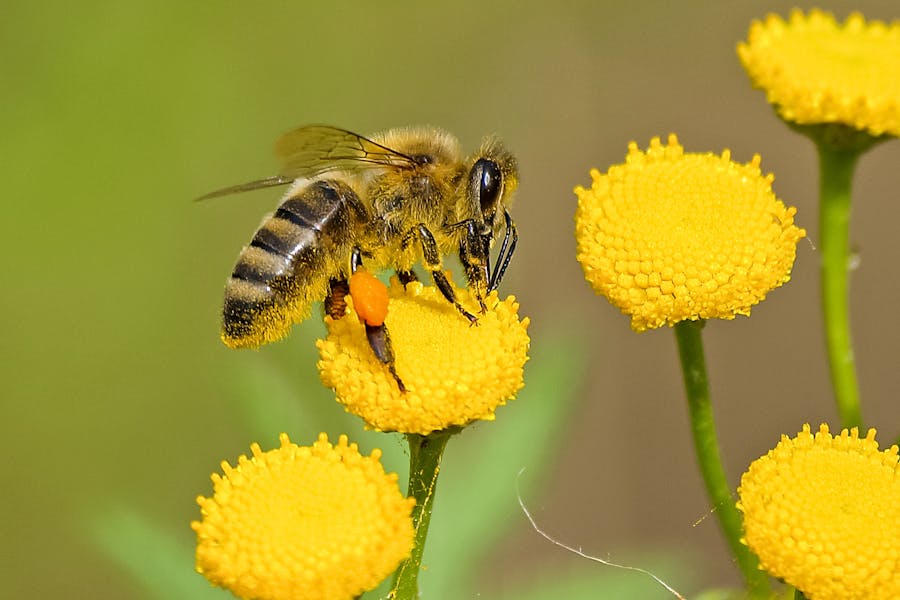
No nonhuman animal has been shown to be smarter than humans at everything. But many species outperform us at particular tasks: chimpanzees can excel at rapid visual-memory tests, corvids build and save tools, dolphins use learned identity whistles, and bees can apply numerical rules after training.
That is the scientifically useful way to understand animal genius. Intelligence is not a single ladder with humans permanently at the top. It is a set of abilities shaped by each species’ body, senses, social life, and ecological problems.
Research review: August 2026. Comparisons below describe performance in specific experiments or natural behaviors, not a universal cross-species IQ ranking.
Are Any Animals Smarter Than Humans?
Not in every domain. Humans combine open-ended language, abstract reasoning, long-term teaching, and cumulative technology more broadly than any other known species. However, comparisons change when the question becomes narrower: Which animal remembers brief visual patterns fastest? Which can navigate by polarized light, recognize individual calls, locate thousands of food caches, or coordinate a colony without a central leader?
On those species-specific problems, humans are often the wrong benchmark. A dolphin’s echolocation, an elephant’s long-distance social knowledge, or a bee’s sun-compass navigation cannot be reduced to a human-style IQ score. The same caution applies to the senses themselves — compare the measured hearing ranges of 13 animals and it becomes clear that no species is simply “better” at hearing; each is tuned to a different problem.
Key Takeaways
- No accepted scientific test ranks every species on one intelligence scale.
- Animals can outperform humans at narrow tasks without being more intelligent overall.
- The strongest evidence comes from replicated, species-appropriate experiments and converging field observations.
- Tool use is important, but memory, communication, social learning, self-control, and behavioral flexibility also matter.
- Claims about language, empathy, self-awareness, and culture require careful definitions and should not be treated as settled when researchers disagree.
12 Animals That Outsmart Humans at Specific Tasks
| Animal | Task or ability | What the evidence shows | Important caveat |
|---|---|---|---|
| Chimpanzee | Rapid visual working memory | Highly trained young chimpanzees have outperformed human adults in a masked-numeral recall task. | This is a specialized laboratory task, not proof of greater general intelligence. |
| Bonobo | Symbol use and pretend representation | Language-trained bonobos can use lexigrams; a 2026 study found that Kanzi identified pretend objects across controlled tests. | Kanzi is an unusually enculturated individual, so the result should not be generalized to all bonobos. |
| New Caledonian crow and raven | Tool construction and future planning | Crows have assembled compound tools; ravens have selected tools for a later opportunity. | Performance varies by species, individual, motivation, and experimental design. |
| Western scrub-jay | Cache memory | Jays can remember what they stored, where they stored it, and when, then adjust retrieval to food perishability. | Researchers call this episodic-like memory because subjective recollection cannot be directly tested. |
| Bottlenose dolphin | Individual vocal labels | Signature whistles function as learned identity signals, and dolphins respond to copied whistles of familiar individuals. | A label-like call is not the same as human grammar or full language. |
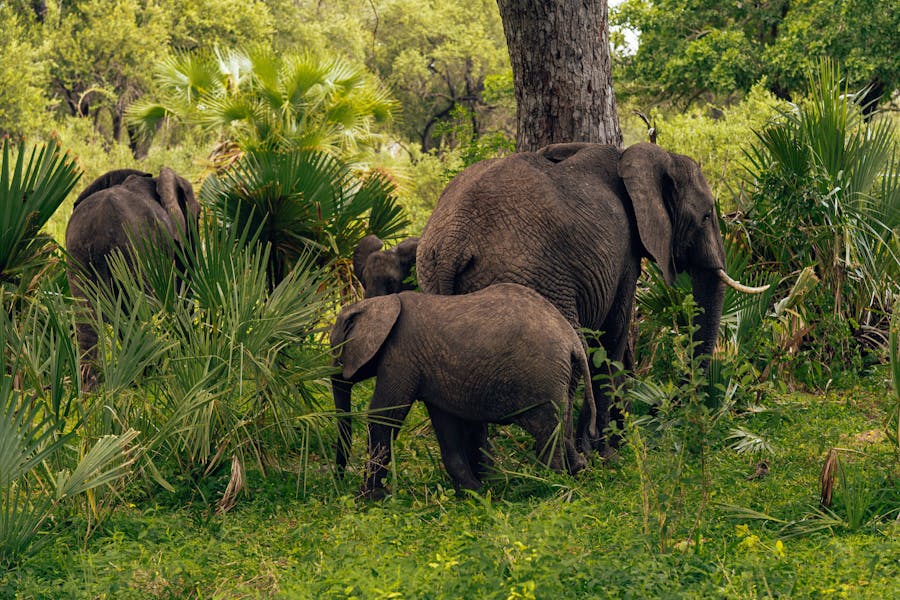
| Elephant | Cooperation and social-ecological knowledge | Elephants coordinate in cooperative tasks and use long-term knowledge about companions, threats, routes, and resources. | Popular claims about perfect memory or funerals are stronger than the evidence supports. |
| Humpback and sperm whales | Culturally transmitted vocal systems | Humpback songs change and spread socially; sperm whale clans use distinctive coda patterns. | Complex statistical structure does not by itself establish semantic language. |
| Octopus | Object manipulation and portable shelter | Veined octopuses collect and carry coconut-shell halves, then assemble them as defensive shelters. | Tool-use evidence is compelling, but many broader cognition claims rely on small captive samples or anecdotes. |
| Cuttlefish | Delay of gratification | Common cuttlefish have waited for a preferred prey item instead of taking an immediate, less-preferred option. | The task is analogous to self-control tests; it does not mean cuttlefish reason exactly like humans. |
| Rat | Uncertainty monitoring and helping behavior | Rats can decline difficult memory tests and have freed trapped companions in specific experimental settings. | Researchers debate how much these behaviors reflect metacognition, empathy, stress reduction, or learned reward. |
| Honeybee and bumblebee | Numerical rules and social learning | Bees can learn concepts such as zero, apply trained addition or subtraction rules, and acquire multi-step solutions socially. | These are learned task rules, not evidence of human-like arithmetic understanding. |
| Ant colony | Distributed problem-solving | Colonies use local interactions to choose routes, allocate labor, and solve transport problems without a central controller. | The intelligence is primarily collective; it should not be attributed to each ant individually. |
What Counts as Animal Intelligence?
Animal intelligence is the capacity to acquire, retain, and use information in ways that change behavior. Researchers study it through animal behavior science, comparative psychology, neuroscience, ecology, and evolutionary biology.
Useful measures include:
- Learning: changing behavior after experience.
- Memory: retaining information about places, events, individuals, or rules.
- Behavioral flexibility: switching strategies when circumstances change.
- Problem-solving: reaching a goal through a new sequence of actions.
- Social cognition: tracking relationships, attention, knowledge, or intentions.
- Communication: producing and interpreting signals in context.
- Tool use: using an external object to alter another object, surface, or organism.
- Self-control: inhibiting an immediate response to obtain a later benefit.
- Social learning and culture: acquiring behavior from others and maintaining group traditions.
A fair test must also fit the animal. Primates often use their hands, elephants rely heavily on smell and touch, dolphins perceive through sound, and bees see ultraviolet patterns humans cannot. An animal may fail because it cannot comfortably manipulate the apparatus, does not value the reward, or cannot perceive the cue—not because it lacks the cognitive ability under study.
What Changed in Animal Cognition Research in 2025–2026?
Recent work has strengthened some claims while making the field’s limits more visible:
- Chimpanzees revised beliefs after stronger conflicting evidence. A 2025 Science study reported that chimpanzees reconsidered earlier choices when given better evidence, supporting a narrow form of reflective belief revision.
- A bonobo represented pretend objects. In 2026, controlled experiments with Kanzi found that he could identify pretend liquids and objects. The result is notable but comes from one highly language-trained bonobo.
- Great-ape data became easier to compare. The 2026 EVApeCognition dataset assembled 262 experimental datasets from 150 papers involving 81 apes. It also illustrates a persistent limitation: many ape studies involve small numbers of individuals.
- Animal culture received a cross-species database. The 2025 Animal Culture Database initially cataloged 128 socially transmitted behaviors across 61 species, including vocal traditions, foraging, migration, and predator defense.
- Humpback song showed language-like statistical structure. A 2025 Science analysis found that song units follow distributional patterns resembling a property of human language. That does not show that whales use words with human-like meanings.
Primate Intelligence: Memory, Reasoning, and Culture
Chimpanzees
Chimpanzees provide some of the clearest evidence that human-like cognitive components can appear without the full human package. Wild communities use different tool traditions, including termite-fishing probes, nut-cracking stones, leaf sponges, and tool sets used in sequence. These differences can persist through social learning.
In a well-known masked-numeral memory experiment, trained young chimpanzees briefly viewed numbers before the screen concealed them. Some recalled the sequence more accurately than human adults under the same timing. The finding is best described as an advantage in rapid visuospatial working memory under a practiced task, not a general victory over human cognition.
The 2025 belief-revision experiments add a different capability: chimpanzees sometimes changed their choices when stronger evidence contradicted what they had previously inferred. Replication across populations and methods will determine how broadly that capacity applies.
Bonobos
Bonobos are especially informative for social cognition, cooperation, and communication. Some captive, human-reared individuals have learned lexigram systems and can respond to spoken requests. Those achievements show what bonobo cognition can support under intensive enculturation, but they do not establish that wild bonobos naturally use a human-like symbolic language.
The 2026 pretend-object study with Kanzi is similarly precise: one experienced individual tracked a pretend referent even when no real object was present. It is strong evidence about Kanzi’s representation in that task and a reason to test other bonobos, not a species-wide conclusion.
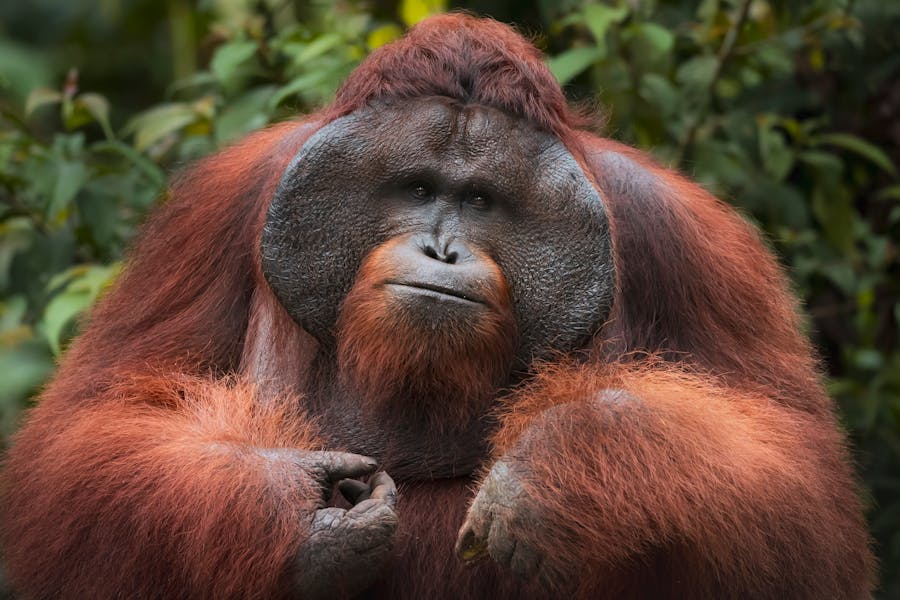
Orangutans and Gorillas
Orangutans use sticks, leaves, and other materials in population-specific ways, and their largely arboreal lives demand detailed spatial knowledge of changing food sources. Gorillas show observational learning, social knowledge, and flexible object manipulation. Claims that famous captive gorillas mastered human language remain controversial, so evidence from controlled cognition studies and natural behavior is a firmer basis for comparison.
Macaques and Baboons
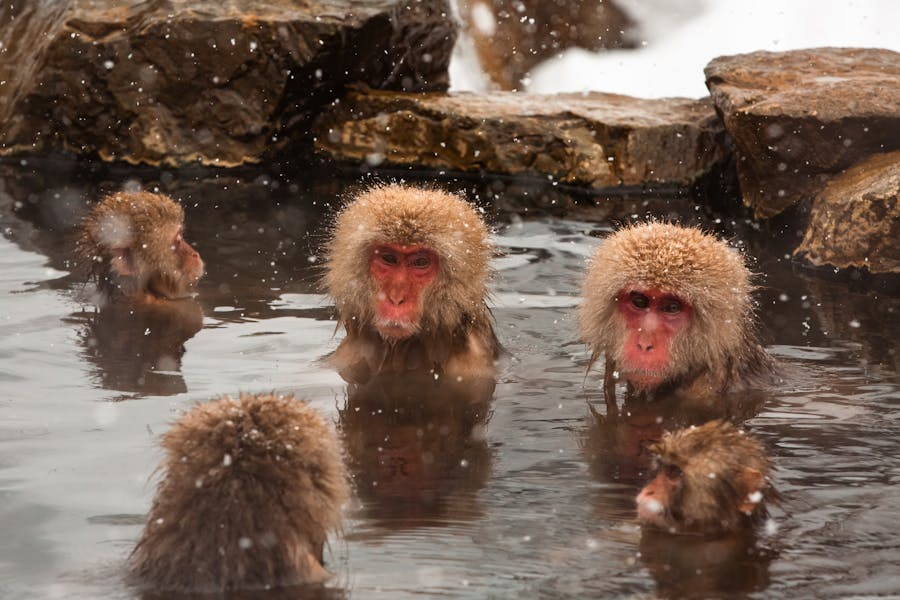
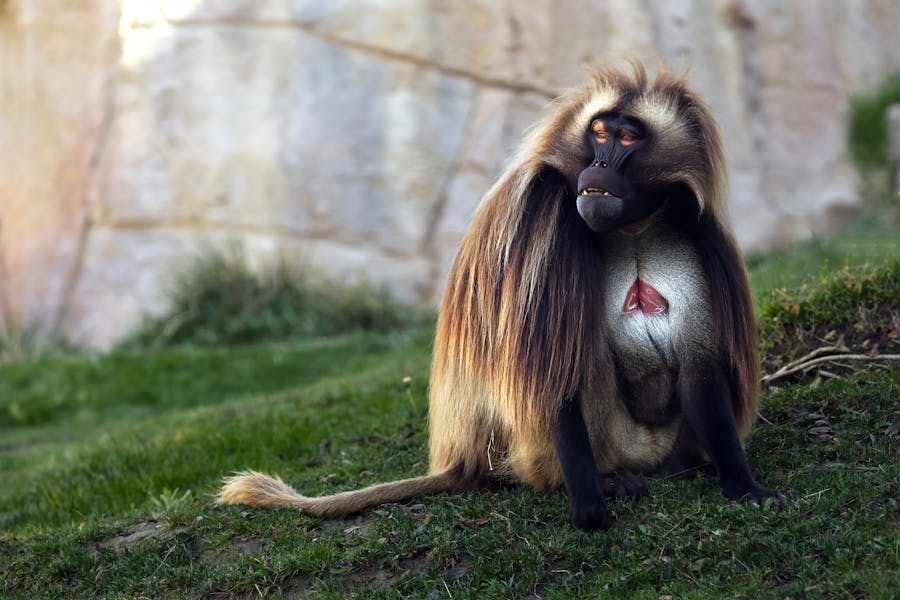
Japanese macaques helped establish the study of animal traditions when food-washing behaviors spread through the Koshima population. Baboons recognize individuals, ranks, kin relationships, and alliances within large troops. These species show why social intelligence should be assessed through real relationships rather than only through tabletop puzzles.
Capuchin Monkeys
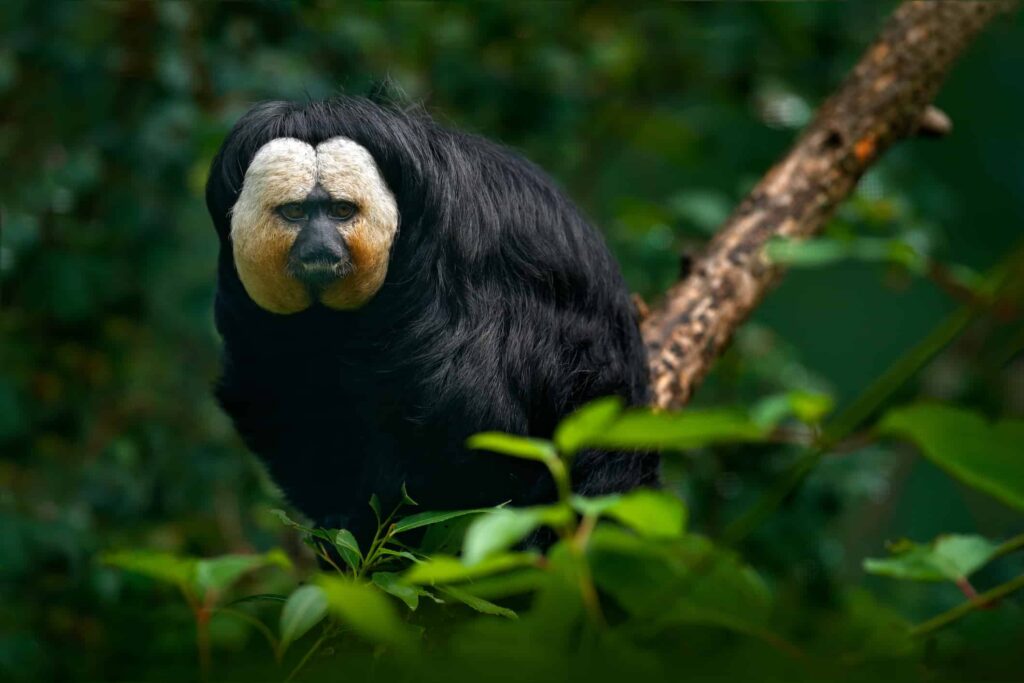
Wild capuchins use stone hammers and anvils to crack nuts and other encased foods. They select tools by properties such as weight and transport them to suitable work sites. Laboratory studies also report sensitivity to unequal rewards, although that behavior should not be equated too quickly with a human concept of fairness.
Corvid Intelligence: Tools, Planning, and Memory
Crows and Ravens
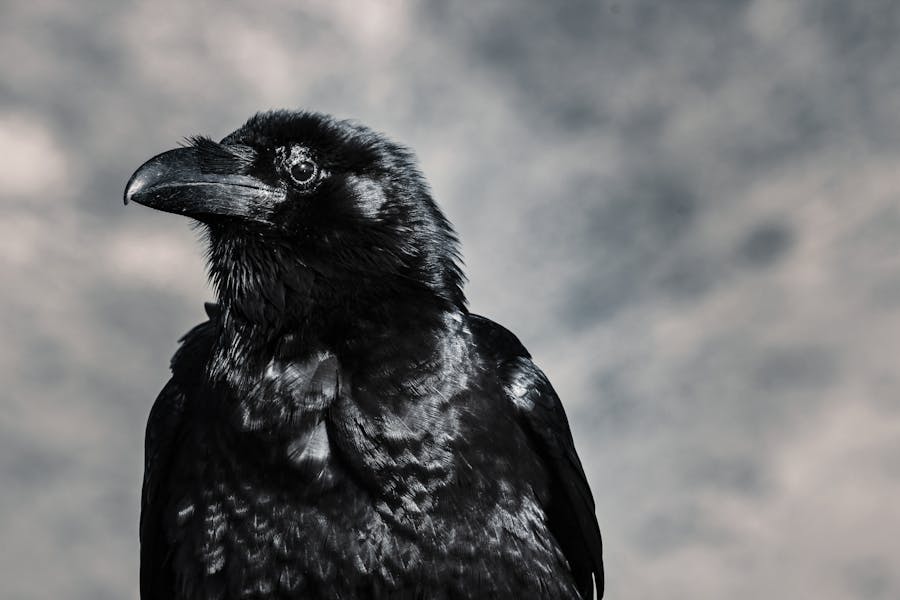
Among the many different types of birds, corvids repeatedly stand out for flexible cognition. New Caledonian crows shape hooked tools in the wild and, in a 2018 experiment, assembled separate pieces into a functional compound tool. Ravens have selected a tool for a future opportunity and resisted immediate rewards in experiments designed to separate planning from simple repetition.
Corvids also adjust food-caching behavior when potential thieves are watching. The most careful interpretation is that they use experience, attention cues, and social context to protect caches. Whether every result requires a human-like theory of mind remains debated.
Jays
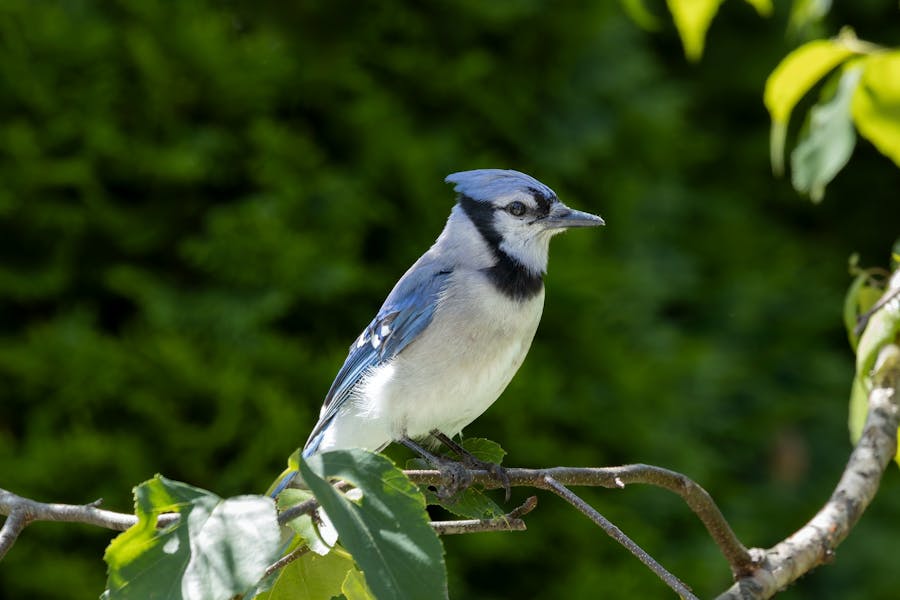
Western scrub-jays have remembered what food they cached, where they placed it, and how long ago they stored it. They retrieved perishable food sooner and durable food later. Other experiments found that jays cached food in anticipation of a future need. Researchers use the term episodic-like memory because the behavioral criteria resemble parts of human episodic memory, while the bird’s subjective experience cannot be measured directly.
Magpies and the Mirror-Test Debate
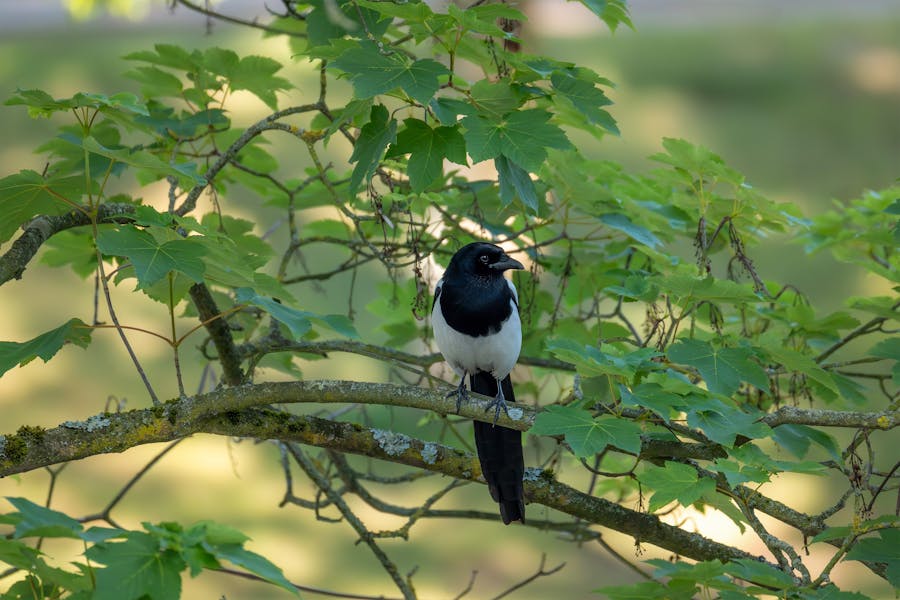
A 2008 study reported mark-directed behavior in Eurasian magpies and was widely described as the first mirror self-recognition result in a bird. A 2020 replication did not reproduce that finding. Magpies remain cognitively and socially sophisticated, but “magpies pass the mirror test” should not be stated as an uncontested fact.
Marine Minds: Dolphins, Whales, and Cephalopods
Dolphins
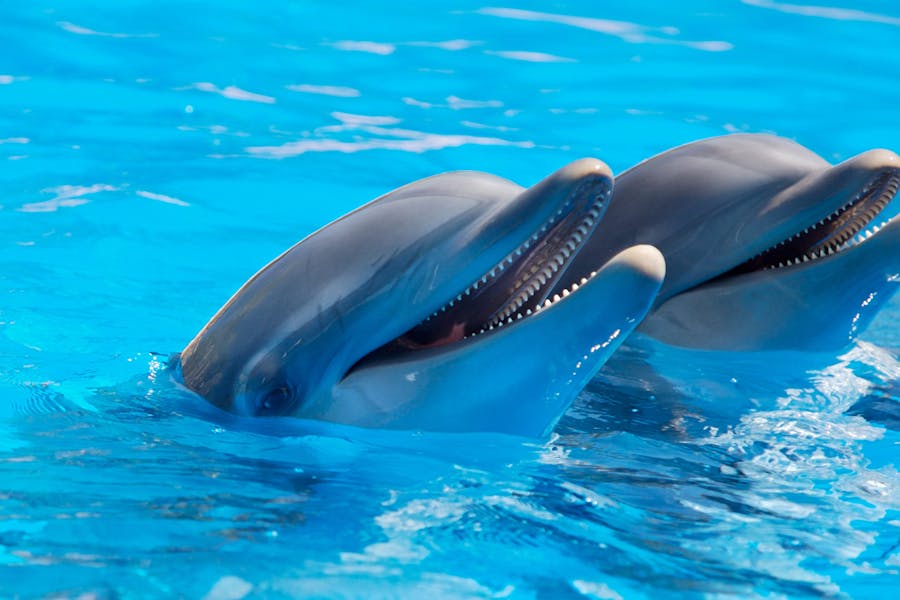
Among the world’s types of dolphins, bottlenose dolphins are the best studied cognitively. Each develops a learned signature whistle. In playback experiments, dolphins responded when researchers copied the whistle of a familiar individual, supporting the interpretation that these calls function as identity labels.
Dolphins also learn novel actions, imitate sounds and movements, coordinate in groups, and use tools in some populations. Sponge-carrying bottlenose dolphins protect their rostrums while searching the seafloor, and the behavior is socially transmitted. Mirror studies have reported self-directed behavior, but mirror recognition remains one measure among many—not a universal test of consciousness.
Whales
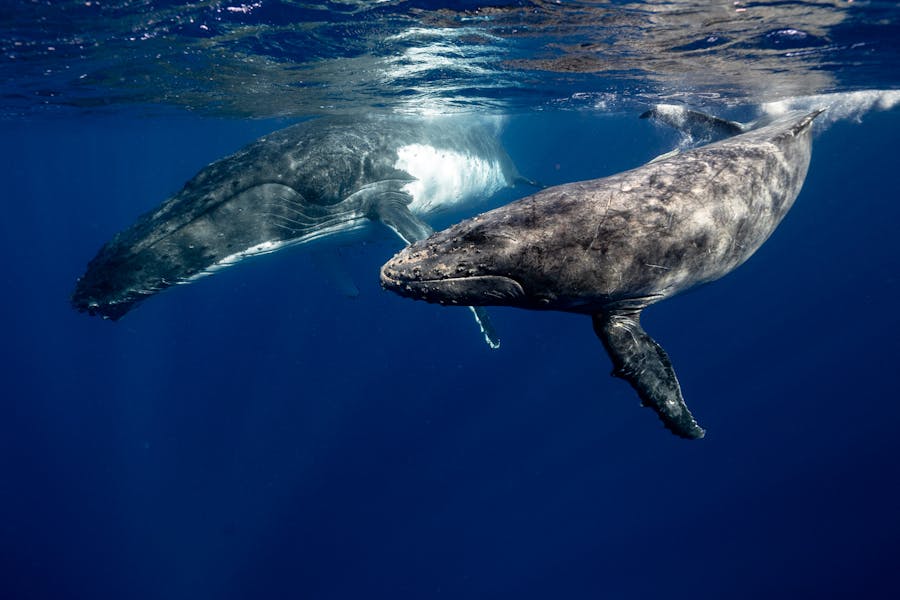
Male humpback songs change over time and can spread across ocean basins through social learning. The 2025 statistical analysis found recurring distributions of song elements that resemble a structural property found in human language, while stopping short of showing word-like meaning or syntax.
Sperm whales communicate with patterned clicks called codas. A comparative analysis of codas found that social clans use distinctive repertoires, combining vocal identity, social learning, and long-lived group structure. Orcas likewise maintain population-specific hunting methods and call traditions.
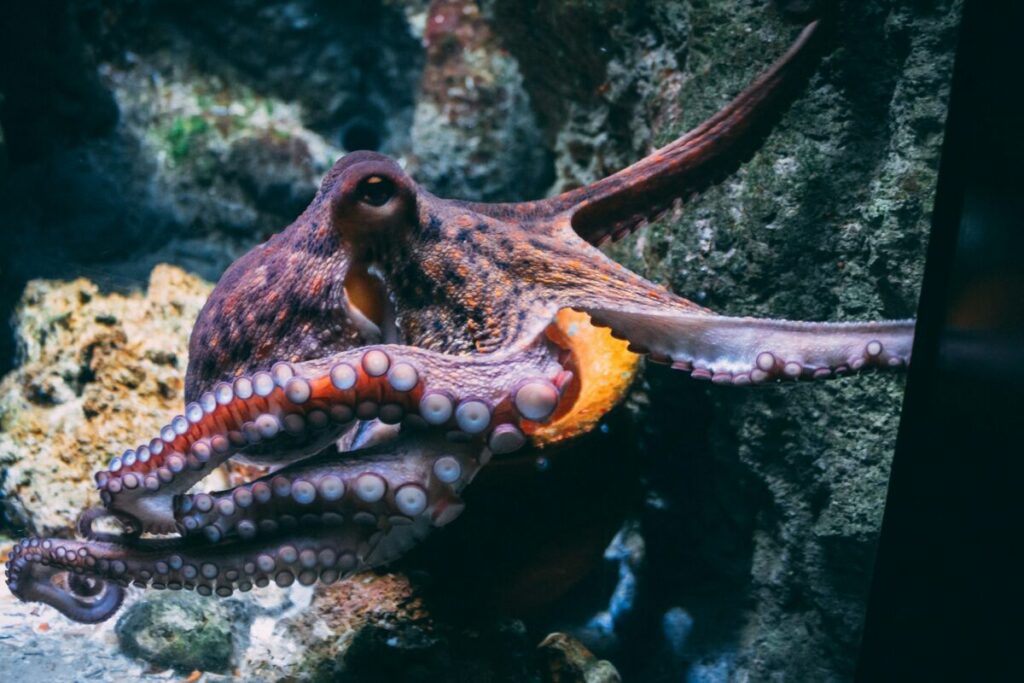
Octopuses
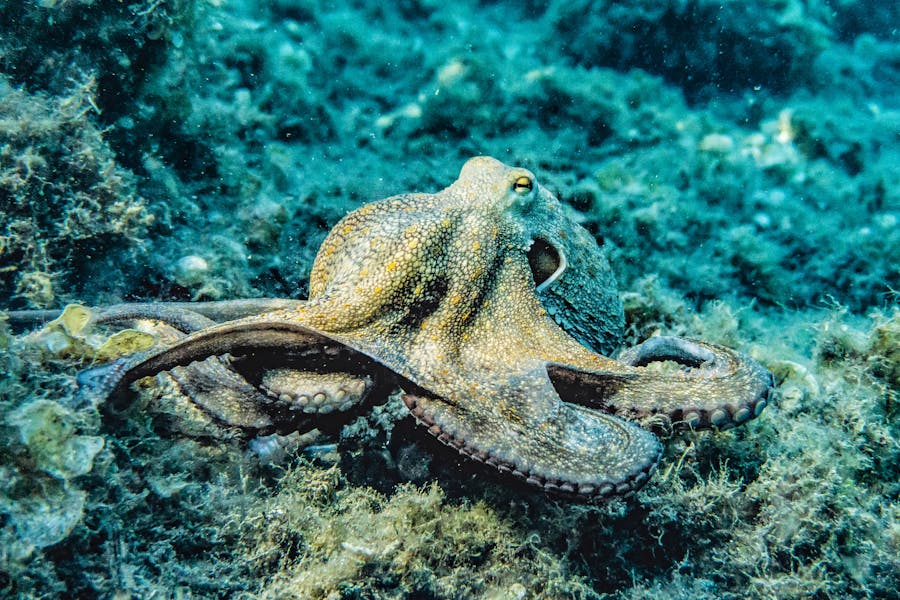
Octopuses are among the most compelling examples of cognition built on a radically different nervous system. Their arms contain extensive neural circuitry, and the animals explore by combining vision, touch, taste, and flexible movement.
Wild veined octopuses have been documented carrying coconut-shell halves across the seafloor and assembling them into shelters. Because transporting the shells imposes an immediate cost for a later defensive benefit, researchers classify the behavior as tool use. Octopuses can also learn routes and manipulate latches or containers, although stories about dramatic aquarium escapes should be treated as anecdotes unless the behavior was systematically studied.
Their unusual bodies also make octopuses a useful case study among animals without legs: sophisticated behavior does not require a vertebrate skeleton or a mammalian brain.
Cuttlefish and Squid
In a delay-of-gratification experiment, common cuttlefish delayed taking a less-preferred prey item when waiting produced a preferred reward. Their performance links self-control to an ecology in which timing and prey choice matter. Cuttlefish and squid also produce rapid, context-dependent skin displays, but a complex display should not automatically be interpreted as language or deliberate deception.
Elephant Intelligence: Cooperation and Social Knowledge
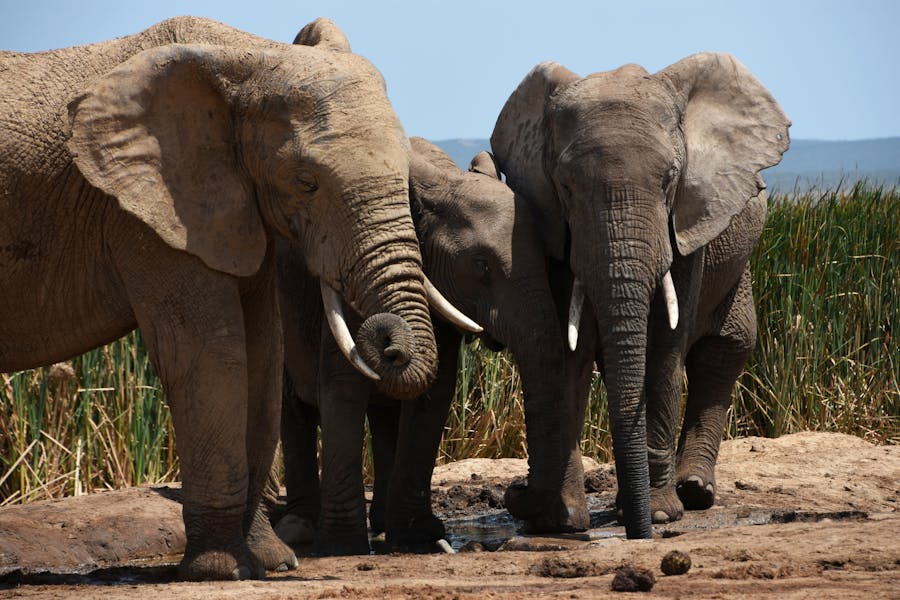
Research on elephant behavior and biology shows coordinated cooperation, flexible tool use, social discrimination, and long-term ecological knowledge. In a cooperative rope-pulling experiment, elephants waited for a partner when both animals were required to obtain food.
Older matriarchs can improve group responses to social threats, and African elephants distinguish human voices by language, sex, and age categories associated with different levels of risk. Such findings explain why memory is vital without relying on the untestable slogan that an elephant “never forgets.”
Elephants also inspect, touch, guard, or revisit dying and dead individuals. These death-related responses are scientifically documented, but calling them formal funerals imports a human ritual category that the observations do not establish. One Asian elephant has shown mark-directed behavior in a mirror study; the small sample makes broad species-level claims premature.
Small Brains, Complex Behavior
Rats
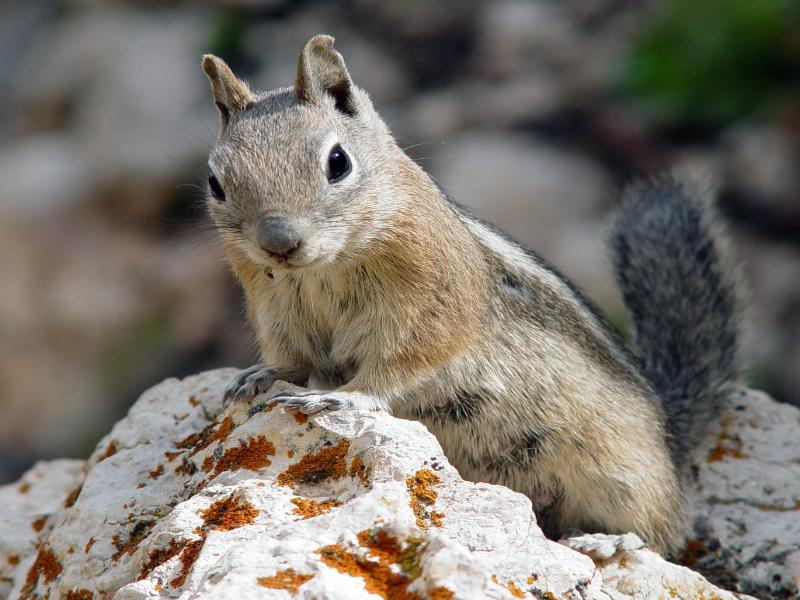
Rats navigate, generalize learned rules, and adapt efficiently to changing reward patterns. In uncertainty-monitoring experiments, rats were more likely to decline difficult memory tests, a result consistent with knowing when a memory is weak. Alternative explanations based on learned cues remain part of the scientific debate.
In another influential experiment, rats opened restrainers containing trapped companions even when social contact was prevented afterward. The result supports a prosocial interpretation, but researchers continue to examine the roles of emotional contagion, stress reduction, prior experience, and reinforcement.
Bees
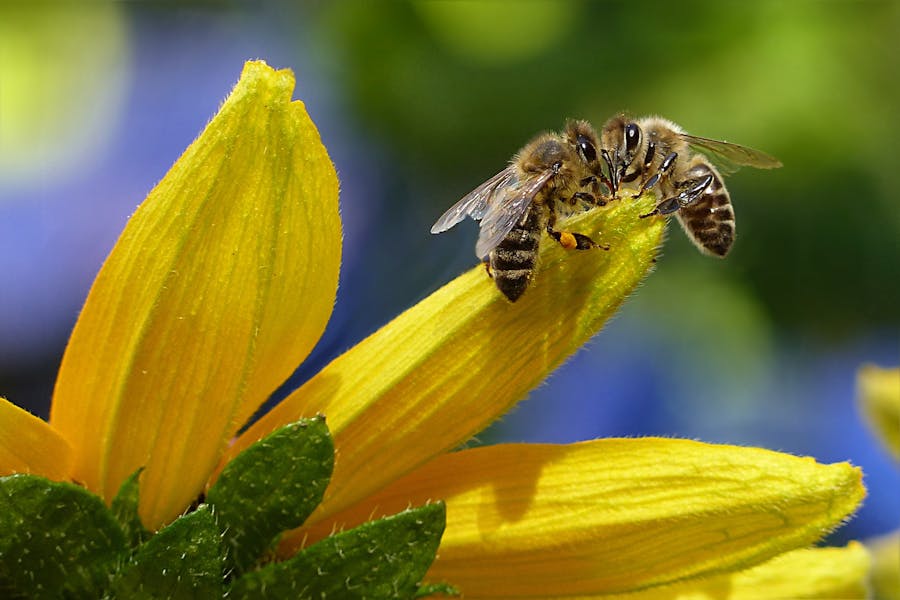
Honeybees combine landmark memory with a time-compensated sun compass. Their waggle dance communicates the direction and approximate distance of a food source relative to the sun.
Laboratory studies show that bees can place an empty set at the low end of an ordered numerical sequence and apply trained rules resembling addition or subtraction by one. A 2024 experiment also found that bumblebees learned a multi-step box-opening solution after watching a trained demonstrator. These results reveal flexible rule learning and social transmission, not classroom mathematics.
Ants and Collective Intelligence
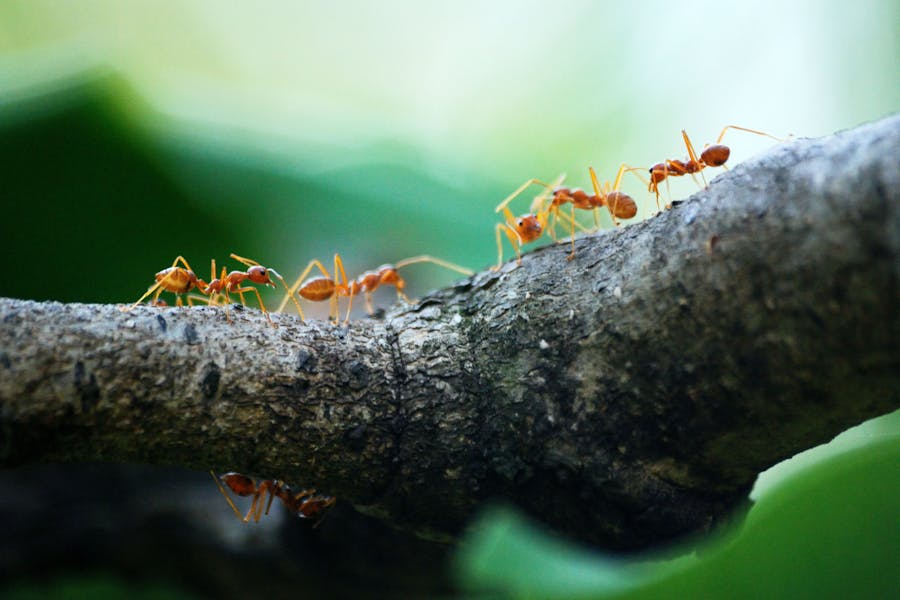
Ant colonies route traffic, allocate workers, choose nest sites, and transport objects through repeated local interactions. A 2025 cross-species transport experiment illustrated how group geometry and coordination can produce solutions unavailable to isolated individuals. No ant needs a complete map of the problem. The colony-level solution emerges from feedback among many individuals.
Leaf-cutter ants cultivate fungi, and other ants tend aphids or construct climate-regulated nests. These systems are extraordinary evolutionary adaptations. Describing them as agriculture can be useful, but it should not imply that an individual ant understands farming in the reflective human sense.
Fish, Spiders, and Other Understudied Minds
Cleaner Wrasse and Mirror Recognition
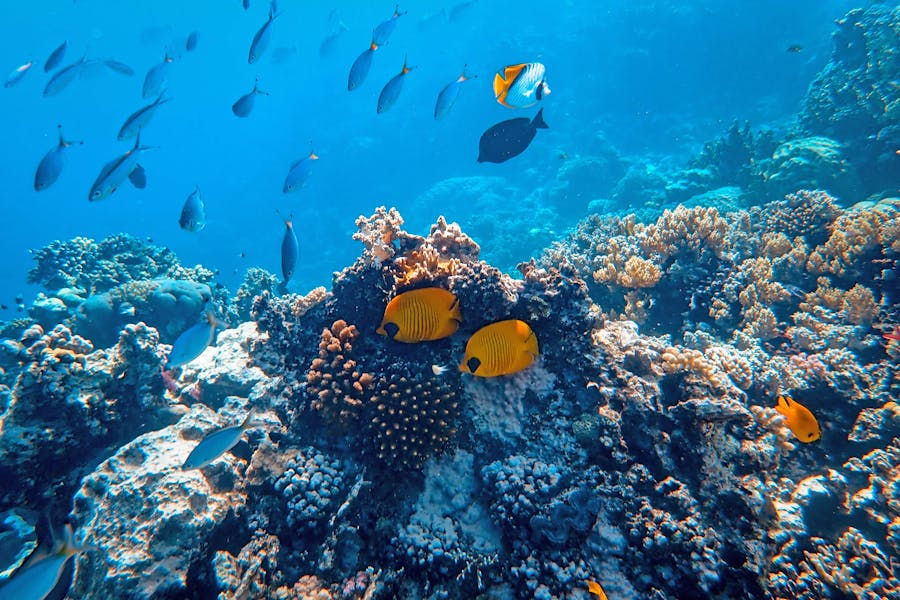
Cleaner wrasse recognize individual clients and adjust service behavior according to social conditions. In mirror-mark experiments, some fish attempted to scrape a visible mark after viewing it in a mirror. Follow-up work has strengthened the behavioral case, but the interpretation remains disputed: the result may challenge assumptions about mirror tests as much as it establishes fish self-awareness.
Portia Jumping Spiders
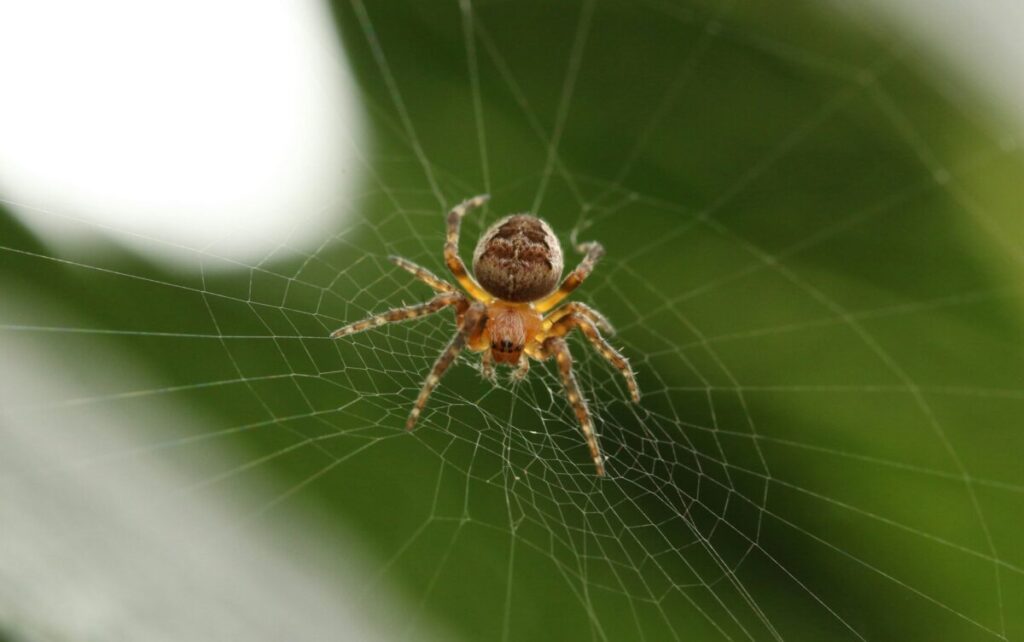
Spider cognition is less extensively studied than mammal or bird cognition. Portia jumping spiders are an important exception. Detour experiments indicate that they can select indirect routes toward prey, including routes that initially lead away from the target. Their performance shows strategic flexibility in a tiny nervous system, while the limited taxonomic and laboratory base argues against broad claims about all spiders.
How Scientists Test Animal Intelligence
Laboratory Experiments
Controlled tests isolate variables and permit repeated comparisons. They are useful for memory limits, causal inference, rule learning, delayed rewards, and responses to social information. Their weakness is ecological artificiality: an unfamiliar apparatus may measure comfort, dexterity, or training history as much as cognition.
Field Experiments and Long-Term Observation
Field research reveals how cognition functions during real foraging, migration, communication, mating, and conflict. Long-term projects can track cultural transmission and social knowledge across generations. The tradeoff is reduced experimental control and greater difficulty excluding genetic or ecological alternatives.
Five Questions to Ask About a “Smart Animal” Claim
- Was the task appropriate for the species’ senses and body?
- How many animals were tested, and was the result replicated?
- Could simpler learning, cueing, or reward explanations account for the behavior?
- Does the claim describe one individual, one population, or the species?
- Is the language precise? “Label-like whistle,” “death-related response,” and “episodic-like memory” are safer than “name,” “funeral,” or “autobiographical memory” when the evidence is indirect.
Why the Mirror Test Is Not an IQ Test
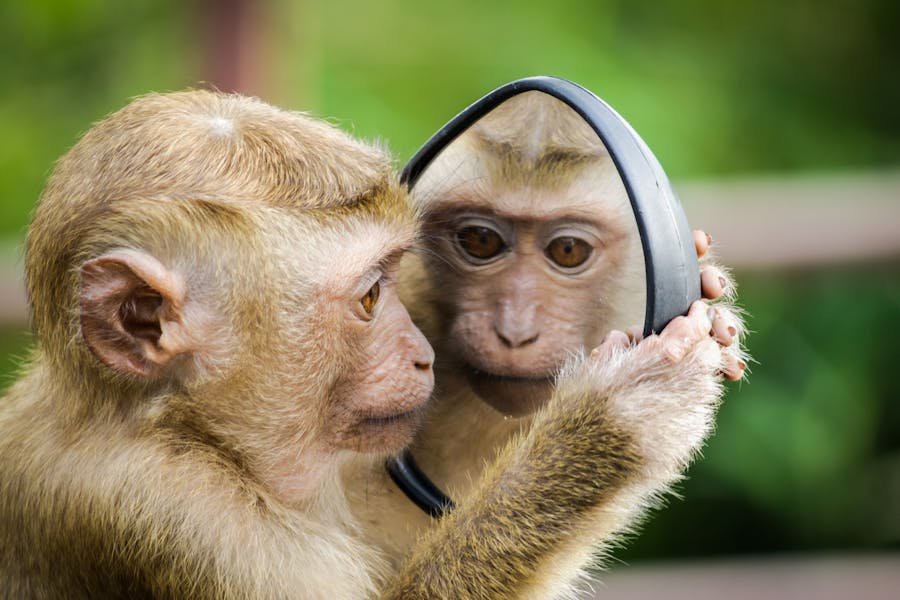
The mark test asks whether an animal uses a mirror to investigate a mark that cannot otherwise be seen. Passing can support mirror-mediated self-directed behavior. Failing may reflect poor vision, lack of interest in body marks, fear, social responses to reflections, or the wrong testing method. A mirror result should never be used alone to rank a species’ intelligence or settle whether it is conscious.
Why Animal Cognition Matters for Conservation and Welfare
Behavioral traditions can affect where animals migrate, what they eat, how they avoid predators, and which habitats they can use. Losing knowledgeable elders or fragmenting a social group may therefore erase information that is not restored simply by increasing population numbers.
The Animal Culture Database gives conservation researchers a framework for mapping socially transmitted behaviors and human pressures. That can improve reintroduction planning, migration-corridor protection, captive enrichment, and conflict-reduction measures. It also introduces a caution: charismatic mammals and birds receive far more cognition research than many fish, reptiles, amphibians, and invertebrates, so absence of evidence often reflects limited study.
Recognizing cognitive complexity does not require pretending that every animal thinks like a person. The practical obligation is simpler: design research, captivity, tourism, fishing, farming, and habitat management around the capacities and welfare needs the evidence actually supports.
Frequently Asked Questions
What is the smartest animal besides humans?
There is no scientifically accepted single winner. Chimpanzees and bonobos are strong generalists; corvids excel at tools and planning; dolphins and elephants show advanced social cognition; and octopuses solve physical problems with a very different nervous system.
Are any animals smarter than humans?
Animals can be better than humans at particular cognitive tasks, but no known species exceeds humans across the full combination of language, abstract reasoning, cumulative culture, and general-purpose problem-solving.
What animal has the best memory?
There is no universal memory champion because memory has different forms. Scrub-jays excel at what-where-when cache memory, elephants retain important social and ecological information, and trained chimpanzees can excel at rapid visual working-memory tasks.
Are crows smarter than apes?
Crows can match or exceed apes in some tool and planning tasks, but the groups have different strengths, bodies, and ecological demands. A direct overall ranking is not scientifically meaningful.
Do dolphins have names?
Bottlenose dolphins develop learned signature whistles that identify individuals, and other dolphins respond to copied whistles of familiar animals. Researchers often compare these signals to names, but they are not proof of human-like language.
Does passing the mirror test prove self-awareness?
No. Passing supports mirror-mediated self-directed behavior, but the test captures only one response to visual reflection. Failure can result from sensory, motivational, or methodological factors, and passing does not measure general intelligence.
Intelligence Is a Landscape, Not a Ladder
The question “Which animals are smarter than humans?” has no single winner because intelligence is not one ability. Chimpanzees can dominate a brief visual-memory task. A crow can manufacture a tool with its beak. A dolphin can recognize an identity whistle in an acoustic world. A bee can navigate by the sun with a tiny brain.
The strongest conclusion is not that humans have been dethroned. It is that evolution has produced many workable minds, each solving a different set of problems. Studying those minds with precise language, fair tests, and respect for uncertainty gives us better science—and better reasons to protect the animals and social traditions that carry this cognitive diversity.