Animals do form friendships. Researchers have documented selective, stable social bonds in elephants, dolphins, chimpanzees, baboons, giraffes, bats, and other species. The strongest evidence comes from repeated observations showing that two animals prefer one another, maintain contact over time, and exchange grooming, support, food, or cooperation.
But not every cute animal video proves friendship. A cross-species pairing may be a temporary bond, a managed-care relationship, or a mutually beneficial partnership. The examples below separate well-supported animal friendships from cases that need more context.
Key takeaways
- Animal-behavior researchers use evidence such as preference, stability, reciprocity, grooming, play, support, and voluntary proximity to identify social bonds.
- The clearest examples come from long-term studies of relationships within the same species.
- Interspecies friendships can occur, especially in homes, zoos, and wildlife rehabilitation, but human management often shapes the relationship.
- Cooperation is not automatically friendship. Coyotes and badgers, for example, can hunt together because their skills complement each other.
- A single photograph or viral clip cannot establish a lasting bond; repeated, voluntary behavior is more persuasive.
Do animals really form friendships?
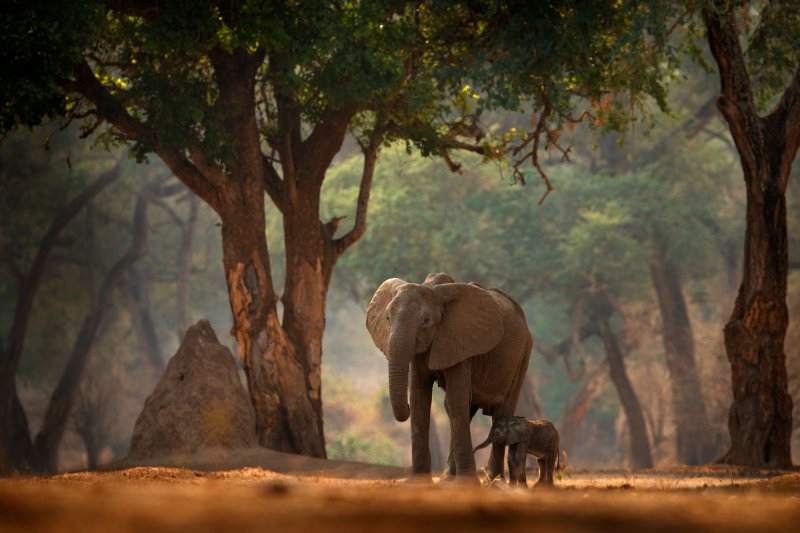
Yes. In animal-behavior research, friendship is useful shorthand for a selective, stable, and often reciprocal social relationship that is not limited to mating or immediate kinship. A major review in the Annual Review of Psychology found evidence of enduring friendships in horses, elephants, hyenas, dolphins, monkeys, and chimpanzees, including bonds between unrelated animals.
Using the term does not mean assuming animals experience friendship exactly as humans do. Researchers infer relationships from observable behavior. Useful signs include:
- Preference: two animals choose each other more often than chance would predict.
- Stability: the relationship continues across months or years.
- Reciprocity: both individuals contribute through grooming, support, food sharing, play, or cooperation.
- Voluntary contact: the animals approach, rest near, or reunite with one another when they have alternatives.
- Context: the behavior is not better explained by mating, close kinship, confinement, competition, or access to food.
It also helps to distinguish four relationship types: friendships within one species, affiliative bonds between different species, professionally managed companion pairings, and ecological cooperation. All can be remarkable, but they are not interchangeable.
12 remarkable animal friendships and social partnerships
| Animals | Relationship type | What the evidence shows | Main caveat |
|---|---|---|---|
| African elephants | Same-species social bond | Bond groups and elaborate reunion greetings | One recent greeting study had a small, semi-captive sample |
| Older male chimpanzees | Same-species friendship | More mutual and fewer one-sided friendships with age | The study followed males in one wild community |
| Bottlenose dolphins | Same-species social memory | Recognition of former companions after more than 20 years | Recognition alone does not prove every bond remained active |
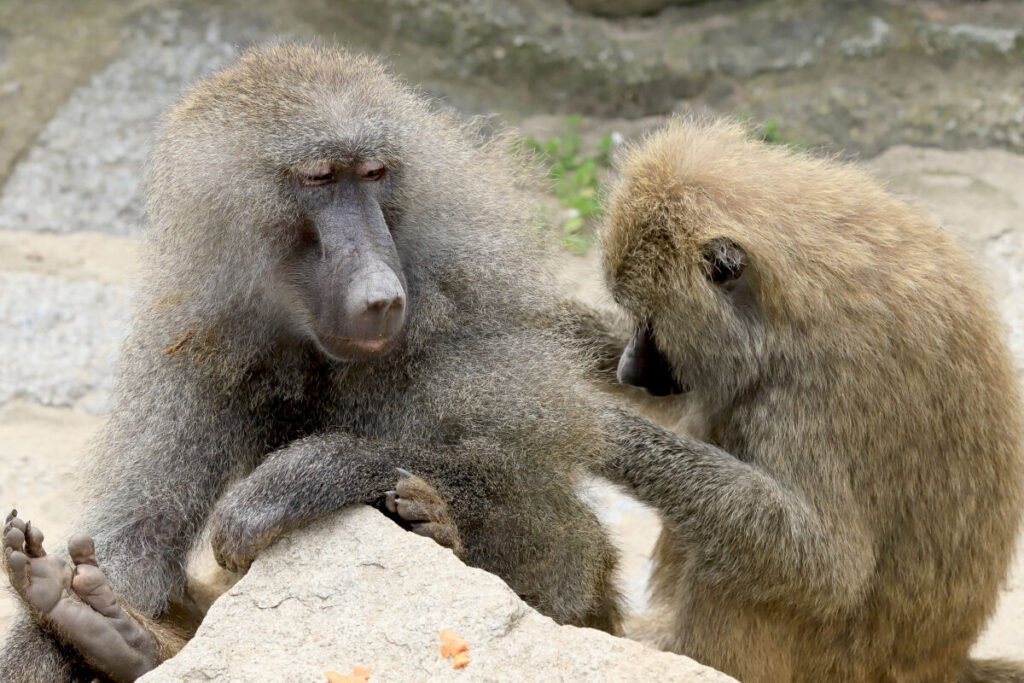
| Female baboons | Same-species social bond | Stronger relationships were associated with higher infant survival | Observational evidence does not prove a single cause |
| Adult female giraffes | Same-species social bond | Greater sociability was associated with higher survival | Results should not be generalized to every giraffe population |
| Common vampire bats | Same-species cooperative bond | High grooming rates help maintain food-sharing relationships | Behavior cannot reveal the animals’ subjective feelings |
| Ravens | Same-species cooperation | Tolerant partners cooperated more successfully | Cooperation is related to, but not identical with, friendship |
| Superb starlings | Long-term reciprocal helping | Specific non-kin pairs exchanged help across years | The pattern required two decades of data to detect |
| Cats and dogs | Domestic interspecies bond | Some pairs play, groom, greet, and sleep together | Compatibility depends on the individuals and introduction process |
| Rozi and Ziggy | Managed-care pairing | A puppy provided a hand-raised cheetah cub with sibling-like play | The pairing is temporary and supervised by professionals |
| Tytan and Notty | Rehabilitation companionship | Orphaned rhino and zebra calves repeatedly chose each other’s company | The bond may fade as species-specific behavior develops |
| Coyotes and badgers | Ecological cooperation | Complementary hunting strategies can benefit both predators | Temporary cooperation is not proof of emotional attachment |
1. African elephants maintain bond groups and elaborate greetings
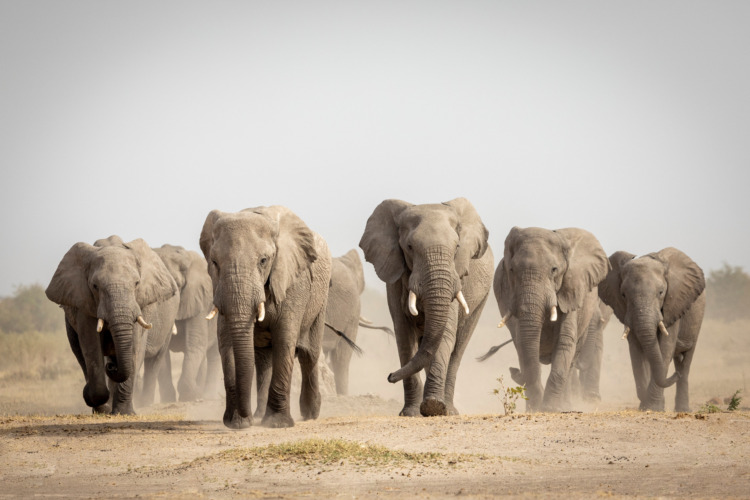
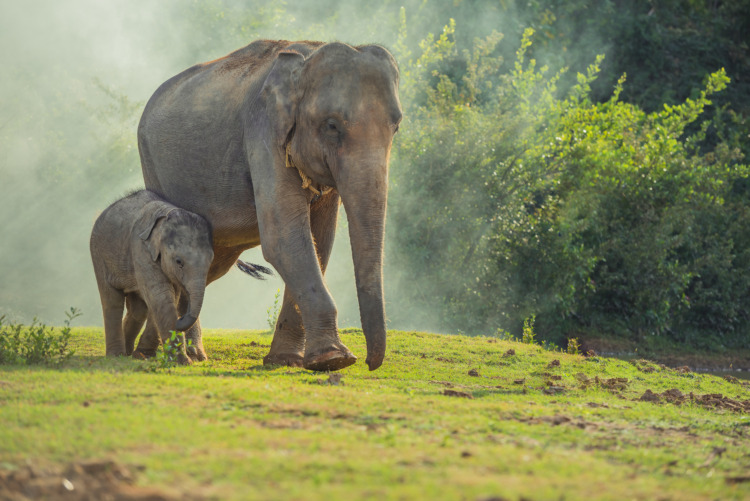
Female African elephants live in flexible social networks that split and reunite. Individuals from different family groups can maintain strong relationships known as bond groups. When familiar elephants meet again, they may combine rumbles, roars, trumpets, ear movements, smell, and touch in an elaborate greeting.
A 2024 study of African savanna elephant greetings observed about 20 gesture types. The researchers also found that the elephants changed their signals depending on whether the other animal was looking at them.
Why it matters: greetings can reaffirm a relationship after hours, days, or months apart. The study followed only nine semi-captive elephants, so it should be read alongside decades of field research rather than treated as a complete account of wild behavior. Our guide to elephant facts explains more about their communication and social lives.
2. Older male chimpanzees become more selective about friends
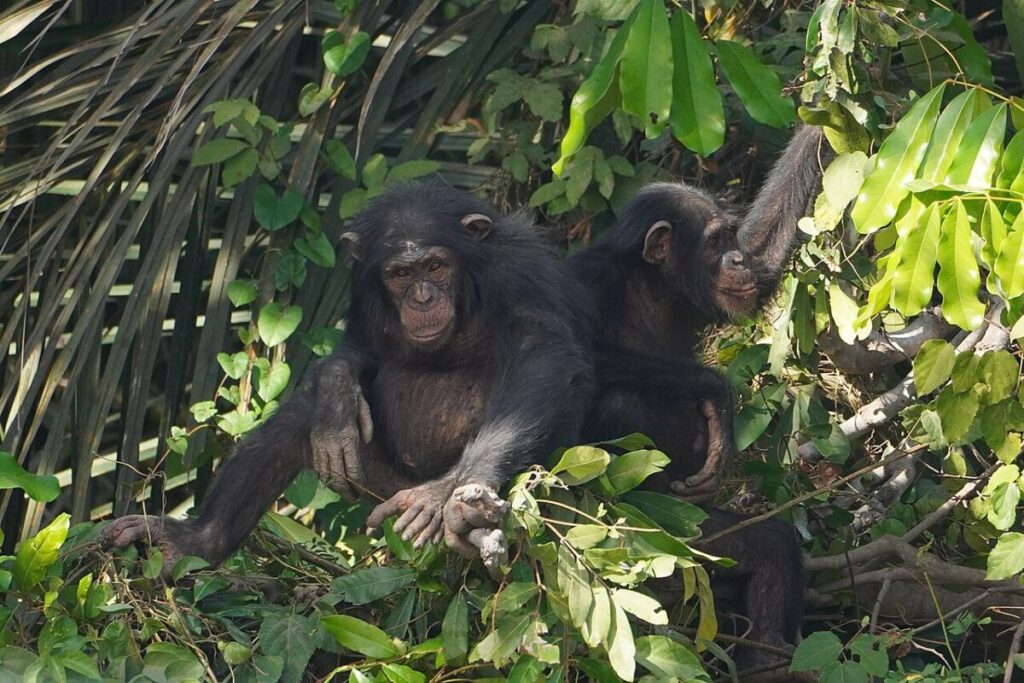
Wild chimpanzees do not socialize equally with every group member. A study based on two decades of observations in Uganda’s Kibale National Park examined 21 males and classified their relationships as mutual, one-sided, or non-friendships.
The study of social selectivity in aging chimpanzees found that older males had more mutual friendships and fewer one-sided relationships. They also showed less aggression while maintaining positive interactions.
Why it matters: the pattern resembles the way many people concentrate on emotionally rewarding relationships as they age. It does not show that chimpanzees understand their remaining lifespan, and the findings came from males in one community.
3. Bottlenose dolphins remember former companions for decades
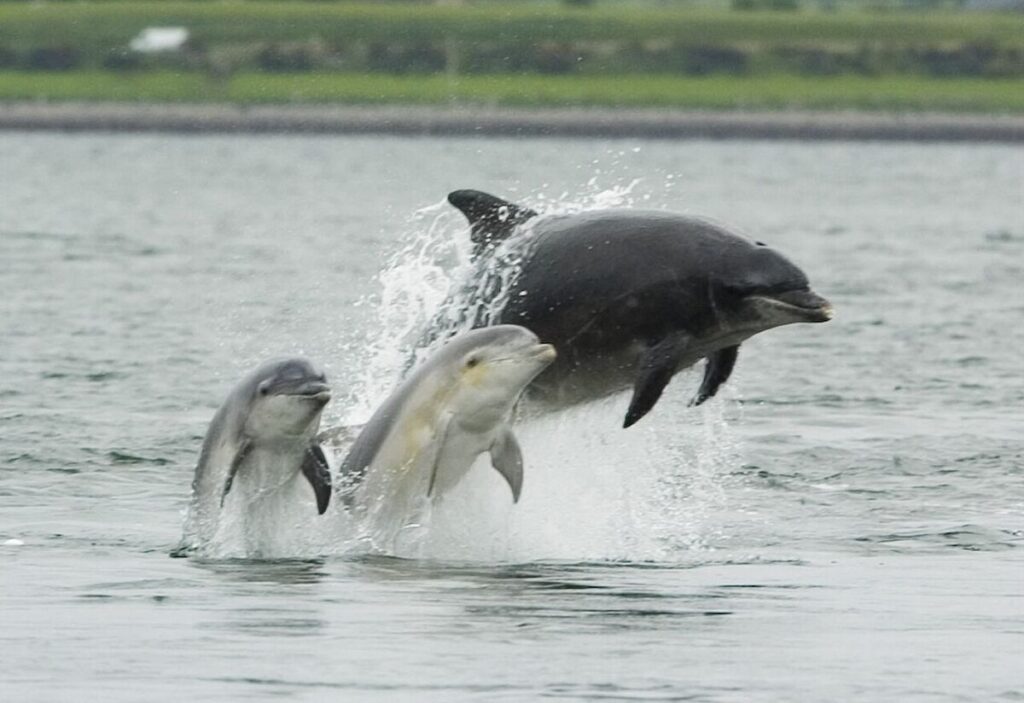
Bottlenose dolphins use distinctive learned whistles that identify individuals. That gives researchers a way to test whether a dolphin remembers a former social partner without requiring the animals to meet face to face.
In a 2013 social-memory experiment, dolphins responded more strongly to the signature whistles of animals they had once lived with than to unfamiliar whistles. The longest documented separation exceeded 20 years.
Why it matters: recognizing an individual after decades requires unusually durable social memory. Recognition does not prove that every former relationship remained emotionally active throughout the separation, but it gives dolphins a powerful cognitive foundation for long-term bonds.
4. Female baboon bonds are associated with infant survival
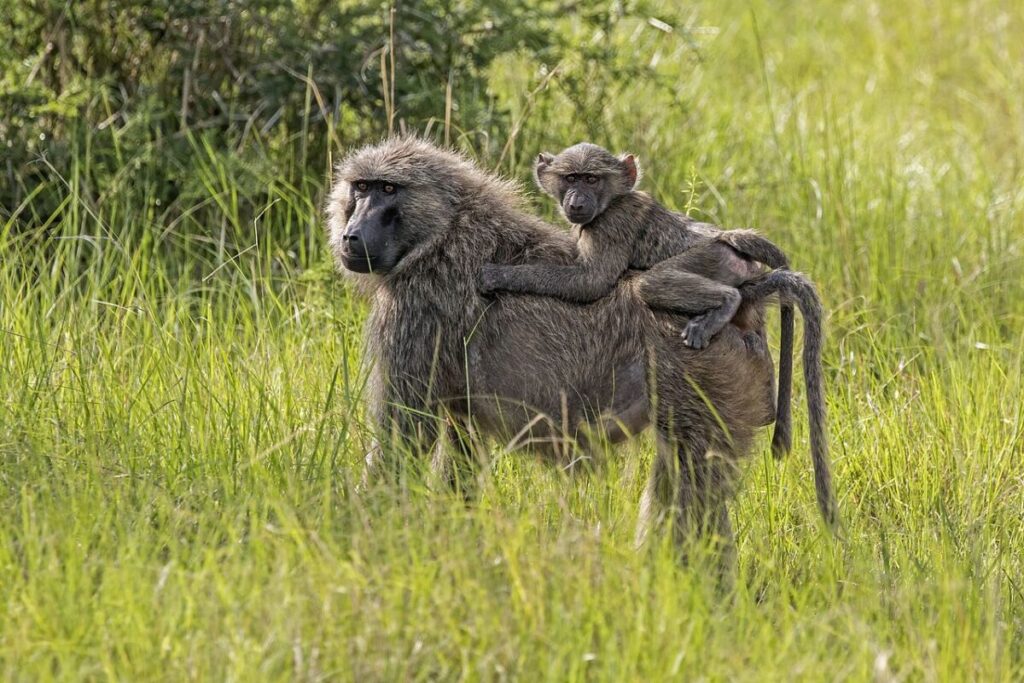
Female baboons build differentiated relationships throughgrooming, proximity, and support. Long-term research in Kenya’s Amboseli ecosystem found that females with stronger social bonds were more likely to have infants survive through their first year.
The Science study on female baboon social bonds was important because it connected social relationships with a measurable fitness outcome rather than relying only on appealing behavior.
Why it matters: friendship-like bonds can have consequences for health and reproduction. The research was observational, so stronger bonds may work through several pathways, including reduced stress, coalitionary support, or other advantages that are difficult to separate completely.
5. Sociable female giraffes have higher survival
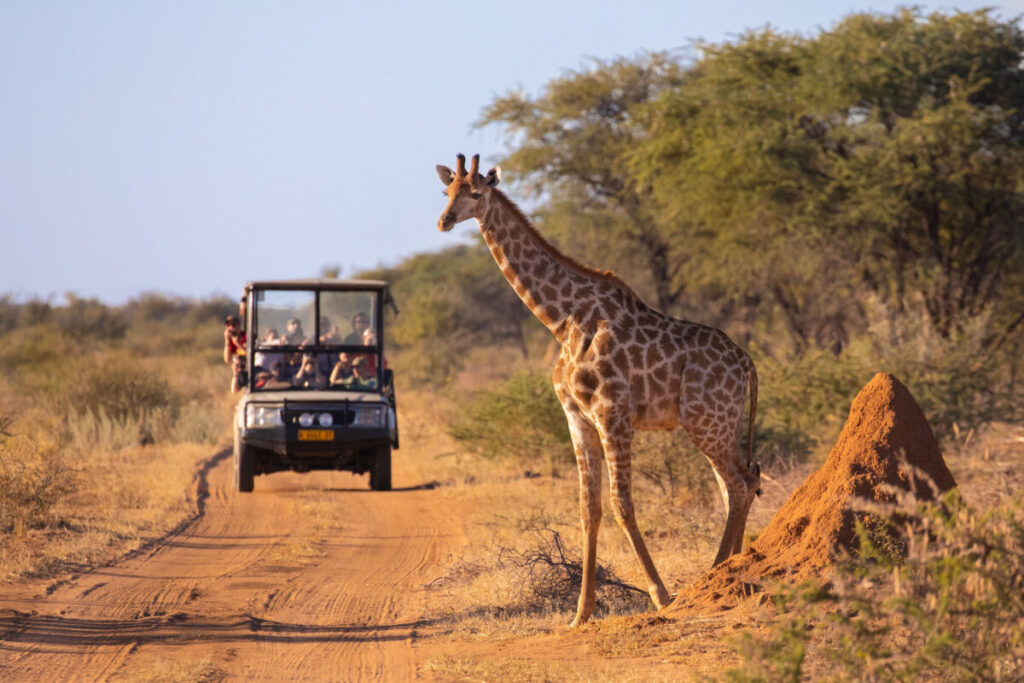
Giraffes were once described as having loose, almost random associations. Long-term fieldwork has instead revealed stable preferences, matrilineal communities, and relationships that change with age and reproductive status.
A 2021 study of adult female giraffes found that greater sociability was associated with higher survival. The result suggests that social relationships can matter even in a species whose groups frequently change composition.
Why it matters: visible herd size is not the same as relationship quality. Researchers need repeated records of who chooses to associate with whom. The survival association also comes from a particular population and should not be treated as a guarantee for every giraffe.
6. Vampire bats groom partners that may later share food
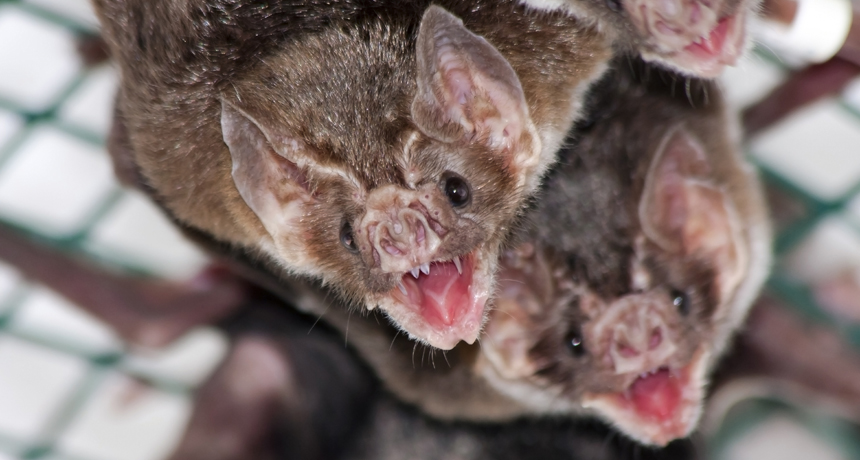
Common vampire bats sometimes fail to obtain a meal during a night’s foraging. A well-fed bat can help another by regurgitating part of its blood meal, and donations are not limited to close relatives.
In a controlled comparison, vampire bats spent far more time socially grooming than four other group-living bat species. The researchers proposed that lower-cost grooming helps build and maintain cooperative relationships that can support higher-cost food sharing.
Why it matters: this is a clear example of relationships developing through repeated exchanges rather than a single dramatic act. Researchers can measure grooming and food transfers, but those behaviors do not reveal exactly how a bat subjectively experiences the bond.
7. Ravens cooperate better with tolerant partners
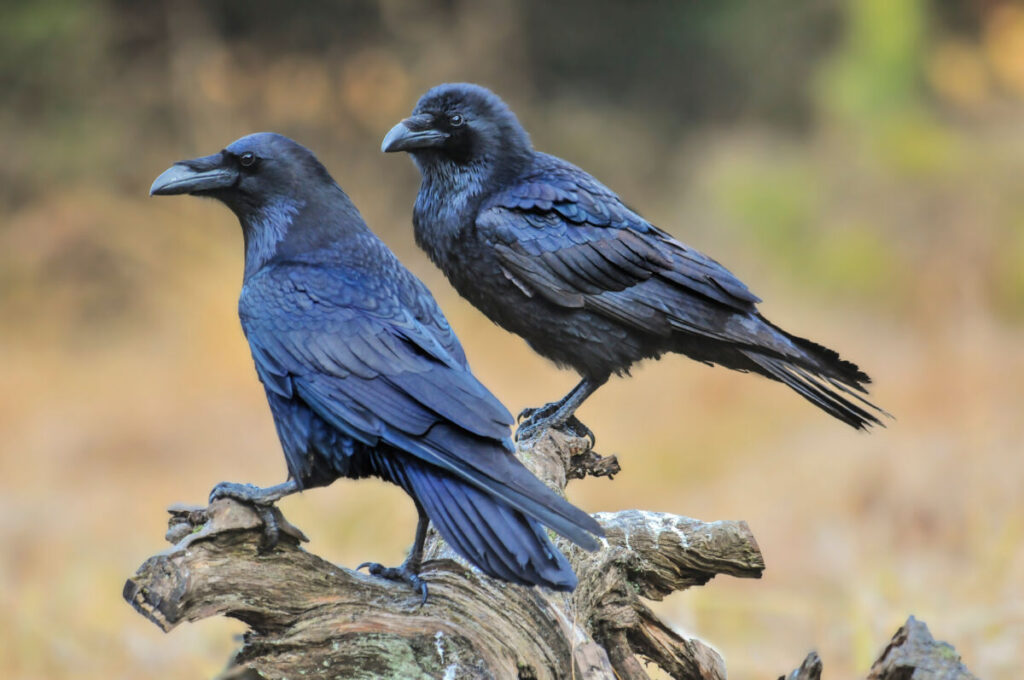
Ravens can solve a loose-string task that requires two birds to pull at the same time. In a study of nine ravens, pairs with greater tolerance toward each other succeeded more often.
The raven cooperation study also found that unequal rewards affected later willingness to cooperate. Birds paired with a social partner resumed cooperation sooner after an unfair outcome than birds paired with a non-friend.
Why it matters: relationship quality can shape whether cooperation succeeds. Still, the study did not show that every raven fully understood why a partner was necessary, so it is more accurate to describe the result as socially influenced cooperation than as proof of human-like teamwork.
8. Superb starlings exchange help across years
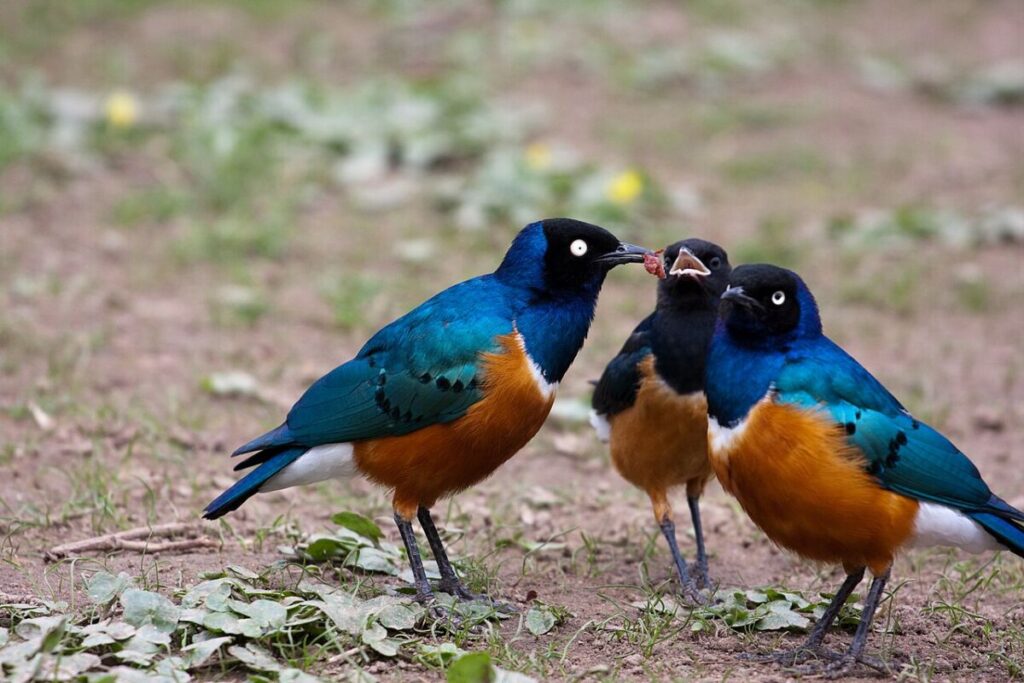
Superb starlings live in cooperative groups in which helpers assist at nests. Kinship explains some of that effort, but a 20-year field study found that birds also helped unrelated group members in non-random ways.
Researchers documented more than 12,000 helping observations and found that specific pairs maintained reciprocal helping relationships by switching breeder and helper roles across breeding seasons and years.
Why it matters: short studies can miss slow reciprocity. The pattern became visible only across decades of observations, offering a strong reminder that animal relationships may operate on timescales that viral clips cannot capture.
9. Some cats and dogs form genuine household bonds
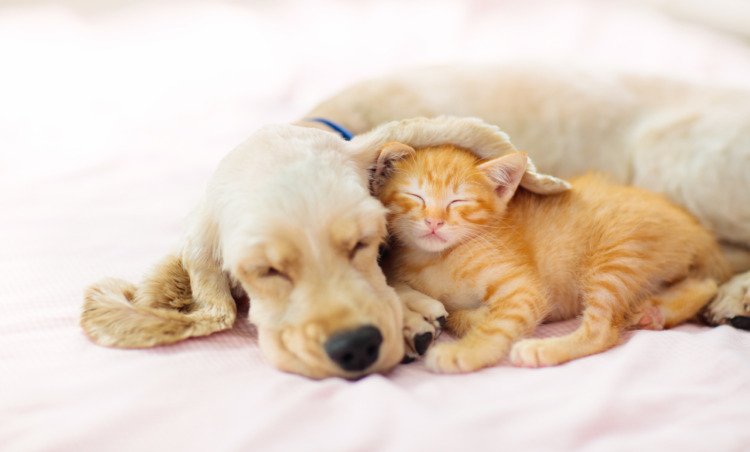
Cats and dogs use different body-language signals, yet some individuals learn to communicate and become preferred companions. A household study reported affiliative behaviors such as playing, resting together, mutual grooming, and nose-to-nose greetings.
The research on dogs and cats living under the same roof does not mean every pairing will work. Age at first introduction, temperament, previous experience, resource access, and the ability to retreat all influence the outcome.
Welfare note: never force contact for a photograph or video. Introductions should be gradual, supervised, and built around separate food, resting, and escape spaces. Relaxed voluntary contact is more meaningful than physical closeness created by confinement.
10. Rozi the cheetah and Ziggy the dog share sibling-like play
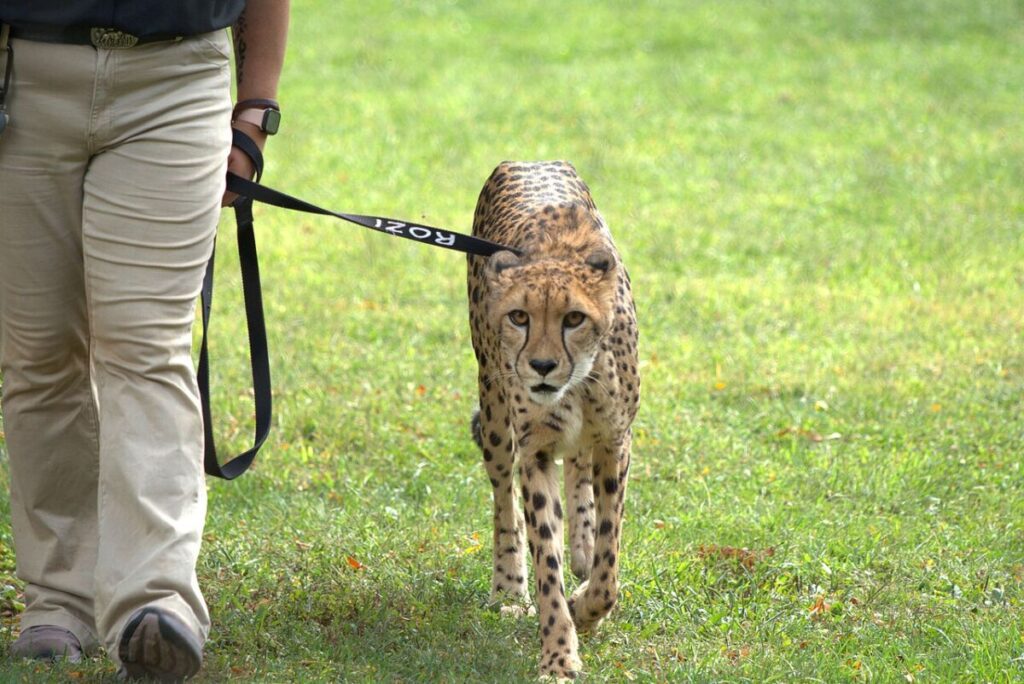
Rozi, a cheetah cub born at Taronga Western Plains Zoo in February 2025, had to be hand-raised after her mother could not produce milk. Because she had no cheetah siblings, keepers introduced her to Ziggy, a Labrador–Kelpie–Collie cross of a similar age and energy level.
According to Taronga’s account of the pairing, Ziggy gave Rozi opportunities to chase, pounce, groom, stalk, and play—the kinds of behaviors a young cheetah would normally practice with siblings.
Why context matters: this is a professionally designed, closely supervised welfare intervention, not a model for keeping a wild cat with a pet dog. The zoo expects the pairing to be temporary as Rozi matures and Ziggy prepares for adoption.
11. Tytan the rhino and Notty the zebra found companionship in rehabilitation
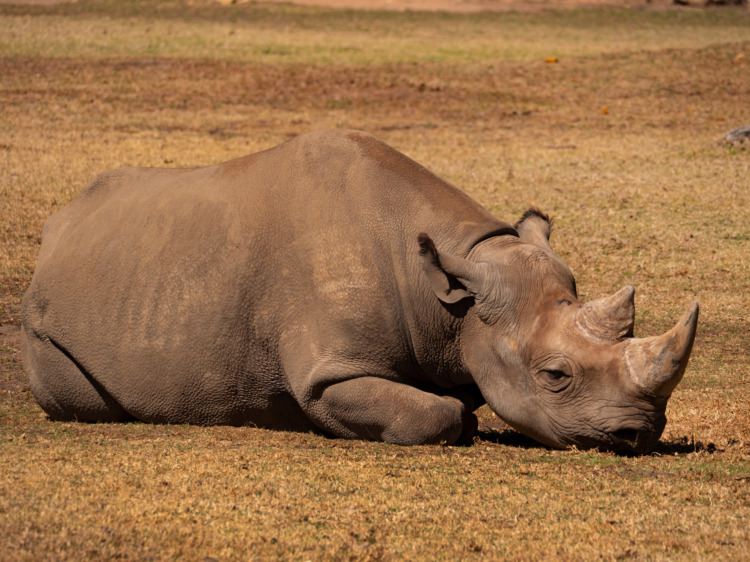
Tytan, an orphaned black rhino calf, and Notty, an orphaned zebra foal, arrived at the Sheldrick Wildlife Trust’s Nairobi Nursery within a week of each other in September 2025. Both had lost their mothers and needed specialist care before eventual reintroduction to protected habitat.
The Trust reported that the young animals repeatedly chose to feed, walk, and spend time together. Its director of communications also explained that interspecies bonds among infant wildlife orphans often fade as the animals mature and become more focused on their own species.
Why context matters: temporary does not mean unimportant. Companionship may support young animals during rehabilitation, while the long-term goal remains species-appropriate development and a return to the wild.
12. Coyotes and badgers form effective hunting partnerships
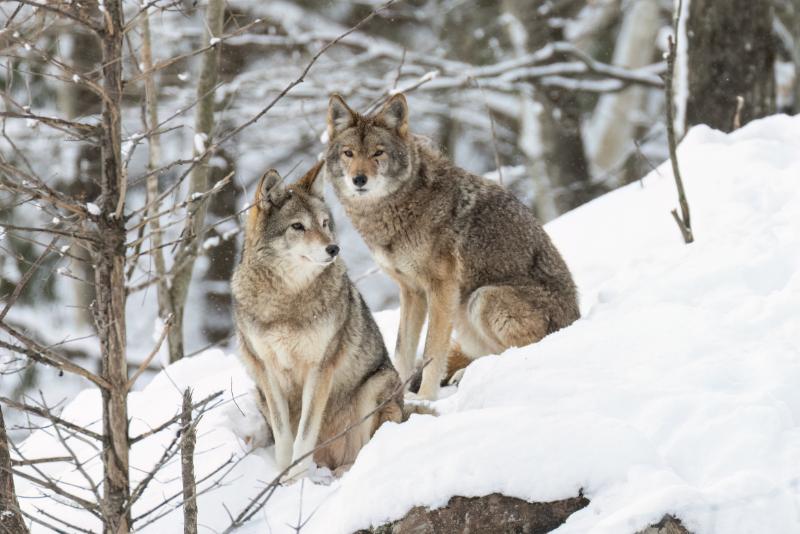
Coyotes can chase ground squirrels and prairie dogs across open ground, while American badgers can dig into burrow systems. When the two predators hunt in tandem, each can cover an escape route that the other handles less effectively.
The U.S. Fish and Wildlife Service describes the complementary partnership, while a Journal of Mammalogy field study found apparent efficiency and energy benefits for both species.
Why context matters: the scientific paper described these as temporary hunting associations. The behavior is strong evidence of interspecies tolerance and cooperation, but it does not by itself establish an emotional friendship.
What animal friendships can—and cannot—teach us
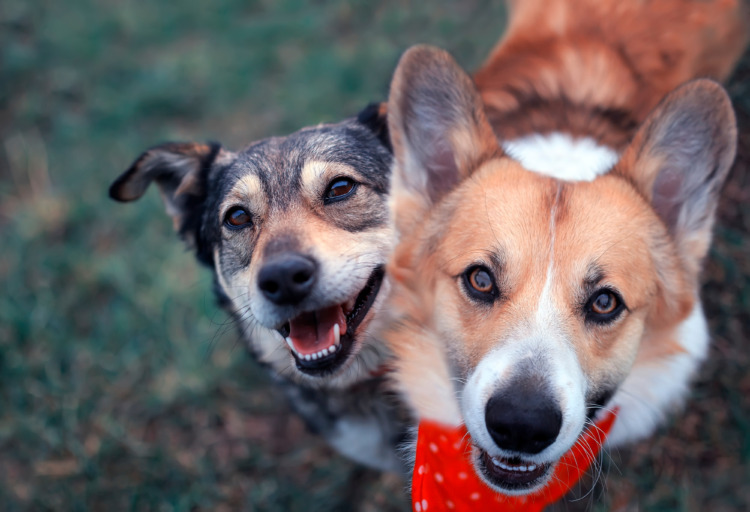
These examples show that many animals have consequential social lives. They remember individuals, choose preferred partners, exchange support, and adjust behavior according to relationship history. In several species, stronger bonds are associated with survival, reproductive success, or lower social stress.
The lesson is not that animals are miniature humans. Human labels can obscure important differences in ecology, cognition, and social structure. A rigorous account starts with observed behavior, distinguishes evidence from interpretation, and avoids turning every peaceful encounter into a friendship story.
That distinction also matters for conservation. Protecting an animal population is not only about counting individuals. Social disruption can affect learning, cooperation, caregiving, and access to experienced partners. Healthy animal habitats give those relationships room to develop naturally.
How to evaluate a viral animal friendship

- Look for a traceable source. A zoo, rehabilitation center, researcher, peer-reviewed paper, or identified photographer is more reliable than a reposted compilation.
- Check the timeline. One calm moment may show tolerance; repeated behavior over weeks, months, or years is stronger evidence of a bond.
- Ask whether contact is voluntary. Animals should have room to move away, hide, rest, and access resources without being forced together.
- Separate affiliation from mutualism. Two species may cooperate because both gain food or protection without forming a stable social attachment.
- Watch for welfare red flags. Handling wildlife for entertainment, staging predator-prey contact, or encouraging private ownership can turn a cute story into a harmful one.
- Prefer careful language. Phrases such as “appears bonded,” “repeatedly chose each other’s company,” or “cooperated during hunting” are more honest than claiming to know exactly what an animal feels.
The clearest lesson from animal friendships
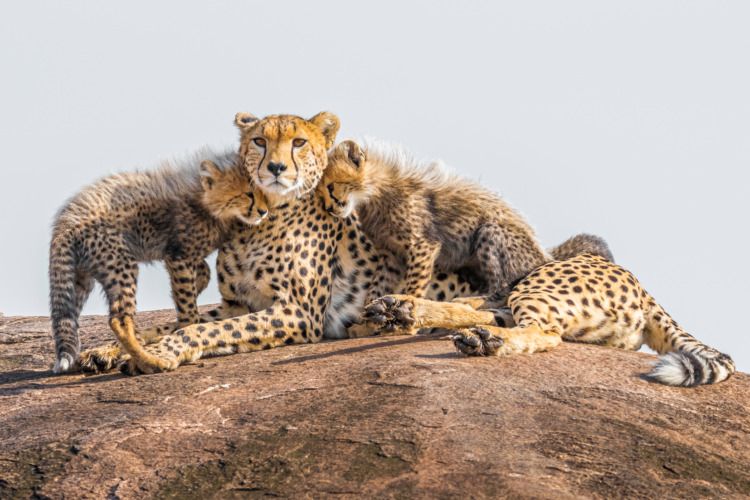
Animal friendships are compelling because they challenge the idea that social life is uniquely human. The best-documented cases are not simply cute: they reveal memory, partner choice, reciprocity, tolerance, and cooperation.
They also reward patience. A lasting relationship is built through repeated interactions, and understanding it requires the same discipline—time, context, and attention to what the animals actually do.
Frequently asked questions
u003cstrongu003eDo animals really have friends?u003c/strongu003e
Yes. Researchers have documented selective, stable, and reciprocal social bonds in many species. Evidence includes repeated partner preference, grooming, support, play, food sharing, and relationships that continue over time.
u003cstrongu003eWhich animals form long-lasting friendships?u003c/strongu003e
Well-documented examples include elephants, dolphins, chimpanzees, baboons, giraffes, horses, hyenas, and vampire bats. Some relationships last for years, although no species guarantees that every bond will be lifelong.
u003cstrongu003eCan animals of different species be friends?u003c/strongu003e
Yes, especially among domestic animals and animals in managed care or rehabilitation. Cross-species bonds can be genuine, but they may also be temporary or shaped by human management, so context matters.
u003cstrongu003eWhy do unlikely animal friendships form?u003c/strongu003e
Possible factors include social need, compatible temperament, early socialization, shared surroundings, play, safety, and access to resources. In some cases, the relationship is better described as cooperation or mutualism than friendship.
u003cstrongu003eHow can you tell whether two animals are bonded?u003c/strongu003e
Look for repeated voluntary proximity, relaxed behavior, mutual grooming or play, reunion responses, partner preference, and a relationship that persists when the animals have other choices. A single photo or short clip is not enough.
Related resources
- Longest-living animals on Earth
- Beautiful and majestic animals around the world
- Animals that have become extinct