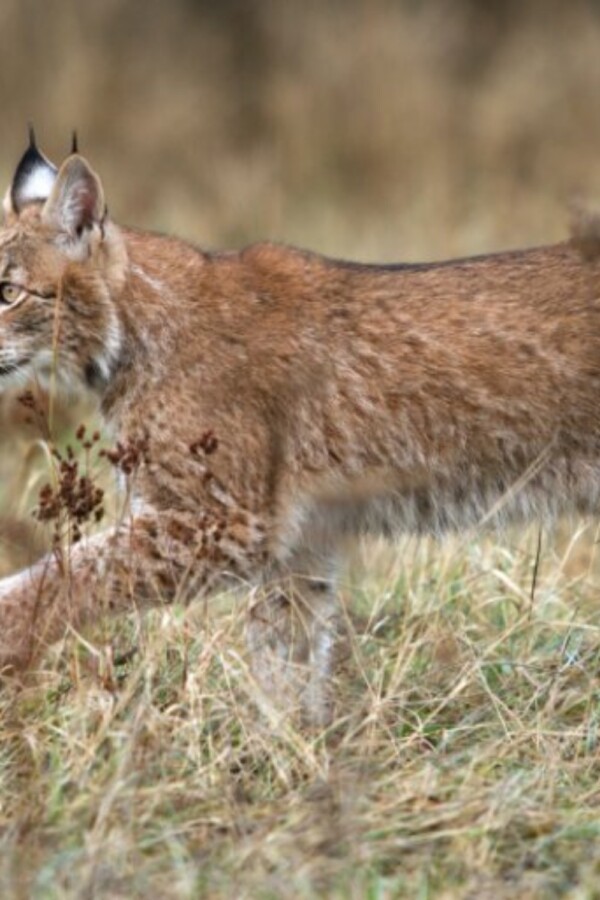
Europe contains species with a range of global and regional conservation statuses. This guide is being fact-checked species by species; readers should use each profile’s cited assessment, source, and date rather than treating this legacy list as one current Red List.
Let’s examine some of these animals closer and learn what we can do to help preserve them for future generations.
European Wildlife: Conservation Statuses and Regional Concerns
1. Eurasian Brown Bear
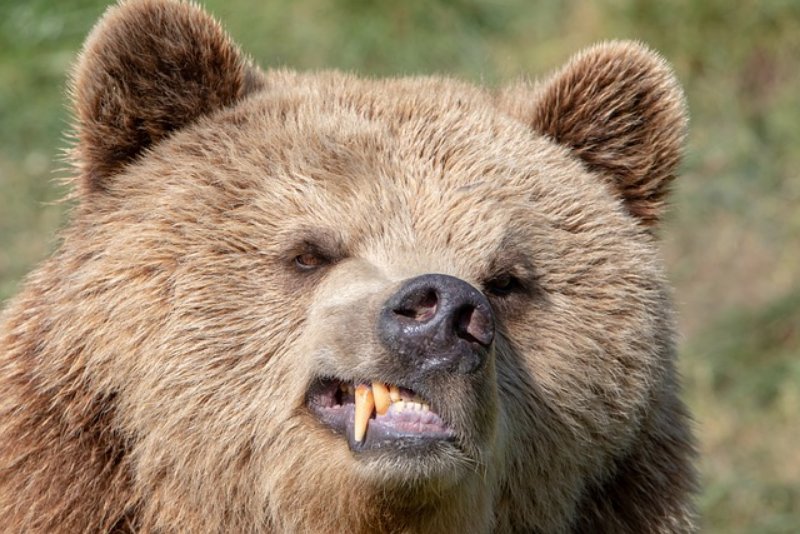
Scientific name: Ursus arctos arctos
The Eurasian Brown Bear is a subspecies of the brown bear in Europe and Asia. It is larger than its North American counterparts, with males averaging around 3 meters long and females around 2 meters. The number of wild bears in Central Europe is small, and they are endangered in France.
Eurasian brown bears have a coat of shaggy, brown fur that helps to keep them warm in their cold, mountainous habitat. They are omnivorous, and their diet consists of both plants and animals. In the summer months, they eat berries, nuts, and grasses.
They supplement their diet with small mammals such as mice and voles in the winter.
Eurasian Brown Bears are solitary creatures that only come together during breeding. Cubs are born blind and helpless and stay with their mother for up to two years before striking out on their own. The Eurasian Brown Bear is a threatened species due to habitat loss and hunting.
Several things can be done to help protect these animals, including creating protected areas where they can live and grow, working with local communities to raise awareness about the importance of bears, and collaborating with other organizations to support their conservation.
2. Pine Marten
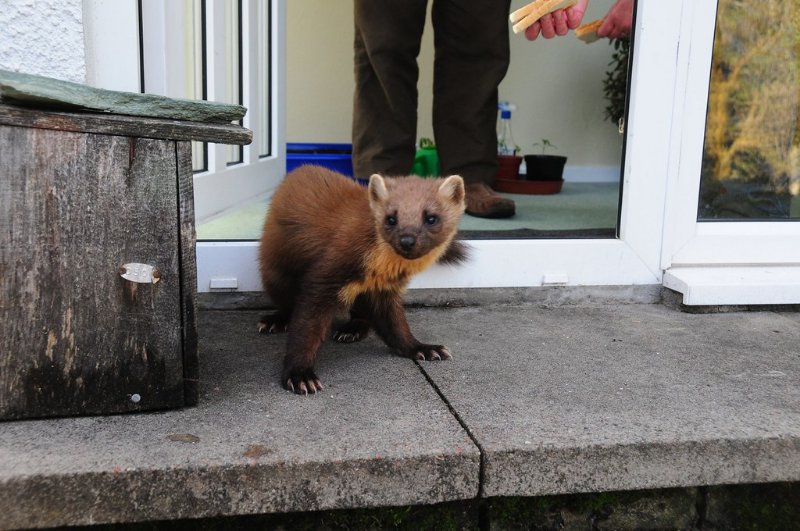
Scientific name: Martes martes
The European pine marten (Martes martes) is a small mustelid found in forests and wooded areas across parts of Europe. Its global IUCN Red List category is Least Concern, although local populations can still face conservation pressures.
Habitat loss, fragmentation, and persecution can affect local pine marten populations. This guide does not classify the species globally as Endangered.
The European pine marten is assessed as Least Concern globally by the IUCN Red List. This guide does not use an unsupported Europe-wide population figure; population statements require a dated regional source.
Conservation can support local pine marten populations through habitat protection and restoration, connectivity, and evidence-led monitoring. A global Least Concern listing does not rule out regional pressures.
3. Iberian Lynx
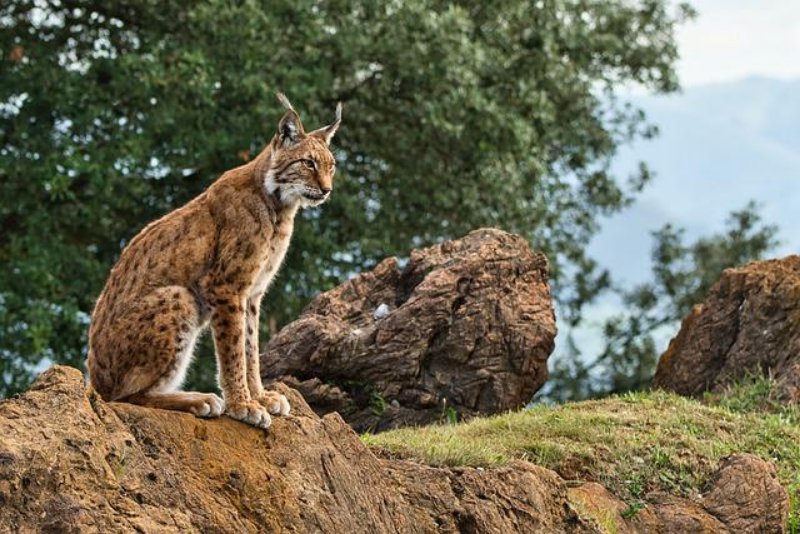
Scientific name: Lynx pardinus
The Iberian lynx is a wild cat native to the Iberian Peninsula. Its global IUCN Red List category improved from Endangered to Vulnerable in 2024 following conservation recovery; population figures must be shown with their assessment date and source.
The Iberian lynx preys on rabbits and still faces pressures including habitat degradation, prey decline, and human-caused mortality. Its global category and assessment date are described above; local risk varies by population and place.
Conservation action continues to support habitat restoration, landscape connection, and recovery of the Iberian lynx and its prey.
One such effort is establishing a captive breeding program, which has successfully increased the population of Iberian Lynx. Other conservation efforts include habitat restoration and protection and public education and awareness programs.
4. European Bison
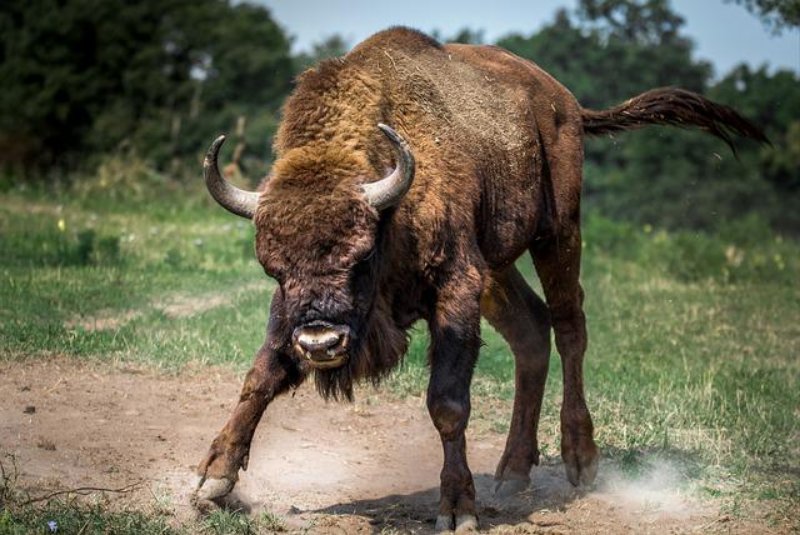
Scientific name: Bison bonasus
The European bison has a conservation history of severe decline and recovery. This collection does not publish a current population total or global status without a dated, cited assessment.
The European Bison is the largest land animal in Europe, weighing up to a ton. It is a shy and peaceful creature that lives in forested areas. The Bison’s diet consists of grasses and herbs.
The main threat to the European Bison is habitat destruction. As humans have developed more land for agriculture and urbanization, the Bison’s natural habitat has shrunk.
This has made it difficult for the Bison to find sufficient food and shelter. Hunting has also contributed to the decline of the European bison population.
There are several conservation efforts underway to protect the European Bison. One such initiative is the reintroduction of Bison into their natural habitat.
This is done by planting trees and restoring forested areas. Additionally, hunting the Bison is regulated to prevent further population decline.
The European bison is a vital part of the continent’s ecosystem, and conservation action can support the species and its habitat.
5. European Mink
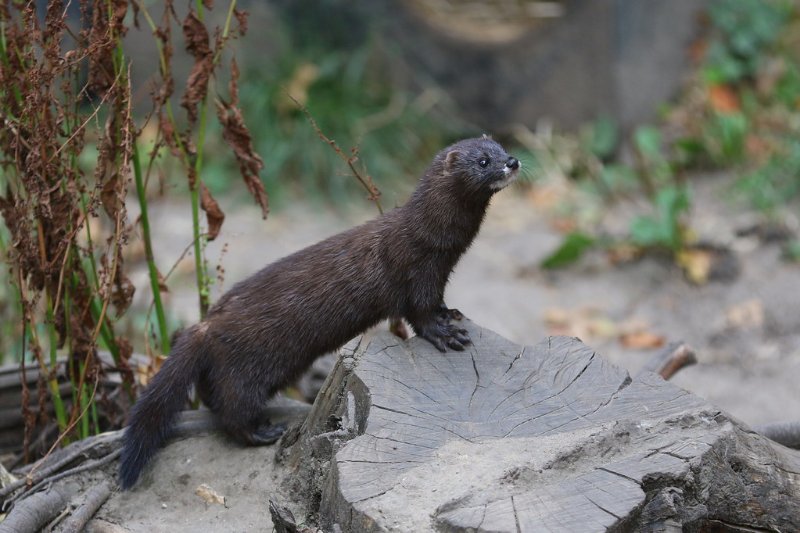
Scientific name: Mustela lutreola
The European Mink is a species of mink found in Europe, France, the Czech Republic, Finland, and the Russian Federation.
Only around 3,000 individuals are left in the wild. European Minks are nocturnal animals that live in burrows near water. They are endangered due to habitat loss and hunting.
European mink feed on fish, frogs, and small mammals. They are solitary animals that only come together to mate. Females give birth to 2 to 6 young at a time. These species once had an extensive range, stretching from Spain to Russia.
However, their numbers have declined over the last century due to habitat loss and hunting. European Minks are now only found in Spain, France, Belgium, and parts of Russia. Although European Minks are protected by law in some countries, more needs to be done to save this species from extinction.
6. Saiga Antelope
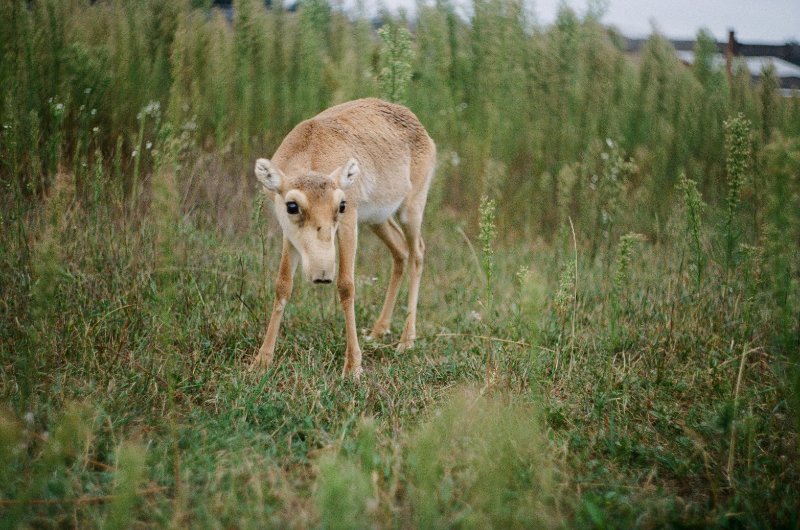
Scientific name: Saiga tatarica
The saiga antelope occurs on the Eurasian steppe and has faced severe historic pressures. Its status and population should be read with a current, cited assessment rather than this legacy collection.
These antelopes once roamed the grasslands of Russia and central Asia, but their range has now been reduced to a few small pockets in Kazakhstan. Efforts are underway to protect the remaining Saiga Antelopes and help them rebound, but given their challenges, this will be challenging.
Efforts are underway to conserve this unique species, including establishing protected areas and working with local communities to promote sustainable hunting practices.
7. Common European Viper
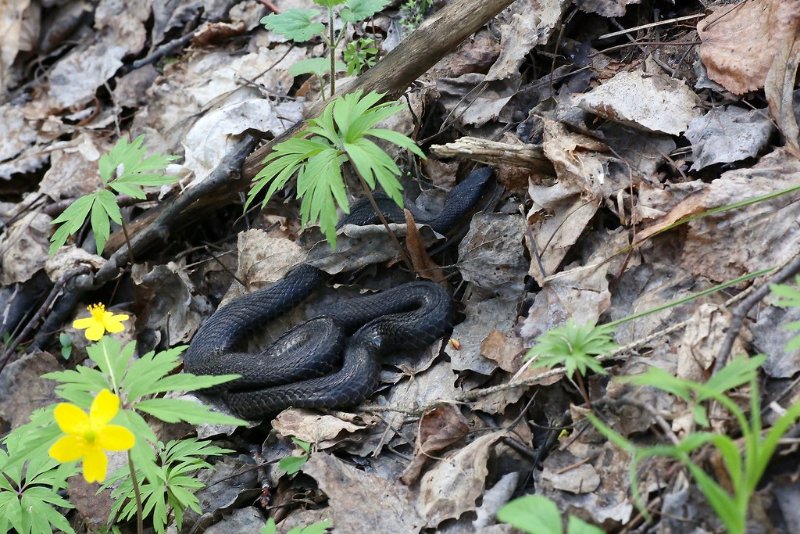
Scientific name: Vipera berus
The Common European Viper is a species of one of the venomous snakes found in parts of Europe.
This snake can face habitat loss and human persecution; local conservation concern varies across its range. Common European vipers occur in a wide range of colors, including black, green, brown, and gray.
This snake is shy and avoids contact with humans, but it can be dangerous if provoked. The venom of the Common European Viper can cause pain, swelling, nausea, and even death. If you see this snake in the wild, it is best to leave it alone.
These snake species are important to the ecosystem because they feed on small rodents, which helps to keep their populations in check. The snake also serves as an important food source for larger predators, such as foxes and birds of prey.
Conservationists are working hard to protect the viper’s habitat and are also developing education and awareness programs to help reduce poaching.
One important step in protecting the viper is understanding its ecology and behavior. Such information can help guide conservation efforts and help people learn to appreciate this endangered species.
8. European Pond Turtle
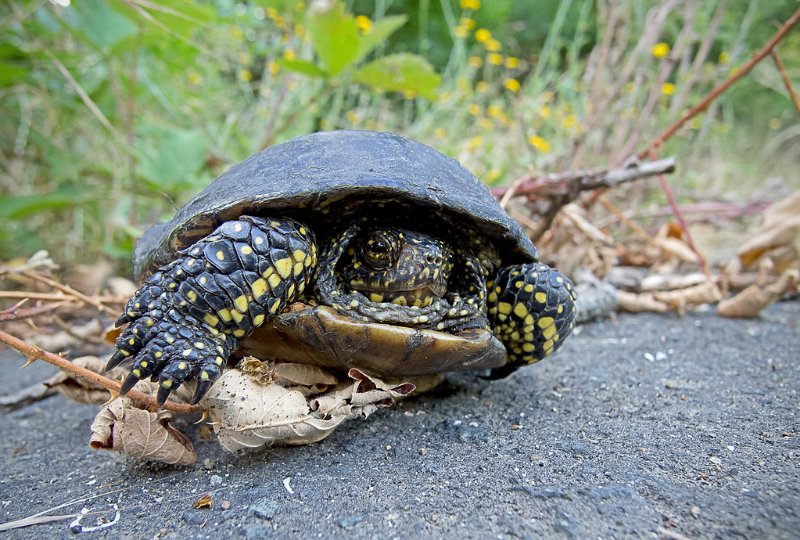
Scientific name: Emys orbicularis
The European Pond Turtle is a shy creature rarely seen by humans. This turtle is found in ponds and lakes across Europe. The turtle can grow up to 30 centimeters long and has a dark-colored shell.
European pond turtles can be affected by habitat loss, pollution, and collection pressures. If you see one in the wild, do not disturb it.
These freshwater turtles occur in ponds and lakes across many European countries. Local populations can decline where wetlands and other habitat are lost or degraded.
Pollution is also killing European Pond Turtles. Their water becomes dirty and full of toxins, making them very sick.
And finally, some people still hunt European Pond Turtles for their meat or shells, even though it is now illegal.
We must all do our part to protect this endangered species before it is too late. European Pond Turtles play an important role in the ecosystem, and we must work together to ensure their survival.
9. Bavarian Pine Vole
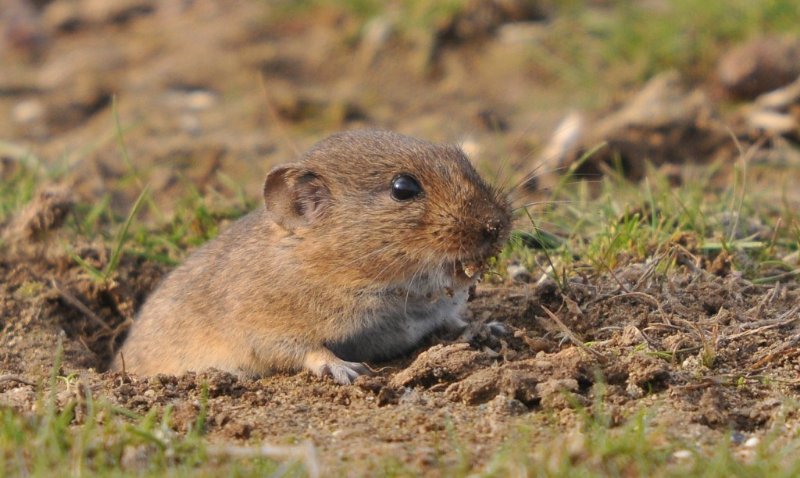
Scientific name: Microtus bavaricus
The Bavarian Pine Vole is an endangered rodent found only in the alpine region of southern Germany.
This little vole has a thick reddish-brown fur and a long tail. It feeds on the needles and bark of pine trees and can live in either open areas or among the branches of trees. The Bavarian Pine Vole faces many threats, including habitat loss, predation by other animals, and disease.
Only a few hundred individuals are thought to remain, and without urgent conservation efforts, this charming little creature could soon disappear from the landscape altogether.
These voles are threatened by habitat destruction and fragmentation and introduced predators such as the red fox. Conservation efforts are ongoing to protect this species and its habitat.
10. North Atlantic Right Whale
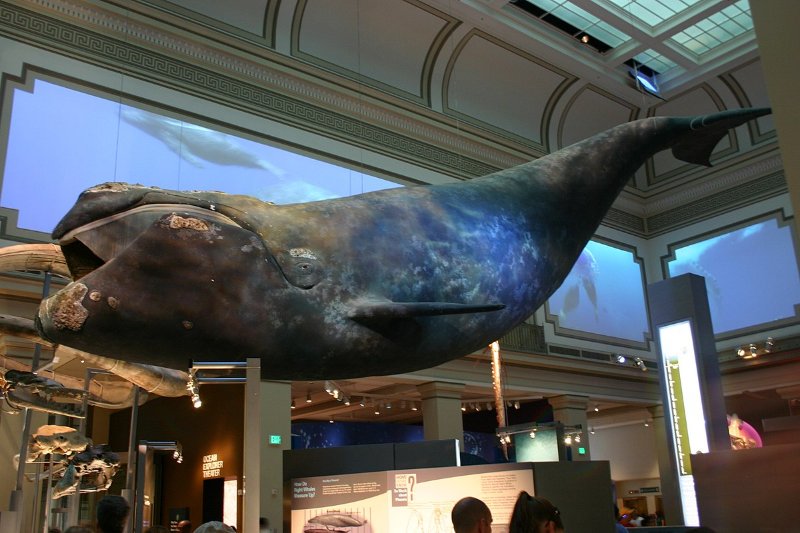
Scientific name: Eubalaena glacialis
The North Atlantic right whale is a baleen whale. The population described by the International Whaling Commission uses waters along the eastern coast of North America, including calving areas in the southeastern United States and feeding areas in Atlantic Canada. Its population estimate should not be read as a count of whales around Europe.
The IWC species summary lists the North Atlantic right whale as Critically Endangered on the IUCN Red List. It reports an estimated 384 individuals for 2024, with an interval of 375–394. The year and geographic scope matter when comparing population estimates.
NOAA Fisheries identifies fishing-gear entanglements and vessel strikes as leading causes of mortality. Changing environmental conditions can also shift prey and whale movements, changing where whales encounter these hazards.
Conservation work focuses on reducing these threats and monitoring the population. NOAA describes work with fishing, boating and shipping industries alongside scientific surveys and individual whale identification.
11. Eurasian Capercaillie
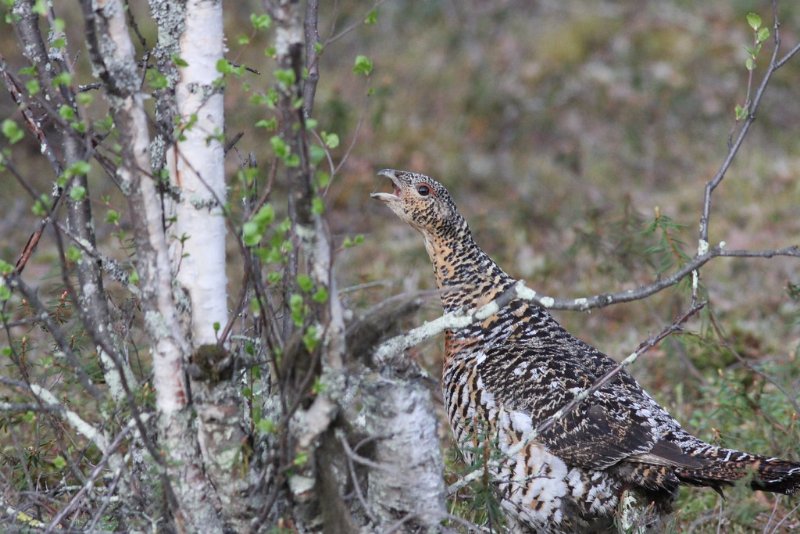
Scientific Name: Tetrao urogallus
Eurasian Capercaillie is a grouse species found in various Asian and European countries. It is considered endangered, with an estimated 6000-7000 Eurasian Capercaillie remaining in the wild.
The main reasons for their decline are habitat loss and hunting. Eurasian Capercaillie inhabit dense forests, where they find food and shelter. However, their habitat is shrinking due to deforestation and other human activity.
This has led to a decline in the Eurasian Capercaillie population.
In addition, the Eurasian Capercaillie is hunted for its meat, which is considered a delicacy in some cultures. As a result of these factors, the Eurasian Capercaillie is at risk of extinction. Conservation efforts are, therefore, needed to protect this species.
12. Mediterranean Monk Seal
Scientific name: Monachus monachus
This entry concerns the Mediterranean monk seal, Monachus monachus. Its reproductive populations occur in the Mediterranean and the central-eastern Atlantic, including Madeira and the Cabo Blanco Peninsula.
The 2025 IUCN monitoring and research guide reports that the species was assessed as Vulnerable in 2023, following an Endangered assessment in 2015. That improvement does not remove the need for conservation.
The same guide cites a 2023 global estimate of 815–997 individuals of all ages. This is a dated estimate across the species’ range, not a count for Europe alone or a real-time total.
Coastal disturbance and habitat loss remain concerns. Protecting resting and breeding habitat, including marine caves and suitable beaches, and monitoring interactions with fisheries are important parts of conservation work.
13. Eurasian Wolf (regional conservation concern)
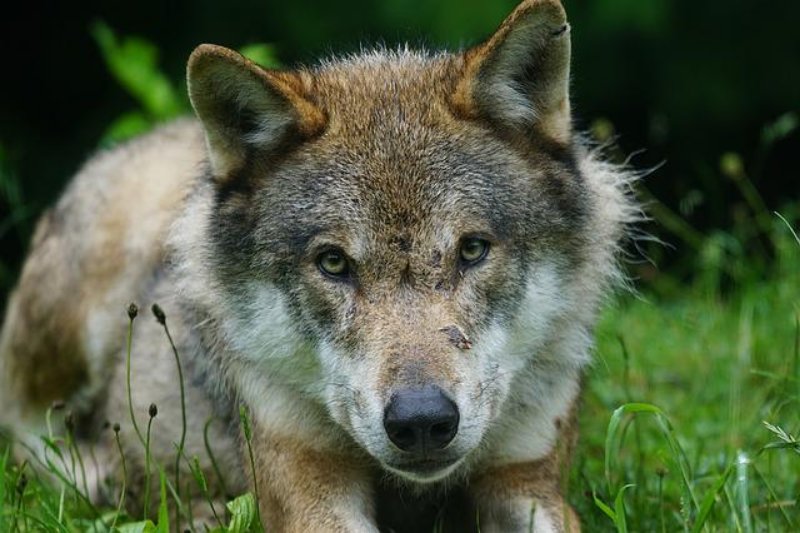
Scientific name: Canis lupus lupus
You might be asking why Eurasian Wolves are included on this list despite their conservation status being classified as ‘Least Concern.’ These wolf species can be found all over Europe. However, the animal disappeared from the majority of Western European countries.
European wolf abundance and protection vary greatly among countries and populations. This collection does not use an unsupported Europe-wide population total.
The biggest threat to the wolf population is human hunting and persecution. People often kill wolves because they see them as a threat to livestock, although most wolf attacks on livestock occur in areas where there is no wolf predation.
The Eurasian Wolf is an important part of European ecosystems, and its loss would be a great loss of biodiversity.
14. Oceanic manta ray (“Devil Fish”)
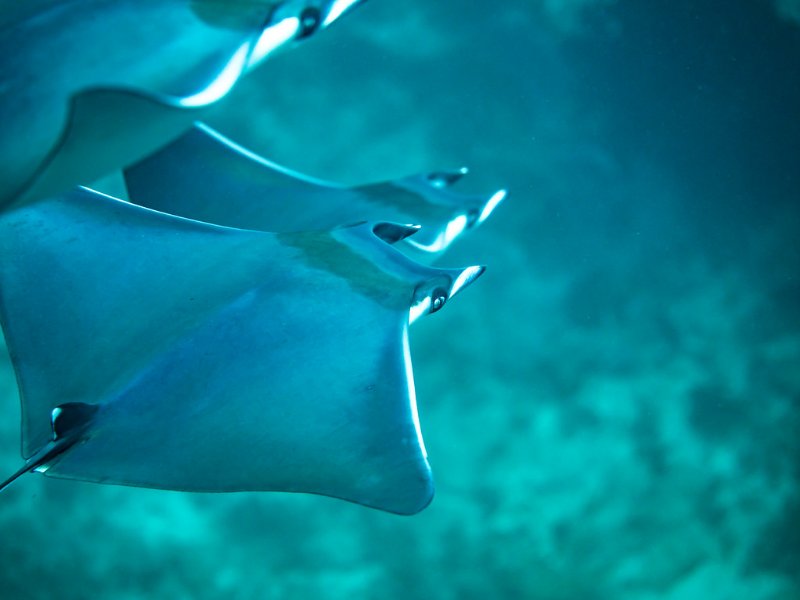
Scientific name: Mobula birostris (formerly Manta birostris in many references)
“Devil fish” is an ambiguous common name. This entry refers to the oceanic manta ray, not monkfish; taxonomic identity and conservation status must be checked against a dated source.
Oceanic manta rays face pressures including targeted and incidental capture. This collection page does not publish a status or population figure without a current, cited assessment.
Overfishing means too many Devil Fish are caught, and pollution can damage their habitat and make it difficult to find food.
Oceanic manta rays can be caught incidentally in fisheries. A source-dated species assessment is required before this collection states a current category.
15. Northern Bald Ibis
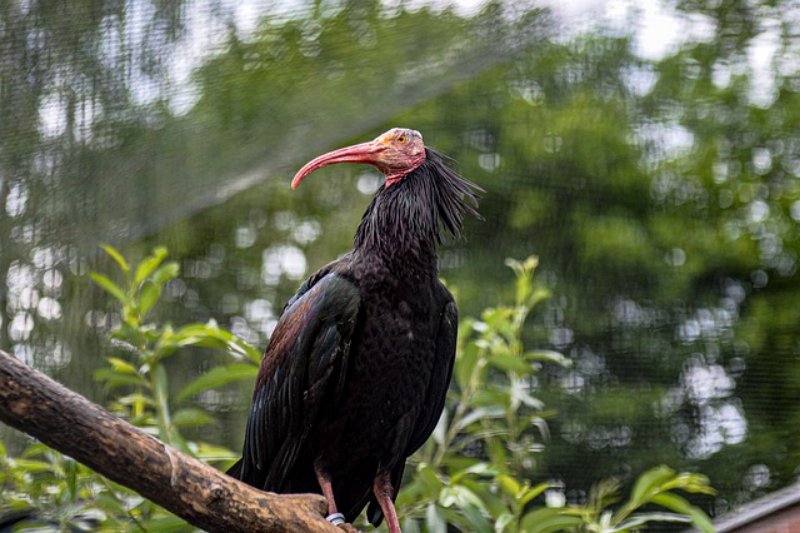
Scientific name: Geronticus eremita
This entry requires a dated assessment before it states a global category or population total. Conservation claims should identify the species, assessment scope, source, and date.
To save this endangered species, several conservation organizations have been working to create protected areas for the birds, raise awareness about the importance of conservation, promote education, and conduct research initiatives.
One such organization is BirdLife International, working with local partners in Morocco to protect key breeding sites and encourage sustainable tourism practices.
Other organizations working to conserve the Northern Bald Ibis include the Society for the Protection of Nature in Lebanon, the Royal Society for the Protection of Birds, and the European Union.
The Northern Bald Ibis is one of many endangered animals that call Europe home. Other endangered species include the Iberian Lynx, the European Bison, and the Mediterranean Monk Seal.
With the help of dedicated conservationists, these endangered animals will be saved from extinction and continue to thrive in their natural habitats.
16. Freshwater Molluscs
Europe is home to diverse freshwater molluscs, including several species facing conservation pressures.
This collection does not name a species or provide a dated assessment for this entry, so it does not publish a category or population figure.
Several things can be done to help protect European freshwater mussels and other endangered molluscs. One crucial step is reducing or eliminating harmful pesticides and other pollutants in our waterways.
17. The Blue Chaffinch
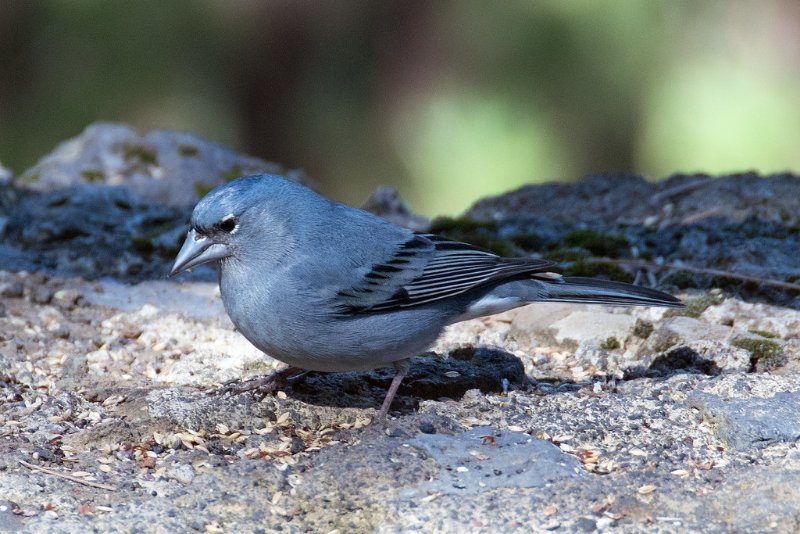
“Blue chaffinch” can refer to more than one closely related species. This collection does not state a global category or population figure without a scientific name and dated source.
Species-specific conservation information must identify the scientific name, population scope, source, and date before it is published in this collection.
The Blue Chaffinch conservation effort is important because this endangered bird is native to Europe. Conservationists are working to protect the bird’s habitat and raise awareness about its plight.
Frequently Asked Questions
What is the most endangered animal in Europe?
Europe contains many species with different global and regional risk levels. Use a current, cited assessment for each species rather than ranking the entries in this legacy collection.
Why are animals at risk in Europe?
Common pressures include habitat loss and fragmentation, pollution, climate change, invasive species, and exploitation. Their effects differ by species and region.
How can I check a conservation claim?
Look for the scientific name, assessment category, assessment date, source link, and the region the statement covers. OEW is converting this list into sourced species profiles.
Related Resources
- Cruel Animals Around the World
- Animals That Have Gone Extinct Due to Deforestation
- Do Bulletproof Animals Exist?
Curious about reptiles on the continent? Find out whether there are alligators in Europe.