Greenhouses are not inherently bad for the environment. A sunlit, unheated structure can extend the growing season with modest operating emissions, while a greenhouse heated with fossil fuels and supplemented by artificial light can have a much larger carbon footprint. The result depends on its energy source, local climate, crop, yield, materials, water and nutrient management, pest control, and the farming system it replaces.
Energy is usually the biggest dividing line. A 2025 systematic review of 50 tomato life-cycle assessments found median cradle-to-gate emissions of 80 kilograms of carbon dioxide equivalent per metric ton for open-field production, 83 for climate-uncontrolled protected production, and 1,709 for climate-controlled protected production. These are tomato-specific medians rather than universal scores for every crop, but they demonstrate how heating and other climate controls can dominate a greenhouse’s environmental impact.
Key takeaways
- A greenhouse building does not create greenhouse gases simply because it traps warm air.
- Heating, cooling, dehumidification, and artificial lighting are often the largest sources of operating emissions.
- Locally grown greenhouse produce is not automatically lower carbon than imported field-grown produce.
- Protected cultivation can improve water efficiency and crop yield, especially when drip irrigation and recirculating systems are well managed.
- Glazing, frames, plastic films, fertilizer losses, pesticides, packaging, and end-of-life disposal also matter.
- The lowest-impact designs usually rely on sunlight, passive heat, efficient irrigation, crops suited to the season, durable materials, and a long service life.
How environmentally harmful is each type of greenhouse?
“Greenhouse” covers structures with very different resource demands. A plastic tunnel used for frost protection should not be evaluated in the same way as a heated glasshouse producing summer vegetables through a cold winter.
| Growing system | Typical energy profile | Main environmental advantage | Main environmental risk |
|---|---|---|---|
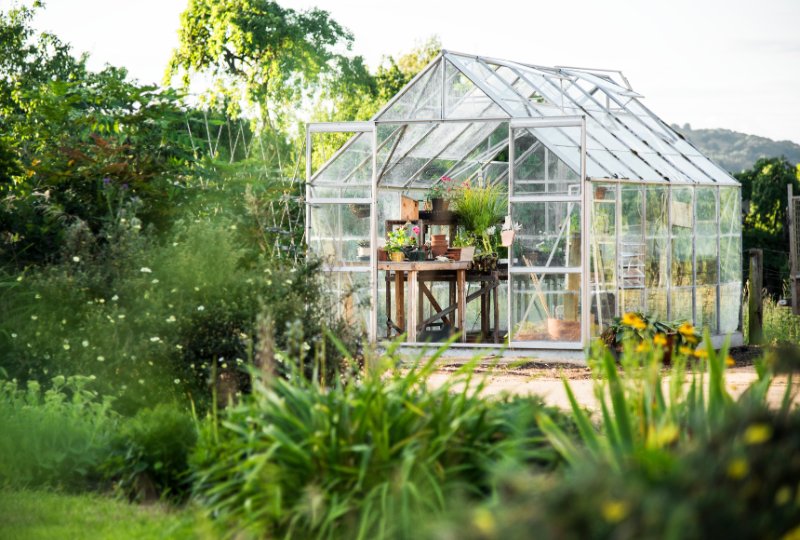
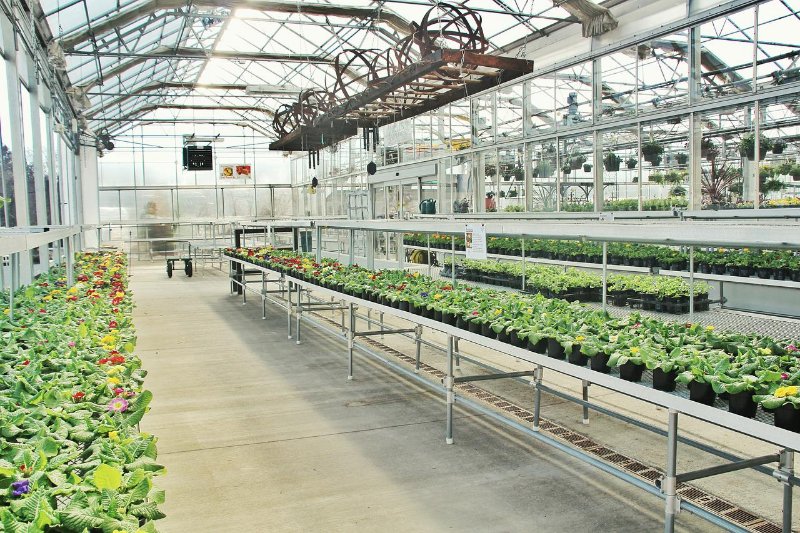
| Seasonal or unheated greenhouse | Sunlight, natural or fan-assisted ventilation, irrigation | Extends the season without continuous heating | Construction materials, plastic waste, water use, and occasional fan or pump energy |
| Passive-solar or deep-winter greenhouse | Solar gain, insulation, thermal storage, limited backup energy | Can produce cold-tolerant crops with relatively little purchased heat | Performance depends on climate, orientation, insulation, and appropriate crop selection |
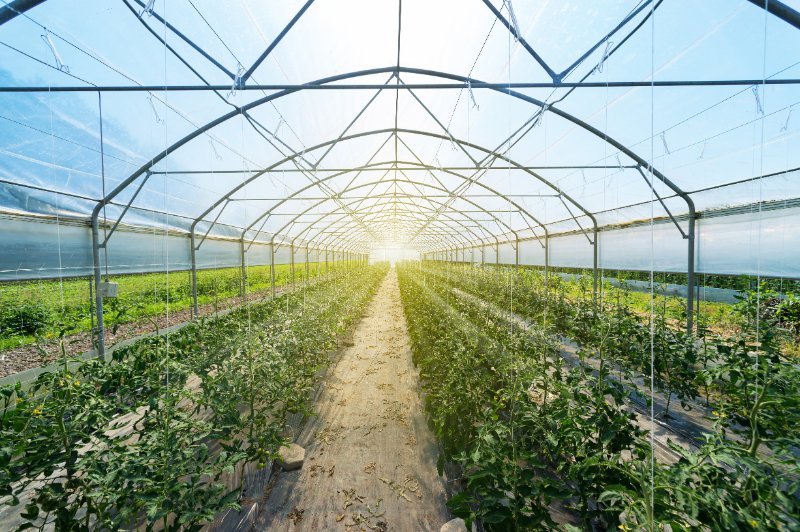
| Climate-controlled greenhouse | Heating, cooling, ventilation, dehumidification, pumps, and sometimes supplemental lighting | Predictable yields and longer production seasons | High emissions when heat or electricity comes from carbon-intensive sources |
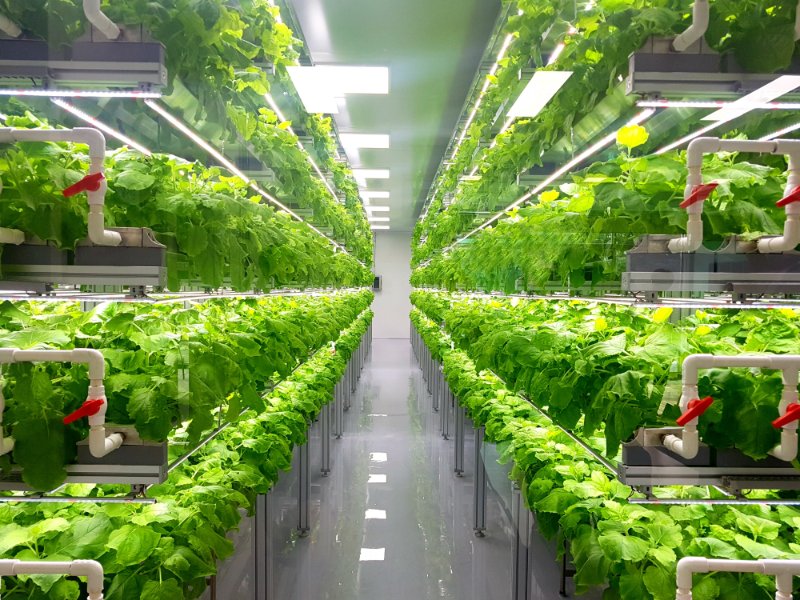
| Fully indoor or vertical farm | Electric lighting, heating, cooling, airflow, pumps, and controls | Precise control and high output per unit of floor area | Electricity demand can be substantial and is highly sensitive to the power mix |
A seasonal backyard structure generally sits closer to the low-energy end of this spectrum. A fully controlled commercial facility may still be environmentally defensible when it uses low-carbon energy, produces high yields, recirculates resources, and replaces a more damaging supply chain, but those benefits must be demonstrated rather than assumed.
What is a greenhouse?
A greenhouse is a transparent or translucent structure that protects plants while allowing growers to manage temperature, moisture, light, water, and pests more closely than they could in an open field. The USDA Economic Research Service places greenhouses within the broader category of controlled-environment agriculture, which ranges from relatively simple protected structures to technologically intensive indoor systems.
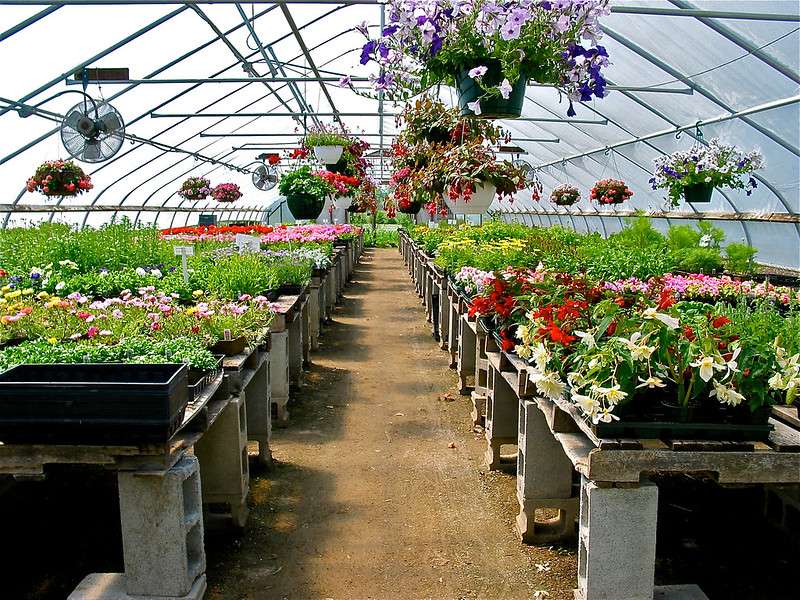
Different types of greenhouses use glass, polycarbonate, polyethylene film, or other light-transmitting materials. Some rely almost entirely on sunlight and ventilation. Others use heaters, chillers, humidifiers, grow lights, sensors, automated irrigation, carbon dioxide management, and computer controls.
Greenhouse buildings and greenhouse gases are different
A greenhouse building and the atmospheric greenhouse effect share a name, but they are not the same process. A greenhouse warms largely because sunlight enters the structure and the enclosure slows the movement of warm air to the outdoors. Atmospheric greenhouse gases warm the planet by absorbing and re-emitting infrared radiation.
The U.S. Environmental Protection Agency identifies carbon dioxide, methane, nitrous oxide, and fluorinated gases as important human-influenced greenhouse gases. They are not stored beneath the ozone layer, and the ozone layer is not a glass roof around Earth.
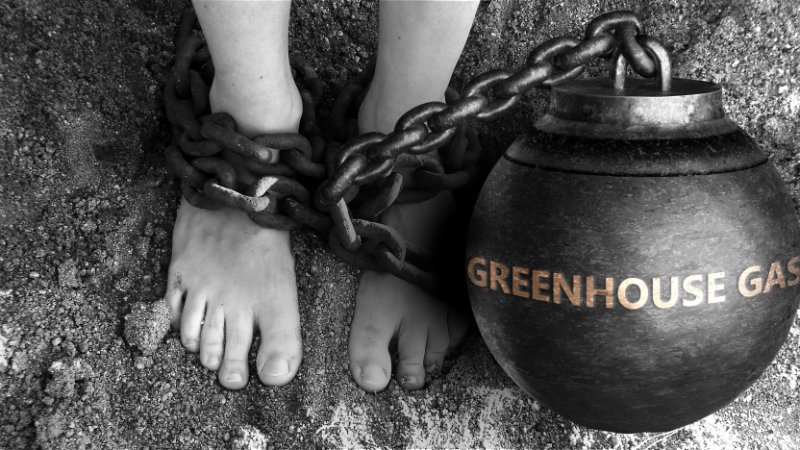
The structure itself therefore does not emit greenhouse gases merely by capturing solar warmth. Emissions arise from its construction and operation: fuel burned for heat, electricity used for lights and equipment, production of fertilizer and materials, transport, replacement parts, and waste management.
What determines a greenhouse’s environmental impact?
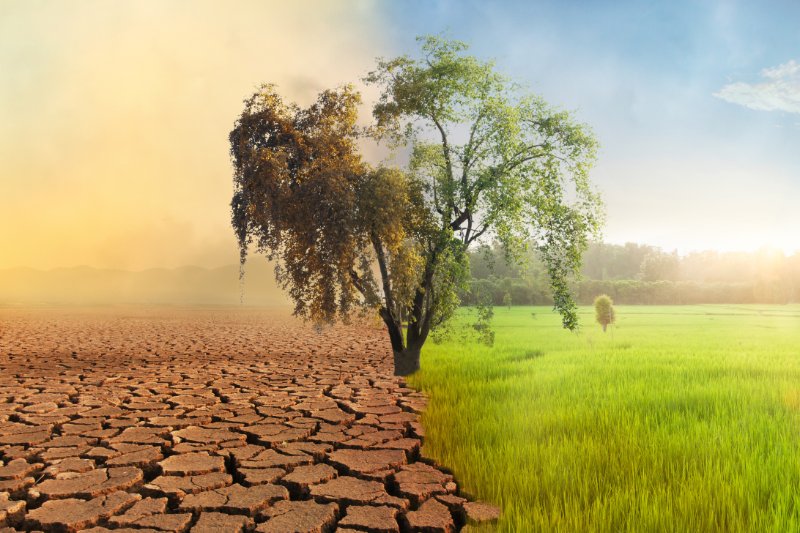
Heating, cooling, and artificial lighting
Climate control is often the largest environmental factor. A greenhouse in a mild climate may need little more than ventilation, shade, and irrigation. The same crop grown through a northern winter may require months of heating, dehumidification, air circulation, and supplemental light.
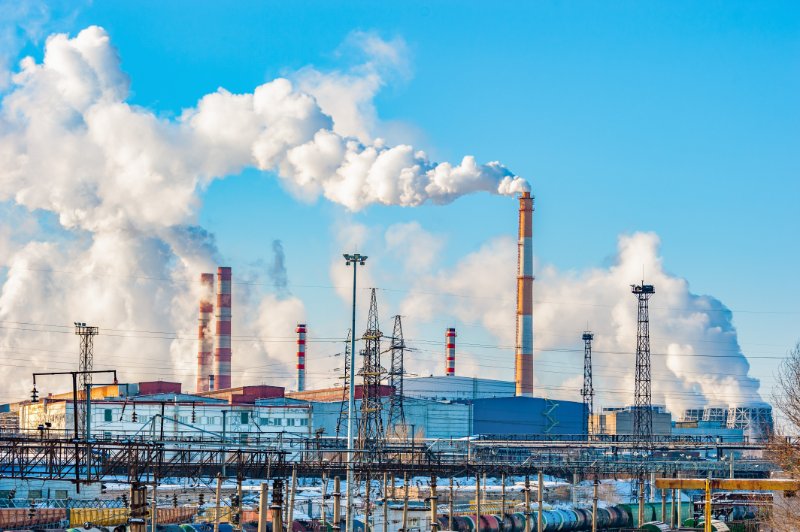
Natural gas, propane, fuel oil, or other on-site combustion produces direct emissions. Grid electricity shifts emissions to the power system unless the electricity comes from a low-carbon supply. Cooling equipment, pumps, fans, and controls also consume energy even when the greenhouse is not heated.
The 2025 tomato review illustrates the size of this effect. Climate-uncontrolled protected production had a median footprint close to open-field production, while the climate-controlled median was more than 20 times higher. Individual results varied widely, which is why crop yield, energy use, climate, and fuel source should be reported alongside any claim that a greenhouse is sustainable.
Passive design can reduce the need for purchased energy. The University of Minnesota’s deep-winter greenhouse guidance, for example, uses solar orientation, insulation, stored heat, and cold-tolerant crops rather than trying to reproduce midsummer conditions throughout winter.
Artificial lighting adds another significant load. Efficient LEDs can reduce electricity use relative to older lamps, but they do not make lighting impact-free. The relevant question is how much electricity is used per kilogram of marketable crop and how that electricity is generated.
Construction materials and plastic waste
A greenhouse begins accumulating environmental impacts before the first crop is planted. Steel and aluminum frames, glass, concrete foundations, polycarbonate panels, polyethylene film, irrigation lines, benches, electronics, and growing substrates all require raw materials and energy.
Durability changes the calculation. A long-lived frame or glazing system can distribute its manufacturing footprint across many growing seasons. Thin plastic coverings may require more frequent replacement, while dirty or degraded agricultural film can be difficult for recyclers to process.
The best material is therefore not determined by a single label such as glass, plastic, wood, or metal. Consider expected service life, repairability, recycled content, local climate, storm resistance, replacement frequency, and whether a local recycler or take-back program will accept the material. Broader strategies to reduce waste at home and in the garden also apply to pots, trays, packaging, irrigation tubing, and crop residue.
Water and nutrient management
Greenhouses can use water efficiently, but the structure alone does not guarantee savings. Protected cultivation can reduce evapotranspiration and produce more crop per unit of water. Drip irrigation, moisture sensors, targeted fertigation, rainwater collection, and prompt leak repair can improve the result further.
System design matters. The Food and Agriculture Organization’s greenhouse crop guidance distinguishes open systems, which allow drainage water and dissolved fertilizer to leave the growing area, from closed systems that collect, treat, and reuse drainage. A well-managed closed system can conserve both water and nutrients. A poorly managed system can accumulate salts or spread plant pathogens, so monitoring remains necessary.
Evaporative cooling can also consume substantial water in hot, dry climates. Environmental comparisons should therefore account for local water scarcity, source reliability, water quality, drainage, and nutrient losses—not just total gallons used.
Readers considering soilless growing can compare these issues in the guide to building a closed-loop hydroponic greenhouse.
Pest management and biodiversity
A greenhouse can physically exclude some pests, but warm, humid, protected conditions can also allow insects and plant diseases to spread rapidly once they enter. Routine pesticide use is not the only option.
Integrated pest management combines clean planting material, sanitation, screening, crop rotation, monitoring, biological controls, resistant varieties, environmental controls, and targeted treatment when necessary. This approach can reduce unnecessary chemical use while protecting crop yield.
Pesticides should not be described as atmospheric pollution in every case. Their impacts vary by active ingredient, application method, exposure, persistence, toxicity, and disposal. The relevant concerns may include worker exposure, residue, water contamination, harm to beneficial organisms, manufacturing impacts, and resistance—not one universal outcome.
Transport, storage, and seasonality
Growing food near consumers can reduce distance, refrigeration, packaging, spoilage, or dependence on fragile supply routes. Those are real potential benefits, but “local” is not a complete carbon calculation.
The University of Michigan review found that imported open-field or climate-uncontrolled tomatoes could have lower emissions than local climate-controlled tomatoes unless greenhouse heating was extremely low carbon. Transport still matters, especially when food is air-freighted, but efficient shipping can contribute less than months of fossil-fuel heating.
A fair comparison should include production energy, yield, fertilizer, packaging, storage, transport mode, spoilage, and seasonal availability. It should also identify what the greenhouse crop replaces: an air-freighted product, a trucked field crop, a locally stored crop, or no purchase at all.
What environmental benefits can greenhouses provide?
Greenhouses can deliver meaningful benefits when they are used for the right crops and conditions:
- Longer growing seasons: Frost protection and warmer daytime conditions can produce food earlier in spring or later in autumn without full winter heating.
- Protection from extreme weather: Crops are less exposed to hail, heavy rain, wind, and some temperature swings.
- Higher and more predictable yields: Better control can produce more marketable food from a given area, although the gain must be weighed against resource inputs.
- Precise water delivery: Drip and sensor-controlled irrigation can reduce evaporation and overwatering.
- Nutrient recovery: Closed-loop systems can collect and reuse drainage instead of releasing fertilizer-rich water.
- Reduced crop loss: Protection from weather and careful monitoring may reduce failed harvests and food waste.
- Regional resilience: Greenhouses can diversify local production where outdoor seasons are short or weather is increasingly unreliable.
These benefits do not erase the footprint of a poorly designed facility. They show why the correct question is not simply whether greenhouses are good or bad, but whether a specific greenhouse delivers enough useful crop to justify its energy, water, material, and waste demands.
How to make a greenhouse more sustainable
Environmental choices also influence greenhouse construction and operating costs. A smaller structure with lower heat loss and a clearly defined growing purpose is often more economical and easier to manage than an oversized, fully controlled design.

- Define the actual growing objective. Frost protection, seed starting, season extension, and full winter production require very different levels of infrastructure. Do not install year-round climate control when a simpler seasonal structure will meet the goal.
- Match the design to the local climate. Compare orientation, ventilation, glazing, insulation, snow load, shade, storm exposure, and the available greenhouse types before choosing a kit or permanent structure.
- Reduce heat loss before buying more heating equipment. Seal air leaks, use thermal curtains, insulate opaque surfaces, divide unused growing zones, maintain glazing, and select crops that tolerate lower temperatures. The guide to how to heat a greenhouse without electricity covers passive alternatives.
- Use the lowest-carbon practical energy source. After reducing demand, compare heat pumps, renewable electricity, recovered heat, appropriately sourced biomass, or other locally suitable options. On-site solar panels for a greenhouse can offset some electric demand when they are properly sized and positioned.
- Manage light, cooling, and humidity as carefully as heat. Use natural daylight first, clean glazing, provide efficient ventilation, shade only when needed, and schedule artificial lighting according to crop requirements rather than habit.
- Measure water and nutrient losses. Use drip irrigation, repair leaks, collect rainwater where safe and legal, monitor drainage, and recirculate water and nutrients when crop-health controls are in place.
- Build an integrated pest-management program. Start with exclusion, sanitation, monitoring, biological controls, resistant plants, and environmental management. Use targeted chemical controls only when justified.
- Plan for repair and end-of-life disposal. Favor durable, replaceable components; keep plastic film clean and separated; reuse pots and trays; and identify recycling or take-back options before purchasing materials.
- Track impact per unit of useful harvest. Record fuel, electricity, water, fertilizer, crop weight, rejected produce, and material replacements. A greenhouse with higher total energy use may still improve efficiency if it produces substantially more usable food, but the numbers should demonstrate that result.
Can a greenhouse be recycled?
Many greenhouse components can be reused or recycled, but an entire structure should not be treated as one recyclable object. It normally has to be dismantled and sorted.
- Metal frames: Steel and aluminum are commonly recyclable when separated from other materials.
- Glass: Acceptance varies because greenhouse panes, coatings, sealants, and safety glass may not fit ordinary container-glass programs.
- Rigid plastic panels: Polycarbonate or acrylic acceptance depends on local resin and construction-material programs.
- Plastic film: Film usually needs to be clean, dry, and free from soil, clips, tape, and plant debris. Agricultural-film programs are not available everywhere.
- Wood: Untreated, reusable timber may be repurposed, while painted, pressure-treated, or contaminated wood may require special handling.
- Pots, trays, tubing, and substrates: These should be separated by material and checked against local acceptance rules.
Reuse is often preferable to immediate disposal. A sound frame, door, vent, bench, pane, or irrigation component may have value to another grower even when it no longer fits the original installation.
A five-question greenhouse sustainability test
| Question | Lower-impact signal | Warning sign |
|---|---|---|
| How much climate control is required? | Seasonal use, passive heat, efficient ventilation, crops matched to conditions | Continuous fossil heating or heavy lighting for crops poorly suited to the season |
| What energy source is used? | Low-carbon electricity, recovered heat, efficient heat pumps, or minimal purchased energy | Inefficient combustion, uncontrolled heat loss, or carbon-intensive electricity |
| How are water and nutrients managed? | Measured irrigation, leak control, drainage capture, and safe recirculation | Overwatering, untreated nutrient discharge, or water-intensive cooling in a scarce basin |
| How long will the structure last? | Durable, repairable components with available replacements and an end-of-life plan | Short-lived coverings, frequent replacement, mixed materials, and no disposal route |
| What production system does it replace? | Air-freighted food, repeated crop failure, or a less efficient supply chain | Seasonal field produce replaced by fossil-heated out-of-season production |
The bottom line
Greenhouses are not automatically bad for the environment, but they are not automatically sustainable either. An unheated structure that relies on sunlight, extends a local season, conserves water, lasts for many years, and produces a useful harvest can have a relatively modest footprint.
A fossil-fuel-heated greenhouse producing energy-intensive crops through winter can have a much larger climate impact than seasonal field production—even when the greenhouse is physically closer to the consumer.
The practical priority is to reduce climate-control demand, use low-carbon energy for the remaining load, manage water and nutrients carefully, prevent pests through integrated methods, choose durable materials, and measure performance per unit of usable crop. Those choices determine whether a greenhouse becomes a resource-efficient growing tool or an unnecessarily intensive way to produce food.
Frequently asked questions
Are greenhouses bad for the environment?
Greenhouses are not inherently bad for the environment. Seasonal, sunlit, unheated structures can have modest operating emissions, while fossil-fuel-heated and heavily lit facilities can be carbon intensive. Energy, crop, climate, materials, water, nutrients, and waste determine the result.
Do greenhouses produce greenhouse gases?
The structure does not create greenhouse gases simply by trapping warm air. Emissions can come from fuel burned for heat, electricity used for lighting and cooling, fertilizer production and use, construction materials, transport, and waste.
Is local greenhouse produce always greener than imported produce?
No. For some cold-season crops, imported field-grown produce can have a lower footprint than local produce grown in a fossil-heated greenhouse. The answer depends on transport mode, greenhouse energy, yield, storage, and food losses.
Do greenhouses save water?
They can. Protected cultivation often reduces evapotranspiration and allows precise drip irrigation, while closed-loop systems can recirculate drainage water. Poorly managed open systems can still waste water or release nutrient-rich drainage.
How can I make a greenhouse more sustainable?
Use sunlight and seasonal growing first, reduce heat loss, choose low-carbon heat and electricity, recirculate water and nutrients where safe, use integrated pest management, and select durable, repairable materials with an end-of-life plan.
Related greenhouse resources
Before comparing products, decide whether the goal is seed starting, frost protection, season extension, or full winter production. That choice determines the appropriate size, glazing, ventilation, heating system, operating cost, and environmental footprint.
- Types of Greenhouses and How They Differ
- Greenhouse Costs: Construction, Ownership, and Operation
- How to Heat a Greenhouse Without Electricity
- Using Solar Panels for a Greenhouse
- How to Build a Hydroponic Greenhouse
- Practical Backyard Greenhouse Ideas
- Compare Greenhouse Kits and Standalone Options