No. Dwarf sperm whales (Kogia sima) are not currently classified as endangered. The IUCN Red List places the species in the Least Concern category. In the United States, it is protected under the Marine Mammal Protection Act, but NOAA does not list it as threatened or endangered under the Endangered Species Act.
That answer needs an important caveat: scientists do not have a reliable global population estimate or a clear worldwide trend. These small, deep-diving whales are difficult to see at sea and easy to confuse with pygmy sperm whales. Known risks include bycatch, fishing-gear entanglement, marine debris, vessel strikes, ocean noise, and disease.
Key Takeaways
- Current IUCN status: Least Concern, not Endangered.
- Global population: Unknown; single worldwide totals found on older websites are not reliable.
- U.S. legal status: Protected under the Marine Mammal Protection Act, but not listed under the Endangered Species Act.
- Scientific name: Kogia sima, in the family Kogiidae.
- Main conservation concerns: Incidental capture, entanglement, plastic ingestion, vessel strikes, underwater noise, and disease.
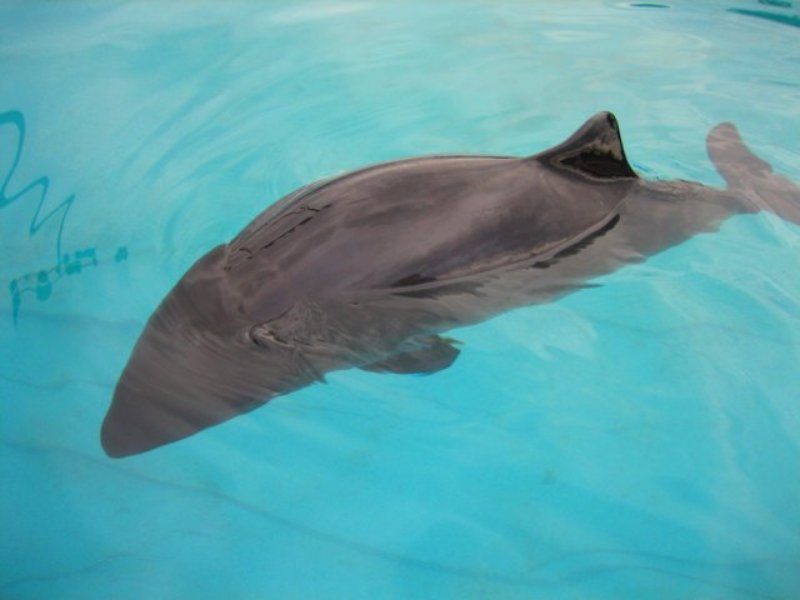
Are Dwarf Sperm Whales Endangered?
Dwarf sperm whales are not currently considered threatened with extinction at the global level. The IUCN changed the species from Data Deficient to Least Concern in its 2020 assessment, citing its wide tropical and warm-temperate distribution, numerous stranding records, and evidence that visual surveys underestimate how often it occurs.
Least Concern does not mean “no concern.” It means the available evidence does not currently meet the IUCN thresholds for a threatened category. The species remains difficult to study, and population declines could be hard to detect.
| Conservation measure | Current status | What it means |
|---|---|---|
| IUCN Red List | Least Concern | Global extinction risk is currently assessed as relatively low. |
| U.S. Endangered Species Act | Not listed | The species is not designated as threatened or endangered under this U.S. law. |
| Marine Mammal Protection Act | Protected | U.S. law restricts taking, harming, harassing, or importing marine mammals without authorization. |
| CITES | Appendix II | International trade is controlled to avoid use that could threaten the species. |
| SPAW Protocol | Annex II | The species receives regional protection in the Wider Caribbean. |
Status information last checked in August 2026 against current IUCN and NOAA sources.
How Many Dwarf Sperm Whales Are Left?
The number of dwarf sperm whales left worldwide is unknown. NOAA explains that the animals often avoid survey vessels and aircraft, surface inconspicuously, and can be seen reliably only in calm conditions. Field teams also struggle to separate them from the closely related pygmy sperm whale.
Older pages sometimes cite a global total of 7,000 to 15,000 animals. That range should not be treated as a verified worldwide estimate. Regional surveys cover only part of the species’ range, and many estimates combine both species in the genus Kogia.
For example, NOAA’s western North Atlantic stock assessment gives a 2021 estimate of 9,474 Kogia whales across surveyed waters from central Florida to the lower Bay of Fundy. That number combines dwarf and pygmy sperm whales, is not a global count, and is considered likely to be biased low.
The most accurate summary is therefore: the species has a broad range and is currently assessed as Least Concern, but its total abundance and population trend remain uncertain.
Dwarf Sperm Whale Quick Facts
| Fact | Current evidence |
|---|---|
| Scientific name | Kogia sima; older sources may use the synonym Kogia simus. |
| Family | Kogiidae, the family shared with the pygmy sperm whale. |
| Length | Up to about 9 feet (2.7 meters). |
| Weight | About 300 to 600 pounds (136 to 272 kilograms). |
| Lifespan | Up to about 22 years. |
| Range | Warm-temperate and tropical seas worldwide. |
| Diet | Squid, octopus, crustaceans, and fish. |
| Social behavior | Usually solitary or in small groups, commonly no more than about 10 animals. |
| Global population | Unknown. |
| IUCN status | Least Concern. |
Identification and Appearance
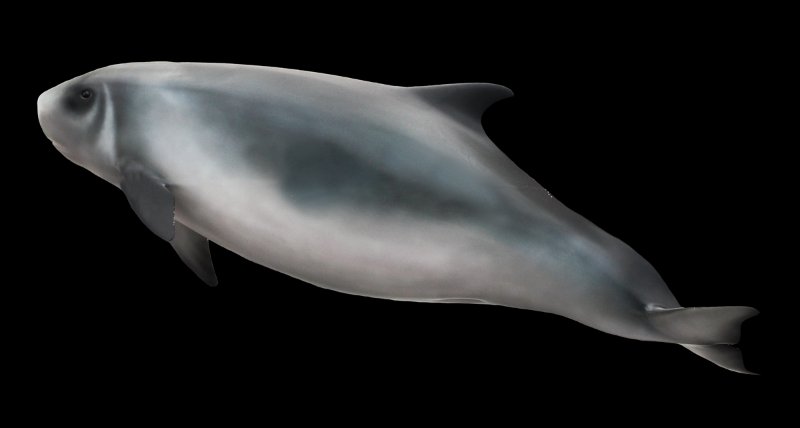
This species has a compact body, a flat-looking head and back, a narrow underslung lower jaw, and a small dorsal fin near the middle of the back. Its upper body is brown to blue-gray, while the underside is paler. A light or dark marking behind the eye resembles a fish’s gill slit and is commonly called a “false gill.”
Adults have up to three pairs of teeth in the upper jaw and seven to 13 pairs in the lower jaw. The low surface profile, lack of a conspicuous blow, and tendency to sink quietly before diving make the whale easy to miss.
Dwarf and pygmy sperm whales belong to Kogiidae. The much larger common sperm whale, Physeter macrocephalus, belongs to the separate family Physeteridae. All three are toothed whales within the sperm-whale superfamily Physeteroidea.
Dwarf vs. Pygmy Sperm Whale
Even experienced observers may be unable to identify the two small Kogia species confidently from a brief sighting. NOAA describes their appearance, behavior, and range as very similar.
| Feature | Dwarf sperm whale | Pygmy sperm whale |
|---|---|---|
| Scientific name | Kogia sima | Kogia breviceps |
| Maximum length | About 9 feet | About 11.5 feet |
| Typical weight range | 300–600 pounds | 700–1,000 pounds |
| Dorsal fin | Small, often more triangular, near the middle of the back | Small and rounded |
| Upper-jaw teeth | Up to three pairs | Usually absent |
| Field identification | Difficult; clear photographs, body proportions, teeth, genetics, or examination may be needed. | |
For a direct species comparison, see NOAA’s pygmy sperm whale profile.
Habitat and Distribution
Dwarf sperm whales occur in warm-temperate, subtropical, and tropical waters of the Atlantic, Indian, and Pacific oceans. Records extend from Hawaiʻi, Japan, Indonesia, and Australia to the Bahamas, Gulf of California, southern Brazil, South Africa, and parts of northwestern Europe.
They are primarily oceanic animals associated with deeper offshore waters, continental slopes, and areas where deep-water prey is available. Strandings sometimes provide the first evidence that the species regularly uses a region. Their migration patterns are not well understood.
Diet, Diving, and Echolocation
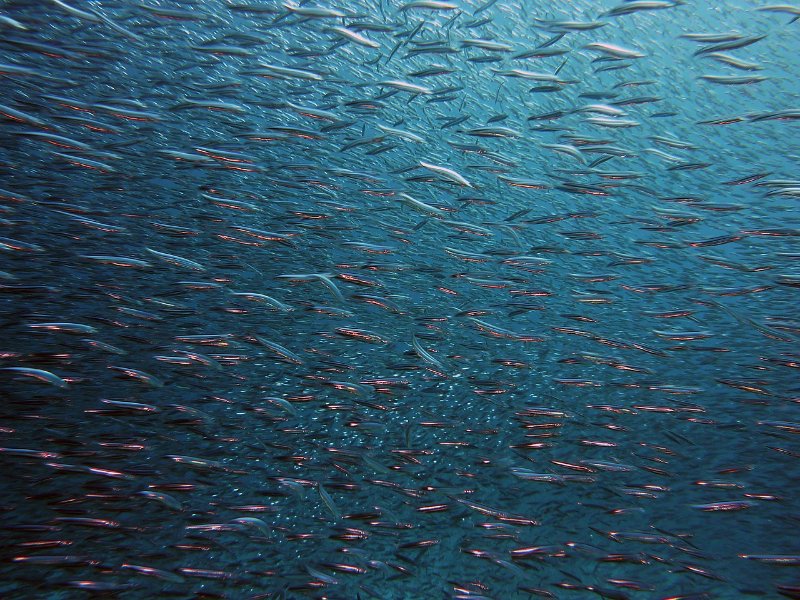
The species feeds on squid, octopus, crabs, shrimp, and fish in mid-water, deep-water, and near-bottom habitats. It can dive at least 1,000 feet (about 300 meters) while foraging.
Like dolphins and other toothed whales, it uses echolocation to navigate and locate prey. Sound is produced and focused through structures in the head, including the melon and the spermaceti organ. Echoes returning from prey and surrounding objects help the whale interpret its dark underwater environment.
Dwarf sperm whales are adapted for suction feeding. Rather than relying only on their teeth, they create negative pressure in the mouth to draw small prey inward.
Do Dwarf Sperm Whales Really Release Ink?
Yes, although it is not ink in the same sense as a squid’s ink. A sac in the lower intestine holds dark reddish-brown fluid. When threatened, the whale can release more than 3 gallons (roughly 12 liters), creating a cloud that may confuse a predator and help it escape.
The fluid is separate from spermaceti, the waxy oil in the head involved in sound production.
Reproduction and Lifespan
Reproductive information is limited because live animals are rarely observed for long periods. NOAA reports that sexual maturity occurs at roughly 2.5 to 5 years of age. Pregnancy lasts about one year, and a newborn calf is approximately 3.3 feet long and 30 pounds. Calves are weaned after about one year.
The maximum known lifespan is about 22 years. These figures are best treated as current estimates rather than fixed values for every population.
Threats to Dwarf Sperm Whales
The IUCN’s Least Concern category does not erase risks faced by individual animals. NOAA identifies incidental capture, entanglement, marine debris, vessel strikes, underwater noise, and disease as important concerns. The scale of each threat across the full global range is not known.
Bycatch and Fishing-Gear Entanglement
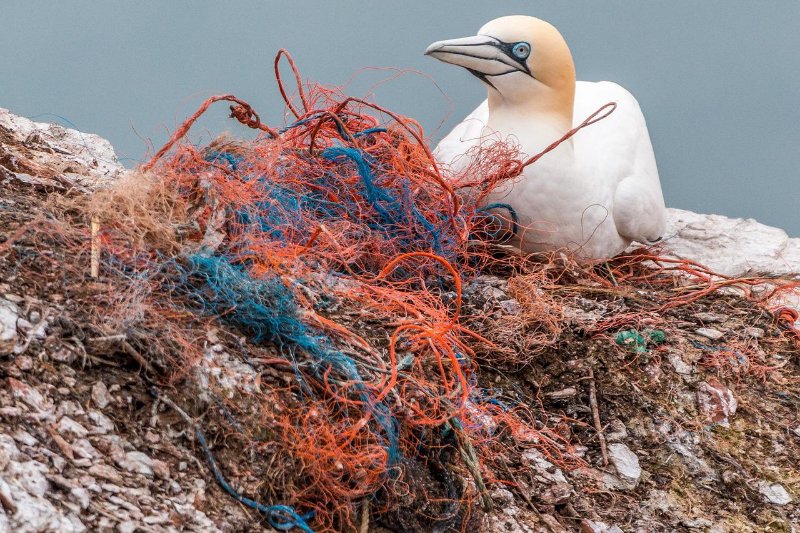
Whales caught in gillnets, trap lines, pots, or other fishing gear may drown immediately or drag attached equipment for long distances. Chronic entanglement can impair swimming and feeding, cause deep wounds, increase fatigue, and reduce reproductive success.
Marine Debris and Pollution
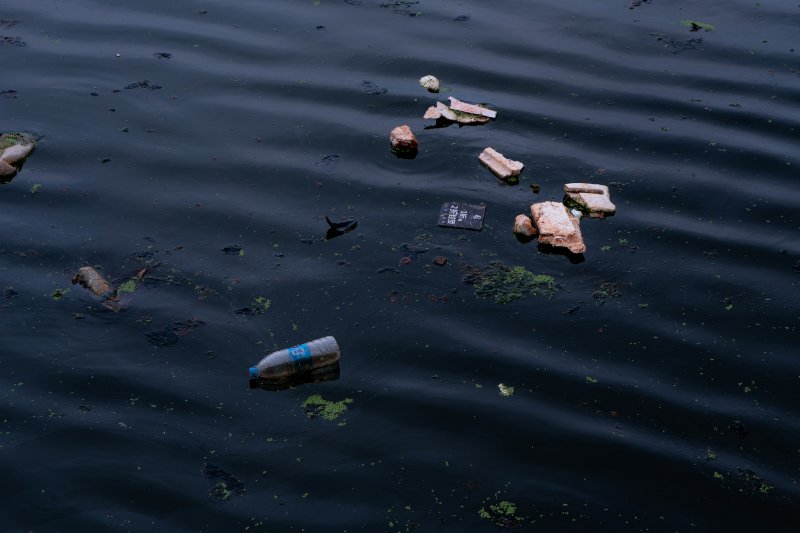
Dwarf sperm whales have been documented ingesting plastic. Debris may be mistaken for prey or consumed accidentally in the same deep-water layers where the whales feed. Swallowed material can injure or obstruct the digestive tract, although researchers do not know how often ingestion causes death at the population level.
Reducing plastic and other forms of water pollution benefits many marine species, not only whales.
Vessel Strikes

Accidental collisions can injure or kill these whales, especially in areas with heavy ship traffic. Their low profile and quiet “logging” behavior at the surface can make them difficult to see.
Ocean Noise

These whales depend on sound to find prey and interpret their surroundings. Shipping, seismic surveys, construction, and sonar can increase underwater noise. Depending on intensity and distance, noise may interrupt feeding, displace animals, change calling behavior, raise stress, or damage hearing.
Evidence indicates that dwarf sperm whales may be susceptible to loud anthropogenic sound, but individual stranding events do not always establish a definitive cause. Claims about sonar should therefore distinguish documented timing or association from proven causation.
Disease and Parasites
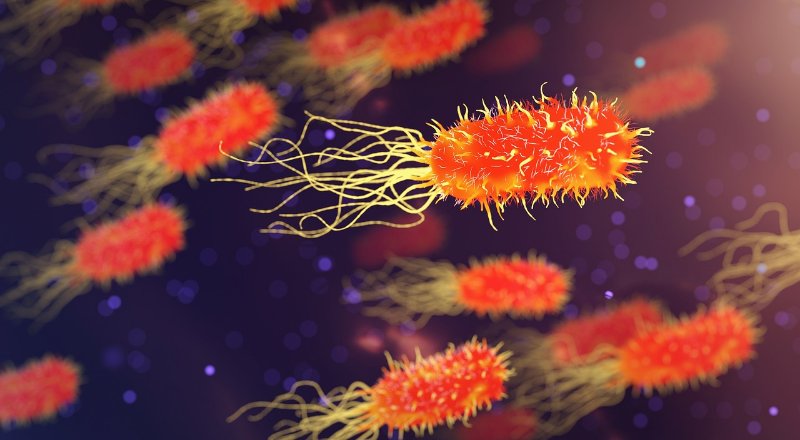
Stranded animals have been found with heart disease, immune-system problems, and parasites. Strandings provide valuable biological data, but they are a biased sample: the health problems found in stranded whales do not necessarily show how common those conditions are in the wider population.
Natural Predators
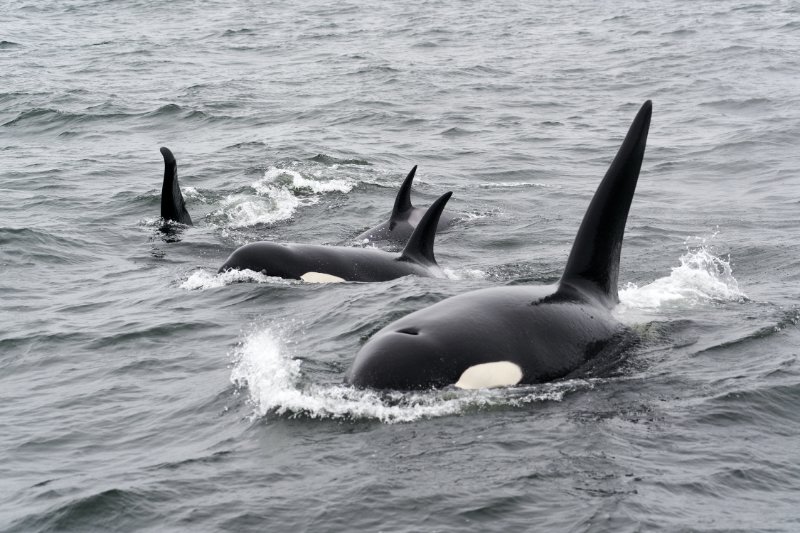
Predation by killer whales and large sharks has been documented. This is part of the natural food web and should not be presented in the same way as human-caused threats such as bycatch or plastic pollution.
Climate Change

The effect of climate change on dwarf sperm whales is uncertain. Changing ocean temperatures could alter prey distribution and shift suitable habitat. A scientific species review notes that their warm-water range could expand northward as oceans warm, which is more nuanced than assuming uniform habitat loss.
Researchers do not yet have enough evidence to quantify whether climate-driven changes will produce a net global population increase or decline.
Protection and Conservation
NOAA’s current work focuses on reducing bycatch and entanglement, lowering vessel-strike risk, responding to strandings, studying underwater acoustics, and improving stock assessments. Better passive-acoustic monitoring, genetics, photo identification, and standardized stranding data are especially important for a species that is hard to survey visually.
Legal protection should not be confused with endangered status. The Marine Mammal Protection Act covers all marine mammals in U.S. jurisdiction, including species that are not listed under the Endangered Species Act. Because dwarf sperm whales are not ESA-listed, they do not have designated U.S. critical habitat under that law.
The most useful conservation priorities are evidence-based: reduce incidental capture, prevent lost fishing gear, limit harmful underwater noise, improve vessel practices, cut marine debris, and collect better population data. Historical whale hunting provides important context, but today’s principal documented concerns for this species are incidental and environmental rather than large-scale commercial whaling.
How You Can Help
- Keep your distance. Follow local marine-mammal viewing rules and never chase, feed, touch, or crowd a whale.
- Report animals in distress. In the United States, use NOAA’s marine animal reporting resources. Do not push a stranded whale back into the water or attempt a rescue without trained responders.
- Prevent fishing-line and plastic waste. Retrieve gear when safe, dispose of line in designated bins, and reduce avoidable single-use plastics.
- Choose responsible wildlife operators. Favor tours that maintain legal distances, limit approach time, and avoid surrounding or separating animals.
- Share accurate status information. Avoid repeating unverified global population totals or calling the species endangered when the current assessment is Least Concern.
The Bottom Line
Dwarf sperm whales are not currently classified as endangered. Their IUCN status is Least Concern, they are protected by several laws and agreements, and they occupy warm waters across much of the world. At the same time, scientists cannot provide a dependable global count or trend.
The clearest conservation message is not that extinction is imminent, but that uncertainty matters. Better monitoring and practical reductions in bycatch, marine debris, vessel strikes, and harmful noise are the most defensible next steps.
Frequently Asked Questions
Are dwarf sperm whales endangered?
No. The IUCN lists Kogia sima as Least Concern. In the United States, the species is protected by the Marine Mammal Protection Act but is not listed as threatened or endangered under the Endangered Species Act.
How many dwarf sperm whales are left?
No reliable global population estimate exists. Regional surveys are incomplete, and many estimates combine dwarf and pygmy sperm whales because the two species are difficult to distinguish at sea.
What is the difference between a dwarf and pygmy sperm whale?
Dwarf sperm whales are smaller, reaching about 9 feet, while pygmy sperm whales can reach about 11.5 feet. Dwarf sperm whales may have a more triangular dorsal fin and up to three pairs of upper-jaw teeth; pygmy sperm whales have a rounded fin and usually no upper-jaw teeth. Field identification remains difficult.
Do dwarf sperm whales release ink?
They can release more than 3 gallons of dark reddish-brown intestinal fluid when threatened. The cloud may confuse predators. It is separate from the spermaceti oil in the whale’s head.
What do dwarf sperm whales eat?
They eat squid, octopus, crustaceans, and fish. They use echolocation to find prey and suction feeding to draw it into the mouth.
Are dwarf sperm whales dangerous to humans?
These shy whales rarely approach vessels and are not regarded as a threat to people. A stranded or injured whale should still be treated as a wild animal and left to trained responders.
Are dwarf sperm whales the smallest whales?
They are generally described as the smallest species commonly called a whale, reaching about 9 feet. The word whale is not a formal taxonomic rank, and some dolphin and porpoise species are smaller.