Eco-friendly living works best when it is practical. You do not need to replace everything you own, buy a pile of “green” products, or make perfect choices every day. The most useful eco-friendly tips reduce waste, save energy and water, cut avoidable emissions, and protect the natural systems people and wildlife depend on.
The biggest gains usually come from a few ordinary habits: wasting less food, eating more plant-rich meals, using less energy at home, driving less when possible, buying fewer new products, and making outdoor spaces friendlier to wildlife. The IPCC identifies demand-side choices, efficiency, cleaner energy, and better transport options as part of the broader shift needed to reduce greenhouse gas emissions.
This guide focuses on eco-friendly lifestyle changes that are realistic for renters, homeowners, families, students, travelers, and anyone trying to live with less waste and a smaller footprint. For a broader starting point, see our guide to eco-friendly living.
Disclosure: This article may contain affiliate links. If you buy through some links, Our Endangered World may earn a commission at no extra cost to you. Recommendations are included because they support practical sustainable living, not because buying more stuff is the goal.
Quick Answer: The Best Eco-Friendly Tips to Start With
The best eco-friendly tips are to waste less food, eat more plant-rich meals, buy fewer new products, switch to reusable items you will actually carry, save energy and water at home, choose lower-impact transportation, and create habitat for local wildlife. Start with the changes that save money or reduce chores. Those are usually the habits people keep.
- Plan meals before shopping so less food spoils.
- Replace some beef and lamb meals with beans, lentils, tofu, grains, vegetables, or nuts.
- Use what you own before buying a new “eco-friendly” replacement.
- Carry a reusable bottle, bag, and container if those match your daily routine.
- Switch heavily used bulbs to LEDs and set heating or cooling schedules more efficiently.
- Walk, bike, use public transit, carpool, or combine errands when practical.
- Plant native species and avoid broad-spectrum pesticides where you garden.
What Does Eco-Friendly Mean?
Eco-friendly means a product, habit, or decision causes less environmental harm than the common alternative. A truly eco-friendly choice should reduce at least one real impact: energy use, greenhouse gas emissions, waste, water use, pollution, land pressure, or harm to wildlife.
The phrase can be misused. A bamboo toothbrush wrapped in excess packaging, a “natural” cleaner with vague ingredients, or a new reusable bottle you never carry may not be a meaningful improvement. A better question is: Does this choice reduce waste, emissions, pollution, or resource use in my actual life?
Which Eco-Friendly Changes Have the Biggest Impact?
Not every sustainable habit has the same effect. Recycling matters, but reducing waste before it exists usually matters more. Buying local can be useful, but changing what you eat often has a larger climate impact than changing how far your food traveled. Use this table to prioritize your effort.
| Eco-friendly change | Impact area | Difficulty | Best first step | Caveat |
|---|---|---|---|---|
| Waste less food | Food emissions, land, water, money | Low | Plan three meals before grocery shopping | Food safety still matters; compost is not a substitute for prevention |
| Eat more plant-rich meals | Food emissions, land use, water pressure | Low to medium | Replace one beef meal each week | You do not need to go fully vegan to make progress |
| Use less home energy | Electricity, heating, cooling, monthly bills | Low to medium | Switch high-use bulbs to LEDs | Results vary by home, climate, and utility grid |
| Buy less and repair more | Materials, packaging, shipping, landfill waste | Low | Delay nonessential purchases for 30 days | Durability beats trendy “green” replacements |
| Drive less when practical | Transportation emissions, air pollution | Medium | Combine errands or replace one short car trip | Transit access and safety vary by location |
| Save water | Freshwater use, energy for heating and pumping water | Low | Fix leaks and install efficient fixtures | Water stress varies by region, but waste is still worth reducing |
| Create wildlife habitat | Biodiversity, pollinators, soil, local ecosystems | Low to medium | Replace one ornamental plant with a native species | Choose plants suited to your region, not generic “pollinator mixes” |
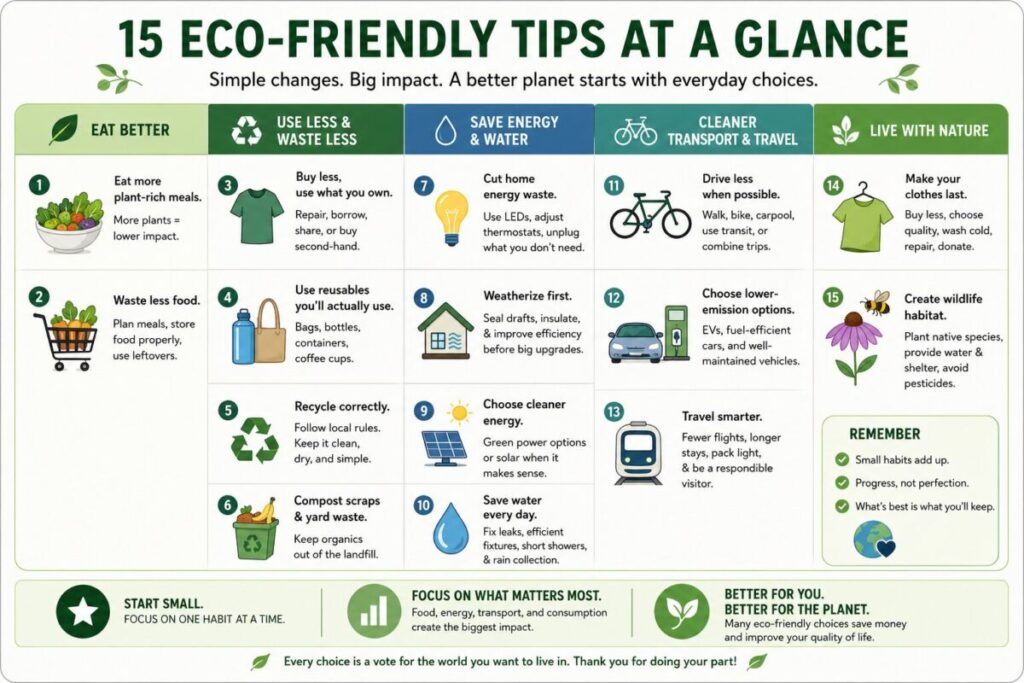
15 Eco-Friendly Tips for a More Sustainable Life
1. Eat More Plant-Rich Meals

Food is one of the easiest places to make a lower-impact choice several times a week. According to Our World in Data’s food impact research, food production accounts for about one-quarter of global greenhouse gas emissions and uses large amounts of land and freshwater. Meat and dairy, especially beef and lamb, tend to have a much higher footprint than most plant-based foods.
You do not have to become vegan overnight. A practical start is replacing one or two beef-heavy meals with lentil soup, bean tacos, chickpea curry, tofu stir-fry, mushroom pasta, or grain bowls. If you already eat little meat, focus on seasonal produce, reducing food waste, and choosing foods with less packaging.
Local food can support nearby farms and may taste better in season, but it is not always the biggest carbon lever. For many foods, what you eat matters more than how far it traveled. If you want deeper ideas, these books on sustainable living can help build a longer-term habit.
2. Stop Food Waste Before It Starts
Food waste wastes more than food. It also wastes the water, land, fertilizer, labor, packaging, refrigeration, and transport used to produce it. The EPA recommends preventing wasted food at home by planning meals, buying only what you need, storing food correctly, freezing leftovers, and using edible parts that often get tossed.
Try this simple system: check your fridge before shopping, write a meal plan for the next three dinners, buy imperfect produce when it fits the recipe, and keep one “eat first” container for food close to spoiling. Label leftovers with dates so they do not become mystery boxes.
Compost what you cannot eat, but treat composting as the backup plan. The most sustainable meal is usually the one you already bought and actually eat.
3. Buy Less, Repair More, and Use What You Own
One of the most overlooked eco-friendly lifestyle changes is also the least glamorous: buy fewer new things. Every new product has a footprint from raw materials, manufacturing, packaging, shipping, and disposal. Before replacing something, ask whether it can be repaired, borrowed, rented, shared, cleaned, altered, or used longer.
A 30-day delay helps with impulse purchases. Put nonessential items on a list, wait a month, and buy only what still solves a real problem. When you do need a replacement, look for durability, repairability, refill options, replaceable parts, and minimal packaging. Our guide to ways to reduce waste gives more practical ideas for cutting household trash before it starts.
Donation is also useful when an item still has life left. The EPA notes that donating usable goods can keep them out of landfills and help people in your community.
4. Replace Single-Use Plastics With Reusables You Will Actually Use
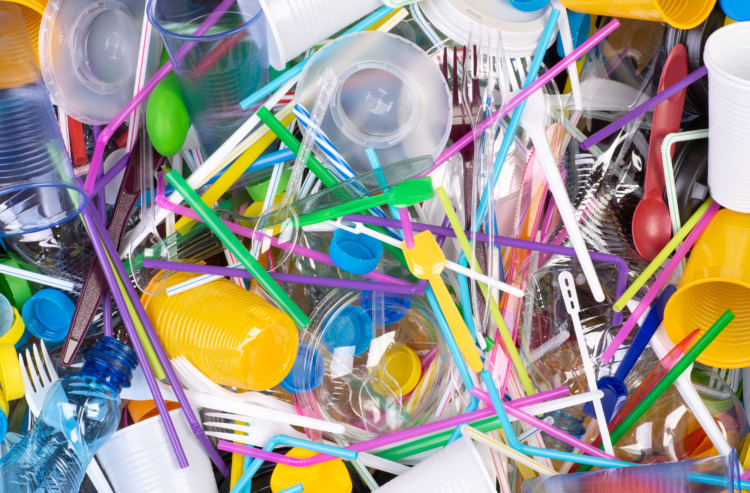
Reusable products only help when they replace disposables often enough to matter. Start with the items you use daily or weekly: shopping bags, water bottles, coffee cups, lunch containers, food storage jars, and refillable soap or cleaning containers.
Keep reusables where decisions happen. Put bags by the door or in your car, keep a bottle in your backpack, and store containers near your keys if you buy takeout. A forgotten reusable item has no environmental benefit.
If you need a new bottle, compare durable options in our guide to eco-friendly water bottles. For broader swaps, see these zero waste products, but use what you already own first.
5. Recycle Correctly, Not Hopefully
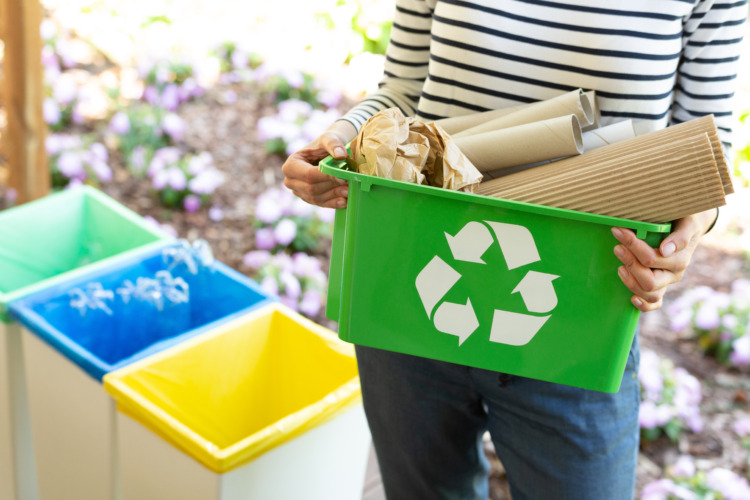
Recycling is useful, but “wishcycling” can contaminate a batch and make recycling harder. Check your local rules for paper, cardboard, glass, metal, plastic types, cartons, batteries, electronics, and food-soiled packaging. A triangle symbol on plastic does not automatically mean your city accepts it.
Basic rules usually help: empty containers, keep paper dry, do not bag recyclables unless your program asks for it, and keep batteries, cords, electronics, paint, chemicals, and medical waste out of curbside recycling. The EPA’s reduce, reuse, recycle guidance is a good starting point, but your local waste authority has the final say.
The hierarchy still matters: reduce first, reuse second, recycle third. Recycling is not a free pass to buy more disposable packaging.
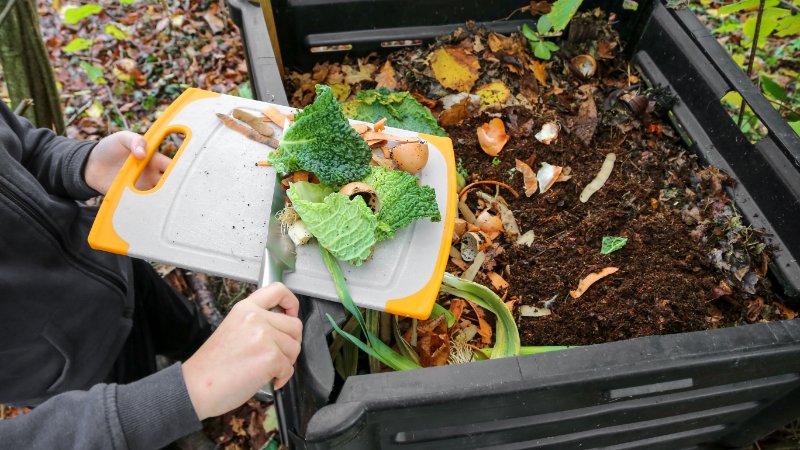
6. Compost Food Scraps and Yard Waste
Composting turns food scraps, leaves, and yard waste into a soil-building material instead of sending organic matter to the trash. If you have outdoor space, start with fruit and vegetable scraps, coffee grounds, eggshells, leaves, and small yard trimmings. Avoid meat, dairy, oily foods, and pet waste unless your municipal program specifically accepts them.
No yard? Look for curbside compost, farmers market drop-offs, community gardens, municipal collection sites, or freezer storage for scraps between drop-offs. Apartment composting works best when the system is small, sealed, and easy to empty.
Compost is especially helpful when paired with food waste prevention. Use our guide to reducing waste at home to combine both habits.
7. Cut Home Energy Waste First
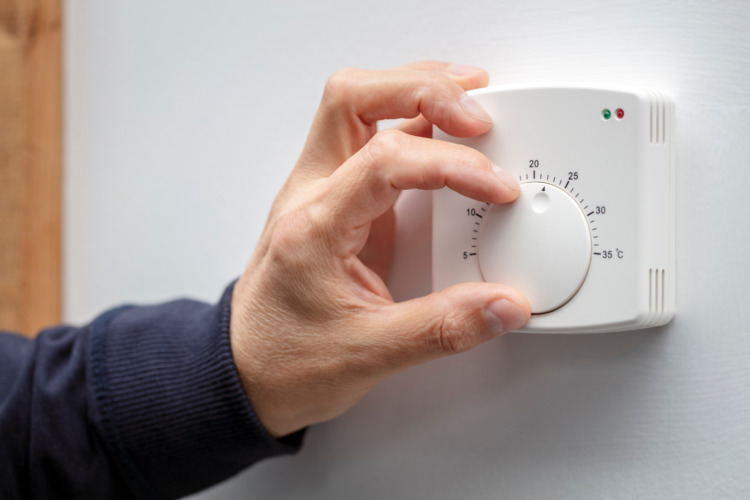
Home energy use depends on your home, climate, appliances, and utility grid. Start with the low-friction changes: turn off lights you are not using, switch heavily used bulbs to LEDs, wash clothes in cold water when possible, air-dry laundry when practical, clean HVAC filters, and use power strips for clusters of electronics. Cold washing works best with a detergent built for it, which our guide to eco-friendly laundry detergents covers.
The U.S. Department of Energy says residential LEDs, especially ENERGY STAR-rated products, use at least 75% less energy and last far longer than incandescent bulbs. Thermostat settings also matter. DOE guidance says a 7°F to 10°F setback for eight hours a day can save as much as 10% a year on heating and cooling, although heat pumps and some heating systems need more careful settings.
For a bigger picture of cleaner power, see our guide to the different types of green energy.
8. Weatherize Before Expensive Home Upgrades
Before buying major equipment, reduce the energy your home wastes. Air sealing, insulation, weatherstripping, efficient windows, shaded outdoor areas, and well-maintained ducts can make heating and cooling systems work less. A home energy audit can identify the best upgrades for your building instead of guessing.
Heat pumps can be a strong option in many homes because they transfer heat rather than generate it. The Department of Energy notes that heat pumps can provide efficient heating and cooling, and modern air-source heat pumps can substantially reduce electricity use for heating compared with electric resistance systems.
The right upgrade depends on your climate, insulation, current fuel, electricity prices, local incentives, and whether you rent or own. If you cannot make structural changes, focus on portable steps: draft stoppers, curtains, smart plugs, efficient lighting, and better thermostat habits.
9. Choose Cleaner Electricity or Renewable Energy When It Fits
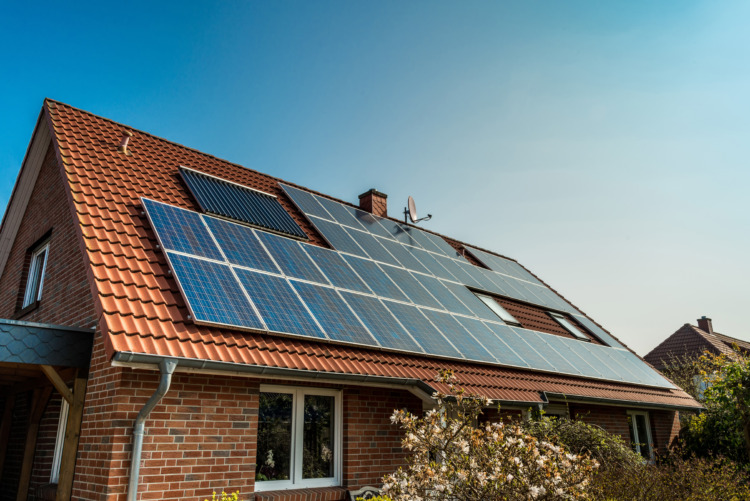
Renewable energy can reduce the footprint of electricity use, especially as more homes use electric appliances, heat pumps, and electric vehicles. Depending on where you live, options may include a green utility plan, community solar, rooftop solar, solar water heating, or simply choosing more efficient appliances as old ones fail.
Do the boring math before installing equipment. Check roof condition, shading, local rules, net metering, incentives, battery needs, payback period, and contractor reputation. If rooftop solar is not realistic, community solar or a verified renewable electricity plan may still be available.
For more detail, compare energy sources with the lowest greenhouse gas emissions and review how solar panel inverters affect system performance.
10. Save Water Where Water Actually Flows
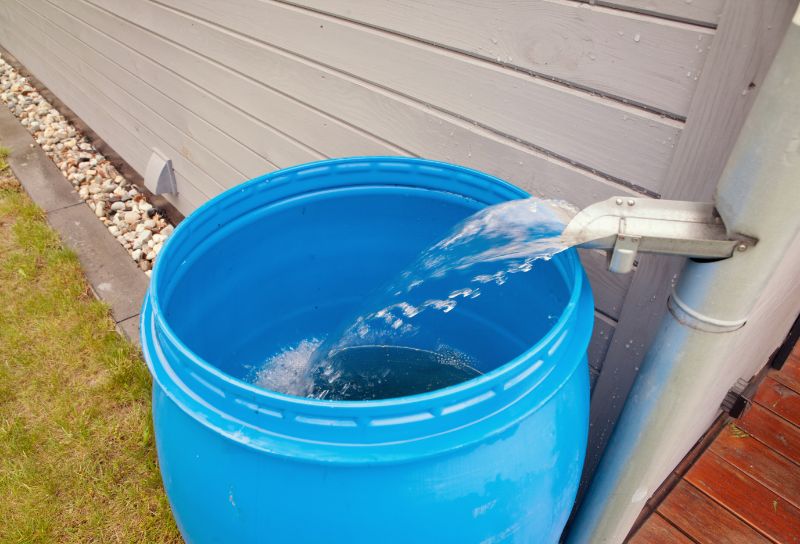
Water conservation starts with leaks, fixtures, and outdoor habits. Fix dripping faucets, repair running toilets, take shorter showers, run full laundry and dishwasher loads, and water plants early in the morning or later in the evening to reduce evaporation.
The EPA WaterSense label identifies products that meet water-efficiency and performance criteria and are at least 20% more water efficient than average products in their category. Toilets, showerheads, bathroom faucets, and irrigation controllers are common places to look for savings.
Rain barrels and rain gardens can also help, but local rules vary. Start with our guides to rainwater collection systems and the best rain barrels if outdoor water use is a major part of your footprint.
11. Use Safer Cleaning and Personal Care Products
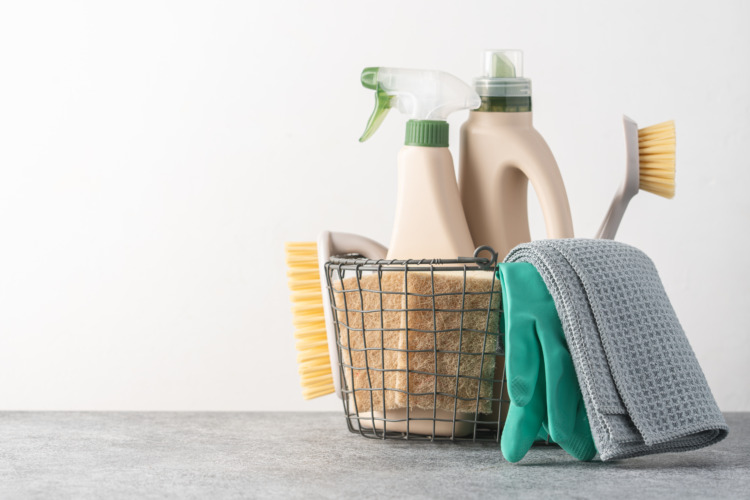
Eco-friendly cleaning is not just about scent or packaging. Look for products with transparent ingredients, concentrated refills, reusable bottles, and credible certifications. The EPA Safer Choice program helps shoppers find products that perform and use ingredients considered safer for human health and the environment.
Simple cleaners such as vinegar, baking soda, and mild soap can handle many routine jobs, but they are not always disinfectants. Never mix bleach with vinegar, ammonia, or other cleaners. “Natural” does not automatically mean safe, and stronger is not always better.
For personal care, reduce waste by choosing refillable packaging, bar soaps, reusable razors, washable cloths, or lower-waste menstrual products if they fit your needs. Buy slowly and use up what you already have first.
12. Pick the Lowest-Impact Transportation That Works for the Trip

Transportation choices are personal because safety, distance, disability access, weather, job schedules, and public transit vary widely. The practical goal is not to shame driving. It is to reduce unnecessary car miles and choose cleaner options when they work.
Start with short trips. Walk or bike when safe, combine errands, carpool, use public transportation, work remotely when possible, and maintain your vehicle so it runs efficiently. The EPA estimates that a typical passenger vehicle emits about 4.6 metric tons of carbon dioxide per year, though fuel economy and mileage change that number.
If you need a car, an electric vehicle may reduce lifetime greenhouse gas emissions compared with a gasoline car, even after accounting for electricity and manufacturing, according to the EPA’s EV guidance. Still, the lowest-impact car is often the one you drive less, maintain well, and keep longer. Compare options in our guide to eco-friendly cars.
13. Travel Slower and Create Less Waste When You Go
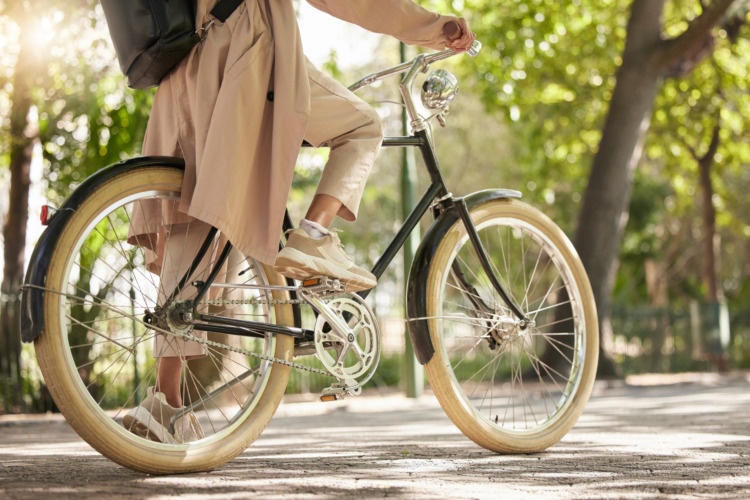
Sustainable travel is partly about transport and partly about behavior. Fewer flights, longer trips, train or bus routes, staying near public transit, packing a reusable bottle, refusing unnecessary disposables, and respecting local rules can all reduce impact.
When visiting beaches, parks, forests, or fragile habitats, pack out what you bring in, stay on marked paths, keep distance from wildlife, and avoid souvenirs made from threatened species or sensitive natural materials. If you want to estimate trip emissions, tools such as The Nature Conservancy’s carbon footprint calculator can provide a rough starting point.
Travel choices affect habitats, local economies, water use, waste systems, and wildlife. The best option is rarely perfect. Choose the better available option and avoid pretending offsets erase every impact.
14. Make Your Clothes Last Longer

Fast fashion has made clothing cheap, disposable, and resource-intensive. The European Environment Agency reports that textile consumption creates major pressure on climate, water, land, raw materials, and waste systems.
The simplest sustainable fashion rule is to wear clothes longer. Buy second-hand when possible, repair seams and buttons, tailor pieces you already own, wash full loads on cooler settings, air-dry when practical, and avoid buying clothing for one event. If you buy new, choose items you will wear often and maintain well.
Be cautious with vague claims like “conscious,” “eco,” or “green.” Look for material details, repair policies, labor transparency, and realistic durability. For footwear, start with our guide to sustainable shoes.
15. Create a Wildlife-Friendly Garden or Balcony
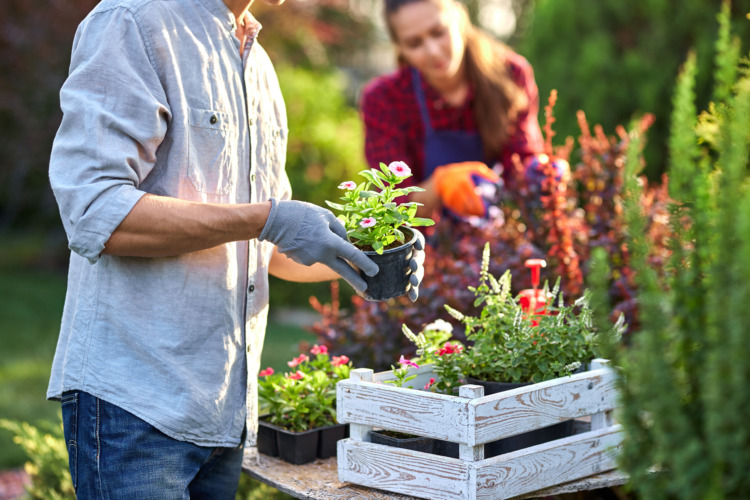
Outdoor space does not need to be large to support wildlife. A balcony planter, small patio, front yard, community garden bed, or strip of lawn can provide food, water, shelter, and places for pollinators and birds to raise young.
The National Wildlife Federation recommends native plants because they support local food webs and provide habitat essentials. Start with plants native to your region, reduce lawn area where possible, avoid broad-spectrum pesticides, leave some leaf litter for insects, and add shallow water safely if you can maintain it.
Native gardens also help explain why biodiversity matters to ecosystems. If you are new to ecological concepts, our guide to types of ecosystems gives useful background.
A Simple 30-Day Eco-Friendly Starter Plan
Trying to change everything at once usually backfires. Use one month to build a few habits that are easy to repeat.
| Timeframe | Focus | Actions |
|---|---|---|
| Days 1–7 | Waste audit | Notice what you throw away most, plan three meals, start an “eat first” fridge container, and set up a simple recycling station. |
| Days 8–14 | Food and shopping | Cook two plant-rich meals, bring reusable bags, avoid one unnecessary purchase, and freeze leftovers before they spoil. |
| Days 15–21 | Energy and water | Replace high-use bulbs with LEDs, adjust thermostat settings, wash one cold-water laundry load, and check toilets and faucets for leaks. |
| Days 22–30 | Transport and habitat | Replace or combine one car trip, donate or repair one item, plant one native species, and choose one habit to keep next month. |
At the end of 30 days, keep what worked and drop what created friction. Sustainable living is easier when your habits match your real home, budget, body, climate, and schedule.
What Not to Overthink
- Do not buy a new eco version of everything. Using what you already own is often the lower-impact choice.
- Do not assume local food is always lower carbon. Local can be good for freshness and community, but food type often matters more for emissions.
- Do not rely on recycling alone. Reduce and reuse before recycling.
- Do not chase perfection. A repeatable habit beats an intense one-week sustainability sprint.
- Do not trust vague green labels. Look for specific claims, certifications, materials, ingredients, and durability.
Frequently Asked Questions
What does eco-friendly mean?
Eco-friendly means a product, habit, or choice causes less environmental harm than the common alternative. The best eco-friendly choices reduce waste, energy use, water use, pollution, greenhouse gas emissions, or harm to wildlife without shifting the problem somewhere else.
What are the easiest eco-friendly tips to start with?
The easiest eco-friendly tips are to waste less food, carry reusable bags and a water bottle, switch high-use bulbs to LEDs, wash clothes in cold water, plan errands together, recycle correctly, and use what you already own before buying new products.
Which eco-friendly lifestyle changes have the biggest impact?
The biggest-impact changes usually involve food, energy, transportation, and consumption. Waste less food, eat more plant-rich meals, reduce home heating and cooling waste, drive less when practical, and buy fewer new products.
How can I be eco-friendly on a budget?
Start with habits that save money: buy only the food you will eat, cook leftovers, repair items, shop second-hand, air-dry laundry, use LEDs, borrow tools, and avoid impulse purchases. Many of the best sustainable habits involve buying less, not spending more.
Is eating local always better for the environment?
Not always. Local food can support nearby farmers and reduce some transport impacts, but what you eat often matters more than how far it traveled. Replacing some beef and lamb meals with plant-rich meals usually has a larger climate benefit than focusing only on food miles.
How can I reduce plastic without buying more stuff?
Use containers, jars, bags, and bottles you already own. Reuse takeout containers where safe, choose loose produce, avoid overpackaged items, refill when possible, and say no to disposable utensils or straws you do not need.
How can I make my home more sustainable?
Start with energy and water basics: switch high-use bulbs to LEDs, adjust thermostat settings, seal drafts, fix leaks, install efficient fixtures when replacements are needed, compost if possible, and choose durable products over disposable ones.
What if my city has limited recycling or composting?
Focus on what you can control before disposal: buy less packaging, choose reusable items, prevent food waste, donate usable goods, repair what you can, and look for drop-off options for electronics, batteries, textiles, or food scraps. Limited recycling makes reduction even more important.
Related Resources
- Best Zero Waste Products: Eco-Friendly Choices
- Products That Help Fight Climate Change
- Best Sustainable Gift Wrapping Options
- Best Sustainable, Eco-Friendly Toys for Kids
- Best Rain Barrels for Water Collection
Shopping for someone special? Try these sustainable Valentine’s Day gift ideas.

