Majestic animals are species whose size, movement or markings command attention on sight — the lion’s mane, the elephant’s bulk, the snow-white plumage of a snowy owl. The 27 below are the ones most often named, each with its verified size or speed, its current IUCN Red List status, and where you can realistically see it in the wild.
This guide was fact-checked in August 2026. Several figures that circulate on “most majestic animal” lists — including the cheetah’s famous 75 mph — do not survive contact with the peer-reviewed measurements, and we have corrected our own earlier versions of them below.
Whether it’s a deer in the woods, a lion on the Serengeti, or a dolphin off the coast of Australia, animals bring beauty and wonder to our lives. They play an integral role in the environment, providing a vital balance to our planet’s delicate ecosystems.
From providing food and resources to creating habitats for other species, animals are essential to the survival and health of the planet. As we continue learning more about these majestic creatures, we can see the importance of protecting their rights and habitats.
This article is dedicated to examining the majestic beauty and natural selection of animals, the diversity of their habitats, and the importance of protecting them and their habitats for the planet’s future.
Most Majestic Animals in the World
Ten of the animals on this list are already threatened. Conservation status below is the current IUCN Red List assessment for the species (not for a colour morph or a captive population).
| Animal | Where it lives | IUCN Red List status |
|---|---|---|
| African elephant (savanna) | Sub-Saharan Africa | Endangered |
| Lion | Sub-Saharan Africa, Gir Forest (India) | Vulnerable |
| Cheetah | Africa, small Iranian population | Vulnerable |
| Giraffe | Sub-Saharan Africa | Vulnerable |
| Polar bear | Arctic sea ice | Vulnerable |
| Black rhino | Eastern and southern Africa | Critically Endangered |
| White rhino | Southern Africa | Near Threatened |
| Hippopotamus | Sub-Saharan Africa only | Vulnerable |
| Blue whale | All major oceans | Endangered |
| Snowy owl | Arctic tundra | Vulnerable |
| Bengal tiger | India, Nepal, Bangladesh, Bhutan | Endangered |
| Amur (Siberian) tiger | Russian Far East, NE China | Endangered |
| Leopard | Africa, South and Southeast Asia | Vulnerable |
| Iberian lynx | Spain and Portugal | Vulnerable (downlisted from Endangered in 2024) |
| Red panda | Eastern Himalaya, SW China | Endangered |
| Beluga | Arctic and sub-Arctic seas | Least Concern |
| Grey wolf | North America, Eurasia | Least Concern |
Which animal is the most majestic?
There is no measurable answer — “majestic” is an aesthetic judgement, not a biological category. But when the question is put to readers and to safari guides, three animals come back more than any other: the African elephant, for sheer scale and visible intelligence; the lion, for the mane and the roar, which carries around 8 km; and the humpback whale, for the breach. If you want a single answer, the African elephant is the one most people name.
The 27 Most Majestic Animals
1. Lions – King of the Beasts
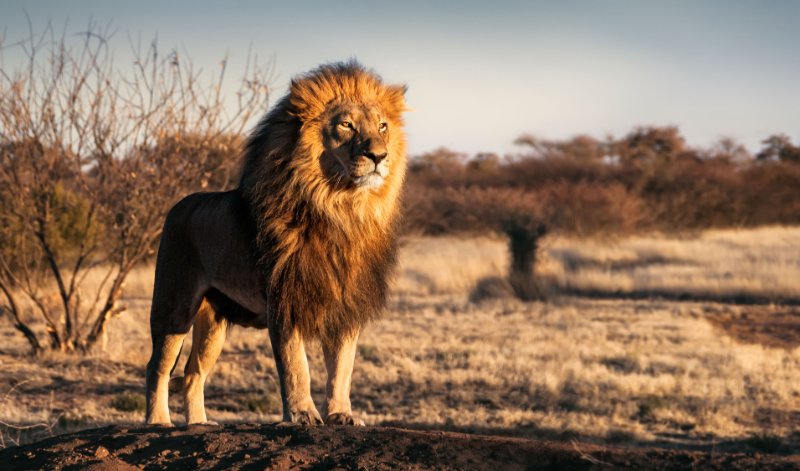
The lion is one of the most majestic animals in the animal kingdom, often called the King of the Beasts. Its natural habitat is Africa, and it is the second largest living cat after the tiger. The lion is known for its majestic mane, which is denser and darker in males than in females.
Lions are powerful and fast and have no natural predators. Their strength, agility, and coordination make them one of the most formidable and beautiful animals on the African plains.
See Related: Do Lions Live in the Jungle? Learn Where They Live
2. Eagles – Flying Majestically in the Sky
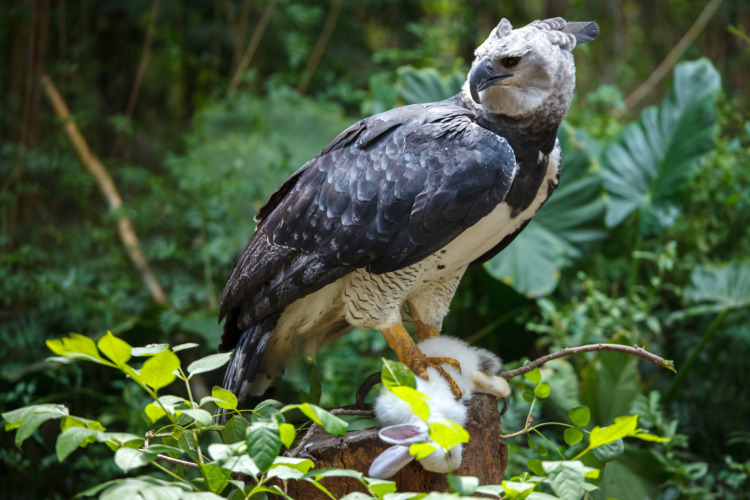
The majestic eagles are one of the most beautiful animals in the sky. Characterized by their broad wingspan and strong, soaring flight, eagles have been a symbol of power and strength for centuries. Eagles can stay in the air for long periods, soaring and gliding effortlessly.
A soaring golden eagle cruises at roughly 28–32 mph and a bald eagle glides at about 30–45 mph; the eye-watering numbers you see quoted belong to the stoop, the near-vertical hunting dive, where a golden eagle reaches 150–200 mph. Tracked golden eagles cover around 100 miles on an ordinary day and can exceed 250 miles a day on migration. With their sharp eyesight, eagles can spot prey from a great distance. These majestic animals symbolize majesty, power, and strength and will awe any onlooker.
See Related: Philippine Eagle Species Overview
3. Elephants – Intelligent Giants
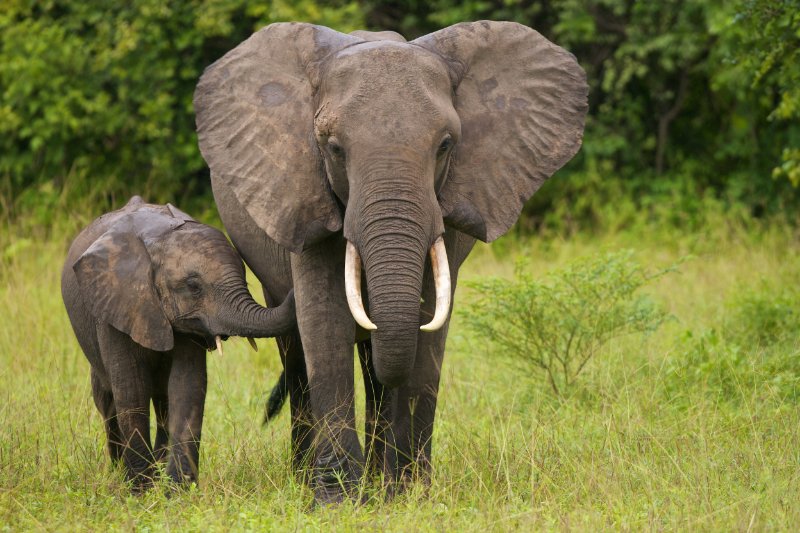
Elephants are majestic animals that are smart and powerful. They are the largest land mammals in the world and are found in parts of Africa and Asia. An elephant’s brain weighs 4.5–5.5 kg — the largest of any land animal, and about four times the mass of a human brain.
This allows them to be brilliant animals, with the ability to show emotions, recognize themselves in mirrors, remember events, and even grieve the death of others. Elephants also have the incredible ability to communicate with each other by using low-frequency rumbles to travel far distances. Their intelligence and communication skills make them majestic and awe-inspiring animals.
See Related: Fastest Animals in the World
4. Wolves – Loyal Pack Hunters
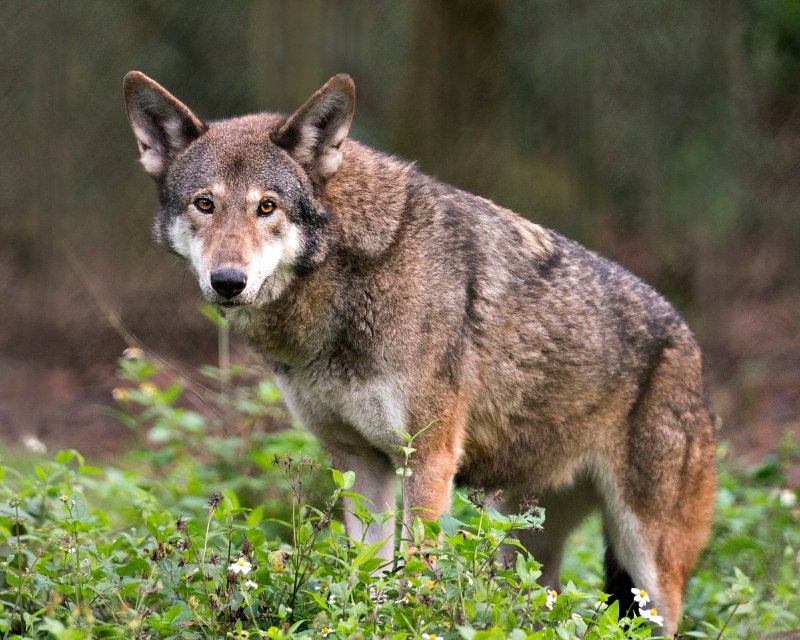
The wolf is a majestic animal known for its loyalty and pack mentality. Wolves are highly social, hierarchical creatures that live and hunt in packs of up to 20 wolves. They are highly loyal to their pack and have been known to protect each other from danger. Wolves are also incredibly efficient hunters.
Wolves use a combination of speed, endurance, and coordination to hunt large prey. Their hunting instincts are so advanced that they can strategize and cooperate to hunt larger prey. This combination of loyalty, pack mentality, and hunting prowess makes wolves one of the most majestic animals on the planet.
See Related: Fastest Animals in the World
5. Cheetahs – Swiftest of All
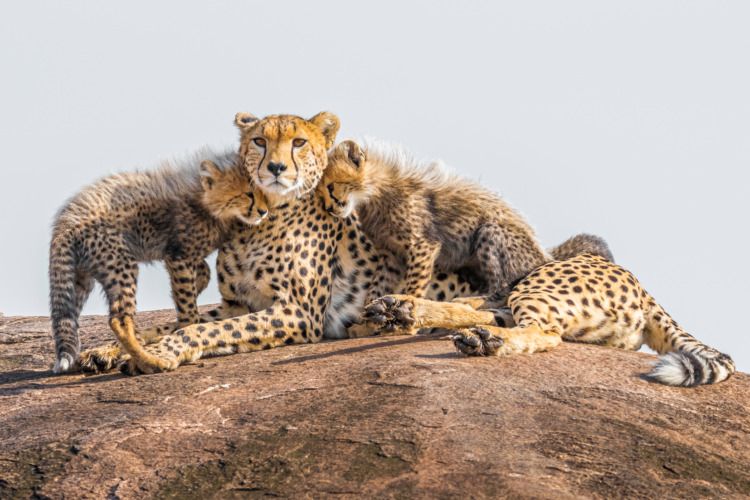
The cheetah stands out as one of the most beautiful animals on the planet. Not only is it the world’s fastest land animal, but the famous “75 mph” figure is a myth we used to repeat here too. When Alan Wilson’s team fitted wild Botswanan cheetahs with GPS collars and recorded 367 hunting runs (Nature, 2013), the fastest run measured was 25.9 m/s — 58 mph, or 93 km/h — and most hunts never went above 45 mph. The fastest cheetah ever timed was Sarah at Cincinnati Zoo, who ran 100 m in 5.95 seconds in 2012, averaging about 61 mph. Its spotted coat and remarkable grace set it apart from other predators.
The same study found that hunting success depends far more on grip, acceleration and cornering than on outright speed — a cheetah can go from standstill to 60 km/h in three strides. In addition to their speed, cheetahs are incredibly agile and can make quick turns to catch their prey. This makes them a formidable opponent to any creature that gets in their way.
See Related: Do Lions Eat Cheetahs? Here’s What to Know
6. Giraffes – Tallest of All
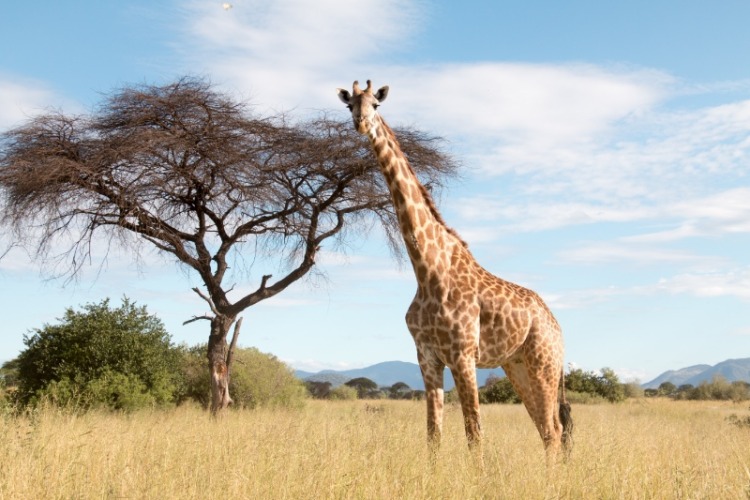
Giraffes are among the most beautiful animals in the African savannah. They are the tallest mammals, standing 18 to 19 feet tall. They have long, spindly legs and a long neck with a distinctive yellow-and-black patterned coat. Giraffes also have a unique prehensile tongue that can reach 18 inches long.
Interestingly, they can eat acacia leaves that are normally too tall and tough for other animals to reach. Giraffes are also sociable creatures that usually live in groups of up to 12 individuals.
See Related: Most Rare Flowers from Around the World
7. Polar Bears – Enduring Arctic Warriors
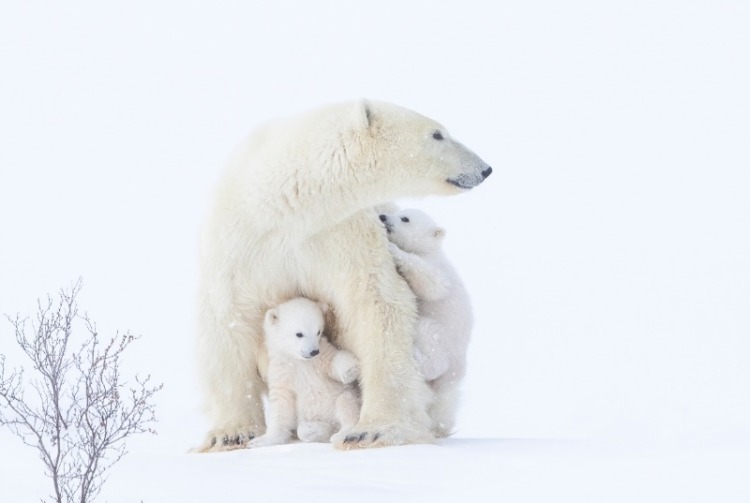
Among the Arctic’s most iconic and beautiful animals, the polar bear is an enduring warrior of the icy tundra. These majestic creatures are the largest bear species in the world, and their white fur helps them stalk seals across the ice; adult polar bears have no natural predators of their own. Polar bears have thick layers of fur and fat that insulate them from the cold and help them swim in icy waters.
They are extraordinary swimmers. A collared female tracked by the US Geological Survey in the Beaufort Sea swam 687 km (426 miles) without stopping, over 232 hours — nearly ten days — in water of 2–6°C, the longest swim ever recorded for the species (Durner et al., Polar Biology, 2011). Her yearling cub did not survive the crossing. They are also expert hunters, utilizing their sharp claws and sense of smell to catch seals and other prey. Polar bears are a marvel of evolution and a testament to their strength and resilience in the Arctic.
See Related: Fastest Animals in the World
8. Rhinos – Powerful Armor-Plated Beasts
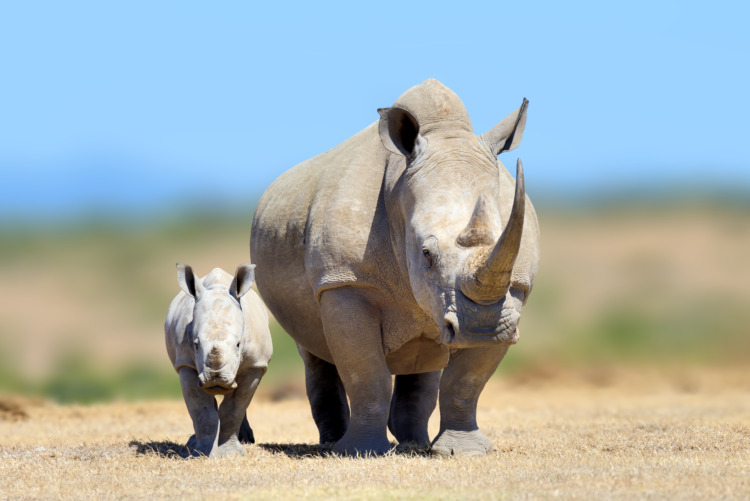
Rhinos are known for their powerful armor-plated hides and ability to charge any perceived predators quickly. These majestic animals are found in Africa and Asia and are the second-largest land mammal after the elephant.
About 26,700 rhinos of all five species remain worldwide. Africa held 22,540 at the end of 2024 — 6,788 black rhinos and 15,752 white rhinos — with fewer than 4,100 in Asia, almost all greater one-horned rhinos in India and Nepal. Black rhinos are Critically Endangered; white rhinos are Near Threatened; the Javan and Sumatran rhinos number in the dozens. The primary threats to the rhino population are poaching, habitat loss, and human-wildlife conflict. Conservation efforts are being made to protect the species, but much more work needs to be done to ensure their future.
See Related: Black Rhino: Why Is It Endangered?
9. Hippos – Riverine Watchers
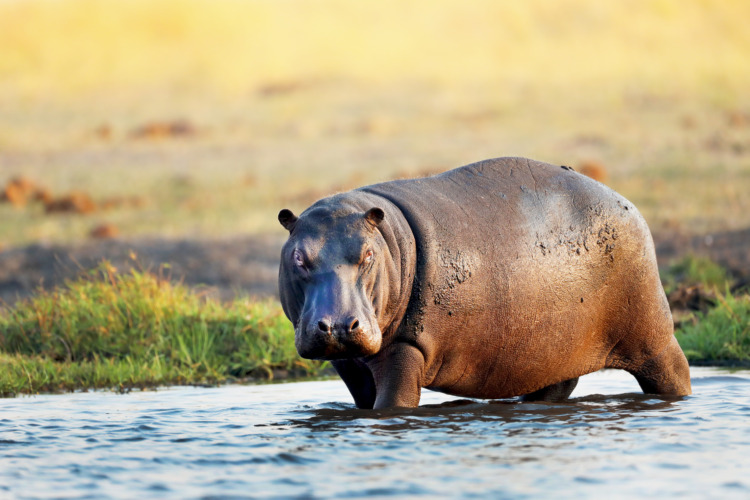
Hippos live only in sub-Saharan Africa — they have never occurred wild in Asia, and an earlier version of this article wrongly said they did. The common hippo grows to about 3.5 m long and 1,500–3,200 kg, making it the largest semi-aquatic mammal on Earth and, by most counts, the third-largest land mammal after the elephant and the rhino.
Hippos are herbivores, meaning they feed on plants and vegetation. They spend much of their day wading through shallow waters and sunbathing along the edges of rivers. While they may appear docile, hippos are actually very aggressive and territorial and can be dangerous if provoked.
10. Whales – Majestic Ocean Giants
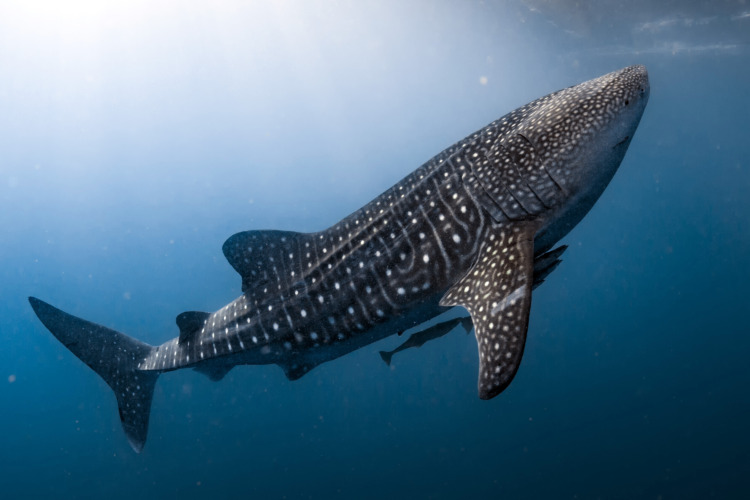
Tenth on the list of majestic animals is the whale. Whales have been around for millions of years and are the largest animals on Earth. Among the baleen whales they range from the pygmy right whale, at roughly 6.5 m, to the blue whale at up to 30 m and 150 tonnes — the largest animal that has ever lived. The smallest cetaceans of all are the dwarf sperm whale and the váquita, both under 2.7 m.
Not only are whales enormous, but they are also brilliant, with some species developing complex social structures and even having distinct dialects. From their size and intelligence to their beauty and grace, whales are one of the most awe-inspiring animals in the world.
Whether it is their sheer power, size, or beauty, these magnificent animals are truly captivating and should be appreciated for the wonders of nature that they represent. While many of these majestic animals are threatened due to human activities, it is still essential to appreciate and work to protect them. Conservation efforts ensure these majestic animals’ survival for future generations.
See Related: Dwarf Sperm Whales: Are they Endangered?
11. Snowy Owl
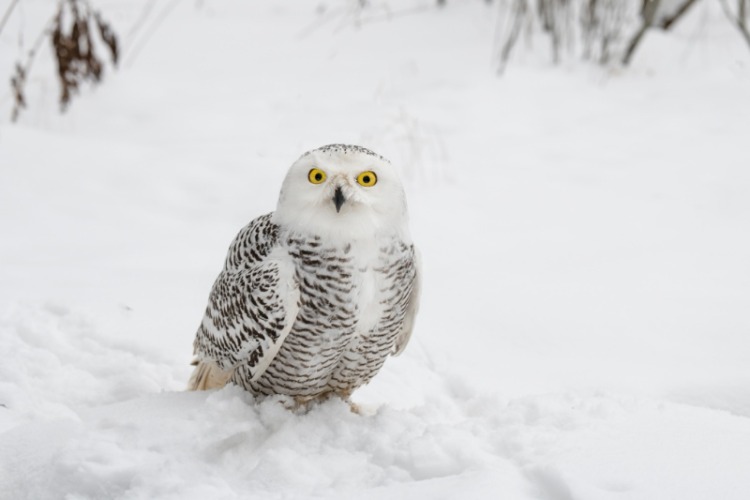
The Snowy Owl (Bubo scandiacus) is a large, majestic bird found primarily in the Arctic. Known for their striking white feathers, these regal birds symbolize grace and power. Their appearance sets them apart from other owl species, making them a favorite subject among animal photographers and a highly sought-after sighting for bird enthusiasts.
The Snowy Owl’s predominantly white plumage is not only elegant but also serves a practical purpose. In their natural habitat, the snowy tundra, these birds blend in seamlessly with their surroundings, allowing them to hide from potential predators and be more effective at hunting their prey.
See Related: Forest Owlet: Why is it critically endangered?
12. Dolphins
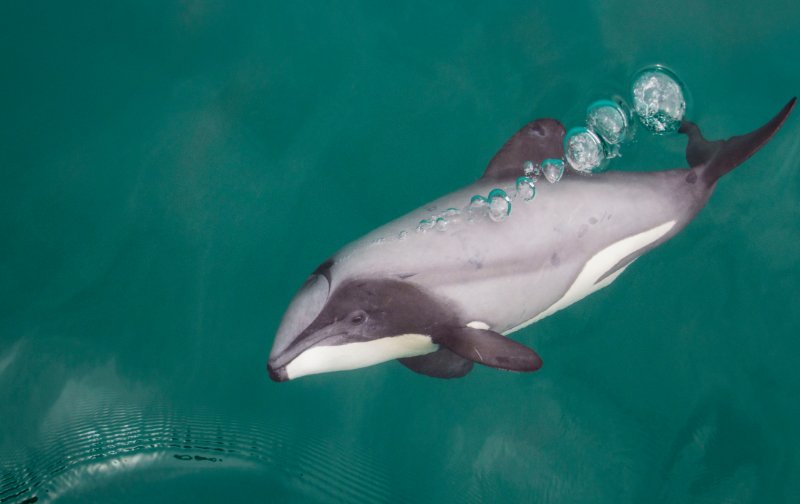
Dolphins are highly intelligent marine mammals known for their playful and social behavior. Found in oceans worldwide, these beautiful animals belong to the family of toothed whales. They are characterized by their streamlined bodies, curved dorsal fins, and elongated rostrum.
Dolphins are considered among the most beautiful animals in the world because of their magnificent acrobatics. They can often be seen leaping out of the water or riding the bow waves created by boats. Dolphins also display complex communication and cooperative behavior, adding to their appeal as majestic marine mammals.
13. White Bengal Tiger
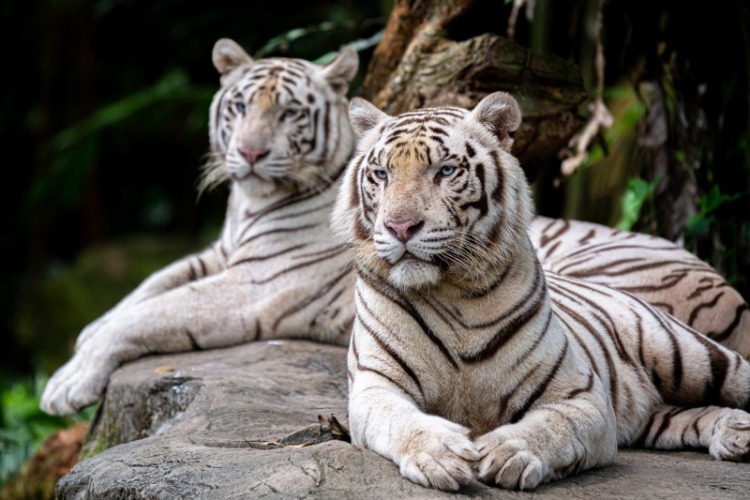
The White Bengal Tiger is a striking and rare variant of the tiger, boasting unique white fur with dark stripes. Native to India, these gorgeous big cats can also be found in Nepal, Bangladesh, and Bhutan. White Bengal Tigers are not albinos but have a genetic condition called leucism that affects their pigmentation.
The beauty of the White Bengal Tiger lies in its regal appearance, with piercing blue eyes set against cream-white fur and chocolate-brown stripes. It is worth being precise about what a white tiger is, because most sources get this wrong: it is not a species, not a subspecies and not an albino, but a rare recessive colour morph of the Bengal tiger. The last white tiger recorded in the wild was shot in 1958; essentially every white tiger alive today descends from one male, Mohan, captured in Rewa, India in 1951, through generations of close inbreeding. The IUCN therefore assesses the Bengal tiger, not the white morph — and the Bengal tiger is Endangered, with habitat loss and poaching threatening survival.
14. Siberian Tigers
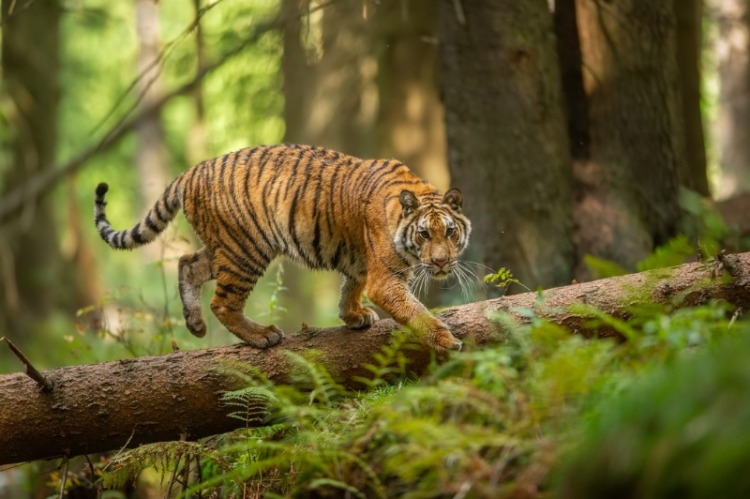
In the dense forests of Russia, China, and North Korea, Siberian Tigers are the largest of the tiger subspecies and among the most stunning animals on the planet. Their thick, fiery orange coats with black stripes provide perfect camouflage in their forest surroundings. These majestic big cats have powerful bodies, enabling them to navigate the rugged terrain of their habitat.
Siberian Tigers face challenges similar to those of their White Bengal counterparts, with their population also endangered due to habitat loss and poaching. Conservation efforts are underway to help protect these remarkable and beautiful animals and ensure their long-lasting presence in the animal kingdom.
See Related: Sumatran Tiger: Why Is It Endangered?
15. Mandarin Fish
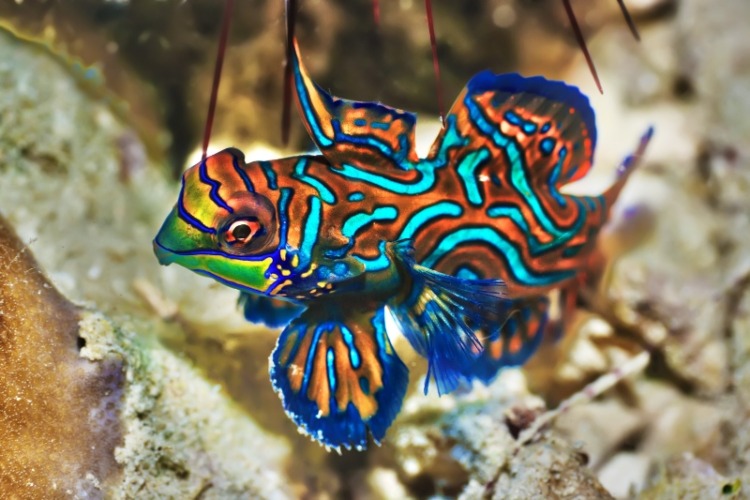
The Mandarin Fish, scientifically known as Synchiropus splendidus, is found in the Pacific Ocean. This exceptional fish is known for its vibrant colors and captivating patterns. It displays an extraordinary mix of blue, orange, and light green hues, which have earned it a reputation as one of the most visually striking marine animals.
This small fish is a member of the dragonet family and inhabits the warm waters of coral reefs. Its colors not only make it aesthetically pleasing but also serve as a form of camouflage, helping it blend in with its surroundings and evade predators.
16. Beluga
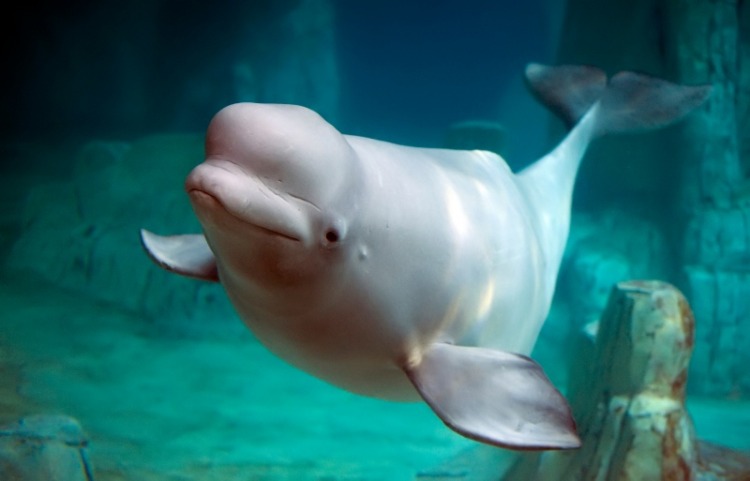
The Beluga, often called the white whale, is one of the most distinctive marine mammals. Its striking pale coloration, bulbous forehead, and friendly expression give it a unique appearance that differentiates it from other cetaceans.
Belugas inhabit the cold waters of the Arctic, where their white skin helps them disappear against the ice. Belugas are not born white — calves are slate grey or brownish and lighten over roughly five to eight years. They are highly social animals known for their diverse vocalizations and ability to emit a wide array of clicks, whistles, and calls. Belugas typically feed on fish, squid, and crustaceans found in their frigid environment.
17. Seahorse
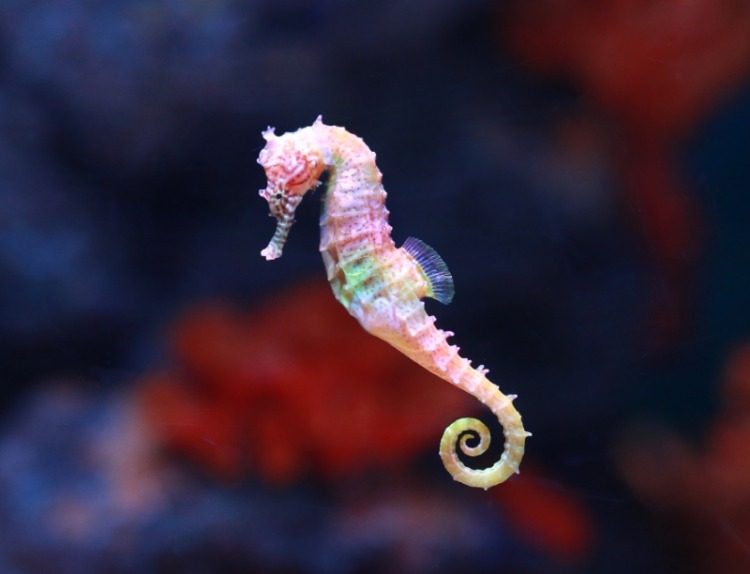
Seahorses are instantly recognizable for their unique body shape, horse-like heads, and curling tails. These beautiful sea creatures are found in shallow tropical and temperate waters worldwide, where they inhabit seagrass beds, coral reefs, and mangroves.
The seahorse has fascinating biology, as the male becomes pregnant and gives birth to the offspring. Additionally, their highly prehensile tails allow them to anchor themselves to their surroundings, making camouflaging and ambushing their prey easier.
The extraordinary features and undeniable charm of the Mandarin Fish, Beluga, and Seahorse make them remarkable examples of exquisite marine life, showcasing our planet’s oceans’ rich diversity and beauty.
See Related: Is a Fish an Animal? Here’s What You Need to Know
18. Siberian Husky

The Siberian Husky is an elegant and active dog breed admired for its stunning appearance and friendly demeanor. Its fur is particularly eye-catching, with a thick double coat that protects it from harsh winter conditions. The coat can come in various colors, making each Husky unique and beautiful.
Huskies are known for their incredible stamina and energy, making them great companions for active owners. While they may not be the best choice for someone seeking a low-energy pet, these dogs thrive in environments where they can exhibit their athletic abilities. Siberians are generally good-tempered animals known for their hospitality and friendly nature.
19. Friesian Horse
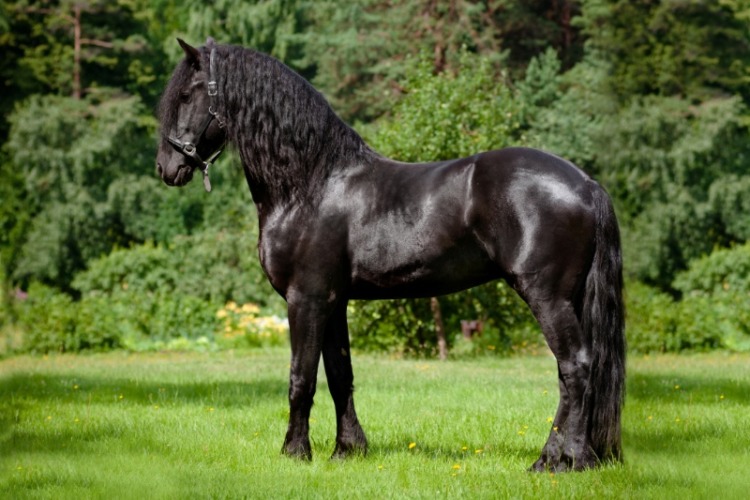
Originating in the Netherlands, the Friesian Horse breed is majestic and elegant, often associated with nobility and royalty. Their long, flowing manes and silky, shiny coats make these horses easily recognizable. Their striking black color adds to their overall beauty and grace. The Friesian Horse can also be seen adorned with intricate braids and elegant decorations, further enhancing their regal appearance.
The Friesian Horse’s graceful movements and proud stature make them popular for various equestrian activities, including dressage and show jumping. These horses are known for their gentle and calm temperament, making them great companions for riders of various levels and experiences.
The breed takes its name from Friesland in the northern Netherlands, where it was bred as a light draught and carriage horse and very nearly died out twice — the studbook was down to three surviving stallions in 1913. Today Friesians are kept worldwide, and the breed standard still calls for a solid black coat with no white markings beyond a small star.
See Related: Horse Breeds: Different Types of Horses
20. Chameleons
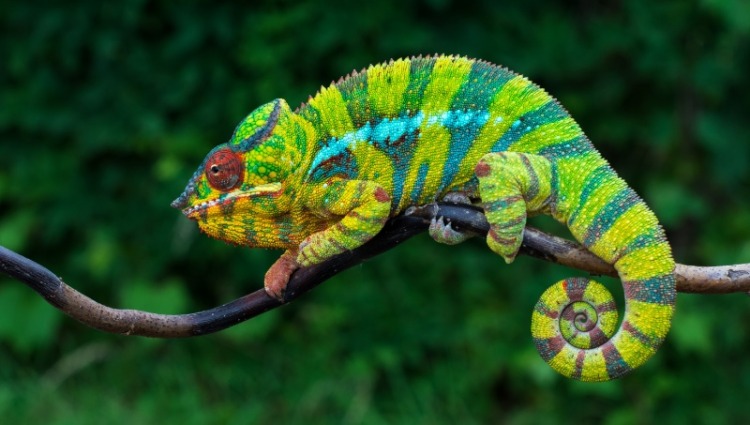
Chameleons are truly gentle and amazing creatures known for their extraordinary ability to change color. This remarkable feature helps them blend in with their environment, providing excellent camouflage to avoid predators.
Chameleons are primarily found in the rainforests and deserts of Africa and Madagascar. They boast unique shapes and sizes. They are fascinating not only because of their color-changing abilities but also because of their independently moving eyes and prehensile tails.
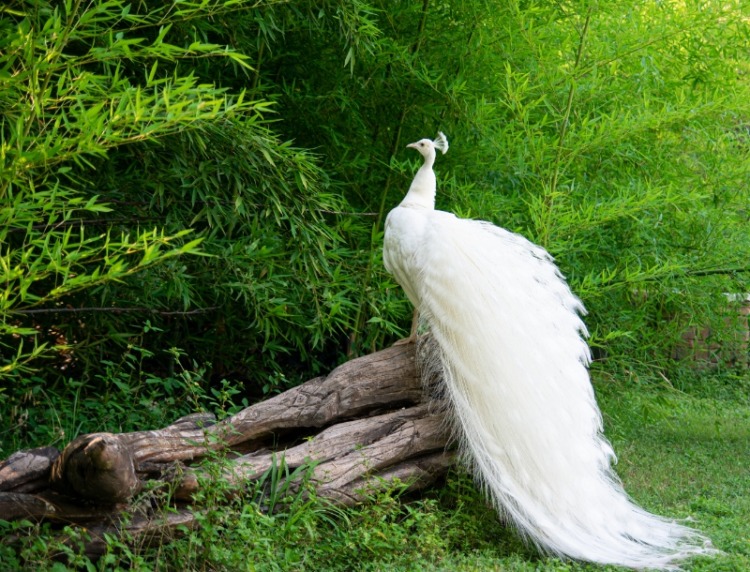
21. White Peacock
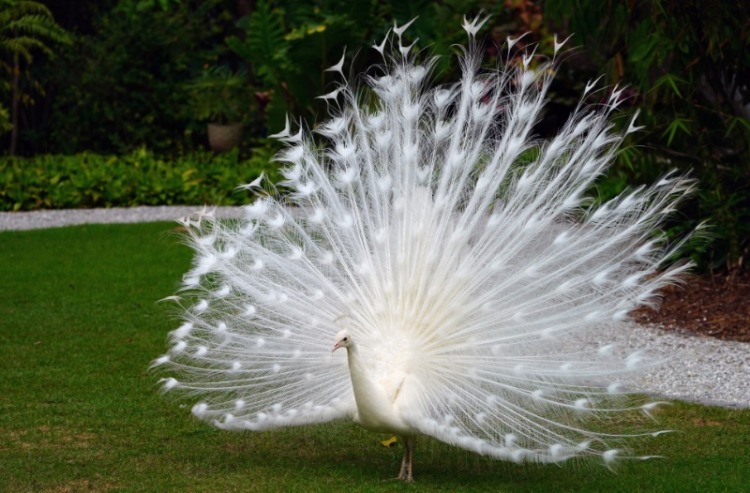
The white peacock is not a species and is native nowhere in particular: it is a leucistic colour variant of the Indian peafowl (Pavo cristatus), whose wild range runs across India, Sri Lanka and Nepal. Leucism suppresses the pigment in the feathers without affecting the eyes, so a white peacock keeps the same enormous train and the same shimmering eyespots — in white relief rather than blue and green.
Though not technically endangered, white peacocks are less common than their colorful counterparts. Their exquisite appearance, combined with their stunning courtship dance, makes them one of the most gorgeous animals in the world.
22. Orchid Mantis
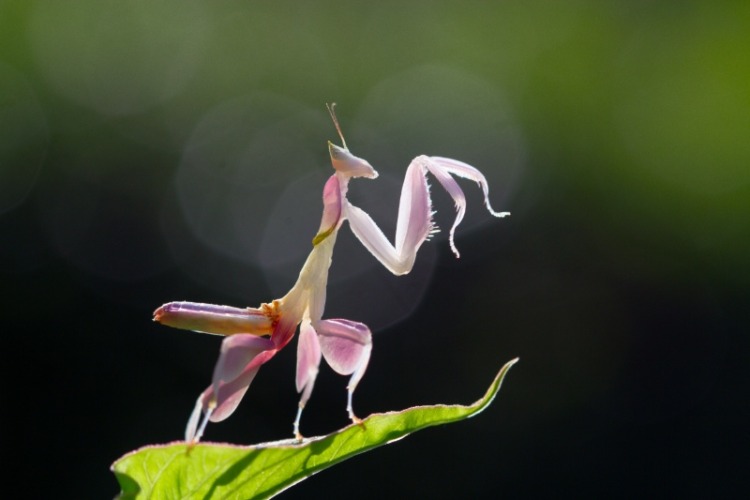
The Orchid Mantis is an astonishing insect found primarily in the rainforests of Southeast Asia. Its delicate, flower-like appearance is an effective form of camouflage, luring unsuspecting prey to its grasp.
This mantis has a pristine white body with touches of soft pink, mimicking the appearance of an orchid flower. The Orchid Mantis is a striking example of nature’s ability to create beautiful animals with unparalleled elegance and adaptability.
23. Leopard

The leopard is among the kingdom’s most often beautiful creatures and elusive animals. Known for their striking spots and incredible agility, these big cats range across sub-Saharan Africa, South and Southeast Asia, and pockets of the Middle East and the Caucasus — the widest distribution of any big cat. The IUCN lists the leopard as Vulnerable rather than Endangered, though several subspecies, including the Amur leopard and the Javan leopard, are Critically Endangered. Numbers are falling because of habitat loss, poaching, and human-wildlife conflict.
Leopards can remarkably adapt to various habitats, from dense forests to arid deserts. Their stealthy nature and nocturnal behavior make them efficient predators, able to hunt a wide range of prey. These incredible animals possess powerful limbs, making them excellent climbers and swimmers.
Leopard populations face numerous threats, but conservation efforts are underway to preserve their beauty and ensure the species’ survival. By protecting their habitats, increasing anti-poaching measures, and raising awareness about their plight, we can help safeguard these truly remarkable creatures.
See Related: Amur Leopard: Why is it Endangered?
24. Iberian Lynx
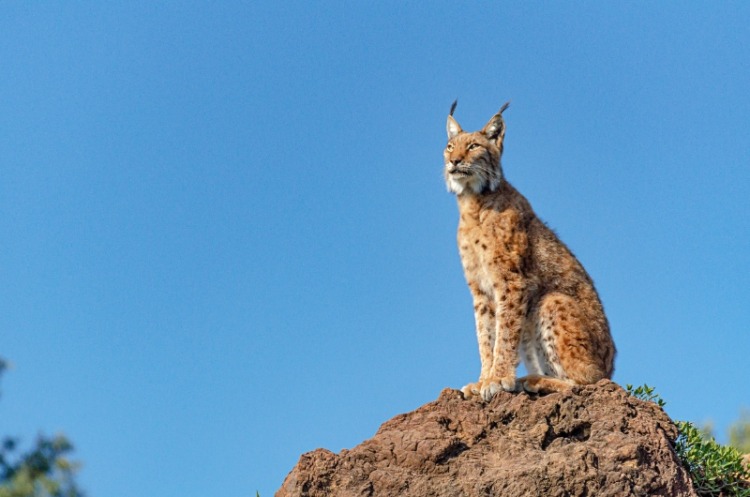
The Iberian lynx is the best conservation news on this list. In June 2024 the IUCN downlisted it from Endangered to Vulnerable after what the Red List called one of the greatest recoveries of a cat species ever achieved: from 62 mature individuals in 2001 to 648 in 2022, with a total population now above 2,000 and its range grown from 449 km² in 2005 to 3,320 km². Native to the Iberian Peninsula in southwestern Europe, it remains one of the world’s rarest wild cats. With their striking spotted coats, tufted ears, and powerful build, these majestic animals are recognized as one of the lynx family’s most beautiful and fascinating members.
One of the primary threats to the Iberian Lynx is the decline in their primary prey, the European rabbit. Due to disease, habitat loss, and overhunting, rabbit populations have drastically decreased, leaving the Iberian Lynx in dire need of food sources. Human encroachment, habitat fragmentation, and road accidents also contribute to the decline in the Iberian Lynx population.
Conservation efforts, such as habitat restoration and reintroduction programs, are working to ensure the survival of this iconic species. By providing safe corridors for the lynx to traverse and implementing rabbit population recovery initiatives, we can hope to see the population of the Iberian Lynx recover and flourish in their natural environment.
25. Red Panda
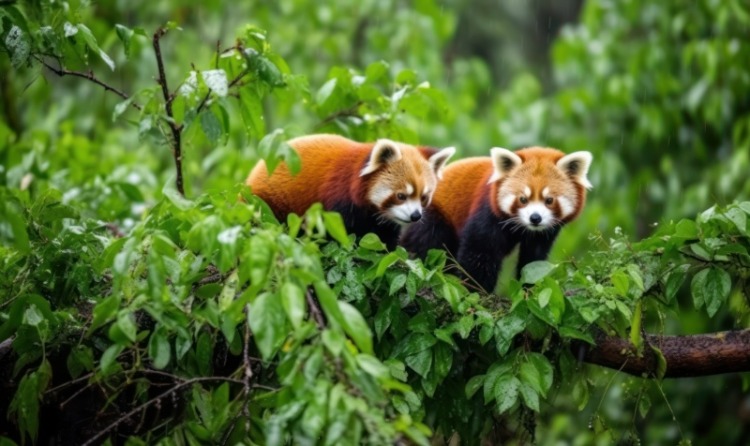
The Red Panda is undoubtedly one of the world’s most beautiful and endearing animals. Native to the Himalayan region, including parts of India, these graceful creatures charm people with their playful and curious nature.
Red Pandas are known for their striking reddish-brown fur and adorable facial features, resembling raccoons and bears. With their fluffy tails and big, dark eyes, they exhibit an irresistible cuteness, especially when they are still baby animals.
Not only are Red Pandas visually appealing, but they also have personalities that captivate humans. They are interested and active, often seen running around, climbing trees, and engaging with their surroundings, making them increasingly popular in zoos and conservation programs.
Moreover, the gentle nature of the Red Pandas contributes to their charm. They are mostly solitary animals but can occasionally be spotted in small groups or families, building connections with one another.
The people of India, where Red Pandas can be found, appreciate and respect these charming creatures. They often include them in their local stories and see them as symbols of hospitality and warmth—attributes that resonate with the Red Pandas.
See Related: Giant Panda: Why Are Pandas Endangered?
26. Glass-winged Butterfly
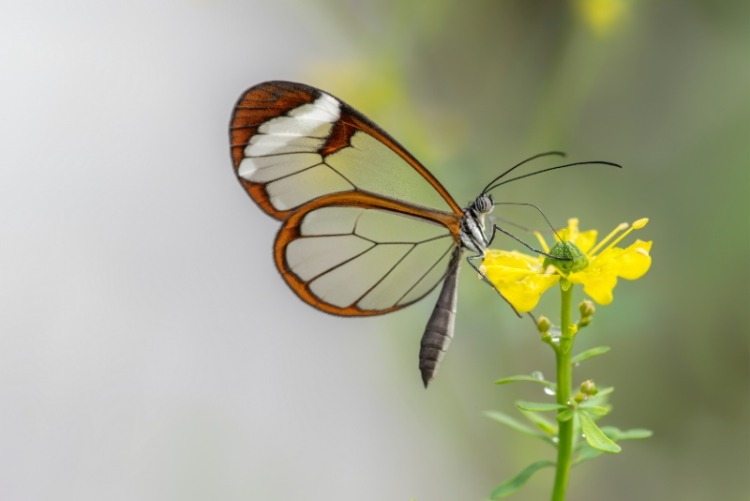
The Glass-winged Butterfly (Greta oto) is a stunning insect in Central and South America. Its most striking feature is the transparent wings, which give the glass-winged butterfly its name. The transparent wings result from a lack of color scales, exposing the intricate patterns of the wing veins. Their wings’ transparency and other small scaling patterns make them less visible, thus protecting them from predators.
Glasswinged butterflies are found mainly in rainforest habitats from Mexico to Panama, and migrate up to 12 miles a day. They have a unique mating and reproduction process where the males release a chemical that the females use to locate potential mates. The female Glass-winged Butterfly lays its eggs on the host plants, mainly in the Solanaceae family.
27. Loch’s Chromodoris
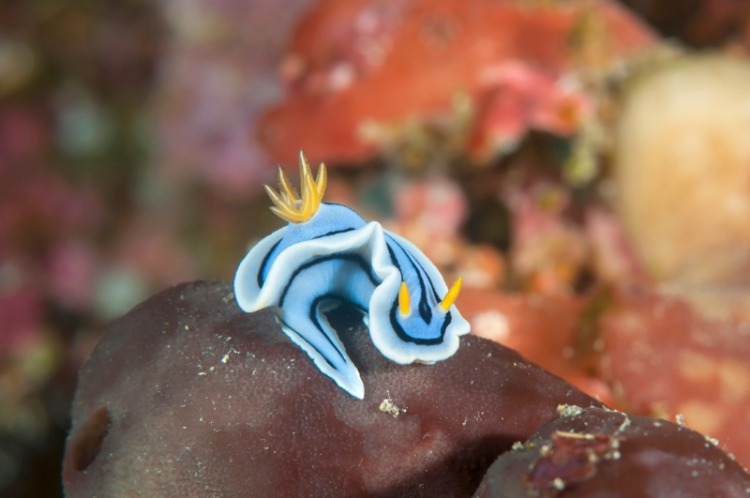
Loch’s Chromodoris (Chromodoris lochi) is an exquisite sea slug found in the tropical seas of the Indo-Pacific region, particularly around Australia, Indonesia, and the Philippines. Its remarkable appearance is marked by vivid blue stripes on a white or pale blue body, making it a popular photographic subject among many underwater photographers and enthusiasts.
Loch’s Chromodoris is a member of the nudibranch family, which includes marine gastropods recognized for their vibrant colors and ornate patterns. This beauty is not just for show; its bright colors often warn predators of its unpalatable taste.
These sea slugs feed on sponges to incorporate the sponge’s toxic compounds into their tissue, providing them with added protection from predation. Interestingly, Loch’s Chromodoris prefers to lay its eggs on sponges that match its blue coloration, possibly as camouflage to protect the eggs from potential consumers.
Frequently Asked Questions
What are some stunningly beautiful rare animals?
There are several rare animals with stunning appearances that capture people’s imaginations. For example, the aptly-named Mandarin duck is a vibrantly colored bird with striking plumage, while the iridescent Blue Glaucus, or u0022blue dragonu0022 sea slug, is a fascinating aquatic creature. The okapi, a relative of the giraffe, is known for its unique zebra-like stripes and secretive nature.
Which animals are considered most majestic?
Majestic animals typically combine size, grace and a regal appearance. The names that come up most often are the African elephant, the largest land animal on Earth at up to 6 tonnes; the Bengal tiger, the national animal of India; the humpback whale, for its breaching; and the cheetah, the fastest land animal at a verified 58 mph rather than the 75 mph often quoted.
Which wild animal is the most visually striking?
Determining the most visually striking wild animal is subjective and depends on individual preferences. However, some animals are famous for their visually arresting features, such as the brilliantly colored plumage of the peacock or the striking patterns of a poison dart frog. The vibrant hues of the Scarlet Macaw, one of the world’s u003ca href=u0022https://www.ourendangeredworld.com/beautiful-birds/u0022u003emost beautiful birdsu003c/au003e, and the elaborate markings of the snow leopard are also noteworthy examples of lovely animals.
Can you name some of the most beautiful animals?
Like humans, beauty in animals is a matter of individual taste. Nevertheless, some animals are universally admired for their beauty. u003cbru003eu003cbru003eExamples include the elegant and graceful swan, the vibrant and energetic hummingbird, and the mesmerizing patterns of an emperor angelfish. The delicate appearance of the Arctic fox, with its pristine white fur, and the regal posture of the crowned crane also make them stand out as some of the most beautiful and elegant animals anywhere in the world.
Where to See Majestic Animals in the Wild
Most of the animals above can be seen wild, and a handful of places concentrate them.
East African savannah — lion, elephant, giraffe, cheetah, leopard
Kenya’s Masai Mara and Tanzania’s Serengeti hold all five of the big savannah species in one ecosystem. The great wildebeest migration — well over a million animals, moving in a rough loop between the Serengeti and the Mara — peaks in the Mara river crossings between roughly July and October, which is also when predator sightings are easiest. A safari lodge on the escarpment gives you a vantage over the plains at dawn, when lions are still moving.
Okavango Delta, Botswana — elephant, hippo, wild dog
Botswana holds the largest elephant herd left on Earth, roughly 130,000 animals. The Okavango floods in the dry season, so game concentrates on the islands and channels, and a mokoro canoe puts you at eye level with hippo pods — from a respectful distance, since hippos kill more people in Africa each year than lions do.
Indian national parks — Bengal tiger, leopard, one-horned rhino
Bandhavgarh, Kanha and Ranthambore carry some of the densest tiger populations anywhere; Kaziranga in Assam holds roughly two-thirds of the world’s greater one-horned rhinos. Parks close during the monsoon and reopen around October, and tiger sightings improve through the hot months as animals come to water.
Cold water and high latitude — whale, polar bear, snowy owl
Humpback whales are reliable off Iceland, Alaska, Hermanus in South Africa and the Silver Bank in the Dominican Republic, timed to each population’s feeding or breeding season. Churchill in Manitoba is the accessible place to see polar bears, in October and November as they wait for Hudson Bay to freeze. Snowy owls are Arctic breeders, but in irruption winters they turn up as far south as the northern United States.
Doñana and the Sierra Morena, Spain — Iberian lynx
The lynx’s recovery has made it genuinely findable. Sierra de Andújar in Jaén is the classic winter site, during the January–February mating season when animals move in daylight and call.
Wherever you go, the rule that protects both you and the animal is the same: keep your distance, stay in the vehicle where the reserve requires it, and never let a guide bait or crowd a sighting.
Related Resources