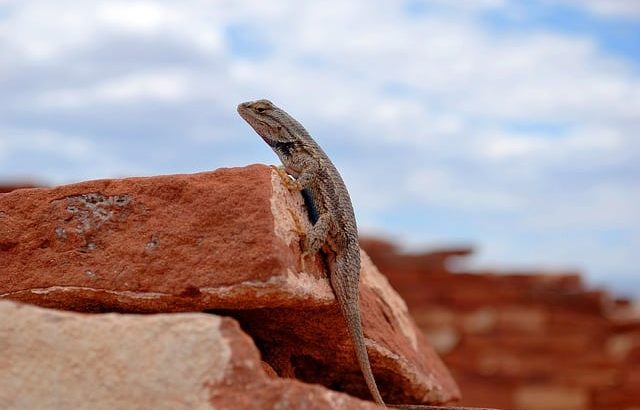
There are very few animals that start with X, but the most notable include the X-ray Tetra (a translucent Amazonian fish), the Xantus’s Hummingbird, the Xerus (an African ground squirrel), and the Xoloitzcuintli (a Mexican hairless dog)
Very few animals have common names beginning with X, and there is a specific reason why. The letter is rare in English, and most of the animals that do carry it were either named after the Hungarian naturalist John Xantus de Vesey or take their name from a place – the Xingu River in Brazil, China’s Xinjiang region, Guatemala’s Sierra de Xucaneb. Below are 20 real animals whose names start with X, each with its scientific name and current conservation status.
For scale: one widely cited estimate puts the total number of animal species on Earth at roughly 7.8 million (Mora et al., PLOS Biology, 2011), of which only about 1.2 million have been formally described. Even so, the X list stays short.
Why So Many X Animals Trace Back to One Hungarian Naturalist
Read the list below and a pattern appears: Xantus’s hummingbird, Xantus’s murrelet, Xantus’s leaf-toed gecko, and the whole lizard genus Xantusia. All four honour the same man.
John Xantus de Vesey was born Xantus Janos in Somogy, Hungary, in 1825. He fought as an officer in the Hungarian uprising of 1848-49, was captured, exiled, and escaped to the United States in 1850. Working for the US Army and then the Coast Survey, he became a prolific collector, and in 1860 he was posted as a tidal observer at Cabo San Lucas, on the southern tip of the Baja California peninsula, sending specimens back to the United States National Museum. He returned to Hungary and in 1872 became director of the Budapest Zoo, a post he held until his death in 1894.
That single posting is why an unusual share of the world’s X animals are Baja California species. It is also a useful reminder that a common name starting with X usually reflects who described the animal, not anything about the animal itself.
Since I know you are curious, let’s get right to it.
Top Animals that Start with X
The list below consists of animals whose names start with X.
1. Xanclomys
First on our list is a mammal that’s currently extinct, known as Xanclomys. Back in the day, it inhabited North America. It lived about 66 million years ago during the Paleocene, which is an epoch rather than a period – the first epoch of the Paleogene, immediately after the extinction that ended the age of dinosaurs.
For the most part, it enjoyed the terrestrial habitats where it foraged and hunted. Xanclomys was a multituberculate – an extinct order of small, rodent-like mammals that were among the most successful of their time. It is known mainly from teeth and jaw fragments, so its diet is inferred from tooth shape rather than observed, and descriptions of it as an active hunter go well beyond what the fossils show.
See Related: Are Humans Animals? 15 Things to Know
2. X-ray Tetra
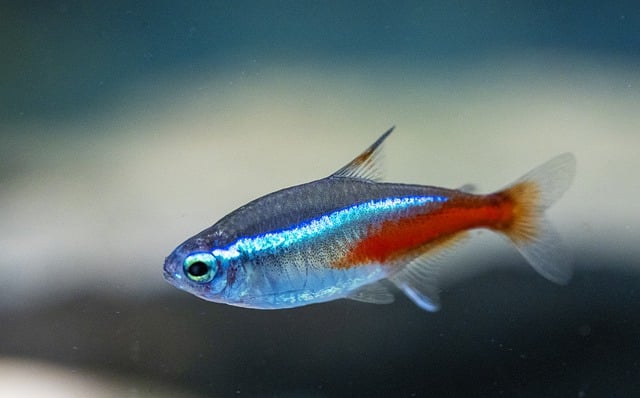
Of all animals that start with X, the X-ray Tetra fish is the most fascinating. Many people know it as the X-ray fish. It’s a unique creature that has a translucent body, and you can even see its backbone while it swims.
Typically, the X-ray fish resides in the Orinoco and Amazon basins, where there are alkaline and acidic waters. Its adaptability also means it enjoys living in Guyana. It’s a small fish that prefers living in schools for there’s safety in numbers.
Regarding diet, the fish eat plankton, worms, and small insects similar to other tetras species in the freshwaters. Larger fish are their main predators, although frogs, snakes, and birds, also hunt them.
Still, it has stable numbers and continues to thrive thanks to rapid reproduction. A female can lay upwards of 400 eggs, which she scatters among freshwater plants – this is a river fish of the Orinoco and Amazon basins, not a marine one. 24 hours later, the eggs start hatching and end up living close to 4 years.
See Related: Elephant Action League
3. Xanthippe’s Shrew
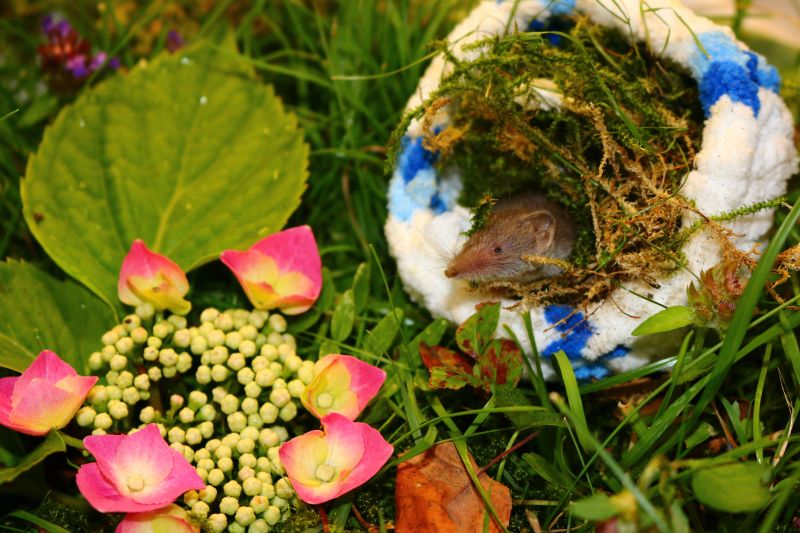
In the list of African animals that start with X is the Xanthippe’s Shrew. Despite the resemblance, a shrew is not a mole and not a rodent. Xanthippe’s shrew (Crocidura xantippe) is a white-toothed shrew in the family Soricidae, part of the order Eulipotyphla – the same broad group as hedgehogs and moles, but a separate family from either. It inhabits Eastern Africa, mainly in Kenya and Tanzania. Though these mammals share similarities to rodents, it’s a closer relative of hedgehogs.
Commonly, these animals enjoy eating plants and other small animals. Animals on their diet include spiders, worms, slugs, snails, and other bugs. Their predators are the small carnivores and birds of prey of the East African bush – genets, mongooses, owls and snakes. (Stoats and kestrels, often listed for shrews generally, belong to temperate Europe and do not occur in this animal’s range.)
The IUCN lists Xanthippe’s shrew as Least Concern, but that reflects a lack of evidence of decline rather than abundance: it appears genuinely uncommon within a small range, making up only 1-5% of 53 shrews trapped in one West Usambara survey. It is recorded from Tsavo East and Tsavo West National Parks. Rapid reproduction keeps their numbers stable. Shrews start mating in April, with gestation lasting only 25 days. A female can have up to 4 litters in a year since the young become independent within 3 weeks after birth.
4. Xantus Hummingbird
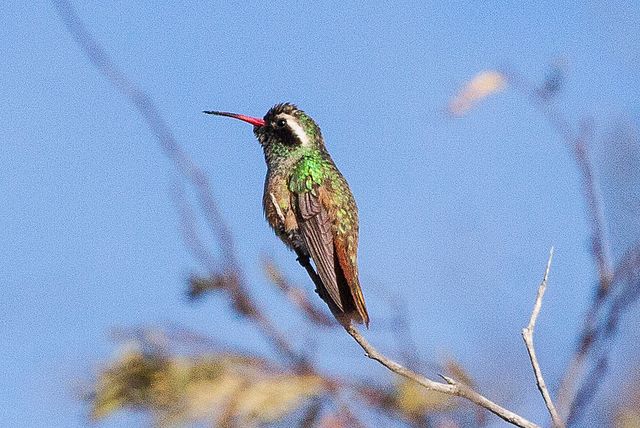
In addition to the three above, many more animals start with X. Take the Xantus hummingbird, for example. Xantus’s hummingbird (Basilinna xantusii) is 8.5-9.5 cm long and is endemic to the Baja California peninsula in Mexico – not the US state of California, which the two names are easily confused with. The adults have green upper and back areas.
Most of them call Mexico home and enjoy feeding on nectar from different flowers. The bird has a long beak and tongue that each uses to suck out the nectar. Additionally, they prey on smaller insects that they trap with their fast wings.
While they prey on insects, they fall predators to other animals in the wild. Usually, the most common Xantus hummingbird predators are lizards, snakes, bats, and large birds.
The IUCN assesses it as Least Concern, with a population estimated at 20,000 to 50,000 mature individuals and believed to be stable despite the small range. These birds live up to 5 years in the wild. Females lay 2 eggs after mating, which she incubates for 3 weeks. After the chicks hatch, they leave the nest after 22 days.
See Related: Fastest Animals in the World
5. Xingu Corydoras
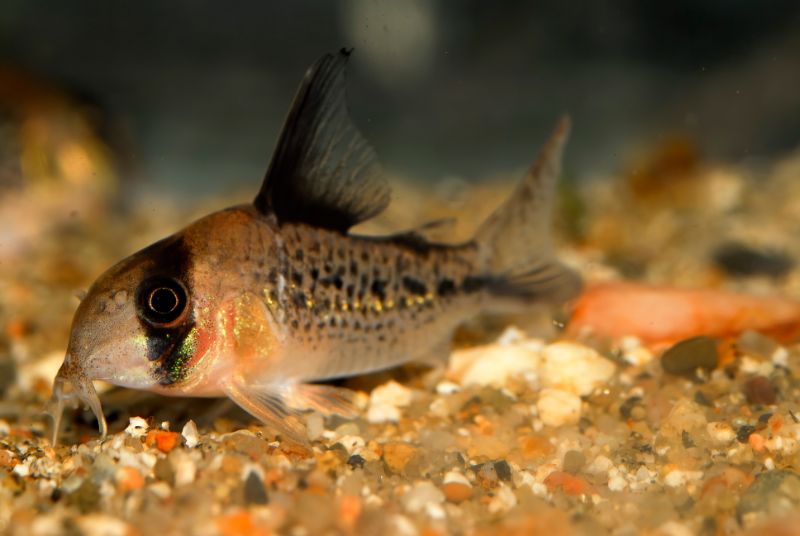
Xingu corydoras is a fish that frequents the waters of the Xingu River in Brazil. The waters create the perfect habitat, thanks to the tropical climate of this part of South America.
Similar to other fish, the Xingu are omnivores that feed on both plant and animal matter. In the wild they feed on small invertebrates, worms and plant material sifted from the riverbed – freshwater algae and detritus rather than seaweed, which is marine. However, they easily fall prey to larger fish and snakes in the water.
Females scatter their eggs across submerged plants and rocks while spawning, and offer no parental care afterwards.
The Xingu is also one of the most heavily altered rivers in the Amazon basin. The Belo Monte dam complex, fully operational since 2019, diverts most of the flow from a stretch known as the Volta Grande – the exact kind of habitat the river’s endemic fish depend on. Several Xingu-endemic fishes are of conservation concern for this reason.
See Related: Three-Letter Animals You’ve Probably Never Heard Of
6. Xerus
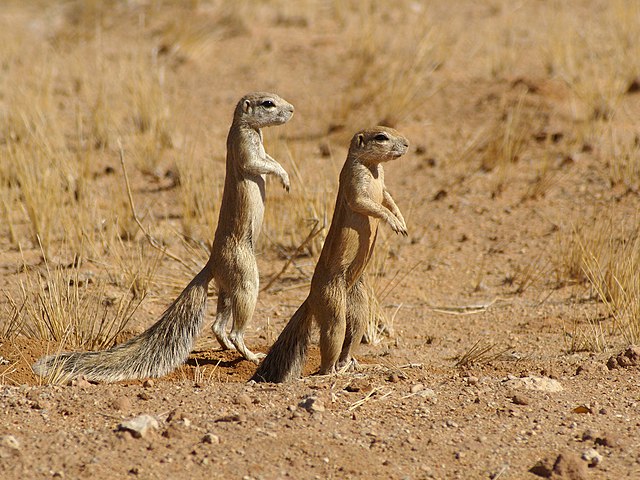
Did you know that not all squirrels live in trees? Xerus is a genus of African ground squirrels. The ground squirrels that have become invasive in Spain’s Canary Islands are often lumped in with them, but they are a different genus – the Barbary ground squirrel (Atlantoxerus getulus), native to Morocco and Algeria, introduced to Fuerteventura from a single pair in 1965 and spread across the island by the 1980s. It’s one of the animals that start with X that are worth noting.
Today, four species live in different parts of Africa, from Morocco to Tanzania and Namibia. The ground squirrels prefer rocky, grasslands and woodland areas for ample protection and food supply. Their diet is mostly roots, nuts and seeds, but they are omnivores rather than strict herbivores – insects, eggs and small vertebrates are taken opportunistically.
Generally, they prefer living in areas with a protective cover because they have numerous predators. Animals like birds of prey, jackals, snakes, large lizards, and wild cats see them as food of choice in the wild. However, this predation hasn’t affected their population.
See Related: Are Humans Animals? Things to Know
7. Xeme
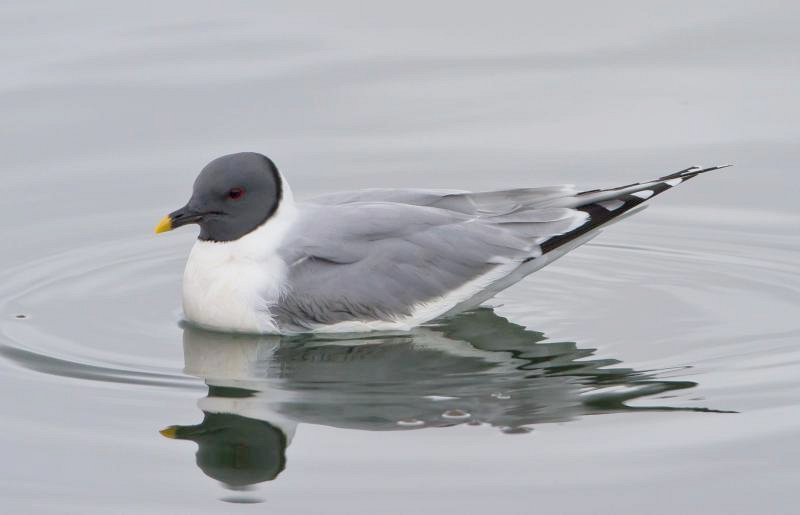
Are there animals that start with X at the zoo? Certainly Yes! And, the Xeme gull is one of them. Also known as the Sabine gull, this is a sea bird that inhabits the Arctic coasts and tundra. Thanks to its notable wing pattern, it’s easy to spot while bird-watching. Another notable characteristic is the fact that the birds pair up and mate for life.
Almost always, the Xeme feeds on small fish, young birds, spiders, insects, eggs, and insect larvae. These animals that start with X are known to steal eggs from the nests of other birds in their habitat.
Arctic foxes, skuas, gulls and jaegers take eggs and chicks. (Lizards, sometimes listed as gull predators, are absent from the Arctic tundra where this bird breeds.) The species is Least Concern, with a global population estimated at around 340,000 mature individuals and considered stable – far more numerous than the figure of 10,000 pairs that circulates online.
See Related: Galapagos Giant Tortoise
8. Xenops
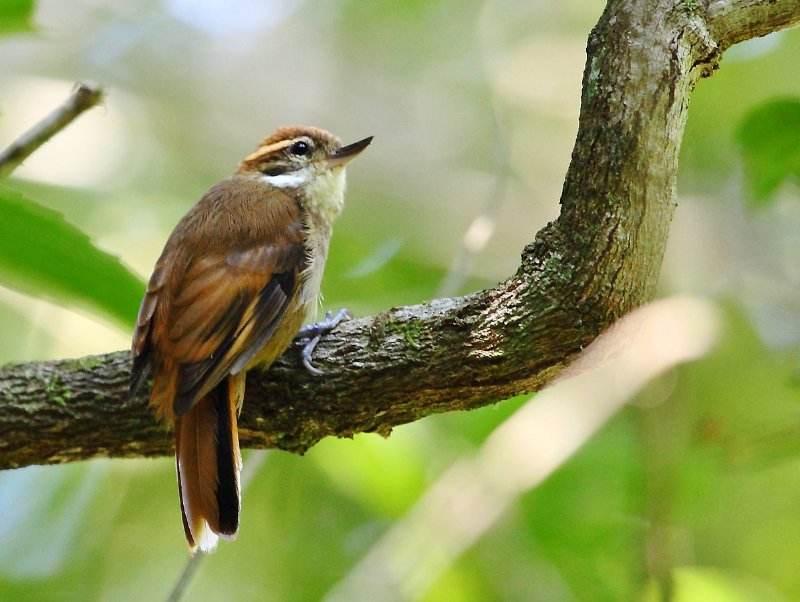
Xenops are small birds in the ovenbird family (Furnariidae), with three species generally recognised. They have compact bodies, stiff tails and a distinctive wedge-shaped bill used to prise insects out of dead wood.
Xenops are Neotropical birds and do not occur in Florida – a claim repeated on a number of alphabet lists. Their range runs from southern Mexico through Central America and across much of tropical South America. If you want a genuine X animal in the United States, the night lizards (Xantusia) below are the better answer, and Florida has its own long list of endangered species without needing this one. Areas with large forest cover are their favorite to live and nest. More so, their diet consists of ants, ants’ larvae, and other small insects.
However, they prefer living up in trees safe from predators. Common predators include large lizards, birds of prey, and snakes. Nevertheless, their numbers remain high, with a population of over 5 million birds in the area.
9. Xoloitzcuintle
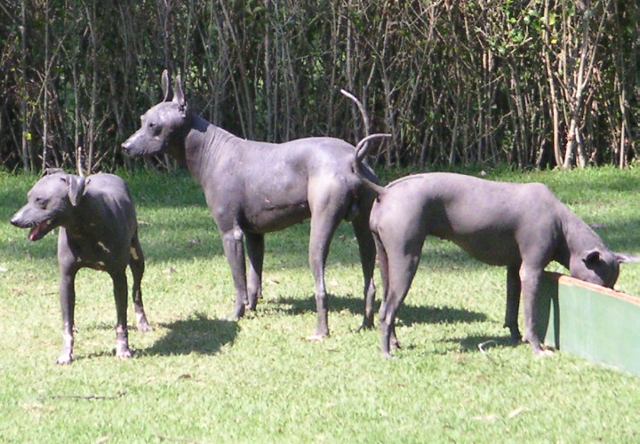
Generally known as the Xolo, this is a domestic dog breed from Mexico – not a wild animal, but it earns its place because it is the best-known X name most people can produce. The dog breed is popularly known for its hairless appearance. It comes in two varieties, hairless and coated, which are identical apart from coat and dentition; the hairless form characteristically has an incomplete set of teeth, a trait genetically linked to the hairlessness itself.
Think you know which animals hear best? It is not the bat, the owl or the elephant. The record holder is a moth that detects sound at 300 kHz — about fifteen times higher than any human can hear. See the 13 animals with the best hearing in the world
Its reputation for temper is misplaced: the breed standard describes a calm, tranquil, aloof and attentive dog, affectionate with its own family and reserved with strangers.
Its registry history is genuinely unusual. The American Kennel Club first recognised the type as the Mexican Hairless Dog in 1887, then dropped it from the stud book in 1959 because the breed had become so scarce. It was readmitted to the Miscellaneous class in 2010 and to the Non-Sporting Group in 2011. Archaeological evidence places hairless dogs of this type in Mesoamerica for at least 3,000 years, and the Xolo is now the official dog of Mexico.
Generally, since it’s a domesticated dog breed, it’s commonly fed nutritious dog food. The food must contain healthy portions of protein, carbohydrates, and nutrients.
In regards to predation, Xolos don’t have lots of enemies since they’re kept at home. However, coyotes and other carnivores are known to attack Xolos when they run into each other. In the US, there are about 1,000 of these dogs. Females give birth to five puppies in one breeding season.
See Related: 3 Letter Animals You’ve Never Heard Of
10. Xenarthra
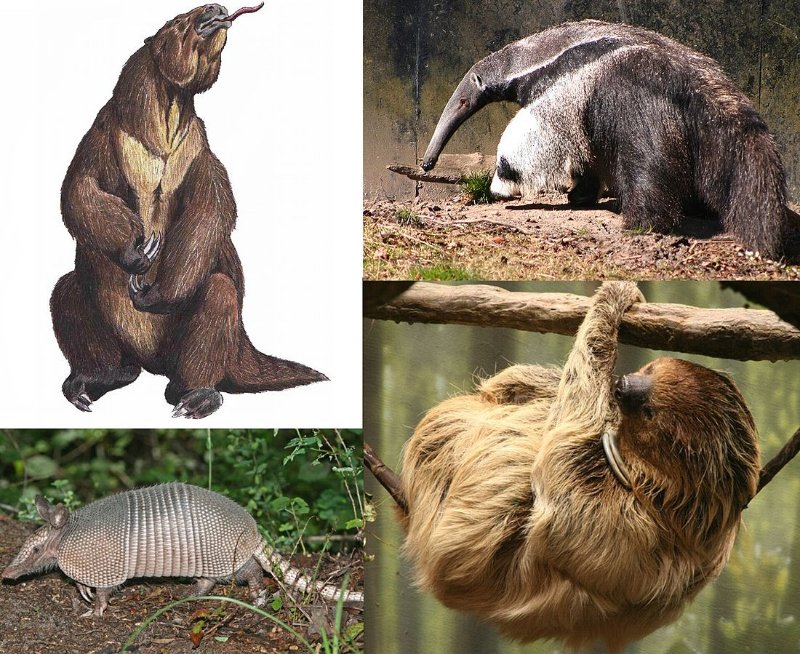
Xenarthra is not a single animal – it is a superorder, the branch of placental mammals containing the sloths, anteaters and armadillos. It belongs on this list the way “Carnivora” would: as a group name rather than a species. Its name means “strange joints”, after the extra articulations in the vertebrae that give the group its rigidity. The most common habitat is in Latin America, where it resides in the rainforests. As a common trait, the Xenarthra have extra joints that help them search for food.
Typically, their diet consists of insects such as ants and termites. Additionally, some eat plants and smaller animals residing in the forest. However, due to slow metabolism, some feed less. Their population remains stable in most Latin American countries, although some extinct species exist.
See Related: Do Frogs Feel Happy? Decoding The Emotions Of Our Amphibian Friends
11. Xantus Leaf-toed Gecko
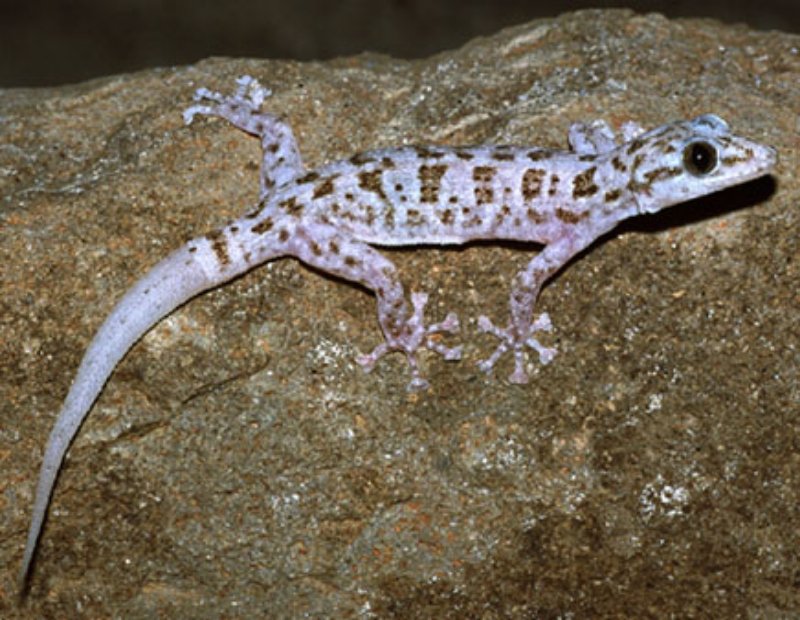
Adding to the list of animals that start with X is the Leaf-toed Gecko native to California and parts of North West Mexico. It prefers desert habitats and areas with lots of shrublands — one of the many distinct types of habitats that shape which species can live where. One way it protects itself against predation is by losing its fragile tail.
In regards to diet, the Leaf-toed Gecko feeds on flies, moths, spiders, ants, and termites. Large birds, snakes, and bigger lizards are its main predators.
As for population, these lizards are in plenty and continue to breed. Like other leaf-toed geckos, Phyllodactylus xanti lays a very small clutch – typically two eggs – and may produce about two clutches in a season. Claims of twenty-egg clutches or year-long gestation are not supported by any account of the genus.
See related: 10 Types of Turtles Around the World
12. Xantic Sargo
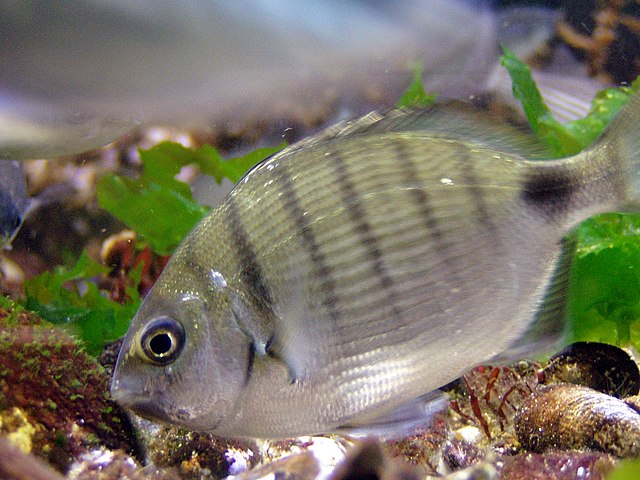
Xantic Sargo fish is among the most interesting creatures on our list of animals that start with the letter X. It’s commonly known as the California Sargo and inhabits the waters of the greater Pacific Ocean. The fish can live a solitary life or in a school.
For food, the Xantic Sargo eats a diverse diet. As an omnivore, it forages on seaweed, kelp, and seagrass. Besides plants, it also eats small fish, invertebrates, and crustaceans.
Nevertheless, it falls prey to numerous big fish living in the open waters. These include snappers, Spanish mackerel, groupers, and sharks. Apart from these, humans also enjoy eating these animals that start with X.
See Related: Australasian Organizations
13. Xinjiang Ground-jay
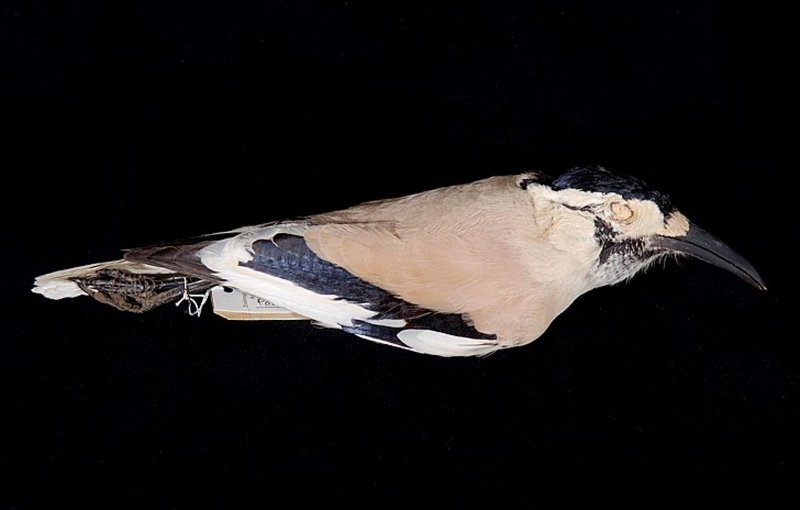
From the Corvidae family, we find the Xinjiang Ground-jay, also known as Biddulph’s jay. The Xinjiang ground-jay (Podoces biddulphi) is endemic to Xinjiang in north-west China and lives in the Taklamakan Desert – not wooded country. It nests low in desert scrub such as tamarisk, and it runs across open sand far more readily than it flies.
Usually, the birds are omnivores that feed on small animals, hatching birds, invertebrates, fruits, seeds, and berries. Still, they fall prey to larger birds, snakes, and lizards.
The IUCN has listed it as Near Threatened since 2004, with a population estimated at 8,200-13,400 individuals and declining. The main reason for the declining population is the loss of habitat due to human activities.
See Related: Eco-Friendly Space Heaters
14. Xucaneb Robber Frog
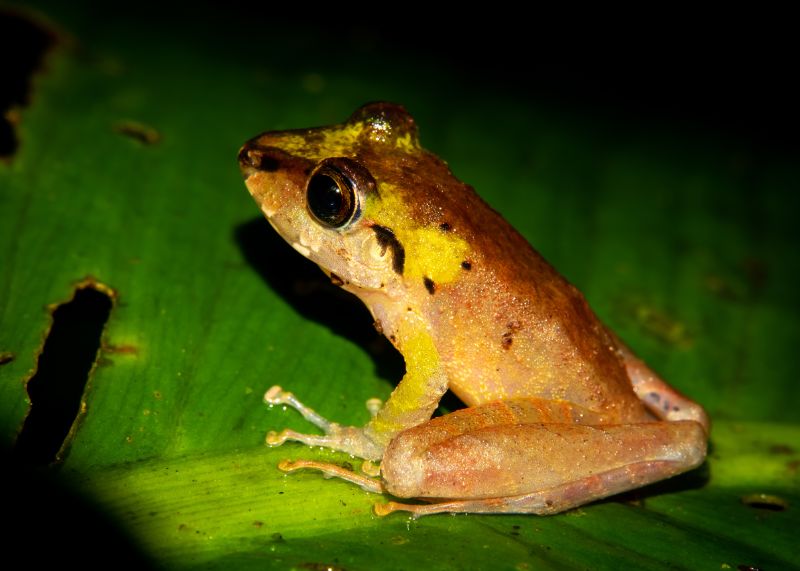
More among the animals that start with X is the Xucaneb Robber Frog from Guatemala. The favorite habitats of these frogs are Montane forests with elevations of up to 1300m above sea level.
Living in these terrestrial habits accords them a diet rich in worms, spiders, insects, and small fish. Snakes and birds are its main predators. (Stoats do not occur in Central America, and the monitor lizards often listed alongside them are Asian and Australasian animals.)
The Xucaneb robber frog (Craugastor xucanebi) is assessed by the IUCN as Vulnerable. It is endemic to the Guatemalan highlands – the Sierra de Xucaneb, Sierra de los Cuchumatanes and Sierra de las Minas – in premontane and montane forest at 600-1,300 m, and is threatened by agricultural clearance, logging and settlement. Like most Craugastor, it skips the tadpole stage entirely: the young hatch from the egg as fully formed froglets.
See Related: Whakatane Kiwi Trust
15. Xantus Murrelet
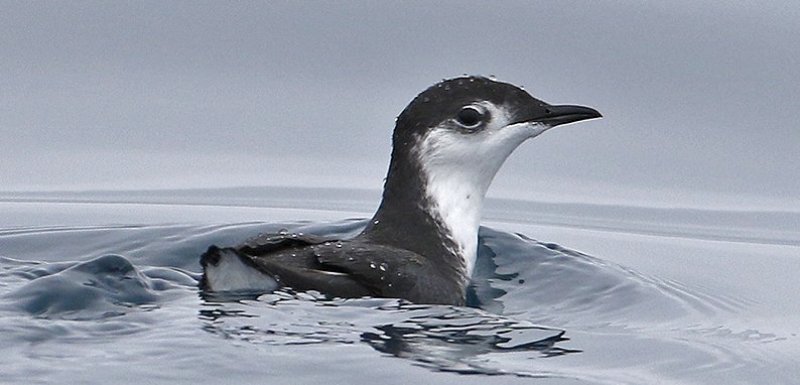
Xantus’s murrelet no longer exists as a species – and that is the most interesting thing about it. In 2012 the American Ornithologists’ Union split it into two: Scripps’s murrelet (Synthliboramphus scrippsi) and Guadalupe murrelet (Synthliboramphus hypoleucus). The two were separated on the basis of differing facial patterns and bill shape, distinct vocalisations, genetic evidence, and an absence of interbreeding even at a shared colony on the San Benito Islands.
So “Guadalupe murrelet” is not another name for Xantus’s murrelet – it is one of the two species Xantus’s murrelet was divided into. Both are small seabirds of the California Current, nesting in caves and rock crevices on offshore islands from California’s Channel Islands south to Baja California.
Concerning their feeding habits, like sea birds, they eat mostly small fish that swim in schools near the islands. Also, they catch warm, insects, and plankton.
One habit that you can observe is they prefer fishing in pairs. The main predators are larger birds of prey and bigger fish out in the ocean.
The claim that these birds face no threat is wrong, and worth correcting plainly. The Guadalupe murrelet is assessed by the IUCN as Endangered and is listed as endangered in Mexico; Scripps’s murrelet is also of conservation concern. Both are vulnerable to oil spills at sea and to introduced predators – cats and rats – on the small islands where they nest, and both have benefited from island predator-eradication work.
Five More Animals That Start With X
Most alphabet lists stop at the same dozen names. These five are all real, all well documented, and all routinely missed.
16. Xenopus – the African Clawed Frog
If one animal deserves the top of this list, it is Xenopus laevis. This flat, almost entirely aquatic frog from southern Africa is Least Concern in the wild and one of the most important laboratory animals in the history of biology.
Around 1930 researchers discovered that injecting a pregnant woman’s urine under the skin of a female Xenopus caused it to lay eggs within about a day. For roughly two decades this was the standard human pregnancy test, and thousands of frogs were shipped worldwide to hospitals. The frog was not harmed and could be reused. Xenopus remains a core model organism for developmental biology and regeneration research.
There is a conservation sting in the tail: escaped and released laboratory frogs have established invasive populations on several continents, and the trade is implicated in the global spread of the amphibian chytrid fungus.
17. Xantusia – the Night Lizards
Xantusia is a genus of small night lizards of the south-western United States and northern Mexico, named for John Xantus. They are unusual among lizards in giving birth to live young rather than laying eggs, and the desert night lizard (Xantusia vigilis) spends most of its life under a single fallen Joshua tree log, sometimes in family groups.
18. Xolmis – the Monjitas
Xolmis is a genus of South American tyrant flycatchers known as monjitas – Spanish for “little nuns”, after their crisp black-and-white plumage. They perch conspicuously in open grassland and pasture from Brazil to Argentina, which makes them one of the easiest X animals to actually see.
19. Xami Hairstreak Butterfly
The xami hairstreak (Callophrys xami) is a small green butterfly of Mexico and the extreme southern United States, occasionally reaching Texas. Its caterpillars feed on succulents in the stonecrop family, which is unusual among butterflies and ties the species tightly to arid rocky habitat.
20. Xingu River Ray
The Xingu River ray (Potamotrygon leopoldi) is a black, white-spotted freshwater stingray found only in the Xingu River in Brazil. Prized in the aquarium trade and restricted to the same river system altered by the Belo Monte dam, it is a clear example of how a narrow range turns any single development into a species-level risk.
What to Read Next
Now that you have the X-list, the obvious next question is which animal names are the shortest. Three-letter animals: 15 species explained, plus the full A–Z covers the 41 three-letter animal names in English — and why two of the ones every list includes do not belong. Or meet the species that pair up permanently in 27 animals that mate for life.
FAQs
What mammal begins with X?
Several do. The best known is the Xerus, an African ground squirrel with a pale side-stripe and a long bushy tail. Xanthippe’s shrew (Crocidura xantippe) of Kenya and Tanzania is another, the Xoloitzcuintli is a Mexican dog breed, and Xenarthra is the superorder containing sloths, anteaters and armadillos. The extinct Paleocene mammal Xanclomys also qualifies.
What is an African animal that starts with X?
An African animal that starts with X is the Xerus, also known as the African ground squirrel. Xerus is a genus of ground squirrels found in Africa, known for their distinctive bushy tails and ability to stand upright on their hind legs.
They are omnivores – mostly seeds, fruits and roots, but also insects and eggs when available – and are social animals that live in colonies. Note that the ground squirrels introduced to the Canary Islands are a different genus, Atlantoxerus.
What animals start with X or Y or Z?
Animals starting with X, Y, or Z are a group of animals whose common names begin with the letters X, Y, or Z. Some examples of animals starting with X include the Xerus, a type of African ground squirrel, and the Xenopus, a genus of aquatic frogs.
Animals starting with Y include the Yak, a long-haired bovine found in the Himalayas, and the Yellow-bellied marmot, a ground squirrel found in North America. Finally, animals starting with Z include the Zebra, a striped equine found in Africa, and the Zorilla, a small, carnivorous mammal related to the skunk.
What animal name begins with X?
Is there an animal name that begins with X? Yes, there is an animal name that begins with X, which is the Xerus, also known as the African ground squirrel.
Xerus is a genus of ground squirrels native to Africa, with a slender body, bushy tail, and long, curved claws for digging. They are social animals that live in groups of up to 20 individuals, and they are active during the day, foraging for seeds, fruits, and insects.
What is a bird that starts with X?
A bird that starts with X is Xantus’s hummingbird (Basilinna xantusii), a small hummingbird of 8.5-9.5 cm endemic to the Baja California peninsula in Mexico. Others include the xeme or Sabine’s gull, the Xinjiang ground-jay of the Taklamakan Desert, the xenops of tropical America, and the monjitas of the genus Xolmis.
What is a fish that starts with X?
A fish that starts with X is the X-ray Tetra (Pristella maxillaris). Found in the Amazon and Orinoco basins, it is famous for its translucent, see-through body that allows you to see its backbone.
Endangered Species Profiles
Related Resources
- 12 Types of Bears from Around the World
- 7 Types of Lions Around the World
- Animals That Start with V
- Animals that Start with I
See Related: 20 Animals That Start With The Letter M
See Related: 58 Animals That Start With N: Photos, Facts, and Types
Sources
- IUCN Red List – status assessments for Crocidura xantippe, Basilinna xantusii, Xema sabini, Podoces biddulphi, Craugastor xucanebi, Synthliboramphus hypoleucus and Xenopus laevis (iucnredlist.org)
- American Ornithologists’ Union, 53rd Supplement to the Check-list of North American Birds (2012) – the split of Xantus’s murrelet into Scripps’s and Guadalupe murrelets
- BirdLife International Data Zone – population estimates for Sabine’s gull and the Xinjiang ground-jay (datazone.birdlife.org)
- American Kennel Club – Xoloitzcuintli breed history and standard (akc.org)
- Mora, Tittensor, Adl, Simpson & Worm, “How Many Species Are There on Earth and in the Ocean?”, PLOS Biology (2011)
- Zwart, “The Xenopus Pregnancy Test”, Environmental Humanities (2016); Marine Biological Laboratory, African clawed frog research organism profile