
- Location: South Africa
- Founded: 1971 by Ann van Dyk and her brother Godfrey van Dyk, originally as the De Wildt Cheetah Research Centre; renamed the Ann van Dyk Cheetah Centre in 2010.
- Species: Cheetah and African wild dog.
What is the Ann van Dyk Cheetah Centre?
The Ann van Dyk Cheetah Centre — now branded the Cheetah Conservation & Research Centre, and still widely known by its original name, De Wildt — is a cheetah and African wild dog breeding, rehabilitation, and research facility near Hartbeespoort, South Africa. Founded on 16 April 1971 by Ann van Dyk and her brother Godfrey van Dyk, it became the first facility in the world to breed cheetahs successfully on a sustainable basis in captivity.
The centre has bred more than 600 cheetah cubs and over 500 African wild dog pups since 1971. Ann van Dyk personally cared for and educated the public about generations of cheetahs until her death in February 2021, at age 90.
It is a wild animal park and rehabilitation spot, as well as an educational resource for the surrounding communities. Ann van Dyk was a pioneer cheetah conservationist that founded the center and received international recognition. Ann had a special love for big cats and had an affinity for cheetahs and leopards.
Ann van Dyk first became involved with cheetahs in October 1968, when a local farmer offered her two orphaned cubs. Because the cubs had been acquired without the required permits, they were confiscated and sent to the National Zoological Gardens in Pretoria. Ann and Godfrey then offered the zoo the use of their family’s former chicken farm for a captive-breeding programme — an offer the zoo accepted, leading to the centre’s founding in 1971.
The founder initially worked with cheetahs and leopards but has since then branched out into taking in other types of animals and endangered species that are either orphaned or injured. The center is one of the most successful rehabilitation centers for big cats in South Africa.
See Related: Best Wildlife Conservation Jobs
Ann van Dyk Cheetah Centre’s Mission
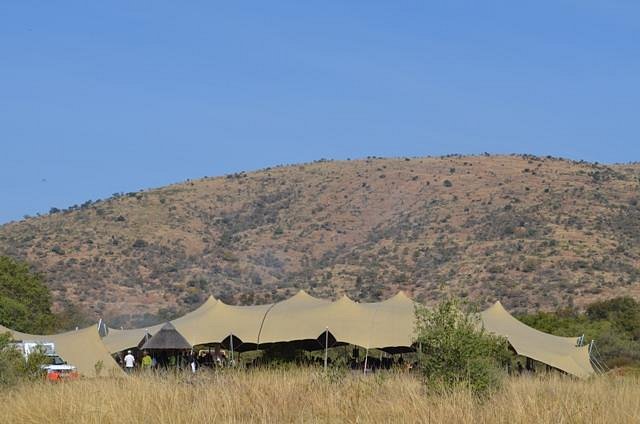
The Ann van Dyk Cheetah Centre was established in 1971 to facilitate the rescue, breeding, and rehabilitation of cheetahs — and in 1981 it made global headlines by producing the world’s first king cheetah cub born in captivity, proving the rare striped coat pattern was a genetic variation of the ordinary spotted cheetah rather than a separate species. Ann van Dyk dedicated her life to saving cheetahs from extinction, and her education and outreach programs raised public awareness of the plight of cheetahs and other endangered wildlife; her nephew, Eric van Dyk, now continues that work as the centre’s director.
The cheetah and wildlife centre’s mission is to provide a home for orphaned cheetahs, cheetah cubs, and other vulnerable animals while educating the public on how they can make a positive difference for wildlife.
As a non-profit, the centre today relies on tours, cheetah adoptions, sponsorships, and donations to fund its conservation projects and care for its animals.
See Related: Best Conservation Posters
Projects
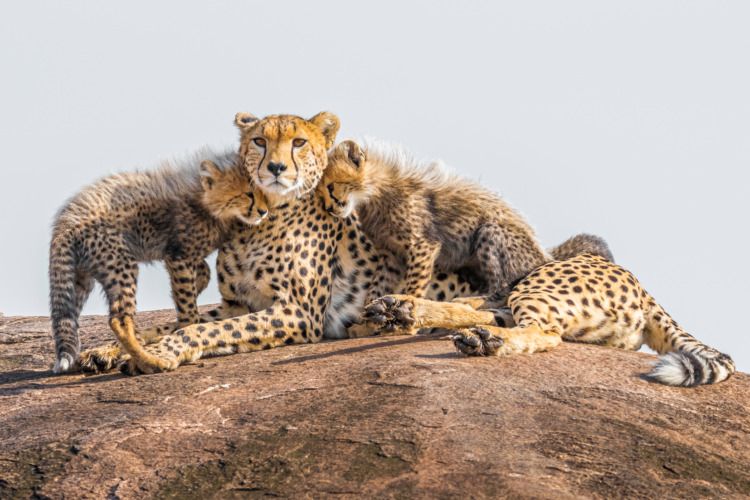
The Ann van Dyk Cheetah Centre aims to ensure the long-term survival of the cheetah and African wild dog through conservation projects such as breeding programs that have bred the rare king cheetah and helped maintain genetic diversity in the captive cheetah population. There are also research programmes and reintroduction projects that release captive-bred animals into protected areas within their historic range.
Furthermore, the center is involved in public awareness projects and a partner of the Cheetah Outreach Anatolian Guarding Dog Project.
The Ann van Dyk Cheetah Centre is an ecotourism, research, and wildlife centre in South Africa, founded to help conserve cheetahs and African wild dogs. It offers a variety of programs to educate the public on cheetah conservation, continues its captive-breeding and reintroduction work, and promotes conservation tourism in South Africa.
They also offer self-guided and photography tours for visitors who want an up-close experience with these animals, along with occasional workshops and conferences for conservation professionals.
Guided tours let visitors see the centre’s cheetahs (including the rare king cheetah), African wild dogs, caracals, brown hyenas, servals, and several vulture species, including the critically endangered Egyptian vulture. Over the decades the centre has also bred other threatened species such as suni antelope, blue and red duiker, bontebok, and riverine rabbit.
See Related: Animals With Best Sense of Smell
How to help
Do you want to support the breeding projects and conservation efforts of The Ann van Dyk Cheetah Centre to protect the African wild dogs, cheetahs, and their natural habitat in South Africa?
Then click on the adopt button and go to their website to make your contribution.
Related Resources