
The main effect of overpopulation on animals is habitat loss. As a growing human population converts forest, wetland and grassland into farmland, housing and roads, wild animals lose the space, food and shelter they depend on, and their populations shrink or disappear. Overpopulation inside an animal species works the same way: once numbers pass the habitat’s carrying capacity, malnutrition, disease and die-offs follow.
The scale is measurable. Monitored populations of wild vertebrates shrank by an average of 73% between 1970 and 2020 (WWF Living Planet Report 2024); the human population passed 8.2 billion in 2024 (UN World Population Prospects 2024); and 48,646 of the 172,620 species assessed on the IUCN Red List are now threatened with extinction. Here is how those numbers connect.
What is population growth?
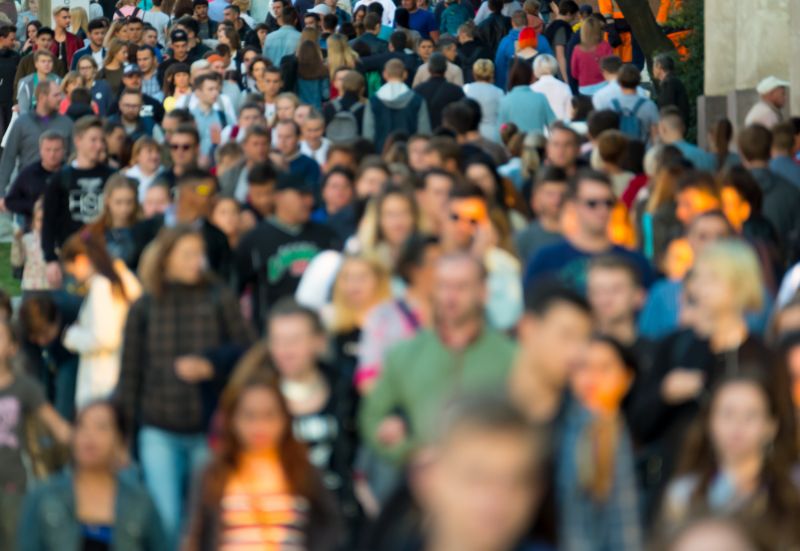
Population growth is the measure of change in population over time. Population growth can be measured in several ways, including births, deaths, immigrants, and emigrants.
What is overpopulation?
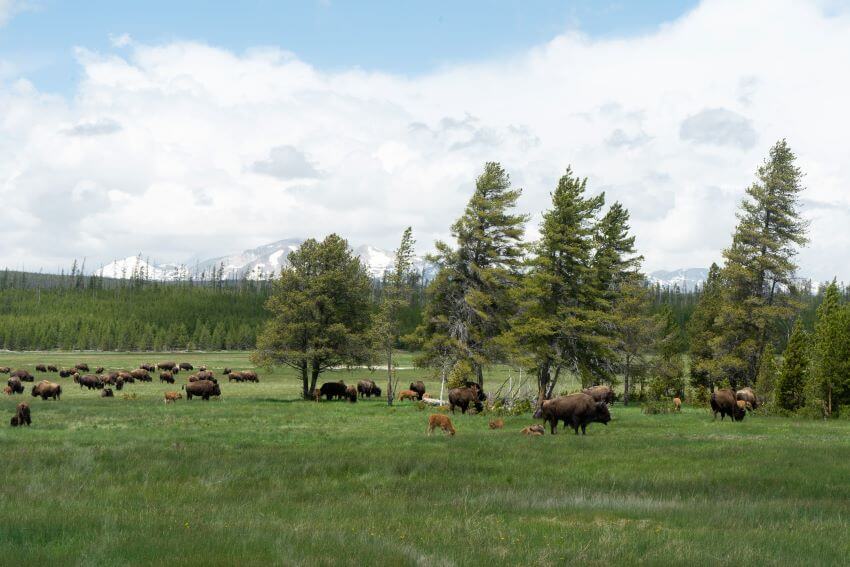
Overpopulation occurs when such species’ numbers exceed the carrying capacity of their ecological niche. Most developed countries have stable populations, but less developed countries are experiencing a dramatic increase in population size.
What is overpopulation in animals?
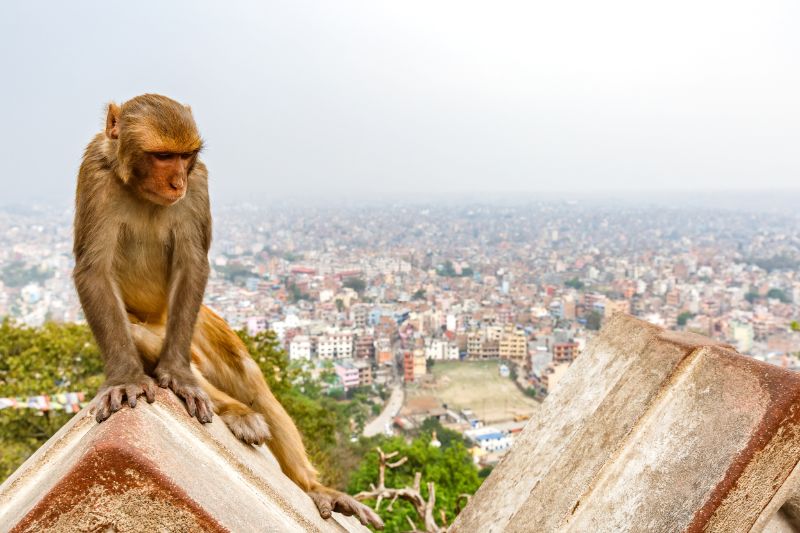
When populations of animals exceed the carrying capacity of their ecological niche, overpopulation occurs. This often leads to problems such as malnutrition, dehydration, and the spread of disease.
How does overpopulation affect animal populations?
The effects of overpopulation on animal populations can be devastating. When populations exceed the carrying capacity of their environment, animals suffer from malnutrition and diseases. Furthermore, when predators become scarce due to overpopulation, the weaker species of animal starve or die in other ways.
If animal populations continue to grow unchecked, it will result in over-taxing of the resources in the environment. Overabundant animal species can strip vegetation faster than it regrows, accelerate soil erosion, and push other species toward local extinction by out-competing them for food.
See Related: How Climate Change Affects Animals
How do we know when an animal’s population increases?
Wildlife biologists rarely count every animal. They estimate abundance with mark-recapture studies, line transects, aerial and camera-trap surveys and, increasingly, environmental DNA, then track the population’s birth rate and death rate. For an animal population those rates are expressed per 1,000 individuals of that species — not per 1,000 people, which is the human demographic measure.
When births plus immigration exceed deaths plus emigration, the population grows; when the reverse is true, it shrinks. A population that climbs past what its habitat can support does not simply level off — it overshoots and then crashes as forage runs out, body condition falls and disease spreads through weakened, crowded animals.
What is the carrying capacity?
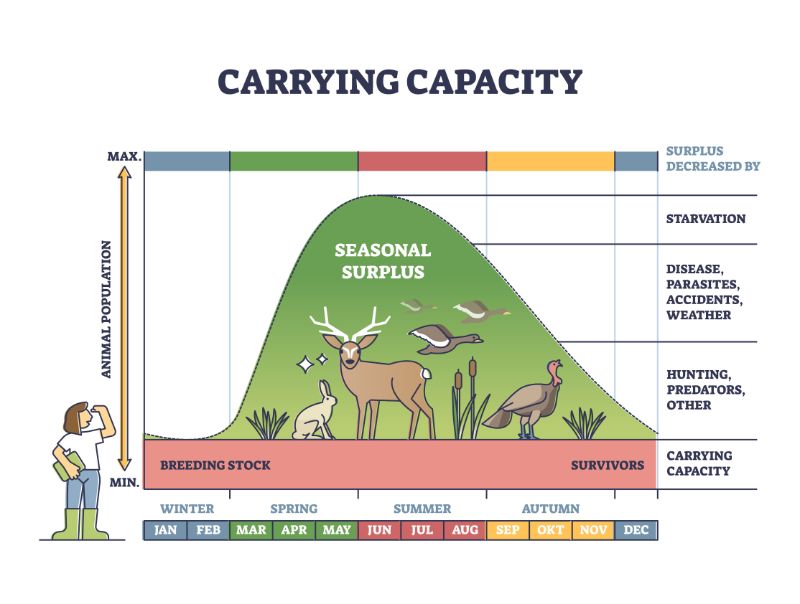
The maximum population size of a species that an environment can sustain indefinitely, given the food, habitat space, and other necessities available in the environment.
How does the human population affect the animal population?
The human population is the main factor that affects the animal population. As the human population continues to grow, it puts pressure on the environment and its resources. This, in turn, affects the animal populations.
The IUCN Red List of Threatened Species had assessed 172,620 species as of its October 2025 update, and 48,646 of them — about 28% — are threatened with extinction. The global assessment by IPBES (2019) put around 1 million animal and plant species at risk of extinction, many within decades, and named land- and sea-use change the single biggest driver.
Australia shows what that pressure looks like on the ground. At least 34 Australian mammal species — roughly 10% of the continent’s endemic land mammals — have been driven to extinction since European colonisation in 1788, the worst national rate of mammal extinction on record, and about a further 21% of endemic land mammals are now assessed as threatened. Habitat clearing plus introduced foxes and cats did most of the damage.
A handful of species — rats, pigeons, raccoons, white-tailed deer — thrive alongside people. Most do not. The clearest single measure of the imbalance is biomass: livestock and humans together make up roughly 96% of the mass of all mammals on Earth, leaving every wild mammal from mice to whales sharing the remaining 4% (Bar-On, Phillips & Milo, PNAS 2018).
See Related: Best Conservation Books to Read
Estimated human population
The world passed 8.2 billion people in 2024. The UN’s World Population Prospects 2024 projects about 9.7 billion by 2050 and a peak of roughly 10.3 billion in the mid-2080s, after which the global total is expected to decline — the first UN projection to show a peak within this century. The pressure on wildlife therefore depends less on endless growth than on how the next 2 billion people are fed, housed and powered.
See Related: Most Eco-Friendly Trash Bags
What are some of the problems associated with overpopulation?
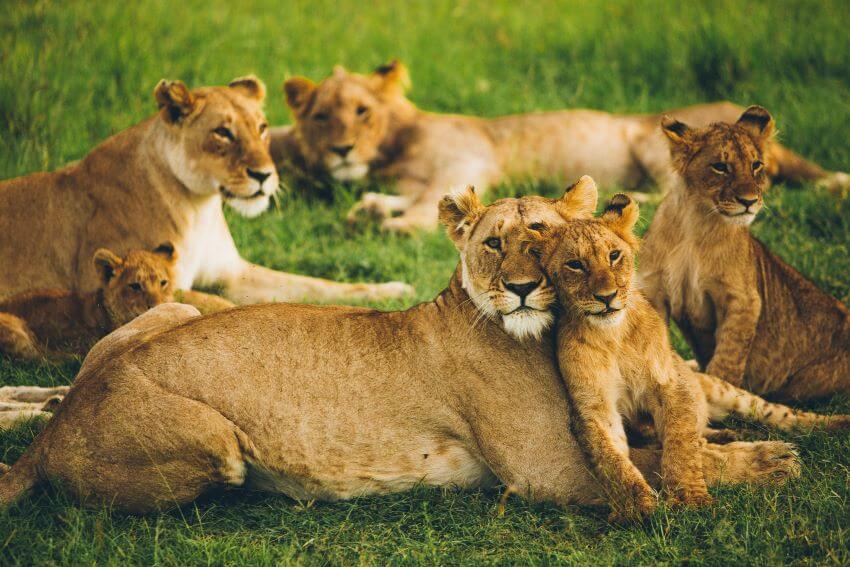
Some of the problems associated with overpopulation include poverty, famine, dehydration, and the spread of disease.
In addition, overpopulation can lead to habitat destruction and massive animal extinction.
What can be done to solve the problem of overpopulation in humans?
There are a number of things that can be done to solve the problem of overpopulation. One solution is to have smaller families. Another solution is to provide family planning services to help control the birth rate.
What can be done to solve the problem of the overpopulation of animals?
Wildlife managers do not fix an overabundant population by feeding it. Supplemental feeding concentrates animals, spreads disease such as chronic wasting disease, and usually makes the problem worse. The measures that work are restoring or protecting natural predators, regulated harvest set by state and national wildlife agencies, fertility control such as immunocontraception in confined or urban populations, and reconnecting fragmented habitat so animals can disperse instead of piling up behind roads and fences. Protecting the natural resources a habitat runs on raises its carrying capacity honestly, rather than propping numbers up artificially.
Does hunting help control animal overpopulation?
Regulated hunting is the main tool US and European agencies use to control overabundant game species such as deer, and it does hold numbers down where harvest pressure is high enough and enough females are taken. It is not a substitute for a working ecosystem. Unregulated market hunting is what reduced white-tailed deer to roughly 300,000 animals across North America by about 1900, and the removal of wolves and cougars from most of the eastern United States is a large part of why deer numbers are so hard to hold down today.
What is Climate Change?
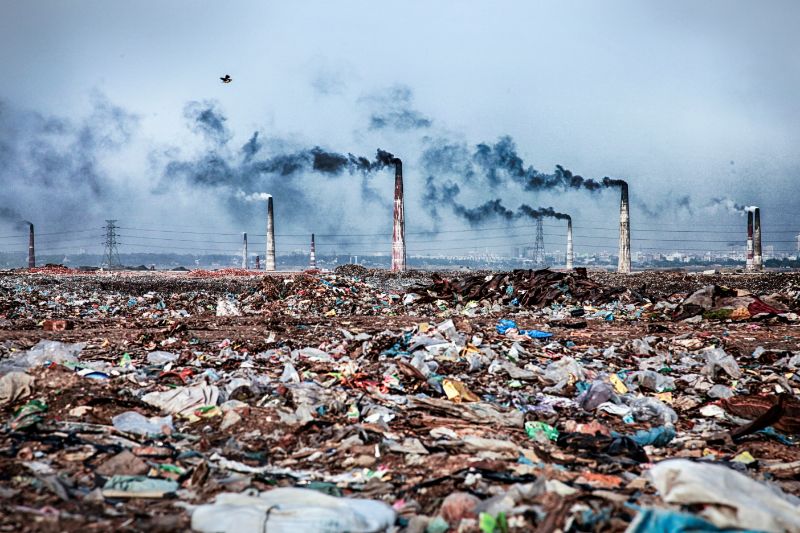
Climate change is a long-term shift in global temperature and weather patterns. Earth’s climate has changed naturally in the deep past, but the IPCC Sixth Assessment Report states it is unequivocal that human activity — above all the burning of fossil fuels — has warmed the planet, by about 1.1°C between 1850–1900 and 2011–2020. Solar output has been measured directly since the 1970s and has trended slightly downward, so it cannot explain the warming.
See Related: Why Should We Care About Climate Change?
Population growth contributes heavily to climate change
More people means more demand for energy, food and land. Feeding and housing about 9.7 billion people by 2050 will require more cropland, pasture and infrastructure, and agriculture is already the leading cause of habitat conversion worldwide — which is why human population growth and wildlife decline track each other so closely.
The 2024 Living Planet Index, compiled by the Zoological Society of London from almost 35,000 population trends across 5,495 vertebrate species, records a 73% average decline in monitored wildlife population sizes between 1970 and 2020. Habitat loss and degradation is the most reported threat, followed by overexploitation, invasive species, disease, pollution and climate change — with land-use change the largest single driver.
The losses are not evenly spread. Freshwater populations fell fastest, by an average of 85%, followed by terrestrial populations at 69% and marine populations at 56%. By region the steepest declines were in Latin America and the Caribbean (95%), Africa (76%) and Asia–Pacific (60%), compared with North America (39%) and Europe and Central Asia (35%). One caveat worth stating plainly: the index measures average change in population size, not the number of animals lost, and it is not a headcount of global wildlife.
Does overpopulation affect plants?
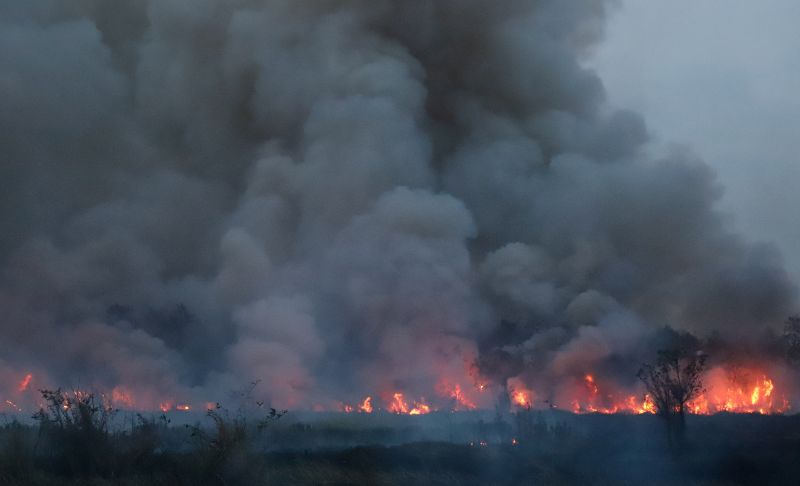
Yes. Plants are an essential part of the ecosystem and overpopulation will have a significant impact on the planet’s biodiversity.
For example, agricultural land could be turned into a housing area, which would reduce the number of plants that are available.
How can overpopulation affect other species?
Overpopulation affects other species because there are not enough resources to support both humans and animals at their current population size.
For example, if an animal’s food source is taken away due to land clearing and deforestation, it will starve to death. It will result in migration, habitat loss, or even extinction.
How does overpopulation contribute to pollution?
Overpopulation contributes to pollution because the amount of waste and trash is more than can be disposed of properly. This will affect all species in the environment, leading to illness and death.
See Related: Types of Water Pollution
Conclusion
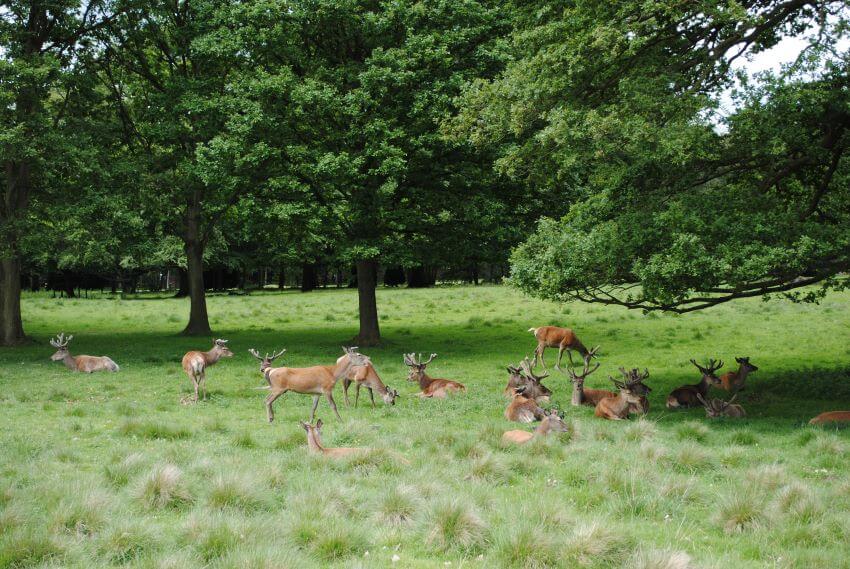
Overpopulation has a number of negative consequences for animals. Higher worldwide population levels will put additional strain on the planet’s resources, resulting in greater resource consumption and waste production inefficiency.
This inefficiency in resource usage and waste creation is exacerbated by the fact that the earth has a limited supply of resources to support life, implying that there are boundaries to how much individuals may consume without harming themselves.
When a population — human or animal — takes more from an environment than that environment can regenerate, the shortfall eventually shows up as hunger, disease and population collapse.
Because too many organisms are dependent on a limited resource for their existence, this puts pressure on the environment.
Overpopulation in both humans and animals has negative effects. In humans, it can result in poverty, hunger, war, health issues, and crisis. In animals, it can result in habitat loss, hunger, and diseases fueling massive animal extinction. There are a lot of ways we can do on both sides to control both human and animal population growth.
Pet overpopulation: the version most people meet
Not all animal overpopulation happens in the wild. About 5.8 million dogs and cats entered US shelters and rescues in 2025 — roughly 2.8 million dogs and 3 million cats — against about 4.2 million adoptions, according to Shelter Animals Count. Owner surrenders accounted for about 30% of intakes, up from 29% the year before, and many shelters report operating at or above capacity.
The consequences reach past the shelter door. Free-roaming and feral cats are among the most damaging invasive predators worldwide, and unowned dog populations spread disease and displace native carnivores in parts of Asia, Africa and Latin America. The interventions with the best evidence behind them are straightforward: spay and neuter before first breeding, keep pet cats indoors or contained, microchip and register animals so strays can be returned to owners, and support adoption rather than unregulated breeding.
When wild animals overpopulate: the white-tailed deer
The clearest North American example of animal overpopulation is the white-tailed deer. Market hunting cut the continental population to roughly 300,000 animals by about 1900. Protective laws, habitat change and the loss of wolves and cougars then reversed the trend so completely that there are now on the order of 30 million white-tailed deer in the United States — comparable to pre-colonial numbers, but concentrated in a landscape of farms, suburbs and fragmented woodlots that behaves nothing like the pre-colonial one.
The results are measurable. Deer browsing suppresses forest regeneration and understorey plants across much of the eastern United States, which in turn reduces habitat for ground-nesting birds and insects. On the roads, State Farm recorded more than 1.1 million deer-related animal-collision claims in the US between July 2024 and June 2025. Deer are not the villain here — they are what happens when a species keeps its food supply and loses its predators. See our guide to the types of deer around the world for how different species fit their habitats.
Overpopulation and animals: the key numbers
- 73% — average decline in monitored wild vertebrate population sizes, 1970–2020 (Living Planet Index 2024, 5,495 species).
- 85% / 69% / 56% — average declines in freshwater, terrestrial and marine populations over the same period.
- 48,646 of 172,620 — species assessed by the IUCN Red List that are threatened with extinction (October 2025).
- ~1 million — animal and plant species at risk of extinction, many within decades (IPBES Global Assessment, 2019).
- ~96% — share of all mammal biomass made up of humans and their livestock; wild mammals are about 4% (PNAS, 2018).
- 8.2 billion → ~10.3 billion — human population in 2024 and its projected peak in the mid-2080s (UN World Population Prospects 2024).
- 34 — Australian mammal species driven extinct since 1788, about 10% of the continent’s endemic land mammals.
- 5.8 million — dogs and cats entering US shelters and rescues in 2025, against 4.2 million adoptions (Shelter Animals Count).
FAQ
Is hunting a good solution to control the animal population?
Regulated hunting is the main tool wildlife agencies use to hold overabundant species such as deer below carrying capacity, and it works where enough females are harvested. It is a management tool, not a cure: removing large predators is one reason prey species overpopulate in the first place, so hunting has to be paired with habitat protection and, where possible, predator recovery.
Is the TNR(trap Neuter Return) a good solution to control the animal population?
Trap-Neuter-Return (TNR) traps free-roaming cats, sterilises and vaccinates them, and returns them to their colony. The evidence is mixed: sustained, high-intensity TNR that sterilises most of a colony can shrink it over years, but low-intensity or one-off programmes often fail to reduce numbers, and TNR does not stop cats preying on birds and small mammals while they remain outdoors.
What is the National Wildlife Federation?
The national wildlife federation is a national nonprofit that provides people with ideas and strategies to help protect animals, habitats, and the environment.
What are the effects of overpopulation on the environment?
The effects of overpopulation on the natural environment depend on the species. In general, overpopulation can lead to habitat destruction and loss, as well as massive extinction. Overpopulation also contributes to climate change.
How will climate change affect animals?
Climate change will affect animals in a number of ways. It will cause habitats to move, and animals will have to migrate with them.
This can result in fighting and competition for resources among species. Climate change will also dry up wetlands and alter other habitats, which could lead to death or disease outbreaks among animals that depend on those habitats for their survival.
What are some examples of countries that are overpopulated?
Overpopulation is better measured as pressure on resources than as raw headcount. India and China have the largest populations (each roughly 1.4 billion people, UN 2024), while Monaco, Singapore and Bangladesh have the highest population densities. A wealthy country with a much smaller population can still consume far more per person, so the impact on wildlife depends on both numbers and consumption.
How does human development affect the animal population?
Human development affects the animal population in a number of ways. Development can lead to the destruction of habitats, which can reduce or eliminate the populations of animals that live there.
It can also increase noise and light levels, which can disrupt animal behavior. Traffic and other development can lead to increased deaths among animals. Finally, development often results in the introduction of invasive species that can overwhelm native species.
How does animal overpopulation affect humans?
Animal overpopulation can be a problem for humans in a number of ways. Overpopulated animals may carry diseases that can spread to humans, such as rabies and tuberculosis; these outbreaks can threaten human life. Animal overpopulation may also result in conflict with humans, such as through the spread of Lyme disease.
What are some examples of extinct animal species?
Some examples of extinct animal species are the dodo, the passenger pigeon, and the quagga.
What does overpopulation tend to impact the most?
Overpopulation tends to impact most species that are keystone species, which play a large role in maintaining the ecosystem. If overpopulation results in the extinction of these types of species, it can lead to an ecological collapse.
Related Resources