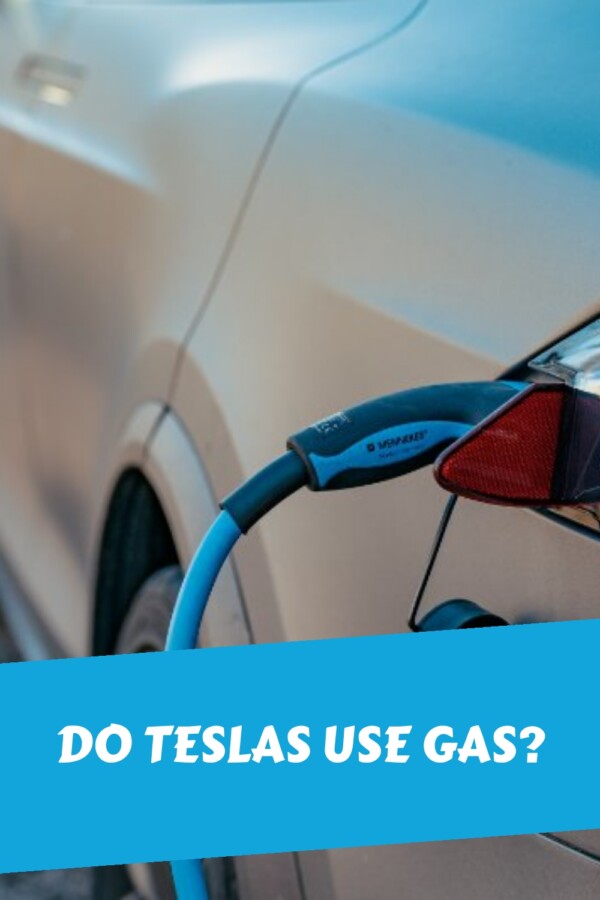
No. Tesla vehicles do not use gasoline. They are battery-electric vehicles with no gas tank, fuel filler, internal-combustion engine, or gasoline range extender. Electricity stored in a high-voltage battery powers one or more electric motors, and the battery is replenished through the vehicle’s charge port.
A gas can cannot rescue a Tesla with an empty battery. Tesla instructs drivers who run out of range to pull over safely and contact Roadside Assistance or a tow provider. Gasoline should never be poured into the charge port or any other part of the vehicle.
What a Tesla has—and what it does not
| Component or feature | Does a Tesla have it? | What it does |
|---|---|---|
| Gasoline tank | No | There is no onboard storage for gasoline. |
| Fuel-filler neck | No | A Tesla has a charge port rather than an opening for a fuel-pump nozzle. |
| Internal-combustion engine | No | The vehicle does not burn gasoline or diesel to create propulsion. |
| Gasoline backup or range extender | No | When the battery is depleted, the vehicle must be charged or transported to a charger. |
| High-voltage battery | Yes | It stores electrical energy for driving and vehicle systems. |
| Electric motor or motors | Yes | They convert electrical energy into motion at the wheels. |
| Charge port | Yes | It connects the vehicle to compatible AC or DC charging equipment. |
| Tailpipe | No | Teslas produce no tailpipe exhaust while driving. |
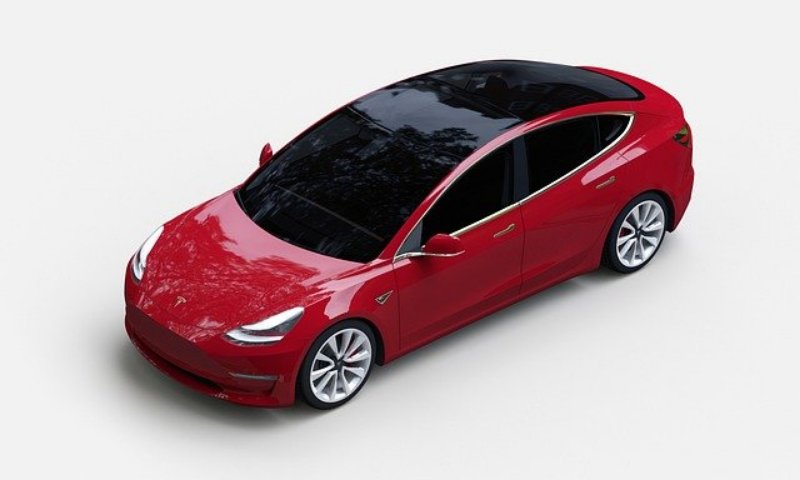
How does a Tesla move without gasoline?
Tesla describes its vehicles as electric vehicles, and the U.S. Environmental Protection Agency defines a battery-electric vehicle as having a battery instead of a gasoline tank and an electric motor instead of an internal-combustion engine.
- The car is plugged into a power source. Home charging equipment, a public Level 2 charger, or a DC fast charger transfers electricity to the vehicle.
- The high-voltage battery stores that energy. The usable amount and recommended daily charge limit depend on the vehicle’s battery and configuration.
- Power electronics control the flow of energy. They deliver electricity from the battery to one or more drive motors as the driver presses the accelerator.
- The motor turns the wheels. No gasoline is injected or burned during this process.
- Regenerative braking recovers some energy. When the vehicle slows, the motor can act as a generator and return part of the vehicle’s kinetic energy to the battery.

Tesla vs. hybrid vs. plug-in hybrid
The confusion often comes from grouping all electrified cars together. A Tesla is a battery-electric vehicle, not a conventional hybrid or plug-in hybrid.
| Powertrain | External energy source | Gas engine and tank? | What happens when the battery is low? |
|---|---|---|---|
| Tesla / battery-electric vehicle | Electricity | No | The vehicle must be charged. There is no gasoline backup. |
| Conventional hybrid | Gasoline | Yes | A small battery assists the gas engine and is replenished through regenerative braking; the vehicle is refueled at a gas station. |
| Plug-in hybrid | Electricity and gasoline | Yes | It can use its gasoline engine after the usable electric range is depleted. |
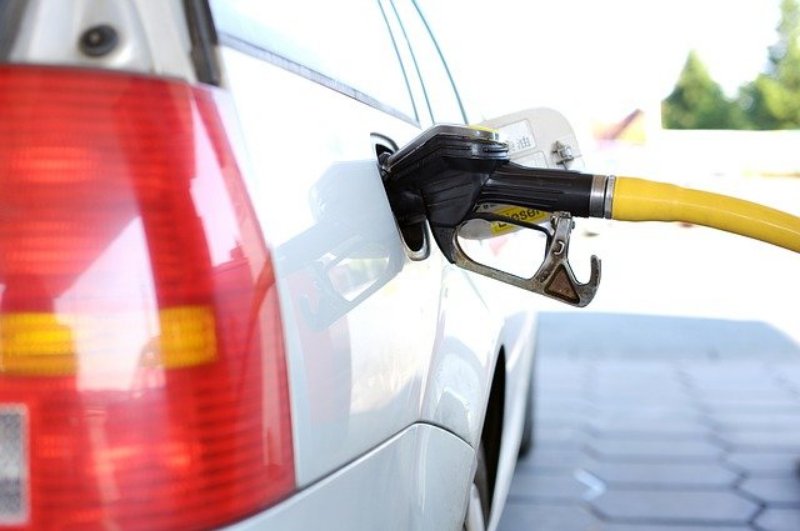
For a broader comparison of vehicle size, efficiency, charging access, and lifecycle tradeoffs, see our guide to eco-friendly cars for different driving needs.
What happens if you try to put gas in a Tesla?
You cannot refuel a Tesla at a gas pump because the vehicle has no fuel-filler opening or gasoline tank. The opening behind the charge-port door is an electrical charging inlet, not a place for liquid fuel.
Pouring gasoline into or around the charge port will not add range. It can contaminate or damage the port and create a hazardous fuel spill. Do not connect charging equipment if gasoline, excessive moisture, or another foreign material has entered the inlet. Follow Tesla support guidance and obtain professional inspection rather than attempting a do-it-yourself rinse or repair. Tesla’s charging instructions warn that liquid directed at the charge port while charging can cause injury or damage.
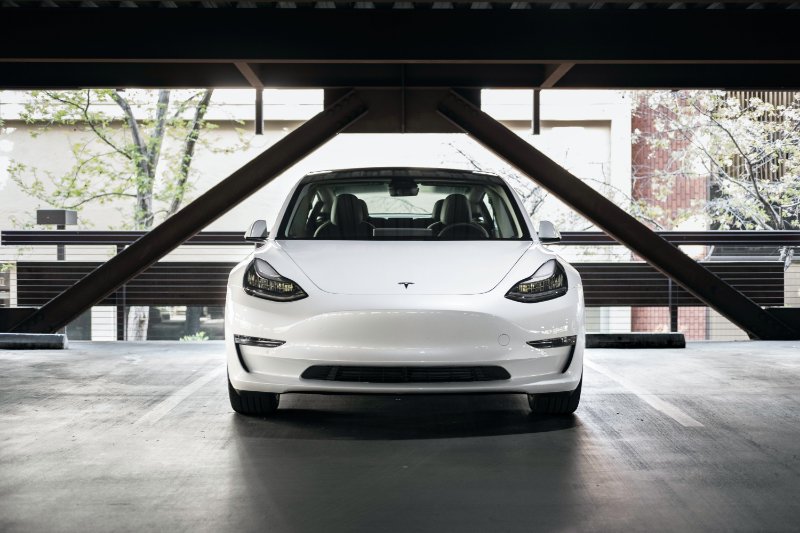
What should you do if a Tesla runs out of charge?
Tesla’s navigation and Trip Planner can route the vehicle through compatible charging stops based on its state of charge. Drivers should still leave a sensible buffer for weather, speed, elevation, towing, detours, and unavailable chargers.
If the displayed range reaches zero, do not assume the car can continue. Tesla’s Model 3 owner’s manual instructs the driver to pull over when it is safe and contact Tesla Roadside Assistance or a preferred tow provider. If the vehicle is away from a charger, it may need to be transported to the nearest suitable charging location.
A can of gasoline cannot restore the battery. The practical safeguards are route planning, charging before the battery becomes critically low, and knowing how to request roadside help through the Tesla app.
Can a gasoline generator charge a Tesla?
A gasoline generator converts fuel into electricity, so any energy that eventually reaches the vehicle is still electrical. That does not mean every portable generator can safely or reliably power Tesla charging equipment. Output quality, continuous load, grounding, connectors, weather protection, and electrical code all matter.
Do not improvise with an unknown generator, an ordinary household extension cord, or mismatched adapters. Tesla’s home-charging guidance emphasizes professional installation, permits, inspection, and testing where charging equipment is installed. Treat emergency generator use as an electrical-safety question that must follow the instructions for the generator, charging equipment, vehicle, and local jurisdiction.
Portable gasoline generators also create a severe carbon-monoxide risk. The U.S. Consumer Product Safety Commission warns that they must never be operated inside a home, garage, basement, crawlspace, shed, or other enclosed area. A generator is not a built-in Tesla range extender and should not be presented as a routine charging method.
Is charging a Tesla cheaper than buying gas?
Home charging is often cheaper per mile than gasoline, but it is not guaranteed. The result depends on the exact vehicle, electricity tariff, charging losses, gasoline price, comparison vehicle, annual mileage, and how much charging occurs at higher-priced public fast chargers.
| Calculation | Formula | Illustrative example |
|---|---|---|
| Electricity cost per 100 miles | kWh per 100 miles × electricity price per kWh | 28 kWh × $0.16 = $4.48 |
| Gasoline cost per 100 miles | 100 ÷ miles per gallon × gasoline price per gallon | 100 ÷ 30 mpg × $3.50 = $11.67 |
| Annual cost at 15,000 miles | Cost per 100 miles × 150 | $672 for electricity versus $1,750 for gasoline |
The Department of Energy’s Vehicle Cost Calculator lets drivers compare fuel costs and emissions using vehicle-specific data. For a quick manual calculation, use the EPA label’s kWh-per-100-mile figure for the Tesla trim you are considering and your utility’s delivered electricity rate.
Public charging can narrow or erase the fuel-cost advantage. Tesla states that Supercharger prices vary by site and time and are shown in the vehicle navigation or Tesla app. Congestion, idle, or other fees may also apply. A fair comparison separates home charging, workplace charging, and public fast charging rather than applying one price to every mile.
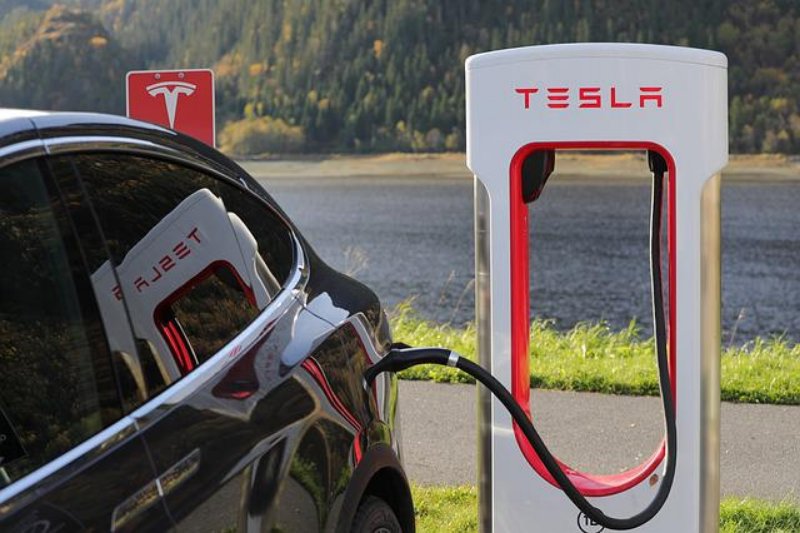
Do Teslas have zero emissions?
Teslas produce zero tailpipe emissions because they do not burn fuel onboard and have no exhaust pipe. That is not the same as zero total environmental impact. Our evidence review of the health effects of fossil-fuel air pollution explains why reducing combustion emissions has public-health value.
Vehicle and battery manufacturing require energy and materials. Electricity generation can also create emissions, including when the grid uses coal or fossil natural gas. Tires, roads, repairs, and end-of-life processing add further impacts.
The EPA’s current electric-vehicle review concludes that an EV typically has a smaller lifetime greenhouse-gas footprint than an average gasoline car even after charging and battery manufacturing are considered. The size of that advantage varies with the electricity mix, vehicle size, battery, efficiency, annual mileage, and useful life. “No gas” is accurate; “no emissions” is not.
Do Teslas need maintenance?
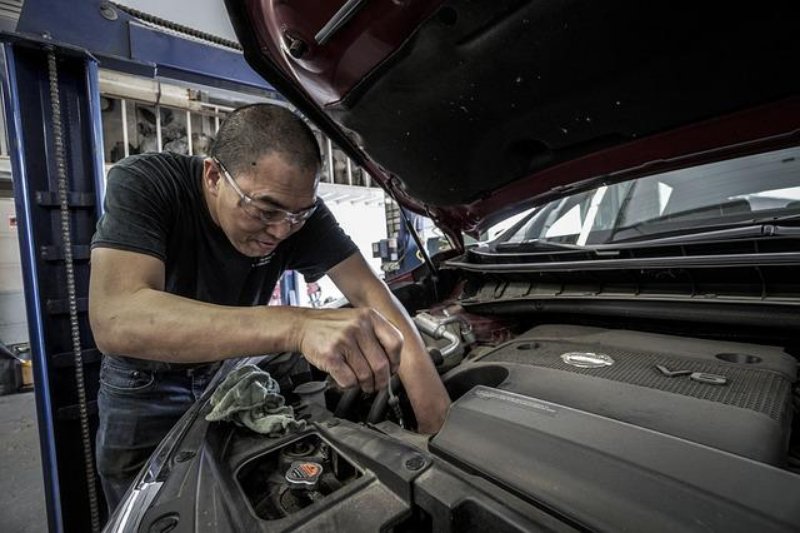
Teslas do not need traditional engine oil changes, fuel filters, spark-plug replacements, or emissions inspections. Tesla’s vehicle-maintenance guidance confirms those differences from gasoline cars.
They still need inspection, maintenance, and repair. Depending on the model, year, climate, and use, that can include:
- Tire-pressure checks, rotations, balancing, alignment, and replacement
- Cabin or HEPA air-filter replacement
- Brake-fluid testing and brake-system inspection
- Brake cleaning and lubrication in regions where roads are salted, when recommended for the vehicle
- Wiper blades, washer fluid, air-conditioning components, suspension, glass, and ordinary wear items
- Repairs after faults, collisions, damage, or component failure
Lower scheduled powertrain maintenance does not guarantee lower total ownership cost. Insurance, depreciation, tires, charging-equipment installation, repair pricing, and service access should be included in a purchase comparison.
Frequently asked questions
Does a Tesla Model 3 use gas?
No. The Model 3 is a battery-electric vehicle with no gasoline tank or internal-combustion engine. It uses electricity stored in its high-voltage battery.
Do Teslas have a gas backup?
No. Tesla vehicles do not have a gasoline range extender or backup engine. If the battery is depleted, the vehicle must be charged or transported to a suitable charger.
Can you charge a Tesla with a gasoline generator?
A generator converts gasoline into electricity, so the car would still receive electrical energy. Compatibility and safety depend on the exact generator, charging equipment, grounding, load, weather protection, and electrical code. Do not improvise; follow manufacturer instructions and qualified electrical guidance.
Does a Tesla indirectly use natural gas from the power grid?
The car itself does not burn natural gas. However, some electricity grids generate part of their power with natural-gas plants, so charging can have upstream emissions. The electricity mix varies by location and time.
What should you do if a Tesla reaches 0% battery?
Pull over when it is safe, then request Tesla Roadside Assistance or contact a tow provider. Tesla advises drivers not to assume that usable range remains when the display reaches zero.
The bottom line
Teslas use electricity, not gasoline. They have no gas tank, gas engine, or gas backup. Charge the battery through compatible equipment, plan charging stops before the displayed range becomes critical, and compare costs using the exact electricity rate, charging mix, and vehicle efficiency that apply to you.
The environmental claim also needs precision: a Tesla has no tailpipe exhaust and will typically produce fewer lifetime greenhouse-gas emissions than an average gasoline car, but manufacturing, electricity generation, tires, and vehicle size still matter.