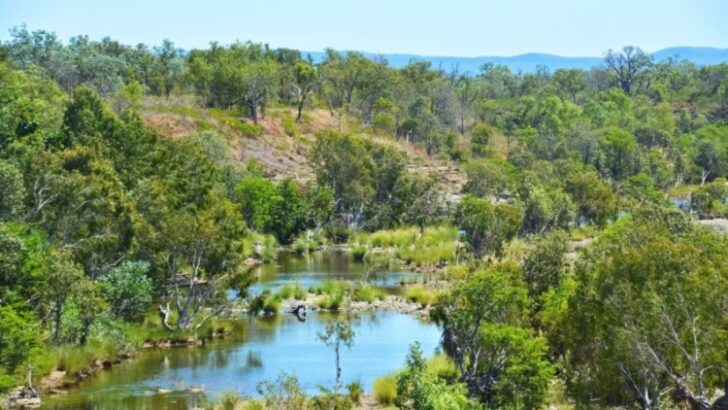
Habitat vs ecosystem vs biome: a habitat is where a particular organism lives, an ecosystem is the system formed by living and nonliving things interacting in an area, and a biome is a broad region defined mainly by climate and characteristic plant and animal life. A biome can contain many ecosystems, and an ecosystem can contain many habitats, but size alone does not separate the terms.
Consider a stream in a temperate forest. The temperate forest is the biome. The stream, water, rocks, microbes, insects, fish, and nearby plants form an ecosystem. A shaded bank beneath exposed roots may be a trout’s habitat.
Habitat vs ecosystem vs biome at a glance
| Concept | Main question | What defines it | Typical scale | Example |
|---|---|---|---|---|
| Habitat | Where does this organism live and meet its needs? | Species-specific conditions, including food, water, shelter, space, light, soil, or breeding sites | From a microhabitat beneath a leaf to a large seasonal range | A nesting cavity used by an owl |
| Ecosystem | How do living and nonliving parts interact here? | Organisms, physical conditions, energy flow, nutrient cycling, and ecological relationships | From a tide pool or garden to a forest, lake, or watershed | A pond containing algae, insects, frogs, fish, water, sediment, and sunlight |
| Biome | What broad climate and life pattern characterizes this region? | Climate, dominant vegetation, soil, water availability, and characteristic organisms | Usually regional, continental, or global | Temperate forest, tundra, desert, or grassland |
The most important difference is purpose, not just size
- Habitat is species-specific. It describes the conditions and places a plant, animal, fungus, or other organism uses to survive and reproduce.
- Ecosystem is interaction-specific. It includes organisms, nonliving conditions, and the processes connecting them.
- Biome is pattern-specific. It groups broad areas with similar climate, vegetation, and characteristic life.
Biomes are generally the largest of the three concepts, but a strict “habitat < ecosystem < biome” hierarchy can mislead. A microhabitat may be only a few centimeters wide, while a migratory species may depend on habitats spread across countries. Ecosystems can also be defined at different scales, and the U.S. Environmental Protection Agency notes that ecosystem boundaries are not always clear-cut.
What is a habitat?
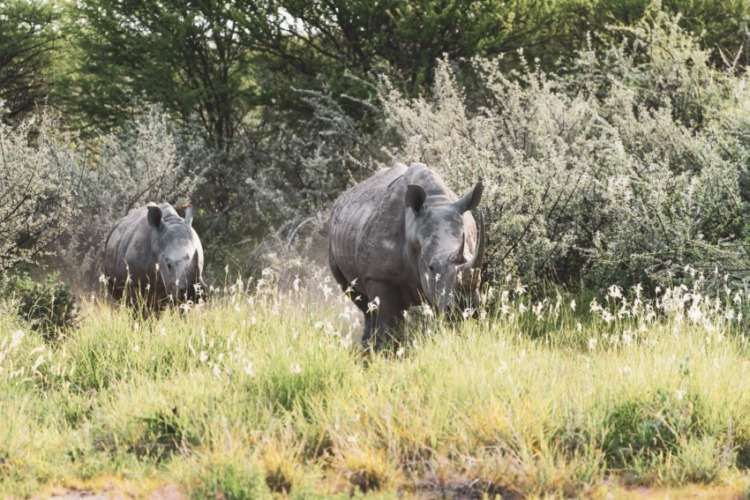
A habitat is the environment where an organism lives for all or part of its life. It must provide the conditions that organism needs, which may include food, water, shelter, space, suitable temperature, light, soil, nesting sites, or access to mates.
The National Park Service summarizes animal habitat needs as food, water, shelter, and space. Plants also have habitat requirements. A shade-tolerant fern, for example, needs different light, moisture, and soil conditions than a desert cactus.
Habitats are species-specific
The same place can be suitable habitat for one species and poor habitat for another. A shallow wetland may provide breeding habitat for frogs, feeding habitat for herons, and unsuitable conditions for an animal that requires dry ground.
A single organism may also use different habitats during its life. Migratory birds use breeding, stopover, and wintering habitats. Many amphibians rely on water for eggs and larvae but use nearby terrestrial habitat as adults. Explore more examples of habitats and the main types of habitats.
What is a microhabitat?
A microhabitat is a small area with conditions that differ from its immediate surroundings. The damp underside of a fallen log, a crack in a rock, or the shaded water beneath a riverbank can each support organisms that could not thrive a short distance away.
What is an ecosystem?
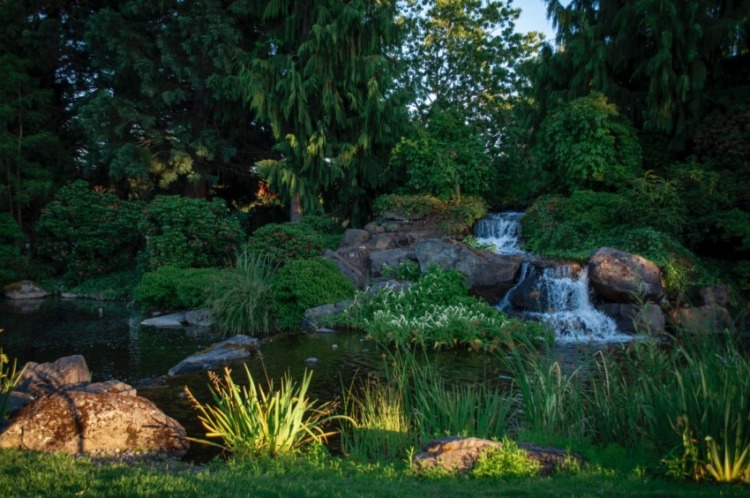
An ecosystem is a community of organisms interacting with one another and with the nonliving parts of their environment. Living components are called biotic factors; nonliving components such as water, sunlight, temperature, minerals, and soil are abiotic factors.
Those components are connected through processes such as feeding, decomposition, competition, pollination, energy flow, and nutrient cycling. A pond is an ecosystem because its plants, animals, microbes, water chemistry, sediment, temperature, and sunlight influence one another.
Ecosystems can be small or large
A tide pool, garden, cave, wetland, forest, coral reef, or watershed can be studied as an ecosystem. Scientists choose boundaries that fit the ecological question they are asking, so an ecosystem is not defined by one fixed size.
For example, a researcher may study nutrient cycling in one pond, movement between several connected wetlands, or interactions across an entire river basin. Learn more about the different types of ecosystems and why biodiversity matters to ecosystem function.
What is a biome?
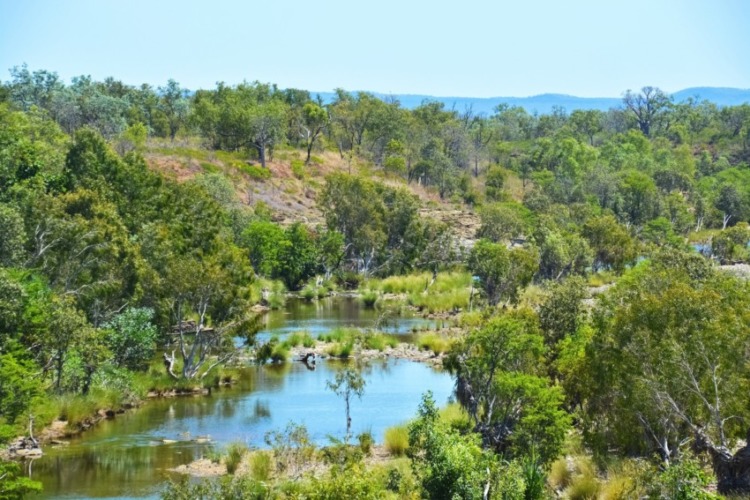
A biome is a large area characterized by broad patterns in climate, vegetation, soil, water availability, and wildlife. Similar biomes can occur on different continents. Boreal forest, for example, stretches across northern North America and Eurasia.
A biome contains many ecosystems and habitats. A desert biome can include dune, rocky plateau, oasis, salt flat, and dry-river ecosystems, each supporting different habitats.
How many biomes are there?
There is no single universally accepted number. Biome classification varies among scientists: broad systems may group Earth into five or six major types, while more detailed systems separate freshwater from marine environments or divide forests into tropical, temperate, and boreal biomes.
For a clear overview, this article uses five broad categories: aquatic, desert, forest, grassland, and tundra. These are useful teaching categories, not rigid borders on a map.
Five common major biome types
Aquatic biome
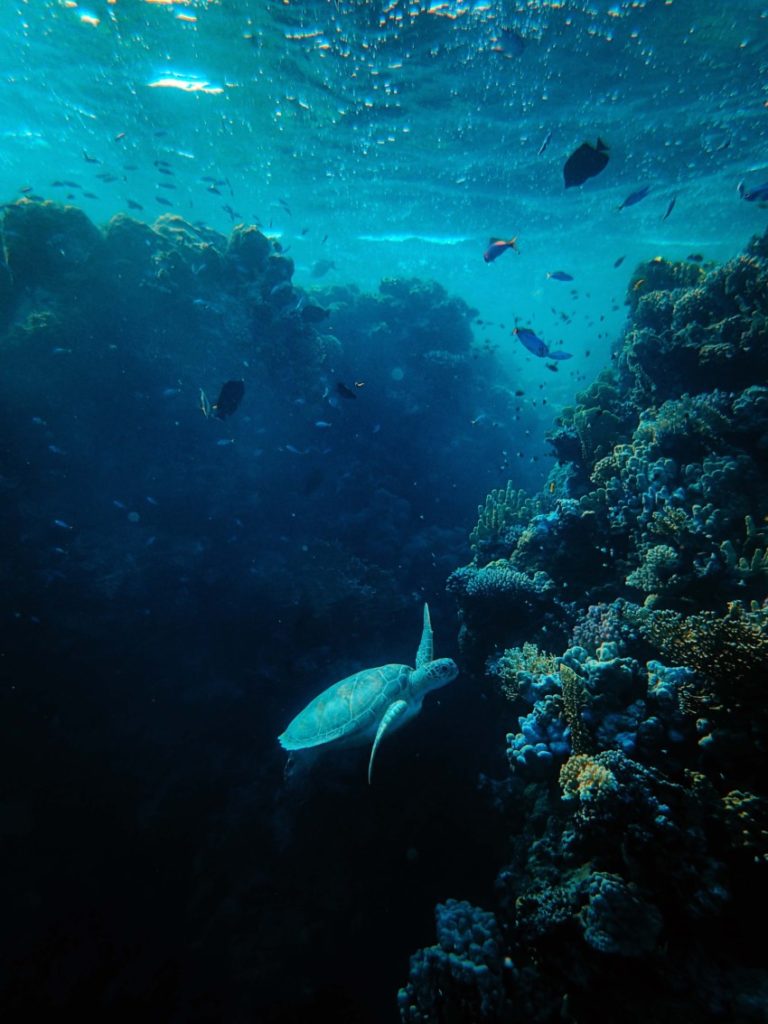
Aquatic biomes are shaped by factors such as salinity, depth, water movement, temperature, light, and nutrient availability. Freshwater environments include rivers, lakes, ponds, and many wetlands. Marine environments include the global ocean, estuaries, coral reefs, and coastal waters.
There is one connected global ocean covering about 71% of Earth’s surface, although it is commonly divided into five named regions: the Pacific, Atlantic, Indian, Arctic, and Southern oceans, according to the National Oceanic and Atmospheric Administration.
Desert biome
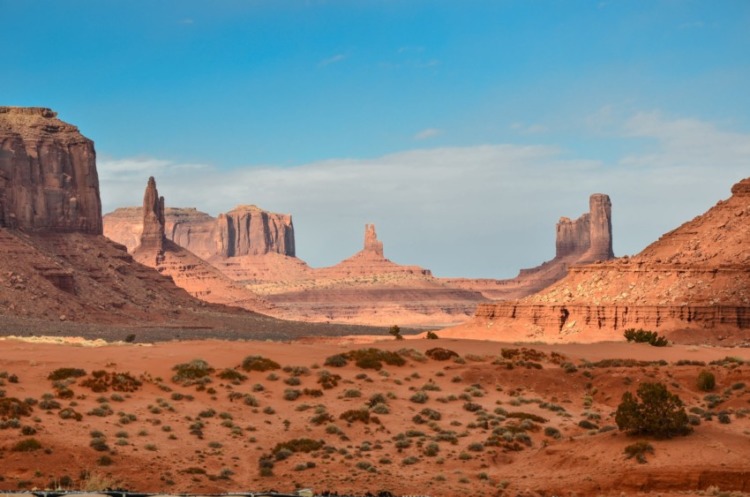
Deserts receive very little precipitation and may be hot or cold. Their organisms survive through adaptations that reduce water loss, avoid temperature extremes, or take advantage of brief periods when water and food are available.
Desert ecosystems vary widely. Sand dunes, rocky deserts, seasonal washes, and oases can occur within the same biome, and each supports a different set of habitats.
Forest biome
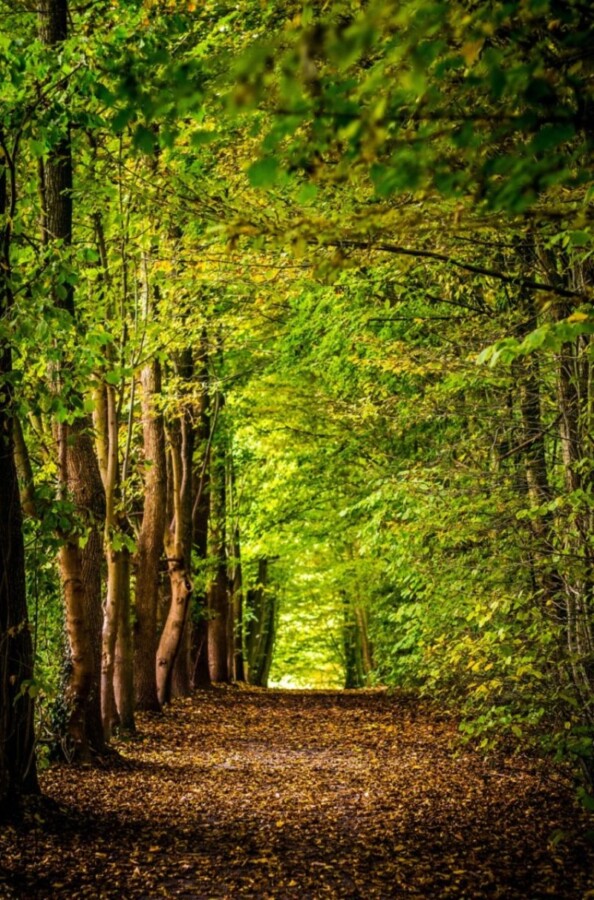
Forests are dominated by trees, but climate and vegetation differ sharply among tropical, temperate, and boreal regions. A forest biome may contain river, wetland, meadow, canopy, soil, and deadwood ecosystems and habitats.
Even within one forest, changes in elevation, moisture, sunlight, and soil can create distinct ecological communities. Those gradients help explain why broad biome maps cannot capture every local condition.
Grassland biome
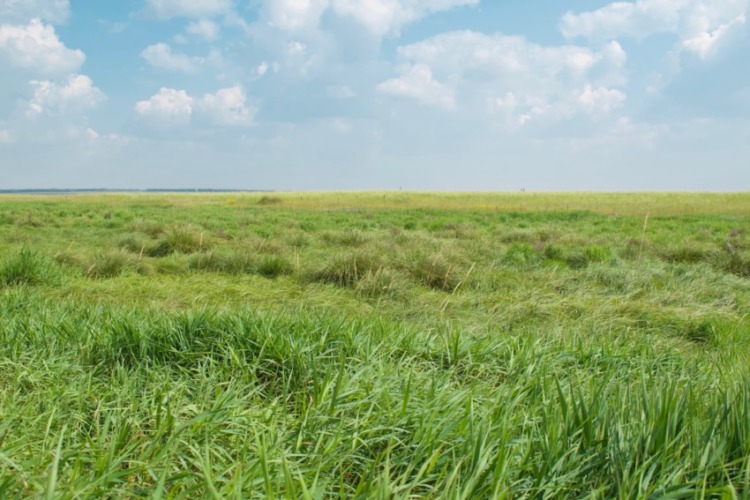
Grasslands receive enough precipitation to support grasses but generally not dense forest. Tropical grasslands, often called savannas, may have scattered trees. Temperate grasslands include prairies, steppes, and pampas.
Fire, grazing, seasonal rainfall, and soil conditions help shape grassland ecosystems. The amount and arrangement of vegetation determine which habitats are available for grazers, burrowing animals, predators, insects, and birds.
Tundra biome
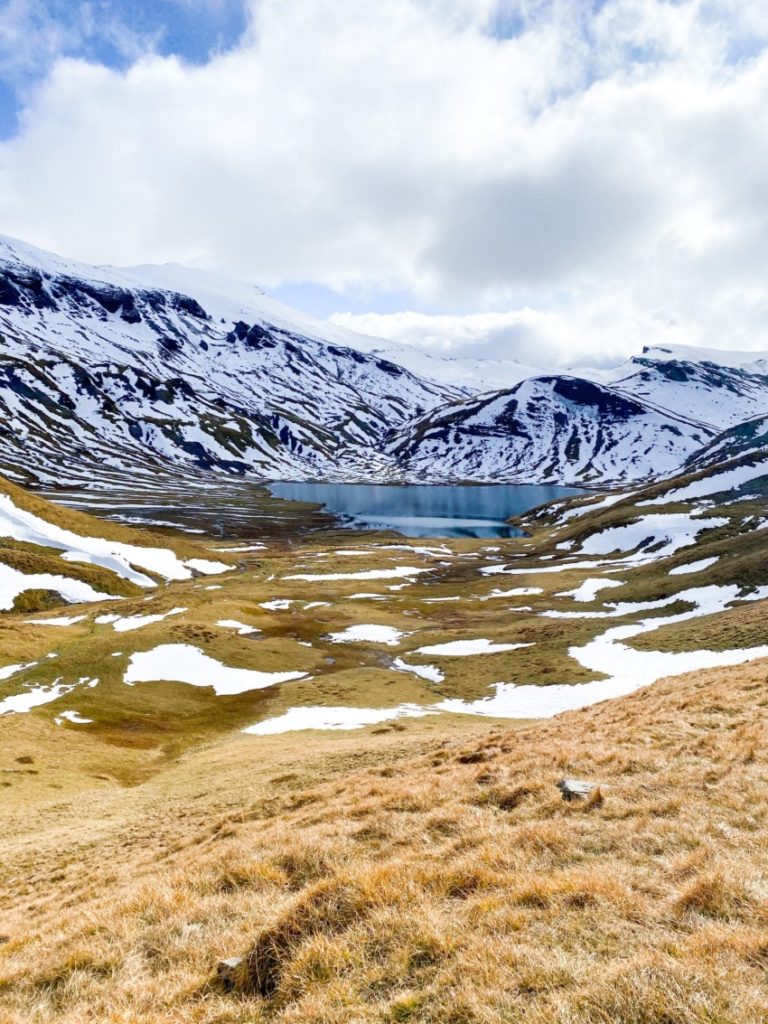
Tundra is a cold, largely treeless biome with a short growing season. Arctic tundra occurs at high northern latitudes, while alpine tundra occurs above the tree line on mountains.
Low shrubs, grasses, mosses, lichens, and other tundra plants survive through adaptations to cold, wind, limited nutrients, and seasonal water. Warming temperatures can alter tundra habitats, permafrost, and species distributions; see why it is worth paying attention to climate change and ecosystem health.
How habitat, ecosystem, and biome fit together
The three concepts can describe the same place at the same time. The correct term depends on the question.
- Biome: A temperate forest region has seasonal temperatures, sufficient precipitation for tree growth, and characteristic forest life.
- Ecosystem: Within that biome, a stream ecosystem includes flowing water, sediment, dissolved nutrients, algae, aquatic insects, fish, microbes, and overhanging plants.
- Habitats: Within and beside the stream, a fish may use a shaded pool, a salamander may use damp leaf litter, and a bird may nest in a nearby tree cavity.
This example shows why the terms overlap without being interchangeable. The biome provides broad context, the ecosystem describes interactions, and the habitat focuses on the needs of a particular organism.
What is the difference between an ecosystem and a biome?
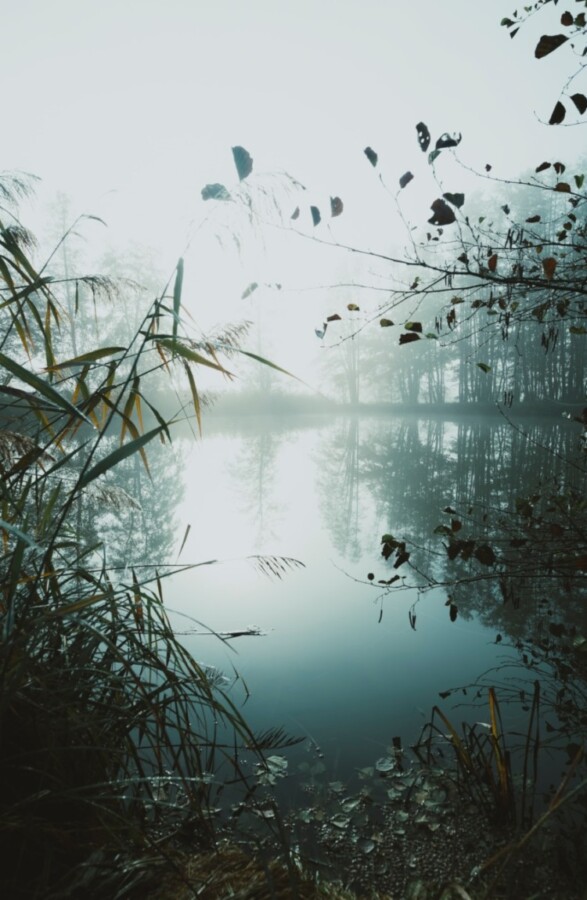
A biome groups large regions by climate and characteristic life. An ecosystem includes the living and nonliving components interacting in a particular area. One biome usually contains many ecosystems.
Size is a useful clue, but it is not the complete distinction. A river ecosystem may pass through several biomes, while a biome map may group many locally different ecosystems under one broad label.
What is the difference between a habitat and a biome?
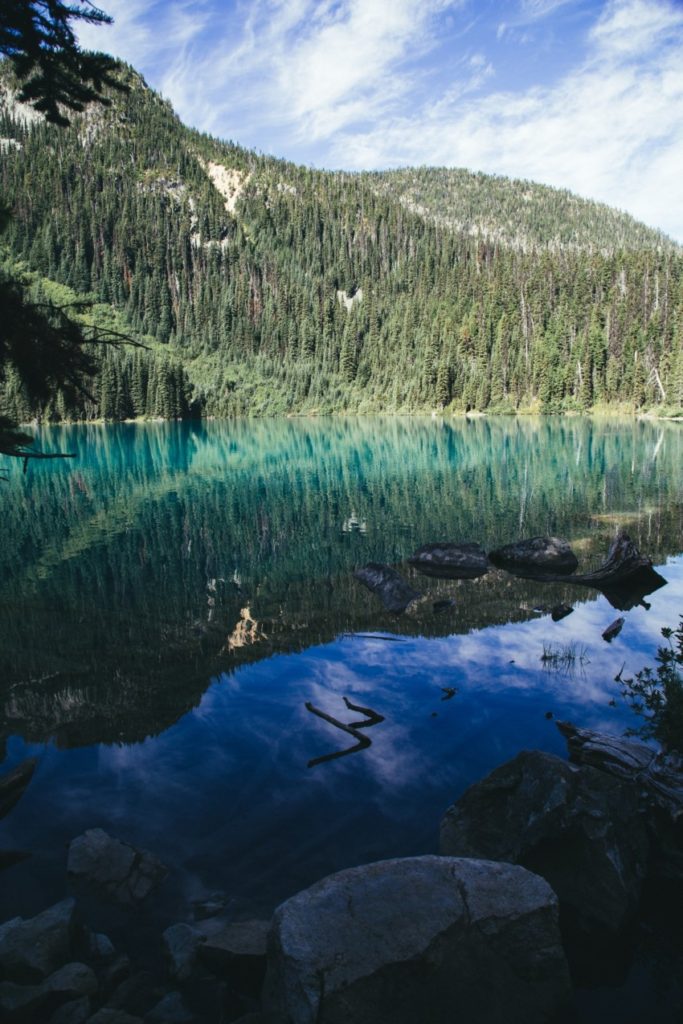
A habitat is the environment a particular species or population uses. A biome is a much broader regional classification based on climate and characteristic organisms.
A habitat is often smaller than a biome, but it is not always a single tiny patch. The habitat of a migratory animal may include breeding grounds, feeding areas, travel corridors, and seasonal ranges across more than one ecosystem or biome.
What is the difference between an ecosystem and a habitat?
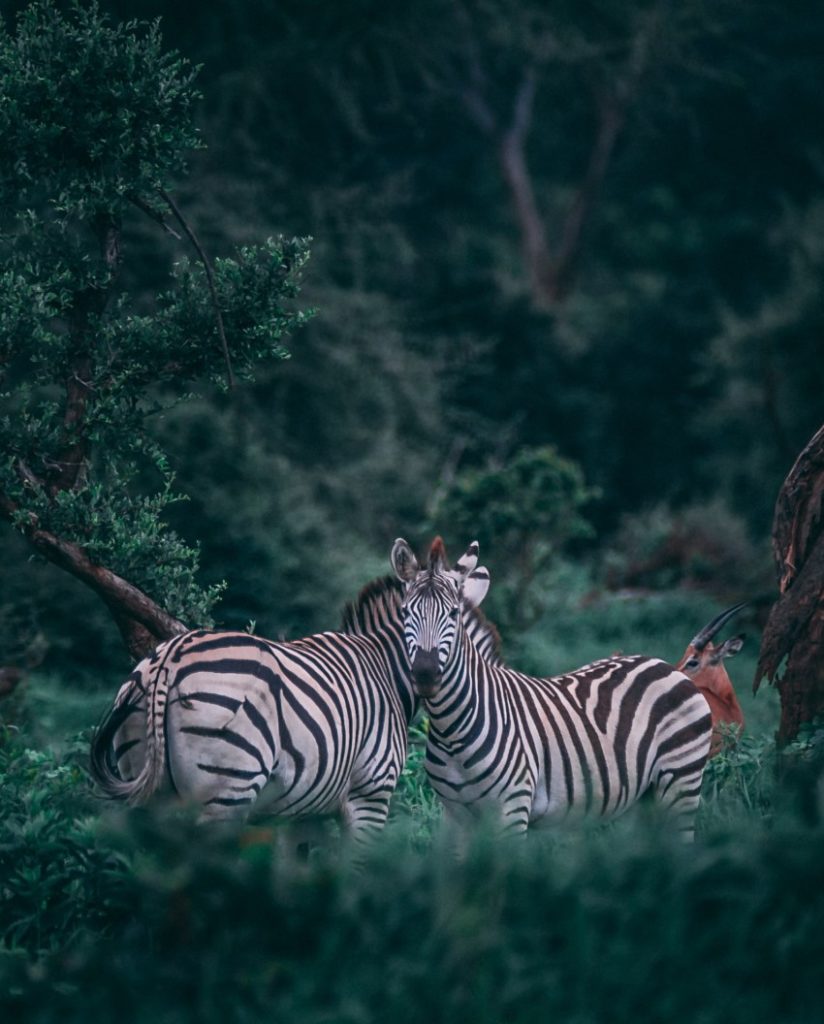
A habitat focuses on where an organism lives and the conditions it needs. An ecosystem focuses on the relationships among many organisms and the physical environment.
The same place can be both. A pond is an ecosystem when you examine its food web, water chemistry, energy flow, and nutrient cycling. It is a habitat when you ask whether it provides the food, shelter, water conditions, and breeding sites required by a frog.
Habitat vs niche: another common distinction
A habitat is where an organism lives; a niche is how it fits into the ecological community. The National Park Service uses a useful shorthand: habitat is an organism’s “address,” while niche is its “job.” A niche includes resource use, environmental tolerances, and relationships such as competition, predation, and pollination. The National Geographic Society provides a more detailed ecological niche definition.
Why these distinctions matter in conservation
Clear terminology leads to better questions and better conservation decisions. Protecting a broad biome does not automatically secure every species’ habitat. Restoring a habitat feature, such as nesting cover, may not succeed if water flow, fire, pollination, migration routes, or other ecosystem processes are missing.
- Biome-level planning identifies broad climate and vegetation patterns.
- Ecosystem-level planning considers interactions, processes, connectivity, and disturbances.
- Habitat-level planning tests whether particular species have the resources and conditions they need.
These perspectives work best together. They also help explain how animals adapt to environmental conditions and why conservation and preservation use different management approaches.
Frequently asked questions
Is a habitat always smaller than an ecosystem?
No. A habitat is defined in relation to a species, while an ecosystem is defined by interactions among organisms and their physical environment. A microhabitat may be tiny, but the habitat of a migratory species can extend across many ecosystems.
Can one biome contain many ecosystems?
Yes. A biome is a broad region with similar climate and characteristic life. A forest biome can contain river, wetland, meadow, soil, canopy, and lake ecosystems.
Can one ecosystem contain many habitats?
Yes. A pond ecosystem may provide open-water habitat for fish, muddy-edge habitat for amphibians, submerged-plant habitat for invertebrates, and feeding habitat for birds.
Is a pond a habitat or an ecosystem?
It can be both. A pond is an ecosystem when the focus is on interactions among organisms, water, sediment, nutrients, light, and temperature. It is a habitat when the focus is on whether it meets the needs of a particular species.
What is the difference between a habitat and a niche?
A habitat is where an organism lives. A niche describes how the organism uses resources, tolerates environmental conditions, and interacts with other species in its community.
What are the major types of biomes?
There is no universal list. A common broad system uses aquatic, desert, forest, grassland, and tundra. Other systems separate freshwater and marine biomes or divide forest types into more specific categories.
The key takeaway
Use habitat when asking where a particular organism lives and what it needs. Use ecosystem when asking how organisms and physical conditions interact. Use biome when describing a broad climate-and-life region. The concepts overlap, but each answers a different ecological question.