


Pandas have been around for thousands of years and have lived peacefully. But along the way, they have become endangered animals. Why are pandas endangered?
Species & Wildlife
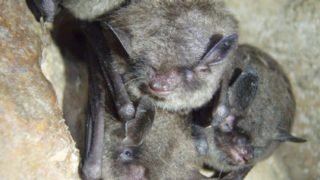
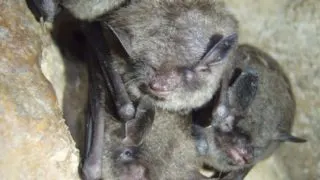
The Indiana Bat (Myotis sodalis) is a federally endangered species found mostly in Indiana and the surrounding states. It spends winters in Indiana hibernating in caves and mines where it can tolerate low temperatures better than other bats because it has a higher surface-area-to-volume ratio. Indiana is their only known wintering ground.


Spoon-Billed Sandpipers get their name from their distinctive bill which is shaped like a spoon and is used to feed by sifting through shallow water for small crustaceans and mollusks.

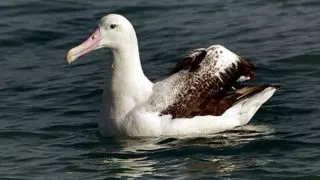
Wandering albatross populations have been declining because of human activities; we need to make sure we protect them so that Wandering Albatrosses can continue to wander. These seabirds are large seabirds native to the Southern Hemisphere.
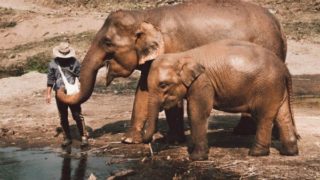
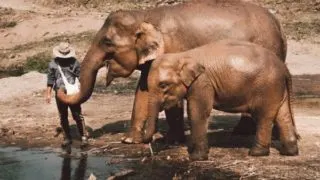
Asian Elephants are Asian species of elephant that are smaller than the African elephant, but they are among the largest living land animal. These elephants live in Asia, while African elephants live in Africa. These elephants can be found in India, Sri Lanka, Thailand, and other parts of Southeast Asia. The elephants are threatened by …
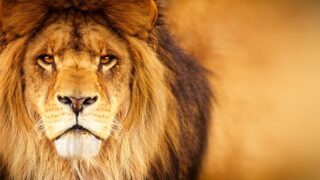
African lions, known scientifically as Panthera leo, are one of the most recognizable mammals found on the continent. Roaming the savannahs and woodlands, these carnivores play a critical role in their ecosystems as apex predators. Typically, they reside in groups called prides, a strategic formation for hunting and survival. Adult lions can measure between 4.5 …
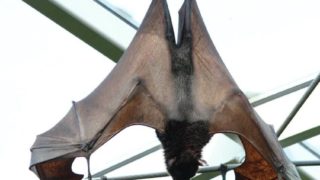
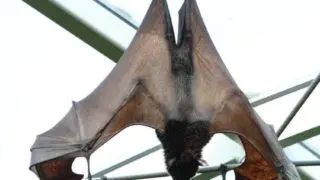
Bulmer’s fruit bat is a mammal that eats whatever it can find, like insects or fruit. These bats live in mountainous regions and they like to roost in caves. They are the world’s largest cave-roosting bats, with some bats reaching 1.7 feet (0.5 meters) and weighing 40 grams (1.4 ounces). Now because of pollution and …
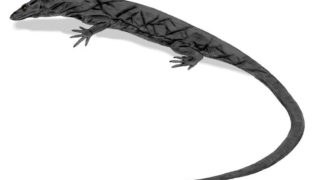
Panay Monitor Lizard (Varanus mabitang) is one of the most threatened lizards in the world, and Panay’s are decreasing for various reasons. It is important to know why the lizard is endangered and understand how it can be helped.
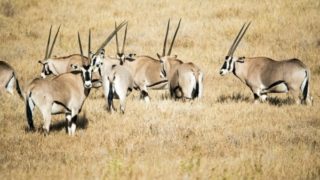
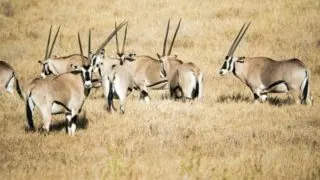
What is the Common Beisa Oryx? The common Beisa oryx, also called the Beisa oryx, is a subspecies of the ostrich found in central and eastern Africa. This article about the common Beisa Oryx is one of many conservation efforts for this majestic animal. This common Beisa Oryx is a subspecies of ostrich found in …
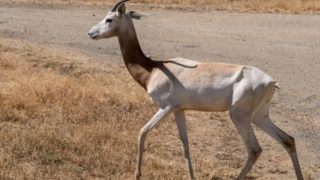
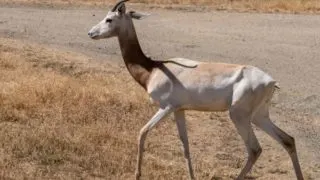
Dama gazelle, or Addra Gazelle, is one of the most endangered animals in Africa. It is different from other types of gazelles because it has horns instead of antlers like other African wildlife. Dima gazelles also stand out for their short ears, which make it difficult for them to hear predators coming up behind them.