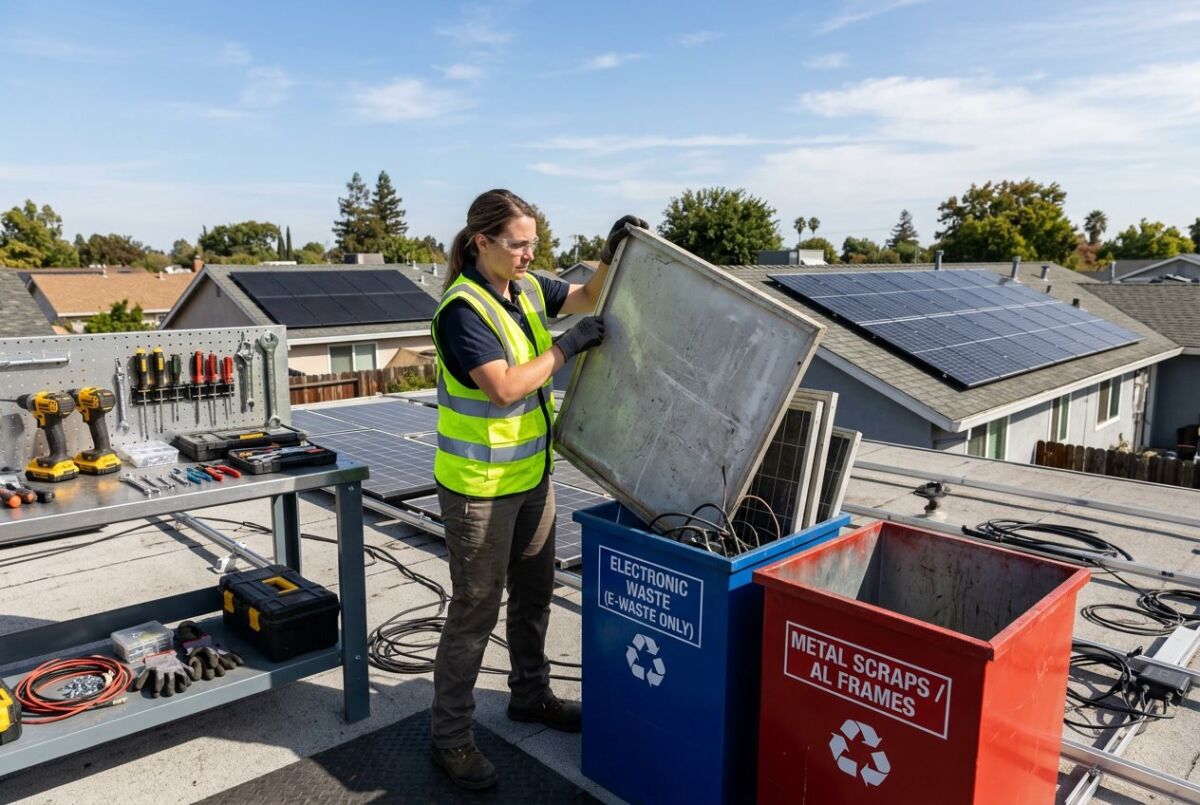
Solar panels stick around for about 25 to 30 years, so if you put yours up in the early 2000s, they’re probably ready for retirement. If you want to recycle old rooftop solar panels, you’ll need to reach out to a specialized recycling facility—they can recover up to 95% of valuable stuff like silver, aluminum, silicon, and copper from the modules. Tossing panels in the trash? Not great. You waste all those resources and, honestly, you might even break local waste rules because some panels have a bit of hazardous material inside.
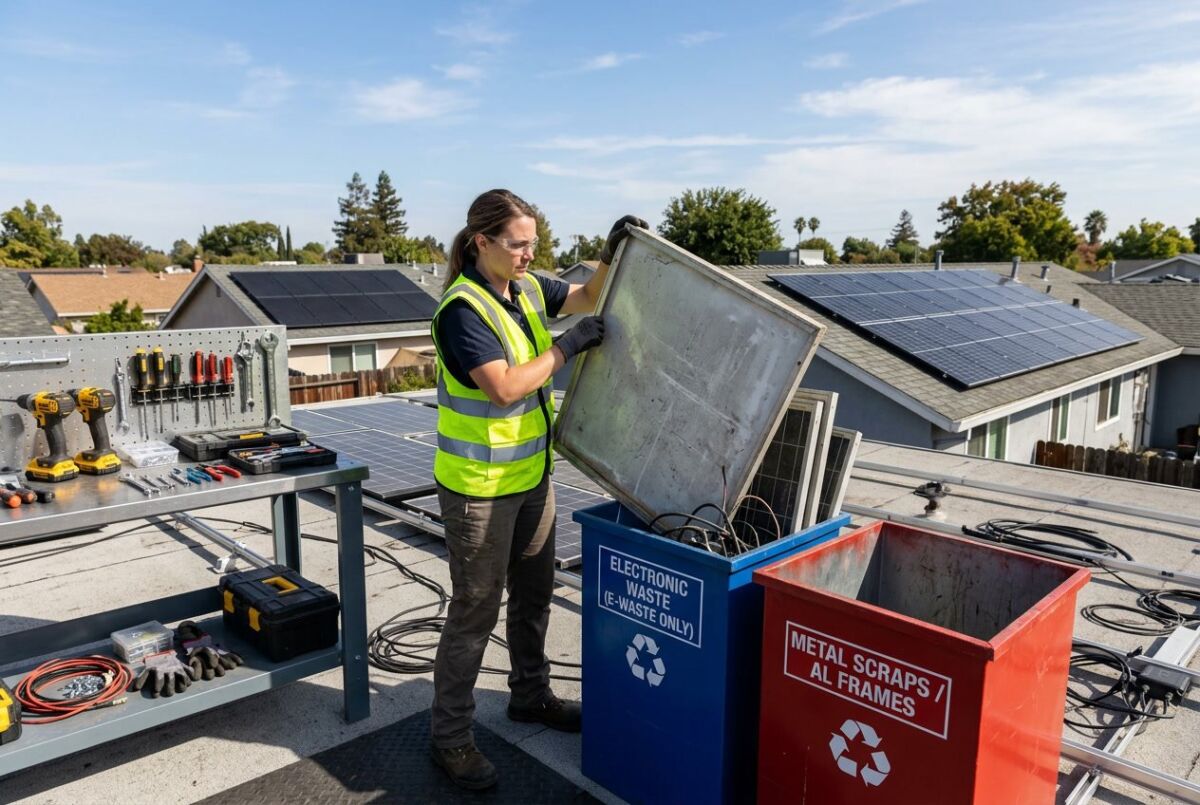
Most homeowners have no idea that solar panel recycling is already available in the U.S. The thing is, the infrastructure is still patchy and it really depends on where you live.
You’ll need to get your panels off the roof safely, see if they’re still usable, and then hunt down a certified recycler or a take-back program. This guide will walk you through every step, from what actually happens during recycling to where you can send your panels—and what to do if recycling just isn’t an option nearby.
Key Takeaways
- Solar panels are packed with valuable materials that specialized recycling companies can recover—sometimes up to 95%—using some pretty advanced tech.
- Before recycling, check if your panels still work or could be donated. Functional modules can get a second life somewhere else.
- Recycling rules and availability vary a ton by location, so you’ll need to do a little homework and see what’s available in your area.
Understanding Solar Panel Waste and the Need for Recycling
Solar panels usually last a couple of decades, so the early 2000s wave is ready for a sendoff. By 2050, we’re looking at about 78 million metric tonnes of old solar panels piling up.
Proper recycling protects the environment and lets us reclaim valuable materials instead of just mining more.
The Rising Challenge of End-of-Life Solar Panels
Your rooftop solar system isn’t immortal. Most panels slowly lose their punch, showing signs like dropping power output, cracks, or yellowing.
This timing matters because the solar boom of the 2000s and 2010s is now coming full circle—those panels are about to flood the waste stream. Did you install panels 20 years ago? Well, they’re almost done.
The International Renewable Energy Agency says all this waste could weigh as much as 77,000 Airbus A380s. One house doesn’t seem like much, but multiply that by millions and, yeah, the numbers get wild.
Plan ahead, because recycling infrastructure is still catching up in a lot of places. If there’s no facility nearby, you might have to get creative (and maybe pay a bit more).
Environmental and Resource Impacts
Solar panels are little treasure chests of reusable materials. You’ll find silicon, tempered glass, aluminum frames, copper wiring, and even silver in there.
Recycling can grab up to 95% of these materials, which means less mining and less mess. Glass makes up about 75% of a panel’s weight and can easily become new glass products. Aluminum frames? Super easy to recycle and still worth something.
Key recoverable materials:
- Silicon from photovoltaic cells
- Tempered glass from the encapsulation
- Aluminum from frames
- Copper from wiring
- Silver from cell conductors
Recycling instead of starting from scratch means you’re cutting down greenhouse gas emissions. Mining and processing new silicon burns a ton of energy, so using recycled silicon keeps the carbon footprint lower for new panels.
Hazards of Improper Solar Panel Disposal
Panels sometimes hide toxic stuff, so you’ve got to handle them right. Many use lead in the solder, and some thin-film types have cadmium.
If you just chuck panels in a landfill, those materials can eventually seep into soil and water. Lead can mess with nervous systems, especially in kids, and cadmium is a known carcinogen.
Hazardous materials in solar panels:
- Lead (in solder and connections)
- Cadmium (in some thin-film panels)
- Other heavy metals in small amounts
Check your local rules before you toss anything. Some states call solar panels “universal waste” or even “hazardous waste,” so you can’t just put them out with the trash. California and Washington, for example, have pretty specific disposal rules.
Toxic materials can pollute air and water if panels break down the wrong way. The EPA has some guidance, but the details depend on where you live and what kind of panel you’ve got.
How to Remove Old Rooftop Solar Panels Safely
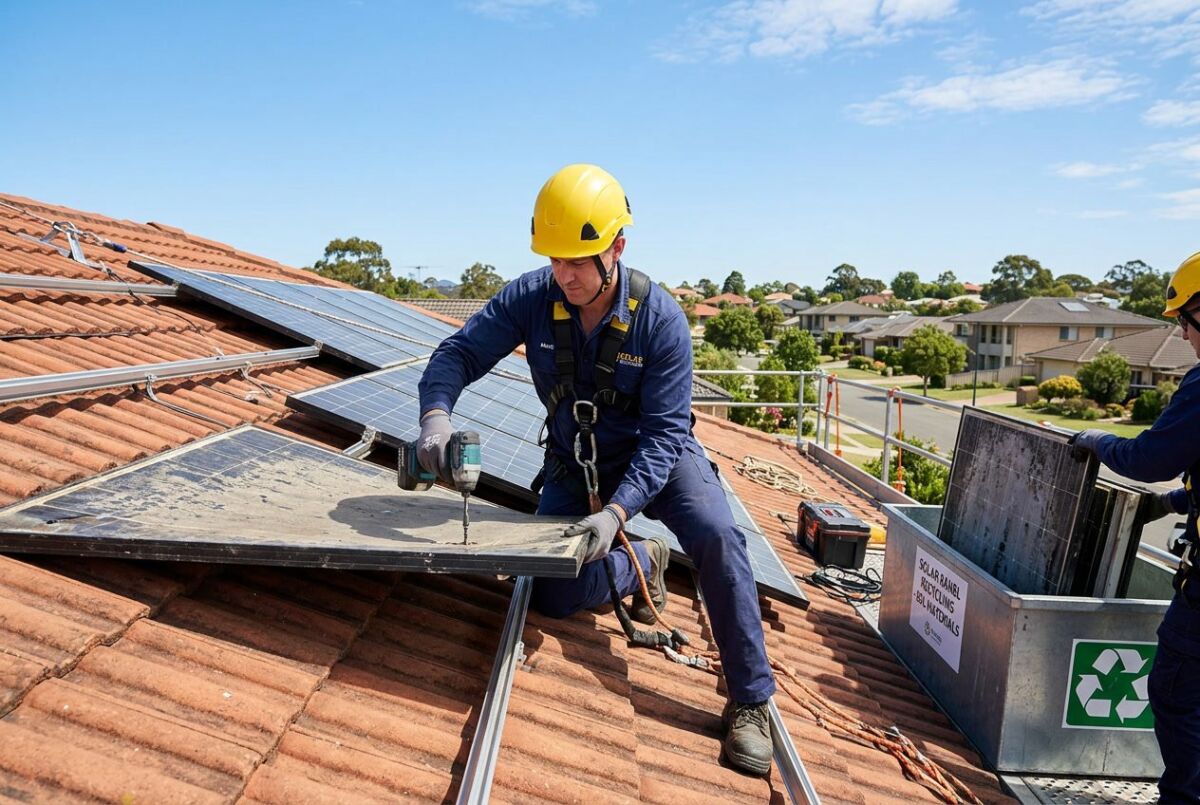
Getting panels off your roof isn’t a DIY project. Professional removal keeps you safe from electrical shocks and roof damage, and the right paperwork helps you stay on the right side of local rules.
Hiring Certified Professionals
You’ll want to hire licensed solar installers or electricians who know photovoltaic systems. These folks understand how to disconnect the solar panel system safely from your home’s grid and avoid the risk of getting zapped.
Make sure your contractor has liability insurance and workers’ comp. Ask for proof of their licenses before they start. It’s smart to check if they follow local building and electrical codes, too.
Some areas require permits for panel removal. A qualified professional will know if you need to notify the city or get an inspection. They’ll also know if your panels are still under warranty, which can change how they handle removal.
Get a few written estimates from different contractors. Compare their plans for disposal and ask if they partner with certified recycling facilities.
Safe Handling and Storage Practices
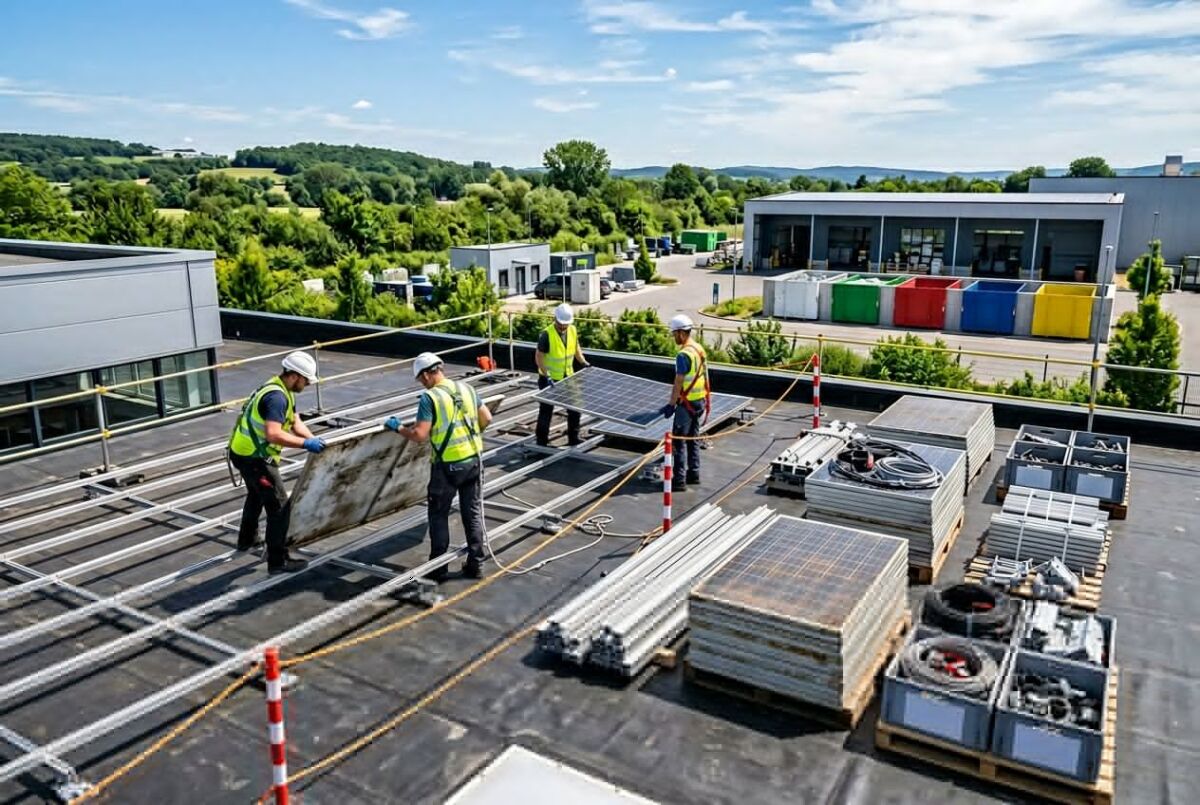
Old panels can still generate electricity if they’re in the sun, so there’s a shock risk even after you disconnect them. Cover the panels with opaque tarps before you start unplugging anything.
Trained pros follow a careful process to keep panels intact for possible reuse or recycling. Here’s what they usually do:
- Disconnect circuit breakers and inverters first
- Label all the wiring for documentation
- Remove mounting hardware without tearing up your roof
- Lower panels down using harnesses and ropes
If you need to store the panels for a bit, keep them dry and out of the sun. Stack them upright or put padding between them so the glass doesn’t break. Damaged panels can leak a little cadmium or lead, so keep them away from kids and pets.
Documentation and Compliance Tips
Hang onto your system’s original install date, manufacturer, model, and serial numbers. Recyclers need this info, and it helps with warranty claims if your panels can be fixed up.
Take photos of your roof before and after removal. Document any repairs you need to make, especially around mounting points. This way, you’ve got proof in case there’s any disagreement about roof damage.
Ask your contractor for a certificate of decommissioning. It should include:
| Required Information | Why It Matters |
|---|---|
| Date of removal | Proves system disconnection for utility companies |
| Disposal method | Shows compliance with waste regulations |
| Contractor license numbers | Verifies qualified labor |
| Panel inventory list | Tracks materials sent to recycling |
Call your utility company to cancel net metering agreements and disconnect solar from your account. Some states want a final meter reading within a certain time after removal.
Solar Panel Recycling Process: How It Works
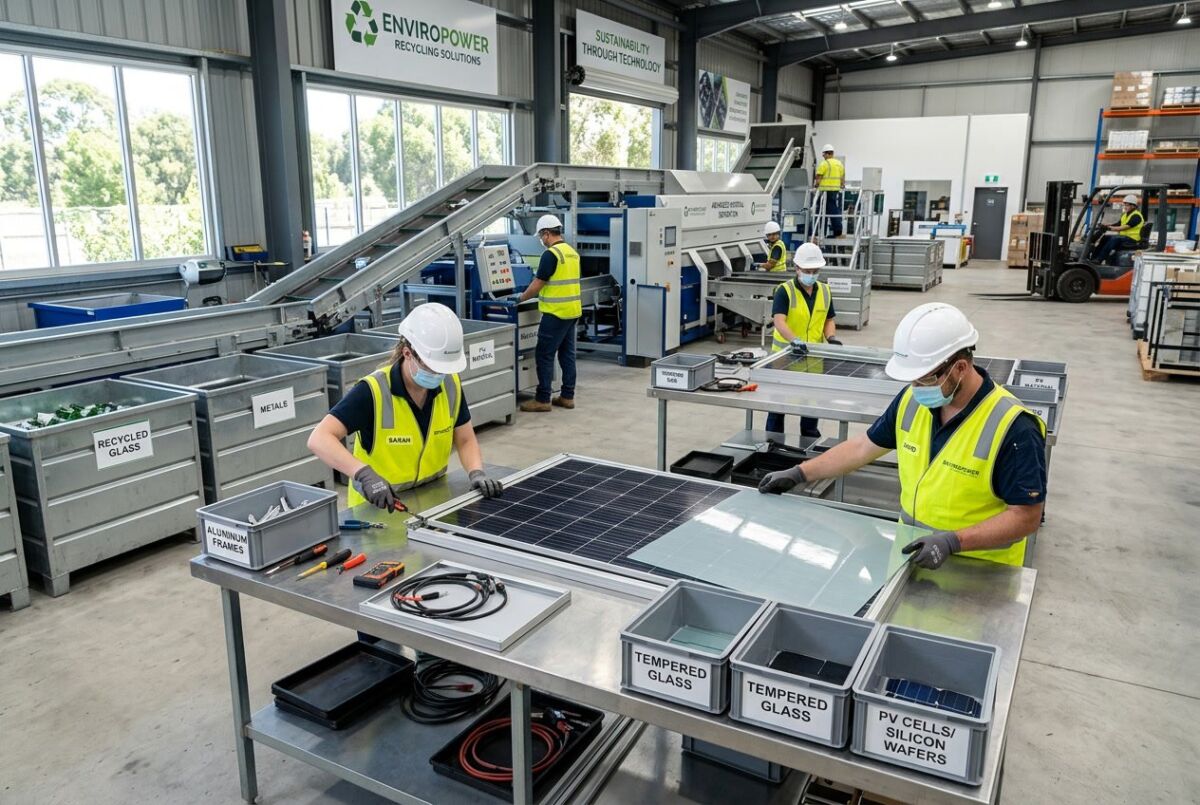
The solar panel recycling process breaks panels down into their core materials, either by mechanical or thermal methods. Different panels need different approaches—crystalline silicon and thin-film panels each have their own recycling path.
Key Steps in Solar Panel Recycling
When you recycle your panels, they go through a few main stages. Facilities first remove the aluminum frame and junction box—these have metals like copper and aluminum that are super easy to reprocess.
Next, workers pull off the glass cover, which is about 70-75% of the panel’s weight. The solar panel recycling process crushes and cleans the glass so it can become something new.
The tricky part is dealing with the silicon cells and the encapsulant layer. This plastic layer holds the cells to the glass, and it takes either heat or chemicals to break it down. Some places burn the plastic off at high heat, while others use chemical baths.
Finally, recyclers extract precious metals like silver and copper from the cells. These metals are pretty valuable and can be reused in electronics or new panels. Modern recycling tech can recover up to 95% of materials from old panels.
Crystalline Silicon Panel Recycling Methods
Most homes have crystalline silicon panels, and these go through a mechanical-thermal process. These panels have a few layers stuck together with EVA (ethylene-vinyl acetate) encapsulant.
Thermal treatment heats the panel up to 500°C to burn away the EVA. That lets the silicon wafers come free from the glass without wrecking the silicon. The process does release some emissions, so facilities need filters.
Mechanical separation comes next. Shredders break everything apart, and sorting machines separate materials by weight and magnetism. Glass, silicon, and metals all go down different paths.
Chemical etching gets rid of metal contacts and anti-reflective coatings on the silicon wafers. Recyclers use acid solutions to clean the silicon, which then gets melted and purified for reuse. This step needs careful handling because the chemicals can be dangerous.
Thin-Film Panel Recycling Distinctions
Thin-film panels are a whole different animal. They use cadmium telluride or copper indium gallium selenide instead of silicon.
The thin-film solar recycling process starts by shredding the whole panel into tiny pieces. Then, they use drum systems or vibrating screens to split the glass from the semiconductors.
Chemical processing is even more important here. You need special acid or base solutions to dissolve the semiconductor layers. Each material comes out at a different pH, so recyclers can recover cadmium, tellurium, copper, and other elements separately.
Thin-film recycle PV solar operations need fancy equipment because these panels have toxic stuff like cadmium. Facilities must have solid ventilation, waste treatment, and follow strict EPA safety rules.
Where and How to Recycle Old Solar Panels
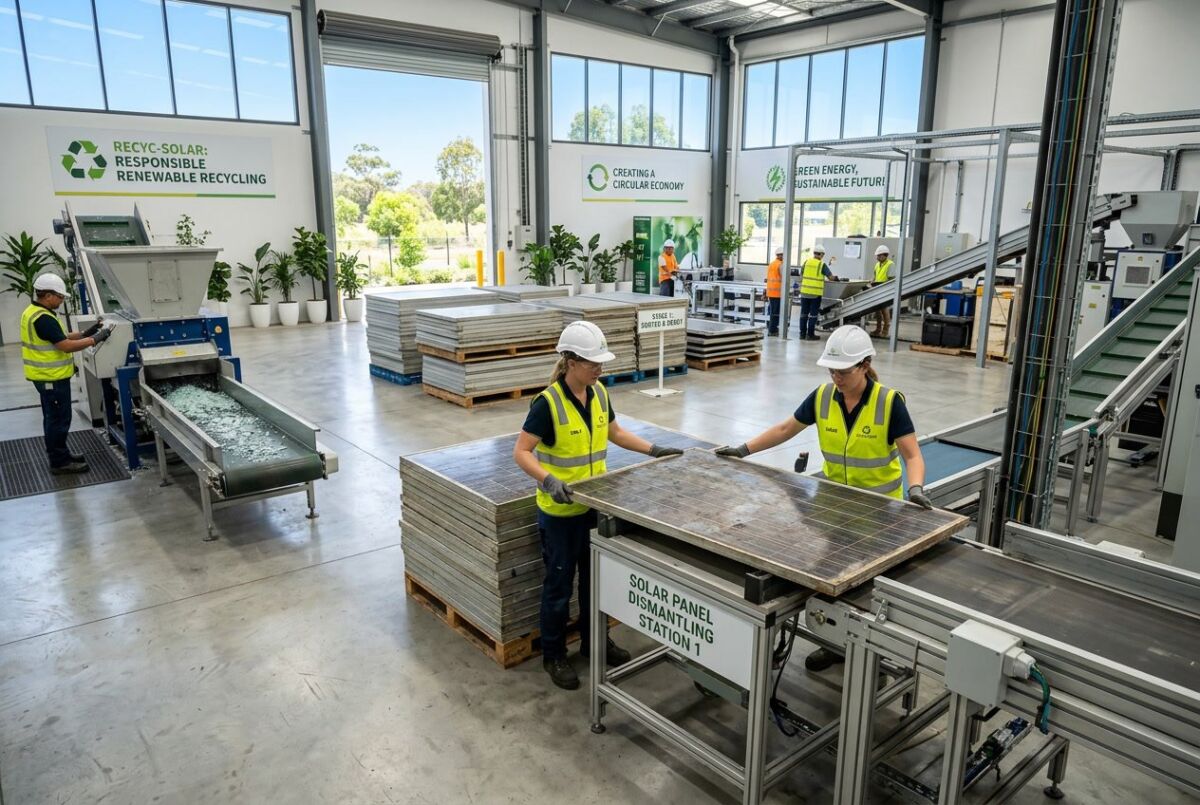
You’ve got a few options to recycle old solar panels: specialized recycling facilities, manufacturer take-back programs, or solar recycling companies. Usually, you’ll drop off or ship your panels to a certified facility, where they’ll break them down and recover materials like glass, aluminum, and silicon.
Finding Solar Panel Recycling Facilities
Looking for a certified place to recycle solar panels? Start with the EPA’s solar panel recycling resources to see what’s nearby.
Reach out to your solar panel manufacturer first. Lots of companies run take-back programs and might recycle your old panels for free or a small fee. Of course, this only works if they’re still around and operating in your area.
Hop onto Google and try searching “solar panel recycling near me.” Not every recycling center accepts solar panels—these things have some tricky materials—so it’s smart to call ahead and double-check. Ask about fees while you’re at it.
Your local hazardous waste collection program might help, too. Some towns include solar panels in their electronics recycling events. Give your local solid waste authority a ring to see if that’s an option.
What to Expect When Recycling
Moving solar panels isn’t a walk in the park. The glass can break, and believe it or not, panels might still make electricity if they’re out in the sun. Gloves and eye protection? Definitely a good idea.
Most recyclers ask you to:
- Take off any mounting hardware and disconnect all the wires
- Cover the panels with something opaque for transport
- Pack them up tight to keep the glass intact
- Share details about the panel’s age and who made it
Plan for a recycling fee—usually $20 to $50 per panel. Some specialized solar panel recycling programs might skip the fee if you’ve got a pile of panels.
At the facility, workers pull your panels apart and sort the pieces. They recover up to 95% of the good stuff—aluminum frames, glass, copper wires, and silicon cells. If there’s anything hazardous like lead or cadmium, they’ll handle it according to local rules.
Notable Solar Recycling Companies
Solarcycle runs some pretty advanced recycling facilities in the U.S. They recover high-quality materials and even offer mail-in programs. If you work with a solar installer, they might already partner with Solarcycle.
Veolia has recycling operations across North America and Europe. They deal with both home and business-scale panels and often work directly with solar companies.
ROSI Solar focuses on North American recycling and welcomes panels from homeowners, installers, and utilities. For small batches, they’ll send you prepaid shipping labels.
There are plenty of regional options, too. Your state’s environmental agency can help you find approved recyclers. Always check that any recycler you choose has the right certifications for handling e-waste and hazardous materials before sending off your panels.
What Happens to Materials Recovered from Solar Panels
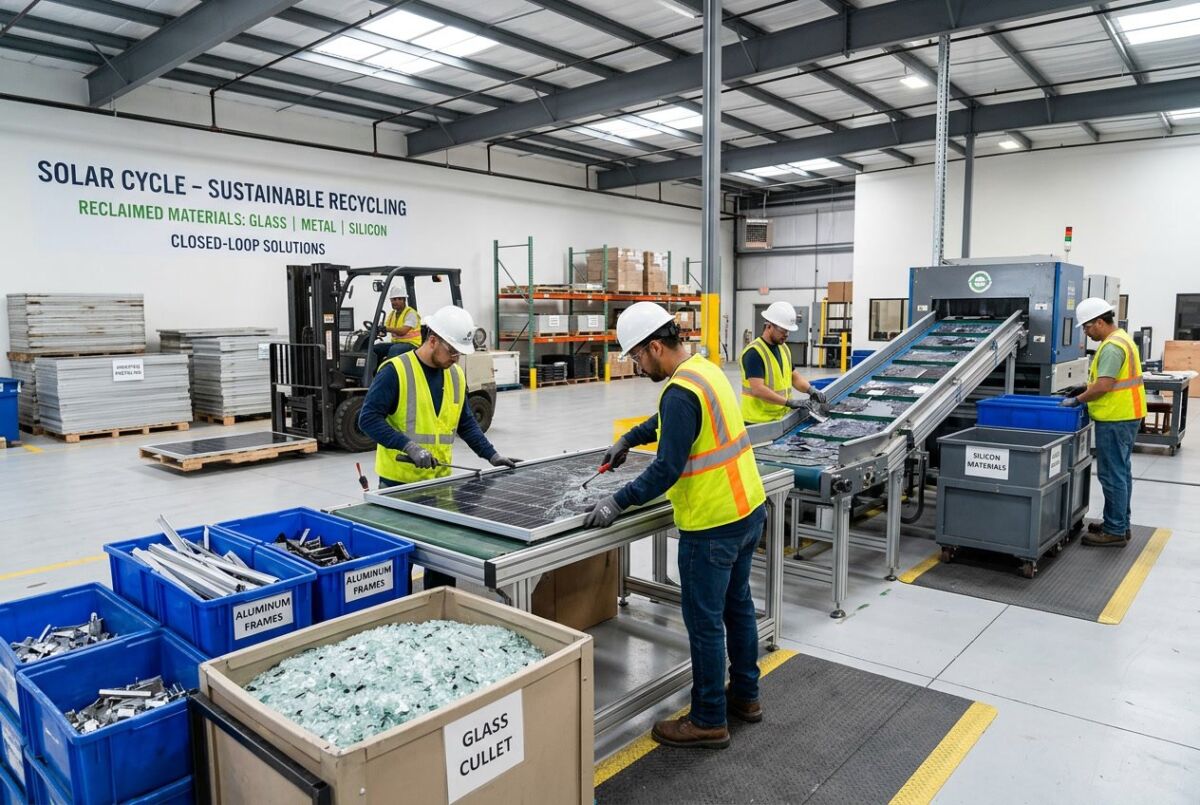
Recycled solar panel materials don’t just vanish—they split off into different recovery streams depending on what they’re made of and what the market wants. Glass and metals usually make their way back into manufacturing, while things like silicon and silver get more specialized treatment.
Glass, Aluminum, and Silicon Recovery
Glass makes up about three-quarters of a solar panel’s weight. The solar panel recycling process can recover 90-95% of that glass after breaking down the adhesives holding everything together.
Most of this glass ends up as cullet for new glass products. Some goes into construction materials, fiberglass, or abrasives. If the glass is pure enough, it might even become part of a new solar panel, but that’s a bit rare.
Aluminum frames come off pretty easily during disassembly. Recyclers recover up to 95% of aluminum components. Manufacturers melt it down and use it for new frames, building stuff, or car parts.
Silicon’s a little trickier. Current methods can pull out 80-85% of the silicon from crystalline panels using heat and chemicals. If it’s pure enough, the silicon might return to electronics or solar manufacturing, but sometimes the processing costs just aren’t worth it.
Reuse of Specialty Metals and Encapsulant
Silver is one of the most valuable things you can recover, even though there’s not much of it. Each panel has about 20 grams in the electrical contacts. Specialized recycling can grab over 90% of that silver, and since silver prices are high, it helps offset your costs.
Copper wiring is another winner—recovery rates often top 90%. Recyclers send this copper off for new electrical wiring, construction, or industrial uses.
The plastics and encapsulant layers? Those are tough. They glue everything together and need high heat to break down. Current recovery rates for these polymers are about 70-80%. Some places turn them into fuel or chemical feedstock, but that’s not as valuable as true material recycling.
Circular Economy and Secondary Markets
The solar panel recycling industry pushes for a closed-loop system, cutting down on the need for new raw materials. By 2030, the value of recoverable materials from used-up panels could hit $450 million worldwide—enough to make around 60 million new panels.
Your recovered materials end up in several markets:
- Primary manufacturing: Top-quality glass, aluminum, and silicon go right back into making new solar panels.
- Secondary manufacturing: Lower-grade materials feed into construction, cars, or electronics.
- Commodity markets: Bulk metals get traded on global exchanges.
- Specialty applications: Refined silver and copper show up in high-end electronics and industry.
How valuable these secondary markets are depends on the material and where you live. Glass and aluminum usually sell easily, but silicon and specialty metals need processing infrastructure that’s still catching up. As more panels reach the end of their life, expect these markets to get stronger and recovery economics to improve.
Alternative Options Beyond Recycling for Old Solar Panels
Just because your old panels aren’t pulling their weight anymore doesn’t mean they’re useless. After 25-30 years, many still put out 80-85% of their original power. You might find a second life for them through direct reuse, off-grid projects, or community initiatives.
Direct Reuse and Refurbishment
You can resell or donate panels that still work, even if they’re not up to your system’s standards. Lots of homeowners upgrade to shiny, high-efficiency panels while the originals are still perfectly functional.
Where can these panels go?
- Areas without reliable electricity
- Schools for hands-on learning
- Nonprofits supporting off-grid communities
- Secondary markets and resale platforms
Before passing them on, it’s smart to test output and check for damage. Buyers want to know voltage, amperage, and any quirks. Some companies like First Solar will even check used panels for reuse before recycling them.
Keep a record of each panel’s age, specs, and current performance. That way, new owners know exactly what they’re getting.
Repurposing for Off-Grid and DIY Applications
Older panels can still power plenty of things, even if they’re not as efficient as they used to be. For small-scale or off-grid uses, 200-300 watts might be all you need.
Some practical ideas:
- Lighting up gardens or walkways
- Powering a remote cabin or shed
- Running irrigation pumps
- Charging batteries for tools
- Supplying juice to security cameras
A UK homeowner reused four 400W panels for his workshop in a building with no grid connection. The lower output still did the trick.
Match your panel’s output to what you’re powering. LEDs need hardly any power, but tools might need more. Don’t forget a charge controller—it protects your devices from voltage swings.
Creative and Community-Based Uses
Solar panels can become art or teaching tools, too. Artists have turned old panels into public installations (like at the House of Blues) to promote sustainability and add some style.
Schools and community centers use panels for hands-on science lessons. Students get to play with real equipment instead of just reading about it.
You could also turn panels into outdoor tables, wall art, or even covered seating. The glass holds up outside, and it still carries that clean energy vibe. Just make sure to frame and protect the edges—broken glass is nobody’s friend.
Community gardens often use old panels for irrigation or tool charging. It’s a great way to stretch out their useful life and help more people, all while keeping them out of the landfill.
Frequently Asked Questions
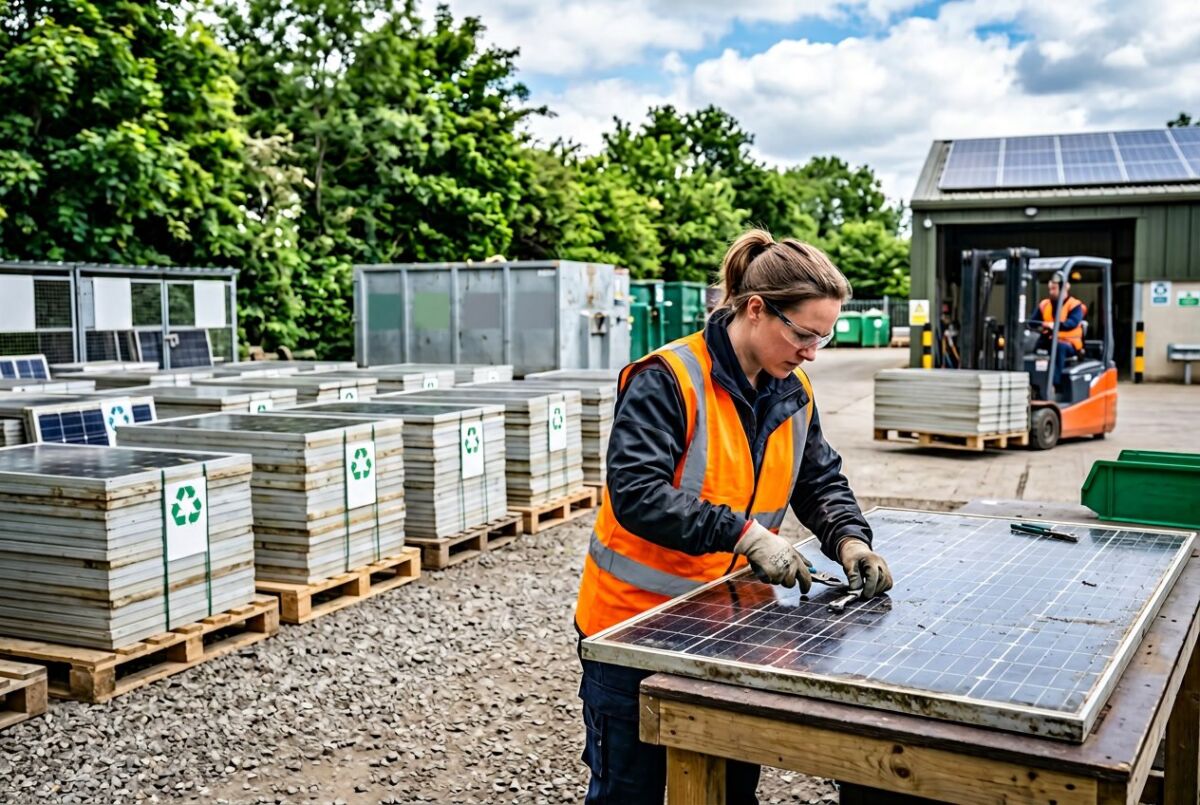
Recycling solar panels isn’t as simple as tossing them in the blue bin. There are steps, costs, and a handful of facilities across the U.S. that can handle the job. The good news? The materials inside are valuable, and recycling keeps toxic stuff out of landfills.
What are the steps to recycle expired solar panels?
Start by removing the aluminum frame and plastic junction box. You can recycle these parts through regular metal and electronics streams.
Next, you’ll need to separate the glass from the silicon wafer. This happens using heat, crushing, or chemicals to break apart the layers.
Finally, recyclers extract and purify the silicon cells and specialty metals like silver, tin, lead, and copper. The EPA’s solar panel recycling guidelines explain how chemical and electrical techniques pull out these valuable materials.
Glass makes up about 75% of a panel’s weight, so it’s the easiest part to recycle. The aluminum, copper, and plastics follow standard industry processes.
Where can I find a recycling facility for solar panels in my area?
Check out the Department of Energy Solar Energy Technologies Office U.S. Solar Photovoltaic Manufacturing Map. That database lists recyclers that handle solar panels.
Earth911 has a searchable directory by zip code and material. The Solar Energy Industries Association (SEIA) also shares recycling options through SolarRecycle.org.
Contact your manufacturer—they might have a take-back program or their own recycling facilities.
If you have thin-film cadmium-telluride panels, you’ll need a specialized recycler. At least one U.S. manufacturer runs dedicated facilities for these types.
Can old solar panels be recycled for cash, and if so, how?
The value depends on your panel type and what’s hot in the commodity markets. The International Renewable Energy Agency says that by 2030, all the recoverable raw materials from end-of-life panels could be worth about $450 million globally.
Call recycling facilities directly to ask about payments. Some pay for bulk panels, while others might charge a fee.
Aluminum frames, copper, and glass all have market value. Silver and internal copper are the real money-makers, but there’s not a ton of it in each panel.
Honestly, you might get more by selling working panels for reuse in off-grid setups than by recycling.
What is the typical cost associated with solar panel recycling?
Recycling costs swing a bit depending on where you are, the type of panel, and how many you’ve got. Most places charge $15 to $45 per panel, but that can change based on their equipment and processes.
Don’t forget about transportation. If you’re only recycling a few panels, shipping might cost more than the recycling fee.
Some manufacturers include recycling in their service contracts. Dig out your purchase paperwork or warranty to check if you’re covered.
Bulk jobs usually get a lower per-panel rate, so if you’re scrapping a whole array, ask about volume discounts.
Could you list companies that offer solar panel recycling services?
The EPA shares a list of organizations that keep directories of certified recyclers, but they don’t officially recommend any specific company. You’ll want to double-check certifications and recycling methods yourself.
First Solar runs specialized recycling for thin-film cadmium-telluride panels. They recover the semiconductor materials, glass, and copper from their own panels.
Veolia and ROSI Solar both handle crystalline silicon panels in the U.S. They take care of the thermal and mechanical work to separate components.
We Recycle Solar and Recycle PV Solar also accept panels from homes and businesses. Contact them directly to see if they’ll take your panels and if they cover your area.
Is the recycling process for solar panels environmentally beneficial?
Recycling keeps toxic metals like lead and cadmium out of landfills. If people just toss panels, those nasty materials can seep into soil and groundwater—definitely not ideal.
Diverting solar panels from landfills helps save precious landfill space. Plus, we get to reclaim valuable raw materials.
Recyclers can use the recovered stuff to make new panels. That means we don’t have to dig up as much virgin material, which is a win for the planet.
Sure, recycling panels does take some energy—heating, crushing, chemical separation, all that jazz. Still, grabbing aluminum and copper this way eats up way less energy than mining them from scratch.
Solar panels pack in critical materials like aluminum, tin, tellurium, and antimony. When we recycle, we support local supply chains and cut down on relying on imported raw stuff.
Glass recycling? That’s already a thing, and it’s pretty great for the environment. Since glass makes up about 75% of each panel’s weight, just recycling that chunk alone makes a big dent in waste reduction.