
Yes. Water is generally considered a renewable resource because the hydrologic cycle continuously moves it among the ocean, atmosphere, land, rivers, lakes, soil, and aquifers. But renewable does not mean unlimited.
A specific supply can be pumped, diverted, or polluted faster than it is restored. Deep groundwater with little modern recharge may take centuries or far longer to replace, so it can be effectively nonrenewable on a human timescale.
The most accurate answer is this: water is renewable as part of a global cycle, while a local freshwater source is renewable only to the extent that recharge, water quality, access, and ecosystem needs are protected.
Key takeaways
- The water cycle continually redistributes and replenishes water.
- A renewable resource can still be overused when withdrawals exceed replenishment.
- Most of Earth’s water is saline, and most freshwater is stored in ice or underground.
- Freshwater is not automatically clean, accessible, or safe to drink.
- Groundwater renewability depends on how quickly a particular aquifer recharges.
- Water treatment, recycling, and desalination can expand usable supplies, but they do not make freshwater infinite.
Why is water considered a renewable resource?
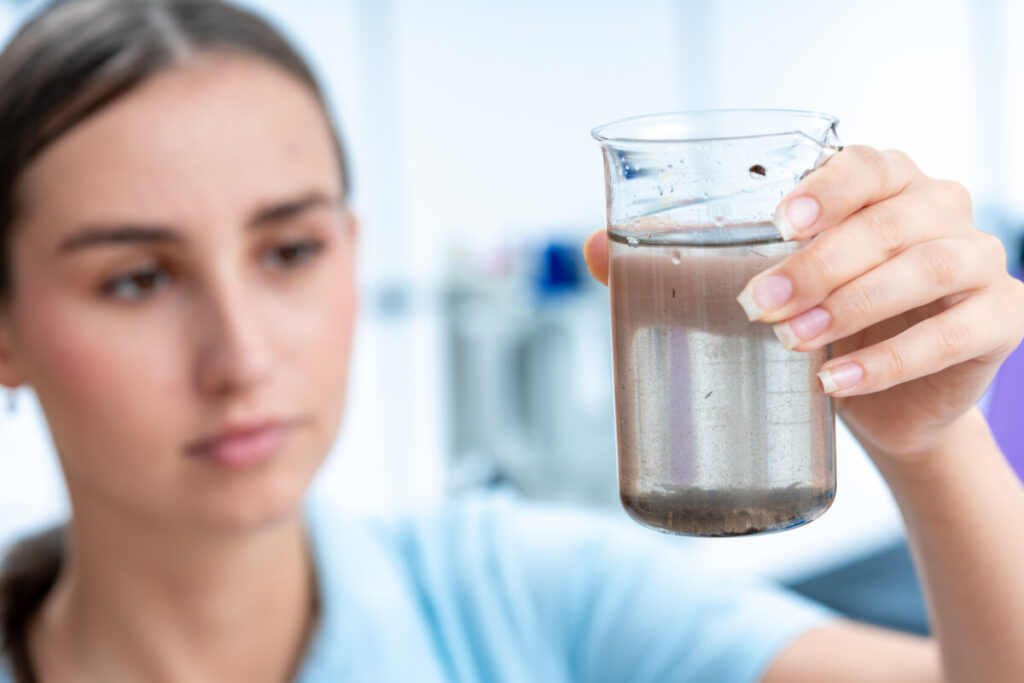
FAO’s AQUASTAT describes renewable water resources as inland waters renewed by the global water cycle. It also cautions that only part of those flows is practically usable because water availability depends on physical access, seasonal and year-to-year variability, infrastructure, and the water ecosystems need to function.
Solar energy drives the cycle. Water evaporates from oceans, lakes, rivers, and soils; plants release water vapor through transpiration; vapor condenses into clouds; precipitation returns water to the surface; and runoff and infiltration move it into rivers, lakes, soils, and aquifers. This circulation is the reason water is classified as renewable.
The details matter because how water moves through rivers and lakes affects erosion, habitats, sediment transport, flooding, and the reliability of local supplies.
Renewable is not the same as recyclable
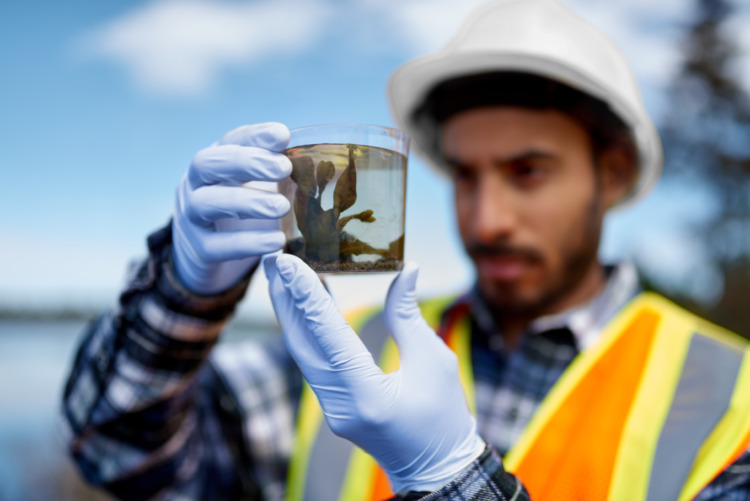
Renewability describes natural replenishment. Water recycling or reuse describes human treatment of wastewater, stormwater, or another used supply so it can serve a new purpose. A river can be renewable without passing through a treatment plant, and recycled water still requires treatment and monitoring appropriate to its intended use.
Water is renewable because natural processes replenish it—not because people can filter it indefinitely.
Why renewable water is still a limited resource
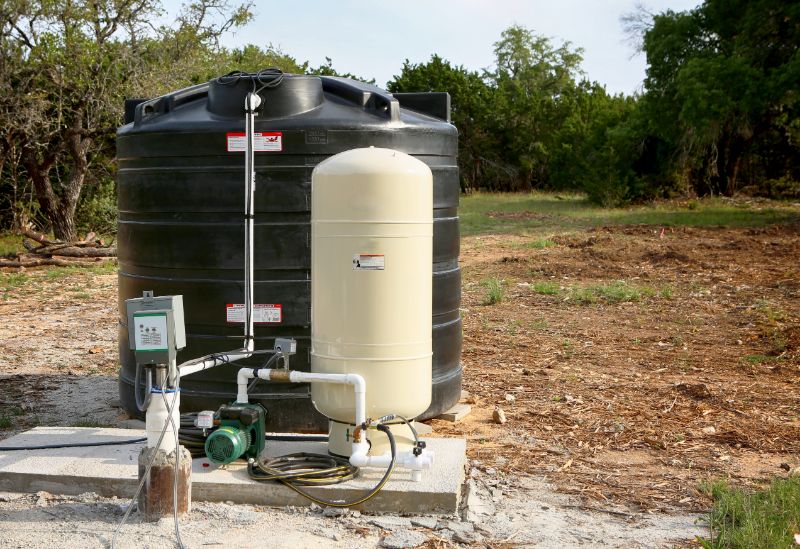
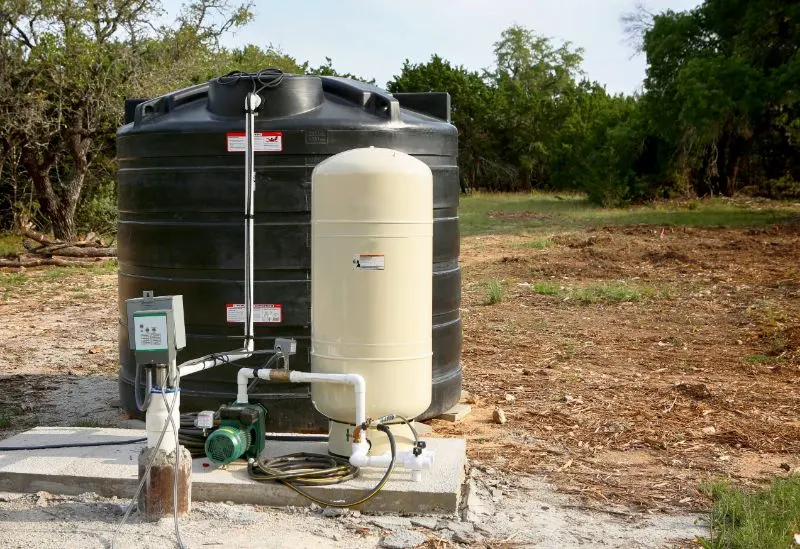
The amount of water on the planet is not the same as the amount a community can safely use. Water may be saline, frozen, deep underground, contaminated, far from demand, or available only during a wet season. Rivers and aquifers also support fish, wetlands, vegetation, and downstream communities, so not every available drop can be withdrawn without consequences.
Freshwater is not the same as drinking water
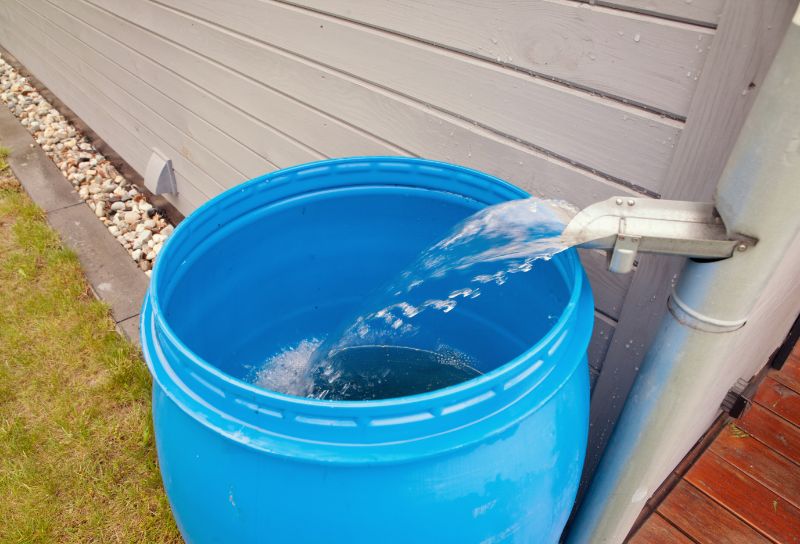
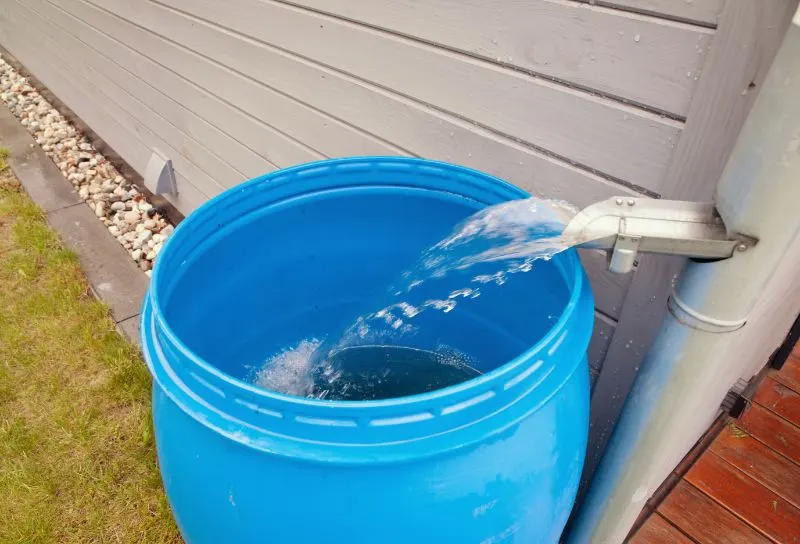
Freshwater has a relatively low concentration of dissolved salts. Potable water is water that meets applicable safety standards for drinking. Glacier ice, a remote mountain lake, and a contaminated river may all contain freshwater, but that does not make the water accessible or safe to consume without appropriate treatment.
The replenishment rate sets the practical limit
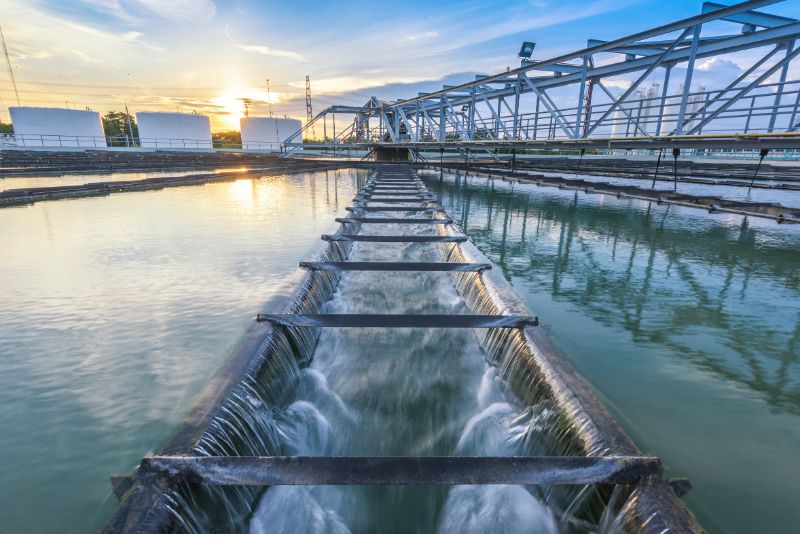
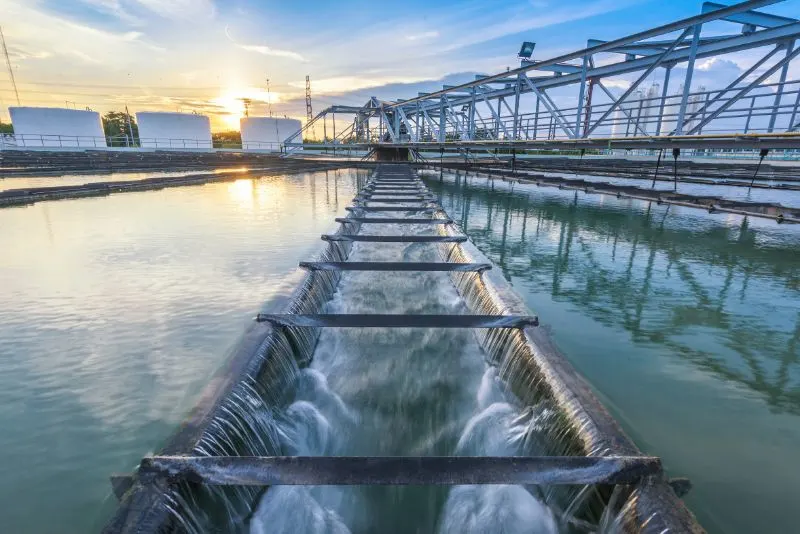
A supply is used sustainably when withdrawals remain within its long-term replenishment after accounting for seasonal variability and environmental needs. If people repeatedly take more than nature replaces, a technically renewable source is being used in a nonrenewable way.
When is water renewable in practice?
| Water source or situation | Practical classification | Why |
|---|---|---|
| Rainfall and river flow in a well-managed basin | Renewable but variable | Precipitation and runoff replenish the supply, although timing and volume can change. |
| Surface water withdrawn faster than inflows replace it | Renewable source used unsustainably | The water cycle continues, but the local river, lake, or reservoir can decline. |
| Shallow groundwater with active recharge | Conditionally renewable | It remains renewable only when pumping does not exceed recharge over time. |
| Deep or fossil groundwater with negligible modern recharge | Effectively nonrenewable | Replacement may take centuries, millennia, or longer. |
| Polluted river, lake, or aquifer | Water remains in the cycle, but usable supply shrinks | Treatment may be difficult, costly, or unable to restore every use. |
| Properly treated wastewater | Reusable supply | Treatment allows the same water to serve another purpose and reduces demand on freshwater sources. |
| Seawater | Part of the global cycle, but not directly usable freshwater | Desalination can produce freshwater, but it requires specialized infrastructure, treatment, and monitoring. |
Groundwater recharge determines the answer
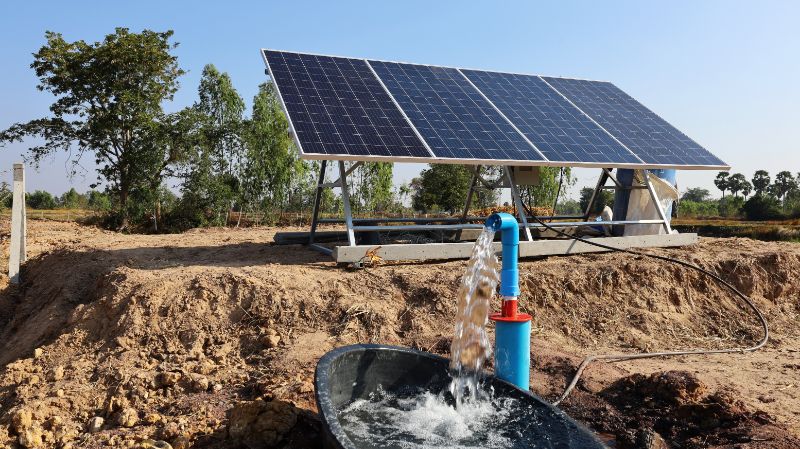
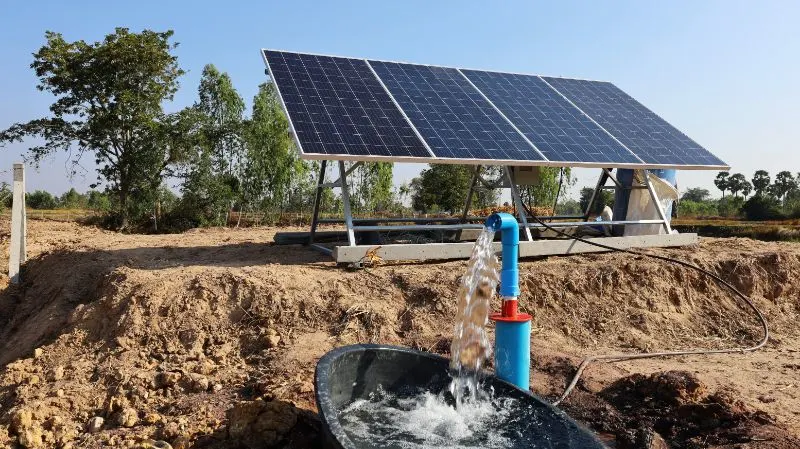
Groundwater is not one uniform resource. Some aquifers recharge quickly after rain or snowmelt; others contain old water stored during much wetter climates. The U.S. Geological Survey describes groundwater depletion as long-term water-level decline caused by sustained pumping and notes that pumping faster than recharge can lead to dry wells.
This produces a useful rule: do not ask only whether groundwater is renewable. Ask how fast the aquifer recharges, how much is being withdrawn, whether water levels are falling, and how pumping affects connected springs, rivers, and ecosystems.
How much of Earth’s water is usable freshwater?
The familiar image of a blue planet can be misleading. According to the U.S. Geological Survey’s global water estimates:
- About 71% of Earth’s surface is covered by water.
- Oceans hold about 96.5% of all Earth’s water.
- More than 68% of freshwater is stored in ice caps and glaciers.
- About 30% of freshwater is underground.
- Rivers contain only a tiny fraction of the planet’s total water, even though they supply much of the surface water people use.
The phrase “about 3% of Earth’s water is fresh” should never be interpreted as “3% is ready to drink.” Freshwater can be frozen, inaccessible, naturally mineralized, or contaminated. Safe drinking water is a public-health and infrastructure question as well as a hydrology question.
The latest WHO/UNICEF Joint Monitoring Programme report, published in 2025 with data through 2024, found that 2.1 billion people—one in four globally—still lacked safely managed drinking-water services. That figure includes 106 million people drinking directly from untreated surface sources.
Can Earth run out of water?


Earth is unlikely to run out of water as a substance on a human timescale. Communities can still run out of water that is safe, affordable, and available in the right place at the right time.
- Overwithdrawal: Pumping or diversion can exceed recharge and inflow.
- Pollution: Chemical, biological, nutrient, and plastic pollution can reduce the uses a water source can safely support. See the main types of water pollution and how they enter waterways.
- Drought and climate variability: A renewable annual average does not guarantee dependable water every month or every year.
- Salinization: Saltwater intrusion or concentrated salts can make freshwater sources unsuitable for some uses.
- Access and infrastructure: Water may exist physically while treatment, storage, pipes, governance, or affordability prevent reliable service.
Water scarcity is therefore less about the disappearance of H2O and more about the decline of usable water in a specific place. The distinction is essential for honest conservation policy.
Water reuse, filtration, treatment, and desalination are different
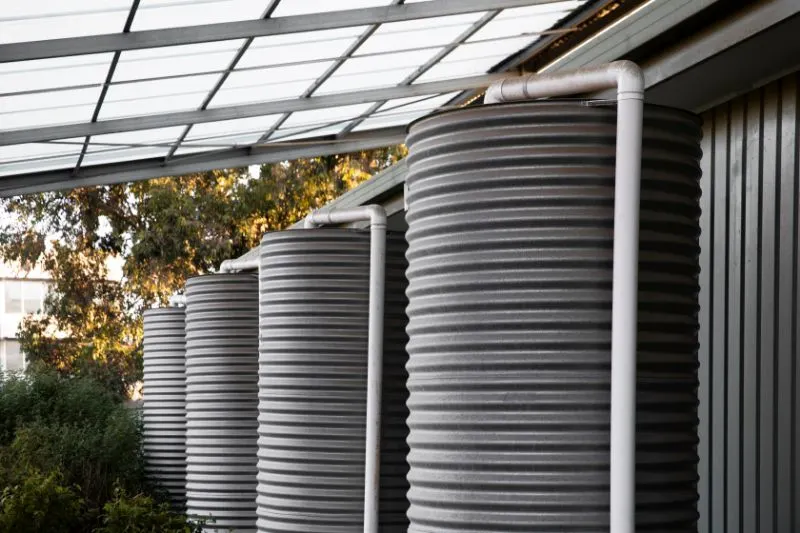
These terms are often treated as synonyms, but they solve different problems.
| Process | What it does | What it does not mean |
|---|---|---|
| Drinking-water treatment | Treats source water to meet applicable health standards. | It does not mean every source uses the same process or chemicals. |
| Water reuse or recycling | Treats wastewater or stormwater for another use, which may include irrigation, industry, groundwater replenishment, or drinking after advanced treatment. | It does not create new water or remove the need for source protection. |
| Home filtration | Reduces the specific contaminants a system is designed and certified to address. | No single filter should be assumed to remove every germ, chemical, salt, or metal. |
| Desalination | Removes salts from seawater or brackish water to produce freshwater. | It does not eliminate infrastructure, operating, and monitoring requirements. |
The U.S. Environmental Protection Agency defines water reuse as treating and repurposing wastewater or stormwater for another use. Treatment and monitoring must match the source and the intended end use; water intended for drinking requires more stringent safeguards than water used for some nonpotable purposes.
For household systems, the Centers for Disease Control and Prevention recommends testing the water and choosing a treatment system that addresses the specific germs or chemicals of concern. A product label or independent certification is more useful than a blanket claim that a device removes “all impurities.”
How to use renewable water more sustainably
Household conservation helps, but the largest gains also depend on utilities, farms, industries, and governments managing whole watersheds and aquifers. The practical goal is to protect both the quantity and quality of water.
- Match withdrawals to measured replenishment. Water budgets should account for dry years, falling groundwater levels, and environmental flows—not only long-term averages.
- Prevent pollution before treatment is needed. Protect source waters, improve wastewater management, and reduce waste that reaches rivers, lakes, and coasts.
- Use water efficiently. Repair leaks, avoid unnecessary outdoor use, and select irrigation or industrial systems that deliver the required result with less loss.
- Use fit-for-purpose water. Properly treated reclaimed water can replace drinking-quality water for some industrial, landscape, or agricultural uses.
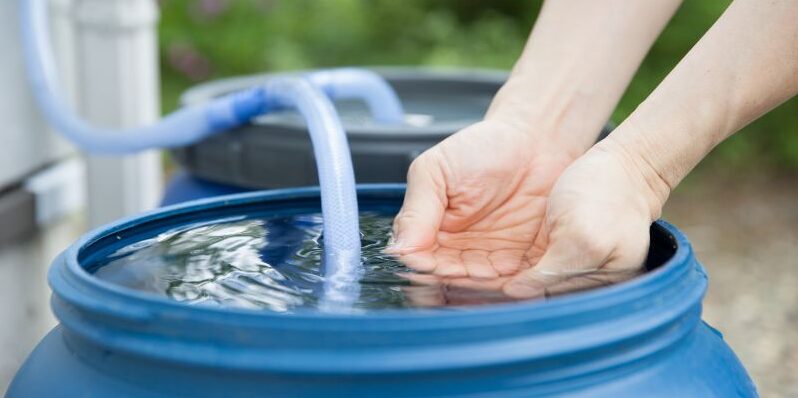
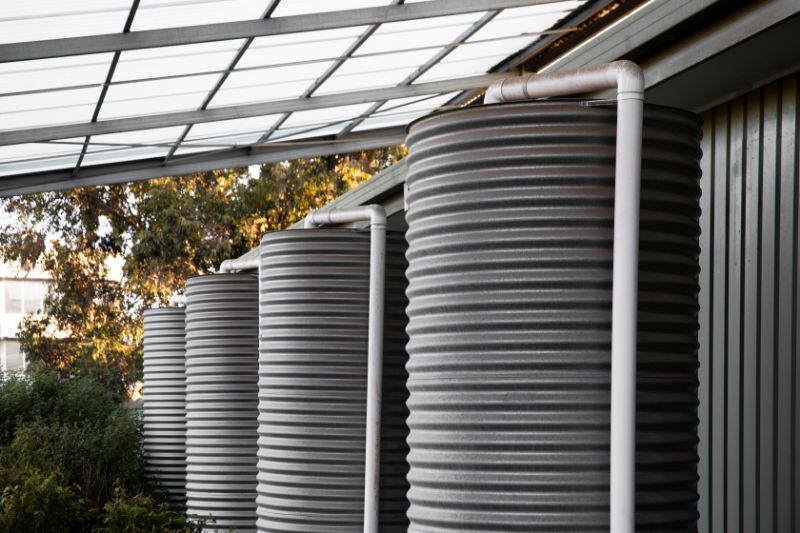
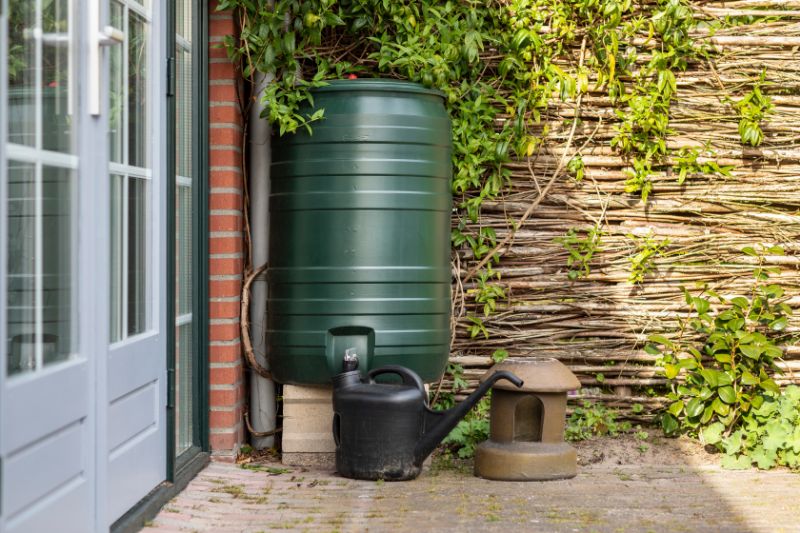
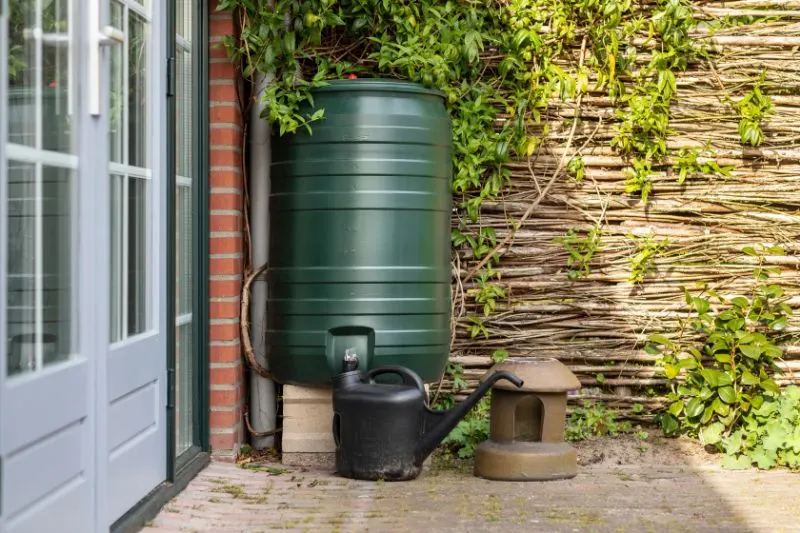
- Collect rainwater carefully. Rainwater can reduce demand for some nonpotable uses, but system design, maintenance, local rules, and intended use determine whether it is appropriate. Review whether rainwater harvesting is worth it for your setting.
- Protect natural storage. Healthy soils, wetlands, floodplains, forests, and aquifer recharge areas help slow, filter, and store water.
Rainwater safety: Collected rainwater is not automatically safe to drink. The CDC advises appropriate testing, treatment, and maintenance for potable uses and recommends keeping rainwater systems separate from safe piped-water plumbing.
Frequently asked questions about water as a renewable resource
Is water a renewable or nonrenewable resource?
Water is generally renewable because the hydrologic cycle replenishes it. However, a particular river, reservoir, or aquifer can be depleted or polluted faster than it recovers, and deep fossil groundwater can be effectively nonrenewable on a human timescale.
Why is water considered a renewable resource?
Solar energy drives evaporation, condensation, precipitation, runoff, and groundwater recharge. These processes continually move water through the environment and renew many freshwater supplies.
Is groundwater a renewable resource?
Some groundwater is renewable when an aquifer receives regular recharge and pumping stays below that rate. Deep or fossil aquifers with little modern recharge are effectively nonrenewable because replacement can take centuries or much longer.
Can water become nonrenewable?
The water molecules remain part of the broader cycle, but a local supply can behave like a nonrenewable resource when withdrawals exceed recharge for a long period. Severe contamination can also make a source unusable without extensive treatment.
Can Earth run out of water?
Earth is unlikely to run out of water as a substance, but communities can run out of safe, affordable, accessible freshwater. Drought, overpumping, pollution, salinization, weak infrastructure, and uneven distribution can all create real shortages.
Does a home water filter recycle water?
No. A filter treats water by reducing specific contaminants; it does not usually collect wastewater and return it for another use. Water recycling or reuse involves treating wastewater, stormwater, or another used supply for a defined purpose.
Is collected rainwater safe to drink?
Not automatically. Rainwater can pick up germs and chemicals from air, roofs, gutters, and storage tanks. Drinking-water use requires appropriate system design, testing, treatment, maintenance, and compliance with local rules.
The bottom line


Water is renewable because the water cycle replenishes it, but clean and accessible freshwater is finite in any particular place and period. The better management question is not simply “Is water renewable?” It is “Is this source being replenished as quickly as it is used, while its quality and ecological functions are protected?”
If the answer is no, a renewable resource is being used unsustainably. For practical actions beyond water use, see these ways to help the environment in everyday life.