
Recycling won’t solve the plastic problem by itself. It can recover some clean, well-sorted plastics, but many products combine different polymers, dyes, fillers, coatings, adhesives, and chemical additives that are difficult to separate. Recycling also begins after a product has already been manufactured and discarded, so it cannot offset continued growth in plastic production on its own.
A credible response to plastic pollution still includes recycling. It also requires less unnecessary plastic, more reuse, safer product chemistry, packaging designed for recovery, producer-funded collection, transparent waste trade, and responsible management of materials that cannot be recycled.
Key takeaways
- The OECD estimated that 9% of global plastic waste was ultimately recycled in 2019. That figure is a global estimate for a specific year, not the recycling rate in every country or community.
- A recycling symbol or resin code does not guarantee that a product will be accepted, sorted, processed, or sold as recycled material.
- Additives, coatings, adhesives, contaminants, and degradation products can complicate recycling even when the base polymer is technically recyclable.
- Mechanical recycling works best with clean, uniform streams. Repeated processing can reduce material quality.
- Chemical or advanced recycling includes several distinct processes. Their environmental performance depends on energy use, feedstock, yields, emissions, and what the final output becomes.
- The strongest plastic-pollution strategy begins with prevention and reuse, then uses safe, high-quality recycling for the materials that remain.
Why recycling alone cannot solve plastic pollution
Plastic is a broad family of materials rather than one uniform substance. Polyethylene terephthalate, high-density polyethylene, polyvinyl chloride, low-density polyethylene, polypropylene, polystyrene, and numerous specialty polymers have different melting points, chemical properties, additives, and end markets.
A collection program may accept a clear PET beverage bottle but reject a multilayer pouch made from several thin materials. A rigid polypropylene container may be technically recyclable, yet remain unrecycled where local facilities cannot sort it or where no buyer will pay for the recovered resin.
This creates a useful distinction between technical recyclability and real-world recyclability. Technical recyclability asks whether a material can be processed under suitable conditions. Real-world recyclability also depends on collection access, sorting equipment, contamination, economics, safety requirements, processing capacity, and reliable demand for the output.
| Barrier | Why it limits recycling | More effective intervention |
|---|---|---|
| Multiple polymers | Different plastics may melt, react, or perform differently and cannot always be processed together. | Use simpler, compatible materials and avoid unnecessary multilayer packaging. |
| Chemical additives | Plasticizers, pigments, stabilizers, flame retardants, and other substances can affect safety and output quality. | Disclose ingredients, restrict hazardous substances, and design with safer chemistry. |
| Food, dirt, and other contamination | Contamination raises washing costs, reduces yield, and can make a batch unsuitable for sensitive uses. | Improve collection instructions, package design, sorting, and cleaning systems. |
| Material degradation | Heat, oxygen, ultraviolet light, and repeated processing can weaken polymer chains. | Use recycled material in applications suited to its verified properties and improve stabilization. |
| Weak end markets | Recovered plastic may cost more or perform less consistently than virgin resin. | Use recycled-content standards, producer responsibility, and procurement requirements. |
| Growing production | Waste can increase even when recycling rates improve. | Reduce unnecessary production and expand durable reuse systems. |
The chemical complications in plastic recycling
The base polymer is only one part of a plastic product. Manufacturers may add colorants, plasticizers, ultraviolet stabilizers, flame retardants, antioxidants, processing aids, fillers, antimicrobial agents, and other substances to create specific properties. Adhesives, inks, coatings, labels, and residues can add further complexity.
The United Nations Environment Programme’s technical report on chemicals in plastics examined scientific information for about 7,000 substances associated with plastics. More than 3,200 had one or more hazardous properties of concern.
A hazardous property does not prove that every product containing a substance causes harm during normal use. Risk also depends on concentration, exposure route, migration, duration, product use, and how the material is handled at the end of its life. The finding does show why recyclers and manufacturers need much better chemical information than a resin code alone provides.
Unknown ingredients and legacy chemicals
Recycling can combine plastic from products made in different years, countries, and industries. Some older items may contain substances that are now restricted or unsuitable for a new application. Without reliable ingredient records, recyclers may not know the full chemical history of their feedstock.
This matters when recycled material is considered for food-contact products, toys, household items, construction materials, or other uses with specific exposure and performance requirements. A polymer may be physically recoverable while its unknown additive mixture limits where the output can be used safely.
Non-intentionally added substances
Plastic can also contain non-intentionally added substances, often shortened to NIAS. These can include impurities, reaction by-products, contaminants, breakdown products, and substances formed during manufacturing, use, weathering, or recycling.
Repeated heating may change the chemical profile of a material. Contact with food, cleaning products, fuels, cosmetics, or industrial chemicals can introduce additional contaminants. These substances may not appear on a product’s original ingredient list because they were not deliberately added.
Chemical transparency is part of recyclability
A more reliable circular system would require manufacturers to disclose relevant chemical ingredients, identify substances of concern, simplify formulations, and maintain information that can follow a material through its useful life. Testing should consider mixtures and non-intentionally added substances rather than checking only the original polymer.
This changes the definition of good design. A product is not truly circular simply because it can be melted or dissolved. The recovered material must also have a known composition, a suitable use, and a processing route that does not expose workers or nearby communities to poorly controlled hazards.
What mechanical recycling can and cannot do
Mechanical recycling generally sorts plastic, removes contaminants, washes and grinds the material, and remelts it into pellets or another usable form. It is the most established recycling route for many common packaging plastics.
The process works best when the incoming stream is clean and consistent. Clear PET bottles and natural-color HDPE containers are familiar examples because they can be identified, sorted, and sold into established markets in many regions. Acceptance still varies, so residents should follow the instructions provided by their local recycling programs.
Sorting and contamination losses
A facility must separate polymers and remove incompatible materials before processing. Black pigments can interfere with some optical sorting systems. Full-body sleeves, labels, pumps, closures, foil layers, silicone components, and food residue can reduce the amount of usable resin recovered from a load.
Small products and flexible films may fall through sorting equipment or become tangled in machinery. Multilayer packaging can be especially difficult because its thin layers were engineered to function together, not to be separated after disposal.
Quality loss and downcycling
Heat, oxygen, moisture, ultraviolet exposure, and mechanical stress can shorten or alter polymer chains. The recycled material may have lower strength, clarity, odor performance, or processing consistency than the original resin.
Manufacturers sometimes blend recycled resin with virgin material or use it in products with less demanding specifications. This can extend the material’s useful life, but it may be a form of downcycling rather than a closed loop. A bottle that becomes carpet fiber or a composite bench has been diverted from disposal, yet that new product may be harder to recycle again.
Can chemical or advanced recycling solve the problem?
Chemical recycling is not one technology. The label is used for several processes that purify plastic, break polymers into smaller molecules, or convert mixed hydrocarbon material into oils, gases, or chemical feedstocks.
| Process | What it does | Main questions to examine |
|---|---|---|
| Dissolution or purification | Dissolves a selected polymer so additives and contaminants can be separated before the polymer is recovered. | Solvent recovery, feedstock purity, additive removal, energy use, and output quality |
| Depolymerization | Breaks certain polymers into monomers or other smaller chemical building blocks. | Eligible polymers, reaction conditions, yield, purification, and market for the recovered chemicals |
| Pyrolysis | Heats material with little or no oxygen to produce oil, gas, char, and other outputs. | Energy source, emissions, contaminants, yield, upgrading requirements, and whether output becomes new plastic or fuel |
| Gasification | Uses high temperatures and controlled oxygen or steam to produce a synthesis gas. | Energy demand, gas cleaning, conversion efficiency, final use, and lifecycle emissions |
The U.S. Government Accountability Office has identified potential benefits, including the ability to process some materials that are difficult to recycle mechanically and the possibility of producing higher-quality feedstocks. It also identified challenges involving cost, feedstock supply, technical maturity, competition with inexpensive virgin resin, and the need to control contaminants and emissions.
A facility that turns waste plastic into a fuel is different from one that returns molecules to new polymer production. Burning the resulting fuel destroys the material rather than keeping it in a circular loop. Claims about recycling rates should therefore disclose the feedstock received, process losses, product yields, energy sources, and the final destination of each output.
Advanced processes may have a role for carefully selected streams, but they do not remove the need for reduction, reuse, safer chemistry, mechanical recycling, transparent accounting, and emissions controls.
Rising production can outpace recycling
The OECD’s Global Plastics Outlook estimated that annual plastic production rose from 234 million metric tonnes in 2000 to 460 million tonnes in 2019. Plastic waste reached 353 million tonnes in 2019. After accounting for losses during recycling, the OECD estimated that 9% was ultimately recycled, while the rest was incinerated, landfilled, dumped, burned in the open, or leaked into the environment.
The 9% figure should not be presented as a timeless global rate. It describes the OECD’s modeled global material flows for 2019. Individual countries, polymers, products, and collection systems can perform better or worse.
The larger problem is the relationship between production and recovery. Under current-policy scenarios, the OECD projects that plastic use and waste could almost triple by 2060, with less than one-fifth of waste recycled. Even a rising recycling percentage may fail to reduce total waste if production grows faster.
This is why upstream measures matter. Avoiding an unnecessary item prevents the extraction, manufacturing, transport, collection, sorting, and disposal impacts associated with that item. A durable container used many times can reduce demand for repeated single-use production, provided the reuse system is practical and the item is actually reused enough times.
Plastic-waste exports can shift risk rather than solve it
International trade can move recyclable material to legitimate processors with suitable capacity. It can also shift mixed, contaminated, or low-value waste to places with weaker collection infrastructure, limited regulatory capacity, or unsafe informal processing.
The Basel Convention plastic-waste amendments were adopted in 2019 and took effect on January 1, 2021. They did not impose a blanket ban on all plastic-waste trade. They brought many mixed or contaminated shipments under a prior informed consent procedure, while retaining limited exceptions for qualifying, nearly uncontaminated streams intended for environmentally sound recycling.
Effective enforcement requires accurate classification, shipment records, consent from receiving countries, traceability, customs capacity, and confirmation that the destination can manage the waste safely. Exporting countries also need domestic systems for material that has little recycling value rather than treating overseas shipment as the default outlet.
Where the global plastics treaty stands
United Nations Environment Assembly Resolution 5/14 launched negotiations for an international, legally binding instrument addressing plastic pollution, including pollution in the marine environment. The mandate covers the full lifecycle of plastic rather than ocean cleanup alone.
Negotiators did not reach consensus at INC-5.2 in Geneva, which adjourned on August 15, 2025. INC-5.3 met on February 7, 2026, for organizational and administrative matters rather than substantive negotiations. Preparatory work has continued toward resumed negotiations.
The UNEP treaty process has had to address difficult questions about product design, chemicals, production, reuse, recycling, waste management, financing, reporting, technical support, and compliance. The final value of any agreement will depend on the specificity of its obligations, implementation support, transparency, and enforcement.
A treaty focused mainly on downstream collection would leave major drivers untouched. A lifecycle agreement can address unnecessary products, problematic chemicals, design standards, reuse systems, producer responsibility, leakage, waste trade, and legacy pollution together.
What a complete solution requires
The EPA waste-management hierarchy generally places source reduction and reuse above recycling. UNEP’s Turning off the Tap analysis likewise combines market transformation, reuse, recycling, material substitution, and responsible management of remaining pollution.
No single intervention covers every product or community. A practical system needs several connected layers.
1. Eliminate unnecessary and problematic plastic
Some plastic products provide important medical, safety, transport, construction, and food-preservation benefits. Other applications use material for only a few minutes when a reusable, refillable, package-free, or non-plastic option can perform the same task.
Reduction policies should focus on avoidable products and formats with high leakage, poor recyclability, hazardous chemistry, or readily available alternatives. Substitution should be evaluated carefully so that a replacement does not create larger land, water, climate, toxicity, or waste impacts.
2. Build reuse and refill systems
Reuse works best as a system, not simply as a heavier disposable package. Containers need standardized formats, convenient return points, efficient washing, reliable tracking, and high return rates. Transport distances, cleaning requirements, breakage, and the number of actual reuse cycles all affect performance.
3. Design safer, simpler products
Products intended for recycling should use compatible polymers, removable labels, separable components, minimal pigments, and additives that are known and appropriate for the next use. Manufacturers should avoid designs that appear recyclable to consumers but cannot be separated by existing facilities.
Chemical disclosure and traceability would help recyclers decide which streams can be combined, what testing is required, and where recovered material can be used safely.
4. Make producers responsible for end-of-life costs
Extended producer responsibility programs can require producers to fund or operate collection and recovery systems. Well-designed fees can charge more for difficult, hazardous, or non-recyclable formats and less for reusable or readily recyclable designs.
Deposit-return systems can improve the capture of beverage containers by giving the package a clear financial value. Recycled-content requirements and public procurement standards can strengthen demand for verified recycled material, helping recyclers compete with low-cost virgin resin.
5. Improve the recycling that remains necessary
Collection rules should be clear and consistent enough for residents to follow. Facilities need investment in sorting, worker protection, fire prevention, washing, quality control, contaminant management, and reliable data.
Performance reporting should distinguish material collected, material sorted for recycling, process losses, recycled output produced, and material incorporated into new products. Counting all collected material as recycled hides losses and makes programs difficult to compare.
6. Manage residual and legacy pollution responsibly
Some plastic cannot currently be prevented, reused, or recycled safely. Communities still need controlled waste disposal methods, leakage prevention, wastewater and stormwater controls, safe cleanup, and measures to protect workers and nearby residents.
Cleanup is necessary for existing pollution, but it should not be used as evidence that continued leakage is acceptable. Preventing waste upstream is usually more effective than trying to recover small, weathered fragments after they have dispersed through rivers, soils, coastlines, and oceans.
What readers can do without falling for recycling myths
Household choices cannot replace producer responsibility or public policy, but they can reduce waste and improve the quality of material entering local programs.
- Choose durable reusable products for items you use frequently, provided you will keep and reuse them.
- Avoid unnecessary single-use packaging where a practical lower-waste option is available.
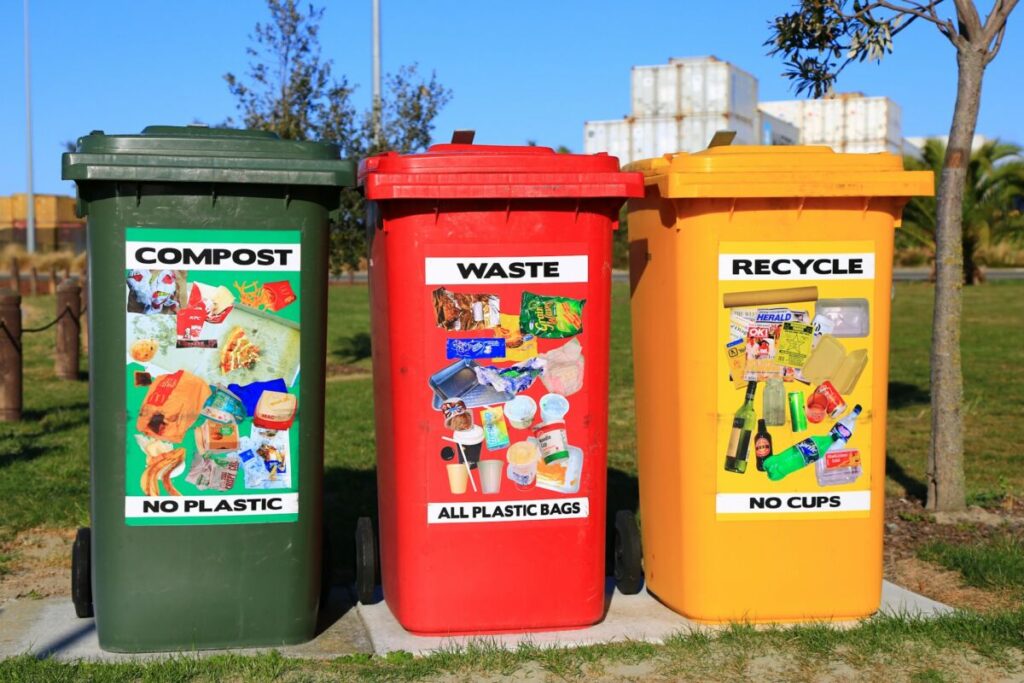
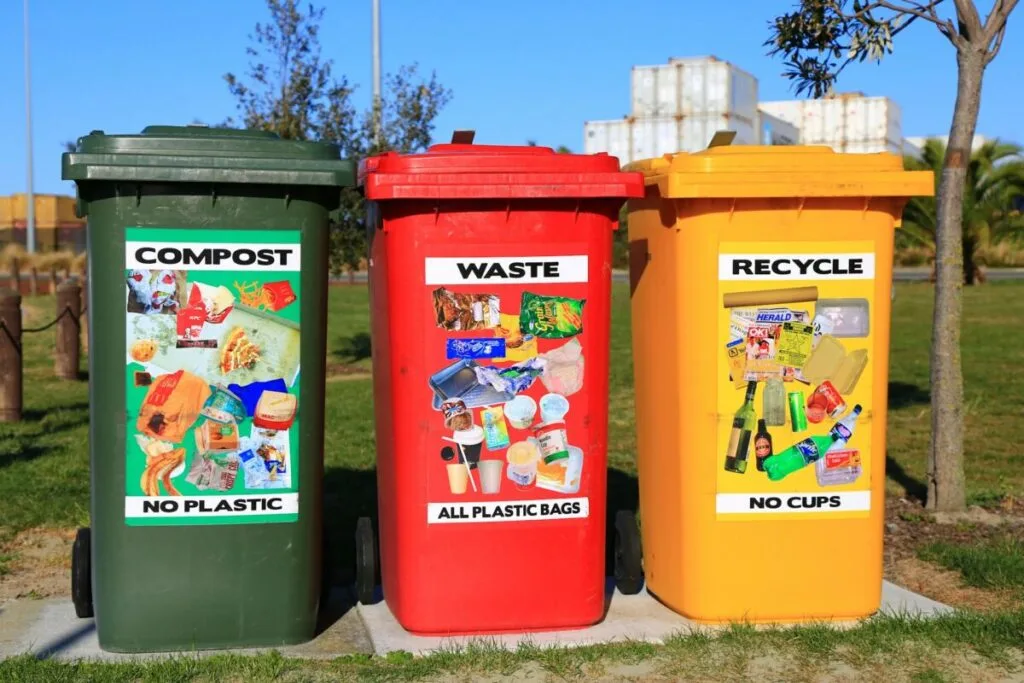
- Follow local collection rules instead of relying only on the recycling symbol or resin number.
- Keep accepted containers reasonably empty and dry when local instructions require it.
- Do not place plastic bags, cords, hoses, or other tangling items in curbside bins unless the program explicitly accepts them.
- Use retailer drop-off programs only when the operator identifies what is accepted and where the collected material goes.
- Ask brands for packaging ingredients, recycled-content evidence, reuse options, and end-of-life instructions.
- Support policies that reduce unnecessary plastic, improve chemical transparency, fund collection, and hold producers responsible for difficult products.
Our guide to practical ways to reduce waste offers additional steps for cutting material use at home without treating every environmental problem as a matter of personal guilt.
Recycling has a role, but not the whole role
Plastic recycling is valuable when it preserves useful material, reduces demand for virgin resin, and operates with suitable controls. Its role is limited by mixed polymers, chemical additives, contamination, quality loss, weak markets, insufficient infrastructure, and the growing volume of plastic entering the economy.
The practical goal is not to abandon recycling. It is to stop asking recycling to compensate for products and production systems that were never designed around safe recovery. Reduction, reuse, safer chemistry, producer responsibility, better recycling, and responsible residual-waste management must work together.
Frequently asked questions
Why can’t all plastic be recycled?
Plastic products use different polymers, additives, pigments, adhesives, coatings, and multilayer structures. A product may also be too contaminated, too small, too difficult to sort, or too expensive to process. Technical recyclability does not guarantee that a local program can collect and sell the recovered material.
How much plastic is recycled globally?
The OECD estimated that 9% of global plastic waste was ultimately recycled in 2019 after accounting for recycling losses. This is a global estimate for 2019, not a current rate that applies to every country, polymer, or local collection program.
Can recycling carry hazardous chemicals into new products?
It can. Recycled feedstock may contain additives, contaminants, legacy chemicals, and non-intentionally added substances. Whether this creates a health risk depends on the substance, concentration, exposure, processing controls, testing, and the new product’s use.
Is chemical recycling better than mechanical recycling?
There is no universal answer. Chemical recycling includes several processes with different feedstocks, energy demands, yields, emissions, and outputs. Mechanical recycling is generally more established for clean, uniform streams. Other processes may help with selected materials but need process-specific lifecycle and emissions evidence.
Should households stop recycling plastic?
No. Households should continue placing locally accepted plastics in the correct collection system. The key is to follow local rules and avoid wishcycling. Recycling should be combined with reducing unnecessary packaging and choosing practical reuse options.
Which policies can reduce plastic pollution most effectively?
A strong policy package can include limits on unnecessary or problematic products, safer chemical standards, reuse targets, deposit-return systems, extended producer responsibility, recycled-content requirements, transparent waste-trade controls, improved collection, and responsible management of residual waste.