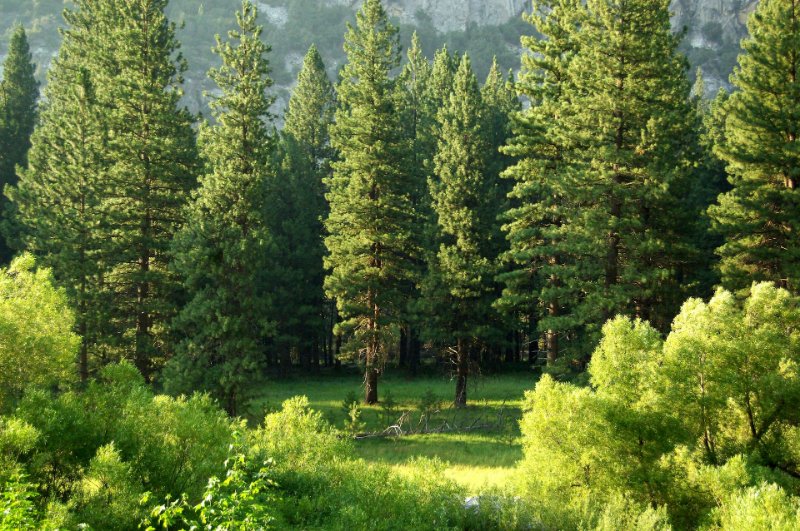
Direct answer: Climate change affects coniferous trees by increasing heat and water stress, changing snowpack and wildfire patterns, and altering pressure from insects and pathogens. The effects are uneven: some populations may gain suitable habitat, while others can lose adult trees, seed sources, or successful seedling recruitment faster than they can adapt or move.
The most effective response is not a single planting campaign. Conifer conservation combines protection of wild populations, climate and fire refugia, habitat connectivity, genetic diversity, disease control, appropriate fire management, ex situ collections, and carefully monitored climate-informed reforestation. Cutting greenhouse-gas emissions remains essential because conservation cannot indefinitely compensate for continued warming.
Coniferous trees include pines, firs, spruces, cedars, junipers, cypresses, yews, araucarias, and podocarps. They do not share one climate response. Their vulnerability depends on the species, population size, elevation, soils, moisture, fire regime, competitors, pathogens, and the condition of the surrounding landscape.
Global risk is already substantial. The most complete worldwide conifer assessment found that 34% of species were threatened with extinction. Climate change adds to existing pressures such as habitat loss, fragmentation, overharvesting, invasive species, and disease rather than replacing them.
Key takeaways
- Hotter droughts can increase water loss, reduce growth, weaken defenses, and raise mortality risk.
- Wildfire is not uniformly harmful: some conifers need periodic fire, but large, severe, or closely repeated fires can remove seed trees and prevent recovery.
- Warmer winters and drought stress can favor some insects, while altered moisture and damage can increase disease pressure.
- Northward or uphill expansion may be slower than losses at warm range edges.
- A forest can retain mature trees while failing to produce a viable next generation, making seedling recruitment a critical early-warning measure.
- In situ protection and ex situ collections work best together and must preserve documented genetic diversity.
- Assisted migration can reduce maladaptation in some projects, but the ecological and social risks generally rise with transfer distance.
How climate change affects coniferous trees
The Intergovernmental Panel on Climate Change has linked human-caused warming with observed increases in wildfire, insect outbreaks, tree mortality, and biome shifts in boreal and temperate forests. Local outcomes still depend heavily on land use, fire history, stand structure, and species traits.
| Climate pressure | How it affects conifers | What may signal trouble |
|---|---|---|
| Hotter drought | Higher atmospheric water demand and dry soils can reduce growth, damage water transport, and increase mortality. | Shorter annual growth, crown thinning, needle discoloration, branch dieback, or mortality concentrated on warm and dry sites. |
| Reduced snowpack or earlier snowmelt | Snow-dependent forests may lose a source of late-season soil moisture. | Earlier soil drying, low streamflow, and poor seedling survival through summer. |
| Altered wildfire | Low- or moderate-severity fire may aid some species, while severe or repeated fire can kill mature trees, cones, seeds, and young regeneration. | Large high-severity patches, few surviving seed trees, short reburn intervals, or conversion to shrubland or grassland. |
| Warmer winters and insect dynamics | Some insects may survive winter more successfully, expand their range, or reproduce more often; drought-stressed trees may be less able to defend themselves. | Pitch tubes, boring dust, galleries under bark, fading crowns, or coordinated mortality across susceptible hosts. |
| Changing pathogen pressure | Heat, moisture shifts, injury, and host stress can change the severity or distribution of some diseases. | Cankers, root decay, stem lesions, resprouting without recovery, or repeated failure of reproductive trees. |
| Range and competition shifts | Suitable climate can move faster than seeds disperse, while competing trees and shrubs may respond at different rates. | Declining recruitment at the warm edge, slow colonization at the cool edge, or a change in dominant vegetation after disturbance. |
Hotter droughts affect more than rainfall totals
A drought becomes more damaging when high temperatures increase evaporation from soils and water loss from foliage. Even where annual precipitation changes little, trees can experience a larger water deficit during the growing season. Natural Resources Canada notes that drought-stressed trees become more susceptible to insects and disease and that dry conditions can also increase fire risk.
Seedlings are especially exposed because their roots are shallow and their stored reserves are small. Mature trees can also cross a physiological threshold after repeated hot, dry years, particularly on exposed slopes, shallow soils, or already crowded sites.
Wildfire is a process, not a single outcome
Some conifers evolved with frequent surface fire, fire-opened cones, or post-fire seedbeds. Removing fire entirely can allow fuels and competitors to accumulate. At the other extreme, a large stand-replacing fire can leave seedlings too far from surviving seed trees, and another fire before young trees reproduce can reset recovery again.
A 2023 study using observations from more than 10,000 western U.S. sites found that warmer, drier conditions were associated with less tree regeneration after wildfire; lower fire severity provided a near-term buffer. The lesson is not that every fire should be suppressed. It is that severity, patch size, frequency, seed availability, and post-fire climate determine whether a conifer forest regenerates.
Giant sequoias show the tradeoff clearly. Periodic prescribed fire can reduce fuels and create regeneration conditions, yet the National Park Service reports that more than 85% of giant sequoia grove acreage burned between 2015 and 2021, with severe fires killing thousands of large trees.
Insects and pathogens can compound climate stress
Warmer winters can improve survival for some bark beetles, while drought can reduce a host tree’s ability to resist attack. Disease outcomes can also change when trees are stressed, wounded, crowded, or growing outside the conditions to which a local population is adapted.
Not every beetle outbreak, canker, or dead crown should be attributed to climate change. Field diagnosis remains necessary because pathogens, stand density, fire injury, soil disturbance, browsing, and management history can produce similar symptoms.
Range shifts are uneven and often too slow
Warming may create new opportunities near a species’ cool range edge, including parts of the Arctic tundra. But a suitable temperature is not enough. Trees must disperse seeds, reach suitable soil and moisture, survive competition and browsing, and reproduce.
A 2023 analysis of North American boreal tree cover from 2000 to 2019 found losses near the southern boundary without compensating expansion beyond the northern boundary. Tree cover increased mainly within the northern interior of the existing biome. This asymmetry matters: rapid losses at one edge can outpace slow establishment at the other.
The hidden warning: mature trees without a next generation
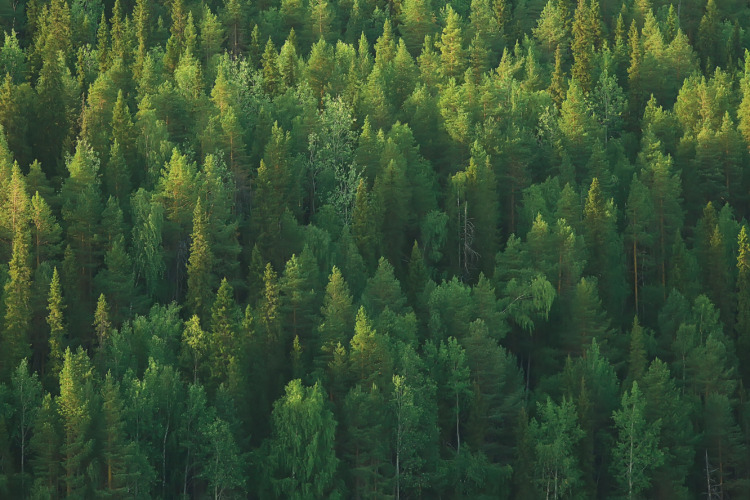
Long-lived conifers can remain standing for decades or centuries after a site becomes poor for reproduction. This creates a demographic lag: canopy cover may look stable while cones produce few viable seeds, germination declines, or seedlings repeatedly die during drought and fire.
That is why adult survival alone is a weak measure of resilience. A credible forest assessment also asks:
- Are seedlings and saplings present across more than one age class?
- Do young trees survive multiple hot or dry seasons?
- Are surviving seed trees close enough to disturbed areas?
- Is regeneration occurring in the full range of microsites, or only in the coolest and wettest pockets?
- Are browsing, invasive plants, disease, or dense competing vegetation preventing establishment?
Recruitment failure can precede obvious canopy decline, making age structure and seedling survival valuable early-warning indicators. Monitoring them also helps managers distinguish a temporary poor seed year from a persistent shift.
Which conifers are most vulnerable?
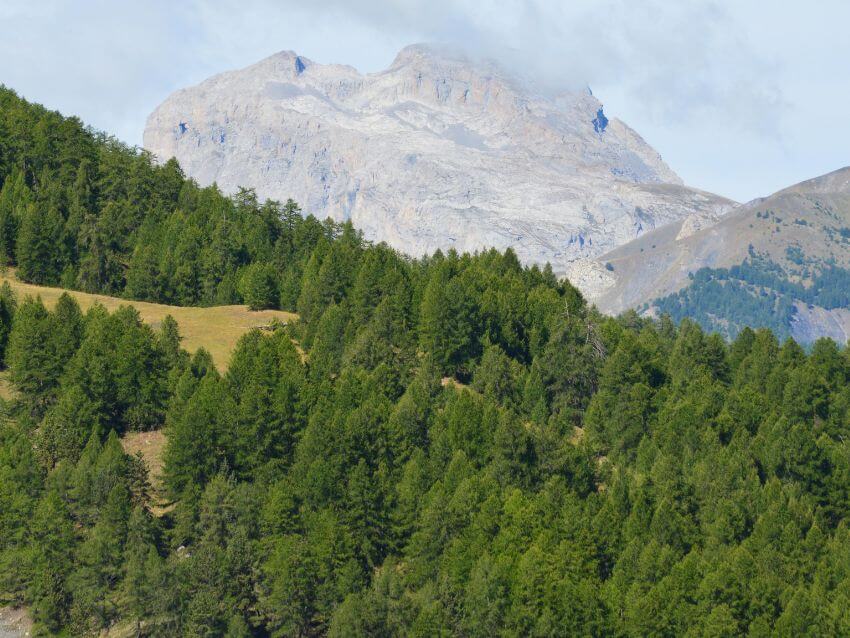
Exposure to warming does not determine risk by itself. The most vulnerable populations tend to combine high exposure with biological sensitivity and limited capacity to adapt, disperse, or recover.
| Vulnerability pattern | Why risk rises | Priority evidence to collect |
|---|---|---|
| Narrow endemic or island species | There may be little room to move and one fire, disease outbreak, storm, or drought can affect much of the population. | Population size, reproductive output, genetic representation, disease status, and viable relocation sites. |
| Small, fragmented populations | Isolation can restrict seed and pollen flow and make recolonization after disturbance less likely. | Connectivity, effective population size, provenance, and barriers to dispersal. |
| Cold- or high-elevation populations | Cool microsites, snowpack, or short growing seasons can shrink while suitable terrain becomes limited near mountaintops. | Snow duration, soil moisture, heat exposure, recruitment elevation, and lower-edge mortality. |
| Warm or dry range-edge populations | Water stress and disturbance may increase before new habitat is occupied at the cool edge. | Growth trends, mortality, seedling survival, competitors, and pace of leading-edge expansion. |
| Species dependent on a specific fire regime | Fire exclusion, excessive severity, or short reburn intervals can all disrupt regeneration. | Historical fire pattern, patch severity, surviving seed trees, cone or seed traits, and time to reproductive maturity. |
| Pathogen-affected narrow endemics | Small populations have little redundancy, while climate stress can interact with disease and habitat change. | Confirmed diagnosis, host resistance, clean propagation material, biosecurity, and ex situ coverage. |
In situ conservation: keep wild populations functioning
In situ conservation protects a species within its natural ecosystem. Unlike a simple distinction between conservation and preservation, effective in situ work often requires active management: reducing avoidable stress, maintaining natural processes, and adapting interventions as conditions change.
Protect climate and fire refugia
Climate refugia are places that remain relatively buffered from regional warming or drying. Fire refugia are areas that stay unburned, burn less often, or burn at lower severity than the surrounding landscape. They can retain mature trees, seed sources, cooler microclimates, and habitat needed for recovery.
Refugia are not guaranteed safe zones. Their value depends on local topography, hydrology, fuels, fire weather, and surrounding land use. Managers should validate modeled refugia in the field and monitor whether their buffering effect persists.
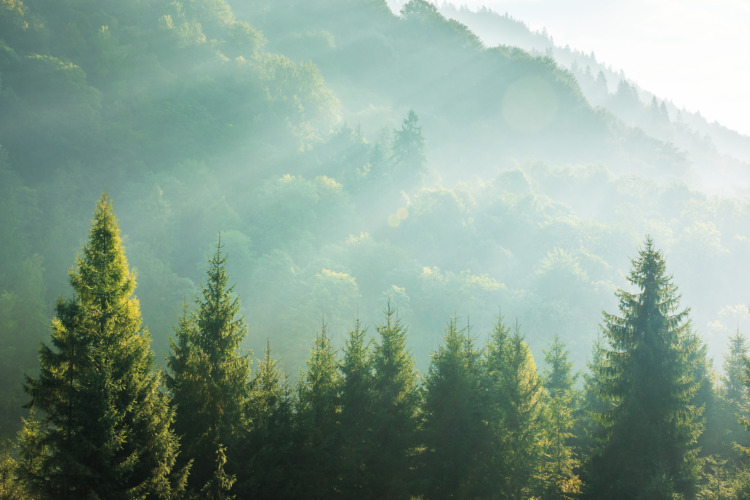
Maintain connectivity without assuming migration will be fast enough
Connected habitat can support seed dispersal, pollen flow, wildlife interactions, and movement across elevation or latitude. Connectivity is most useful when routes include suitable soils, moisture, disturbance conditions, and stepping-stone populations rather than a narrow line on a map.
Because natural movement may still lag behind climate change, connectivity should be paired with regeneration monitoring and a plan for populations that cannot move through heavily altered landscapes.
Restore ecological processes at the local scale
There is no universal fire prescription for conifers. In some dry, fire-adapted forests, prescribed burning and carefully designed thinning can reduce the likelihood of extreme fire and create seedbeds. In fire-sensitive rainforests or tiny endemic populations, preventing ignition and protecting humid refuges may be more important.
Other interventions may include restoring hydrology, limiting damaging browsing, controlling invasive plants, protecting mature seed trees, reducing soil disturbance, and managing recreation around disease-sensitive populations. These actions follow core conservation principles: address the actual limiting factor, protect ecological relationships, and monitor the result.
Protected status is necessary but not sufficient
National parks and other protected areas prevent many forms of land conversion, but boundaries do not stop heat, drought, smoke, insects, pathogens, or severe fire. A protected conifer population still needs climate-informed monitoring, biosecurity, and coordination with neighboring landowners and communities.
Ex situ conservation: insurance outside the wild
Ex situ conservation maintains living plants, seeds, pollen, tissue, or genetic material outside the natural population. Botanical gardens, arboreta, seed banks, nurseries, and research collections can support propagation, disease screening, genetic study, education, and eventual recovery work.
Coverage alone is not enough. A 2014 global survey by Botanic Gardens Conservation International found 81% of threatened conifer taxa in more than 800 ex situ collections, yet 134 threatened taxa were held in very few collections or none. Collections also need known wild provenance, enough unrelated founders, duplicate sites, and records that remain usable over decades.
Wollemi pine: valuable insurance, not a substitute for the wild
The 2025 Australian recovery plan for Wollemi pine (Wollemia nobilis) reports only 45 mature wild individuals and 46 seedlings. Major threats include high-frequency fire, Phytophthora disease, unauthorized visitation, pests, weeds, climate change, and the species’ extremely restricted distribution.
The older claim that every Wollemi pine is genetically identical is also too simple. Advanced genomic work detected three chloroplast lineages, although overall variation remains very low. Cultivation and a globally distributed metacollection reduce the chance that one event will erase all safeguarded material, but they do not make loss of the wild population acceptable or ecologically harmless.
Florida torreya: disease, restricted range, and recovery limits
Florida torreya (Torreya taxifolia), also called Florida nutmeg or stinking cedar, is endemic to slopes along the Apalachicola River in the Florida Panhandle and Georgia. The U.S. Fish and Wildlife Service reports that it has lost at least 98.5% of its population since the early 1900s and identifies the pathogen Fusarium torreyae as a key contributor to continued decline.
The species illustrates why protected land, disease management, propagation, and genetic representation must be coordinated. Its common name should not be confused with true cedars and other trees commonly called cedar. More context on regional threats is available in our guide to endangered species in Florida.
Assisted migration and climate-informed reforestation
Assisted migration is the deliberate movement of genotypes, populations, or species in response to climate change. It is not one action with one level of risk. A 2024 U.S. Forest Service framework distinguishes three broad forms:
| Approach | What moves | Typical purpose | Relative risk |
|---|---|---|---|
| Assisted population migration | Seeds or genotypes within a species’ existing range | Match planted material with expected future conditions while retaining the native species. | Generally the lowest of the three, but still dependent on site and provenance. |
| Assisted range expansion | A species or population near or just beyond its current range edge | Help movement across a dispersal barrier or into newly suitable adjacent habitat. | Moderate and context-dependent. |
| Assisted species migration | A species well beyond its native range | Prevent extinction or maintain ecosystem function when native habitat becomes unsuitable. | Generally the highest and most controversial because ecological interactions are less predictable. |
A defensible assisted-migration decision process
- Define the objective. State whether the project is protecting a rare species, restoring forest cover, maintaining habitat, or testing seed sources. Set measurable success and failure criteria.
- Compare action with the no-action baseline. Estimate the risks of staying with local material as well as the risks of moving it. Uncertainty is not evidence that inaction is harmless.
- Assess the site and climate trajectory. Include soils, hydrology, topography, disturbance, competitors, browsing, pathogens, and more than one plausible climate projection.
- Select material using evidence. Combine provenance trials, common-garden results, genetic information, species ecology, and seed-transfer guidance. A model map alone is not enough to label a seed source climate-ready.
- Evaluate ecological, biosecurity, cultural, and social risk. Consider hybridization, invasiveness, disease movement, effects on dependent species, land tenure, treaty rights, and the knowledge and priorities of Indigenous nations and local communities.
- Start with documented pilots and monitor. Record sources and families, plant comparison groups, track survival and growth, watch ecosystem effects, and retain the ability to stop or revise the approach.
Practical conservation priority matrix
The first intervention should address the limiting process, not the most visible symptom. This matrix is a starting point for field assessment rather than a universal prescription.
| Observed signal | First priority | When to escalate |
|---|---|---|
| Mature canopy remains, but seedlings are scarce | Measure seed production, germination, microsite moisture, browsing, competition, and seedling survival. | Persistent recruitment failure across multiple years or sites warrants restoration trials, seed collection, or climate-informed planting. |
| Large high-severity burn with few surviving seed trees | Map fire refugia and seed-source distances; protect surviving trees and monitor natural regeneration. | Escalate when seed supply, site climate, or repeat-fire risk makes natural recovery unlikely within the management objective. |
| Drought stress followed by beetle or disease symptoms | Confirm the organism and contributing stressors before treatment; protect unaffected refuges and reduce avoidable damage. | Escalate to sanitation, resistance screening, or propagation when diagnosis and monitoring show a spreading threat. |
| Tiny endemic population with one major threat | Use a formal recovery plan, strict biosecurity, duplicated ex situ collections, and documented genetic sampling. | Consider translocation or assisted species migration only after alternatives and recipient-site risks are assessed. |
| Small, isolated populations | Protect habitat between populations, maintain pollen and seed flow, and collect from multiple provenances. | Escalate when isolation is causing reproductive failure, genetic loss, or an inability to recolonize disturbed habitat. |
| Plantation or restoration stock repeatedly fails | Audit species choice, provenance, planting method, site preparation, and climate assumptions. | Run replicated seed-source or species trials before repeating large-scale planting. |
What successful conifer conservation looks like
Success is more than keeping a few old trees alive or counting seedlings immediately after planting. Useful long-term indicators include:
- multiple age classes, including naturally recruited seedlings that survive climatic extremes;
- reproductive adults and viable seed production;
- genetic representation from appropriate populations and families;
- retained climate or fire refugia and functioning habitat connections;
- disturbance patterns that remain compatible with regeneration;
- biosecurity that prevents conservation work from spreading pathogens;
- transparent records, repeat monitoring, and management that changes when evidence changes; and
- durable collaboration with Indigenous nations, local communities, landowners, scientists, gardens, and public agencies.
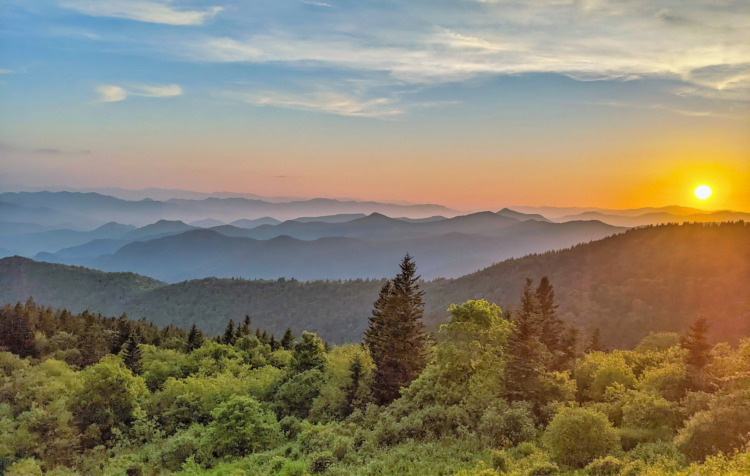
Conifers survived major climate shifts in the past, but that history is not a guarantee of safety today. Rapid warming now interacts with fragmented landscapes, altered disturbance regimes, introduced pathogens, and small populations. The practical goal is not to freeze every forest in its current state; it is to preserve species, ecological function, genetic options, and the capacity to adapt.
Local conservation can reduce near-term losses, while stronger limits on future warming determine how much suitable habitat remains. That combination—emissions reduction plus evidence-based conservation—best supports the long-term goal of conservation: viable wild populations within functioning ecosystems.
Frequently asked questions
How does climate change affect coniferous trees?
Climate change can increase heat and water stress, alter snowpack and wildfire, and change pressure from insects and pathogens. Effects vary by species and site, and seedling failure may appear before adult-tree decline.
Will coniferous trees simply move north or uphill?
Not necessarily. Suitable climate can shift faster than seeds disperse, and establishment also depends on soil, moisture, competition, browsing, fire, and habitat connectivity. Losses at warm range edges may outpace gains elsewhere.
Are wildfires always harmful to conifers?
No. Some conifers depend on periodic fire for seed release, open growing space, or reduced competition. Large high-severity patches and short reburn intervals can still remove seed sources and prevent forest recovery.
What is the difference between in situ and ex situ conservation?
In situ conservation protects wild populations within their ecosystems. Ex situ conservation safeguards plants, seeds, pollen, or tissue in gardens, seed banks, nurseries, or laboratories. Strong recovery programs often use both.
What is assisted migration in forest conservation?
Assisted migration deliberately moves genotypes, populations, or species in response to climate change. It ranges from moving seed within a species range to moving a species beyond its native range, with risk generally rising with distance.
Which conifers are most vulnerable to climate change?
Risk is often highest for narrow endemics, island or high-elevation species, small fragmented populations, warm-edge populations, pathogen-affected species, and conifers whose regeneration depends on a fire regime that is changing.
Sources and further reading
- IPCC AR6 Working Group II, Chapter 2: Terrestrial and Freshwater Ecosystems
- Reduced fire severity offers a near-term buffer to climate-driven declines in conifer resilience across the western United States
- Northern expansion is not compensating for southern declines in North American boreal forests
- U.S. Forest Service practical framework for applied forestry assisted migration
- Botanic Gardens Conservation International global survey of ex situ conifer collections
- Australian National Recovery Plan for the Wollemi Pine
- U.S. Fish and Wildlife Service species profile for Florida torreya
See Related: Sarah Ott’s Climate Change Conversion: From Skeptic to Science Educator
See Related: Guardians of the Globe: The Incredible Animals That Are Helping Fight Climate Change