
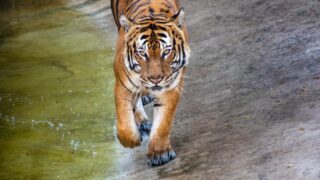
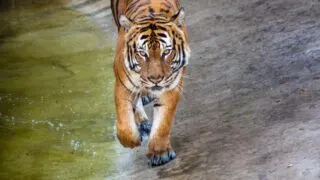
The Malayan tiger is Critically Endangered, with about 150 believed to remain in Malaysia’s wild forests. Learn where it lives, what it eats, why it is disappearing, and what effective conservation requires.


Several well-known celebrities use their platforms and resources to advocate for environmental preservation, climate action, and conservation.
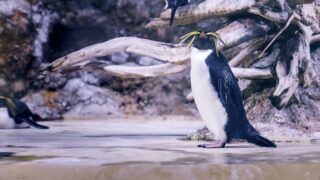
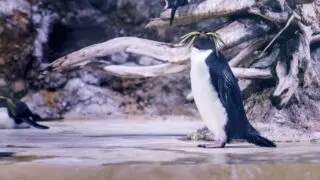
Northern rockhopper penguins are Endangered and still declining. Learn where they live, how many remain, what threatens them, and how conservation helps.

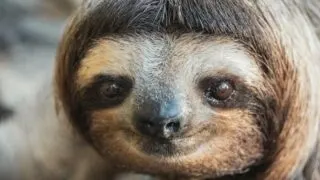
Pygmy Three-Toed Sloths are the world’s smallest sloths. Found only on Isla Escudo de Veraguas — a tiny island off the Caribbean coast of Panama — the pygmy three-toed sloth (Bradypus pygmaeus) has a slow metabolism and is Critically Endangered, with likely fewer than 100 individuals left because of habitat loss and fragmentation. The Pygmy …
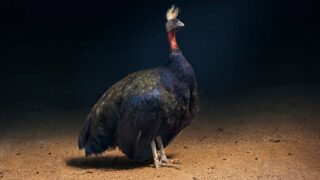
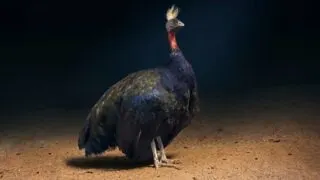
The Congo peafowl (Afropavo congensis) is the only peafowl native to Africa and the sole living member of the genus Afropavo. It is one of the world’s three peafowl species, alongside the Indian (blue) peafowl and the green peafowl, and it is the national bird of the Democratic Republic of the Congo.

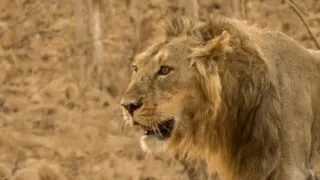
The Asian lion, or Asiatic lion, is an endangered population restricted to Gujarat, India. Find out why it is endangered and what conservation efforts are underway.
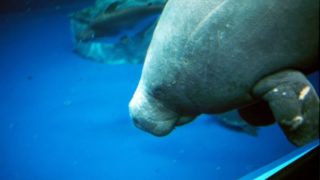
The West African manatee is classified as Vulnerable by the IUCN, with fewer than 15,000 individuals remaining due to habitat loss and bycatch.
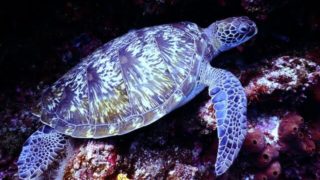
Description The Hawksbill sea turtle is a medium-sized turtle that lives in a wide band across the tropical and subtropical oceans of the world. Seldom reaching more than 115 centimeters in length and 75 kilograms, these turtles spend nearly their entire lives in the ocean, with the females only coming ashore to lay their eggs. …
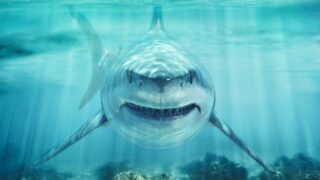
Great white sharks are not formally classified as Endangered, but they are globally Vulnerable. Here’s what their status means, why population estimates are uncertain, and how bycatch, trade, slow reproduction, and shark-control programs affect their future.
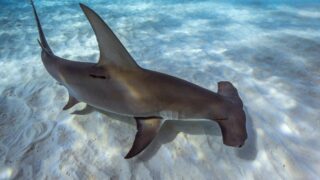
Great Hammerhead Sharks are found in warm coastal and offshore waters throughout the tropics and subtropics worldwide. They have a dorsal fin that is long-based with a “sickle” shape to it.