
What is the importance of wildlife conservation? Is it that crucial? This guide gives you all you need to know about wildlife conservation.
Species & Wildlife

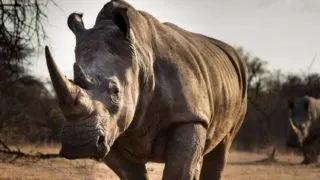
White rhinos or the Ceratotherium simum are large, herbivores that live in the African regions of Kenya and Uganda. These rhinos are one of the largest land mammals on Earth, but they are rapidly becoming endangered due to poaching for their horns.


Sumatran Rhinos are a subspecies of Rhino, and they live only on the island of Sumatra in Indonesia. They are the only Asian rhino with a distinctive three-dimensional body shape and dense covering. They are the most threatened rhino species.
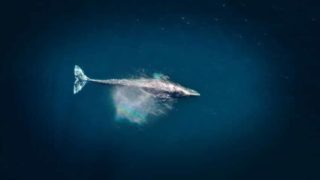
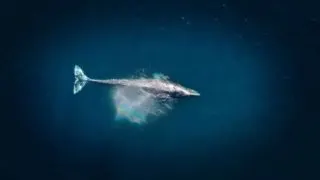
Are you aware there is an animal on Earth that is bigger than the largest dinosaur and longer than a full-size basketball court? This gigantic animal is the blue whale!

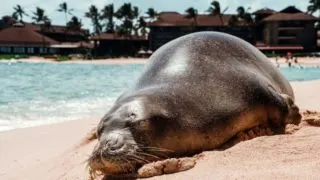
Hawaiian monk seals are one of the Hawaiian islands’ most iconic animals. This species conservation is a top priority and it is estimated that there are less than 1,200 individuals left in the wild. With these beautiful animals facing extinction soon, we wanted to shed some light on what you need to know about them …
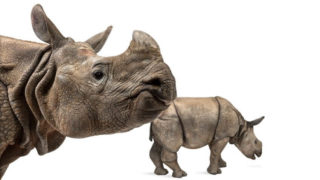
Indian rhinos, or the Greater one-horned rhinos, are the second-largest Asian rhinos in the world. They are beautiful creatures and are sadly vulnerable. There are many reasons for this, but we can all do our part to help save this amazing animal.

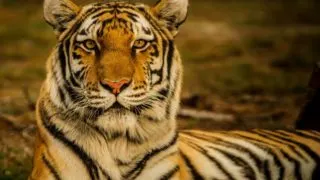
Bengal tigers are the largest of all living cats. Bengal tigers have a heavy, somewhat stocky build and their round face is framed by short, thick fur. Bengal tigers vary in color from rich orange to light yellow with stripes that vary from pale gray to deep black.

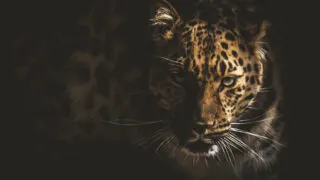
The Jaguar is one of the most iconic animals in the world, but they’re also one of the most endangered. Learn about what’s causing the species to disappear and what we can do to save them.
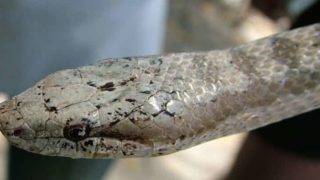
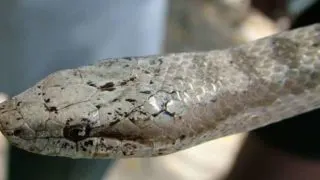
Antiguan racer snakes are a rare and critically endangered species of snake. Their tiny population is only found in Antigua and Barbuda in the Caribbean.
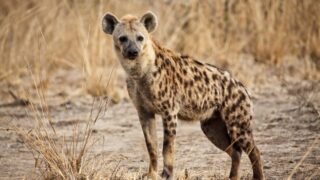
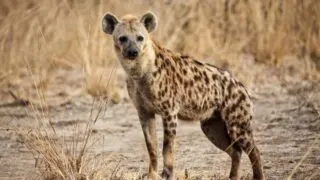
Spotted Hyenas are hyenas native to Sub-Saharan Africa south of the Sahara. They are, like many other big predators, harassed by poachers and hunters. The IUCN classifies these species as vulnerable, but they are not currently in danger of extinction.