
No car is environmentally harmless. Manufacturing, batteries, tires, roads, fuel production, and electricity generation all carry environmental costs. Still, choosing a smaller and more efficient vehicle can substantially reduce the emissions and energy use associated with driving.
For 2026, the Lucid Air Pure RWD with 19-inch wheels has the highest combined EPA efficiency rating among the models in this guide at 146 MPGe. It is not automatically the most environmentally responsible purchase for every driver, however. The better choice is usually the smallest efficient electric car, hybrid, or plug-in hybrid that meets your actual passenger, cargo, range, and charging needs.
This guide compares ten eco-friendly cars using current EPA and Department of Energy ratings, starting prices, practical usability, and lifecycle tradeoffs. It does not claim hands-on testing.
Last verified: July 29, 2026. Prices, trims, range ratings, and availability can change. Verify the exact vehicle configuration before buying.
Key takeaways
- Battery electric vehicles usually produce fewer lifetime greenhouse-gas emissions than an average gasoline car, even after battery manufacturing is considered, but electricity generation and battery size still matter.
- MPGe compares energy use across fuels. For EVs, a lower kWh-per-100-mile figure means the vehicle uses less electricity to travel the same distance.
- A highly efficient hybrid can be a practical lower-emission choice for drivers who cannot charge at home or work.
- A plug-in hybrid delivers its intended benefit only when its battery is charged regularly.
- Large electric SUVs and pickups use more energy and materials than smaller EVs. Choose one only when the extra space, seating, bed, or towing ability is genuinely necessary.
- Federal clean-vehicle purchase credits are not available for vehicles acquired after September 30, 2025. State, local, and utility programs may still apply.
What makes a car eco-friendly?
An eco-friendly car uses relatively little energy, produces low or zero tailpipe pollution, and has a lower overall environmental burden than comparable vehicles. That comparison should include the vehicle’s size, manufacturing, battery, fuel or electricity source, driving efficiency, expected mileage, maintenance, and useful life.
Tailpipe emissions remain important. The EPA estimates that a typical gasoline passenger vehicle emits about 4.6 metric tons of carbon dioxide per year, although the result changes with fuel economy and annual mileage. Electric vehicles have no tailpipe emissions, while hybrids and plug-in hybrids still produce emissions whenever their gasoline engines run.
Zero tailpipe emissions do not mean zero total emissions. Electricity generation can create pollution, and manufacturing an EV battery requires energy and raw materials. Even after those factors are included, the EPA reports that an EV typically produces fewer lifecycle greenhouse-gas emissions than an average gasoline vehicle.
The advantage varies by location. Charging with a cleaner electricity mix generally lowers an EV’s operating emissions, which is why it helps to understand which energy sources produce the least greenhouse gases.
How we selected these cars
The recommendations use five criteria:
- EPA efficiency: Combined MPGe for EVs and plug-in hybrids, combined MPG for hybrids, and kWh per 100 miles for EVs.
- Tailpipe emissions: Battery EVs receive an operating advantage because they produce no tailpipe exhaust.
- Vehicle class and size: A compact sedan and a full-size pickup do not have the same material or energy requirements.
- Practical fit: Passenger capacity, cargo space, range, home-charging access, and long-distance usability matter.
- Current availability and price: The list prioritizes 2026 U.S.-market vehicles with published efficiency data and current pricing.
The standardized figures come primarily from the 2026 EPA and Department of Energy Fuel Economy Guide. EPA ratings make consistent comparisons possible, but actual range and energy use vary with temperature, speed, elevation, tires, cargo, towing, climate control, and driving style.
What MPGe means
MPGe stands for miles per gallon of gasoline-equivalent. The EPA defines one gallon-equivalent as 33.7 kilowatt-hours of energy. MPGe makes it possible to compare the energy efficiency of electricity, gasoline, and other fuels on a common basis.
For EV shoppers, kWh per 100 miles is often the clearest number: lower is better. An EV using 23 kWh per 100 miles consumes less electricity over the same distance than one using 50 kWh per 100 miles. Neither number measures manufacturing emissions, however, so vehicle size and battery capacity still deserve attention.
Eco-friendly cars compared
| Vehicle and efficient configuration | Powertrain | EPA combined efficiency | Electric range | Starting price | Best fit |
|---|---|---|---|---|---|
| Lucid Air Pure RWD, 19-inch wheels | EV | 146 MPGe; 23 kWh/100 mi | 420 miles | $70,900 | Long-range luxury sedan |
| Tesla Model 3 Standard RWD | EV | 139 MPGe; 24 kWh/100 mi | 321 miles | $36,990 | Efficient daily commuter |
| Tesla Model Y Standard RWD, 18-inch wheels | EV | 138 MPGe; 24 kWh/100 mi | 321 miles | $39,990 | Efficient compact crossover |
| Toyota bZ XLE FWD Plus | EV | 131 MPGe; 26 kWh/100 mi | 314 miles | $37,900 | Non-Tesla family crossover |
| Chevrolet Equinox EV LT 1 FWD | EV | 108 MPGe; 31 kWh/100 mi | 319 miles | $34,995 | Value-focused family EV |
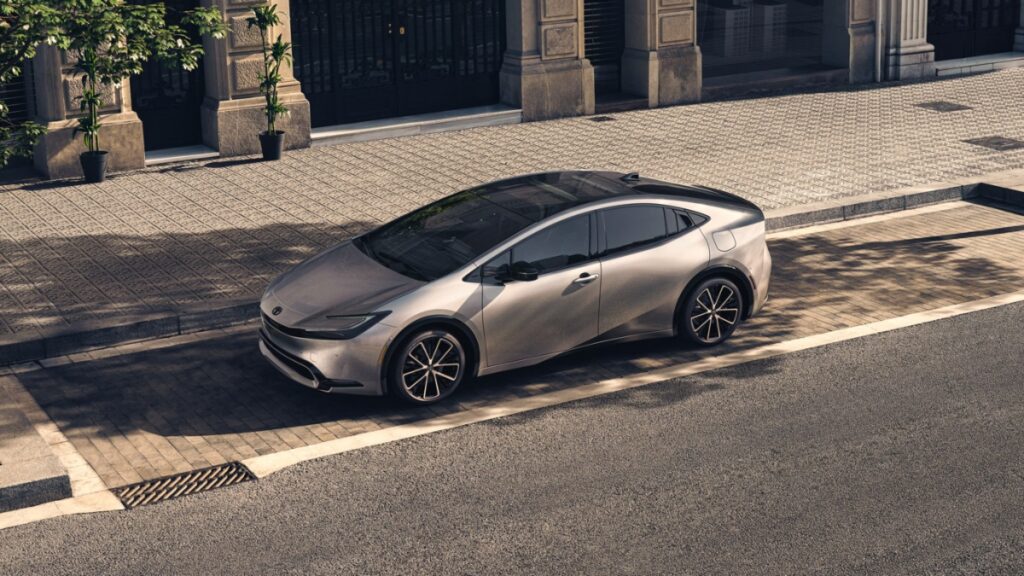
| Toyota Prius LE | Hybrid | 57 mpg | Not applicable | About $29,745 | Driver without regular charging |
| Toyota Prius Plug-in Hybrid SE | Plug-in hybrid | 127 MPGe; 52 mpg on gasoline | 44 miles | $33,775 | Short commute plus road trips |
| Kia Niro FE | Hybrid | 53 mpg | Not applicable | $27,390 | Efficient small crossover |
| Hyundai Ioniq 9 S RWD | EV | 92 MPGe; 37 kWh/100 mi | 335 miles | $60,555 including destination | Three-row family |
| Chevrolet Silverado EV | EV pickup | 64–70 MPGe; 48–52 kWh/100 mi | 283–493 miles, depending on configuration | $52,800 commercial; $55,895 consumer | Driver who genuinely needs a pickup |
The table is not a simple best-to-worst environmental ranking. The Silverado EV, for example, uses far more electricity than the Lucid Air, Model 3, or Prius Plug-in Hybrid, but it can be a meaningful improvement for someone who genuinely needs to replace a gasoline work truck. It would be an inefficient choice for a person who only needs a commuter car.
The most eco-friendly cars for different lifestyles
1. Lucid Air Pure: Best EPA efficiency and long-range luxury
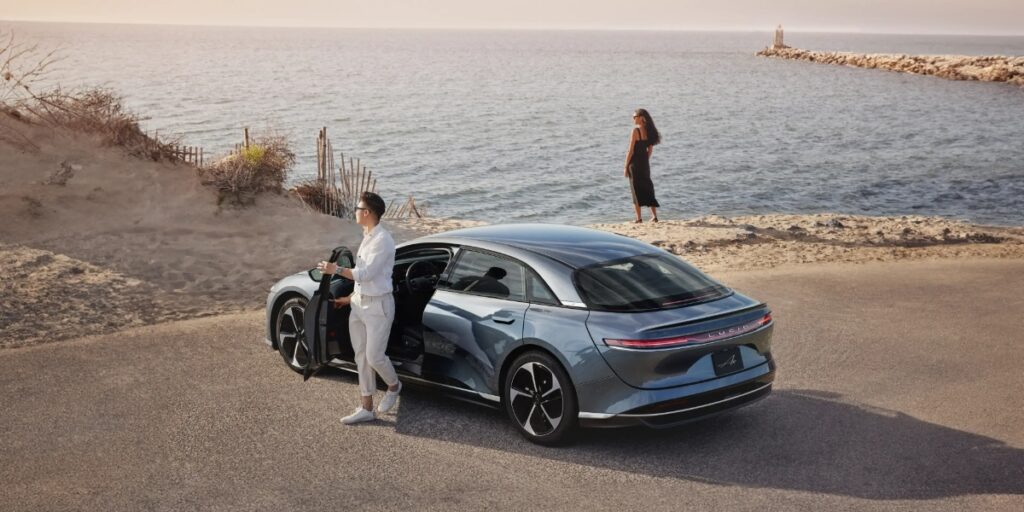
The 2026 Lucid Air Pure RWD with 19-inch wheels is rated at 146 MPGe, 23 kWh per 100 miles, and 420 miles of EPA range. Those figures make it exceptionally efficient for a large luxury sedan.
Its long range can reduce charging stops on road trips, while its relatively low electricity consumption avoids the energy penalty associated with many large, high-performance EVs. The efficiency rating depends on the rear-wheel-drive configuration and 19-inch wheels; larger wheels reduce range and efficiency.
- Best for: A high-mileage driver who wants luxury, long range, and class-leading energy efficiency.
- Why it made the list: 146 MPGe and 420 miles of EPA range are an unusual combination.
- Watch for: Its $70,900 starting price, large-car material footprint, insurance cost, and limited relevance to budget shoppers.
The Air Pure demonstrates that a large sedan can be highly energy efficient, but it should not be interpreted as environmentally superior to every smaller or already-existing vehicle.
2. Tesla Model 3 Standard RWD: Best efficient mainstream sedan
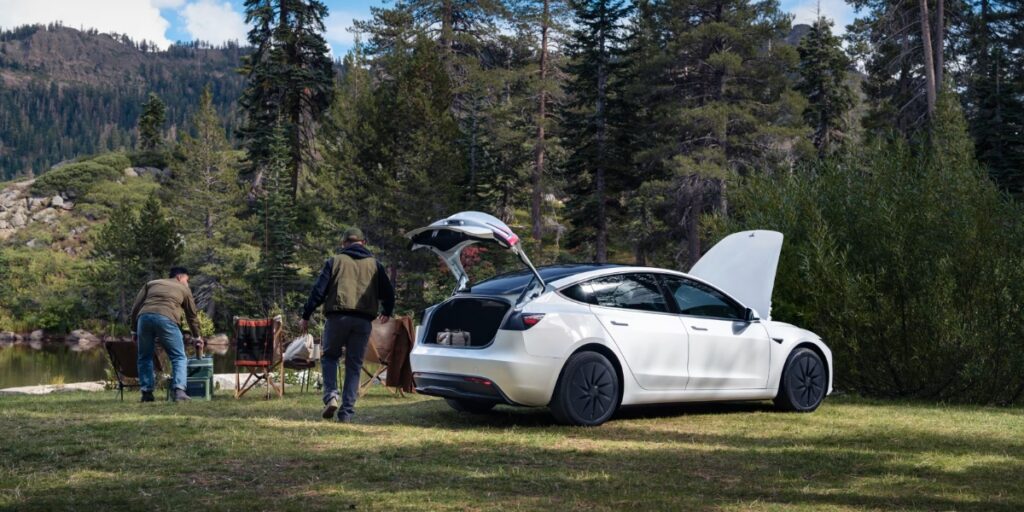
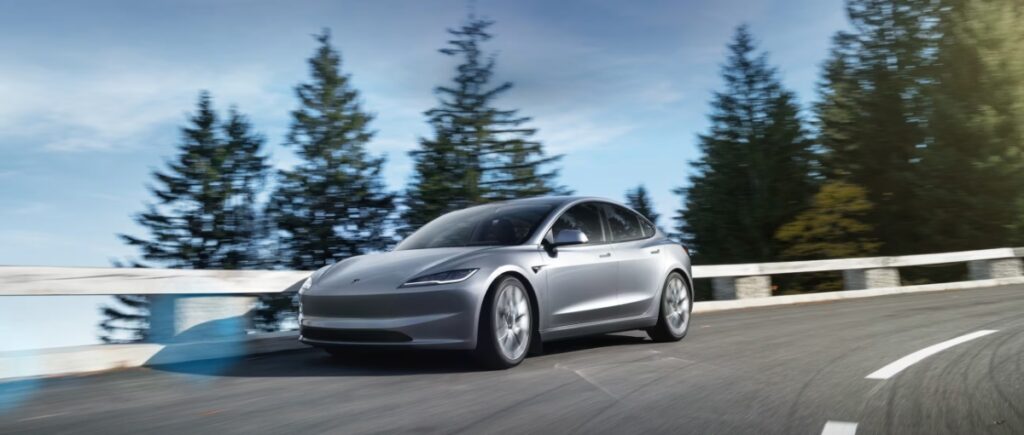
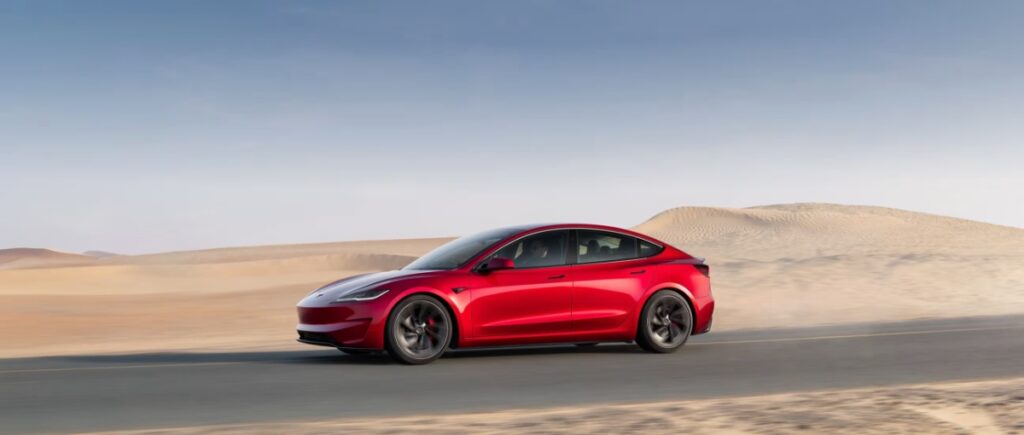
The 2026 Tesla Model 3 Standard RWD combines a $36,990 listed MSRP with 139 MPGe, energy consumption of 24 kWh per 100 miles, and 321 miles of EPA range.
That combination makes it one of the strongest efficiency-to-price options in the current market. It uses only slightly more energy than the Lucid Air Pure while costing substantially less. A sedan body also requires less frontal area and usually less mass than a similarly equipped SUV.
- Best for: Commuters and small households with reliable home, workplace, or nearby charging.
- Why it made the list: High EPA efficiency, more than 300 miles of range, and a comparatively accessible EV price.
- Watch for: Frequently changing manufacturer pricing, insurance premiums, repair access, and whether the sedan body provides enough cargo flexibility.
Readers new to the brand can also review whether Teslas use gasoline and how their battery-electric powertrains differ from hybrids.
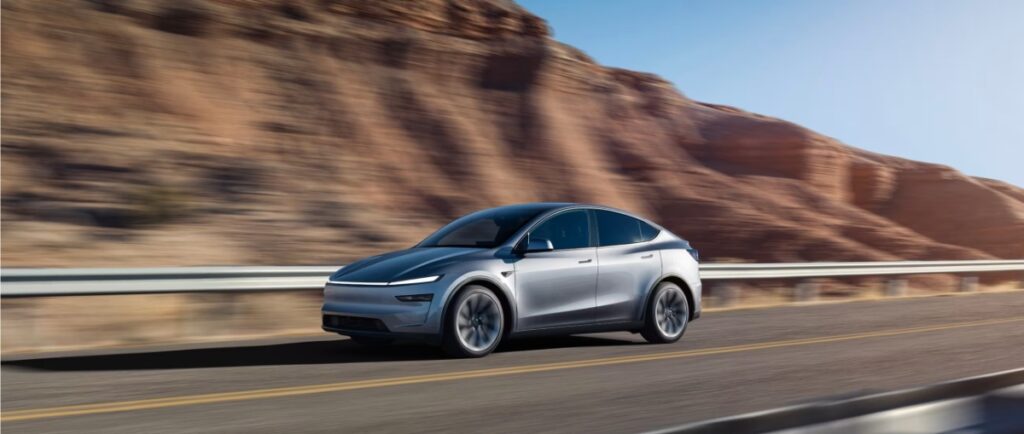
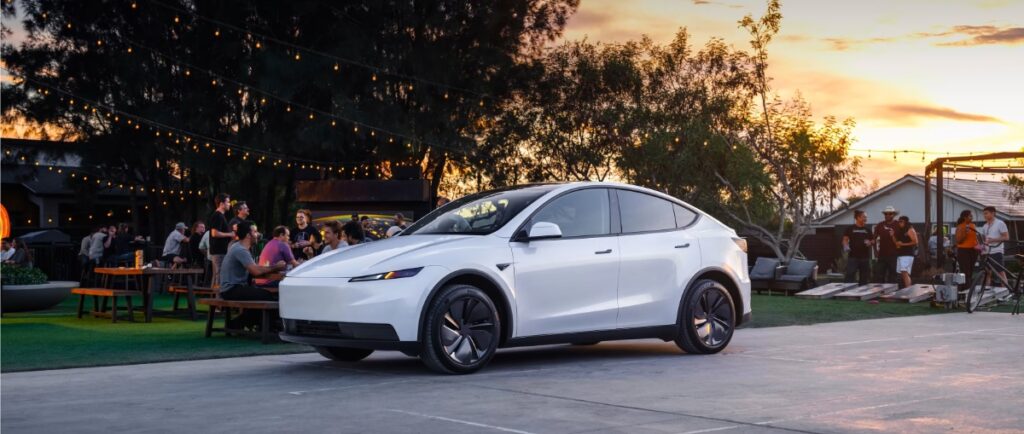
3. Tesla Model Y Standard RWD: Best high-efficiency crossover
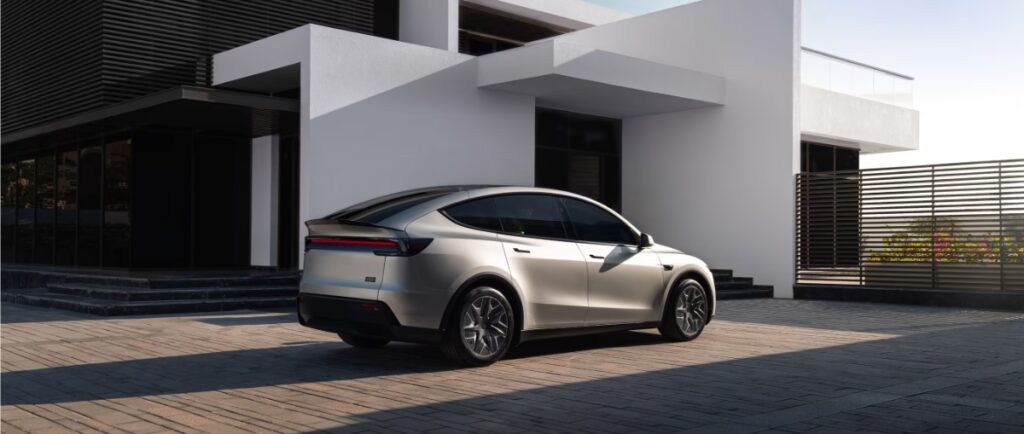
The 2026 Tesla Model Y Standard RWD with 18-inch wheels is rated at 138 MPGe, 24 kWh per 100 miles, and 321 miles of range. It gives up very little efficiency compared with the Model 3 while offering the seating position and cargo shape many households prefer.
The exact configuration matters. The Standard RWD model with 18-inch wheels is more efficient than versions with larger wheels, all-wheel drive, or performance-oriented equipment. Shoppers should compare the EPA label for the trim they plan to purchase rather than applying the best rating to every Model Y.
- Best for: A household that needs crossover utility but does not need a full-size SUV.
- Why it made the list: Sedan-like electricity consumption in a compact SUV format.
- Watch for: Efficiency declines with larger wheels and higher-performance drivetrains.
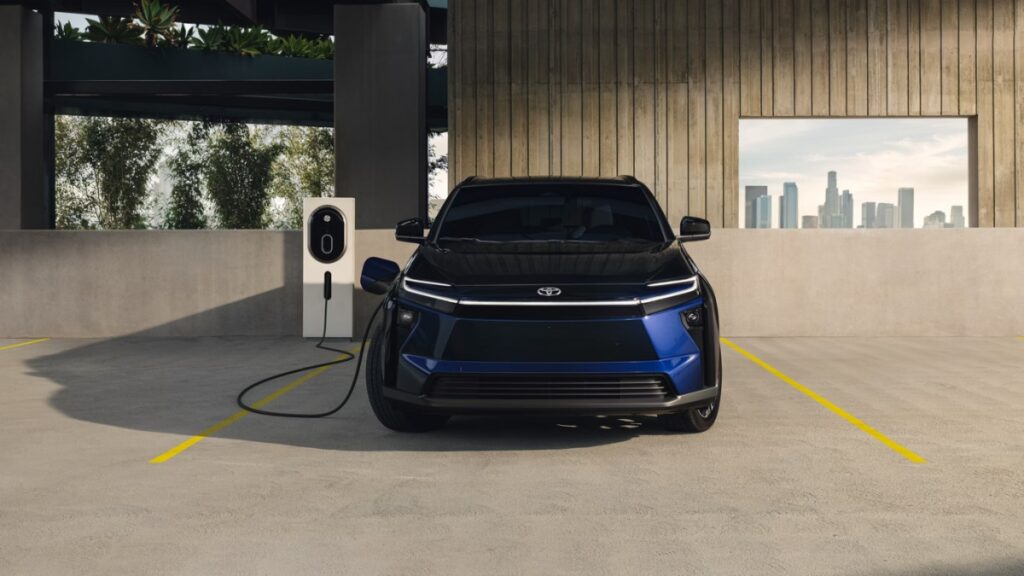
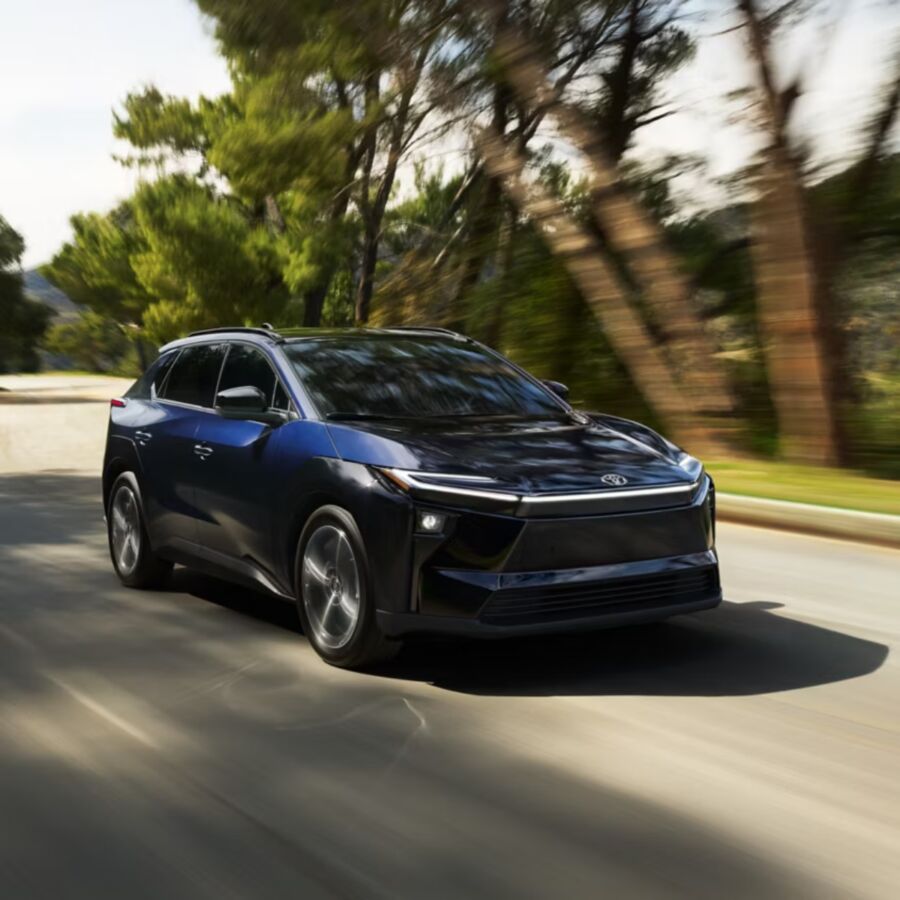
4. Toyota bZ XLE FWD Plus: Best efficient non-Tesla crossover
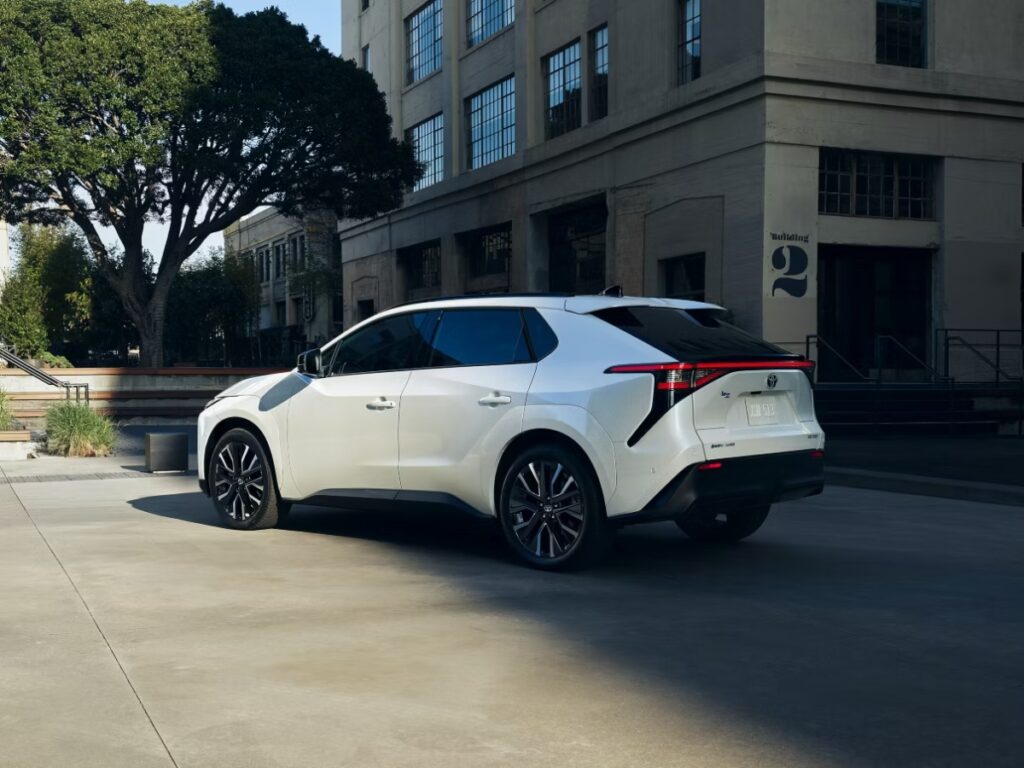
The 2026 Toyota bZ XLE FWD Plus is rated at 131 MPGe, 26 kWh per 100 miles, and 314 miles of EPA range. It is one of the most energy-efficient electric crossovers available outside Tesla’s lineup.
Trim selection requires care. The bZ line begins at $34,900, but the base XLE FWD is rated for 236 miles. The approximately $37,900 XLE FWD Plus is the configuration associated with the 314-mile range. Buyers should not assume that the lowest advertised price includes the longest-range battery.
- Best for: A family wanting an efficient electric crossover from an established full-line automaker.
- Why it made the list: Strong 131-MPGe efficiency and a useful 314-mile long-range configuration.
- Watch for: Major range differences among trims, charging conditions, and local inventory of the FWD Plus configuration.
5. Chevrolet Equinox EV LT 1 FWD: Best value-focused family EV
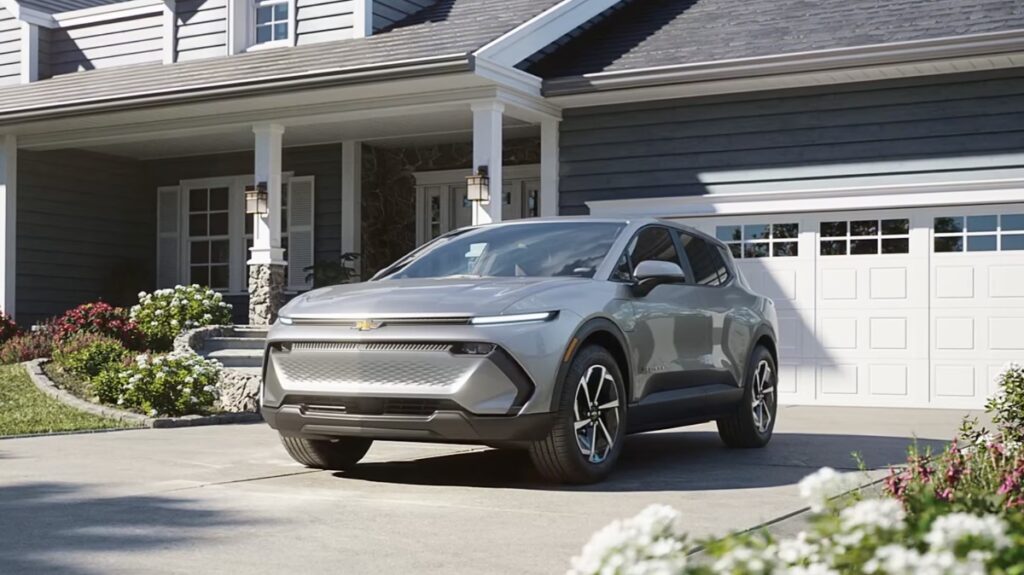
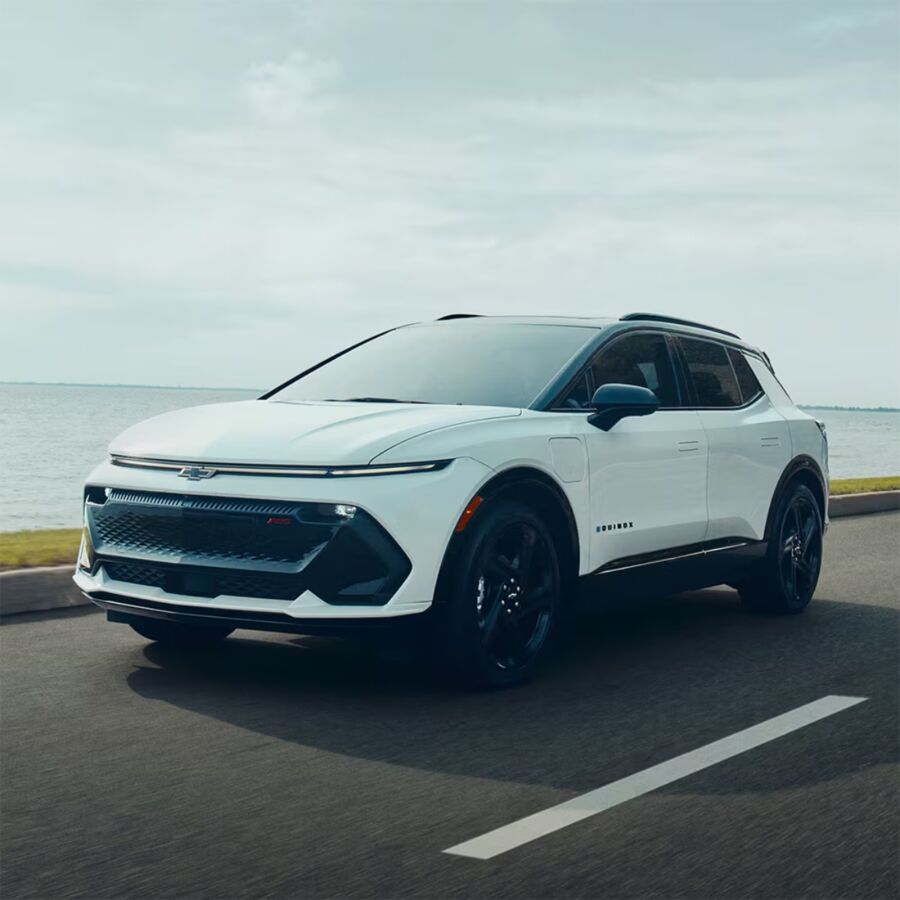
The 2026 Chevrolet Equinox EV LT 1 FWD starts at $34,995 and carries a 319-mile EPA range rating. The front-wheel-drive Equinox EV is rated at 108 MPGe and 31 kWh per 100 miles.
It is not as energy efficient as the Model Y or Toyota bZ, but it provides more family-oriented space at a competitive starting price. That makes it a reasonable compromise for buyers who need a larger cabin and cargo area but do not need a three-row SUV.
- Best for: Families prioritizing price, cabin space, and more than 300 miles of range.
- Why it made the list: Useful range and family practicality at one of the lower starting prices among long-range electric crossovers.
- Watch for: Higher electricity use than smaller EVs and lower efficiency from all-wheel-drive or larger-wheel configurations.
6. Toyota Prius LE: Best for drivers without regular charging
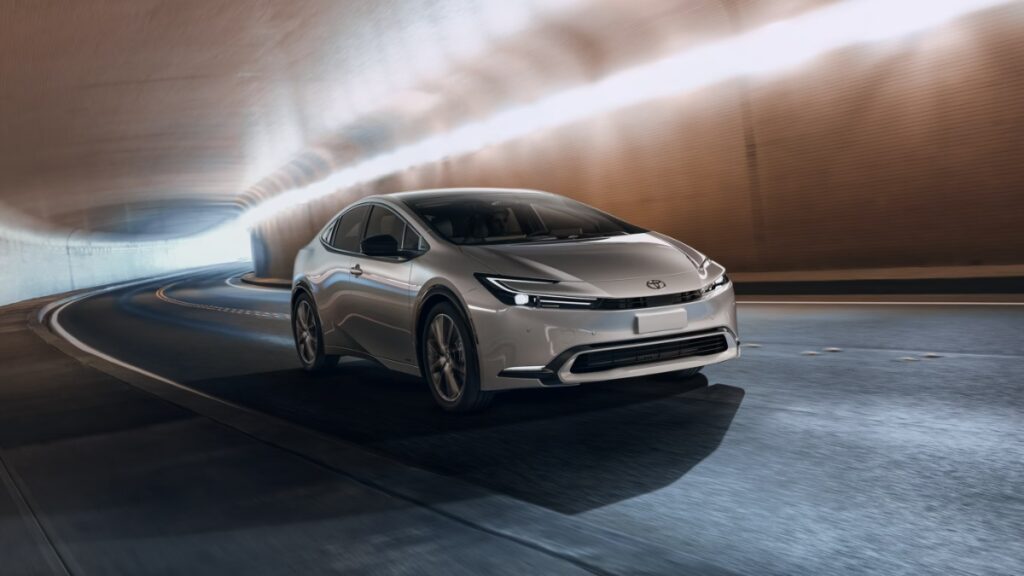
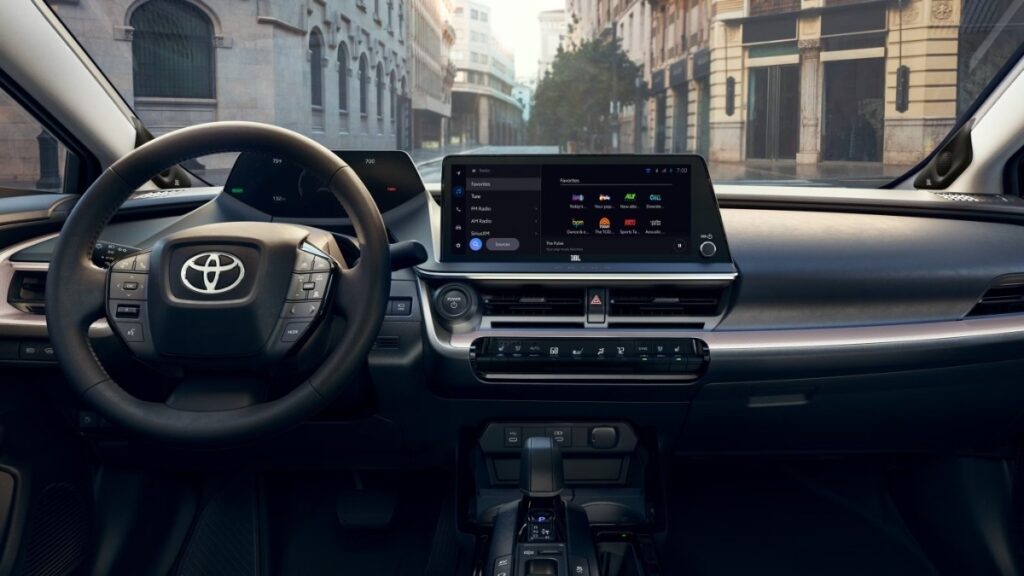
The 2026 Toyota Prius LE is rated at 57 mpg combined, making it the most fuel-efficient conventional hybrid in the EPA’s 2026 midsize-car listings. Current published pricing places the entry model at about $29,745.
A Prius does not need to be plugged in. Its smaller battery captures braking energy and assists the gasoline engine, improving fuel economy without changing the driver’s refueling routine. That can make it a practical option for apartment residents, street parkers, rural drivers, or anyone without dependable charging.
- Best for: High-mileage drivers who cannot charge regularly.
- Why it made the list: 57-mpg combined efficiency, proven hybrid architecture, and no charging requirement.
- Watch for: It still burns gasoline and produces tailpipe emissions. Higher trims and all-wheel-drive versions return lower fuel economy.
Better fuel economy reduces gasoline consumption, but it does not remove the wider environmental costs of fossil fuels.
7. Toyota Prius Plug-in Hybrid SE: Best for short electric trips and long road journeys
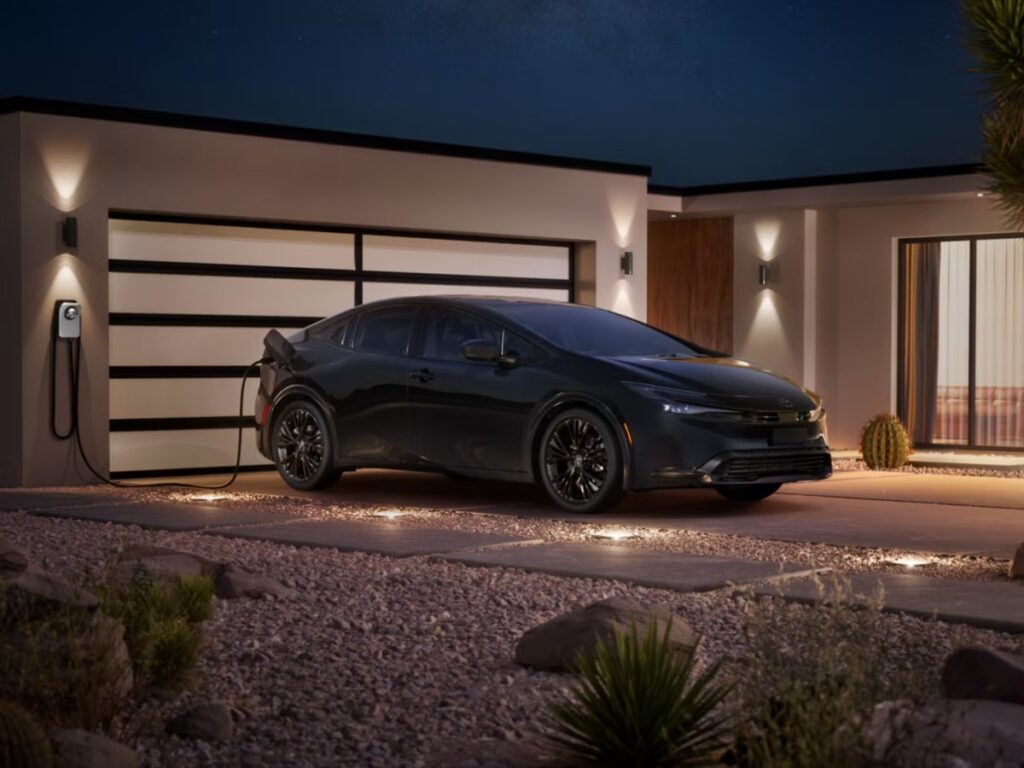
The 2026 Toyota Prius Plug-in Hybrid SE starts at $33,775. It is rated for up to 44 miles of electric driving, 127 MPGe when using electricity and gasoline, and 52 mpg when operating as a gasoline hybrid.
It is a strong fit for a driver whose normal commute falls within the electric range but who occasionally takes longer trips. Regular overnight charging can allow many weekday journeys to occur without starting the engine, while the gasoline system eliminates the need to stop for charging on every long trip.
- Best for: A household with home charging, a commute under roughly 44 miles, and frequent long-distance travel.
- Why it made the list: Useful electric range combined with 52-mpg gasoline operation after the battery’s electric range is used.
- Watch for: A PHEV’s environmental advantage shrinks when it is rarely charged. Drivers who will not plug it in should consider a conventional Prius instead.
8. Kia Niro FE: Best efficient small hybrid crossover
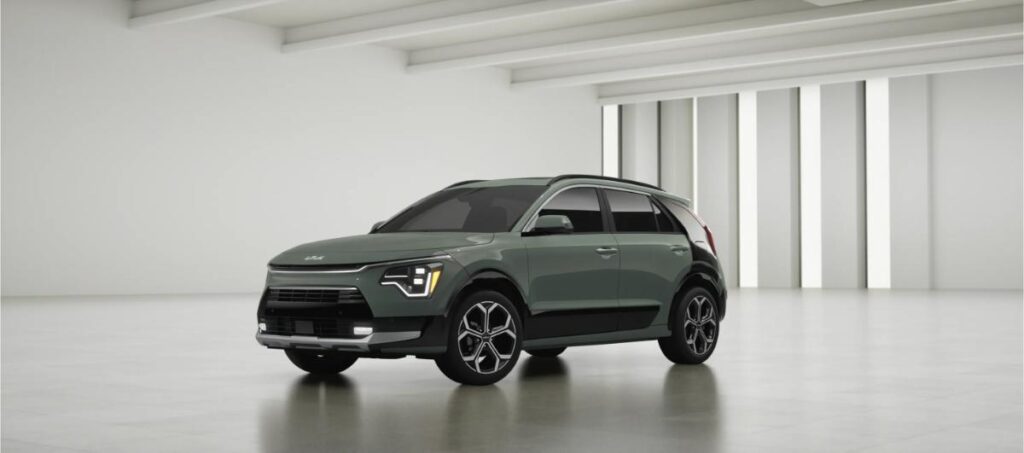
The 2026 Kia Niro FE combines a crossover-style body with a 53-mpg combined EPA rating. Kia lists the Niro hybrid from $27,390 before its destination charge.
The Niro offers a higher seating position and more flexible cargo area than a conventional sedan without moving into a large SUV class. The FE configuration is the efficiency leader; other Niro hybrid trims are rated at 49 mpg combined.
- Best for: A driver who wants compact-crossover practicality without home charging.
- Why it made the list: 53-mpg efficiency, comparatively low entry price, and useful cargo flexibility.
- Watch for: Front-wheel drive only, continued gasoline use, and lower efficiency on trims other than the FE model.
9. Hyundai Ioniq 9 S RWD: Best efficient three-row EV

The 2026 Hyundai Ioniq 9 S RWD is rated at 92 MPGe, 37 kWh per 100 miles, and 335 miles of EPA range. Hyundai lists it at $58,955 before freight, or $60,555 including the published destination charge.
Those figures are not competitive with a compact EV, but they are strong for a large three-row electric SUV. The Ioniq 9 can replace a gasoline family SUV without requiring buyers to give up three usable seating rows.
- Best for: A family that regularly uses three rows and can charge a large EV at home.
- Why it made the list: 335 miles of range and comparatively good efficiency for a three-row electric SUV.
- Watch for: High price, large battery, greater material use, and more electricity consumption than a sedan or compact crossover.
A household that only uses the third row a few times per year may reduce energy and material demand by choosing a smaller EV and renting a larger vehicle when needed.
10. Chevrolet Silverado EV: Best for drivers who truly need a full-size pickup
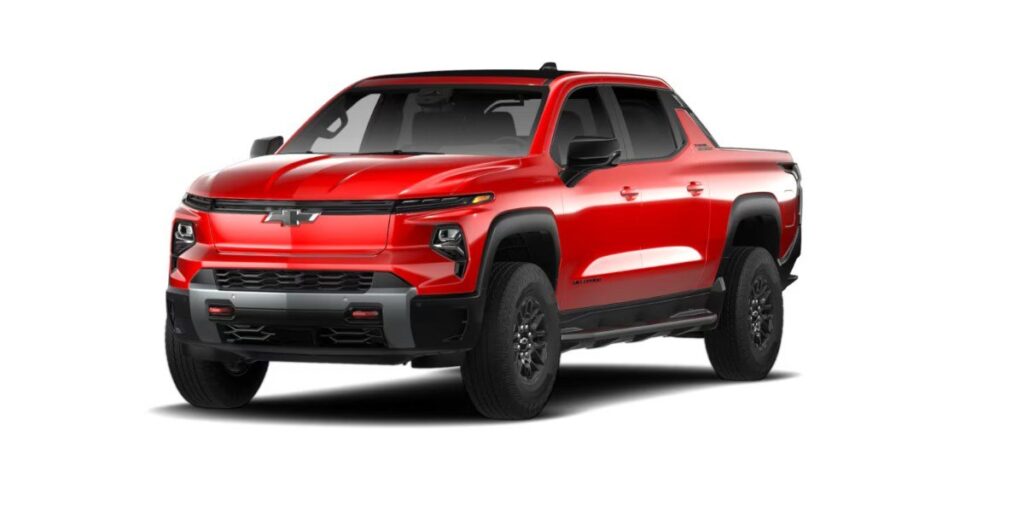
The 2026 Chevrolet Silverado EV is rated between 64 and 70 MPGe depending on battery and charging configuration. EPA-listed range spans approximately 283 to 493 miles, with the longest figure applying to a commercial configuration. Chevrolet lists commercial models from $52,800 and consumer models from $55,895.
The Silverado EV uses roughly 48 to 52 kWh per 100 miles—more than twice the electricity consumed by the most efficient cars in this guide. It also requires a large battery and more manufacturing material. Its environmental case is therefore specific: it can reduce tailpipe pollution and gasoline consumption for someone who genuinely needs a full-size work truck.
- Best for: Work, towing, bed use, or fleet duty that cannot be met by a smaller vehicle.
- Why it made the list: Zero tailpipe emissions and markedly better energy efficiency than a comparable gasoline pickup.
- Watch for: Large battery, high purchase price, electricity consumption, tire impact, and significant range loss during towing, cold weather, or high-speed driving.
The Silverado EV is an environmentally preferable pickup for some use cases. It is not an environmentally preferable commuter when a smaller car, public transportation, cycling, or car sharing would meet the same need.
EV vs. hybrid vs. plug-in hybrid
| Powertrain | How it works | Best situation | Main environmental limitation |
|---|---|---|---|
| Battery electric vehicle | Uses a rechargeable battery and electric motor; no gasoline engine | Reliable home or workplace charging and regular driving | Battery and vehicle manufacturing plus emissions from electricity generation |
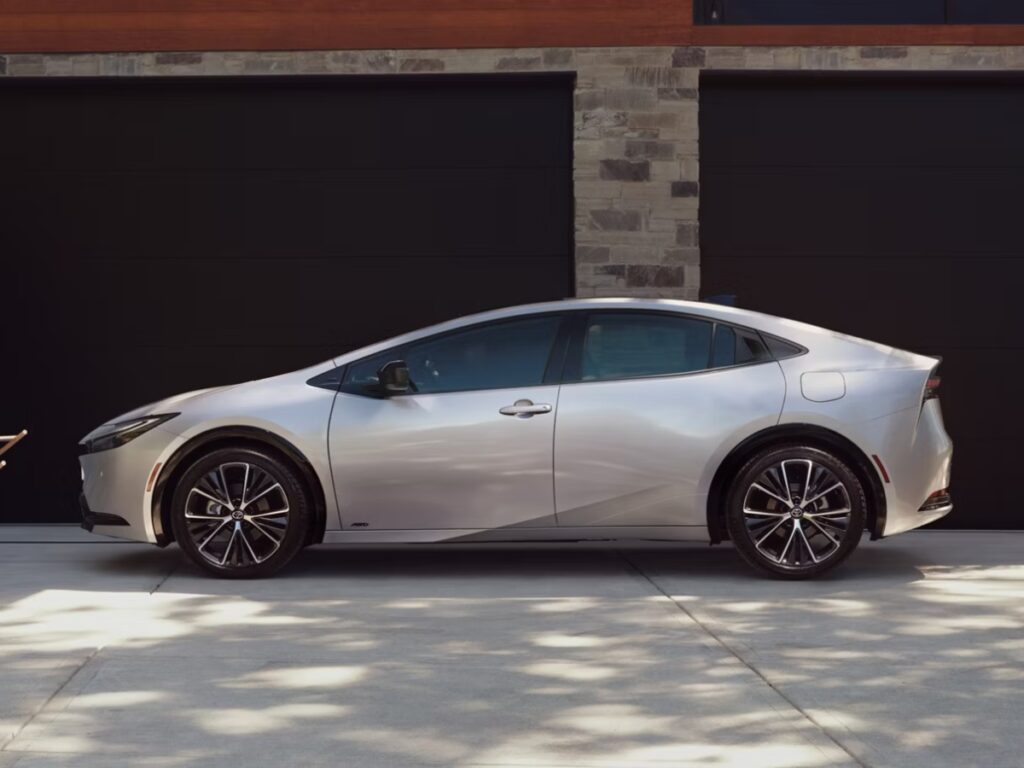
| Conventional hybrid | Combines a gasoline engine, small battery, electric motor, and regenerative braking | No dependable charging, frequent driving, or apartment living | Continues to burn gasoline and produce tailpipe emissions |
| Plug-in hybrid | Uses a larger chargeable battery for short electric trips plus a gasoline engine for longer travel | Daily charging, short routine trips, and occasional long journeys | Environmental benefit falls sharply when the vehicle is not charged regularly |
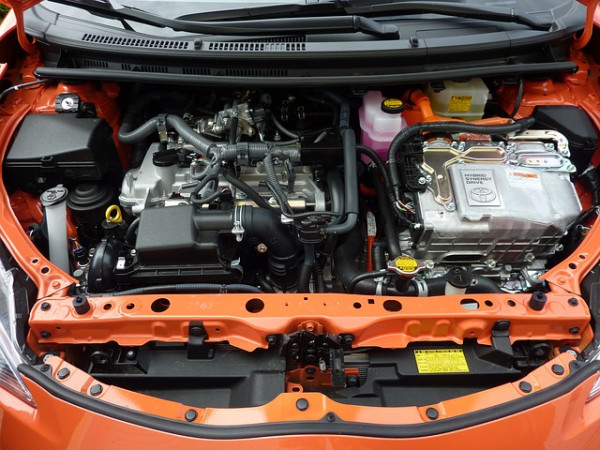
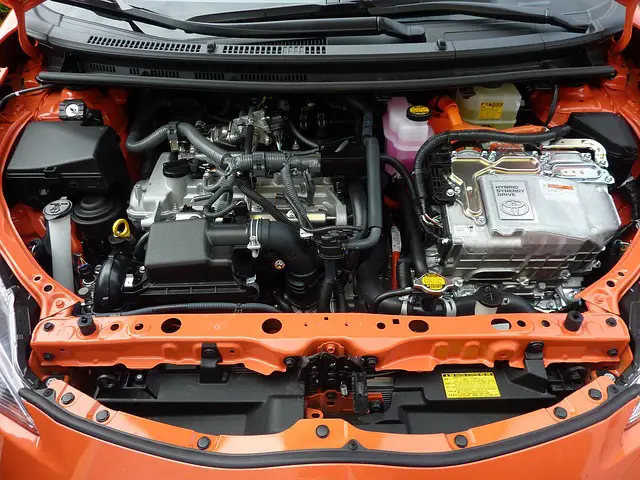
An EV will generally produce lower operating and lifecycle greenhouse-gas emissions than an average gasoline car when it can be charged reliably. A high-efficiency hybrid can still be the more practical choice when charging is unavailable, unreliable, or would force the driver to depend heavily on distant fast chargers.
A plug-in hybrid sits between the two. It can handle routine journeys on electricity, but the driver must plug it in consistently. Buying a PHEV and operating it almost entirely on gasoline adds battery weight without taking full advantage of its electric capability.
How to choose an eco-friendly car
- Start with the smallest vehicle class that works. Do not buy a three-row SUV for two people or a full-size pickup for occasional light cargo.
- Assess charging before choosing a powertrain. Confirm where the vehicle will charge, how often it will need charging, connector compatibility, electricity rates, and whether installation is permitted.
- Compare the exact trim. Wheel size, drivetrain, battery, tires, and performance packages can materially change MPGe and range.
- Use MPGe and kWh per 100 miles together. Higher MPGe and lower kWh per 100 miles indicate better operating efficiency. Do not treat either number as a complete lifecycle assessment.
- Plan for real conditions. Leave a range buffer for winter weather, highway speeds, hills, cabin heating, towing, and battery aging.
- Consider the vehicle you already own. Replacing a safe, reliable, and reasonably efficient car prematurely creates a new manufacturing footprint. The right decision depends on current fuel economy, annual mileage, maintenance, safety, and how long the replacement will be kept.
Also compare insurance, repair access, battery warranty, tire costs, home-charger installation, depreciation, and expected ownership period. A nominally efficient vehicle that is unaffordable to maintain or replaced after a short period may not be the most sustainable household decision.
Charging and incentives in 2026
Federal clean-vehicle purchase credits have ended
The federal New Clean Vehicle Credit, Previously-Owned Clean Vehicle Credit, and Qualified Commercial Clean Vehicle Credit are not available for vehicles acquired after September 30, 2025. The prices in this guide do not assume a federal purchase credit.
State, local, utility, and regional programs may still offer rebates, charging incentives, discounted electricity rates, registration benefits, or other support. Check the Department of Energy’s Alternative Fuels Data Center and the relevant state or utility before relying on an incentive.
Tax rules can be fact-specific. Confirm eligibility through the IRS clean-vehicle credit guidance or a qualified tax professional rather than relying on a dealer advertisement or an older vehicle review.
Charging speed depends on the vehicle and charger
The 2026 Fuel Economy Guide describes Level 1 charging as adding roughly 5 miles of range per hour and Level 2 charging as adding roughly 25 miles per hour. DC fast charging can add approximately 100 to 200 miles or more in 30 minutes, but actual results vary substantially.
Battery temperature, starting state of charge, charger output, charging curve, weather, and vehicle configuration all affect charging time. Manufacturer statements such as “10% to 80% in 30 minutes” describe favorable conditions, not a result every driver will receive at every charger.
How to reduce the environmental impact of any car
- Drive fewer miles when practical. Walking, cycling, public transportation, carpooling, remote work, and combining errands reduce energy use regardless of powertrain.
- Maintain the recommended tire pressure. Underinflated tires increase rolling resistance and energy consumption.
- Remove unnecessary weight and drag. Take off an unused roof box or rack and avoid carrying heavy equipment that is not needed.
- Accelerate and brake smoothly. Efficient driving preserves range and reduces fuel or electricity use.
- Charge thoughtfully. Where utilities provide time-of-use information, charging during lower-demand or cleaner-generation periods may reduce cost and grid impact.
- Keep the vehicle in service. Regular maintenance, careful battery use, corrosion prevention, and timely repairs can extend useful life.
- Choose durable tires and recycle responsibly. Tire wear creates particulate pollution, and heavier vehicles can increase tire consumption.
A new vehicle is only one part of a lower-impact lifestyle. Our collection of practical eco-friendly tips covers additional ways to reduce waste and resource use at home and while traveling.
Frequently asked questions
What is the most eco-friendly car in 2026?
The 2026 Lucid Air Pure RWD with 19-inch wheels has the highest combined EPA efficiency rating in this guide at 146 MPGe. That does not make it the lowest-impact choice for every household. Vehicle size, battery capacity, annual mileage, electricity source, price, and how long the car is kept all affect the answer.
Are electric cars really better for the environment?
Electric cars have no tailpipe emissions and typically produce fewer lifetime greenhouse-gas emissions than an average gasoline car, even after battery manufacturing is considered. Their total impact still depends on battery size, vehicle weight, electricity generation, mileage, tire wear, and useful life.
Is a hybrid or an EV more environmentally friendly?
An efficient EV will usually have lower operating and lifecycle greenhouse-gas emissions when it can be charged reliably. A high-efficiency hybrid may be the more practical lower-emission option for a driver without home or workplace charging. A plug-in hybrid only delivers its intended benefit when it is charged regularly.
Do electric cars get a federal tax credit in 2026?
Federal new, previously owned, and commercial clean-vehicle purchase credits are not available for vehicles acquired after September 30, 2025. State, local, and utility incentives may still be available, so buyers should check current programs for their location.
Are any cars completely environmentally friendly?
No. Every car requires raw materials, manufacturing, roads, tires, maintenance, and energy. Electric vehicles remove tailpipe emissions, but they still have manufacturing and electricity-related impacts. The lower-impact choice is usually the smallest efficient vehicle that meets the driver’s real needs.
Which number should I compare when shopping for an efficient car?
Compare combined MPG for conventional hybrids and combined MPGe plus kWh per 100 miles for EVs and plug-in hybrids. Higher MPG or MPGe is better, while lower kWh per 100 miles is better. Also compare vehicle size, range, charging access, battery warranty, and the exact trim and wheel configuration.
Which eco-friendly car should you choose?
The best choice depends on the task:
- Choose the Tesla Model 3 for maximum mainstream sedan efficiency.
- Choose the Tesla Model Y or Toyota bZ when a compact crossover is necessary.
- Choose the Chevrolet Equinox EV when price and family space matter more than class-leading MPGe.
- Choose the Toyota Prius or Kia Niro FE when dependable charging is unavailable.
- Choose the Prius Plug-in Hybrid when most routine trips fit within 44 electric miles but long gasoline-supported trips remain common.
- Choose the Hyundai Ioniq 9 only when three rows are regularly needed.
- Choose the Silverado EV only when genuine pickup capability is part of the job.
Do not select a car on powertrain alone. Compare the exact EPA label, choose the smallest practical class, confirm charging access, and consider how many miles the vehicle will travel during a long ownership period. Those decisions often matter more than an “eco” badge or a single headline range figure.
Transportation is only one part of a household’s footprint. Continue with our eco-friendly living guide for practical changes beyond vehicle ownership.