Critical habitat is a legal designation under the U.S. Endangered Species Act for specific areas essential to conserving a federally listed species. It can include occupied areas with essential physical or biological features and, when necessary, unoccupied areas that are essential to conservation.
The designation does not transfer ownership, open private land to the public, or automatically ban development. Its principal legal effect is that federal agencies must avoid actions they fund, authorize, or carry out that would destroy or adversely modify the designated habitat.
Critical habitat at a glance
- Critical habitat is a specific legal term, not a label for every ecologically important place.
- The U.S. Fish and Wildlife Service generally handles terrestrial and freshwater species, while NOAA Fisheries handles most marine species.
- A designation may include occupied and unoccupied areas.
- Private land can be included without changing ownership or creating public access.
- The direct regulatory effect usually depends on a connection to a federal agency, known as a federal nexus.
- A proposed designation is not final. Current maps, regulations, and species records should always be checked.
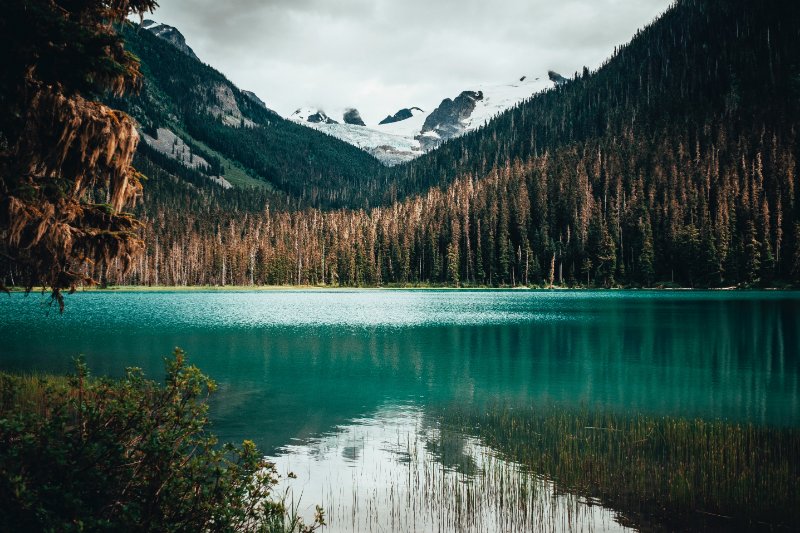
What critical habitat means under the Endangered Species Act
In ordinary conversation, “critical habitat” may sound like any place an animal or plant needs to survive. Under the Endangered Species Act, however, it has a narrower statutory meaning.
For areas occupied by a species when it was listed, the responsible agency identifies specific physical or biological features that are essential to conservation and that may require special management. An area outside the occupied range may also be designated when the agency determines that the area itself is essential to conserving the species.
This legal meaning is different from broader ecological concepts such as habitat, ecosystem, and biome. A forest, beach, river, wetland, or offshore feeding area may be valuable habitat without appearing in a federal critical-habitat designation.
Only species listed as endangered or threatened under the ESA can receive federal critical habitat. The Act does not use “critically endangered” as a federal listing category.
The U.S. Fish and Wildlife Service administers the ESA for most terrestrial and freshwater species. NOAA Fisheries generally administers it for marine and anadromous species.
What a critical-habitat designation does and does not do
| A designation can | A designation does not automatically |
|---|---|
| Identify mapped areas and habitat features essential to conservation | Transfer ownership to the government |
| Trigger federal consultation for actions funded, authorized, or carried out by a federal agency | Open private property to the public |
| Require federal agencies to avoid destroying or adversely modifying designated habitat | Create a wildlife refuge, wilderness area, preserve, or marine protected area |
| Inform recovery planning, permitting, restoration, and conservation priorities | Ban every form of construction, farming, forestry, recreation, or land use |
| Cover occupied or qualifying unoccupied areas | Prove that the protected species is present at every point inside the mapped boundary |
Understanding this distinction prevents two common errors: assuming that any important habitat is legally designated, and assuming that designation creates a government-owned sanctuary.
How critical habitat is designated
The designation normally occurs when a species is listed or through a related rulemaking process. The agencies use the best scientific data available, but the decision also involves legal definitions, maps, economic analysis, public comments, and administrative review.
- The species is evaluated for federal listing. The agency determines whether it meets the ESA definition of endangered or threatened.
- Habitat needs are identified. Biologists evaluate food, water, breeding sites, shelter, migration areas, hydrology, vegetation, water conditions, and other species-specific features.
- Candidate areas are mapped. The agency evaluates occupied areas and, when applicable, unoccupied areas essential to conservation.
- Impacts and possible exclusions are reviewed. The ESA allows consideration of economic effects, national-security concerns, and other relevant impacts. Some areas may be excluded when the benefits of exclusion outweigh the benefits of inclusion, unless exclusion would cause extinction.
- A proposed rule is published. The public can review the proposal, submit comments, and provide relevant scientific or economic information. Peer review may also be used.
- A final rule and official maps are published. The final rule explains the designated units, exclusions, supporting evidence, and effective date.
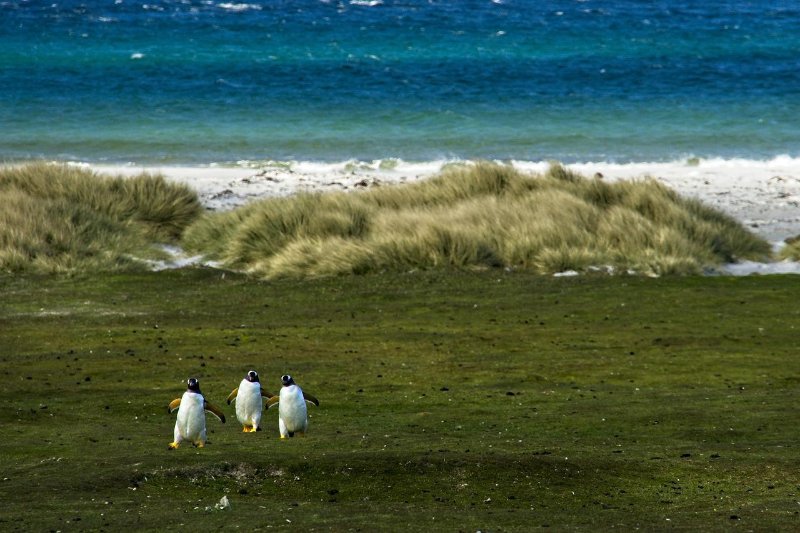
The required features vary across different types of habitats. A freshwater mussel may depend on stream flow, substrate, and water quality. A sea turtle may depend on nesting beaches or marine feeding areas. A forest bird may require mature trees with suitable nesting platforms.
Occupied and unoccupied critical habitat
| Category | What the agency must determine | Typical example |
|---|---|---|
| Occupied critical habitat | The area was occupied at the time of listing and contains physical or biological features essential to conservation that may require special management. | A nesting beach, spawning stream, feeding area, denning site, migration corridor, or old-growth nesting forest used by the species. |
| Unoccupied critical habitat | The area was outside the species’ occupied range at the time of listing, but the area itself is essential to conservation. | Restorable habitat needed for population expansion, climate adaptation, connectivity, or recovery beyond the current range. |
Unoccupied habitat is not designated simply because it might help. The agency must support a finding that the area is essential to conservation. The final rule and administrative record should explain that determination.
What critical habitat means for private land and development
Private land can fall within a critical-habitat boundary. That does not change who owns the property, grant public access, or require the landowner to open it for recreation.
The central practical question is whether a proposed activity has a federal nexus. A federal nexus is a connection to a federal agency through funding, a permit, a license, authorization, approval, or direct federal action.
| Activity | Likely critical-habitat implication |
|---|---|
| A landowner maintains a garden or carries out a private activity requiring no federal approval or funding | The critical-habitat designation itself generally does not trigger federal Section 7 consultation. |
| A development requires a federal wetlands permit | The federal permitting agency may need to consult with the wildlife agency if the action may affect listed species or designated critical habitat. |
| A highway project receives federal funding | The funding connection creates a federal nexus, and the responsible federal agency must address ESA obligations. |
| A federal agency constructs, funds, or authorizes infrastructure | The agency must ensure that its action is not likely to destroy or adversely modify designated critical habitat. |
| A voluntary restoration project receives a federal grant | The grant-making agency may evaluate effects as part of its federal responsibilities, even when the project is intended to improve habitat. |
Consultation does not always stop a project. It may lead to design changes, seasonal restrictions, modified routes, habitat restoration, monitoring, or other measures that allow work to proceed while avoiding prohibited effects.
Other federal, state, tribal, and local laws may apply even when critical habitat does not. Property owners and project sponsors should not treat a critical-habitat map as a complete permitting analysis. Site-specific legal or environmental guidance may be necessary.
Critical habitat compared with related terms
| Term | Meaning | Key distinction |
|---|---|---|
| Habitat | A place that supplies the conditions an organism needs to live, feed, shelter, reproduce, or complete part of its life cycle. | Habitat is an ecological concept and does not require a government designation. |
| Critical habitat | A mapped legal designation under the ESA for areas essential to conserving a federally listed species. | Its direct regulatory effect centers on federal agency actions. |
| Proposed critical habitat | An area included in a proposed federal rule that is open to review and comment. | It is not final critical habitat unless and until a final rule takes effect. |
| Wildlife refuge or preserve | Land or water managed for conservation under a separate ownership or management authority. | A critical-habitat designation does not itself create a refuge or preserve. |
| Recovery habitat | Habitat identified through recovery planning or scientific analysis as useful for restoring a species. | It may overlap critical habitat, but the terms are not interchangeable. |
| Conservation easement | A voluntary or legally recorded restriction intended to protect conservation values. | It is a property instrument, not an ESA critical-habitat designation. |
The distinction also matters when comparing conservation and preservation. Critical habitat is one statutory conservation tool among many, not a complete management system for every protected place.
Minnesota’s Critical Habitat Plates support a state conservation program
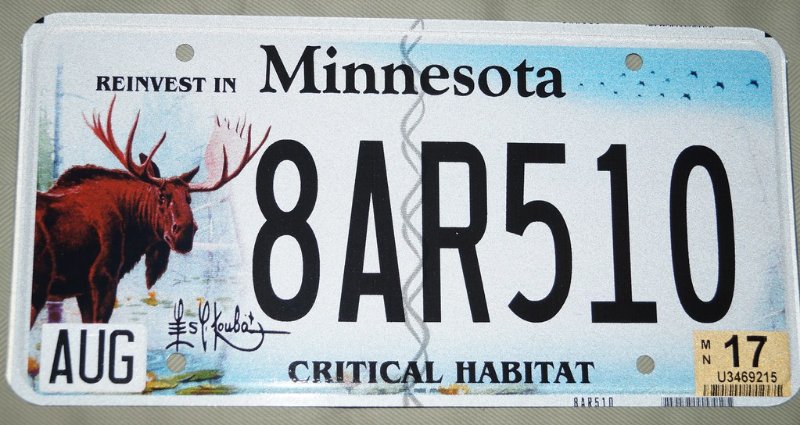
Minnesota’s Critical Habitat License Plates let vehicle owners make an annual contribution of at least $30 to the state’s Reinvest in Minnesota Critical Habitat Program. The funds support habitat acquisition, restoration, enhancement, and management.
Despite the shared phrase, this is a state conservation-funding program. Buying a plate does not create or designate federal critical habitat under the Endangered Species Act.
Current legal context
Last verified July 16, 2026: On July 10, 2026, federal agencies finalized a rule narrowing the regulatory definition of “harm” under ESA take rules by removing habitat modification from that definition. This concerns Section 9 take analysis, which is legally distinct from Section 7 consultation for federal actions affecting listed species or designated critical habitat.
Environmental organizations filed a legal challenge on July 14, 2026. The rule, agency interpretations, and litigation may change. Readers evaluating a current project should verify the latest regulations and agency guidance rather than relying solely on an evergreen article.
Verified U.S. critical habitat examples and status corrections
The previous version of this article grouped 22 animals under a critical-habitat heading, even though several had no final federal designation. The following status checks use NOAA Fisheries’ current designation table and the current federal wildlife list in 50 CFR §17.11.
Status checked July 16, 2026. Proposed rules, listings, taxonomic records, and mapped units can change after this date.
| Species | Federal status | Critical-habitat status |
|---|---|---|
| Leatherback sea turtle | Federally listed populations | Final federal critical habitat |
| North Atlantic right whale | Endangered | Final federal critical habitat |
| Black-footed ferret | Endangered, with experimental populations | No current critical-habitat indicator in the federal listing table |
| Atlantic bluefin tuna | Not shown as an ESA-listed species in NOAA’s critical-habitat table | No current federal critical habitat |
| Red wolf | Endangered, with an experimental population | No current critical-habitat indicator in the federal listing table |
| Loggerhead sea turtle | Federally listed populations | Final federal critical habitat for the Northwest Atlantic population |
| California condor | Endangered | Final federal critical habitat |
| Whooping crane | Endangered | Final federal critical habitat |
| American peregrine falcon | Not currently listed as a U.S. ESA taxon | No current U.S. federal critical habitat |
| Monarch butterfly | Proposed as threatened | Proposed critical habitat; not final |
| Bog turtle | Threatened | No current critical-habitat indicator in the federal listing table |
| Blanding’s turtle | Not currently listed under the federal ESA | No federal critical habitat |
| Rocky Mountain silverspot butterfly | Threatened | No current critical-habitat indicator; the Oregon silverspot is a separate taxon with critical habitat |
| Atlantic pigtoe | Threatened | Final federal critical habitat |
| Canada lynx, contiguous U.S. population | Threatened | Final federal critical habitat |
| Northern spotted owl | Threatened | Final federal critical habitat |
| Yellowfin madtom | Threatened | Final federal critical habitat |
| Choctawhatchee beach mouse | Endangered | Final federal critical habitat |
| Peninsular bighorn sheep | Endangered | Final federal critical habitat |
| Buena Vista Lake ornate shrew | Endangered | Final federal critical habitat |
| Marbled murrelet, California–Oregon–Washington population | Threatened | Final federal critical habitat |
| Southwestern willow flycatcher | Endangered | Final federal critical habitat |
Species with final federal critical habitat
Leatherback sea turtle
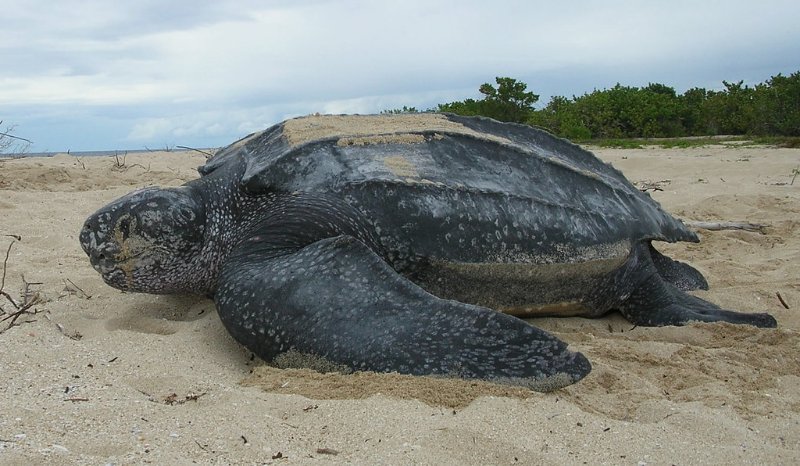
NOAA Fisheries lists final leatherback critical habitat in the U.S. Virgin Islands from 1979 and a final U.S. West Coast designation from 2012. The designation covers mapped marine areas and identified features rather than every beach or ocean area used by a leatherback sea turtle.
North Atlantic right whale
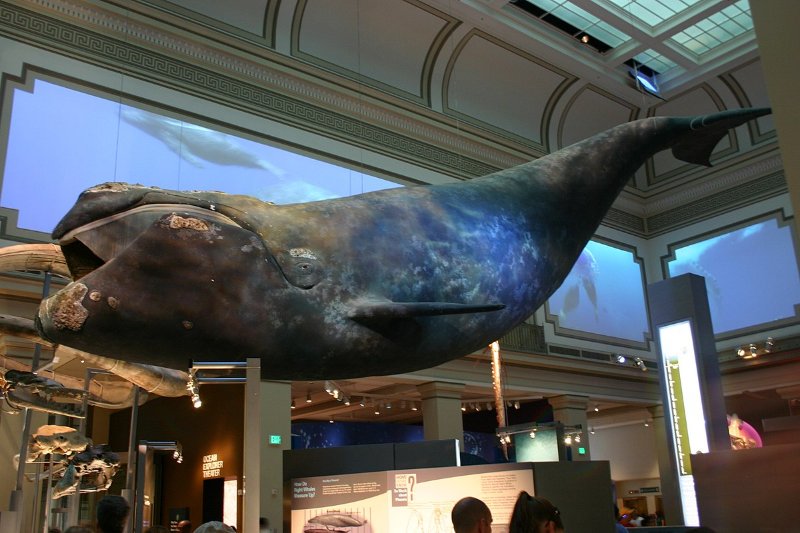
NOAA revised the North Atlantic right whale’s final critical habitat in 2016. The mapped areas support essential feeding and calving functions. Boundaries should be checked against NOAA’s current maps, especially for coastal construction, vessel, energy, or fisheries projects.
Loggerhead sea turtle
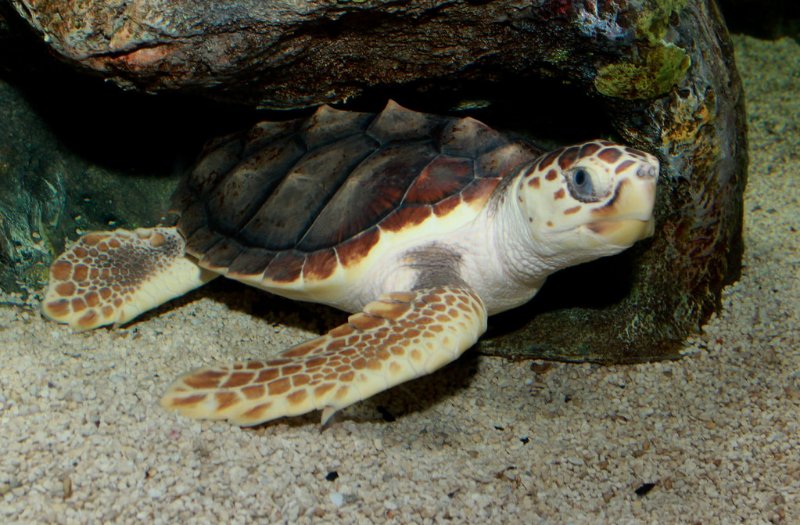
Final critical habitat for the Northwest Atlantic population of the loggerhead sea turtle was designated in 2014. The official rule addresses both nesting and marine habitat units, making it a useful example of one species relying on different environments during its life cycle.
California condor
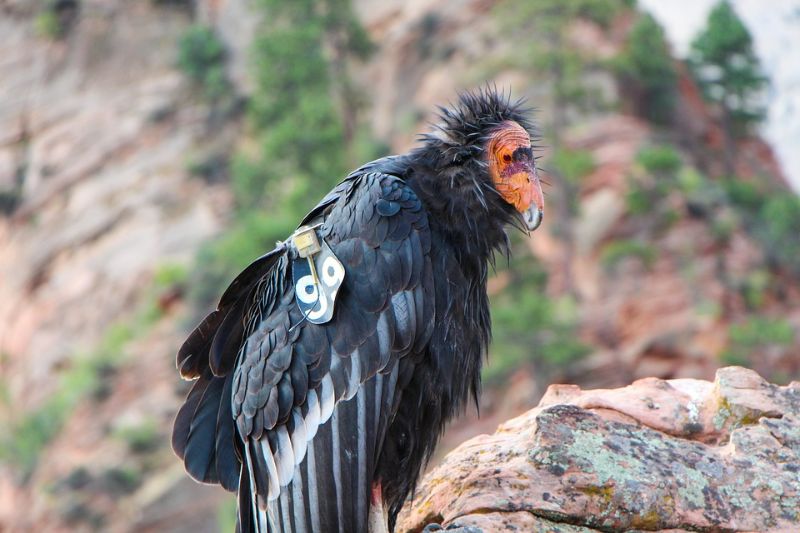
The California condor is federally endangered and has designated critical habitat. Official maps, rather than general descriptions of forests or mountains, determine whether a location lies within a protected unit.
Whooping crane
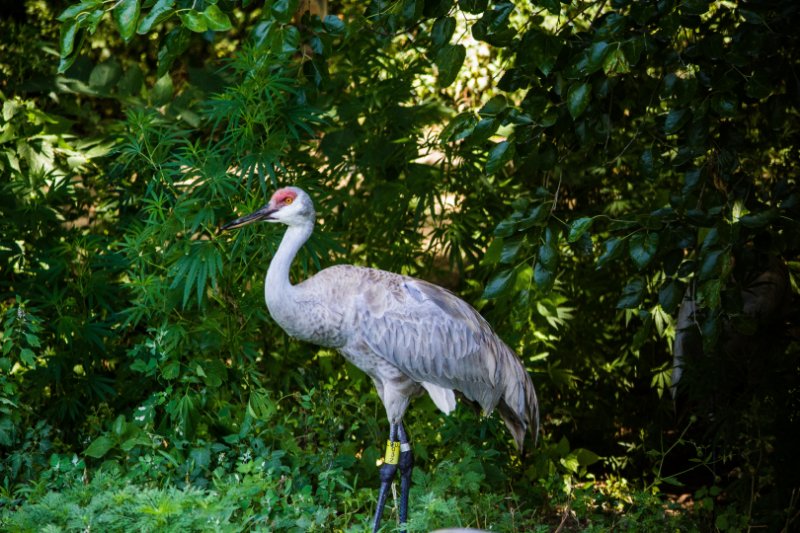
The endangered whooping crane has final critical habitat. Because the species migrates across a large geographic range, readers should use official unit descriptions rather than treating its entire migration corridor as designated habitat.
Atlantic pigtoe

The Atlantic pigtoe is a threatened freshwater mussel with final critical habitat. Its example shows why stream flow, water quality, substrate, connectivity, and host-fish relationships can matter for aquatic invertebrates.
Canada lynx
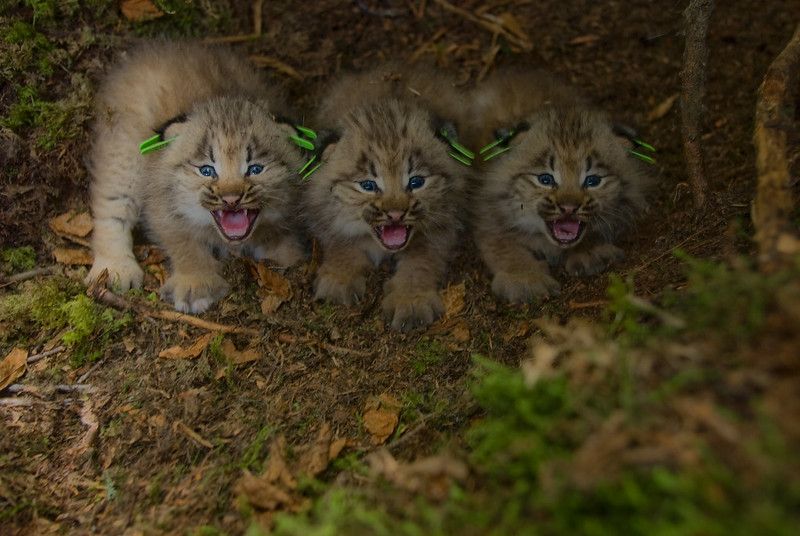
The contiguous U.S. population of the Canada lynx is federally threatened and has final critical habitat. Suitable forest structure, snow conditions, connectivity, and prey availability all influence lynx conservation. The species’ broader range also makes it relevant to discussions of endangered species in Canada.
Northern spotted owl
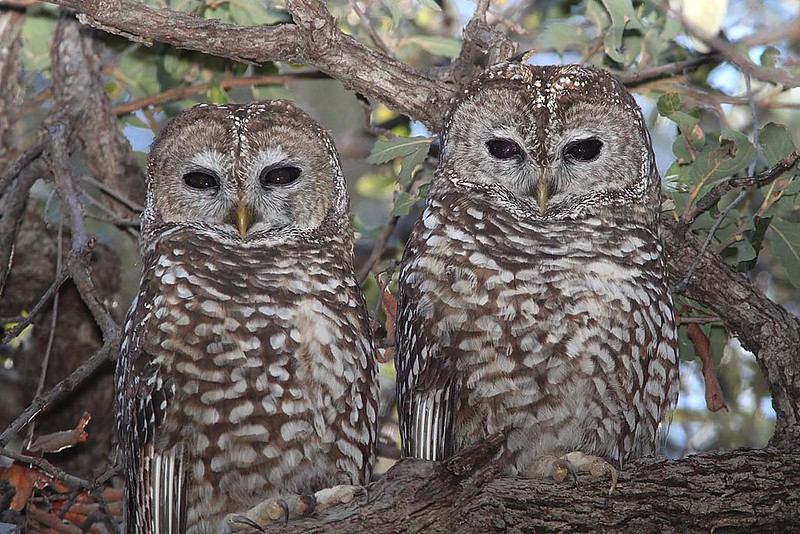
The northern spotted owl is federally threatened and has designated critical habitat across parts of its Pacific Coast range. Forest structure, nesting and roosting conditions, wildfire, timber management, and competition from barred owls all require more nuance than a simple statement that the species “lives in forests.”
Yellowfin madtom
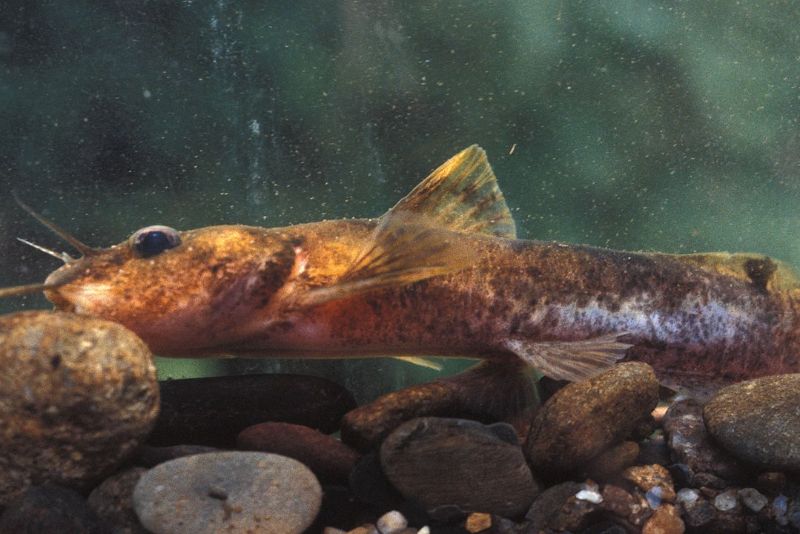
The yellowfin madtom is federally threatened and has final critical habitat. It depends on suitable stream reaches and water conditions. Dams, sediment, pollution, altered flow, and non-native species can affect habitat quality even outside the boundaries of a designated unit.
Choctawhatchee beach mouse
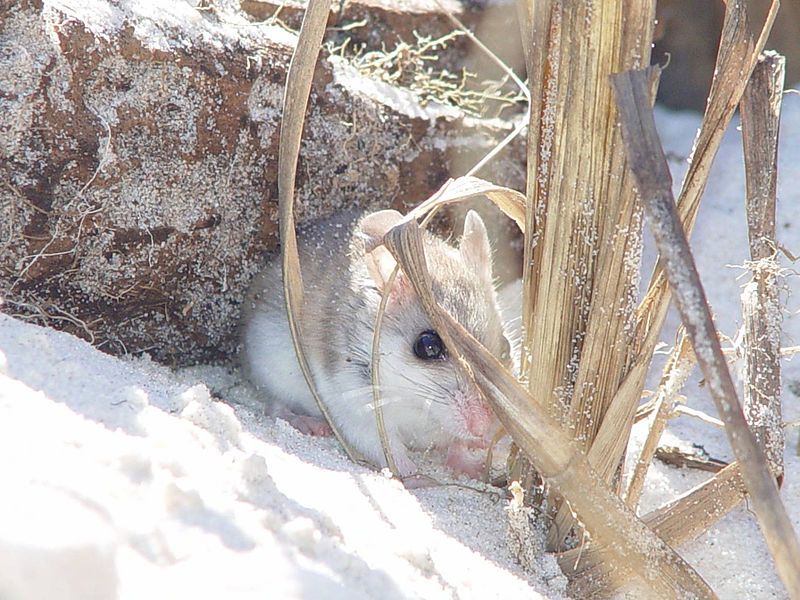
The endangered Choctawhatchee beach mouse has final critical habitat in coastal Florida. Dune vegetation, storm processes, habitat connectivity, artificial lighting, recreation, predators, and coastal development can all influence the species’ habitat.
Peninsular bighorn sheep
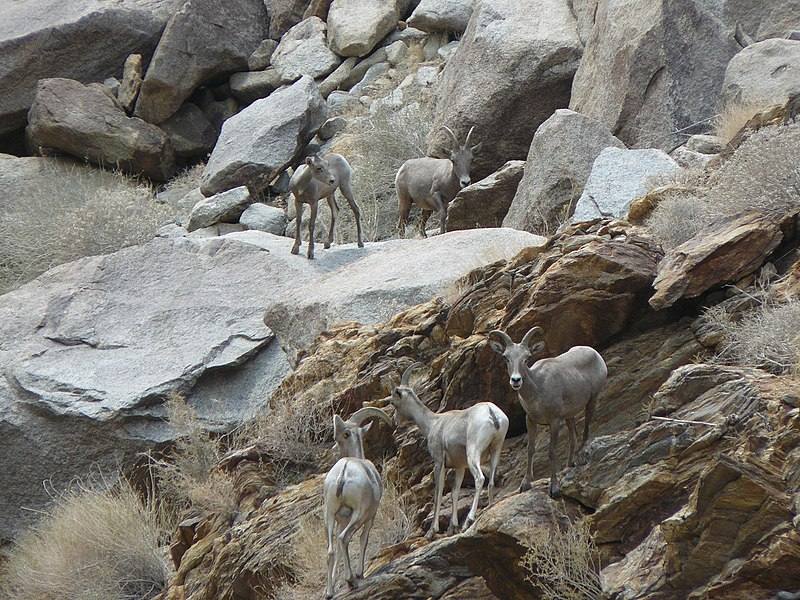
The Peninsular bighorn sheep is endangered and has final critical habitat in Southern California. Habitat fragmentation, roads, development, recreation, water access, disease, and barriers between mountain areas can affect recovery.
Buena Vista Lake ornate shrew
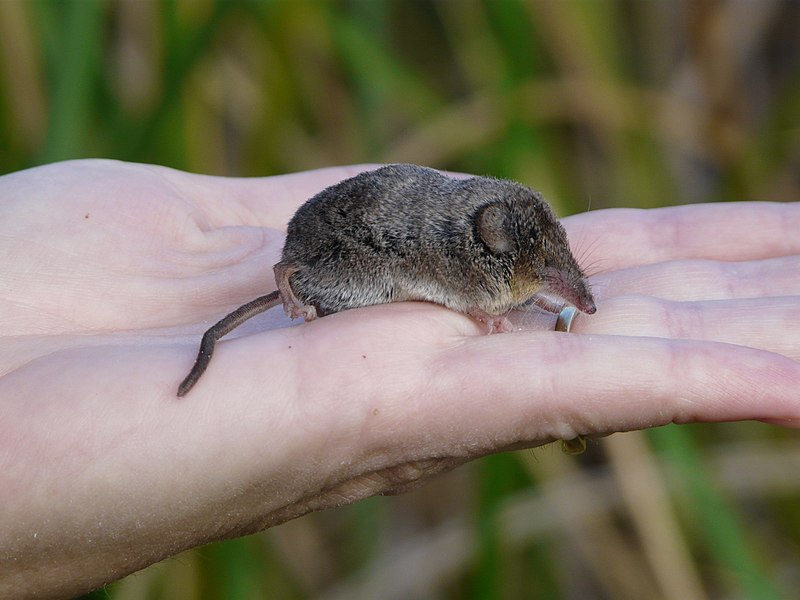
The Buena Vista Lake ornate shrew is endangered and has designated critical habitat in California’s southern San Joaquin Valley. The subspecies relies on moist soils, dense ground cover, wetland-associated vegetation, and an adequate supply of small prey.
Marbled murrelet
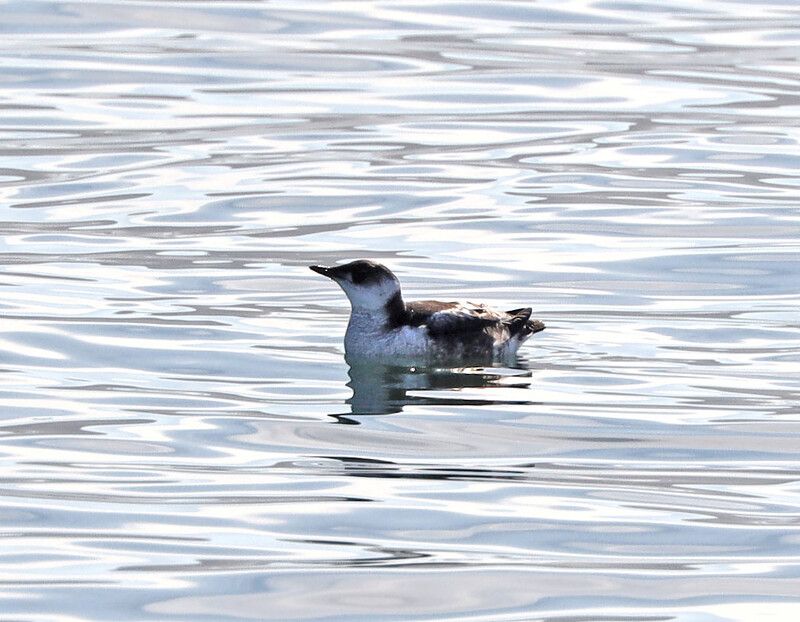
The California–Oregon–Washington population of the marbled murrelet is threatened and has critical habitat. The bird feeds at sea but nests in mature and old-growth forest, demonstrating why conservation may depend on ecological features in more than one environment.
Southwestern willow flycatcher
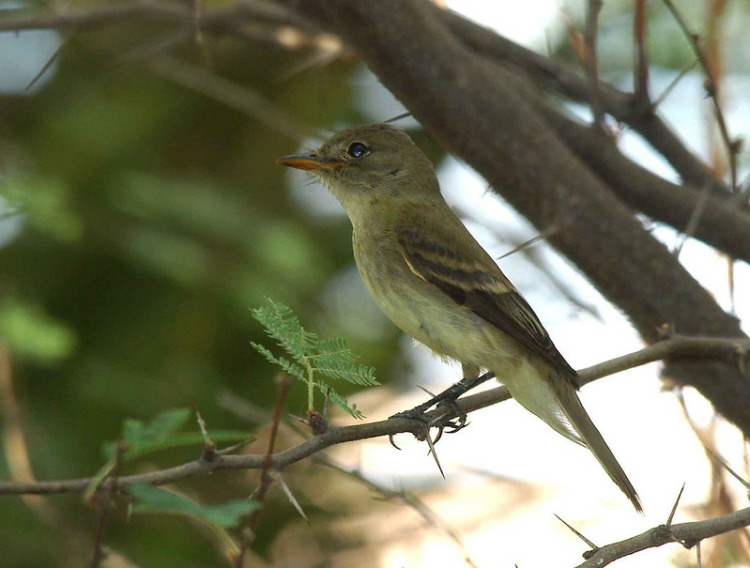
The endangered southwestern willow flycatcher has final critical habitat in riparian areas of the American Southwest. Water management, dams, groundwater use, invasive plants, wildfire, livestock pressure, and loss of dense streamside vegetation can affect its breeding habitat.
Species without a current final federal critical-habitat designation
Black-footed ferret
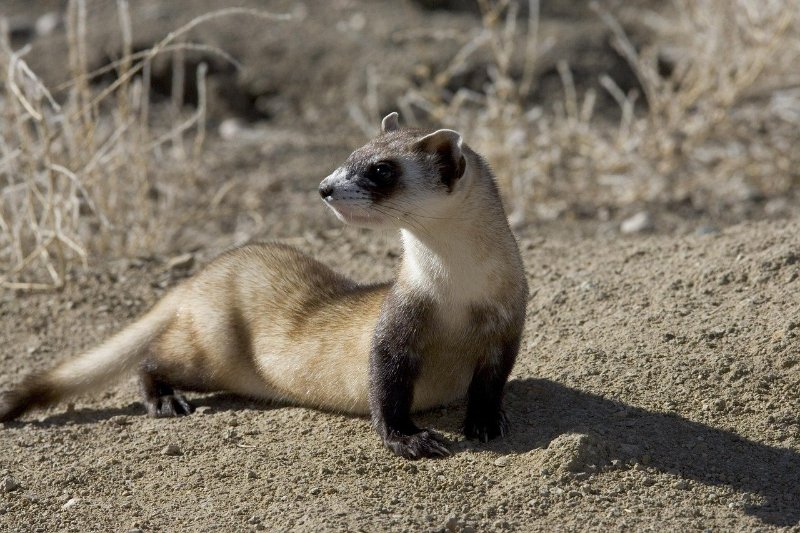
Black-footed ferrets remain federally endangered, and several reintroduced populations have experimental-population status. The current federal listing table does not show a critical-habitat indicator for the species. Prairie conservation remains essential, but ecological importance and formal critical-habitat designation are different claims.
Atlantic bluefin tuna
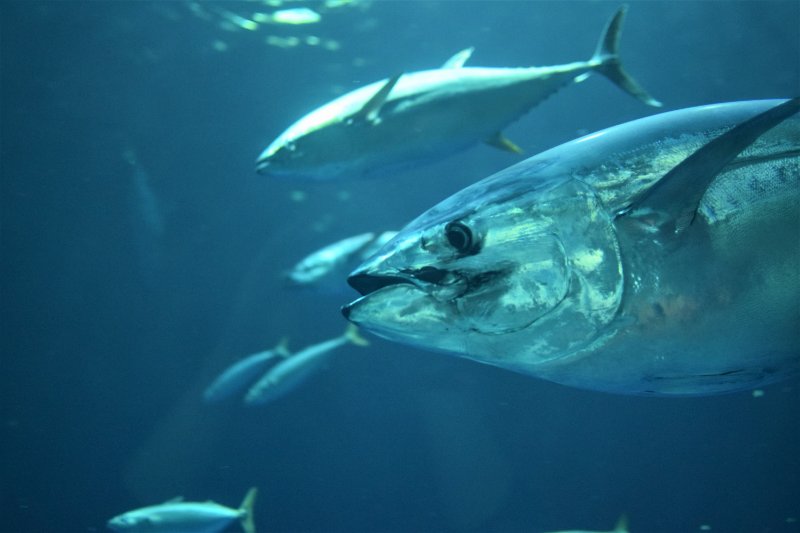
The Atlantic bluefin tuna does not appear in NOAA Fisheries’ current ESA critical-habitat table. The species faces important fisheries and habitat-management questions, but those concerns should not be described as a federal critical-habitat designation.
Red wolf
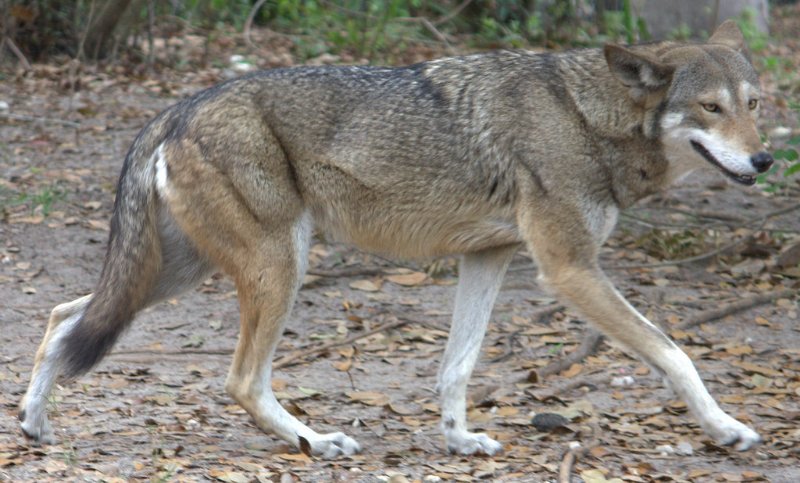
The red wolf is federally endangered, and the federal table also identifies a nonessential experimental population. It does not currently show a critical-habitat indicator. Readers interested in its relationship to other canids can compare the main types of wolves.
American peregrine falcon
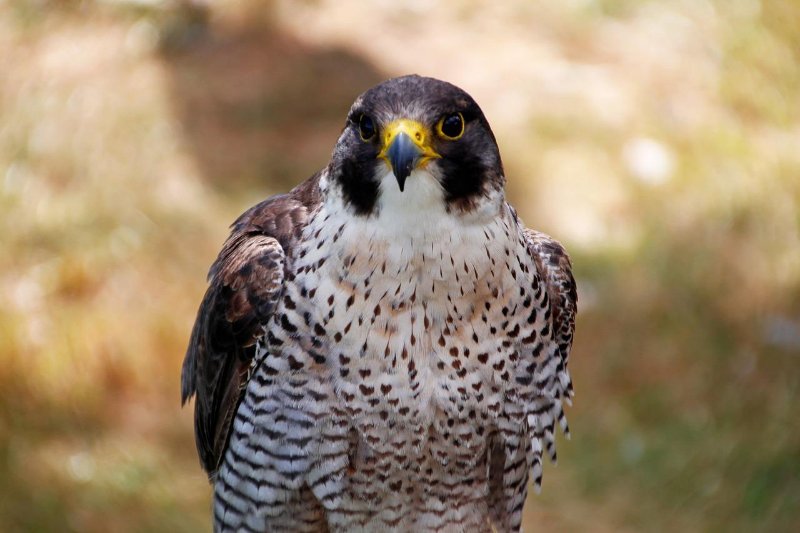
The American peregrine falcon is not currently listed as a U.S. ESA taxon and has no current U.S. federal critical habitat. A foreign Eurasian peregrine subspecies remains in the federal table, which can cause confusion when records are reviewed without checking the listed population and range.
The recovery of peregrine populations after restrictions on DDT remains an important conservation case study. The Peregrine Fund provides additional context on raptor recovery and conservation.
Monarch butterfly
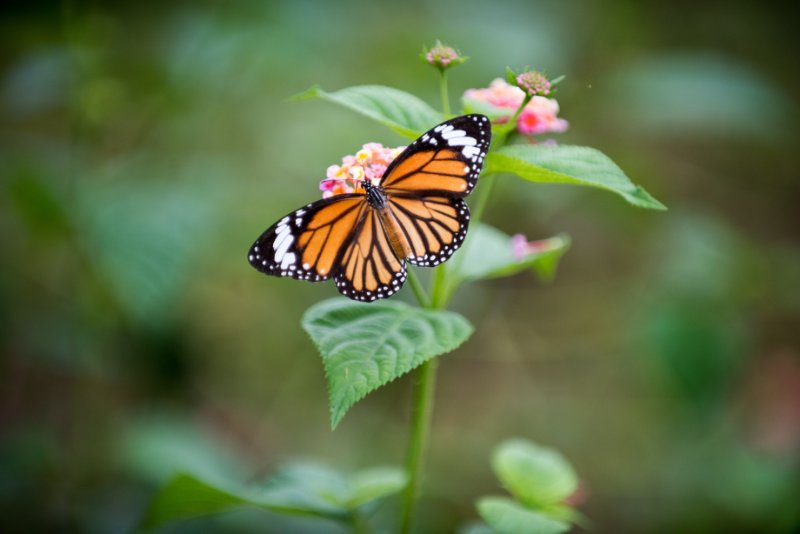
As of July 16, 2026, the U.S. Fish and Wildlife Service has proposed listing the monarch butterfly as threatened and has proposed critical habitat. A proposal does not have the same status as a final rule. The proposal, comment process, and agency timetable should be checked before describing the designation as effective.
Bog turtle
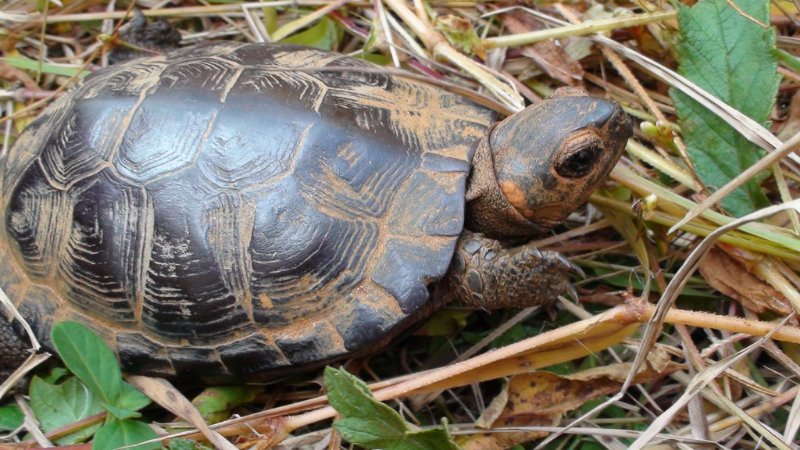
The bog turtle is federally threatened, but the current federal listing table does not show a critical-habitat indicator. Its open, spring-fed wetland habitat remains a conservation priority without being federal critical habitat. See the broader range of turtle species for additional context.
Blanding’s turtle
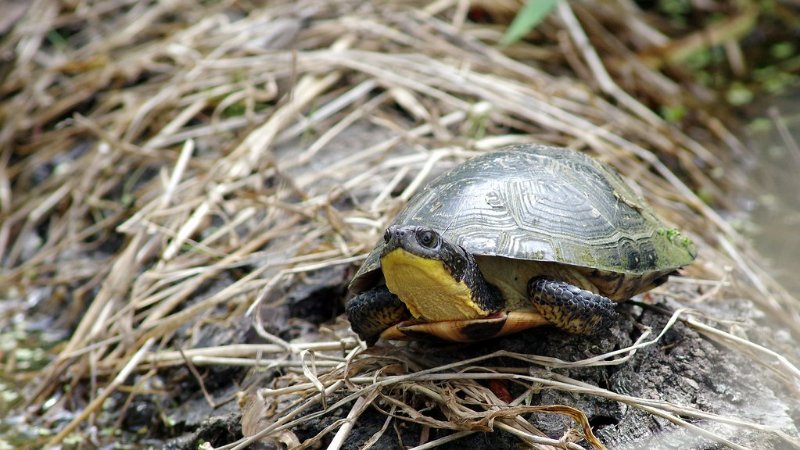
Blanding’s turtle does not currently appear as a federally listed ESA species and therefore has no federal critical habitat. It may receive state, provincial, local, or other conservation protections, which should not be confused with an ESA designation.
Silverspot butterflies
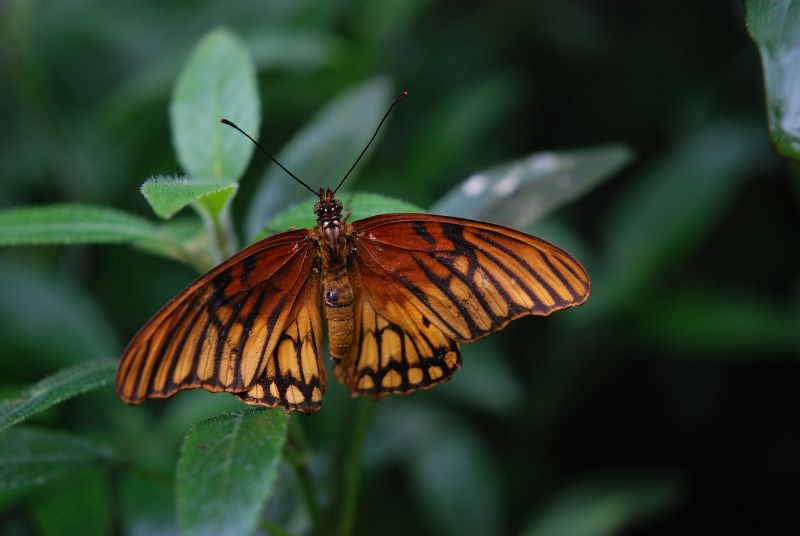
The older article combined two different silverspot taxa. The Rocky Mountain silverspot, Speyeria nokomis nokomis, is federally threatened but does not currently show a critical-habitat indicator. The Oregon silverspot, Speyeria zerene hippolyta, is a separate threatened subspecies with final critical habitat.
FAQ
What is critical habitat?
Critical habitat is a legal designation under the U.S. Endangered Species Act for specific areas essential to conserving a federally listed species. It may include occupied areas with essential physical or biological features and unoccupied areas that are essential to conservation.
Does critical habitat stop development?
No. A designation does not automatically ban development. Its main direct effect is on actions that a federal agency funds, authorizes, or carries out. Those actions may require consultation to avoid destroying or adversely modifying designated habitat.
Can private property be critical habitat?
Yes. Private land can be included, but the designation does not transfer ownership, create public access, or turn the property into a refuge. A private activity with no federal funding, permit, authorization, or other federal involvement is generally not regulated by the critical-habitat designation itself.
What is a federal nexus?
A federal nexus is a connection between a project and a federal agency, such as federal funding, a federal permit or license, or work carried out by a federal agency. That connection can trigger consultation under Section 7 of the Endangered Species Act.
Can unoccupied land be designated as critical habitat?
Yes. An area outside the species’ occupied range at the time of listing may be designated when the responsible agency determines that the area itself is essential to conserving the species.
Is critical habitat the same as a wildlife refuge?
No. Critical habitat does not create a wildlife refuge, preserve, wilderness area, or marine protected area. It is a legal map and consultation designation under the Endangered Species Act.
How to check a specific property or project
A national article cannot determine whether a specific property, permit, or project affects critical habitat. Use this sequence for a current answer:
- Confirm the species’ current ESA status in the federal regulation or official agency species record.
- Find the final critical-habitat rule and official map. Do not rely on a general range map or an old proposed rule.
- Check the rule’s effective date, unit descriptions, exclusions, and amendments.
- Identify any federal funding, permits, licenses, approvals, or federal land involvement.
- Contact the relevant federal agency or qualified environmental and legal professionals when the project could affect a listed species or designated area.
Critical habitat works best when it is understood as one part of the broader goals of wildlife conservation. Species recovery also depends on habitat restoration, pollution control, invasive-species management, compatible land use, voluntary agreements, scientific monitoring, and adequately funded conservation programs.
Related reading
- Practical habitat loss solutions
- Examples of habitats and how species use them
- Sea turtle conservation organizations and programs
- Ways to conserve natural resources
- Endangered species recovery success stories
- Endangered species in California
Sources and verification
- NOAA Fisheries: Critical Habitat
- Electronic Code of Federal Regulations: 50 CFR §17.11
- U.S. Fish and Wildlife Service: Monarch butterfly
- Minnesota DNR: Critical Habitat License Plates
Species listings, critical-habitat rules, maps, and litigation can change. Legal and status information on this page was last verified on July 16, 2026.