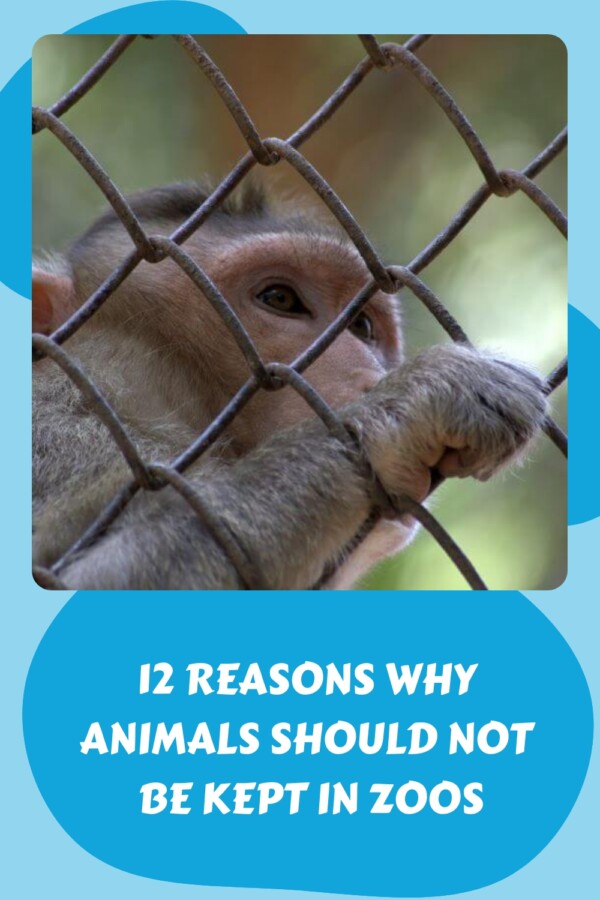
Animals should not be kept in conditions that prevent them from meeting their physical, behavioural and social needs. The case against zoos is strongest when it identifies specific welfare failures rather than assuming every species responds to captivity in the same way. A 2003 study of captive carnivores linked a naturally wide-ranging lifestyle to repetitive behaviour and infant mortality. A 2008 elephant study found poorer survival in European zoos than in the comparison populations. These are reasons to examine how animals are kept, alongside newer evidence and the conditions at each facility.
Below are 12 specific reasons why keeping animals in captivity is harmful, each with the evidence behind it, followed by an honest account of what zoos do achieve, how they are actually regulated, and what the alternatives are.
Reasons why zoos are bad for animals
Most people aren’t always comfortable seeing animals that are kept in zoos. This is due to the inhumane conditions that these animals are forced to endure. Below are a dozen reasons why zoos can be bad for animals:
1. Lack of Sufficient Space
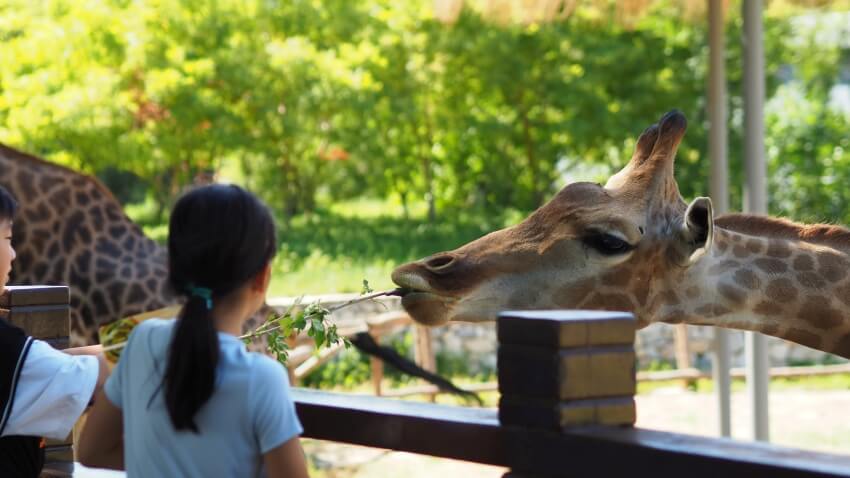
No matter how dedicated a zoo is, it cannot meet the space requirements of a wide-ranging species. A lion pride in the Serengeti may use tens of square kilometres; elephants and tigers range further still. No enclosure comes close, and the gap is not a rounding error — it is several orders of magnitude.
They are normally locked in cages and only released into an artificial habitat when visitors visit the zoo. The animals don’t have much freedom, even in these tiny spaces they are forced to live in. Even if they are being fed well, the lack of freedom can cause them to be stressed.
Wide-ranging carnivores, including the polar bear, present a particular challenge. In their 2003 Nature paper, Ros Clubb and Georgia Mason linked species’ natural ranging behaviour to repetitive behaviour and infant mortality in captivity. The authors argued that conditions for naturally wide-ranging carnivores needed fundamental improvement, or their keeping should be phased out. This comparative finding does not establish a universal enclosure-size threshold or prove the cause of every individual animal’s behaviour.
Repeated pacing, swaying and bar-biting are examples of stereotypic behaviour. A 2016 PLOS ONE study observed 89 African and Asian elephants at 39 North American zoos, with night-time observations for a smaller group of 32 elephants. Stereotypic behaviour occupied 15.5% of daytime observations and 24.8% of night-time observations. These figures describe the study sample, not all zoo animals. Social conditions mattered: time alone and transfers between zoos were associated with greater risk, while larger social groups and a choice of indoor or outdoor space were associated with less night-time stereotypy.
See Related: War and the Effect on Wildlife
2. Unnatural Environments
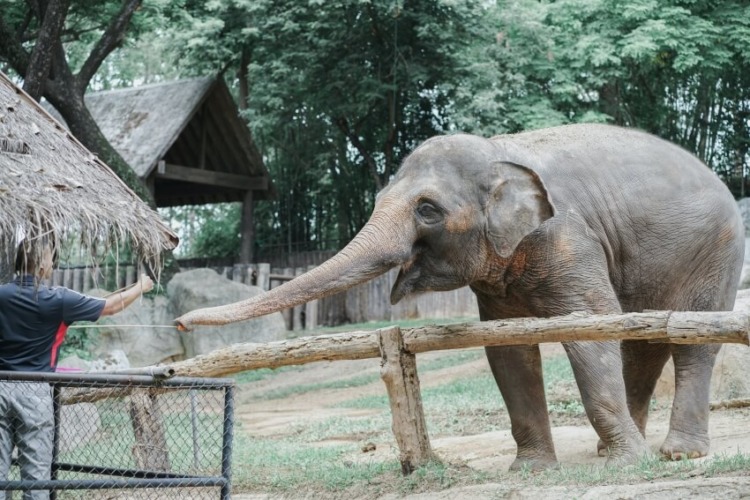
Some animals are quite intelligent, so keeping them captive should never be an option. The environment these animals are kept in isn’t natural to them –more so, the animals are taken from the wilderness and kept in zoos.
Though some zoos plan on reintroducing the animals into the wild after a while, living in zoos makes it impossible for some animals. For example, a lion might have difficulty adjusting to hunting for its meals after spending years being fed and lazing around.
Here’s a table illustrating the different types of animals and the corresponding impact of lack of space or non-proper environments:
| Condition | Animal Affected | Observed Behavior | Potential Psychological Impact |
|---|---|---|---|
| Lack of space | Tigers, Lions | Pacing back and forth | Stress, frustration |
| Unnatural environments | Polar Bears | Swimming in small circles | Stereotypic behavior, anxiety |
| Inadequate social groups | Elephants | Isolation, aggression | Depression, loneliness |
| Lack of enrichment | Primates | Self-mutilation | Boredom, psychological distress |
| Poor nutrition | Various | Refusal to eat, lethargy | Malnutrition, health decline |
| Small enclosures | Birds | Feather plucking | Stress, compulsive behavior |
| Excessive noise | All animals | Startling, hiding | Anxiety, fear |
| Lack of privacy | Big Cats | Hiding, aggression | Stress, discomfort |
3. Altered Behavior
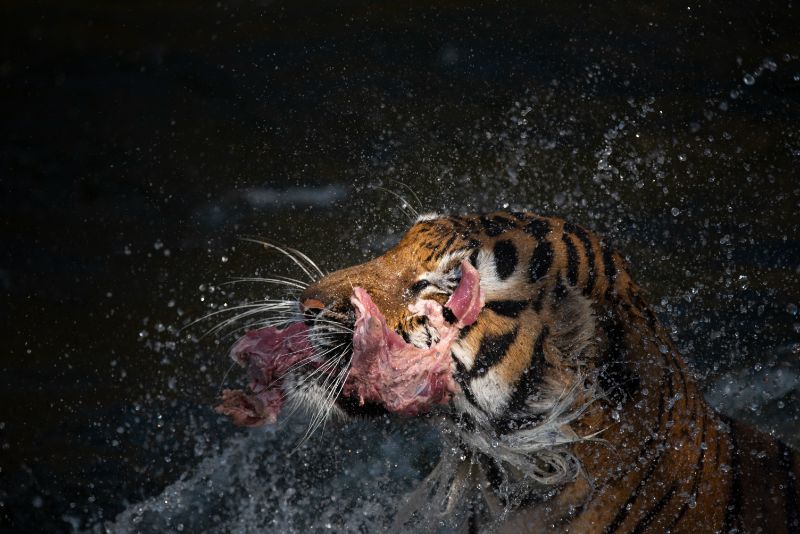
Wild animals have certain behaviors that are uniquely influenced by their environments. Taking an animal –a big cat- into an enclosed habitat when she can’t hunt for herself can harm her life skills.
When big predators are raised on dead meat and never have to hunt for themselves, mingle with the prey they can’t hunt, or entertain humans with tricks, they become further from their natural behaviors. Lack of learning valuable animal life skills such as hunting and social structures eventually alters the animal’s behavior.
This alteration of the animals’ behavior will eventually do more harm than good. Reintroduced animals have a hard time coping with life in the wild after long periods away.
See Related: What Is The Hunter’s Role in Wildlife Conservation?
4. Poor Living Conditions
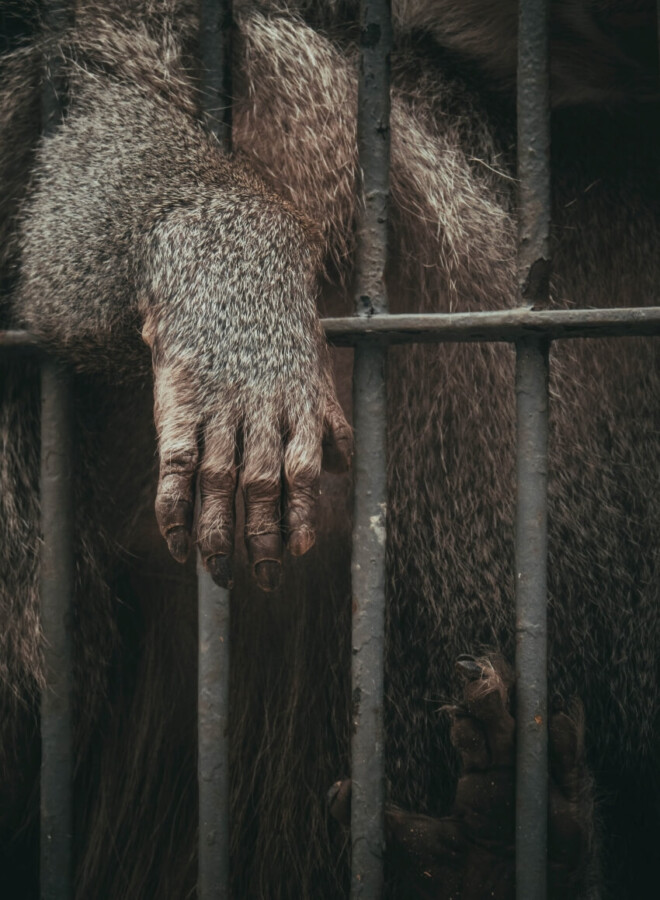
Though the zoo’s business has grown from what it was over a century ago, there are still some things that can be improved. Animals are forced to live in artificial habitats that aren’t anywhere close to their former homes (the wild). Their sleeping quarters can get overcrowded, leading to the animals harming each other.
Their lives in captivity can be harsh, especially when the animal has been completely removed from its social structures. The confined living areas greatly contribute to animal stress and lack of physical stimulation, which would be gained from a nice sprint.
See Related: Most Comfortable Animals in The World
5. Short Lifespan
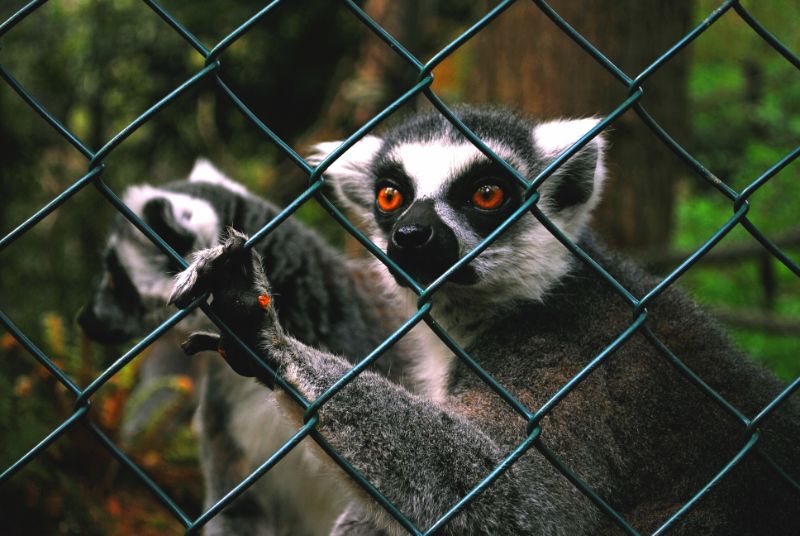
Captivity does not shorten every animal’s life. Small, fast-breeding species that are heavily predated in the wild often live longer behind glass, because the thing that kills them outside is removed. The picture reverses for large, long-lived, wide-ranging mammals — and African and Asian elephants are the clearest case.
In a 2008 Science study, Ros Clubb and colleagues analysed records from more than 4,500 elephants. Elephants in European zoos had about half the median lifespan of elephants in the comparison populations in their range countries. The difference was clearest for Asian elephants; transfers between institutions and being born in a zoo were associated with poorer survival. This was a historical comparison, not a measurement of every zoo operating today. The researchers proposed stress and obesity as possible explanations rather than demonstrating a single cause.
Later evidence gives a more qualified picture. Scherer and colleagues’ study, published online in 2022 and in Zoo Biology in 2023, examined historical North American and European zoo records. Adult survival improved for both elephant species over the full period studied, while juvenile survival did not improve significantly after 1960. Survival in the zoo populations was higher than in some non-zoo populations and lower than in others. These findings support continued monitoring; they do not show that all welfare problems have been resolved or that one historical lifespan comparison applies everywhere.
Life expectancy tracks mental as well as physical health. An animal can be well fed, veterinary-checked and still fail to reach the age its species is capable of, because chronic stress, boredom and disrupted social structure carry their own physiological cost.
See Related: Best Wildlife Conservation Jobs
6. Zoos are Unethical
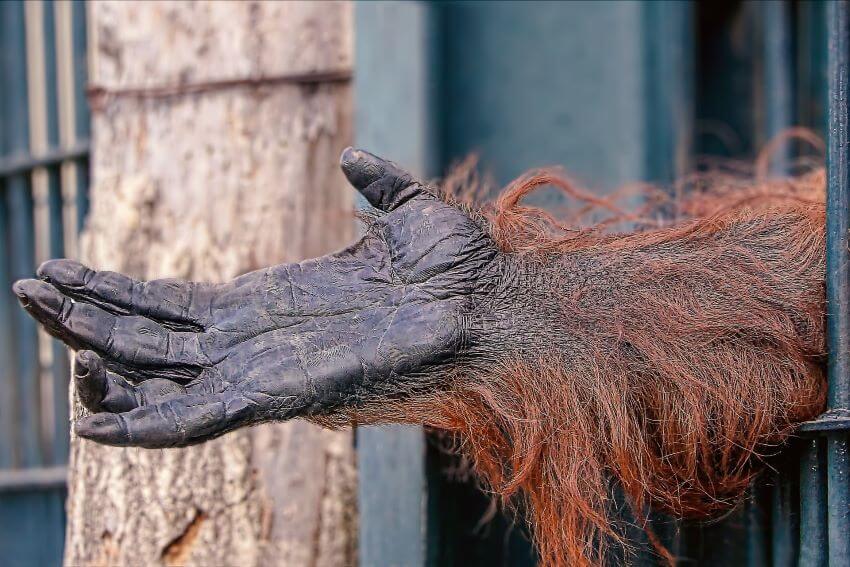
Humans have no right to hunt and lock up animals for our enjoyment. Animal rights activists argue that hunting, capturing, and putting animals on display is unethical.
The animals, too, have rights, and they shouldn’t be subjected to half the things they undergo. Animals are stressed when they get separated from their packs or herds, especially when they end up as the only one of their kind in their new homes.
Taking a species that is not threatened out of the wild serves no purpose for the animal at all — only for the collection that displays it. The older defence, that we cannot know whether animals experience anything, no longer reflects the scientific consensus. The New York Declaration on Animal Consciousness, launched at New York University on 19 April 2024 and signed by 40 scientists and philosophers at launch and by more than 280 within two months, states that there is strong scientific support for conscious experience in mammals and birds, and at least a realistic possibility of it in all vertebrates and in many invertebrates including octopuses and decapod crustaceans. Its practical clause is the one that bears on zoos: where conscious experience is a realistic possibility, it is irresponsible to ignore that possibility when making decisions about the animal.
See Related: Are Humans Animals? Things to Know
7. Insufficient Knowledge of animals
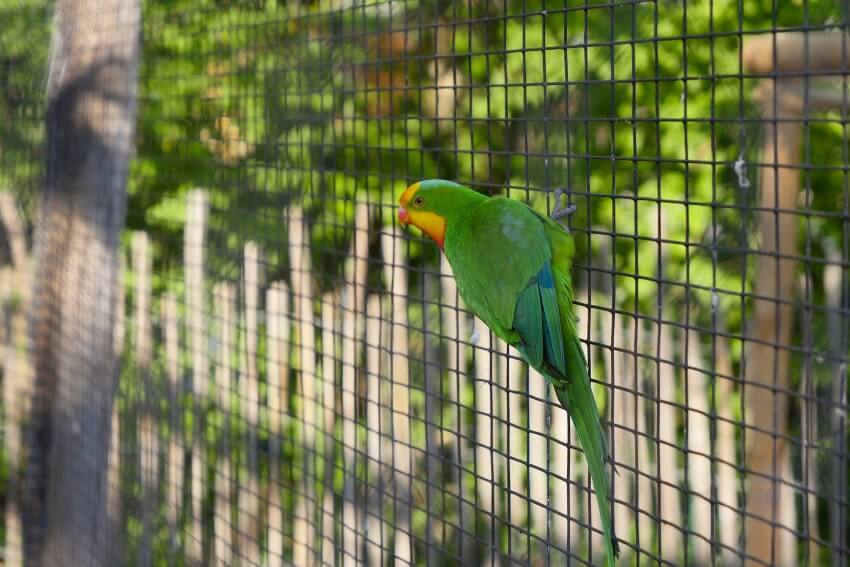
Some sad facts about zoos are that, at times, the people hired to care for and protect these animals aren’t qualified. Cleaners and feeders spend a lot of time with the animals, and understanding the situation one is getting into can be very helpful.
It can be problematic when the caretakers are not well-informed about the animals they will care for. This is how animals get physical and psychological scars from abuse. If an untrained zookeeper comes across a stubborn animal, they might hurt it if they are impatient.
See Related: Endangered Species in Oklahoma
8. Cruel Treatment by Zookeepers
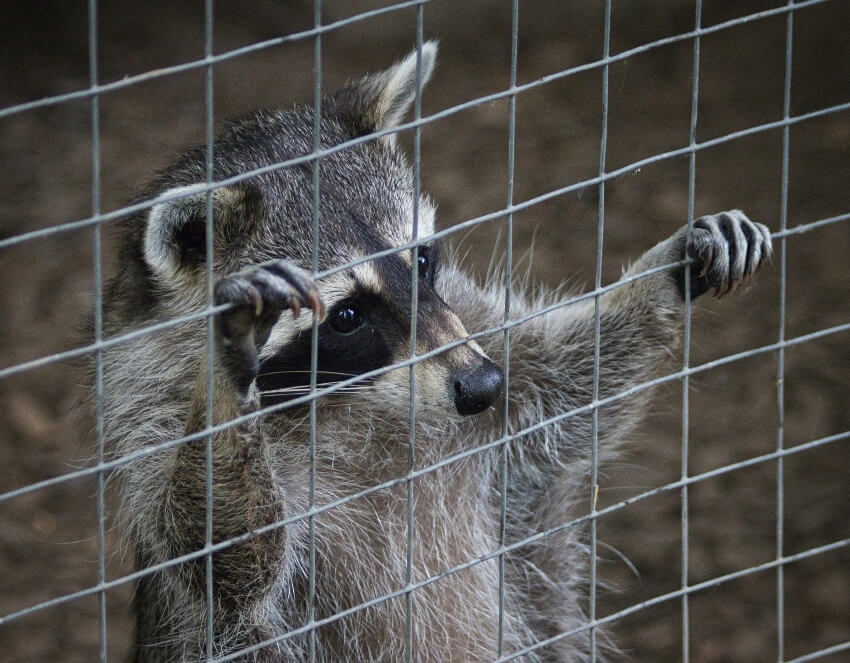
Zoo animals sustain both physical and psychological scars from harsh zookeepers. However, suffering doesn’t have to be physical; boredom, confinement, and stress can cause an animal a lot of suffering.
Even when properly fed and “well” housed, captive animals can never fully relax in confined spaces—especially animals like lions that are used to roaming vast distances in the wild in search of food.
Caring for animals full-time requires someone who is informed about treating animals well and cares about them. It’s zookeepers who aren’t fond of animals that go around hurting animals even when they haven’t been provoked. The worst ones are the malicious keepers who enjoy hurting animals in captivity.
See Related: Best Books on Endangered Species
9. Surplus Animals Killed and Sold Off
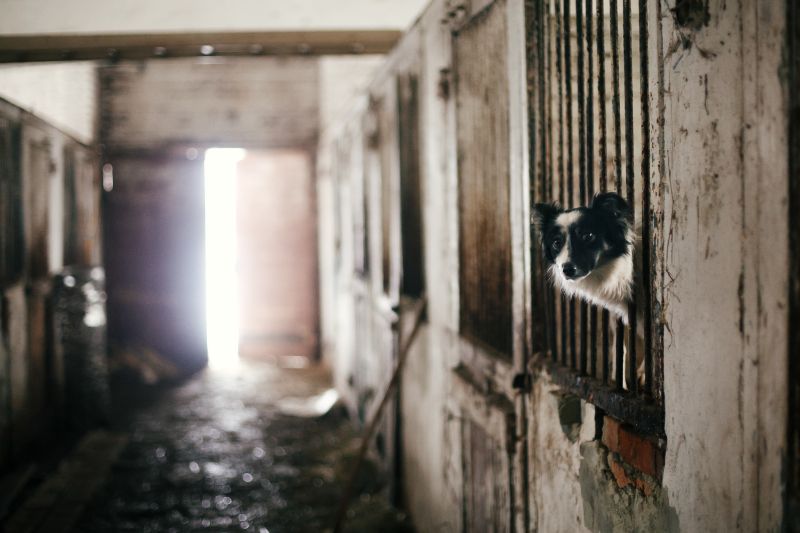
Breeding programs in zoos eventually lead to some animals being sold to other zoos or circuses. The allure of baby animals and the crowds they pull can lead a zoological garden director to increase their number to keep attracting customers.
Sadly, once the small animals outgrow their “cute” phase, the zoo has to eliminate them since feeding and housing them all can get expensive.
Surplus animals are transferred to other zoos, sold, or killed. The practice has a name inside the industry — management euthanasia — and a scale. Dr Lesley Dickie, then executive director of the European Association of Zoos and Aquaria (EAZA), estimated that European zoos management-euthanise somewhere between 3,000 and 5,000 animals a year, a figure spanning everything from tadpoles to giraffes. EAZA does not publish the records.
The case that made the practice public was Marius, a healthy two-year-old giraffe killed at Copenhagen Zoo on 9 February 2014 because his genes were already well represented in the European breeding programme. He was dissected in front of visitors and fed to the zoo’s lions. Copenhagen Zoo has confirmed it also culls leopards, tigers, bears, antelope and hippos on the same grounds. This is not a rogue-operator problem: it is standard population management inside accredited European zoos, which is precisely why it is contested.
See Related: Importance of Wildlife Conservation
10. Working with Circuses
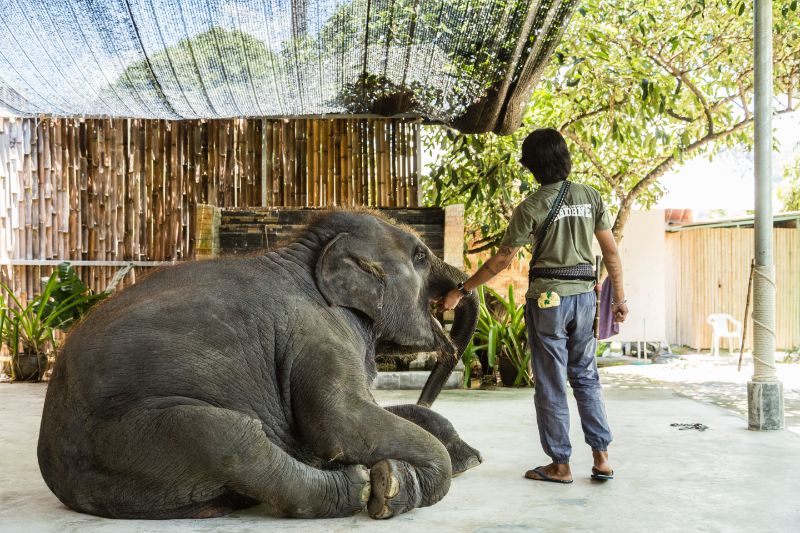
For the unlucky ones that end up in the circuses, they are always in for a wide awakening. The process of training an animal is a long and brutal one.
It gets even worse for the animal if the trainer is impatient. The poor beast will endure beatings over commands they don’t understand. Here is an example of how harsh it can get when an animal is trained to perform tricks.
An earlier version of this article stated that 126 big cats died in captivity in the United States between 1990 and 2021. That figure was wrong and has been corrected. The incident log kept by Big Cat Rescue, which is the most complete US tally available, records since 1990 roughly 811 incidents involving captive big cats, 306 escapes, 275 people mauled, 26 human deaths (21 adults and 5 children) and 162 big cats killed as a result of those incidents. Because no US agency is required to collect these records, the true totals are certainly higher.
US law has since moved. The Big Cat Public Safety Act was signed on 20 December 2022. It bans private possession of lions, tigers, leopards, snow leopards, clouded leopards, jaguars, cheetahs, cougars and their hybrids, and it bans public contact with cubs — the “cub petting” model that drove much of the breeding. Exhibitors keep an exemption only if they hold a Class C licence in good standing under the Animal Welfare Act and allow no direct contact. Knowing violations carry fines up to $20,000 and up to five years’ imprisonment.
See Related: Best Conservation Posters
11. Breeding
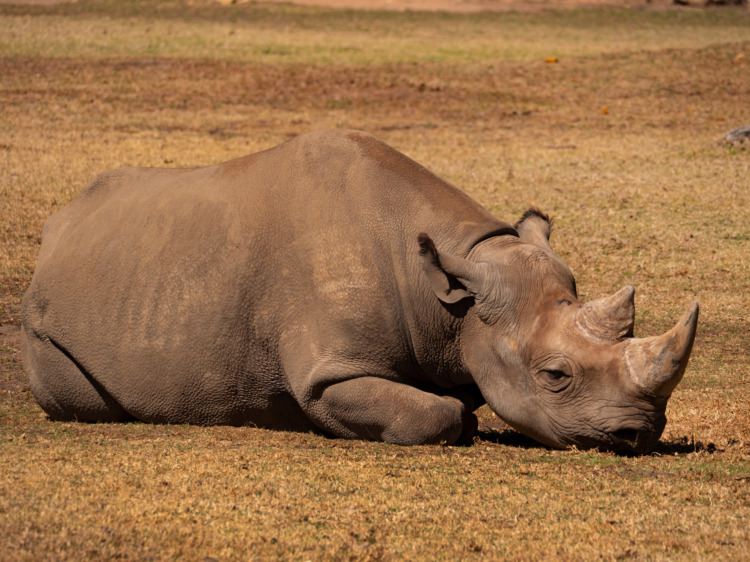
Though breeding endangered animals to help increase their numbers back in the wild is great, some problems come with it. Understanding the optimal requirements for the reproduction of certain animals can be difficult, which could cause problems for the animals.
Animals also lose their genetic diversity, especially due to inbreeding. Genes evolved to help animals adjust to a man-made habitat, which can be detrimental to the populations of the species in the wild.
Captive-bred animals also survive release less well than wild-born ones. Reviews of reintroduction outcomes have put overall success rates at roughly 38% (Griffith and colleagues, 1989) and 11% (Beck and colleagues, 1994), with projects using captive-bred stock significantly less successful than those moving wild animals. A 2018 analysis of North American conservation translocations found that the 40 species zoos bred for release accounted for only about 14% of the animal species involved in published translocations.
None of that makes captive breeding worthless. It is the reason the California condor, black-footed ferret, Arabian oryx, golden lion tamarin and Przewalski’s horse still exist, and species such as the dama gazelle now depend heavily on managed populations. Small, focused programmes tied to habitat protection and release work; keeping charismatic species on display and calling it conservation does not. Field-based projects such as the Sebakwe Black Rhino Trust protect animals in the habitat they will actually live in.
See Related: Endangered Species in California
12. Profits and lack of Regulations
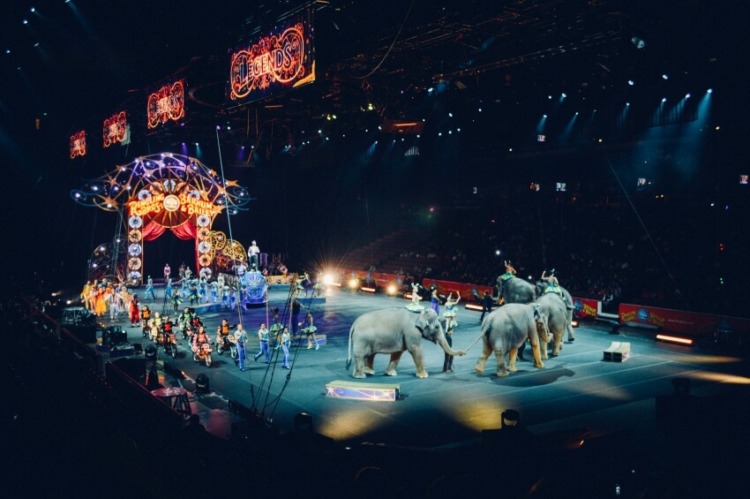
Zoos are built as a source of income for some. The owners of such zoos are focused on maximizing profits even at the animals’ expense.
They are not investing enough to save money when designing a habitat for their animals. Zoos spend millions on building stages and extravagant facilities rather than investing in creating a realistic natural habitat for their young animals.
The claim that zoos are simply unregulated is not accurate, and the real picture is worse in a more specific way. In the United States, exhibitors covered by the Animal Welfare Act generally need a Class C licence from USDA APHIS; coverage and licensing exemptions depend on the animals and activity. In the European Union the Zoos Directive (1999/22/EC) requires member states to license zoos and to make them contribute to conservation, research and education. In Britain the Zoo Licensing Act 1981 does the same job.
A licence and accreditation serve different purposes. USDA’s published Animal Welfare Act rulebook includes space requirements in 9 CFR §3.128 and provisions for social grouping and environmental enrichment for nonhuman primates in §3.81. It is therefore inaccurate to say that federal standards ignore these needs. AZA accreditation is a separate assessment covering animal welfare and other aspects of a facility’s operation, with application review, inspection and periodic reassessment. Visitors can examine a facility’s USDA inspection records and accreditation status rather than treating a licence alone as proof of good welfare.
Do zoos have any negative effects on the environment?
Zoos can be productive in reviving an animal species on the brink of extinction. However, this isn’t always guaranteed, as the breeding practices could be insufficient or even produce animals unsuitable for survival in the wild.
The animals hardest to keep well are often the ones people most want to see. The kea, the world’s only alpine parrot, was bountied until 1971 and is now IUCN Endangered with about 4,000 mature individuals left. Meet the kea and 14 other three-letter animals
When it works out, breeding endangered animals has positive results that can be felt even in the human kingdom. However, zoos have some environmental disadvantages, ranging from species overpopulation to global warming.
See Related: How Similar is Human DNA to Other Animals
Negative Environmental Complications
Removing a large predator from a landscape does have knock-on effects, and they are well documented. Wolves, big cats and bears regulate the numbers and the movement of herbivores below them, so losing them changes the whole system — the classic case being the return of wolves to Yellowstone in 1995. One caveat has to be stated plainly, because this article previously blurred it: zoo collecting is not what removes predators from the wild today. Habitat loss, poaching, retaliatory killing and the wildlife trade are. Accredited zoos now source almost all mammals from other collections rather than from the wild.
Where predators genuinely are lost, the sequence is predictable. Their prey increases and, with nothing pushing herds off vulnerable ground, browsing pressure concentrates.
An increase in the populations of herbivorous animals such as deer and buffalos isn’t good, especially not for the vegetation and ground cover.
Tree regeneration fails where moose, elk and deer browse every sapling, which is a real blow to the biodiversity of the affected region.
Zoos do carry their own direct environmental costs, and they are more mundane than trophic collapse: international air transport of animals between institutions, the energy needed to heat tropical houses and chill polar exhibits in the wrong climate, and, for public aquariums, a supply chain that still draws wild-caught fish and coral from reef ecosystems. Those are the footprints worth arguing about.
Once ground cover goes, soil erosion follows: rain strips the topsoil and exposes bare land. Fewer trees means less moisture recycled back into the air, thinner vegetation, and in some regions genuine drought — which pushes surviving animals to move to areas with better conditions.
An earlier version of this article said that losing vegetation causes warming “due to less carbon in the atmosphere”. That is backwards, and the correction matters. Vegetation stores carbon; clearing or degrading it releases carbon into the atmosphere and removes a sink that would otherwise absorb more. The Global Carbon Budget puts emissions from land-use change, principally deforestation, at about 4.2 billion tonnes of CO2 in 2024. That is the real link between vegetation loss and climate change.
See Related: Animals That Have Become Extinct in the Last 100 Years
What is a Zoo?
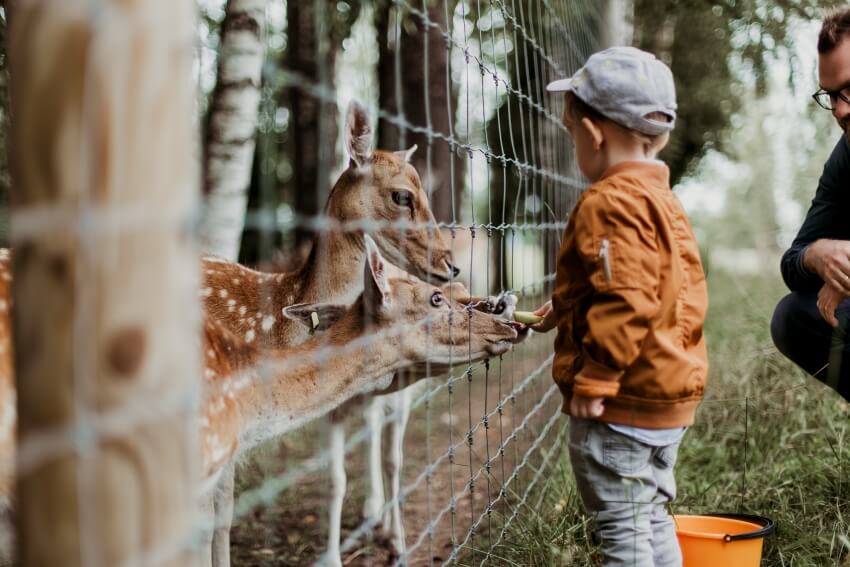
A zoological park is a collection of live animals kept for public display, and increasingly justified by conservation, research and education. The dates are often reported loosely, so here they are straight. Tiergarten Schönbrunn in Vienna, founded in 1752 as a Habsburg imperial menagerie and opened to the public in 1779, is the oldest zoo still operating. The Ménagerie du Jardin des Plantes in Paris followed in 1793. London Zoo, opened on 27 April 1828, was the first scientific zoo, founded for study rather than spectacle and opened to the paying public in 1847. Royal animal collections are far older still, going back thousands of years in Egypt and Mesopotamia, but those were menageries that dispersed when their owner died.
The idea of conserving and breeding animals at risk of going extinct is great; the problem is that not all zoos live up to it. Most zoos don’t focus on the educational aspect of zoos; the animals are mainly kept for amusement.
What are some benefits of having zoos?
Extinction is an ordinary part of the history of life, but the current wave is not ordinary and it is not a story about weak animals losing out. It is driven by habitat loss, hunting, invasive species, pollution and climate change, and it is running orders of magnitude above the background rate. Within that, zoos have a genuine record: coordinated breeding programmes are the reason the California condor, black-footed ferret, Arabian oryx and Przewalski’s horse were not lost. Several endangered species success stories began in captivity.
Caring for the said animals away from their predators will protect them and give their species a chance to repopulate. Unlike in the wild, where these endangered species worry about staying safe, they get cared for in these breeding programs.
Students and the general public get to learn about different species of animals. This can lead to appreciating other animals and seeing them treated much better.
One common claim is worth correcting: accredited zoos generally do not take in unwanted exotic pets. They cannot, without compromising the genetics and disease status of managed breeding populations. Surrendered pets go to accredited sanctuaries and rescue centres, which is a different kind of institution with a different mandate.
Is there hope for animals in zoos?
Zoological park associations were formed to keep zoo owners on their toes. Zoos are held to their word of conserving animals and releasing them back into the wild when ready.
The best known is the Association of Zoos and Aquariums (AZA). As of March 2026 it lists 240 accredited institutions plus 14 accredited related facilities — 254 in 12 countries, of which 229 are in the United States. Most are non-profits or municipal facilities rather than businesses. The Zoological Association of America accredits a separate and much smaller US group, and the European Association of Zoos and Aquaria (EAZA) plays the equivalent role in Europe.
These associations ensure that members treat their animals with a high standard of care and follow any guidelines they provide. Such as ensuring animals aren’t caged and treated less than they deserve. Sadly, most of these associations end up protecting the interests of their members and not the animals they should be protecting.
What animals should not be kept in zoos?
Keeping wild animals in zoos is controversial, and there is no definitive answer about which animals should or should not be kept in captivity. It is generally known that animals that require large territories to roam are highly intelligent and have complex social structures.
The species most consistently identified by welfare researchers are elephants, polar bears, big cats, great apes and cetaceans — all wide-ranging, long-lived and socially complex. The Clubb and Mason home-range finding explains why: the further a species travels in the wild, the worse it copes with an enclosure. Several major zoos have acted on this and closed their elephant exhibits rather than rebuild them, and the marine-mammal case has moved furthest of all. On 17 March 2016 SeaWorld announced it would stop breeding orcas, making the whales then in its care the last it would hold; later that year California enacted a law banning captive orca breeding and theatrical orca shows, with penalties up to $100,000. The last orca born at a SeaWorld park arrived in 2017.
What are the alternatives to zoos?
The alternative to a zoo is not an empty enclosure. Three models already exist and each does part of the job a zoo claims to do.
Accredited sanctuaries
A true sanctuary is defined by what it refuses to do. Facilities accredited by the Global Federation of Animal Sanctuaries do not breed, do not buy, sell or trade animals, and do not allow public contact or performance. Animals arrive because they were confiscated, retired or surrendered, and they stay for life. The word “sanctuary” itself is not legally protected in the United States, so accreditation is the only reliable way to tell a genuine sanctuary from a roadside zoo using the label.
In-situ conservation
Protecting animals in the habitat they already occupy is cheaper per animal and protects the whole ecosystem alongside the headline species. It is also the only version of conservation that addresses why a species is declining in the first place. Field programmes, ranger patrols, community-run conservancies and habitat corridors all sit here, and this is where most zoo conservation spending is best directed.
Conservation breeding tied to release
The defensible version of captive breeding is narrow: a species that cannot currently survive in the wild, a programme built around returning it there, and a habitat prepared to receive it. The California condor and black-footed ferret programmes look like this. Permanent display collections of animals that will never be released do not, whatever the signage says.
What to Read Next
Captivity is one argument in a much larger one. What actually saves animals facing extinction covers the interventions that work in the wild, and 27 animals that mate for life shows the social bonds enclosures most often break.
FAQs
What are the negative effects of zoos on animals?
The main documented effects are stereotypic behaviour, restricted space and disrupted social groups, and shorter lives in some large mammals. A 2016 PLOS ONE study of elephants in North American zoos found stereotypic behaviour filled 15.5% of daytime and 24.8% of night-time observations. u003cbru003eu003cbru003eA 2003 Nature study of 35 carnivore species found that the wider a species ranges in the wild, the more pacing and the higher the infant mortality it shows in captivity — polar bear enclosures are roughly one-millionth of a wild home range.
Is it morally wrong to keep animals in zoos?
It is genuinely contested. The strongest argument for zoos is that coordinated breeding saved the California condor, black-footed ferret and Arabian oryx from extinction. The strongest argument against is that the great majority of animals on display will never be released, and that European zoos management-euthanise an estimated 3,000 to 5,000 surplus animals a year. u003cbru003eu003cbru003eThe New York Declaration on Animal Consciousness, launched on 19 April 2024, states there is strong scientific support for conscious experience in mammals and birds, which raises the ethical stakes of confinement rather than settling them.
Why should animals not be kept in zoos?
Because confinement causes measurable harm to wide-ranging, long-lived and socially complex species. A 2008 Science study of more than 4,500 female elephants found a median lifespan of 18.9 years in European zoos against 41.7 years for Asian elephants in Myanmar timber camps. u003cbru003eu003cbru003eThe species most consistently flagged by welfare researchers are elephants, polar bears, big cats, great apes and cetaceans — the animals that roam furthest and live longest in the wild.
Why do people argue zoos should exist?
The case for zoos rests on conservation breeding, public education and research funding, and it is not empty: several species alive today exist only because of captive programmes. The counter-evidence is that reintroduction succeeds in a minority of attempts — reviews put overall success near 11% to 38% — and that zoo-bred animals accounted for only about 14% of the species in published North American translocations, so most display animals are not part of any release plan.
Related Resources
- Animals That Start With X
- Why Do Animals Like Being Pet?
- Ways to Save Animals Facing Extinction
- Animals That Start With V