Extinction is the permanent loss of a species when no living individuals remain. The main causes of extinction today are habitat loss and land-use change, overexploitation, invasive species, climate change, and pollution. Disease, shrinking populations, loss of genetic diversity, food-web disruption, and rare natural catastrophes can also push species past recovery. Most extinctions result from several pressures acting together.
The 2019 IPBES Global Assessment identifies five major direct drivers of change in nature: changes in land and sea use, direct exploitation of organisms, climate change, pollution, and invasive alien species. Their relative importance varies by ecosystem. Habitat conversion is especially consequential on land and in freshwater, while direct exploitation such as overfishing is a major pressure in the ocean.
What does extinction mean?
A species is extinct when its last individual has died. Under the IUCN Red List Categories and Criteria, a species is classified as Extinct only when there is no reasonable doubt that the last individual is dead after appropriate surveys of its former range.
Extinction in the Wild is different: the species survives only in captivity, cultivation, or populations established outside its former range. Local extinction, also called extirpation, means a species has disappeared from one area but still survives elsewhere. These distinctions matter when comparing endangered, threatened, and extinct species.
Extinction is part of evolution over geological time, but that does not make every modern extinction ordinary or unavoidable. Human activity can increase mortality, remove habitat, isolate populations, and change environmental conditions faster than some species can reproduce, move, or adapt.
Key takeaways
- Habitat loss and broader changes in land and sea use are the leading direct driver of biodiversity loss globally, especially in terrestrial and freshwater systems.
- Overexploitation includes unsustainable hunting, fishing, logging, collecting, bycatch, and wildlife trade.
- Invasive species, climate change, pollution, and disease can act alone, but they often become more dangerous when populations are already small or fragmented.
- Low genetic diversity and food-web disruption are usually mechanisms that amplify other threats rather than independent global drivers of equal scale.
- Asteroid impacts can cause mass extinctions, but they are rare and are not a leading cause of the present biodiversity crisis.
The 9 main causes of extinction
| Cause | How it raises extinction risk | Typical example |
|---|---|---|
| Habitat loss and fragmentation | Removes food, shelter, breeding sites, and connections between populations | Forest clearing, wetland drainage, dams, roads, and coastal development |
| Overexploitation | Removes organisms faster than populations can replace them | Overfishing, hunting, logging, collecting, and bycatch |
| Invasive species | Adds new predators, competitors, pathogens, or habitat-altering organisms | Introduced rats, cats, foxes, snakes, plants, and microbes |
| Climate change | Shifts temperature, rainfall, seasons, sea level, fire, and ocean conditions | Range loss, marine heatwaves, drought, coral bleaching, and seasonal mismatch |
| Pollution | Damages organisms directly or changes the habitats and food webs they need | Pesticides, toxic metals, nutrient runoff, plastics, noise, and light |
| Disease | Causes severe mortality when vulnerable hosts encounter new or intensified pathogens | Chytrid fungi in amphibians |
| Small populations and low genetic diversity | Increase inbreeding, demographic instability, and sensitivity to chance events | Isolated populations with few breeding adults |
| Food-web disruption and coextinction | Removes prey, hosts, pollinators, seed dispersers, or other essential partners | A specialist parasite disappearing with its only host |
| Natural catastrophes | Cause rapid environmental change across a species’ entire range | The Chicxulub asteroid impact about 66 million years ago |
1. Habitat loss, degradation, and fragmentation
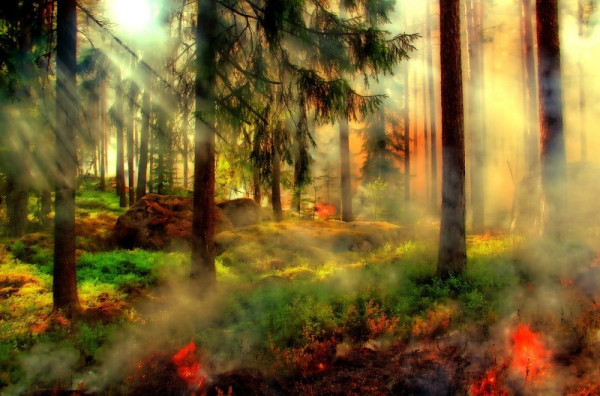
Habitat loss occurs when a natural area is converted so extensively that native species can no longer use it. Habitat degradation leaves an area in place but reduces its quality through altered water flow, soil erosion, fire, pollution, invasive species, or the loss of important vegetation. Both can affect forests, grasslands, wetlands, rivers, coral reefs, seagrass beds, and other types of habitats.
Fragmentation divides a once-connected habitat into smaller patches. A population may still survive in each patch, yet roads, farms, fences, dams, and development can prevent individuals from reaching mates, seasonal feeding grounds, or safer habitat as conditions change. Smaller patches also expose more of the habitat to heat, wind, predators, human disturbance, and invasive species along its edges.
Habitat change often starts a chain reaction rather than causing immediate disappearance. A species can remain present for years while its population ages, breeding falls, and isolated groups lose genetic diversity. Ecologists call the delayed losses that follow past habitat destruction an extinction debt.
Protecting intact habitat, restoring degraded areas, and reconnecting isolated patches are therefore central habitat loss solutions.
2. Overexploitation

Overexploitation happens when people remove wild organisms faster than their populations can recover. It includes hunting, fishing, logging, plant collecting, the pet and wildlife trades, and accidental capture such as fisheries bycatch.
Species with slow reproduction are especially vulnerable. Large mammals, sharks, rays, long-lived trees, and animals that produce few young may need decades to rebuild after heavy losses. A declining species can also become more valuable because it is rare, creating an incentive to keep harvesting the last individuals unless trade and enforcement are effective.
Historical examples include Steller’s sea cow, which was hunted to extinction within a few decades of its scientific description, and the passenger pigeon, whose collapse reflected both industrial-scale hunting and extensive habitat loss. These cases show why a single-cause story can be misleading even when exploitation is the immediate pressure.
In marine ecosystems, overfishing can remove target species, deplete prey, alter predator populations, and kill non-target wildlife. Well-designed harvest limits, protected areas, bycatch reduction, traceable supply chains, and enforcement can reduce these risks. Not every use of wildlife is unsustainable; the key question is whether removals remain within a population’s capacity to reproduce and recover.
3. Invasive species
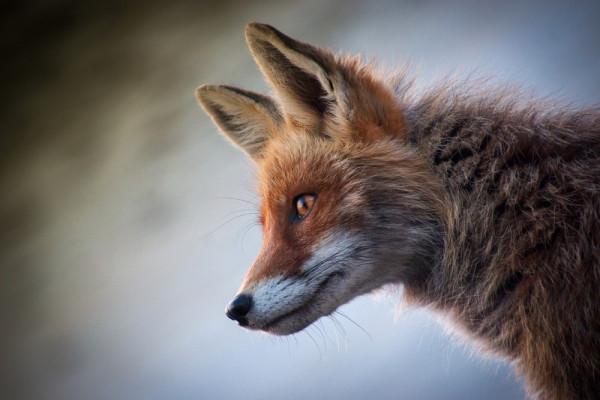
An alien or non-native species is one transported beyond its natural range by human activity. It becomes invasive when it establishes, spreads, and causes harm. Many introduced crops and garden plants are not invasive, so the terms non-native and invasive should not be used interchangeably.
Invasive species can prey on native wildlife, compete for food or nesting sites, introduce pathogens, hybridize with rare relatives, or change fire, water, and nutrient cycles. Island species are often highly exposed because they evolved without mammalian predators such as rats, cats, or foxes and may nest on the ground or show little defensive behavior.
The 2023 IPBES invasive alien species assessment found that invasive alien species contributed, alone or with other drivers, to 60% of recorded global extinctions and were the only documented driver in 16%.
Prevention is usually more effective and less costly than control after an invasion spreads. Biosecurity, inspection, early detection, rapid response, and careful regulation of high-risk trade and transport routes are therefore essential.
4. Climate change
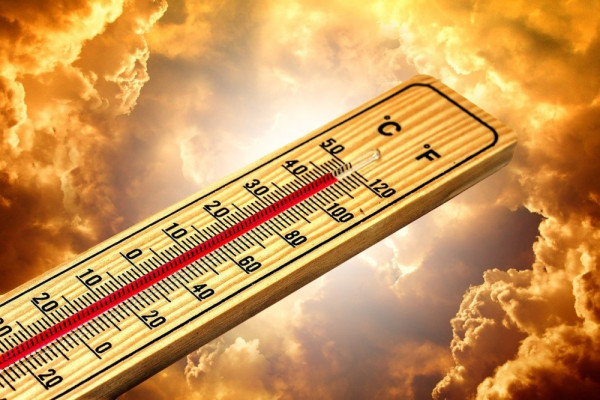
Climate change raises extinction risk by altering temperature, rainfall, snow and ice, sea level, wildfire, river flow, and ocean conditions. Some species can move or adjust their behavior, but others are blocked by development, mountains, coastlines, fragmented habitat, or the disappearance of suitable climate conditions.
Timing matters as much as temperature. A plant may flower before its pollinator emerges, a migratory animal may arrive after a seasonal food pulse, or a predator may lose access to prey. In the ocean, warming, marine heatwaves, oxygen loss, and acidification can combine with fishing and pollution.
The IPCC Sixth Assessment Report identifies the Bramble Cay melomys as an extinction in which sea-level rise and stronger storm-surge exposure associated with climate change were the most probable drivers. The same assessment emphasizes that climate risk often interacts with invasive species, pollution, disease, and habitat loss.
Reducing greenhouse gas emissions limits future exposure, while connected habitat, protected climate refuges, restored wetlands, and resilient freshwater systems can help species adapt. These measures complement broader solutions to climate change.
5. Pollution
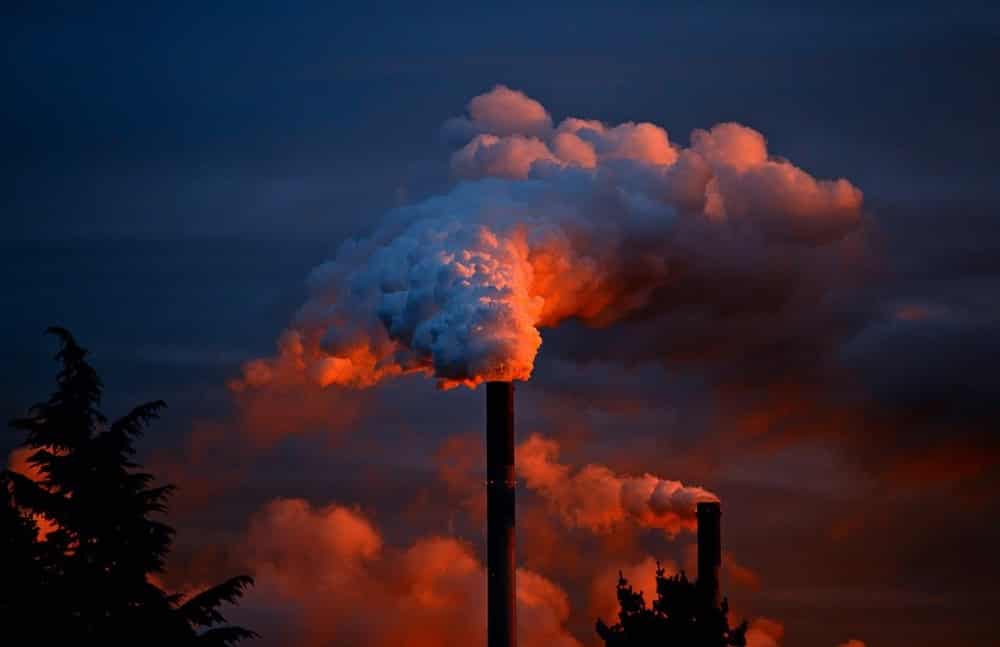
Pollution can kill organisms directly, reduce fertility, disrupt development and behavior, weaken immune systems, or make habitat unsuitable. The effect depends on the pollutant, dose, duration, species, and environmental conditions.
Major pathways include pesticides and industrial chemicals, toxic metals, oil spills, plastic ingestion and entanglement, sewage, sediment, and nutrient runoff. Excess nutrients can trigger algal blooms; when the algae die and decompose, oxygen levels can fall far enough to exclude or kill aquatic life. Noise and artificial light can also disrupt communication, migration, feeding, and reproduction.
Pollutants may move through food webs and concentrate in predators. They can also interact with heat, drought, disease, and habitat degradation, making a concentration that is tolerable under one condition more damaging under another.
Prevention requires source control, safer chemicals, effective wastewater treatment, spill prevention, agricultural runoff management, and better waste systems. A closer look at types of water pollution shows why the remedy depends on where the contaminant comes from and how it moves through an ecosystem.
6. Disease
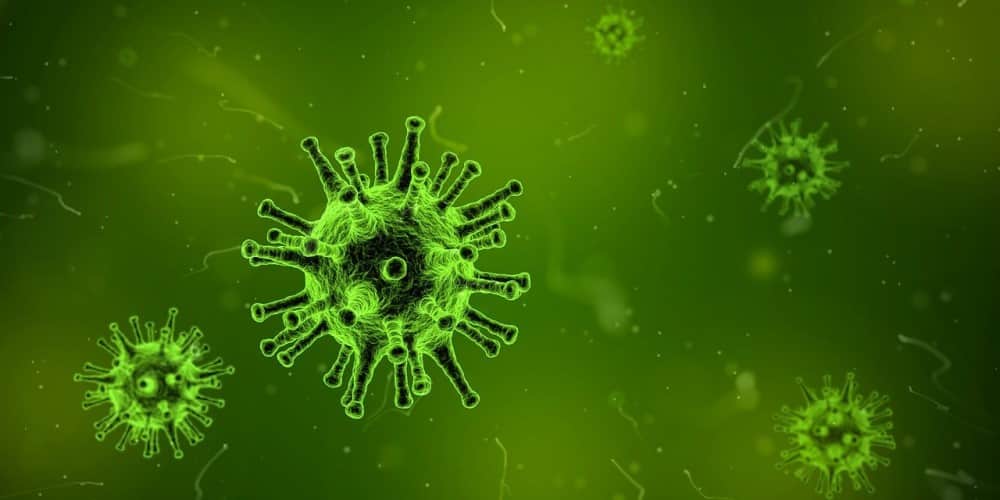
Disease can drive a population down rapidly when a pathogen reaches hosts with little resistance. The danger is greatest when the species has a small range, low genetic variation, dense breeding colonies, or no uninfected refuge.
Chytridiomycosis, caused by fungal pathogens, has been linked to severe declines across hundreds of amphibian species. A 2019 global analysis in Science associated chytrid fungi with declines in 501 amphibian species and 90 confirmed or presumed extinctions. Attribution is difficult in some cases because habitat loss, climate, pollution, and introduced predators may act at the same time.
Wildlife trade, transport, released pets, contaminated equipment, and movement between farms or captive facilities can spread pathogens into new regions. Surveillance, quarantine, hygiene protocols, trade controls, and rapid diagnosis are therefore conservation tools as well as public- and animal-health measures.
Many endangered amphibians need both disease management and habitat protection. Treating the pathogen without addressing the conditions that make populations vulnerable rarely solves the whole problem.
7. Small populations and low genetic diversity
Low genetic diversity is often both a consequence and an amplifier of decline. When populations become small or isolated, genetic drift and inbreeding can reduce variation. That can lower fertility, expose harmful recessive traits, and narrow the range of responses available when disease or environmental conditions change.
Small populations also face demographic risks that are not strictly genetic. A run of poor breeding years, an unbalanced sex ratio, a single storm, or the loss of a few reproductive adults can have an outsized effect. Individuals may become so dispersed that they cannot find mates, a problem known as an Allee effect.
This feedback loop is often called an extinction vortex: population decline increases genetic and demographic risk, which causes further decline. Protecting habitat and restoring movement between populations can be more important than focusing on genes alone.
Cheetahs are a familiar example of low genetic diversity, but genetics does not determine their fate by itself. The Smithsonian Conservation Biology Institute has documented declining genetic diversity in wild cheetahs while emphasizing coordinated breeding and in-situ conservation. Habitat, prey, conflict with people, and population connectivity remain decisive.
8. Food-web disruption and coextinction
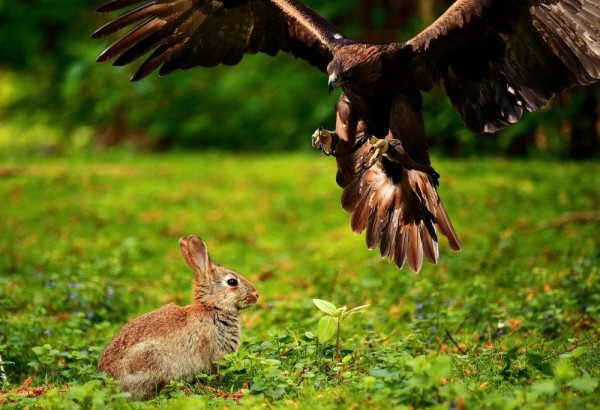
No species exists in isolation. Animals, plants, fungi, and microbes depend on one another for food, pollination, seed dispersal, shelter, nutrient cycling, and reproduction. Removing one species can change the abundance or behavior of many others.
A coextinction occurs when one species disappears because another species it depends on is lost. The risk is highest for specialists, such as a parasite with one host, an insect that breeds on one plant, or a plant with one effective pollinator. A 2022 study in Science Advances showed why ecological dependencies need to be included when projecting future losses.
Food-web change can also create trophic cascades. When sea otter populations decline, sea urchins can increase and consume more kelp, reducing habitat for other organisms. That example does not mean every cascade ends in extinction, but it shows how the loss of one ecological role can spread through a community.
Conservation planning therefore needs to protect interactions, not just isolated species. Saving a pollinator without its host plants—or a predator without enough prey—may not produce a self-sustaining population.
9. Natural catastrophes, including asteroid impacts
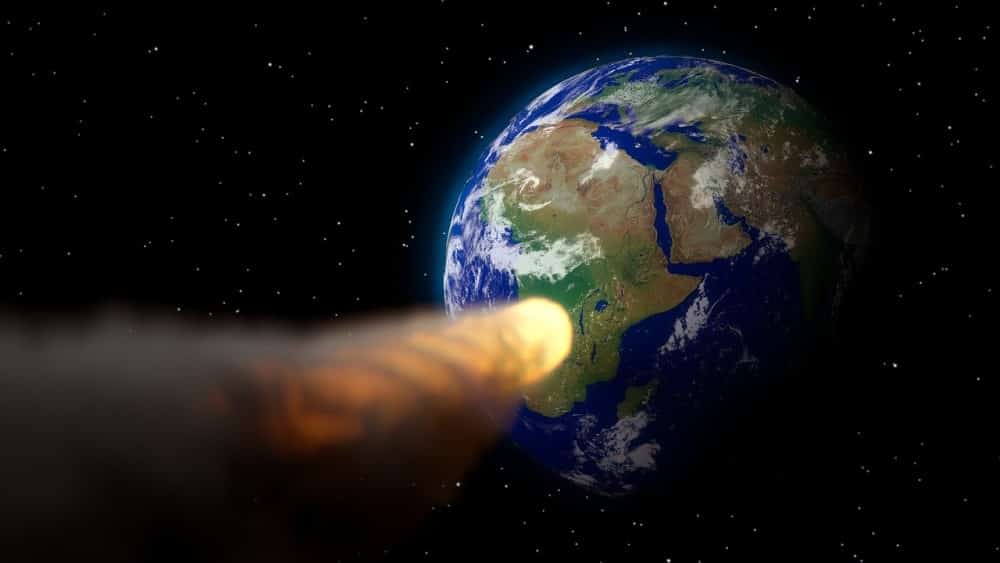
Natural environmental change has caused extinctions throughout Earth’s history. Major volcanic episodes, rapid climate shifts, ocean chemistry changes, sea-level change, and asteroid impacts can transform habitats faster than species can adapt or move.
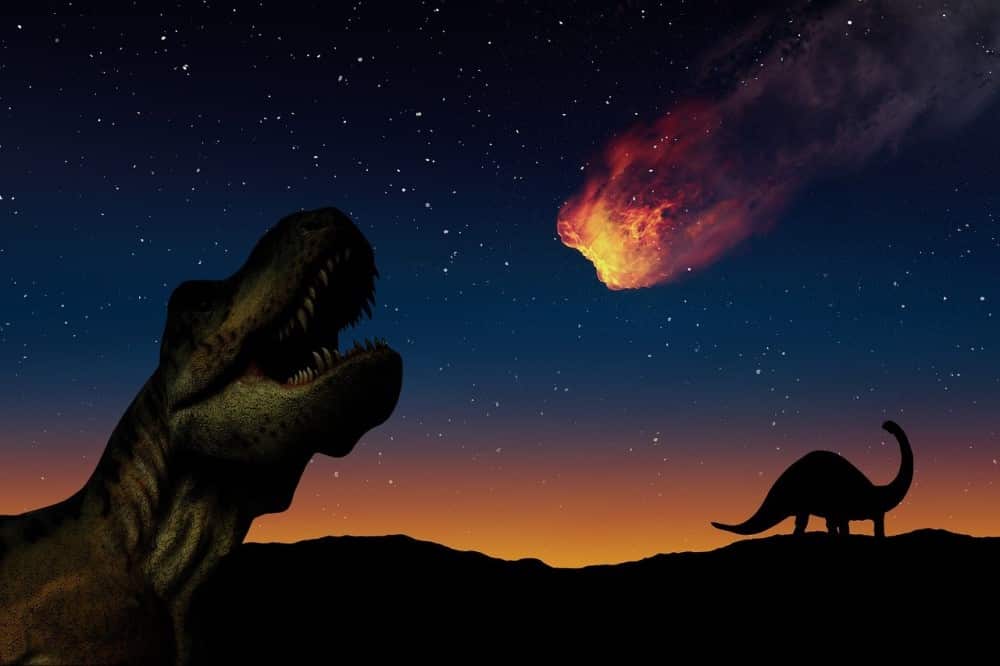
An asteroid is a rocky body orbiting the Sun. A meteoroid is a smaller object in space, a meteor is the streak of light produced as it enters an atmosphere, and a meteorite is material that reaches the ground. The object that struck near Chicxulub on Mexico’s Yucatán Peninsula was an asteroid.
The Chicxulub impact assessment published in Science concluded that the collision triggered the Cretaceous-Paleogene mass extinction about 66 million years ago. Roughly three-quarters of species disappeared, including all non-avian dinosaurs. Dust, soot, and sulfur-rich aerosols reduced sunlight, cooled the climate, disrupted photosynthesis, and destabilized food webs.
Asteroid impacts are important to Earth’s extinction history, but they should not be treated as the default explanation for every mass extinction. The end-Permian event, for example, is primarily associated with massive volcanism and resulting climate and ocean disruption rather than a well-supported asteroid impact.
Why extinction usually has more than one cause
Many species disappear through a sequence of interacting pressures. Forest clearing may divide a population into small patches. Isolation then reduces mating and genetic exchange. A drought or heatwave lowers food availability, and a new disease causes mortality the remaining population cannot replace. Labeling only the final event as the cause hides the conditions that made extinction likely.
This interaction also explains why global rankings of threats do not predict every individual case. Habitat change may be the dominant driver across many terrestrial systems, while one island bird may be lost mainly to an introduced predator and one marine species mainly to harvest or bycatch. Reliable explanations identify the direct pressure, the underlying drivers, and the mechanisms that prevented recovery.
Can extinction be prevented?
Extinction prevention works best before a population reaches its final few individuals. The most effective response depends on the threat, but conservation programs commonly combine the following measures:
- Protect and restore connected habitat: conserve intact ecosystems, improve degraded areas, and create corridors or wildlife crossings where fragmentation blocks movement.
- Keep harvest within ecological limits: use science-based fishing and hunting rules, reduce bycatch, stop illegal trade, and protect breeding adults and critical seasons.
- Prevent biological invasions and disease spread: strengthen biosecurity, quarantine, early detection, rapid response, and hygiene protocols.
- Reduce climate and pollution pressures: cut greenhouse gas emissions, protect climate refuges, control toxic releases, and improve wastewater and runoff management.
- Monitor populations early: track abundance, range, reproduction, mortality, and genetic connectivity so action begins before collapse.
- Use intensive recovery tools when justified: captive breeding, seed banks, translocation, assisted gene flow, and reintroduction can help, but they do not replace secure habitat or removal of the original threat.
- Support durable local stewardship: conservation is more likely to last when Indigenous peoples and local communities have rights, knowledge, resources, and a meaningful role in decisions.
These approaches span both conservation and preservation. For practical actions at household, community, and policy levels, see these ways to help animals facing extinction.
Frequently asked questions about extinction
What is the number one cause of extinction today?
Habitat loss and broader changes in land and sea use are the leading direct driver globally, especially on land and in freshwater. In marine systems, direct exploitation such as overfishing is often the dominant pressure. Most threatened species face more than one cause.
Why do animals go extinct naturally?
Natural extinction can follow long-term environmental change, competition, predation, disease, failure to adapt, small population size, volcanic activity, rapid climate shifts, or rare catastrophes such as asteroid impacts. Natural causes still operate, but many recent extinctions have been accelerated by human activity.
How does climate change cause extinction?
Climate change can remove suitable habitat, shift food and breeding seasons, increase heat, drought, fire, flooding, and disease, raise sea level, and alter ocean temperature, oxygen, and acidity. Extinction risk rises when a species cannot move, adapt, or reproduce quickly enough.
Can one disease make a species extinct?
Yes, but disease usually acts with other pressures. A new pathogen is most dangerous when a species has a small range, few individuals, low genetic diversity, dense breeding sites, or no disease-free refuge.
What is the difference between endangered and extinct?
An endangered species still has living individuals but faces a very high risk of extinction. An extinct species has no surviving individuals. Extinct in the Wild means the species survives only in captivity, cultivation, or outside its former natural range.
Are we in a sixth mass extinction?
Scientists agree that biodiversity is declining rapidly and extinction risk is elevated because of human activity. The label sixth mass extinction is widely used, but whether current documented losses already meet the geological threshold applied to past mass extinctions remains debated.
The bottom line
The leading causes of extinction today are habitat change, overexploitation, invasive species, climate change, and pollution. Disease, genetic decline, and food-web disruption often magnify those pressures, while asteroid impacts and other natural catastrophes explain important events in the fossil record.
The most useful question is rarely “Which single cause killed this species?” A better investigation asks which pressures reduced the population, which mechanisms blocked recovery, and which interventions can still change the outcome. Studying animals that have become extinct can reveal those patterns—and help prevent the same sequence from repeating.
See Related: What is the Lion Extinction Status? The Alarming Decline of Africa’s Majestic Predators