
Overharvesting, also called overexploitation, is the removal of wild plants, animals, fungi, or other renewable biological resources faster than their populations can reproduce or regrow. It can shrink populations, reduce genetic diversity, disrupt food webs, damage habitats, undermine livelihoods, and cause local or global extinction.
This article uses the conservation-biology meaning of overharvesting. It does not mean that all hunting, fishing, logging, or plant collection is harmful. Harvest becomes unsustainable when removal and incidental damage exceed the resource’s capacity to recover. That distinction is central to conserving natural resources without ignoring the people who depend on them.
Fisheries data and policy references were last verified in July 2026.
Key Takeaways
- Direct exploitation of wild species is the largest direct driver of biodiversity loss in marine ecosystems and the second largest in terrestrial and freshwater ecosystems, according to the Convention on Biological Diversity.
- Overharvesting affects more than the target species. It can alter predator-prey relationships, reduce genetic resilience, create bycatch, damage habitat, and weaken ecosystem services.
- The FAO’s 2025 global assessment classified 35.5% of assessed marine fish stocks as overfished. The status of any fishery still depends on the species, stock, region, and quality of management.
- Recovery is possible when harvest pressure falls early enough and management protects breeding populations, habitat, genetic diversity, and local livelihoods.
- The strongest solutions combine science-based limits, monitoring, enforceable rights, community participation, legal and traceable trade, selective gear, and habitat protection.
What Is Overharvesting?
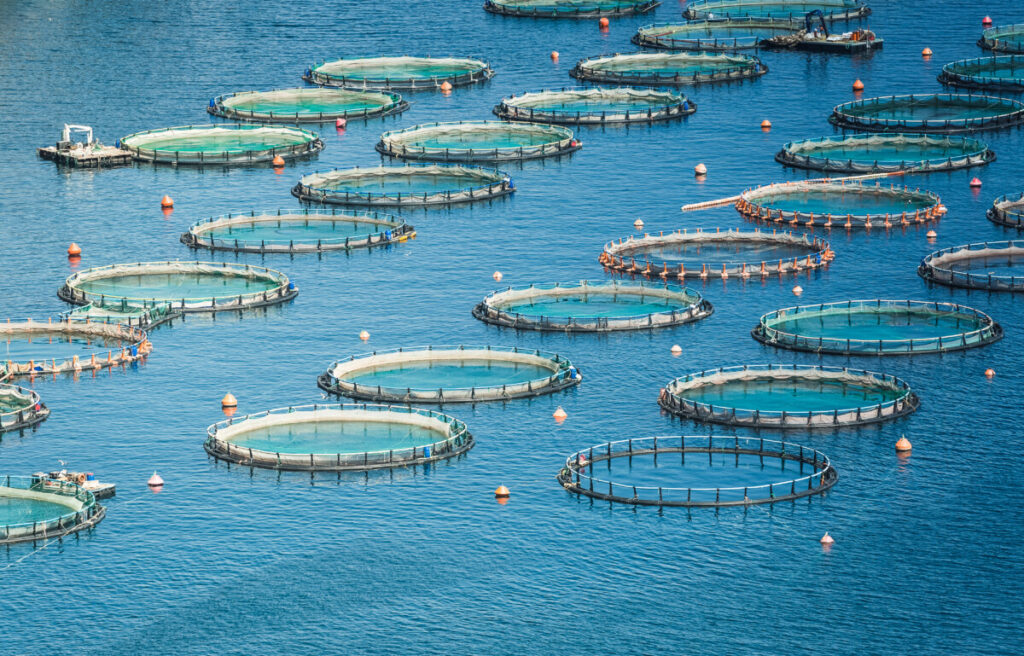
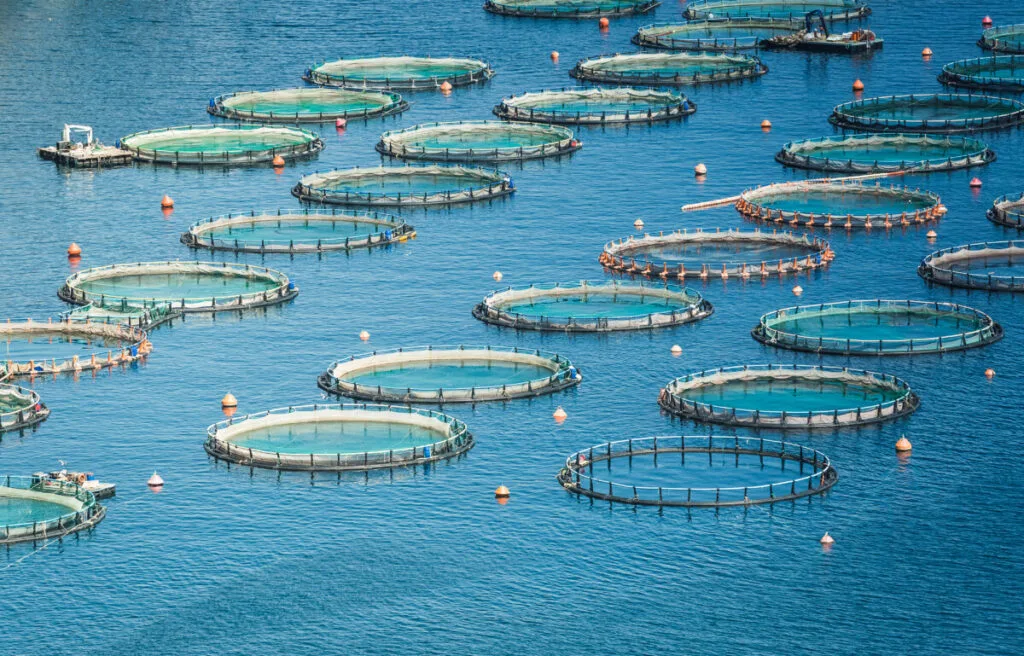
Overharvesting happens when people remove a renewable biological resource faster than natural reproduction or regrowth can replace it. In conservation biology, overharvesting and overexploitation are usually used interchangeably. “Overexploitation” is the broader term, while “overharvesting” emphasizes the act of removing organisms or their products.
The practical question is not whether a species is used, but whether that use remains within ecological limits. Sustainable harvest can provide food, income, medicine, materials, and cultural value. Overharvest steadily reduces the resource and may make future use impossible.
| Management question | Sustainable harvest | Overharvesting |
|---|---|---|
| Removal rate | Stays within the population’s capacity to reproduce or regrow | Exceeds replacement over time |
| Population trend | Stable or recovering under monitored use | Declining in abundance, range, age structure, or reproductive output |
| Non-target effects | Bycatch and habitat damage are minimized | Other species or habitats are damaged faster than they recover |
| Evidence | Catch, effort, population, and habitat data guide decisions | Harvest continues despite missing data or warning signs |
| Governance | Rules are enforceable, adaptive, and developed with affected communities | Open access, weak enforcement, illegal trade, or perverse incentives drive excess removal |
How Does Overharvesting Affect Biodiversity?
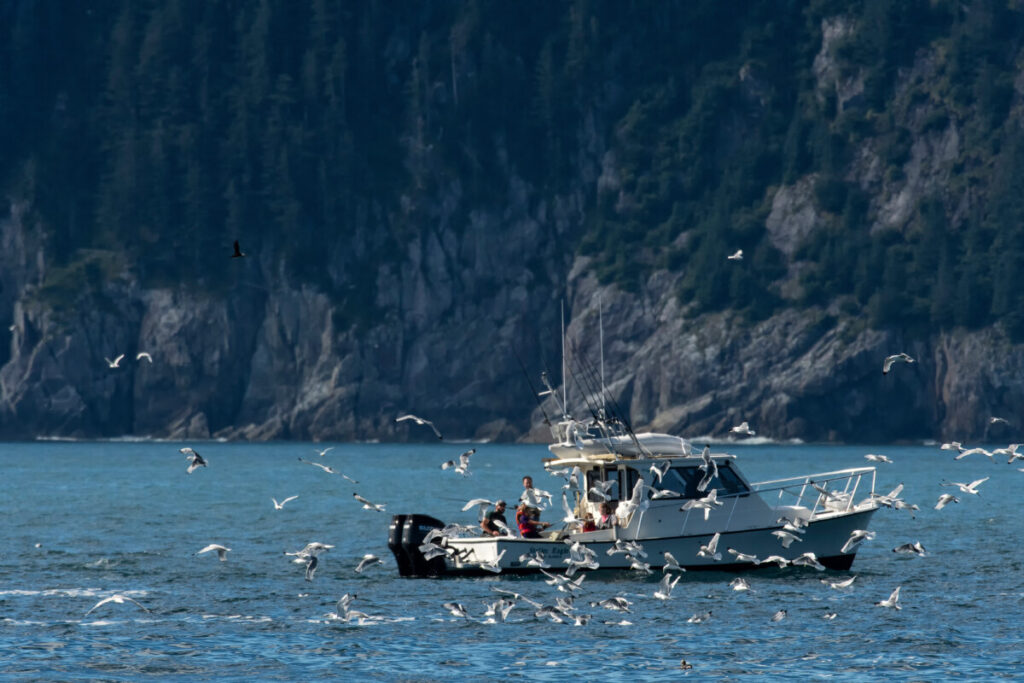
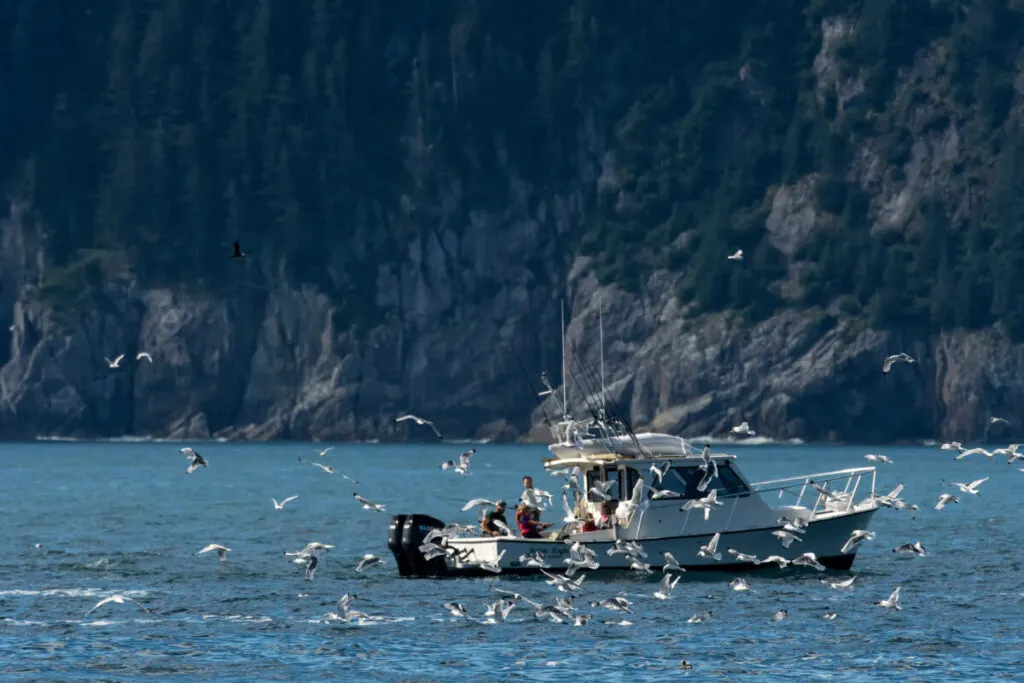
Overharvesting reduces biodiversity at three connected levels: genetic diversity within a population, the number and abundance of species, and the structure and function of ecosystems. The ecological damage often begins before a species is formally listed as threatened.
| Effect | What happens | Why it matters |
|---|---|---|
| Population decline | Deaths or removals exceed births, recruitment, or regrowth | Populations contract and extinction risk rises |
| Loss of genetic diversity | Fewer individuals contribute genes to future generations | Populations may be less able to adapt to disease, climate change, and other stress |
| Food-web disruption | Predators, prey, herbivores, pollinators, or seed dispersers are removed | Other populations can rise or fall, changing ecosystem structure |
| Bycatch and habitat damage | Non-target species are caught and harvesting gear damages habitat | The footprint extends beyond the resource being sold |
| Loss of ecosystem services | Fisheries, forests, reefs, and wildlife populations become less productive or resilient | Food security, income, coastal protection, culture, and other benefits decline |
Population Decline, Reproductive Failure, and Extinction
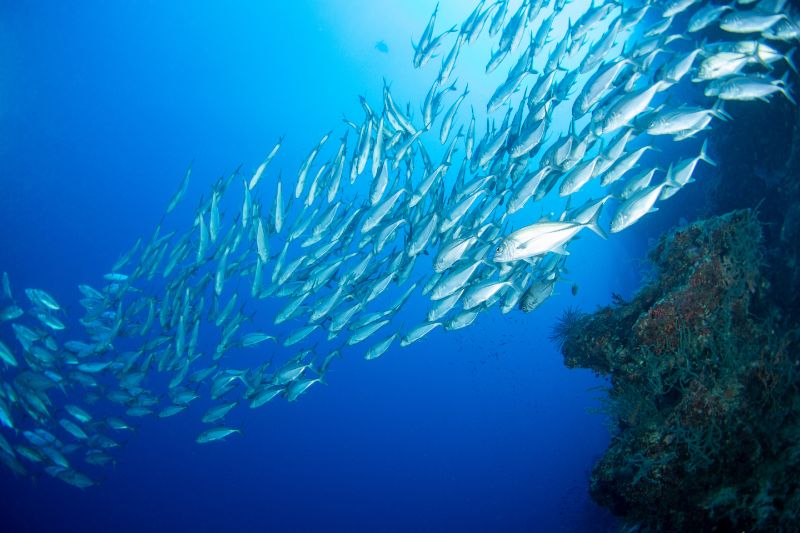
The most direct effect is numerical decline. A population cannot remain stable when harvest mortality is consistently higher than reproduction and survival. Slow-growing, late-maturing species are especially vulnerable because they replace removed adults slowly.
Ecological function can disappear before global extinction. A species may still exist elsewhere but become locally extinct, too rare to pollinate plants, disperse seeds, control prey, or support a fishery. This is one reason biodiversity matters to ecosystem health.
Reduced Genetic Diversity and Resilience
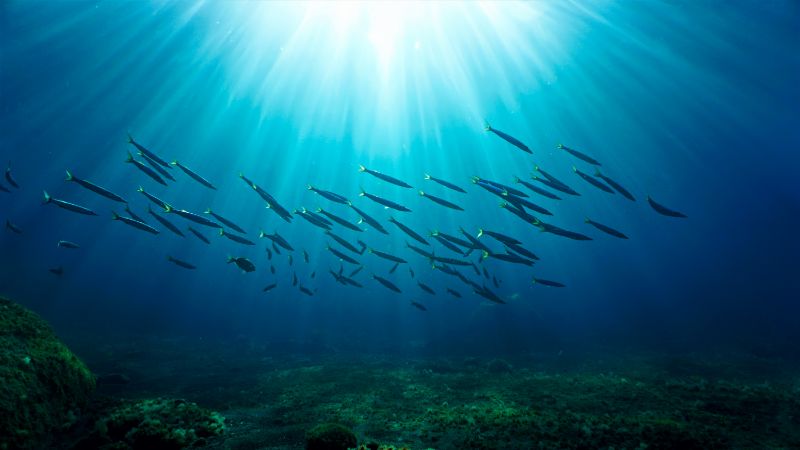
Severe population decline can create a genetic bottleneck. Selective harvesting can also remove the largest, oldest, or most desirable individuals, changing the age, size, sex, or trait distribution of the remaining population. A global meta-analysis of genetic diversity change found that conservation management can help maintain or restore genetic diversity, reinforcing the need to manage populations before they become critically small.
Disrupted Food Webs and Ecosystem Function
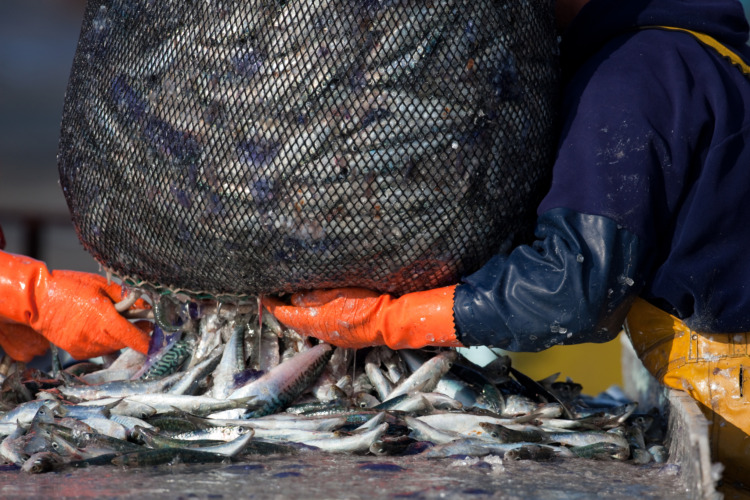
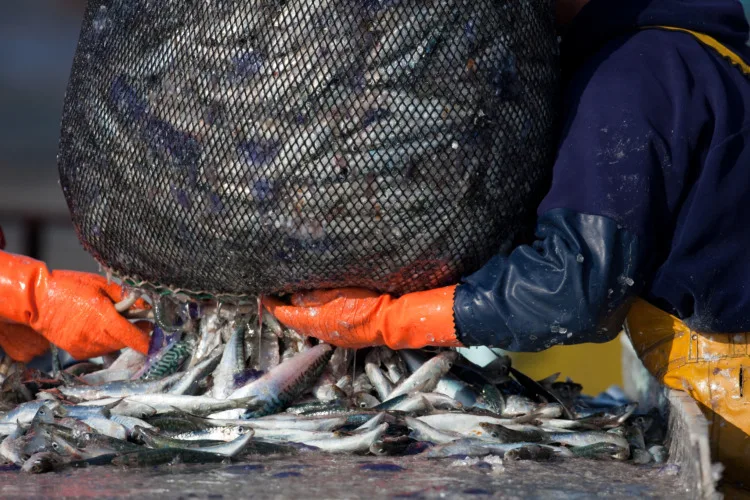
Species are connected through feeding, competition, pollination, seed dispersal, and habitat formation. Removing a major predator can release prey populations from control; removing a herbivore, pollinator, or seed disperser can change vegetation and regeneration. In marine systems, the loss of large sharks or other predators can alter food-web relationships, although the outcome depends on the species and ecosystem.
Bycatch and Habitat Damage
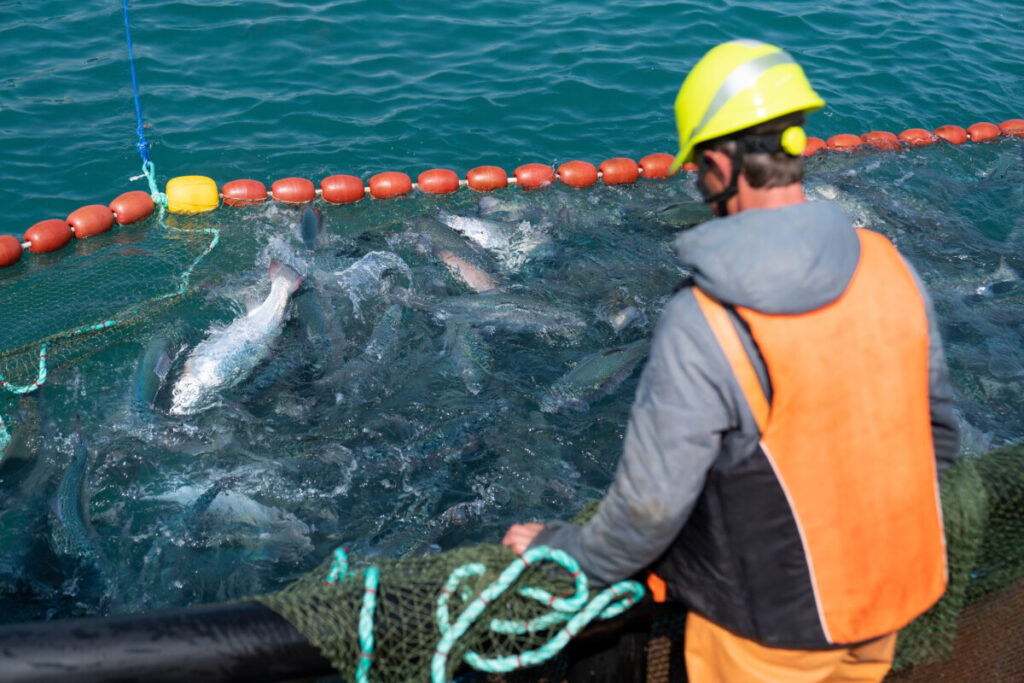
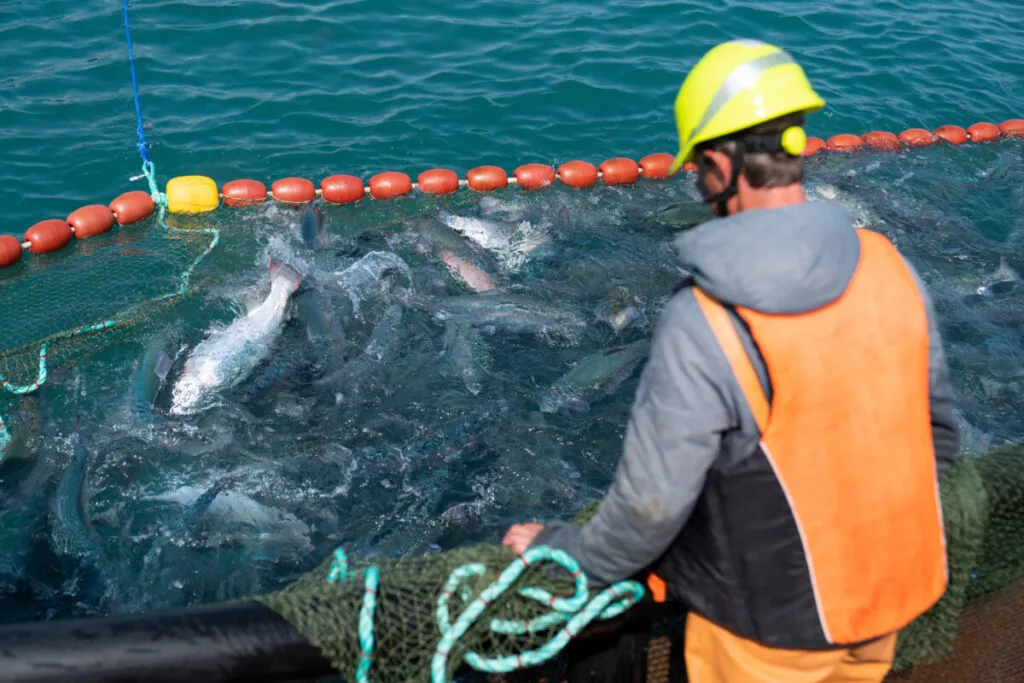
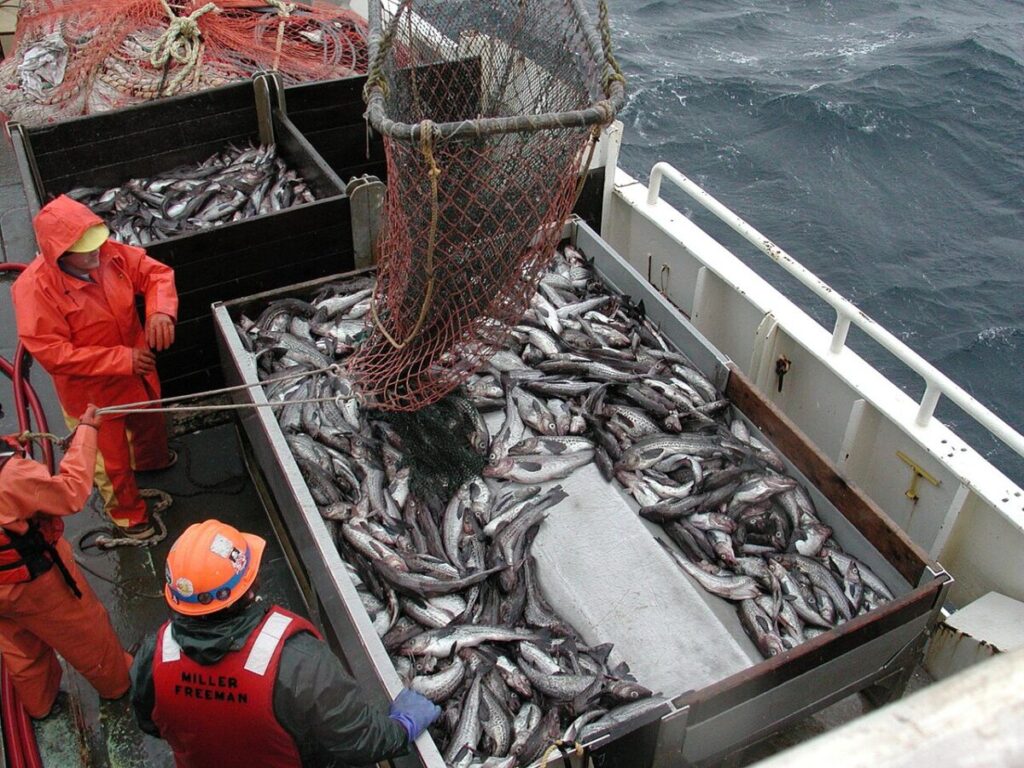
Harvesting methods can harm species that were never intended to be caught. NOAA Fisheries notes that bycatch can contribute to population decline, impede stock rebuilding, alter predator and prey availability, and damage habitat-forming species such as corals and sponges. Depending on the fishery, bycatch may include juvenile fish, seabirds, sea turtles, and marine mammals such as dolphins.
Habitat damage can compound the loss. Bottom-contact gear may disturb seafloor habitat, while poorly controlled timber harvest can remove nesting sites, shade, soil protection, and forest structure. Protecting the target population without protecting the habitat may not be enough.
Food, Income, and Cultural Loss


Wild species support food, income, medicine, materials, recreation, and cultural practices for billions of people. The IPBES Assessment on the Sustainable Use of Wild Species emphasizes that conservation and human well-being are linked. When a resource collapses, the people most dependent on it may face higher food costs, unemployment, lost traditions, or pressure to exploit a different resource.
What Are Examples of Overharvesting?
Marine Life and Overfishing
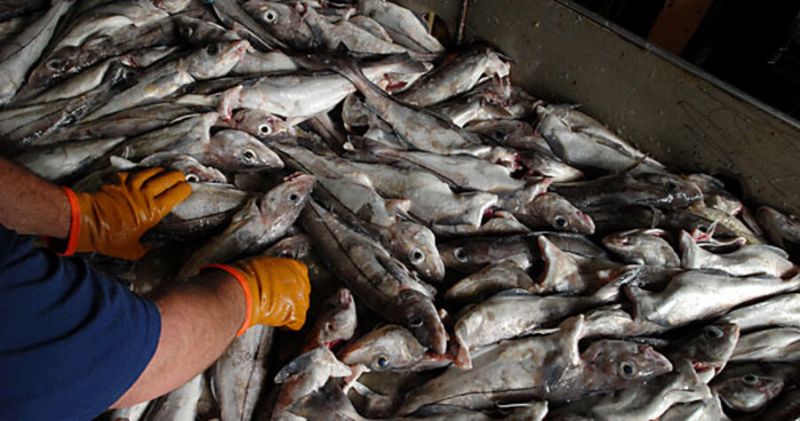
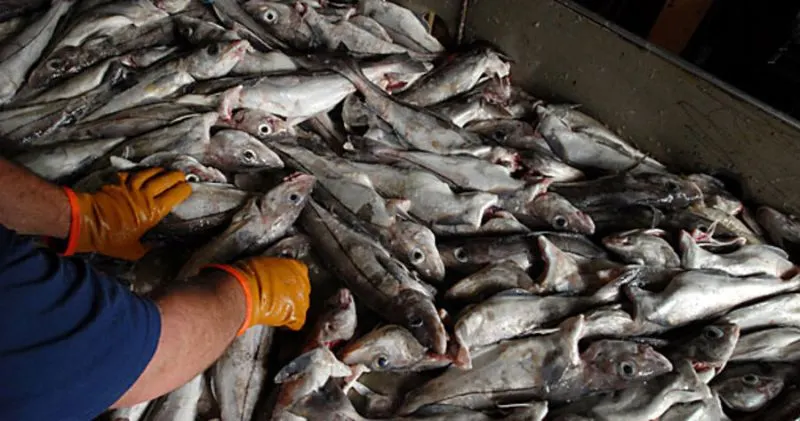
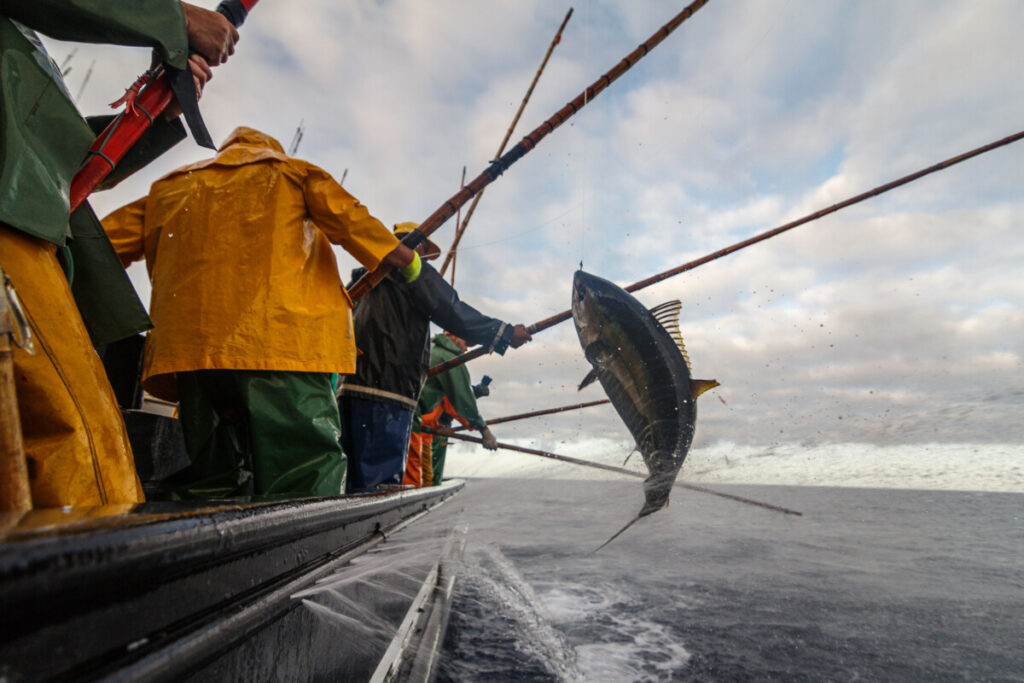
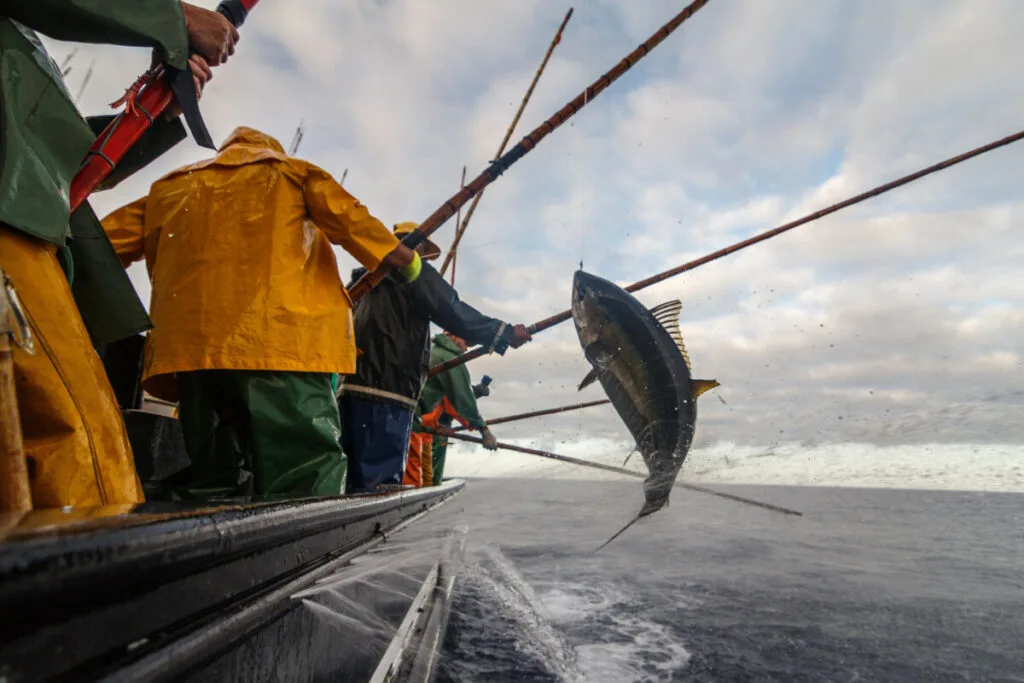
Overfishing is a common aquatic form of overharvesting. The FAO’s 2025 review assessed 2,570 marine fish stocks and found that 64.5% were within biologically sustainable levels while 35.5% were overfished. When weighted by production, 77.2% of global landings came from sustainable stocks. Those figures show both the scale of the problem and the value of effective management.
Fish status is stock-specific. A species may be well managed in one region and depleted in another, so broad lists of “overfished fish” can mislead. The status of bluefin tuna, for example, differs among stocks and changes as management and fishing pressure change. Readers should use current, regional information when assessing whether fish populations are endangered or overfished.
Commercial Whaling
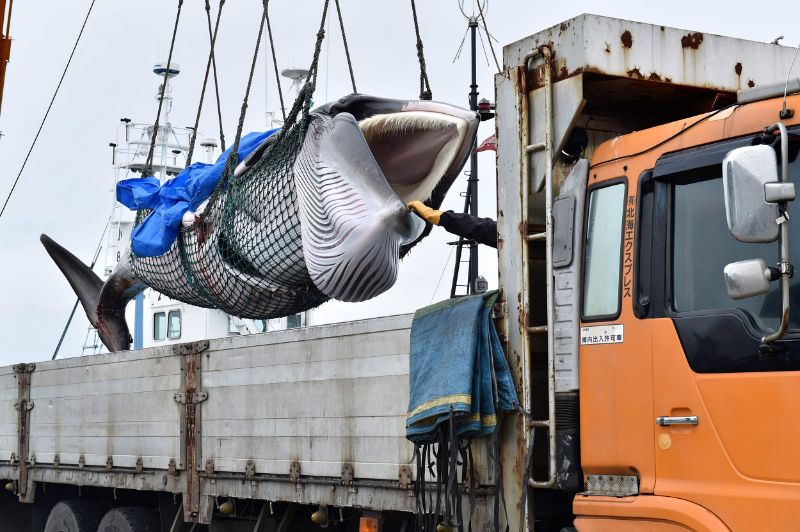
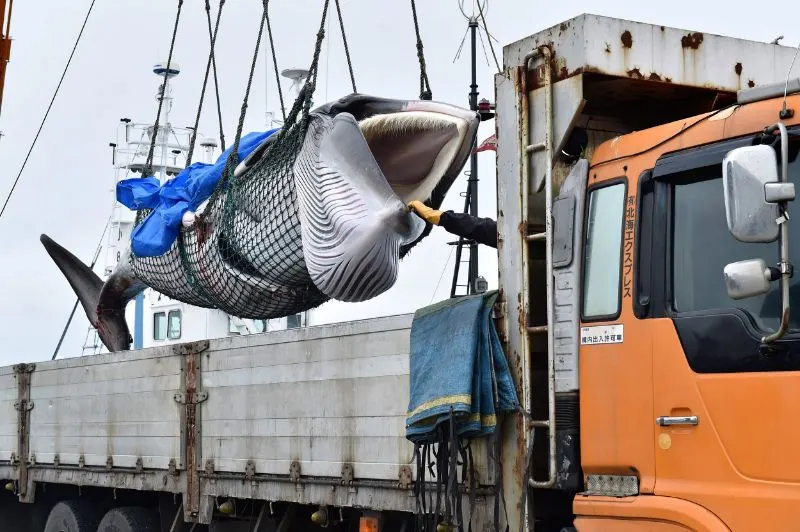
Industrial whale hunting severely depleted many whale populations. The International Whaling Commission decided in 1982 to pause commercial whaling from the 1985–1986 season onward, and the commercial whaling moratorium remains in place. Recovery has varied among species and populations, which is why current whale population facts should be assessed stock by stock rather than treated as one global trend.
Wildlife Hunting, Collection, and Trade
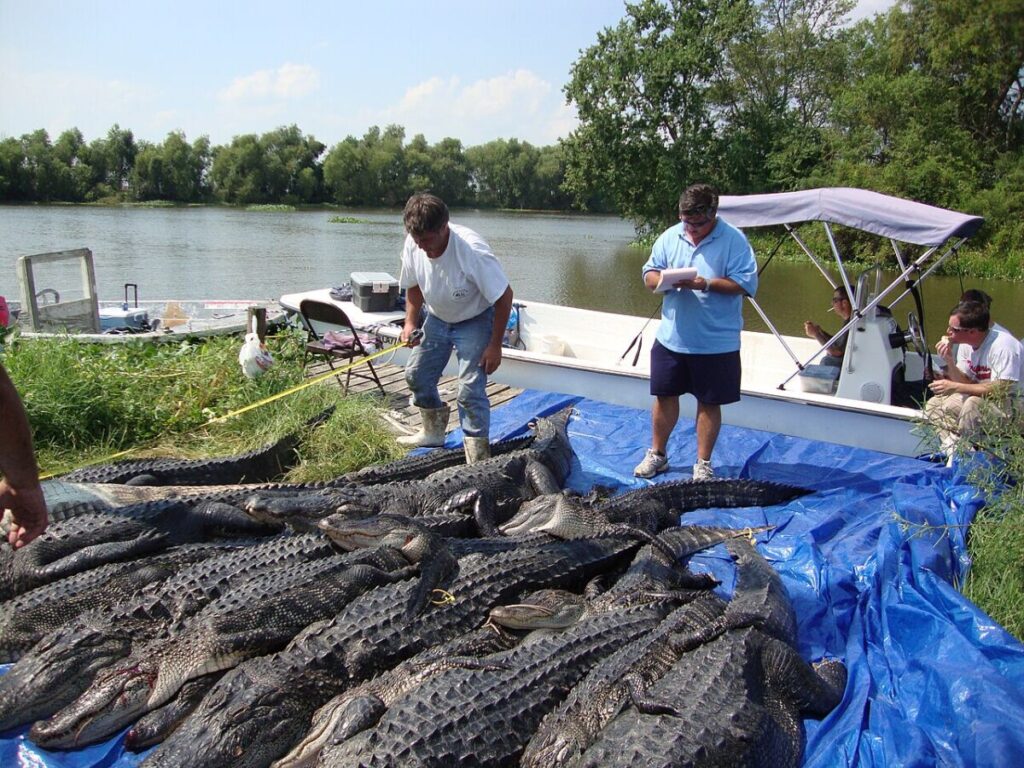
Wild animals may be harvested for meat, skins, trophies, traditional medicine, ornaments, research, or the pet trade. The 2024 UNODC World Wildlife Crime Report found that seizure records from 2015–2021 indicated illegal trade affecting around 4,000 plant and animal species.
Legal trade can also become unsustainable when demand, collection, and enforcement are poorly matched to a species’ biology. The Convention on International Trade in Endangered Species of Wild Fauna and Flora regulates international trade so it does not threaten species’ survival. Species-specific controls matter for reptiles such as monitor lizards, as well as amphibians, birds, corals, invertebrates, and mammals.
Wild Plants, Fungi, and Timber

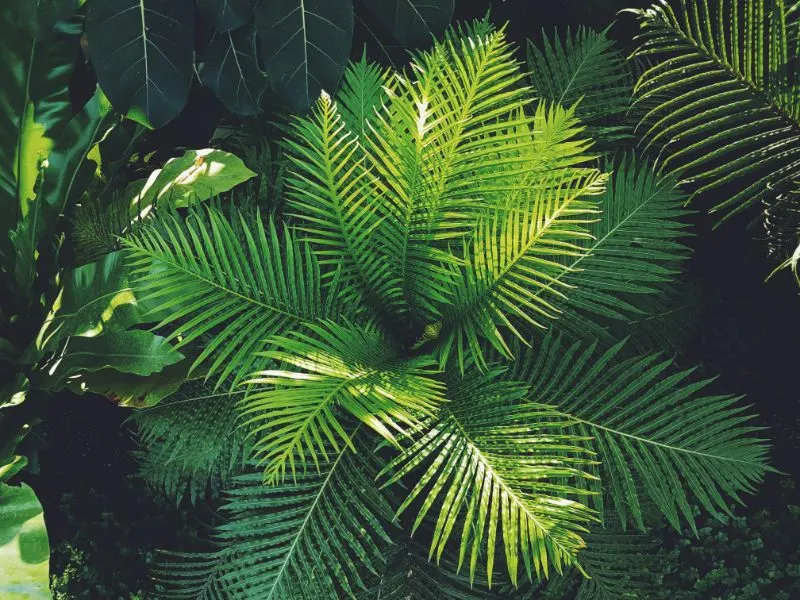
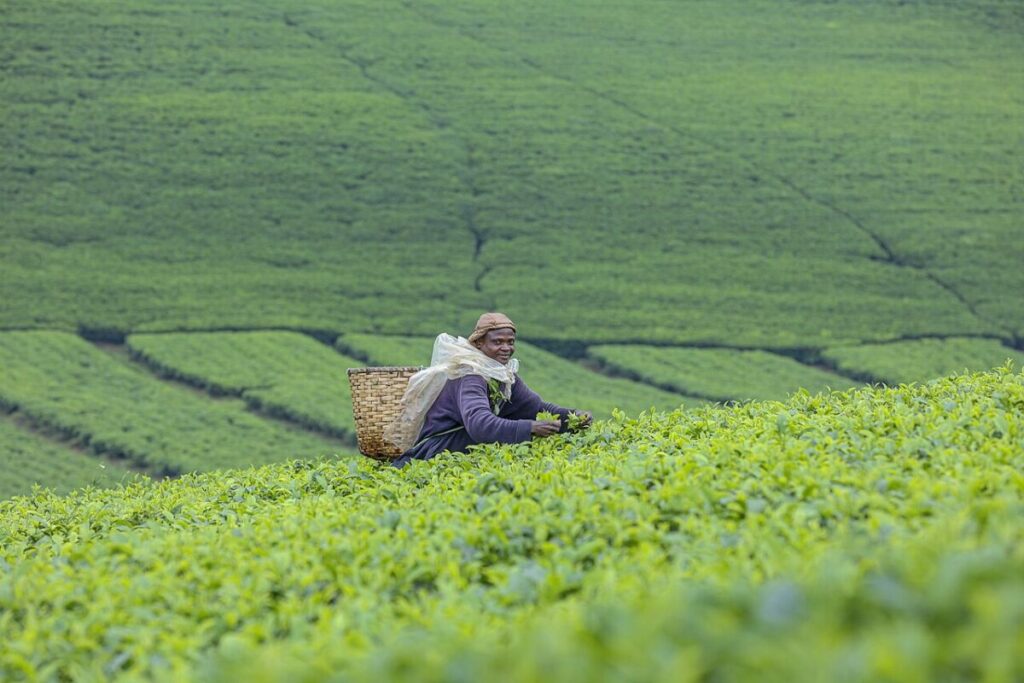
Overharvesting is not limited to animals. Medicinal plants, orchids, cacti, succulents, fungi, fuelwood, and high-value timber can all be removed faster than wild populations regenerate. American ginseng is one regulated example: the U.S. Fish and Wildlife Service says sustainable harvest and compliance with State and Tribal rules support the long-term survival of wild populations.
Why Does Overharvesting Happen?
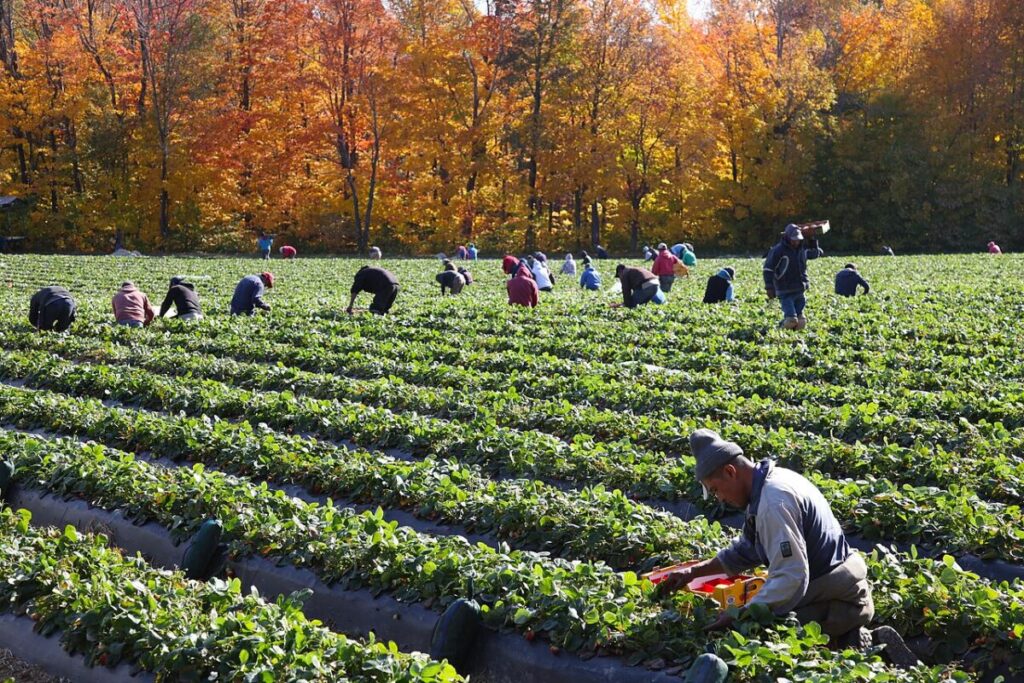
- Strong demand and high prices: Scarcity can raise prices, which may intensify harvesting instead of reducing it.
- Open access or weak resource rights: When no group can enforce limits, each harvester may have an incentive to take the resource before someone else does.
- Insufficient data and monitoring: Managers may not know how many individuals remain, how quickly they reproduce, or how much is being removed.
- Illegal, unreported, and unregulated activity: The FAO identifies IUU fishing as a major threat because it undermines conservation rules and stock assessments.
- Technology and excess capacity: Larger vessels, efficient gear, roads, refrigeration, and digital marketplaces can make remote or previously unprofitable populations easier to exploit.
- Poorly designed subsidies and incentives: Government support can help sustainable fisheries, but the OECD warns that poorly targeted subsidies can encourage unsustainable fishing.
- Opaque supply chains: Mislabeling, weak traceability, and complex international trade can hide the species, source, or harvesting method.
- Poverty and unequal access to alternatives: Harvest restrictions can fail when they ignore food security, tenure, income, and the rights of Indigenous Peoples and local communities.
- Biological vulnerability: Species with slow growth, late maturity, low reproductive rates, restricted ranges, or seasonal aggregations can be depleted quickly.
This pattern is often described as the “tragedy of the commons,” but depletion is not inevitable. Shared resources can be managed successfully when users have clear rights, credible data, agreed limits, enforcement, and a reason to protect future productivity.
How Can Overharvesting Be Prevented?
Set Science-Based, Adaptive Harvest Limits
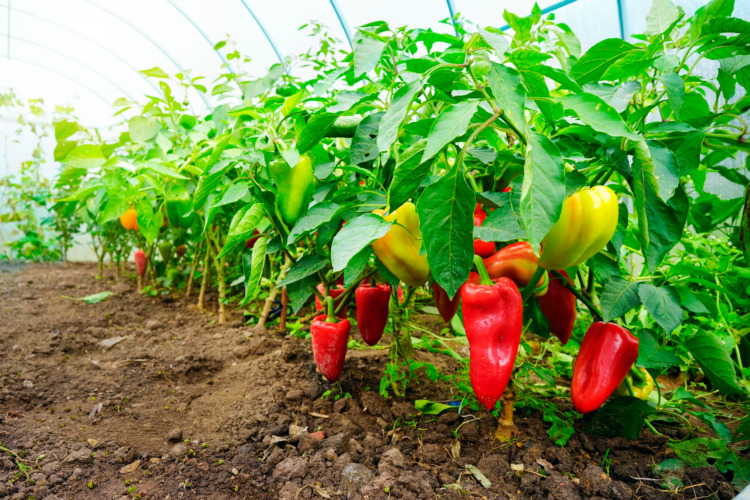
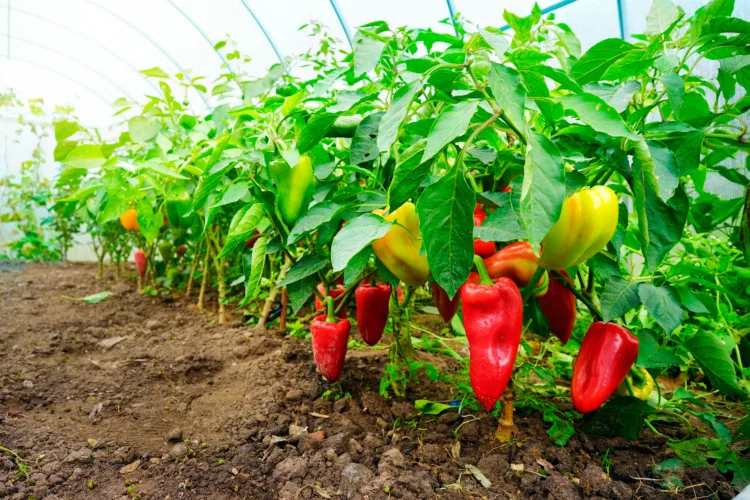
Managers need population estimates, catch and effort data, reproductive information, and habitat monitoring. Quotas, size limits, seasonal closures, protected breeding areas, and limits on gear should be adjusted when evidence changes. For data-poor species, precautionary limits are safer than assuming the resource is abundant.
Give Communities Enforceable Rights and a Role in Management


Rules are more durable when the people affected help design, monitor, and enforce them. The Convention on Biological Diversity’s Target 5 explicitly calls for sustainable, safe, and legal use while respecting customary sustainable use by Indigenous Peoples and local communities. Conservation that removes local rights without providing credible alternatives can shift exploitation elsewhere or drive it underground.
Reduce Bycatch and Protect Habitat

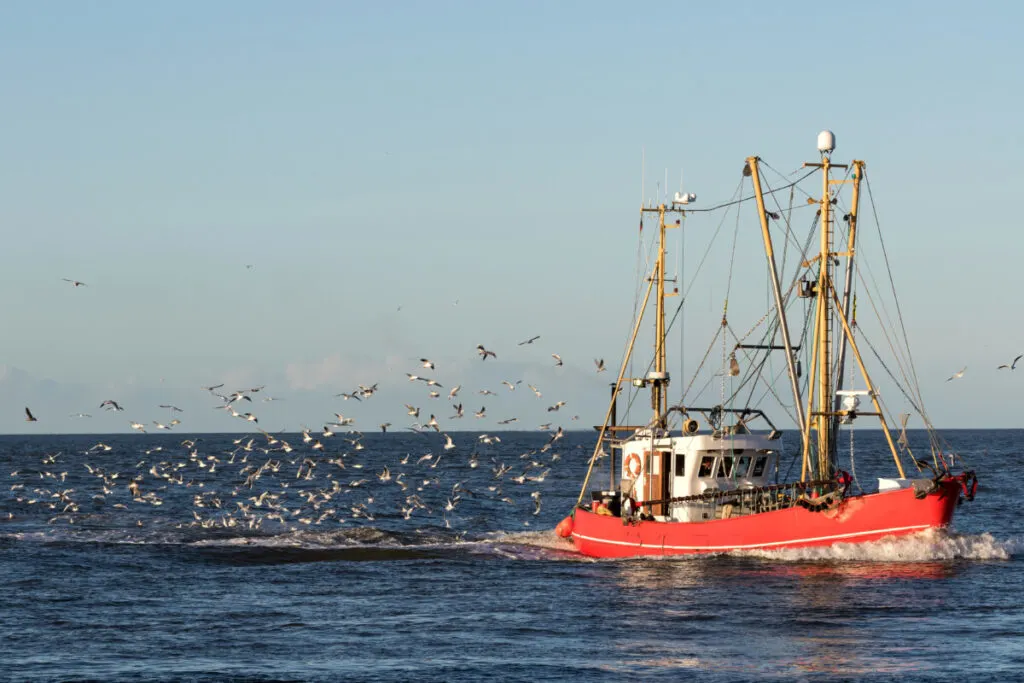
Selective gear, escape devices, modified hooks, closed areas, real-time avoidance programs, and observer or electronic monitoring can reduce non-target catch. Habitat protections should focus on breeding, nursery, feeding, and migration areas. This is especially important for vulnerable seafloor communities and coral reef conservation.
Make Wildlife and Seafood Supply Chains Legal and Traceable
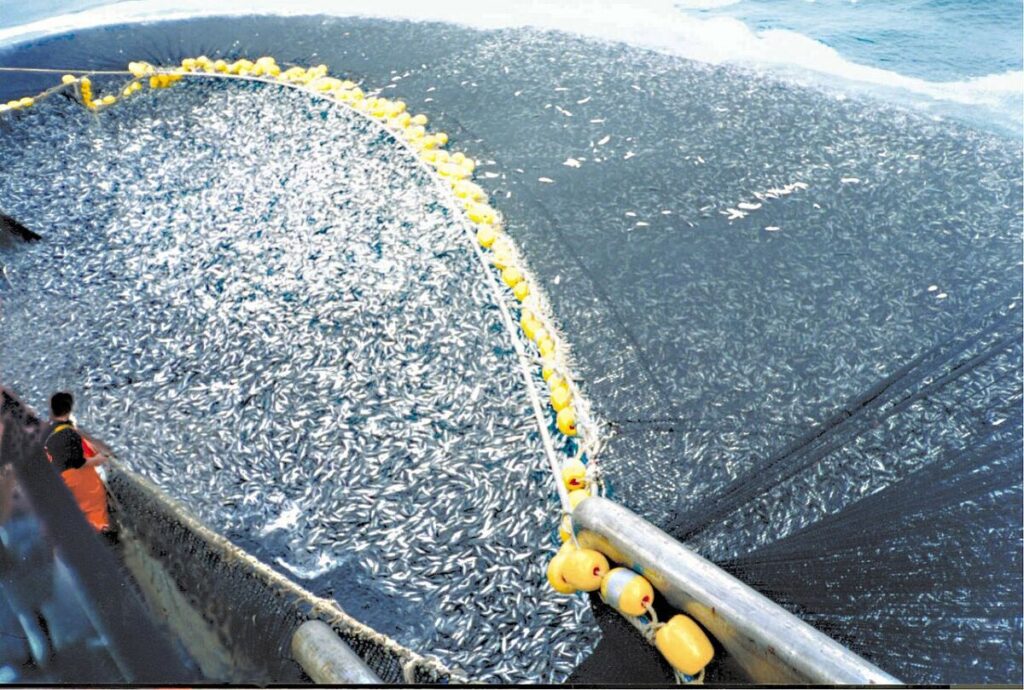
Permits, species identification, chain-of-custody records, landing documentation, customs cooperation, and anti-corruption enforcement help distinguish legal sustainable use from illegal or unsustainable trade. Traceability should reach the species or stock and place of harvest when feasible, not stop at a generic product label.
Reform Incentives Without Abandoning Livelihoods
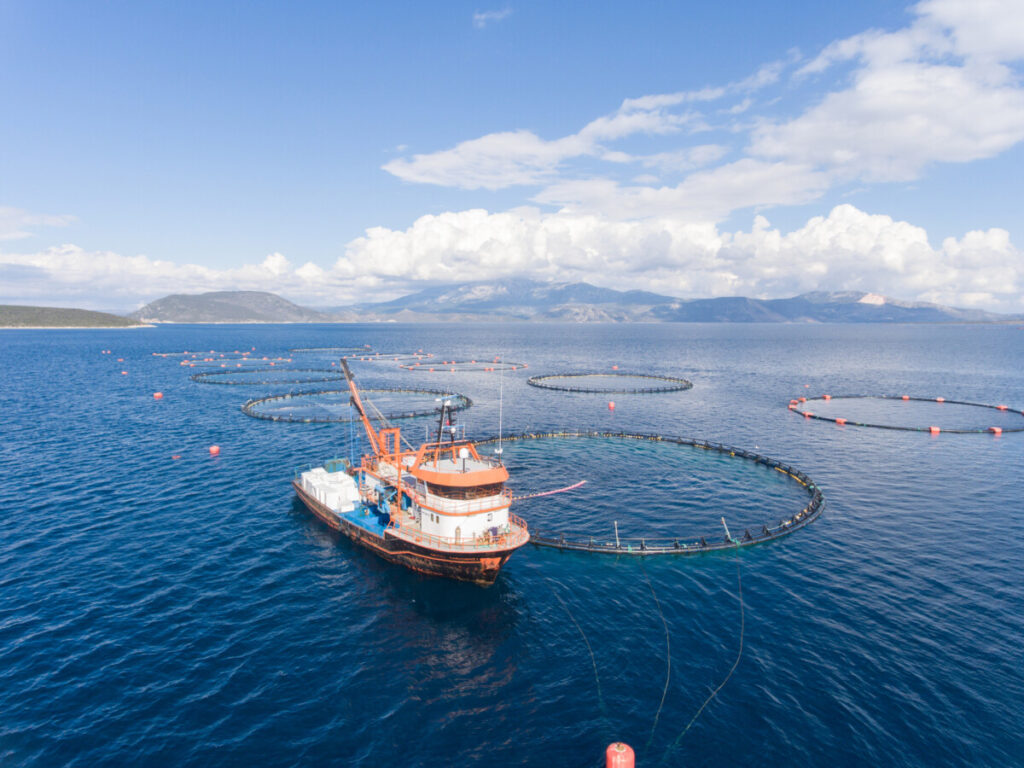
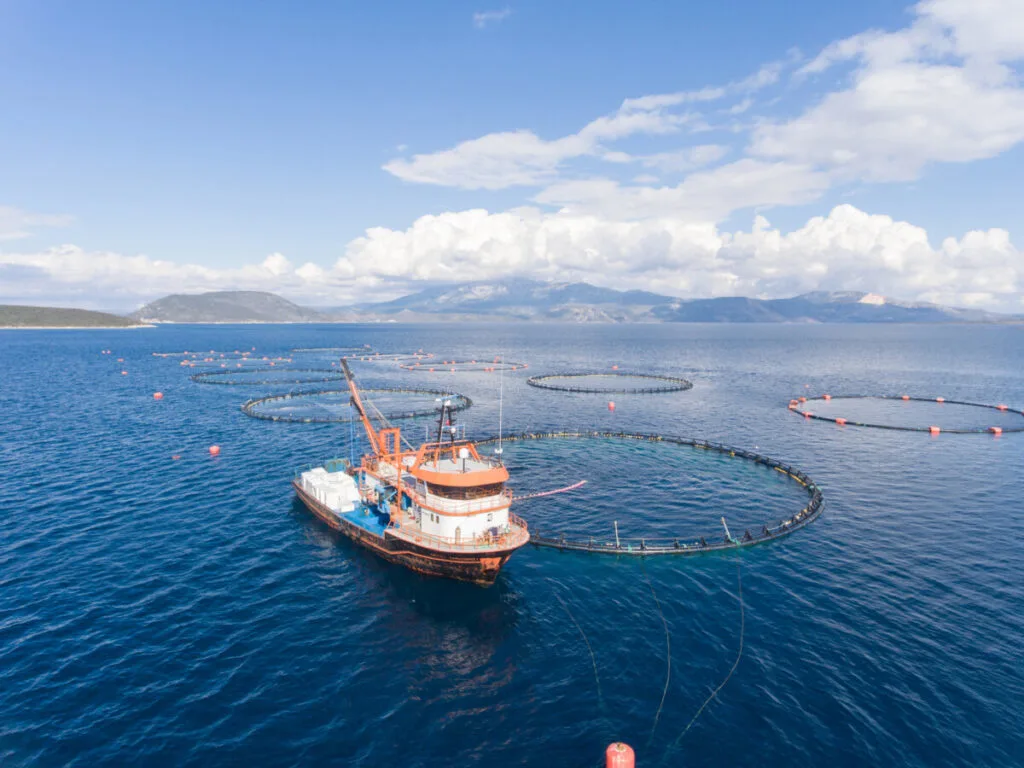
Subsidies that lower the cost of excess fishing effort should be redirected toward monitoring, safety, habitat restoration, selective gear, livelihood transitions, and enforcement. Abrupt restrictions without transition support can impose the highest costs on small-scale harvesters who contributed least to the depletion.
Use Protected Areas as Part of a Wider Management System
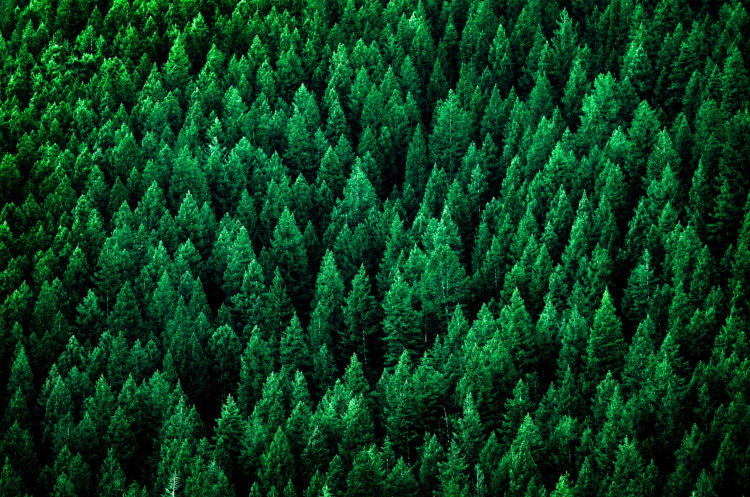
Well-designed protected areas and seasonal closures can protect breeding populations and habitat, but boundaries alone do not stop overharvesting. They need enforcement, ecological placement, community support, and complementary controls on harvest outside the protected area.
Treat Aquaculture as a Tool, Not an Automatic Solution
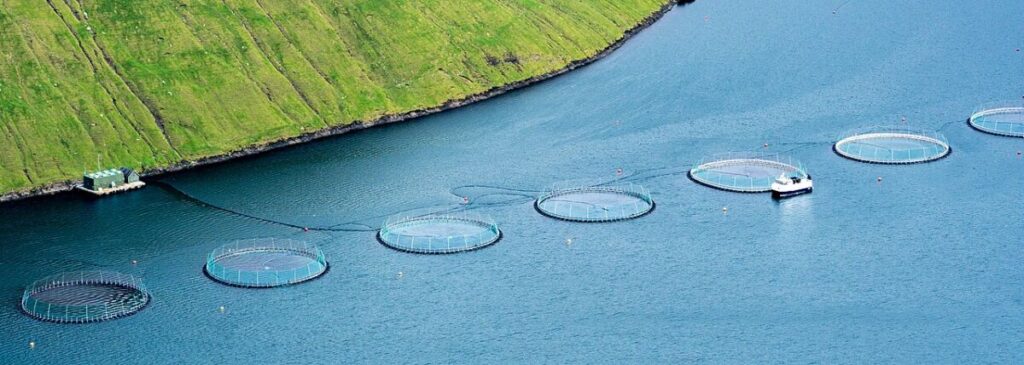
Responsible aquaculture can supply food and reduce pressure on some wild stocks, but poorly managed operations may create pollution, disease, escape, habitat, or feed-related impacts. Its net benefit depends on the species, feed source, site, production system, and regulation.
Can Overharvested Species Recover?
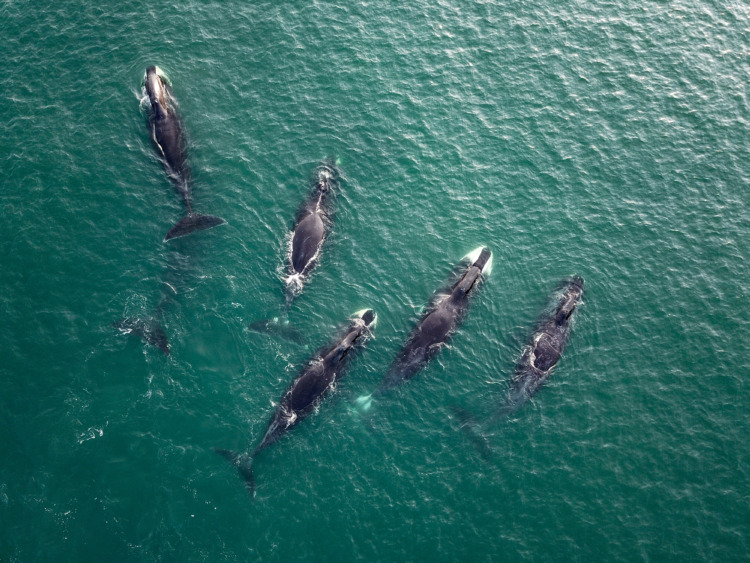
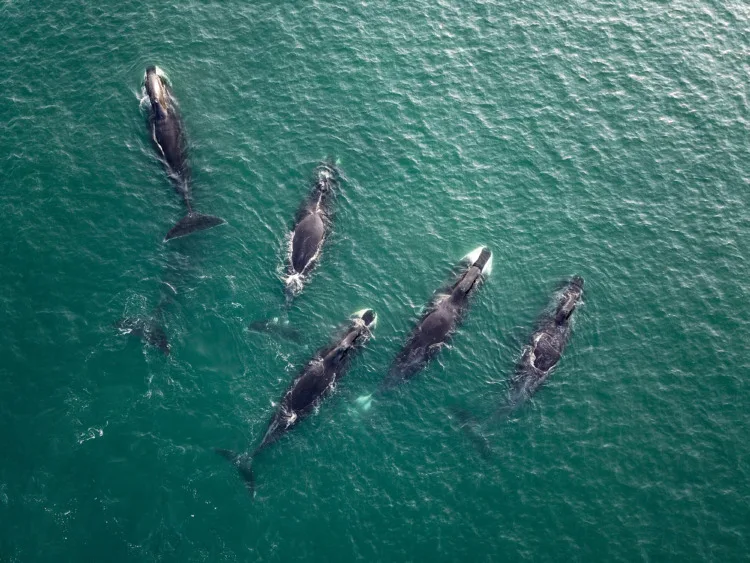
Yes, some populations recover after harvest pressure is reduced, but recovery is not guaranteed. It is more likely when enough breeding individuals remain, habitat is intact, bycatch and illegal take are controlled, genetic diversity has not collapsed, and management continues long enough for the species’ life cycle.
Fast-growing species may respond within years. Long-lived whales, sharks, deep-sea fish, trees, and plants that reproduce slowly may require decades. The FAO’s 2025 fish-stock assessment found much higher sustainability rates in regions with long-term monitoring, strong institutions, and science-based management, showing that governance can change outcomes.
What Can Individuals and Businesses Do?
- Follow harvest rules. Respect seasons, permits, size limits, quotas, and protected areas. Do not collect wild plants or animals where removal is prohibited.
- Ask for specific sourcing information. For seafood, request the species, stock or origin, and harvest method. For timber, plants, pets, or wildlife products, ask whether the source is legal and traceable.
- Use certification and consumer guides as evidence, not as guarantees. Check what a label assesses, whether the claim applies to the exact product, and how recently the fishery or supply chain was reviewed.
- Avoid undocumented wild-collected specimens. This is especially important for rare plants, reptiles, amphibians, corals, shells, and ornamental species.
- Support management that works at the source. Effective monitoring, community rights, enforcement, habitat protection, and livelihood support have more impact than awareness alone. These ways to save animals facing extinction provide practical next steps.
Conclusion
Overharvesting is not simply the use of nature. It is use that exceeds renewal and shifts ecological, economic, and cultural costs into the future. Its effects range from population decline and genetic erosion to bycatch, habitat damage, food-web disruption, and lost livelihoods.
The practical response is equally broad: measure populations, set adaptive limits, protect habitat and breeding animals, reduce incidental harm, enforce legal trade, reform harmful incentives, and include the people who depend on the resource. When those pieces work together, sustainable use and biodiversity conservation can support each other.
Frequently Asked Questions
What is an example of overharvesting?
Whaling and overfishing are common examples. Other examples include unsustainable hunting, collection of wild plants for medicine or horticulture, logging high-value timber faster than forests regrow, and taking reptiles, corals, or other wildlife for trade faster than populations can recover.
How does overharvesting affect biodiversity?
It reduces population size, can erode genetic diversity, disrupts food webs, creates bycatch and habitat damage, and may cause local or global extinction. These changes can weaken ecosystem resilience and the benefits people receive from nature.
What is the difference between overharvesting and overexploitation?
The terms are generally used interchangeably in conservation biology. Overexploitation is the broader concept of unsustainable use, while overharvesting emphasizes removing organisms or biological products faster than they can be replaced.
Can a species recover after overharvesting?
Sometimes. Recovery is more likely when harvest pressure falls before the breeding population becomes too small, habitat remains suitable, illegal take and bycatch are controlled, and management continues for long enough. Slow-growing species may need decades to recover.
How can overharvesting be prevented?
Effective prevention combines science-based harvest limits, monitoring, community and Indigenous participation, selective gear, habitat protection, legal and traceable trade, enforcement against illegal activity, and economic policies that do not reward excess capacity.