
Animals outsmart humans daily. We’re just starting to notice.
Inky the octopus escaped her aquarium by squeezing through a drain pipe. Crows make hook tools to fish for food. Elephants hold funerals for their dead.
Meanwhile, humans struggle to remember where they put their keys.
Which species actually rules intelligence? The answers will surprise you.
Intelligence isn’t human-only. It’s everywhere:
Animals that beat humans at cognitive tasks:
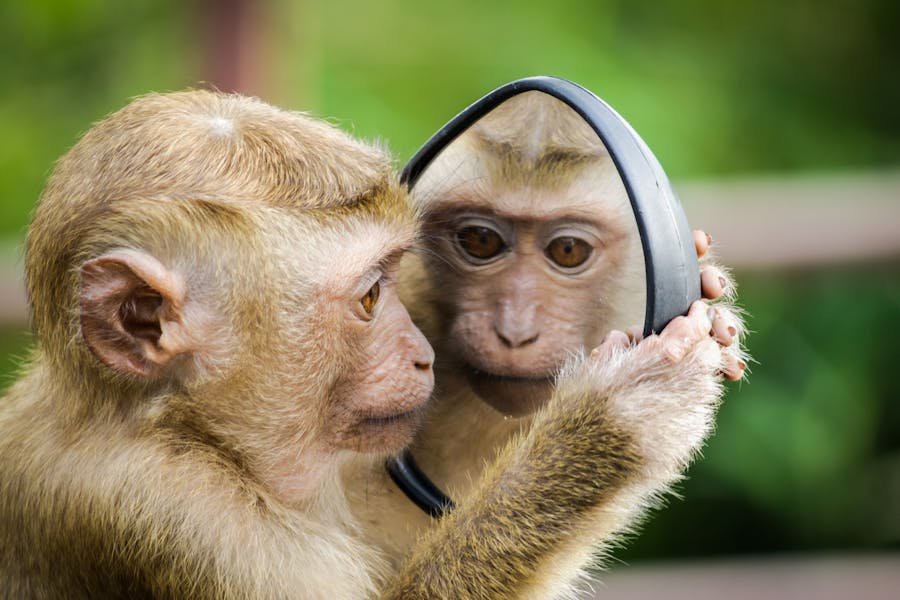
– Dolphins recognize themselves in mirrors (most humans can’t until age 2)
– Crows plan for future events (better than many adults)
– Octopuses solve puzzles in minutes that stump college students
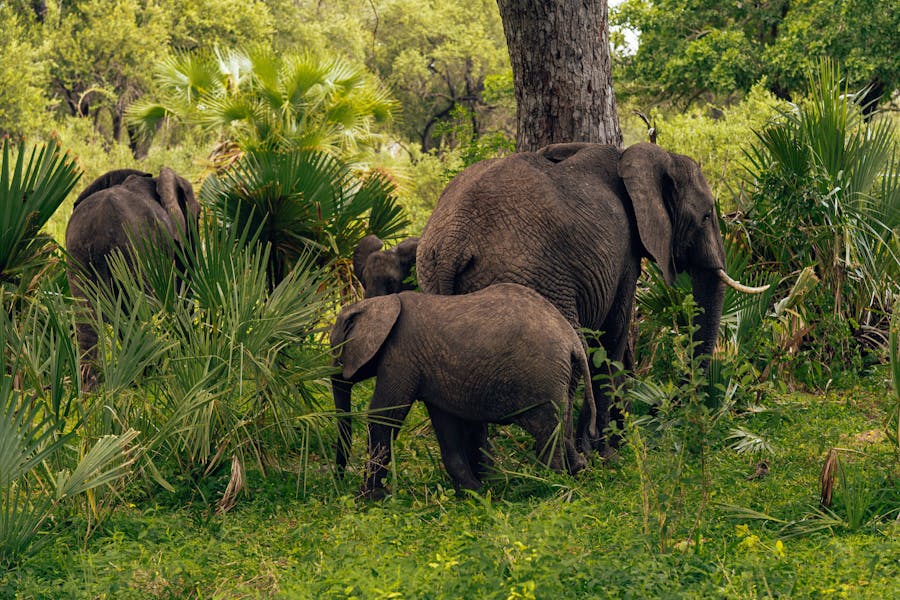
– Elephants remember individuals after 25+ years apart
– Bees calculate complex mathematical problems for optimal foraging
The shocking truth: Every animal species evolved intelligence perfect for their world. We just measured it wrong.
Dr. Frans de Waal, a pioneering primatologist, describes animal intelligence as “a mosaic of different capabilities” rather than a linear hierarchy with humans at the top. This perspective recognizes that each species has evolved cognitive abilities perfectly suited to their ecological niche, resulting in forms of intelligence that may be entirely different from our own but equally sophisticated.
From dolphins using signature whistles as individual names to bees performing complex dances that communicate distance and direction, animals demonstrate cognitive abilities that challenge our assumptions about consciousness, communication, and creative thinking. Understanding these abilities not only enriches our appreciation of the natural world but also provides insights into the evolution of intelligence itself.
This comprehensive guide explores the fascinating world of animal cognition, examining how different species think, learn, communicate, and solve problems in ways that continue to astonish scientists and reshape our understanding of intelligence in the natural world.
Understanding Animal Intelligence
Defining Intelligence in the Animal Kingdom
What Is Animal Intelligence?
Animal intelligence encompasses a broad range of cognitive abilities including problem-solving, learning, memory, communication, self-awareness, and the capacity to adapt behavior based on experience. Unlike human intelligence, which we measure through standardized tests and academic achievement, animal intelligence must be evaluated within the context of each species’ evolutionary history and ecological requirements.
Key Components of Animal Cognition:
Problem-Solving Abilities:
The capacity to overcome obstacles and find solutions to novel challenges demonstrates flexible thinking and reasoning abilities. Animals that excel at problem-solving can assess situations, consider multiple approaches, and implement strategies to achieve desired outcomes.
Learning and Memory:
Intelligence involves not just solving immediate problems but remembering solutions and applying learned knowledge to new situations. Superior learning abilities allow animals to adapt their behavior based on experience and avoid repeating costly mistakes.
Social Intelligence:
Many species have developed sophisticated abilities to navigate complex social relationships, recognize individuals, form alliances, and coordinate group activities. Social intelligence often involves understanding others’ intentions, emotions, and mental states.
Communication Skills:
Advanced communication systems allow animals to share information, coordinate activities, and transmit knowledge across generations. Complex communication often indicates sophisticated cognitive processing and understanding.
Tool Use and Innovation:
The ability to create, modify, and use tools demonstrates planning, foresight, and understanding of cause-and-effect relationships. Tool use often indicates advanced cognitive abilities and creative thinking.
Self-Awareness:
Recognition of oneself as distinct from others and the environment indicates higher-level consciousness and cognitive sophistication. Self-awareness often correlates with advanced social intelligence and emotional complexity.
Evolutionary Perspectives on Intelligence
Convergent Evolution of Cognitive Abilities:
Intelligence has evolved independently multiple times throughout evolutionary history, resulting in diverse cognitive solutions to similar environmental challenges. This convergent evolution explains why distantly related species sometimes demonstrate remarkably similar intellectual abilities.
Environmental Pressures Driving Intelligence:
Complex Social Environments:
Species living in large, complex social groups often develop sophisticated cognitive abilities to navigate social relationships, remember individual interactions, and coordinate group activities. Primates, elephants, and dolphins exemplify how social complexity drives cognitive evolution.
Ecological Challenges:
Environmental factors such as seasonal food scarcity, predation pressure, and habitat complexity select for enhanced cognitive abilities. Animals that can remember food locations, anticipate seasonal changes, and solve foraging challenges have survival advantages.
Technological Innovations:
Some species have evolved remarkable abilities to create and use tools, modify their environment, and develop technological solutions to survival challenges. These abilities indicate advanced planning, reasoning, and understanding of physical relationships.
Measuring Animal Intelligence
Challenges in Assessment:
Measuring animal intelligence presents unique challenges because different species have evolved cognitive abilities suited to their specific ecological needs. Traditional human intelligence tests are meaningless for animals with entirely different sensory capabilities, motor skills, and environmental requirements.
Species-Appropriate Testing:
Ecological Validity:
Effective animal intelligence tests must reflect the cognitive challenges animals face in their natural environments. Tests designed around human cognitive abilities may miss entirely different but equally sophisticated forms of animal intelligence.
Sensory Considerations:
Different species rely on various sensory modalities—echolocation, electromagnetic sensing, chemical communication—that humans cannot directly experience. Intelligence tests must accommodate these different sensory worlds.
Motor Skill Variations:
Physical capabilities vary dramatically between species. Tests must be designed to assess cognitive abilities independent of specific motor skills or physical limitations.
Cultural Transmission:
Some animal behaviors represent learned cultural traditions rather than innate intelligence. Distinguishing between inherited behaviors and learned innovations requires careful study of how behaviors spread through populations.
Primate Intelligence: Our Closest Cognitive Relatives
Great Ape Cognition
Chimpanzees: Tool Masters and Social Strategists:
Chimpanzees demonstrate some of the most sophisticated cognitive abilities in the animal kingdom, combining advanced tool use, complex social intelligence, and remarkable problem-solving skills that closely parallel human cognitive development.
Tool Use Innovation:
Chimpanzees fashion tools from natural materials to solve specific problems. They strip leaves from twigs to create termite fishing tools, use stones as hammers to crack nuts, and employ leaves as sponges to collect water. Most remarkably, they modify tools to improve their effectiveness and maintain tool kits for different purposes.
Cultural Transmission:
Chimpanzee communities maintain distinct cultural traditions passed down through generations. Different populations have developed unique tool-use techniques, foraging strategies, and social behaviors that persist across generations through observation and imitation.
Social Intelligence:
Chimpanzees navigate complex social hierarchies through sophisticated understanding of relationships, alliances, and political maneuvering. They demonstrate theory of mind—understanding that others have different knowledge and intentions—and use deception and cooperation strategically.
Mathematical Abilities:
Research has shown that chimpanzees can learn numerical concepts, understand quantity relationships, and perform simple arithmetic. Some individuals demonstrate number recognition and counting abilities that exceed those of young human children.
Bonobos: Peaceful Problem Solvers:
Bonobos, humanity’s other closest relatives, demonstrate intelligence through their remarkable social harmony and conflict resolution abilities. Their cognitive abilities rival those of chimpanzees while showing distinct differences in social application.
Conflict Resolution:
Bonobos have evolved sophisticated methods for preventing and resolving conflicts through negotiation, comfort behaviors, and social bonding. Their ability to maintain peaceful large-group dynamics demonstrates advanced social intelligence.
Symbol Learning:
Captive bonobos have demonstrated remarkable abilities to learn human-created symbol systems and communicate complex concepts. Some individuals have learned hundreds of lexigrams and can understand spoken human language.
Empathy and Cooperation:
Bonobos show advanced empathetic responses and spontaneous helping behaviors that indicate understanding of others’ emotional states and needs. They demonstrate prosocial behaviors even when such actions provide no direct benefit.
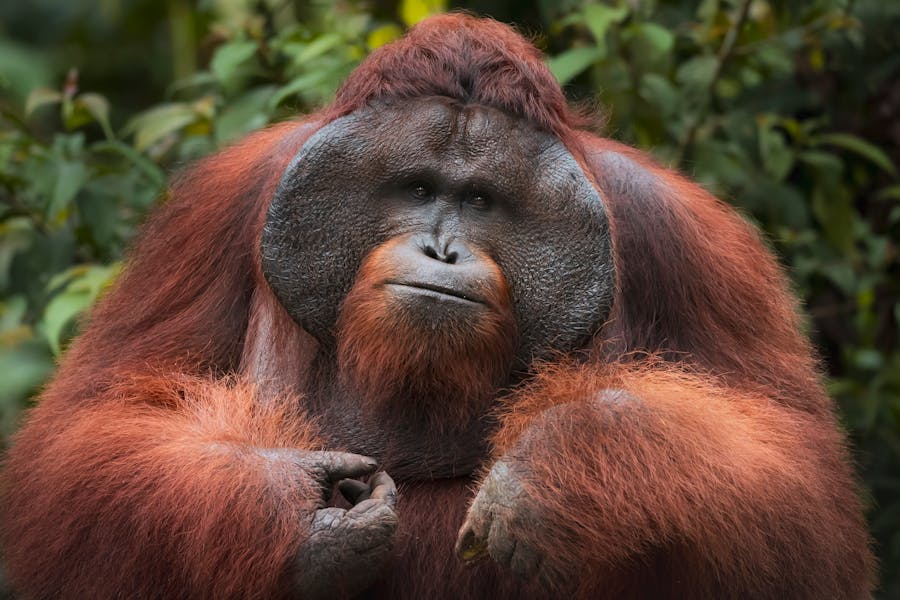
Orangutans: Solitary Thinkers:
Despite their largely solitary lifestyle, orangutans demonstrate remarkable cognitive abilities particularly in areas of tool use, planning, and spatial intelligence.
Advanced Tool Use:
Orangutans create sophisticated tool kits for different purposes, including modified sticks for extracting honey or insects, leaf gloves for handling thorny branches, and umbrella leaves for rain protection. They demonstrate planning by carrying tools between locations.
Spatial Intelligence:
Living in three-dimensional forest environments, orangutans have developed extraordinary spatial memory and navigation abilities. They remember the locations and fruiting schedules of hundreds of trees across vast territories.
Cultural Traditions:
Different orangutan populations maintain distinct cultural practices, including unique tool-use techniques and foraging strategies adapted to local environmental conditions.
Gorillas: Gentle Giants with Hidden Depths:
Gorillas demonstrate intelligence through sophisticated social behaviors, emotional complexity, and surprising cognitive abilities that research is still uncovering.
Emotional Intelligence:
Gorillas show complex emotional lives with grief behaviors, playfulness, and sophisticated social bonding. They demonstrate understanding of others’ emotional states and respond appropriately to social situations.
Sign Language Learning:
Famous gorillas like Koko demonstrated ability to learn modified sign language and communicate abstract concepts including emotions, time references, and creative expressions.
Problem-Solving Innovation:
Gorillas show creative problem-solving abilities and can learn complex tasks through observation and trial-and-error learning. They demonstrate understanding of cause-and-effect relationships.
Old World Monkeys
Baboons: Masters of Social Complexity:
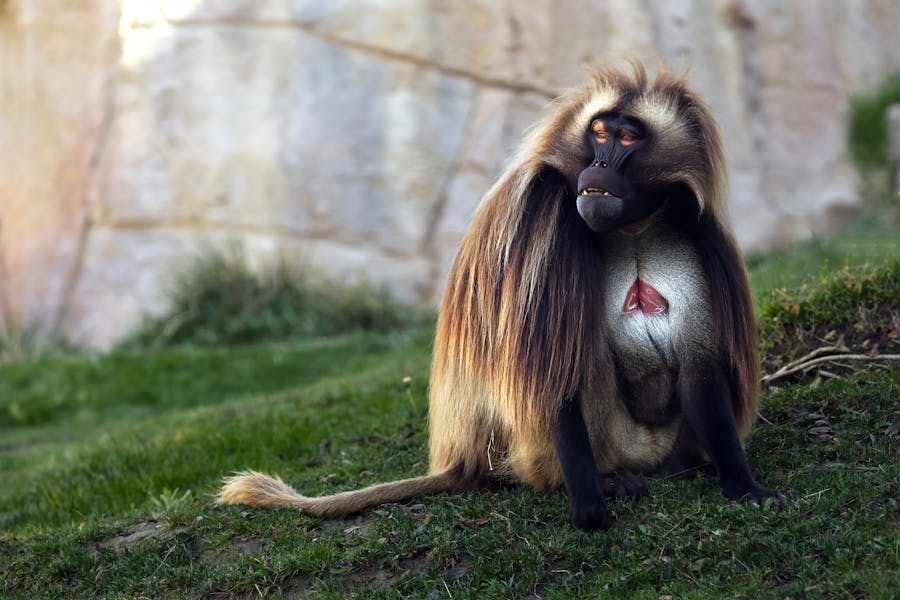
Baboons live in some of the most complex social systems in the animal kingdom, developing sophisticated cognitive abilities to navigate intricate relationships and hierarchies.
Social Mapping:
Baboons maintain detailed mental maps of social relationships, tracking alliances, dominance relationships, and kinship connections among dozens of troop members. They use this social knowledge strategically in conflicts and cooperation.
Tactical Deception:
Baboons demonstrate sophisticated deceptive behaviors, using false alarm calls to distract competitors and employing complex strategies to gain advantages in feeding or mating situations.
Coalition Formation:
Female baboons form strategic alliances that can last for years, cooperating to defend resources and offspring. These alliances require sophisticated understanding of long-term relationships and mutual benefits.
Macaques: Cultural Innovators:
Japanese macaques have provided some of the clearest examples of cultural innovation and transmission in non-human animals.
Cultural Innovation:
The famous example of sweet potato washing, first observed in Japanese macaques on Koshima Island, demonstrates how innovations can spread through populations and become cultural traditions. Young monkeys learned to wash sweet potatoes in salt water, improving their taste and removing sand.
Social Learning:
Macaques demonstrate sophisticated social learning abilities, observing and imitating complex behaviors from other group members. Cultural traditions can persist for decades and spread to neighboring groups.
Environmental Adaptation:
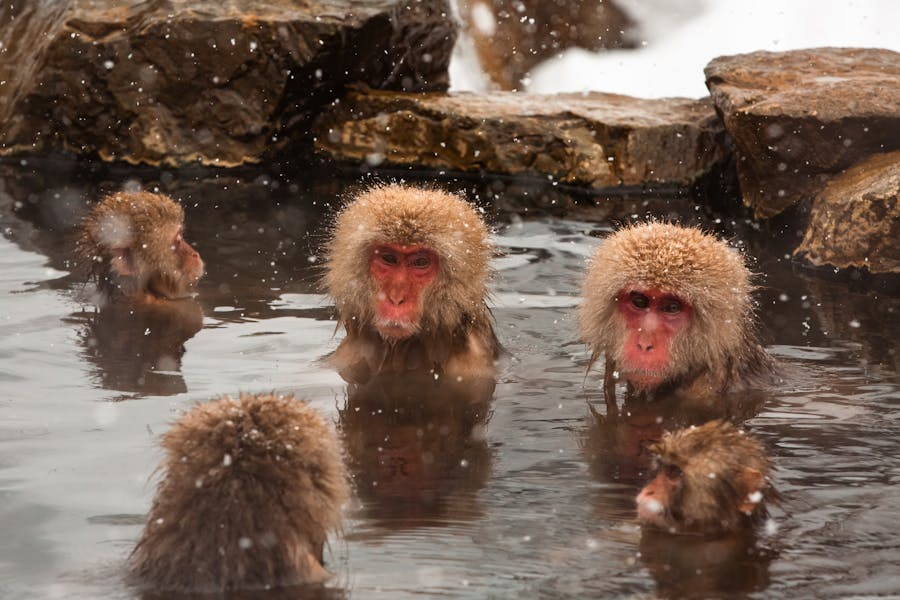
Different macaque populations have developed unique behavioral adaptations to local environments, including hot spring bathing in winter and unique foraging techniques.
New World Monkeys
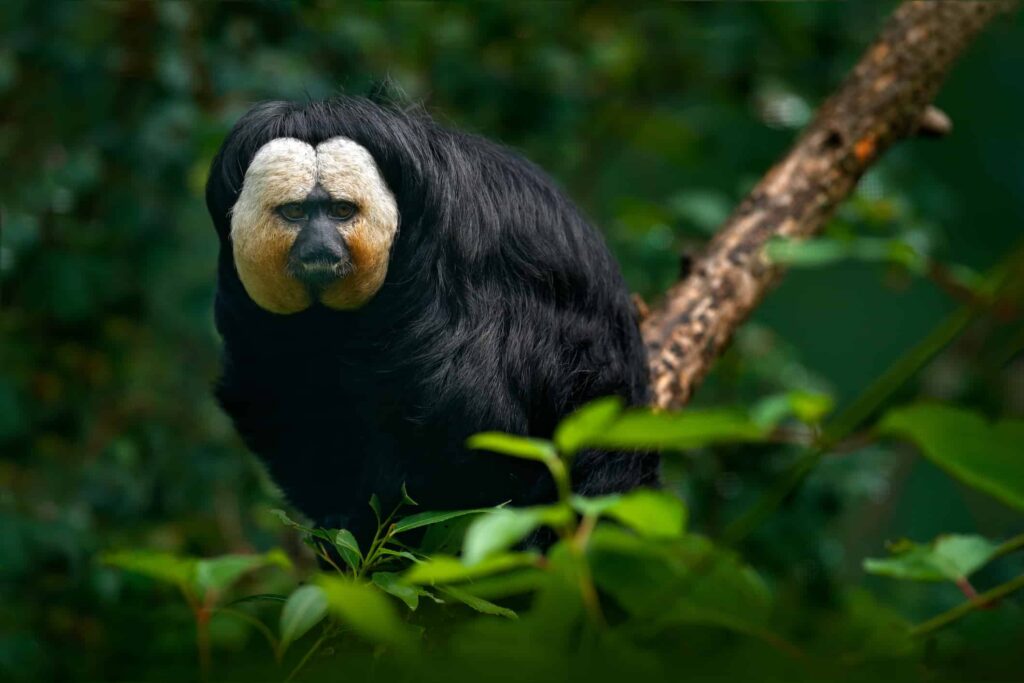
Capuchin Monkeys: Tool-Using Innovators:
Capuchin monkeys demonstrate remarkable tool-use abilities and problem-solving skills that rival those of great apes in some contexts.
Stone Tool Use:
Wild capuchin monkeys use stones as hammers to crack nuts, demonstrating understanding of appropriate tool selection and technique refinement. They choose stones based on size, weight, and material properties.
Tool Innovation:
Captive capuchins create novel tools for specific purposes, modifying objects to improve their effectiveness and combining materials to solve complex problems.
Economic Understanding:
Laboratory research has shown that capuchins understand basic economic principles including supply and demand, fairness, and reciprocity. They demonstrate preferences for fair exchanges and react negatively to inequitable treatment.
Corvid Intelligence: Feathered Geniuses
Ravens and Crows: Avian Einsteins
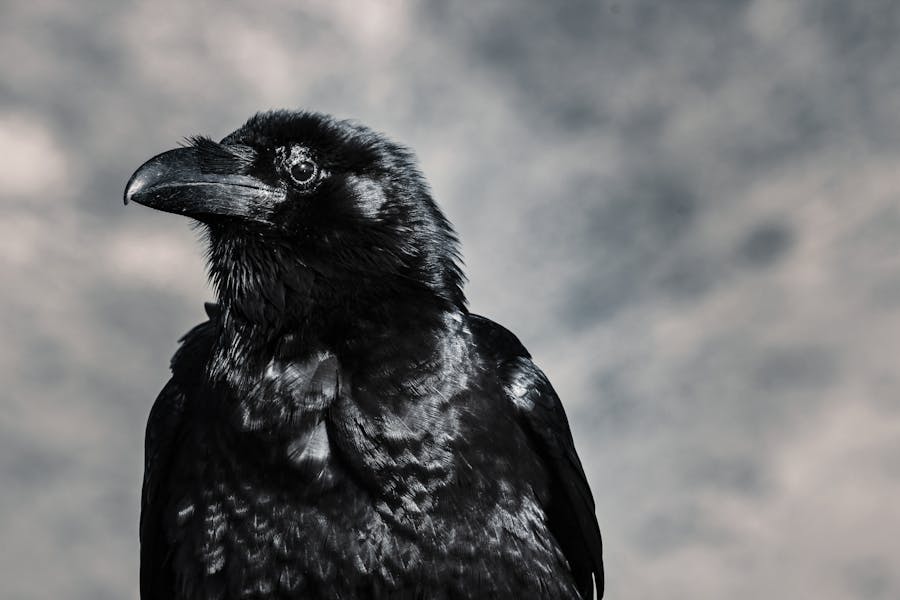
Problem-Solving Mastery:
Corvids (ravens, crows, and their relatives) demonstrate cognitive abilities that rival those of great apes, earning them recognition as among the most intelligent birds in the world.
Complex Tool Use:
New Caledonian crows manufacture sophisticated tools from leaves and twigs, creating hooked tools for extracting insects from crevices. They demonstrate understanding of tool properties and modify tools to improve their effectiveness.
Multi-Step Problem Solving:
Corvids can solve complex problems requiring multiple steps and intermediate goals. Famous experiments show ravens using tools to obtain other tools, demonstrating planning and sequential reasoning abilities.
Physical Understanding:
Corvids understand basic physics principles including water displacement, gravity, and tool mechanics. They can solve problems requiring understanding of hidden relationships and cause-and-effect chains.
Future Planning:
Ravens demonstrate ability to plan for future events, saving tools for later use and preparing for anticipated needs. This planning ability indicates sophisticated temporal understanding and delayed gratification.
Social Intelligence and Communication:
Complex Social Dynamics:
Corvids live in complex social systems with sophisticated dominance hierarchies, alliance formation, and cooperative behaviors. They demonstrate understanding of third-party relationships and social consequences.
Episodic Memory:
Ravens and crows remember specific events in detail, including who was present, what happened, and when events occurred. This episodic memory allows them to adjust their behavior based on past experiences with specific individuals.
Tactical Deception:
Corvids use sophisticated deceptive strategies, including false caching (pretending to hide food while actually keeping it), misdirection, and complex manipulative behaviors to gain advantages over competitors.
Communication Complexity:
Corvid communication systems include numerous vocalizations with specific meanings, gestural communication, and the ability to convey information about absent objects or events.
Magpies: Self-Aware and Socially Sophisticated

Mirror Self-Recognition:
Magpies are among the few non-mammalian species that pass the mirror self-recognition test, indicating advanced self-awareness and cognitive sophistication.
Social Cognition:
Magpies demonstrate complex social intelligence including grief behaviors, play, and sophisticated social bonding. They show empathy and comfort behaviors toward distressed group members.
Cultural Transmission:
Magpie populations maintain distinct behavioral traditions that are passed down through generations, including unique foraging techniques and social customs.
Jays: Memory Masters

Spatial Memory:
Clark’s nutcrackers and other jay species demonstrate extraordinary spatial memory abilities, remembering the locations of thousands of cached food items across vast territories.
Episodic-Like Memory:
Scrub jays demonstrate what researchers call “episodic-like memory”—remembering what they cached, where they cached it, and when they cached it. This ability allows them to prioritize retrieving perishable items before they spoil.
Future Planning:
Jays demonstrate ability to plan for future needs, caching food in locations where they anticipate being hungry and saving preferred items for later consumption.
Marine Intelligence: Cognition in the Ocean
Dolphin Intelligence: Aquatic Geniuses
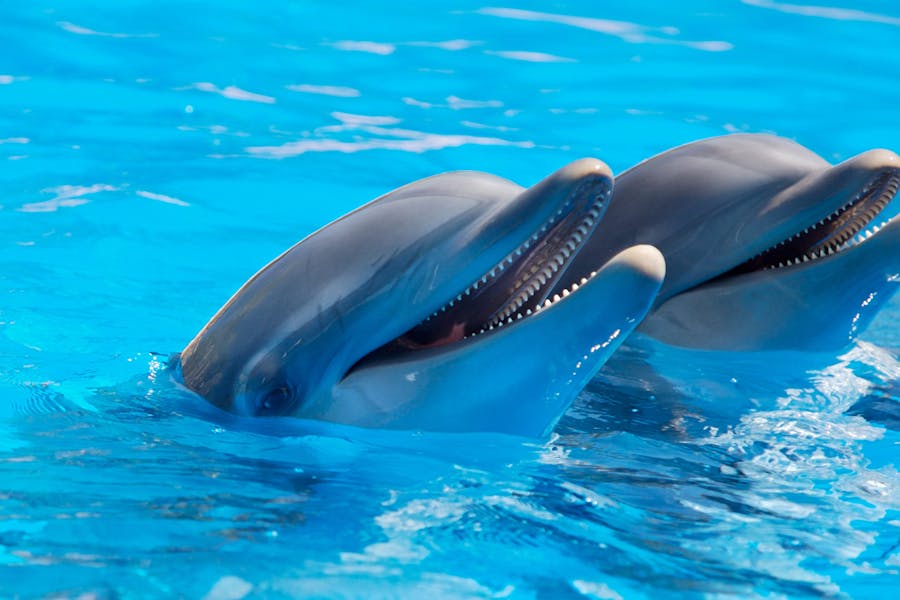
Complex Communication Systems:
Dolphins possess sophisticated communication abilities that include signature whistles (individual names), complex vocal exchanges, and gestural communication.
Signature Whistles:
Each dolphin develops a unique signature whistle that functions as an individual name. Dolphins use these whistles to identify themselves and call to specific individuals, demonstrating understanding of individual identity.
Vocal Learning:
Dolphins can learn and modify their vocalizations, copying sounds from other dolphins and even human-made sounds. This vocal learning ability is rare in the animal kingdom and indicates advanced neural plasticity.
Gestural Communication:
Dolphins use body postures, movements, and touch to communicate complex information. Their gestural repertoire includes cooperative hunting signals, play invitations, and social bonding behaviors.
Problem-Solving and Innovation:
Tool Use:
Dolphins use various tools including marine sponges to protect their rostrums while foraging on the seafloor. Different populations have developed unique tool-use traditions that are passed down through generations.
Cooperative Hunting:
Dolphins demonstrate sophisticated cooperative hunting strategies that require communication, coordination, and understanding of each individual’s role in complex group activities.
Innovation and Creativity:
Captive dolphins create novel behaviors and games, demonstrating creativity and the ability to generate new solutions to challenges. They show curiosity and exploratory behavior that indicates active intelligence.
Social Intelligence:
Alliance Formation:
Male dolphins form long-lasting alliances that cooperate in competing for mates. These alliances require sophisticated understanding of reciprocity, trust, and long-term social strategies.
Cultural Transmission:
Dolphin populations maintain distinct cultural traditions including unique hunting techniques, foraging strategies, and social behaviors that persist across generations.
Empathy and Cooperation:
Dolphins demonstrate empathetic behaviors including helping injured individuals, cooperating in childcare, and showing distress at the suffering of others.
Whale Intelligence: Giants of Cognition
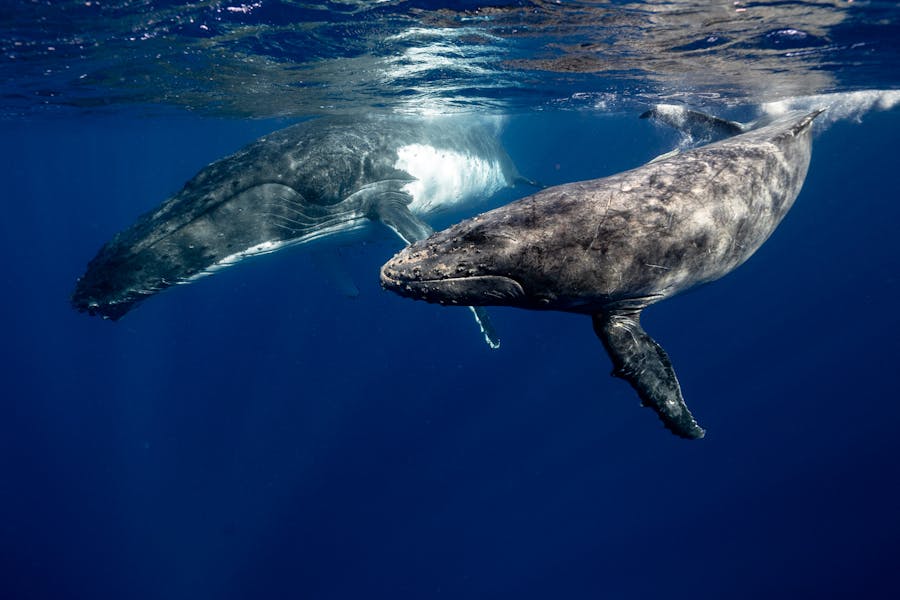
Sperm Whale Culture:
Sperm whales maintain complex cultural systems with distinct dialectal patterns in their click communications. Different whale clans have unique vocal signatures that identify their cultural group.
Humpback Whale Songs:
Male humpback whales compose complex songs that change over time and spread through populations like cultural trends. These songs demonstrate creativity, cultural transmission, and possibly aesthetic preferences.
Orca Intelligence:
Orcas demonstrate remarkable cognitive abilities including sophisticated hunting strategies, cultural traditions, and complex social systems. Different orca populations have developed unique hunting techniques and social customs.
Octopus Intelligence: Alien Intelligence on Earth
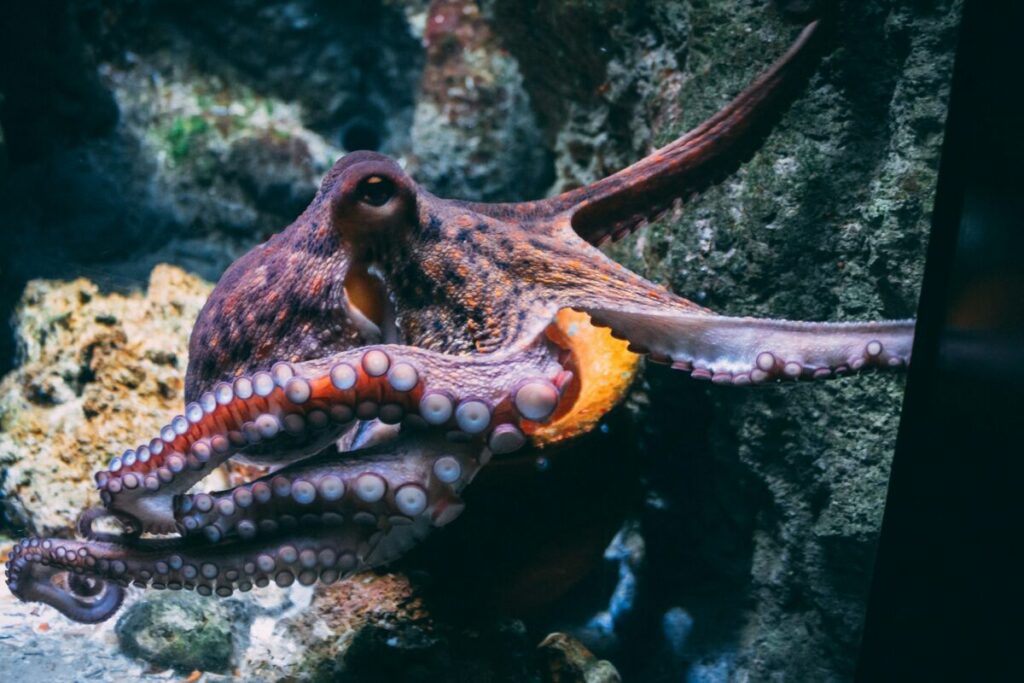
Problem-Solving Mastery:
Octopuses demonstrate remarkable cognitive abilities despite having evolved independently from vertebrates, representing an entirely different approach to intelligence.
Tool Use and Innovation:
Octopuses collect and use tools including shells, rocks, and coconut shells for shelter and protection. They demonstrate planning by carrying tools to new locations and modifying them for specific purposes.
Escape Artists:
Octopuses are legendary escape artists, using their problem-solving abilities to overcome complex challenges and escape from seemingly secure enclosures. Their escapes often involve multi-step problem solving and understanding of physical constraints.
Learning and Memory:
Octopuses learn quickly through observation and trial-and-error, demonstrating excellent short-term and working memory. They can navigate complex mazes and remember solutions to problems.
Individual Personality:
Octopuses demonstrate distinct individual personalities with consistent behavioral patterns including curiosity levels, boldness, and problem-solving approaches.
Camouflage Intelligence:
Octopuses demonstrate sophisticated understanding of their visual environment, rapidly changing their appearance to match surroundings or create complex displays for communication or intimidation.
Elephant Intelligence: Gentle Giants with Complex Minds
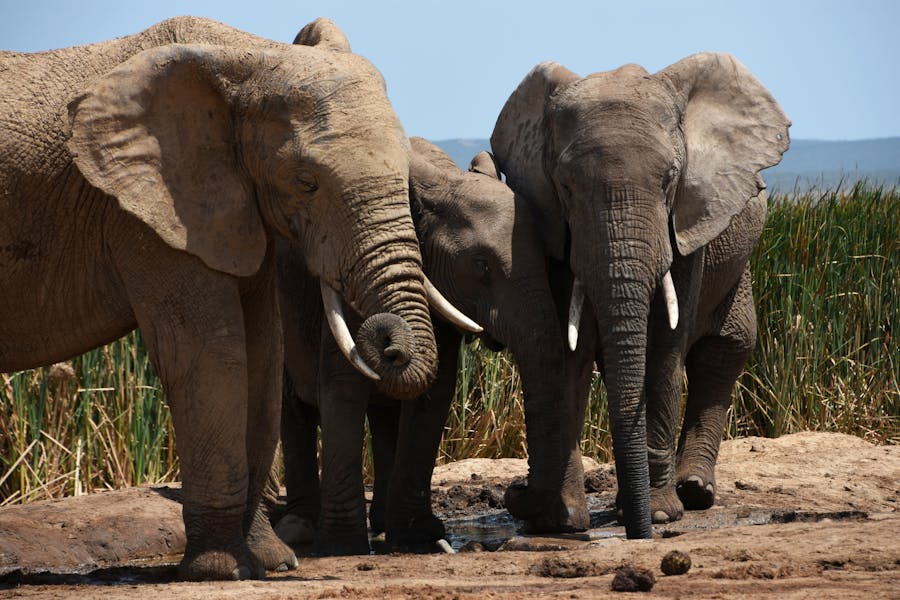
Cognitive Abilities
Problem-Solving and Tool Use:
Elephants demonstrate remarkable problem-solving abilities and innovative tool use that reflects their advanced cognitive capabilities.
Tool Innovation:
Elephants create and modify tools for specific purposes, including using sticks to scratch unreachable areas, employing branches as fly swatters, and dropping rocks on electric fences to break them. They demonstrate understanding of tool properties and effectiveness.
Cooperative Problem Solving:
Elephants work together to solve complex problems that require coordination and communication. They demonstrate understanding of when cooperation is necessary and how to coordinate their actions effectively.
Physical Understanding:
Elephants understand basic physics principles and can manipulate their environment strategically. They demonstrate understanding of leverage, support, and cause-and-effect relationships.
Memory and Learning:
Extraordinary Memory:
Elephants possess remarkable long-term memory abilities, remembering individuals, locations, and events across decades. Their memory abilities contribute to their survival in challenging environments.
Route Memory:
Elephants remember complex migration routes across vast distances, including seasonal water and food sources. Matriarchs serve as repositories of ecological knowledge that benefits entire family groups.
Social Learning:
Young elephants learn complex behaviors through observation and imitation of experienced family members. This social learning transmits crucial survival knowledge across generations.
Social Intelligence
Family Dynamics:
Elephant societies are built around complex matriarchal family structures that require sophisticated social intelligence to navigate relationships and coordinate group activities.
Emotional Complexity:
Elephants demonstrate complex emotional lives including grief behaviors, celebratory responses to births, and emotional support for distressed family members.
Communication Systems:
Elephants communicate through various modalities including infrasonic calls that travel long distances, gestural communication, and tactile interactions that convey complex social information.
Empathy and Altruism:
Elephants show remarkable empathetic responses and helping behaviors, assisting injured individuals and showing distress at the suffering of others, even non-family members.
Conservation Intelligence
Human-Wildlife Conflict:
Elephants demonstrate sophisticated understanding of human activities and adapt their behavior accordingly, including avoiding areas during times of high human activity and modifying traditional migration routes.
Transgenerational Learning:
Elephant populations that have experienced human persecution show heightened wariness that persists across generations, indicating cultural transmission of survival strategies.
Small Animal Intelligence: Mighty Minds in Tiny Packages
Rodent Intelligence

Rats: Underestimated Geniuses:
Rats demonstrate remarkable cognitive abilities that have made them valuable subjects for neurological and behavioral research.
Problem-Solving Abilities:
Rats excel at complex problem-solving tasks including navigating mazes, understanding cause-and-effect relationships, and developing novel solutions to challenges.
Social Intelligence:
Rats demonstrate empathy, helping behaviors, and sophisticated social learning. They show distress at others’ suffering and will work to free trapped companions even when no direct benefit is available.
Metacognition:
Research suggests that rats may possess metacognitive abilities—awareness of their own knowledge states—allowing them to assess their confidence in memories and decisions.
Cultural Transmission:
Rat populations develop and maintain cultural traditions including foraging techniques and food preferences that are transmitted through social learning.
Bee Intelligence: Collective Cognition

Navigation and Spatial Intelligence:
Honeybees demonstrate remarkable cognitive abilities despite their tiny brains, solving complex navigation and communication challenges.
Landmark Navigation:
Bees use visual landmarks to navigate complex routes between their hive and food sources, demonstrating sophisticated spatial memory and route optimization abilities.
Sun Compass Navigation:
Bees navigate using the sun’s position and compensate for its movement throughout the day, indicating understanding of temporal and spatial relationships.
Waggle Dance Communication:
The famous waggle dance allows bees to communicate precise distance and direction information about food sources, representing one of the most sophisticated non-human communication systems.
Abstract Concept Learning:
Bees can learn abstract concepts including “same vs. different,” numerical relationships, and even basic mathematical operations, challenging assumptions about the cognitive limitations of small brains.
Ant Intelligence: Collective Problem Solving
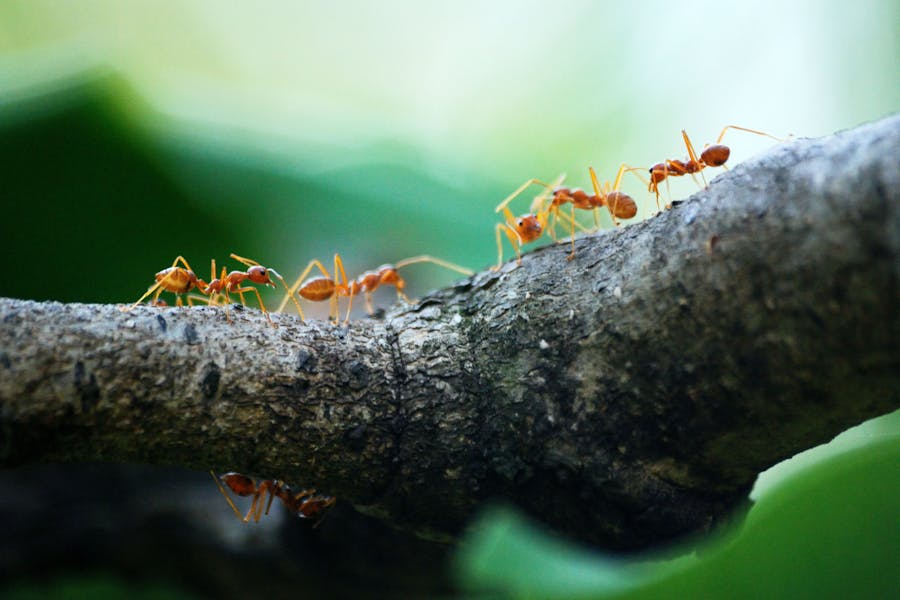
Swarm Intelligence:
Ant colonies demonstrate collective intelligence that emerges from the interactions of many simple individuals, solving complex problems through distributed decision-making.
Trail Communication:
Ants use chemical trail systems to share information about food sources and optimal routes, creating efficient transportation networks that adapt to changing conditions.
Architectural Innovation:
Different ant species have evolved sophisticated architectural techniques for nest construction, including ventilation systems, temperature regulation, and specialized chambers for different purposes.
Agricultural Practices:
Leaf-cutter ants practice agriculture, cultivating fungus gardens that provide their primary food source. This agricultural system requires sophisticated understanding of cultivation techniques and crop management.
Intelligence in Unusual Places
Cephalopod Intelligence Beyond Octopuses
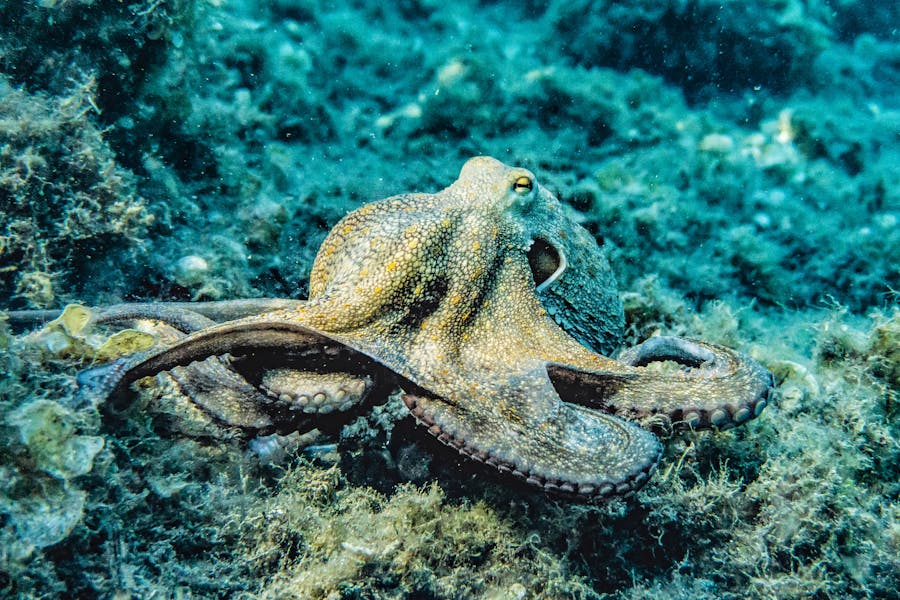
Cuttlefish: Masters of Deception:
Cuttlefish demonstrate remarkable intelligence through their sophisticated camouflage abilities and deceptive behaviors. They can rapidly change their appearance to match surroundings or create complex visual displays for communication.
Squid Social Intelligence:
Some squid species demonstrate social intelligence and communication abilities, using color changes and body postures to convey information to other individuals.
Fish Intelligence: Underwater Cognition
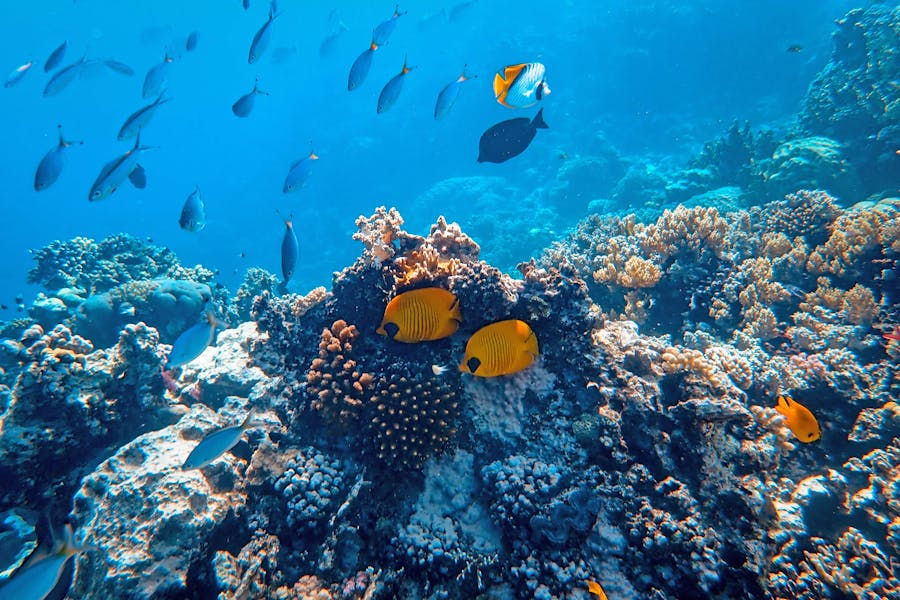
Cleaner Fish Recognition:
Cleaner fish demonstrate sophisticated social intelligence, recognizing individual clients and adjusting their behavior based on past interactions and client needs.
Tool-Using Fish:
Some fish species use tools including rocks to crack shells and water jets to capture prey, demonstrating problem-solving abilities and understanding of physical principles.
Cultural Transmission in Fish:
Fish populations maintain behavioral traditions that are transmitted through social learning, including migration routes, foraging techniques, and predator avoidance strategies.
Invertebrate Innovation
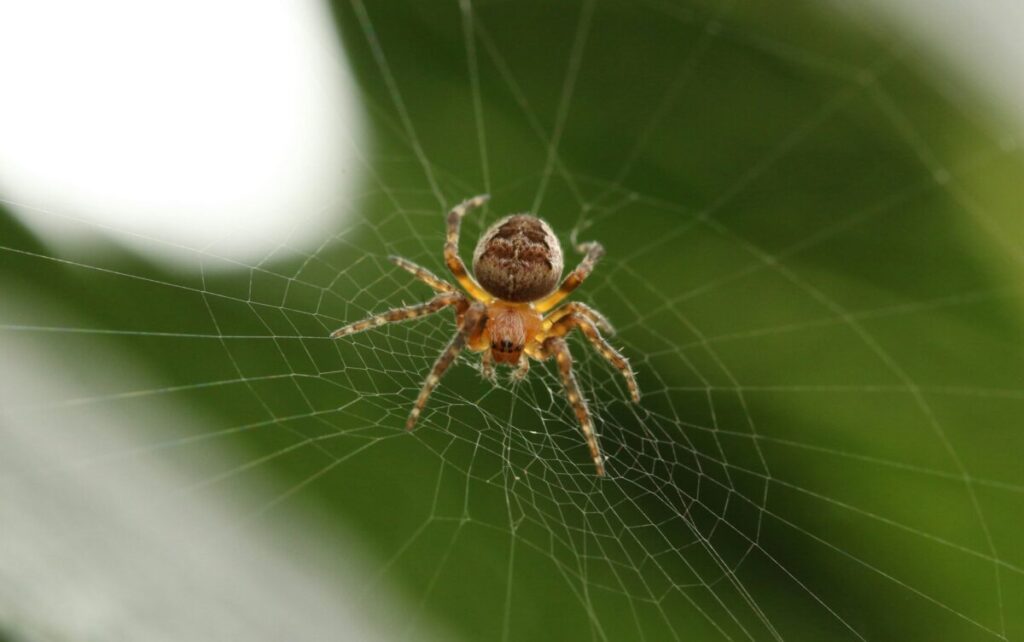
Spider Intelligence:
Some spider species demonstrate learning abilities, problem-solving skills, and behavioral flexibility that challenge assumptions about arthropod cognition.
Crab Problem Solving:
Crabs demonstrate navigational abilities, tool use, and learning skills that indicate more sophisticated cognitive abilities than previously recognized.
Testing and Measuring Animal Intelligence
Experimental Approaches
Controlled Laboratory Studies:
Laboratory experiments allow researchers to control variables and test specific cognitive abilities under standardized conditions. However, laboratory settings may not reflect natural cognitive challenges.
Field Studies:
Observing animals in their natural environments provides insights into how cognitive abilities function in real-world contexts but makes controlled testing more difficult.
Comparative Studies:
Comparing cognitive abilities across different species helps identify evolutionary patterns and understand how different ecological pressures shape intelligence.
Ethical Considerations
Animal Welfare:
Intelligence testing must prioritize animal welfare and avoid causing stress or harm to research subjects. Ethical protocols ensure that research benefits outweigh any potential negative impacts.
Captivity vs. Wild Studies:
Research with captive animals allows for controlled testing but may not reflect natural cognitive abilities. Wild animal studies provide ecological validity but present logistical and ethical challenges.
Conservation Applications:
Understanding animal intelligence can inform conservation strategies by revealing cognitive needs and helping design more effective protection measures.
Implications for Conservation and Animal Welfare

Conservation Strategies
Cognitive Needs in Habitat Design:
Understanding animal intelligence helps conservationists design protected areas and management strategies that accommodate species’ cognitive needs and natural behaviors.
Human-Wildlife Conflict Resolution:
Knowledge of animal cognition helps develop strategies for reducing conflicts between humans and intelligent species by accounting for their problem-solving abilities and behavioral flexibility.
Reintroduction Programs:
Understanding cognitive abilities and cultural transmission helps design more effective reintroduction programs that account for learned behaviors and social structures.
Animal Welfare Applications
Enrichment Programs:
Knowledge of cognitive abilities informs the development of enrichment programs that provide appropriate mental stimulation for captive animals.
Ethical Treatment:
Recognition of animal intelligence raises important questions about ethical treatment and moral consideration for cognitively sophisticated species.
Education and Advocacy:
Understanding animal intelligence helps educate the public about the cognitive complexity of wildlife and builds support for conservation efforts.
Future Directions in Animal Intelligence Research
Technological Advances
Neuroimaging Techniques:
Advanced neuroimaging technologies allow researchers to study brain activity in living animals, providing insights into the neural basis of cognitive abilities.
GPS and Tracking Technology:
GPS tracking and other monitoring technologies enable researchers to study cognitive abilities in natural environments with minimal disturbance to subjects.
Genetic Studies:
Genetic research helps identify the biological basis of cognitive abilities and understand how intelligence evolves across different species.
Emerging Research Areas
Artificial Intelligence Comparisons:
Comparing natural and artificial intelligence helps researchers understand the fundamental principles of cognitive processing and problem-solving.
Cultural Evolution:
Studying how behavioral innovations spread through animal populations provides insights into cultural evolution and social learning mechanisms.
Climate Change Impacts:
Research into how cognitive abilities help animals adapt to rapidly changing environments becomes increasingly important as climate change accelerates.
Conclusion
The exploration of animal intelligence reveals a natural world far more cognitively complex and sophisticated than previously imagined. From the tool-making abilities of New Caledonian crows to the cultural traditions of whale populations, from the escape artistry of octopuses to the mathematical concepts grasped by chimpanzees, animals demonstrate cognitive abilities that challenge our understanding of consciousness, creativity, and intelligence itself.
These discoveries fundamentally reshape our relationship with the natural world. Animals are not simply biological machines responding to instinct—they are thinking, feeling beings with individual personalities, cultural traditions, and cognitive abilities that deserve our respect and protection. The recognition of animal intelligence creates moral obligations for how we treat other species and manage our shared planet.
The diversity of animal intelligence also provides crucial insights into the evolution of cognition and consciousness. By studying how different species have solved cognitive challenges, we gain deeper understanding of our own mental abilities and the biological basis of thought itself. Animal intelligence research contributes to fields ranging from artificial intelligence development to neurological medicine.
Perhaps most importantly, understanding animal intelligence fosters a sense of wonder and connection with the natural world. Recognizing the cognitive complexity of the animals around us—from the problem-solving abilities of urban crows to the emotional intelligence of elephants—enriches our appreciation of biodiversity and strengthens our commitment to conservation.
As research continues to reveal new dimensions of animal cognition, we can expect even more surprising discoveries about the mental lives of our fellow creatures. The story of animal intelligence is still being written, with each new study adding chapters to our understanding of the remarkable cognitive diversity that evolution has produced.
The intelligence we observe in animals reminds us that we are part of a community of thinking beings, each species contributing unique cognitive solutions to the challenges of survival. Our growing understanding of animal intelligence should inspire both humility about our place in the natural world and determination to protect the cognitive heritage that evolution has created.