
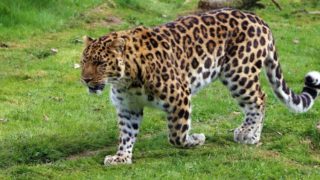
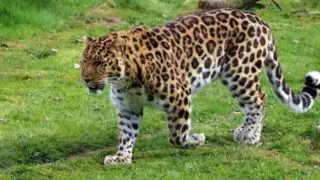
The Amur leopard is the world’s rarest big cat, with roughly 130 individuals remaining in the wild due to poaching and habitat loss.
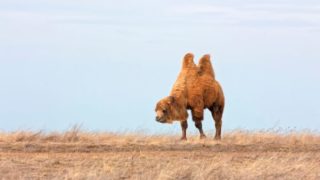
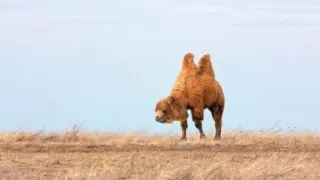
The wild Bactrian camel was reclassified from Critically Endangered to Endangered in 2025, with about 1,040 to 1,840 individuals left in the wild.
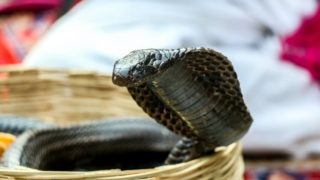
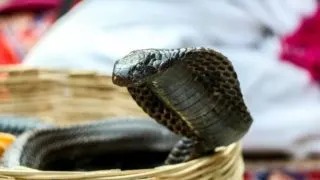
The king cobra is listed as Vulnerable by the IUCN due to habitat loss and harvesting, with wild populations in decline across South and Southeast Asia.
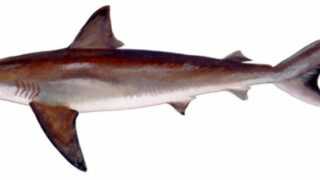
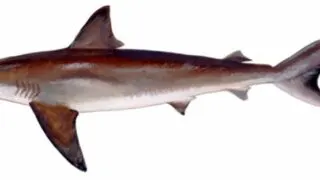
The Dusky Shark (Carcharhinus obscurus) is a large requiem shark found worldwide in tropical and warm-temperate waters, including the Atlantic, Indian, and Pacific Oceans. The IUCN lists the species as Endangered globally, driven by severe overfishing and its very slow reproductive rate.
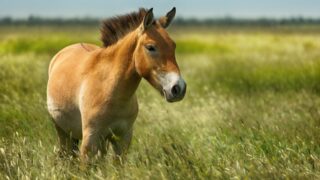
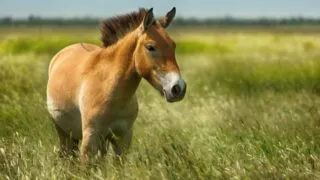
Przewalski’s Horse (Equus ferus przewalskii) is a horse species native to Central Asia. It is a horse that is a large herbivores that live in huge herds and eat plant material, such as grasses and herbs.


What is the Australian Koala Foundation? The Australian Koala Foundation (AKF) is Australia’s leading not-for-profit dedicated to the long-term conservation of the wild koala and its habitat. Founded in Brisbane in 1986, the AKF funds tree-by-tree habitat mapping, research and advocacy, and raises awareness of the threats facing Australian koalas and other native wildlife. The …
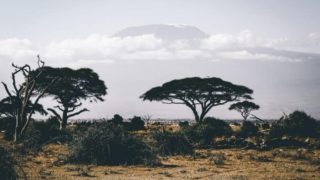
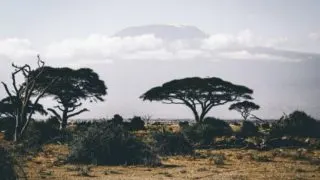
Environmental organizations in Africa play a key role in combating pollution, deforestation, and wildlife poaching. Discover the top groups leading these efforts.


The world of food and agriculture has changed a lot over time. Most of the foods we consume nowadays are full of chemicals that, in one way or another, affect our bodies. One of the most efficient ways to create a symbiotic
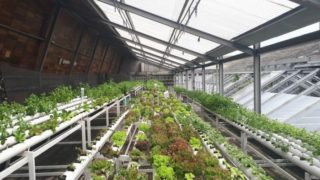

What are the ideal greenhouse lights for your indoor gardening? Check out this detailed grow lights guide for the best, well-researched, and proven options.
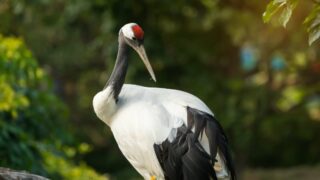
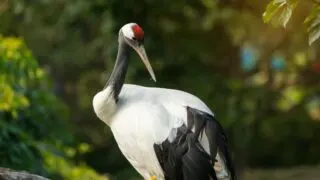
Description The red-crowned crane (Grus japonensis), also called the Japanese crane or Manchurian crane, is a large East Asian crane and one of the rarest crane species in the world — on average the heaviest crane on Earth. The IUCN lists it as Vulnerable, with roughly 2,800–3,300 mature individuals remaining. It is threatened by habitat …