Skip to Content

Wildlife Crisis 2026: How Climate Change Kills Species (And What You Can Do)

Wildlife populations crashed 69% since 1970. Climate change accelerates the killing.

One polar bear cub dies every six days from habitat loss. Coral reefs bleach white from overheated oceans. Mountain species flee upward until they run out of mountain.

You can help stop this. Here’s how.

The numbers that should terrify you:

  • Wildlife populations down 69% since 1970
  • Species extinct 100-1,000x faster than natural rates
  • Arctic warming 2x faster than global average
  • 3 billion animals died in Australia’s 2019 fires alone

Climate change doesn’t just warm the planet. It destroys the ecosystems that keep humans alive.

No wildlife = no pollination = no food = no humans.

Here’s what’s killing wildlife and how you can fight back.

Understanding Climate Change Impacts on Wildlife

Climate Change Impacts on Wildlife

The Mechanics of Climate Disruption

Temperature Changes:
Climate change affects wildlife through multiple interconnected pathways, beginning with temperature shifts that disrupt fundamental biological processes. Even seemingly small global temperature increases—the planet has warmed approximately 1.1°C since pre-industrial times—translate into dramatic local changes that overwhelm species’ adaptive capacities.

Temperature affects every aspect of wildlife biology, from metabolic rates and reproductive cycles to food availability and habitat suitability. Cold-blooded species like reptiles and amphibians are particularly vulnerable, as their body temperatures directly correspond to environmental conditions. When temperatures exceed critical thresholds, these animals cannot regulate their internal processes, leading to heat stress, reproductive failure, and death.

Warm-blooded species face different but equally serious challenges. Arctic mammals like polar bears and caribou depend on specific temperature ranges for successful reproduction and winter survival. As Arctic regions warm at twice the global average—a phenomenon called Arctic amplification—these species lose critical habitat faster than they can adapt or relocate.

Precipitation Pattern Shifts:
Changes in rainfall and snowfall patterns create cascading effects throughout ecosystems. Regions experiencing increased drought face vegetation die-offs that eliminate food sources and shelter for countless species. Conversely, areas receiving more intense precipitation may experience flooding that destroys nesting sites and disrupts breeding cycles.

Seasonal precipitation timing is equally critical. Many species have evolved reproductive cycles synchronized with predictable wet and dry seasons. When climate change shifts these patterns, animals may give birth or lay eggs when food is scarce or environmental conditions are hostile, leading to high mortality rates among young animals.

Mountain ecosystems demonstrate these impacts clearly. Reduced snowpack means less water available during dry seasons, affecting both plant growth and stream flow. Wildlife that depends on predictable water sources—from bighorn sheep to countless bird species—face increasing survival challenges as reliable water becomes scarce.

Extreme Weather Events:
The increasing frequency and intensity of extreme weather events create immediate threats to wildlife populations. Heat waves can cause mass die-offs, as witnessed in Australia during the 2019-2020 bushfires when an estimated three billion animals died or were displaced. Similarly, unprecedented flooding can drown ground-nesting birds and destroy critical breeding habitats.

Hurricanes and cyclones pose particular threats to island species and coastal ecosystems. These storms can devastate small populations of endemic species, potentially driving them to extinction in a single event. The increasing intensity of such storms, fueled by warmer ocean temperatures, amplifies these risks.

Ecosystem-Level Changes

Habitat Fragmentation and Loss:
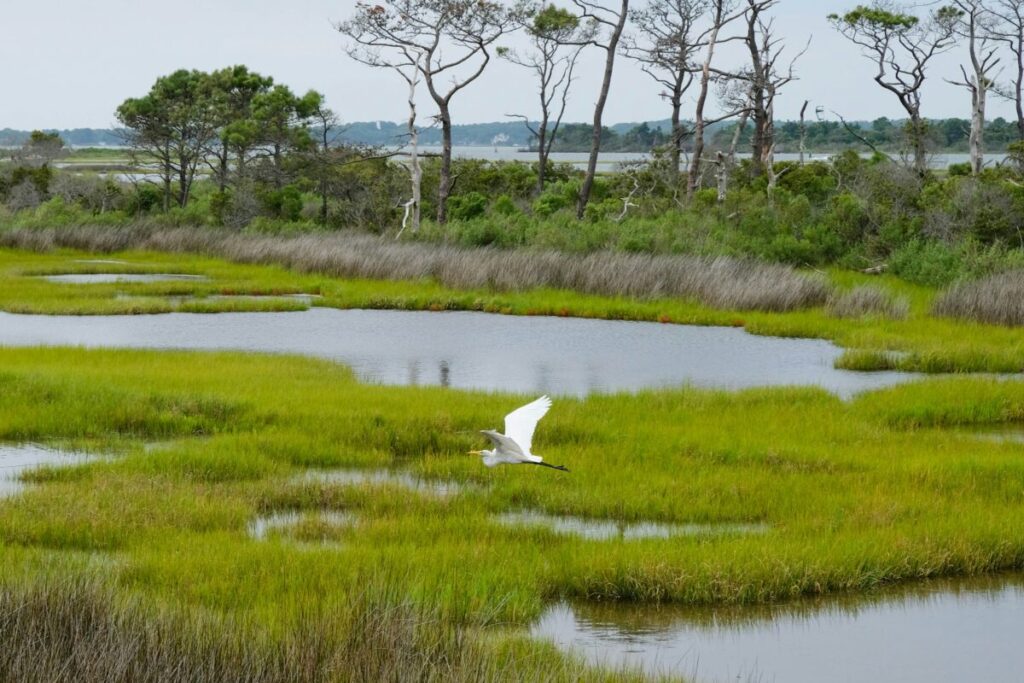
Climate change doesn’t just modify existing habitats—it eliminates them entirely in many cases. Rising sea levels inundate coastal wetlands, salt marshes, and low-lying islands that serve as critical breeding and feeding areas for millions of birds, marine mammals, and fish species.

Forests face multiple climate-related stresses simultaneously. Increased temperatures and drought stress trees, making them more susceptible to insect outbreaks, diseases, and wildfires. The mountain pine beetle epidemic in North America, enabled by warmer winters that no longer kill beetle larvae, has destroyed millions of acres of forest habitat.

Arctic tundra represents one of the most dramatically changing ecosystems. As temperatures warm, the treeline moves northward, converting tundra to forest. While this might seem beneficial, tundra-adapted species like caribou, Arctic foxes, and numerous bird species lose their specialized habitat and face displacement by forest species.

Food Web Disruptions:
Climate change disrupts the intricate timing relationships that have evolved over millennia. This phenomenon, called phenological mismatch, occurs when species that depend on each other become out of sync due to different responses to temperature changes.

A classic example involves Arctic seabirds that time their breeding to coincide with peak fish abundance. However, warming waters cause fish populations to peak earlier in the season, while bird breeding cycles haven’t shifted correspondingly. The result is chicks hatching when food is scarce, leading to high mortality rates and population declines.

Plant-pollinator relationships face similar disruptions. Many plants bloom earlier due to warmer spring temperatures, but their pollinators may not emerge correspondingly early. This timing mismatch can lead to reproductive failure for both plants and pollinators, disrupting entire ecosystem functions.

Marine ecosystems experience particularly severe food web disruptions. Ocean warming and acidification affect phytoplankton—the foundation of marine food webs—altering their distribution and abundance. These changes cascade upward, affecting everything from small fish to whales, seabirds, and marine mammals.

Species-Specific Vulnerabilities

Endemic Species:
Species with limited ranges face the highest extinction risks from climate change. Island species, mountain-top specialists, and species confined to specific habitat types cannot simply move to more suitable locations when climate conditions become unfavorable.

Madagascar’s unique flora and fauna exemplify this vulnerability. The island hosts thousands of endemic species found nowhere else on Earth, many confined to specific elevation ranges or forest types. As climate change shifts temperature and precipitation patterns, these species have nowhere to go, trapped between human development at lower elevations and unsuitable climate conditions at higher elevations.

Similarly, mountain-dwelling species like the American pika face elimination as suitable habitat retreats up mountainsides. These small mammals require cool temperatures and cannot survive in warming conditions. As the climate warms, their suitable habitat shrinks toward mountain peaks until no suitable area remains.

Migration-Dependent Species:
Many species undertake incredible journeys between breeding and wintering grounds, depending on predictable environmental cues and habitat availability along their routes. Climate change disrupts these finely tuned migration systems in multiple ways.

Timing disruptions affect species that migrate based on photoperiod (day length) rather than temperature. These species may arrive at breeding grounds before ice has melted or after peak food availability has passed. Arctic terns, which undertake the longest migration on Earth from Arctic to Antarctic, face changing wind patterns and food availability throughout their 44,000-mile annual journey.

Habitat loss along migration routes poses equally serious threats. Many species depend on specific stopover sites to rest and refuel during long journeys. Development and climate change elimination of these critical areas can make entire migration routes impossible to complete.

Monarch butterflies demonstrate these challenges clearly. These remarkable insects navigate thousands of miles between breeding and overwintering grounds, but climate change affects both the milkweed plants their caterpillars require and the oyamel fir forests where they overwinter in Mexico. Habitat loss and climate impacts at any point along their route threaten the entire population.

Arctic Wildlife: Canaries in the Climate Coal Mine

Polar Bears: Icons of Climate Impact

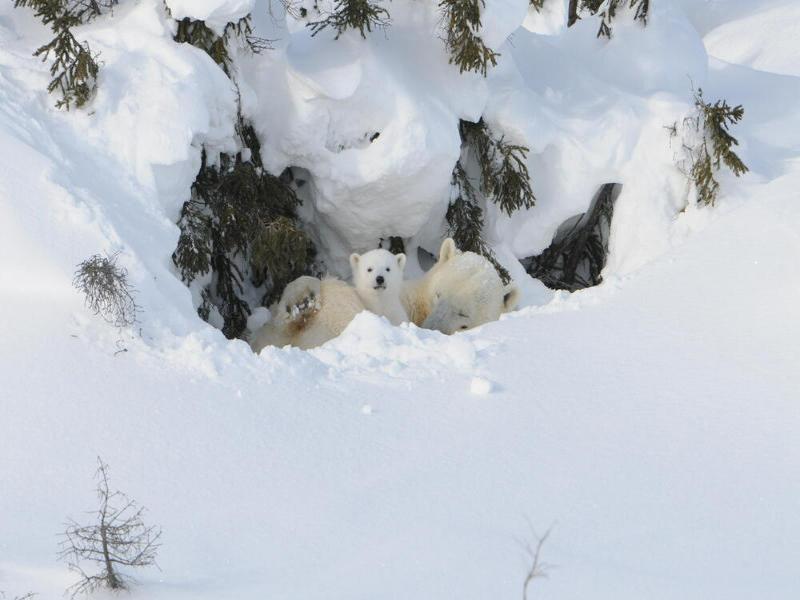
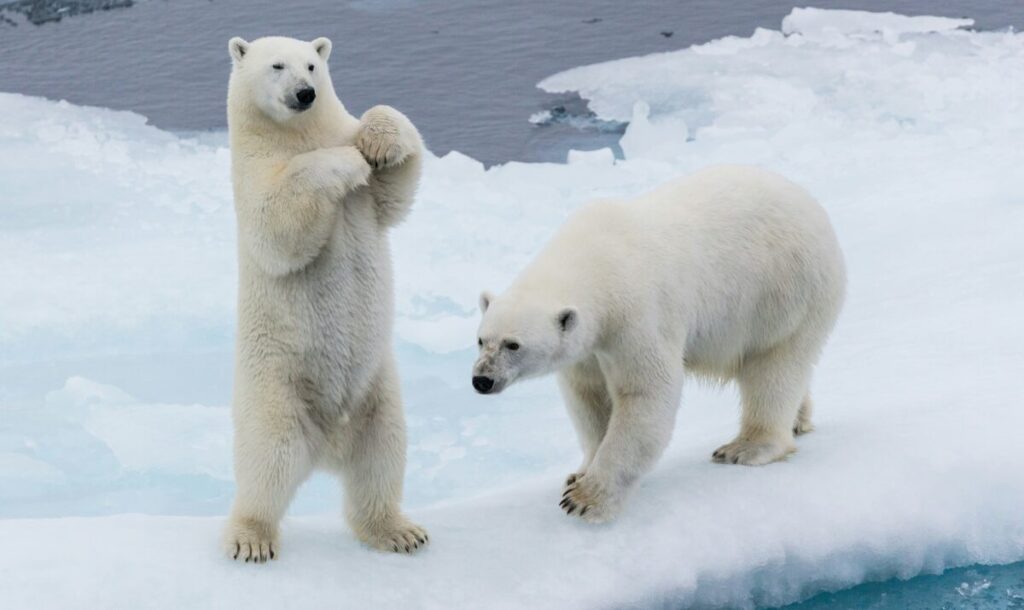
Polar Bears

Polar bears have become symbols of climate change impacts for good reason—their survival depends entirely on sea ice that is rapidly disappearing. These magnificent predators require ice platforms for hunting seals, their primary food source, but Arctic sea ice extent has declined by 13% per decade since satellite monitoring began in 1979.

Hunting and Survival Challenges:
Polar bears have evolved as specialists, perfectly adapted for life on the ice. Their hunting strategy involves waiting motionlessly at seal breathing holes, sometimes for hours, before explosively striking when seals surface for air. This hunting method requires stable ice platforms and predictable seal behavior.

As ice becomes thinner and less stable, bears cannot hunt effectively. They may fall through thin ice or find that ice breaks up before they can catch enough seals to sustain themselves and their cubs. Female bears, in particular, need to build substantial fat reserves before entering maternity dens, as they do not eat for up to eight months while nursing cubs.

The timing of ice formation and breakup has shifted dramatically. In Hudson Bay, one of the most studied polar bear populations, ice now forms approximately three weeks later and breaks up three weeks earlier than it did in the 1970s. This extended ice-free period forces bears to fast for longer periods, leading to weight loss, reduced reproduction, and higher cub mortality.

Population Impacts:
Different polar bear populations show varying responses to climate change depending on their geographic location and local ice conditions. The Western Hudson Bay population has declined by approximately 30% since the 1980s, with bears showing reduced body condition and reproductive success.

However, some populations remain stable or have even increased, often in areas where ice conditions have remained relatively stable or where other factors like reduced hunting pressure have allowed populations to recover. These variations highlight the complexity of climate impacts and the importance of local adaptation strategies.

Scientists predict that if current warming trends continue, two-thirds of polar bear populations will be lost by 2050. Only populations in the high Arctic, where ice persists longest, may survive through the end of the century, and only if global emissions are dramatically reduced.

Adaptation Attempts:
Polar bears demonstrate remarkable behavioral flexibility in response to changing conditions. Some populations have begun spending more time on land, attempting to supplement their diet with terrestrial foods like berries, eggs, and grass. However, these foods cannot provide the high-calorie content bears need to survive Arctic conditions.

Other bears have begun following the ice edge northward as it retreats, but this strategy has limits. The Arctic Ocean eventually becomes too deep for seals to maintain breathing holes, eliminating hunting opportunities even where ice persists.

Some bears show remarkable long-distance swimming abilities, with individuals recorded swimming over 400 miles to reach ice or land. However, long-distance swimming expends enormous energy and poses particular risks to cubs, which cannot survive extended periods in cold water.

Arctic Marine Mammals

Walruses:

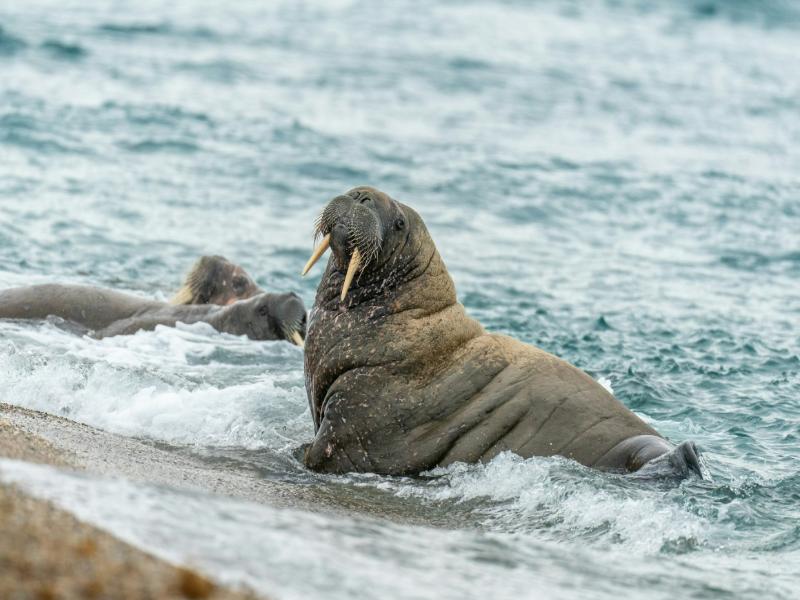
Walruses


Pacific walruses face challenges similar to polar bears but with additional complexities related to their social behavior. These massive pinnipeds traditionally haul out on sea ice over shallow continental shelf waters where they dive to feed on clams and other bottom-dwelling organisms.

As ice retreats beyond the continental shelf into water too deep for walrus diving capabilities, entire populations must crowd onto land-based haul-out sites. These gatherings can include tens of thousands of individuals in areas that historically supported much smaller numbers.

Overcrowding at terrestrial haul-outs creates multiple problems. Stampedes triggered by aircraft, polar bears, or human disturbance can kill hundreds of walruses, particularly calves. Competition for space leads to increased aggression and energy expenditure. Most critically, walruses must swim much farther from haul-out sites to reach feeding areas, increasing energy demands and reducing foraging efficiency.

Ringed Seals:
Ringed seals, the primary prey species for polar bears, face their own climate-related challenges. These seals require stable sea ice for creating the breathing holes and snow lairs where they give birth and nurse their pups.

Snow lairs provide essential protection from predators and harsh weather, but they require specific snow depth and ice stability conditions. Climate change brings more frequent mid-winter warming events that collapse snow lairs or create ice conditions unsuitable for lair construction.

Pup survival rates decline dramatically when lairs are compromised. Without adequate protection, pups cannot survive Arctic conditions or avoid predation. This affects not only seal populations but also polar bears and Arctic foxes that depend on seals for food.

Arctic Foxes and Terrestrial Mammals

Arctic Foxes:

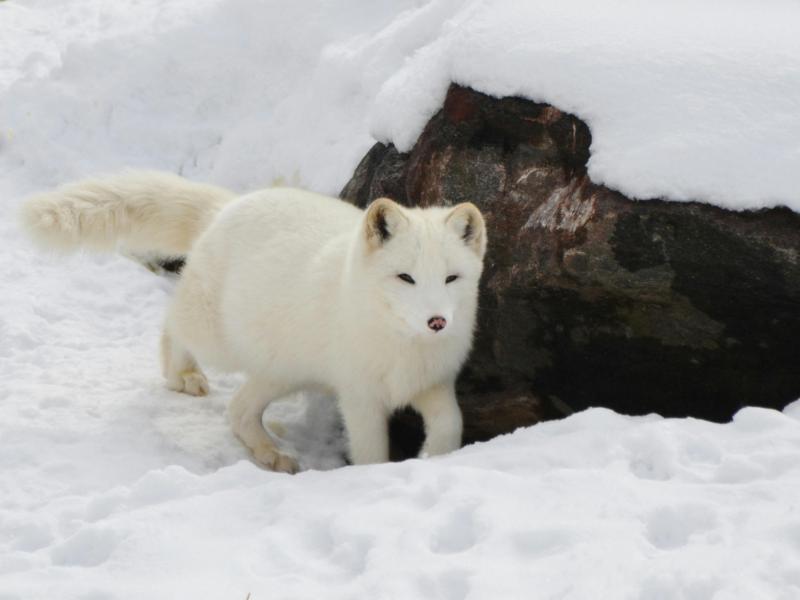
Arctic

Arctic foxes face a complex set of climate-related challenges that demonstrate how warming affects both habitat and species interactions. These small predators have adapted to extreme Arctic conditions with features like fur that changes color seasonally and extremely efficient metabolism.

As the Arctic warms, red foxes expand their range northward, competing directly with Arctic foxes for food and territory. Red foxes are larger and more aggressive, often displacing Arctic foxes from prime habitats. Additionally, red foxes can carry diseases and parasites that Arctic foxes have no immunity against.

Food web changes compound these pressures. Arctic foxes depend heavily on lemming population cycles and carrion from polar bear kills. As lemming cycles become disrupted by changing snow conditions and as polar bears catch fewer seals, Arctic fox food sources become less reliable.

Some Arctic fox populations show adaptations to changing conditions, including dietary shifts toward bird eggs and marine resources. However, these alternative food sources may not provide adequate nutrition for successful reproduction, particularly in years when multiple stress factors combine.

Caribou and Reindeer:

Caribou

Caribou populations across the Arctic face numerous climate-related challenges that affect every aspect of their life cycle. These animals have evolved intricate migration patterns and behavioral adaptations to exploit Arctic resources efficiently.

Winter feeding becomes increasingly difficult as freezing rain creates ice layers over vegetation, preventing caribou from accessing crucial lichens and grasses beneath the snow. These “icing events” are becoming more frequent as climate change brings more variable winter weather patterns.

Insect harassment intensifies as warmer temperatures expand the ranges and extend the activity periods of biting flies and mosquitoes. Caribou may spend so much energy avoiding insects that they cannot gain adequate weight for winter survival or successful reproduction.

Migration timing mismatches affect calving success. Female caribou time their spring migration to arrive at calving grounds when vegetation is most nutritious for supporting milk production. As spring arrives earlier and more unpredictably, this timing becomes increasingly difficult to optimize.

Habitat changes pose long-term threats as treeline advances northward and shrubs expand in traditionally open tundra. These vegetation changes alter snow distribution, predator-prey dynamics, and food quality in ways that disadvantage species adapted to open Arctic landscapes.

Marine Ecosystems Under Siege

Marine Ecosystems Under Siege

Ocean Warming and Acidification

Temperature Effects:
Ocean temperatures have increased by an average of 0.33°C since 1969, with surface waters warming even more rapidly. While this may seem minimal, marine organisms have evolved within narrow temperature ranges, and even small changes can have dramatic biological effects.

Warm-water species expand their ranges poleward, often displacing cold-adapted species that have nowhere cooler to go. This phenomenon, called tropicalization, fundamentally alters marine community composition and ecosystem functioning.

Fish populations shift their distributions to follow temperature preferences, but this creates cascading effects throughout marine food webs. Commercial fisheries that depend on specific species find their target fish in different locations or depths, while seabirds and marine mammals that feed on these fish face food shortages.

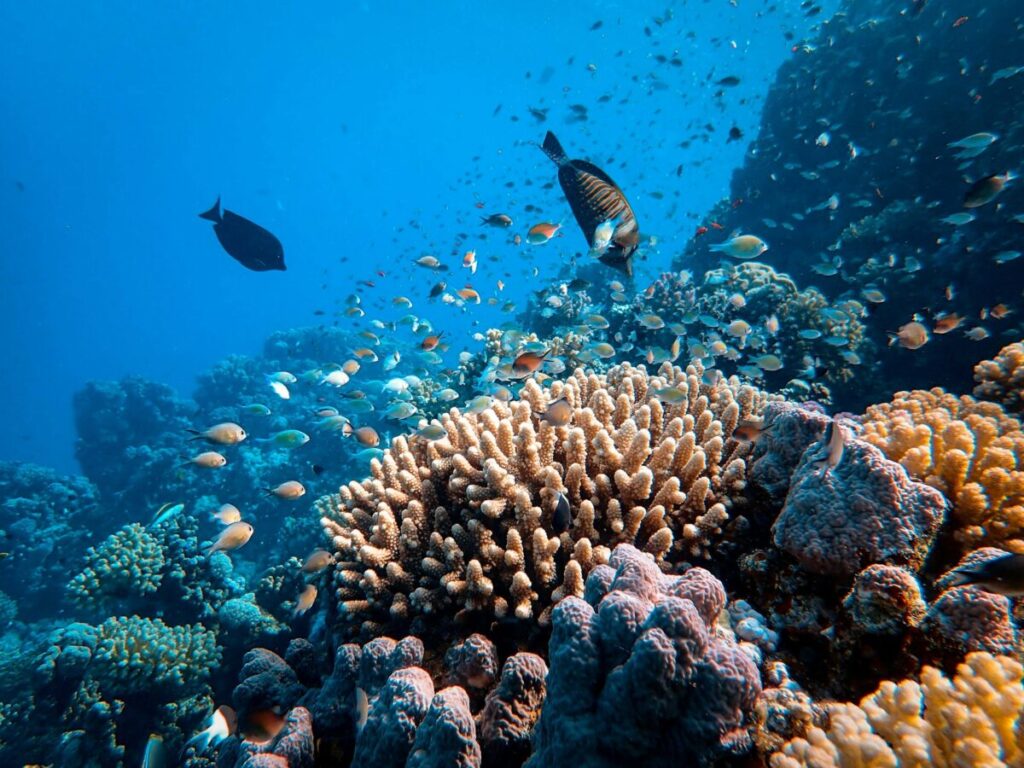
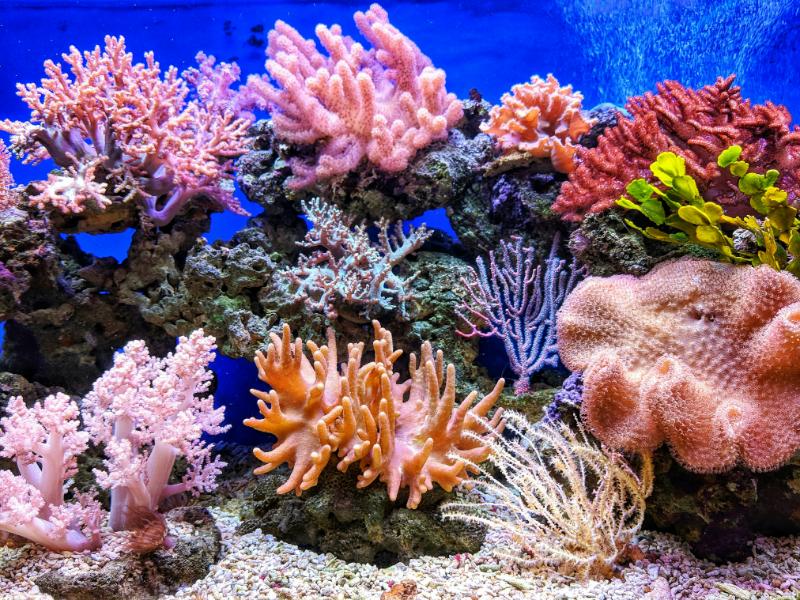
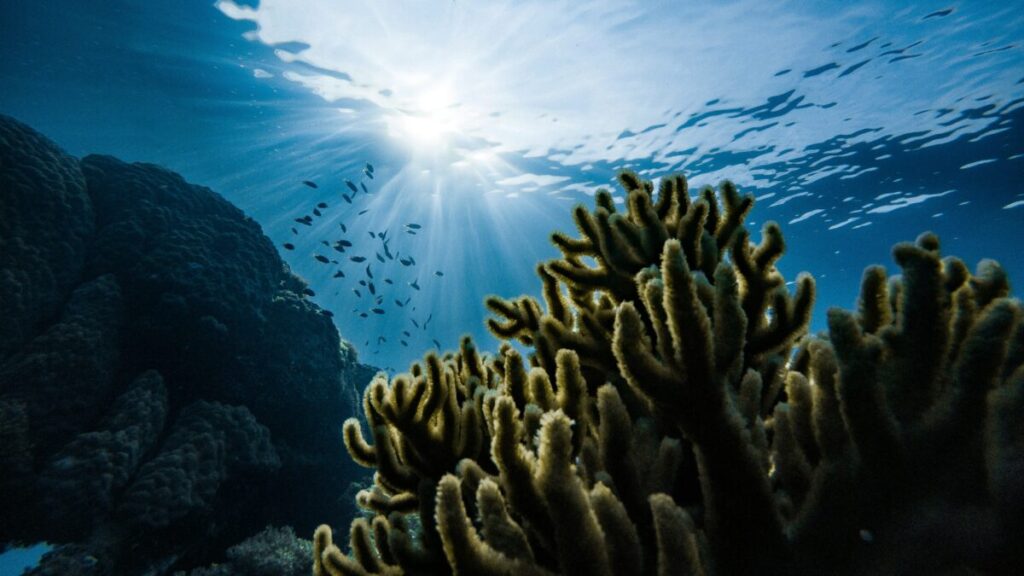
Coral reefs provide the most visible example of temperature impacts. When water temperatures exceed tolerance levels, corals expel their symbiotic algae in a process called bleaching. Mild bleaching events may be survived, but severe or repeated bleaching kills corals and destroys entire reef ecosystems.

Ocean Acidification:
The ocean absorbs about 25% of carbon dioxide emissions from human activities, forming carbonic acid that reduces seawater pH. Ocean pH has declined by 0.1 units since pre-industrial times, representing a 26% increase in acidity. This change occurs faster than any acidification event in the past 300 million years.

Acidification particularly affects organisms that build shells or skeletons from calcium carbonate, including corals, mollusks, sea urchins, and many plankton species. In more acidic water, these organisms must expend more energy to build and maintain their calcium carbonate structures, or they may be unable to build them at all.

Pteropods, tiny sea snails that form a crucial food source for fish, seabirds, and whales, show shell dissolution in increasingly acidic waters. Laboratory studies demonstrate that pteropod shells begin dissolving within 48 hours in water with pH levels expected by 2100 under current emission scenarios.

The impacts extend beyond individual species to entire food webs. Phytoplankton, the foundation of marine ecosystems, includes many calcifying species sensitive to acidification. Changes in phytoplankton communities cascade upward through all marine life, from the smallest fish to the largest whales.

Marine Megafauna Impacts

Whales and Dolphins:

Whales

Marine mammals face multiple climate-related stresses that compound existing threats from shipping, pollution, and fishing activities. These large, long-lived species are particularly vulnerable because they reproduce slowly and require decades to recover from population declines.

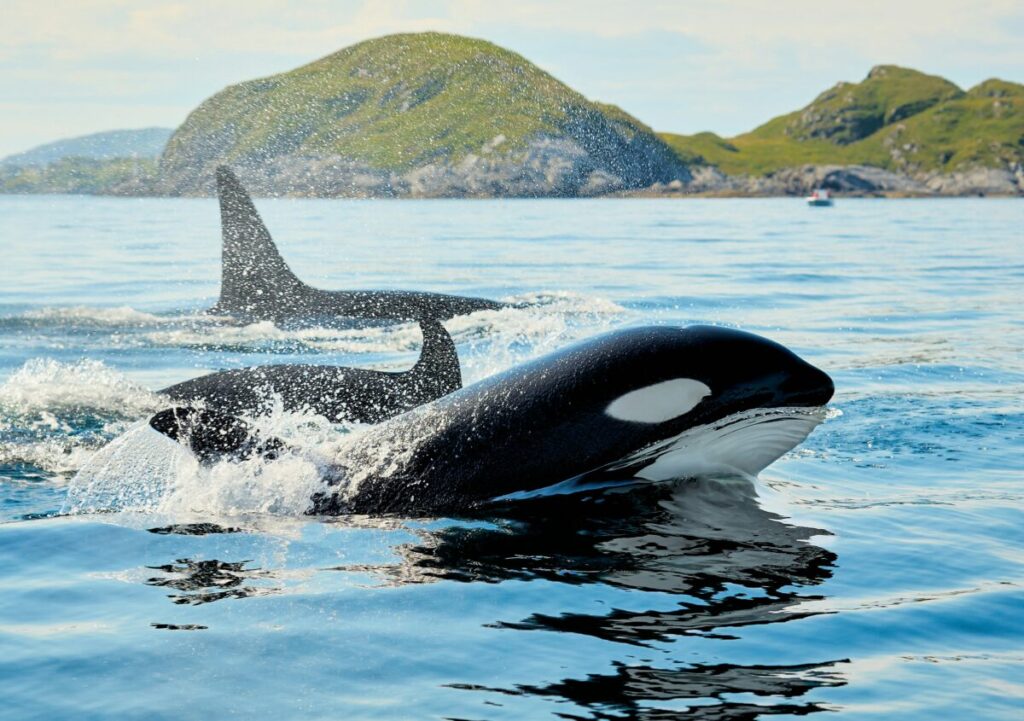
Food web changes affect whale species differently depending on their feeding strategies. Baleen whales that filter-feed on krill and small fish may find their prey shifting to different areas or depths as ocean conditions change. Gray whales, for example, have experienced unusual mortality events linked to reduced prey availability in Arctic feeding areas.

Toothed whales face different challenges as their prey species respond to changing ocean conditions. Beaked whales that dive to extreme depths to feed on deep-sea squid may find their prey distributions altered by changing deep-water temperatures and currents.

Ocean noise pollution compounds climate stresses for whales and dolphins that depend on echolocation and long-distance communication. Increased shipping traffic in newly accessible Arctic waters adds acoustic stress to animals already coping with habitat changes.

Sea Turtles:

Sea Turtles

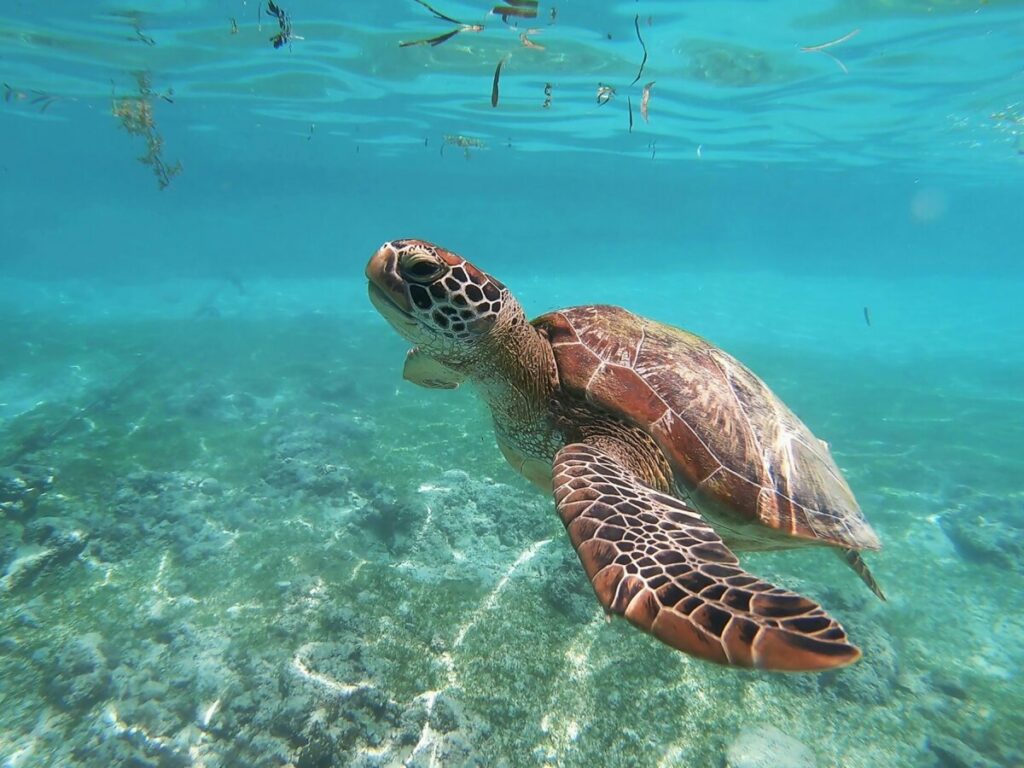
Sea turtles face unique climate vulnerabilities due to their temperature-dependent sex determination system. Sand temperature during egg incubation determines whether hatchlings develop as males or females, with warmer temperatures producing more females.

As beach temperatures increase, many sea turtle populations produce increasingly female-biased sex ratios. Some populations in Australia and Florida already produce over 95% females, threatening long-term population viability as insufficient males remain for reproduction.

Rising sea levels threaten nesting beaches, while increased storm intensity destroys nests and erodes critical nesting habitat. Beach development that forces turtles to nest in marginal areas compounds these natural climate impacts.

Ocean warming affects turtle prey species and distribution patterns. Sea turtles may need to travel farther to find adequate food, increasing energy expenditure and reducing reproductive success. Additionally, changing currents affect the dispersal of hatchlings, potentially carrying them to unsuitable areas.

Seabirds:

Seabirds


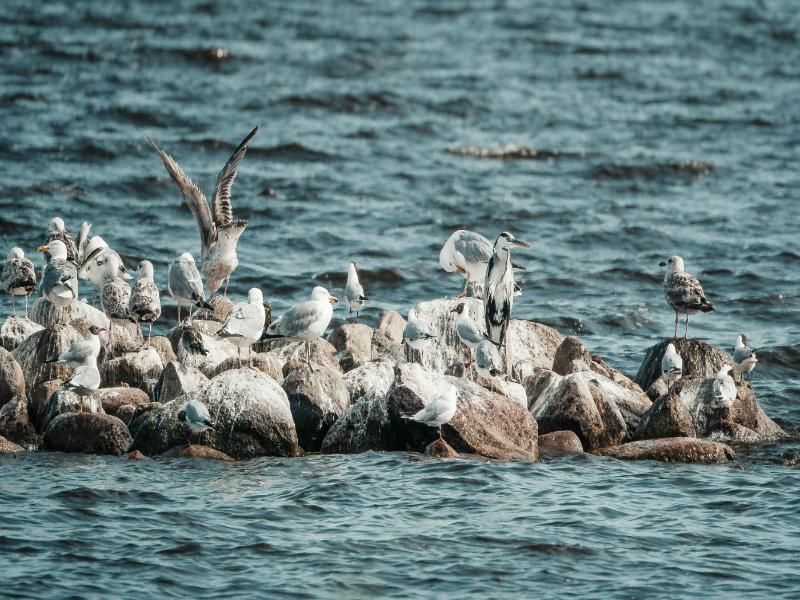
Seabirds serve as sentinels of ocean health, and their populations reflect the dramatic changes occurring in marine ecosystems. These species face climate impacts both at sea, where they feed, and on land, where they breed.

Breeding timing mismatches occur when birds arrive at colonies before prey fish are available or after peak abundance has passed. Puffins in the North Atlantic have experienced widespread breeding failures as the small fish they depend on shift their distributions or timing in response to warming waters.

Sea level rise threatens low-lying breeding colonies, while increased storm intensity destroys nests and kills adults and chicks. Some seabird species nest on remote islands that may become completely submerged as sea levels continue rising.

Food web changes force seabirds to travel farther to find prey, reducing the time and energy available for caring for chicks. Parent birds may be forced to choose between feeding themselves to survive and feeding their offspring, often resulting in chick mortality or abandonment.

Coral Reef Ecosystems

Coral Reef Ecosystems

Bleaching and Mortality:
Coral bleaching events, once rare natural phenomena, now occur with increasing frequency and severity worldwide. The Great Barrier Reef has experienced six mass bleaching events since 1998, with back-to-back bleaching in 2016 and 2017 killing approximately half the reef’s corals.

Bleaching occurs when water temperatures exceed coral tolerance levels for extended periods. Stressed corals expel their symbiotic algae, losing both their color and their primary energy source. Mild bleaching may be survived if temperatures cool quickly, but severe bleaching kills corals outright.

Recovery from bleaching events requires years to decades under ideal conditions, but increasingly frequent bleaching prevents full recovery. Reefs exist in a state of chronic stress, with degraded coral communities unable to support the fish diversity and ecosystem functions of healthy reefs.

Ocean acidification compounds temperature stress by making it harder for corals to build their calcium carbonate skeletons. Even if corals survive bleaching events, acidification reduces their growth rates and makes existing reef structures more susceptible to erosion.

Ecosystem Collapse:
Coral reefs support an estimated 25% of all marine species despite covering less than 1% of ocean area. As reef ecosystems collapse, the biodiversity they support faces extinction. Many reef fish species have highly specialized relationships with specific coral types and cannot survive without their coral hosts.

The economic and ecological services provided by coral reefs extend far beyond their biodiversity value. Reefs protect coastlines from storm surge and erosion, support tourism industries worth billions of dollars annually, and provide protein for hundreds of millions of people worldwide.

Reef degradation creates cascading effects throughout marine ecosystems. Fish populations that depend on reefs for breeding and nursery habitat decline, affecting fishing communities and marine food webs. The loss of reef structure eliminates habitat complexity that countless species require for survival.

Terrestrial Ecosystem Disruptions

Forest Ecosystem

Forest Ecosystem Changes

Temperature and Drought Stress:
Forests worldwide face unprecedented temperature and drought stress that overwhelms their natural resilience mechanisms. Trees and forest ecosystems evolved over millennia to cope with historical climate variability, but current rates of change exceed their adaptive capacities.

Drought stress affects forests through multiple pathways. Water-stressed trees cannot maintain normal photosynthesis, growth, or defense against pests and diseases. Prolonged drought causes tree mortality directly and makes surviving trees more vulnerable to other stressors.

Temperature stress compounds drought impacts by increasing tree water demands while reducing soil moisture availability. Higher temperatures increase evapotranspiration rates, forcing trees to use water faster while droughts reduce water supply.

Pest and Disease Outbreaks:
Warmer temperatures enable forest pest and disease outbreaks that historically were controlled by cold winter temperatures. The mountain pine beetle epidemic in western North America exemplifies this phenomenon, with warming winters allowing beetle populations to explode and devastate millions of acres of forest.

Beetle larvae traditionally died during extremely cold winter periods, keeping populations in check. As winters warm, more beetles survive to reproduce, creating population explosions that overwhelm forest defenses. Simultaneously, drought stress weakens trees’ ability to produce defensive compounds.

The geographic range of forest pests and diseases expands as climate barriers are removed. Southern pine beetles now survive in northern forests previously protected by cold temperatures, while fungal diseases spread to higher elevations and latitudes where they could not previously establish.

Fire Regime Changes:
Climate change fundamentally alters fire patterns worldwide, creating longer fire seasons, more intense fires, and fire in ecosystems that historically rarely burned. These changes affect both fire-adapted and fire-sensitive species and ecosystems.

Mediterranean climate regions experience extended fire seasons as temperatures increase and precipitation patterns shift. Chaparral ecosystems in California now burn so frequently that shrubs cannot mature and reproduce between fires, potentially converting entire landscapes to grassland.

Boreal forests face unprecedented fire activity as temperatures warm and lightning activity increases. Large fires burn more intensely and extensively, sometimes destroying forest soils and preventing regeneration for decades or centuries.

Fire-sensitive species and ecosystems face the greatest challenges from changing fire regimes. Old-growth forests that provide critical habitat for endangered species like spotted owls may be eliminated by fires more intense than any in their evolutionary history.

Mountain Ecosystem Impacts

Mountain Ecosystem

Elevational Range Shifts:
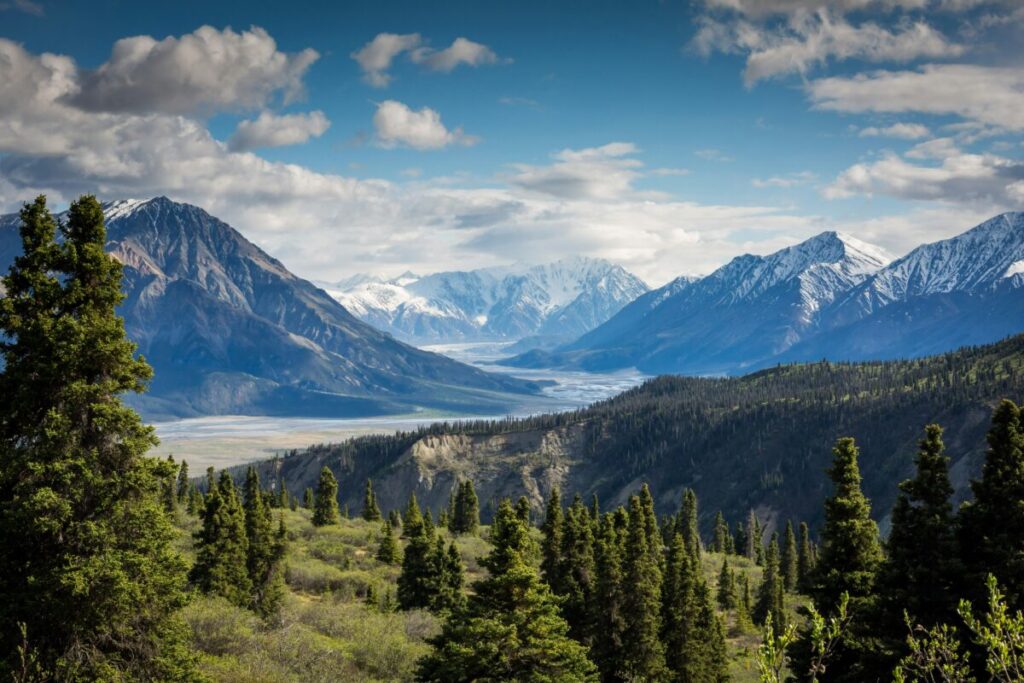
Mountain ecosystems provide natural laboratories for observing climate change impacts, as temperature changes with elevation create visible gradients of climate zones. As temperatures warm, these zones shift upward, forcing species to migrate to higher elevations or face local extinction.

Plant species demonstrate clear upward migrations in mountain ranges worldwide. Studies in the European Alps document average upward shifts of 29 meters per decade for alpine plant species. However, migration rates vary significantly among species, creating novel plant communities with unpredictable dynamics.

Animal species face additional challenges in tracking suitable climate zones because they depend on specific plant communities and habitat structures that may not migrate at the same rates. This creates temporal and spatial mismatches between animals and their required resources.

Endemic mountain species face particular risks because they often occupy narrow elevation ranges and cannot migrate higher when suitable habitat disappears. Many mountain-top species exist as “sky islands” with no possible refuge from warming temperatures.

Alpine and Subalpine Ecosystem Changes:
Alpine ecosystems above treeline face dramatic transformations as warming temperatures allow tree establishment in previously treeless areas. This upward advance of treeline eliminates alpine habitat and fundamentally alters ecosystem structure and function.

Treeline advance affects alpine species that require open, wind-swept habitats. Plants adapted to alpine conditions cannot compete with faster-growing trees and shrubs that benefit from warmer temperatures and longer growing seasons.

Snow regime changes profoundly affect alpine and subalpine ecosystems. Earlier snowmelt extends growing seasons but also exposes plants to late-season frosts and reduces water availability during critical summer growth periods.

Glacial retreat eliminates the cold, moist conditions that many alpine species require. Glacially-fed streams warm and dry as glaciers disappear, affecting entire riparian ecosystems adapted to cold, constant water flow.

Species Isolation and Extinction:
Mountain ranges create isolated habitat patches connected by elevational corridors. As suitable habitats shift upward, these corridors become longer and more difficult to traverse, effectively isolating populations and preventing genetic exchange.

The American pika provides a well-studied example of mountain species vulnerability. These small mammals require cool temperatures and cannot survive in warming conditions. As suitable habitat retreats up mountainsides, pika populations become isolated on “sky islands” with no possibility of recolonization if local populations are eliminated.

Many mountain plant species show restricted gene flow between populations as suitable habitat becomes fragmented. Reduced genetic diversity makes remaining populations more vulnerable to environmental stressors and less capable of adapting to continued climate change.

Extinction debts accumulate in mountain ecosystems as species persist temporarily in increasingly unsuitable conditions. Current species distributions may not reflect climate change impacts that will become apparent only as populations decline and disappear over coming decades.

Grassland and Savanna Transformations

Savanna

Precipitation Changes:
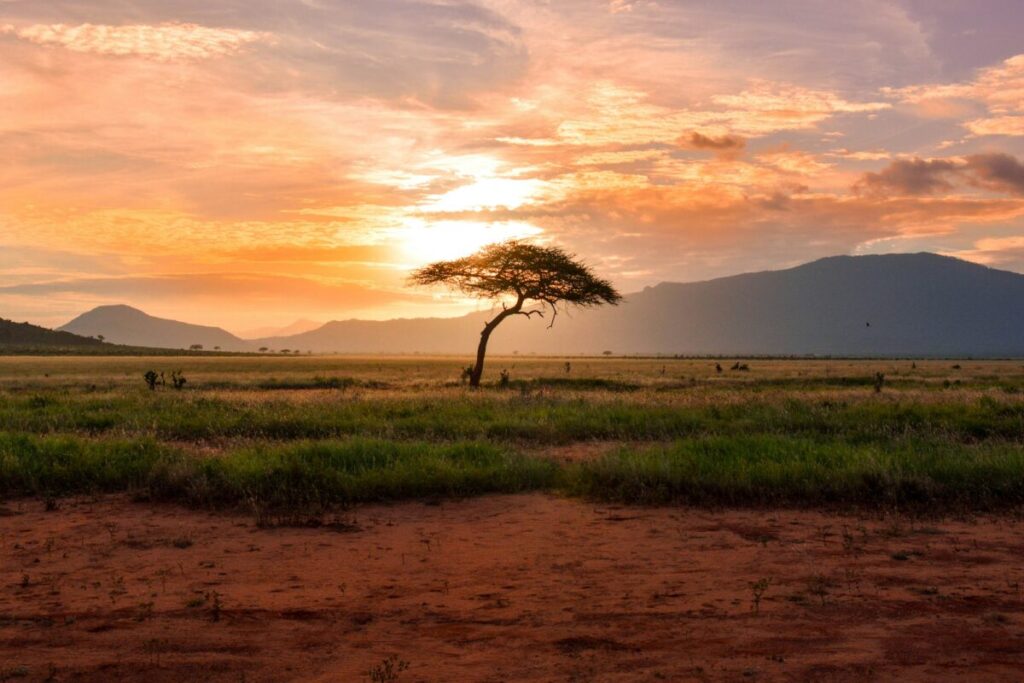
Grasslands and savannas evolved under specific precipitation regimes that maintain the balance between grass, shrub, and tree communities. Climate change alters these precipitation patterns, often triggering dramatic ecosystem transitions.

Increased drought frequency and intensity favor drought-tolerant shrubs and trees over grasses, potentially converting grasslands to shrublands or forests. This “woody encroachment” eliminates habitat for grassland-specialist species and alters fire regimes, hydrology, and carbon storage.

Conversely, increased precipitation in arid regions may favor grass establishment and growth, potentially increasing fire frequency and intensity in ecosystems not adapted to frequent burning. These changes can eliminate shrub and tree species that provide critical habitat for many animal species.

Species Composition Changes:
Grassland plant communities show rapid responses to changing climate conditions, with heat-tolerant and drought-resistant species increasing while cool-adapted and moisture-dependent species decline. These compositional changes affect the entire grassland food web.

Native grass species often lose competitive ability under changed climate conditions, allowing invasive grasses to establish and dominate. Invasive grasses frequently have different growth patterns, nutritional content, and fire characteristics that alter ecosystem functioning.

Large herbivores that depend on grasslands face reduced food quality and availability as plant communities shift toward species with lower nutritional value or different growing seasons. Timing mismatches between animal reproduction and peak grass quality affect survival and reproductive success.

Ground-nesting birds and small mammals lose habitat as grassland structure changes. Conversion from grassland to shrubland eliminates nesting sites and foraging areas for species adapted to open grassland conditions.

Freshwater Ecosystem Vulnerabilities

coralie meurice GBMqhvHuuu4 unsplash

Stream and River Impacts

Temperature and Flow Changes:
Freshwater ecosystems face some of the most dramatic climate change impacts due to their sensitivity to temperature and precipitation changes. Stream and river temperatures increase both from direct air temperature warming and from reduced cold water inputs as snowpack and groundwater sources diminish.

Cold-water fish species like trout and salmon require specific temperature ranges for survival, reproduction, and development. As stream temperatures warm, these species face direct physiological stress and reduced oxygen availability, as warm water holds less dissolved oxygen than cool water.

Flow regime changes affect freshwater species adapted to predictable seasonal patterns. Earlier snowmelt creates higher spring flows followed by lower summer flows, disrupting spawning migrations and reducing habitat availability during critical life stages.

Dam operations compound climate impacts by altering natural flow patterns and thermal regimes. Cold water releases from deep reservoir layers may provide temporary refugia for cold-water species, but changing precipitation patterns affect reservoir levels and release capabilities.

Habitat Fragmentation:
Reduced stream flows increase habitat fragmentation by creating barriers to fish movement and eliminating connections between stream segments. During drought periods, previously continuous streams become series of isolated pools that cannot support mobile species.

Species that require habitat diversity throughout their life cycles face particular challenges from fragmentation. Pacific salmon need access to both spawning streams and ocean feeding areas, but drought conditions may block migration routes and eliminate spawning habitat.

Riparian vegetation changes affect stream habitat quality and function. Trees and shrubs adapted to historical flow patterns may die during extended droughts, eliminating shade and woody debris inputs that provide essential fish habitat.

Water Quality Degradation:
Higher temperatures and altered flow regimes degrade water quality in multiple ways that compound direct climate impacts on freshwater species. Warmer water temperatures increase bacterial and algal growth, potentially creating toxic conditions and depleting oxygen levels.

Reduced dilution capacity during low-flow periods concentrates pollutants and sediments, creating water quality conditions that many freshwater species cannot tolerate. Agricultural runoff and urban stormwater become more problematic when rivers cannot dilute these inputs.

Extreme precipitation events increase erosion and sediment loads that smother spawning gravels and reduce light penetration for aquatic plants. These pulse disturbances may persist for years after the initial precipitation event.

Lake and Wetland Ecosystems

sara cottle NFVkQMmHXMU unsplash

Thermal Stratification Changes:
Lake ecosystems respond sensitively to temperature changes through altered thermal stratification patterns. Most temperate lakes develop distinct temperature layers during summer, with warm surface water separated from cold bottom water by a thermocline.

Climate warming strengthens and prolongs thermal stratification, reducing mixing between surface and bottom waters. This prevents oxygen replenishment in bottom waters and nutrient cycling between lake layers, fundamentally altering lake productivity and species composition.

Cold-water fish species that depend on cool, oxygen-rich bottom waters face habitat elimination as these areas become depleted of oxygen. Lake trout and other cold-water specialists may be eliminated from lakes that historically supported robust populations.

Shortened ice cover duration affects lake mixing patterns and species life cycles. Many lake species time reproduction and migration behaviors to ice cover patterns that are becoming increasingly unpredictable.

Wetland Drying and Transformation:
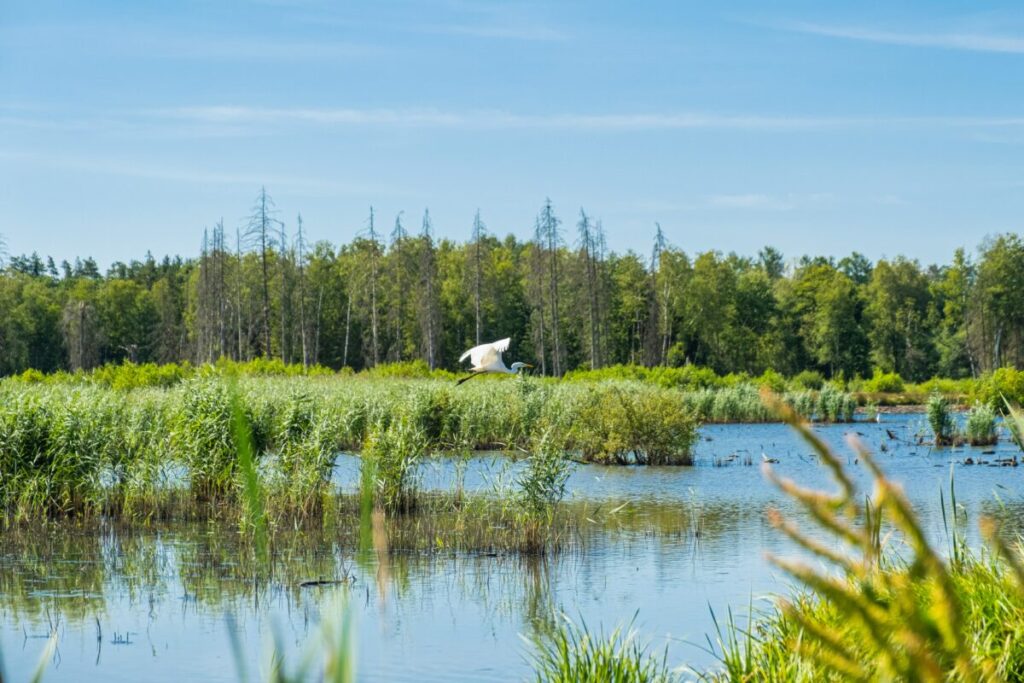
Wetlands face elimination through both direct drying from increased evaporation and reduced precipitation, and from altered hydrology as watersheds change. Prairie pothole wetlands in North America show widespread drying that eliminates critical waterfowl breeding habitat.

Temporary wetlands that provide essential breeding habitat for amphibians may dry before tadpoles can complete development. Shortened hydroperiods prevent successful reproduction for species that require months of standing water for their larval stages.

Wetland plant communities shift toward upland species as water levels decline and hydroperiods shorten. These vegetation changes eliminate habitat for waterfowl, wading birds, and other wetland-dependent species.

Remaining wetlands may become more concentrated with nutrients and pollutants as water volumes decrease, creating eutrophic conditions that favor invasive species and reduce habitat quality for native species.

Amphibian Population Declines:
Amphibians face particularly severe climate change impacts due to their dependence on both aquatic and terrestrial habitats and their permeable skin that makes them sensitive to environmental changes. Global amphibian populations have declined by over 40% since the 1980s, with climate change identified as a major contributing factor.

Breeding habitat loss affects amphibians that require specific pond or stream conditions for reproduction. Earlier drying of seasonal pools eliminates breeding sites or shortens breeding seasons beyond what species can accommodate.

Disease outbreaks increase under changing climate conditions, particularly for the deadly chytrid fungus that has caused extinctions worldwide. Warmer temperatures and altered precipitation patterns create optimal conditions for fungal growth while stressing amphibian immune systems.

Direct physiological impacts affect amphibians through their permeable skin and dependence on moisture. Increased temperatures and reduced humidity increase dehydration risks, while changing precipitation patterns affect the moist microhabitats many species require.

Conservation Strategies and Solutions

marek okon tWWCqIMiUmg unsplash

Protected Area Management

Climate Adaptation Planning:
Traditional protected area management focused on maintaining stable ecosystem conditions, but climate change requires adaptive strategies that accommodate ecosystem transformation while protecting biodiversity. This paradigm shift challenges fundamental conservation assumptions about ecosystem stability and management objectives.

Climate adaptation planning begins with vulnerability assessments that identify species and ecosystems most at risk from climate impacts. These assessments consider exposure to climate change, sensitivity to climate variables, and adaptive capacity of species and ecosystems.

Scenario planning helps protected area managers prepare for multiple possible future conditions rather than managing for historical baselines that may no longer be relevant. Climate projections guide decisions about which species to prioritize and which management interventions are most likely to succeed.

Assisted migration strategies may become necessary for species unable to naturally track suitable climate conditions. These controversial interventions involve deliberately moving species to new locations where climate conditions remain suitable, but require careful consideration of ecological risks and ethical implications.

Connectivity and Corridor Development:
Climate change increases the importance of landscape connectivity that allows species to move between suitable habitats as conditions change. Traditional protected areas may become climate refugia connected by corridors that facilitate species migration and genetic exchange.

Corridor design must consider both current habitat requirements and future climate projections. Elevational gradients provide natural corridors for species tracking temperature changes, while latitudinal connections may facilitate poleward migrations.

Riparian corridors provide particularly valuable connectivity for multiple species while also providing ecosystem services like flood control and water quality protection. These corridors often span elevation and climate gradients that facilitate climate adaptation.

Private land conservation becomes increasingly important for creating connectivity between protected areas. Conservation easements, habitat restoration, and wildlife-friendly management practices on private lands can create functional corridors at landscape scales.

Refuge Habitat Protection:
Climate refugia—areas that remain climatically suitable while surrounding areas become unsuitable—provide critical conservation opportunities for maintaining biodiversity through climate transitions. Identifying and protecting these areas represents a priority conservation strategy.

Topographic complexity creates microclimates that may buffer species from regional climate changes. North-facing slopes, valleys, and areas near water bodies often remain cooler and moister than surrounding landscapes, providing refugia for climate-sensitive species.

High-elevation areas may serve as refugia for cool-adapted species, but these areas often lack formal protection and face development pressure. Expanding protected area networks to include these refugia becomes increasingly urgent as climate warming accelerates.

Coastal areas may provide refugia from temperature extremes due to oceanic thermal buffering, but these areas also face sea level rise and storm surge risks. Balancing multiple climate threats requires careful evaluation of refuge potential and duration.

Species-Specific Conservation

Captive Breeding and Reintroduction:
Captive breeding programs provide insurance against extinction for species facing immediate climate threats, but these programs require long-term commitment and careful genetic management. Climate change adds urgency to existing captive breeding efforts while creating needs for new programs.

Genetic diversity preservation becomes critical for maintaining adaptive potential in small populations. Breeding programs must balance maintaining genetic diversity with practical constraints of space and resources, often requiring coordination among multiple institutions.

Reintroduction success depends on habitat availability and quality, which climate change may compromise in historical species ranges. Reintroduction sites must be selected based on future climate suitability rather than historical species occurrence.

Breeding programs increasingly focus on maintaining behavioral and ecological traits necessary for wild survival. Climate change may alter the specific skills and adaptations species need, requiring adaptive management of breeding protocols.

Translocation and Assisted Migration:
Assisted migration involves moving species to new locations where climate conditions remain suitable for their survival. This controversial strategy challenges traditional conservation principles but may become necessary for species with limited dispersal ability.

Risk assessment frameworks help evaluate whether assisted migration benefits outweigh potential ecological risks. These assessments consider recipient ecosystem impacts, establishment probability, and genetic consequences of population founding.

Pilot projects provide opportunities to test assisted migration approaches on relatively low-risk species and ecosystems. Successful examples may guide larger-scale applications while demonstrating best practices for implementation.

Genetic considerations include maintaining diversity during translocations and avoiding outbreeding depression between populations. Climate change may require moving genotypes specifically adapted to future rather than current conditions.

Ex-Situ Conservation:
Seed banks, tissue culture, and cryopreservation provide options for preserving genetic material from species facing immediate extinction risks. These technologies offer insurance against species loss while buying time for habitat restoration and climate mitigation.

Plant conservation relies heavily on seed banking, but climate change challenges assumptions about optimal storage conditions and germination requirements. Seeds collected under current conditions may need different treatments for successful establishment under future climates.

Tissue culture and cryopreservation techniques enable preservation of genetic material from animals and plants that cannot be maintained through traditional seed banking. These methods require sophisticated laboratory facilities but offer long-term storage options.

Integration with in-situ conservation ensures that ex-situ efforts support rather than replace habitat protection and restoration. The goal remains maintaining species in their natural ecosystems whenever possible.

Ecosystem Restoration

Habitat Restoration Approaches:
Climate-informed restoration moves beyond historical baselines to create resilient ecosystems capable of functioning under changed climate conditions. This approach requires predicting future ecosystem conditions and designing restoration accordingly.

Native species selection considers both current and projected climate conditions. Species choices may favor genotypes from warmer or drier source populations that can establish under current conditions while remaining viable as climate continues changing.

Assisted gene flow introduces genetic material from populations already adapted to conditions similar to those projected for restoration sites. This approach enhances adaptive potential while maintaining species identity and ecosystem function.

Novel ecosystem management accepts that some ecosystems will transform beyond historical conditions and focuses on maintaining ecosystem services and supporting native biodiversity within new configurations.

Coastal and Marine Restoration:
Living shoreline restoration using natural materials like oyster reefs and salt marshes provides storm protection while supporting marine biodiversity. These approaches offer more resilience to sea level rise than traditional hard armoring.

Coral reef restoration increasingly focuses on heat-tolerant coral genotypes and assisted evolution techniques that enhance coral resilience to warming waters. These approaches require careful evaluation of genetic risks and ecosystem impacts.

Kelp forest restoration faces challenges from marine heatwaves and changing ocean chemistry but provides critical habitat for marine species and carbon sequestration benefits. Restoration success requires addressing multiple stressors simultaneously.

Seagrass restoration supports marine food webs while providing coastal protection and carbon storage benefits. Climate adaptation requires selecting heat-tolerant species and designing restoration sites for resilience to extreme weather events.

Freshwater Ecosystem Restoration:
Stream restoration increasingly focuses on reconnecting floodplains and removing artificial barriers that prevent fish migration and reduce climate resilience. Natural flow regimes provide the variability that freshwater species need to adapt to changing conditions.

Wetland restoration prioritizes creating hydroperiod diversity that provides habitat for different species under variable climate conditions. Restoration designs incorporate climate projections to ensure wetlands remain functional as precipitation patterns change.

Riparian restoration provides multiple climate benefits including stream shading, flood control, and wildlife corridors. Climate adaptation requires selecting tree and shrub species capable of surviving under projected temperature and precipitation conditions.

Spring restoration protects cold-water refugia that provide critical habitat for climate-sensitive species. These restoration projects often focus on protecting groundwater sources and removing thermal pollution sources.

Policy and Legal Frameworks

Endangered Species Act Reform:
Climate change challenges traditional endangered species protection that focuses on maintaining species in historical habitats. Legal frameworks need updating to accommodate climate adaptation strategies and ecosystem transformation.

Critical habitat designation must consider climate projections and future habitat suitability rather than just current species occurrence. This requires regulatory agencies to develop capacity for climate impact assessment and adaptation planning.

Recovery planning needs to incorporate climate adaptation strategies including assisted migration, refuge habitat protection, and novel ecosystem management. Traditional recovery goals of returning species to historical population levels and distributions may become impossible.

Take permits and habitat conservation plans must account for climate impacts and adaptation needs. Regulatory frameworks should facilitate climate adaptation while maintaining species protection standards.

Climate Refugia Protection:
Legal mechanisms for protecting climate refugia include expanding protected area systems, conservation easements, and regulatory protections for critical habitats. These protections often require coordination across jurisdictions and property ownership boundaries.

Private land incentives can protect refugia on non-public lands through tax benefits, conservation payments, and technical assistance. Voluntary conservation programs need enhancement to address climate adaptation needs.

International cooperation becomes essential for protecting migratory species and transboundary refugia. Climate change creates new needs for international coordination and information sharing among wildlife management agencies.

Water rights and allocation systems need updating to protect instream flows essential for freshwater refugia. Climate change intensifies competition for water resources while increasing the importance of environmental flows.

Carbon Market Integration:
Carbon markets increasingly recognize biodiversity co-benefits of forest protection and restoration projects. These mechanisms can provide funding for wildlife conservation while addressing climate change mitigation.

Natural climate solutions that provide both carbon storage and biodiversity benefits offer promising financing mechanisms for landscape-scale conservation. Wetland restoration, grassland protection, and forest conservation can generate carbon credits while protecting wildlife habitat.

REDD+ and other international carbon mechanisms increasingly incorporate biodiversity safeguards and benefits. These programs provide opportunities to protect tropical forests critical for global biodiversity conservation.

Verification and monitoring systems need development to ensure carbon projects deliver promised biodiversity benefits. Integration requires standardized metrics for measuring both carbon and biodiversity outcomes.

Individual and Community Action

Environmental Conservation

Citizen Science and Monitoring

Species Monitoring Programs:
Citizen science programs provide essential data for tracking climate impacts on wildlife while engaging the public in conservation efforts. These programs multiply monitoring capacity beyond what professional scientists could accomplish alone.

eBird and iNaturalist represent successful models for large-scale species monitoring that provides valuable data for climate research while educating participants about wildlife and conservation issues. Phenology networks track timing changes in plant and animal life cycles.

Monarch butterfly monitoring demonstrates how citizen science can track population trends and migration patterns across continental scales. Volunteers contribute data essential for understanding climate impacts on this iconic migration.

Photography-based monitoring programs like Snapshot Safari provide data on wildlife behavior and distribution while creating engaging opportunities for public participation. These programs work particularly well for charismatic megafauna.

Training and standardization ensure citizen science data meets scientific quality standards. Successful programs provide clear protocols, identification training, and feedback mechanisms that maintain data quality while supporting participant learning.

Phenology Monitoring:
Phenology monitoring tracks timing changes in natural events like bird migration, plant flowering, and insect emergence. These observations provide direct evidence of climate impacts and help predict future ecosystem changes.

Nature’s Notebook and similar programs engage volunteers in tracking seasonal changes in their local areas. These observations contribute to national databases used by researchers studying climate change impacts.

Long-term datasets reveal trends that single-year observations cannot detect. The value of phenology monitoring increases with time, creating importance for sustaining volunteer participation over many years.

School-based programs integrate phenology monitoring into science education while generating valuable data. Students learn about climate change while contributing to scientific understanding through their observations.

Technology Integration:
Mobile applications make species identification and data recording more accessible to citizen scientists. Apps like Merlin Bird ID and Seek provide instant identification assistance while recording observations for scientific use.

Acoustic monitoring systems enable automated data collection for species like birds and bats. Citizen scientists can deploy recording equipment and contribute data without requiring expert identification skills.

Environmental sensors operated by volunteers provide data on temperature, precipitation, and other climate variables at local scales. These measurements help scientists understand microclimate effects and climate refugia.

Social media integration helps recruit new participants and maintain engagement in citizen science programs. Platforms like Instagram and Facebook facilitate sharing observations and building conservation communities.

Habitat Enhancement

Backyard Conservation:
Individual property management can contribute significantly to wildlife conservation when practiced across neighborhoods and regions. Native plant gardening provides food and habitat for local wildlife while reducing maintenance requirements.

Native plant selection should consider both current wildlife needs and future climate projections. Choosing plants from slightly warmer regions may help gardens remain valuable as climate warms while supporting current local wildlife.

Water features provide essential resources for wildlife facing increasing drought stress. Bird baths, ponds, and rain gardens offer drinking water while supporting biodiversity and reducing stormwater runoff.

Chemical-free gardening protects wildlife from pesticide exposure while supporting beneficial insects that provide ecosystem services. Organic approaches often better support biodiversity than conventional landscaping.

Habitat connectivity across properties multiplies conservation benefits. Coordinated neighborhood efforts can create wildlife corridors and larger habitat patches more valuable than isolated individual efforts.

Community Conservation Projects:
Community gardens and green spaces provide opportunities for collective conservation action while building social connections and environmental education. These projects demonstrate conservation principles while creating tangible local benefits.

Stream restoration projects engage volunteers in hands-on conservation while improving local ecosystem health. Community involvement builds understanding of watershed connections and climate adaptation needs.

Pollinator gardens support both native wildlife and agricultural systems while providing opportunities for education and community building. School and community pollinator projects connect conservation with food security and ecosystem services.

Tree planting programs provide climate mitigation benefits while creating wildlife habitat and improving local environmental quality. Urban tree programs particularly benefit from community involvement and stewardship.

Conservation easements and land trusts enable community protection of larger habitat areas. These mechanisms allow private landowners to contribute to conservation while maintaining ownership and appropriate use of their land.

Sustainable Lifestyle Choices

Carbon Footprint Reduction:
Individual carbon footprint reduction contributes to global climate mitigation while demonstrating personal commitment to addressing climate change. Transportation, energy use, and consumption choices offer the largest opportunities for impact.

Transportation choices provide significant opportunities for carbon reduction through reduced flying, increased public transit use, walking, biking, and electric vehicle adoption. Combining trips and choosing destinations accessible by low-carbon transportation amplifies benefits.

Home energy efficiency improvements reduce carbon emissions while often providing cost savings. Insulation, efficient appliances, and renewable energy systems offer both immediate and long-term benefits.

Renewable energy adoption through solar panels, wind power, or green energy purchasing programs directly reduces carbon emissions while supporting clean energy market development.

Diet choices significantly impact carbon footprints, with plant-based foods generally requiring less energy and producing fewer emissions than animal products. Local and seasonal food choices provide additional benefits.

Sustainable Consumption:
Reduced consumption addresses both carbon emissions and resource use that contribute to habitat destruction and species endangerment. Buying less, repairing more, and choosing durable products reduce environmental impacts.

Sustainable product choices support companies and practices that minimize environmental harm. Certification programs like Forest Stewardship Council and Marine Stewardship Council help identify environmentally responsible products.

Plastic reduction protects marine wildlife while reducing production emissions and waste. Single-use plastic elimination provides particular benefits for ocean ecosystems and seabird conservation.

Supporting local businesses reduces transportation emissions while often supporting more sustainable production practices. Local purchasing also strengthens community resilience and economic sustainability.

Political Engagement:
Voting for candidates who support climate action and wildlife conservation amplifies individual impact through policy change. Electoral participation represents one of the most powerful tools for addressing climate change at scale.

Advocacy and communication with elected representatives help build political support for conservation and climate policies. Constituent communication influences policy priorities and demonstrates public support for action.

Supporting conservation organizations through donations and volunteering amplifies individual conservation impact. These organizations work at scales impossible for individual action while providing opportunities for personal involvement.

Community organizing builds collective power for conservation and climate action. Local environmental groups create opportunities for greater impact while building social connections and shared purpose.

Education and Awareness

Wildlife Education:
Understanding local wildlife and ecosystems builds appreciation and support for conservation while providing knowledge necessary for effective action. Field guides, nature centers, and guided walks offer accessible learning opportunities.

Climate change education helps people understand connections between global processes and local wildlife impacts. Understanding these connections motivates action while building support for conservation policies.

Species-specific learning about endangered and threatened species builds emotional connections that motivate conservation action. Adopting or following specific species provides ongoing learning opportunities and conservation engagement.

Ecosystem understanding helps people recognize the services wildlife provides and the interconnections that make conservation necessary. Learning about food webs, pollination, and other ecological processes reveals wildlife’s importance.

Communication and Outreach:
Social media sharing of wildlife observations and conservation information extends educational impact beyond direct experience. Compelling wildlife photography and stories build broader appreciation and support for conservation.

School and community presentations provide opportunities to share wildlife knowledge while building communication skills. Speaking opportunities help consolidate learning while inspiring others to action.

Writing and blogging about wildlife experiences creates content that educates others while deepening personal understanding. Online platforms enable reaching audiences far beyond local communities.

Mentoring others in wildlife observation and conservation provides opportunities to share knowledge while learning from different perspectives. Intergenerational exchange particularly benefits both wildlife education and conservation action.

Technological Innovations in Conservation

Satellite Technology

Remote Sensing and Monitoring

Satellite Technology:
Satellite monitoring revolutionizes wildlife conservation by providing landscape-scale data on habitat changes, species distributions, and ecosystem health. High-resolution imagery enables tracking of forest loss, wetland changes, and urban expansion that affect wildlife populations.

Real-time satellite data supports rapid response to environmental threats like wildfires, oil spills, and illegal logging that impact wildlife habitats. Early warning systems enable protective actions that minimize wildlife impacts from human activities.

Species distribution modeling combines satellite environmental data with field observations to predict habitat suitability under current and future climate conditions. These models guide conservation planning and climate adaptation strategies.

Movement tracking through satellite tags provides unprecedented insights into animal migrations, habitat use, and responses to environmental changes. Satellite telemetry works particularly well for large animals like whales, sea turtles, and birds.

Drone Applications:
Unmanned aerial vehicles provide cost-effective monitoring capabilities for wildlife populations and habitats at scales between field observations and satellite monitoring. Drones enable frequent monitoring of specific sites and populations without human disturbance.

Population surveys using drones provide accurate counts for species that are difficult to monitor from the ground. Thermal imaging cameras enable detection of animals in dense vegetation or during nighttime surveys.

Habitat mapping and monitoring through drone photography provides detailed information about vegetation changes, disturbance patterns, and habitat quality. Time-series drone surveys document habitat changes over seasons and years.

Anti-poaching applications include surveillance of protected areas and detection of illegal activities. Drones equipped with cameras and sensors can patrol large areas more efficiently than human rangers while providing evidence for law enforcement.

Genetic Technologies

Environmental DNA:
Environmental DNA (eDNA) analysis detects species presence from water or soil samples containing genetic material shed by organisms. This technique enables species detection without capturing or observing animals directly.

Aquatic monitoring through eDNA provides sensitive detection of fish, amphibians, and other aquatic species from water samples. Early detection of invasive species enables rapid response before populations become established.

Biodiversity assessments using eDNA reveal community composition and changes over time. Metabarcoding techniques can identify multiple species from single samples, providing comprehensive ecosystem monitoring.

Monitoring effectiveness improves for rare and cryptic species that are difficult to detect through traditional survey methods. eDNA provides evidence of species presence even when animals cannot be directly observed.

Conservation Genomics:
Genetic diversity assessment guides breeding programs and population management for endangered species. Genomic tools reveal population structure, migration patterns, and adaptive potential necessary for effective conservation planning.

Disease resistance identification helps conservation managers select individuals for breeding programs that maintain genetic diversity while promoting disease resistance. Genomic selection may become essential for species facing novel pathogens.

Local adaptation studies reveal genetic differences among populations that may be important for climate adaptation. Understanding local adaptation guides translocation decisions and breeding program design.

Hybridization detection identifies crossbreeding between species or subspecies that may affect conservation planning. Genomic tools can detect hybridization that is not apparent from physical characteristics alone.

Artificial Intelligence and Machine Learning

Species Identification:
Automated species identification from photographs and recordings accelerates data processing for monitoring programs. Machine learning algorithms can identify species from images or sounds with accuracy approaching or exceeding human experts.

Camera trap analysis benefits significantly from automated species identification that processes thousands of images faster than human technicians. Automated systems also reduce bias and improve consistency in species identification.

Acoustic monitoring systems automatically identify species from recorded calls, enabling continuous monitoring of birds, bats, frogs, and marine mammals. Machine learning algorithms improve with training data, becoming more accurate over time.

Citizen science applications integrate automated identification tools that help volunteers identify species while contributing observations to scientific databases. Real-time feedback improves user engagement and data quality.

Predictive Modeling:
Species distribution models predict suitable habitat under current and future climate conditions using machine learning algorithms. These models guide conservation planning and climate adaptation strategies.

Population dynamics modeling predicts population responses to environmental changes, management actions, and conservation interventions. Machine learning approaches can identify complex relationships in ecological data.

Threat assessment models predict risks to species and ecosystems from climate change, habitat loss, invasive species, and other threats. Early warning systems enable proactive conservation responses.

Management optimization uses machine learning to identify the most effective conservation actions under limited resources. These approaches help allocate conservation funding and effort for maximum impact.

Biotechnology Applications

Captive Breeding Enhancement:
Reproductive technologies including artificial insemination, embryo transfer, and cryopreservation enhance captive breeding success for endangered species. These techniques enable genetic management and breeding between geographically separated populations.

Genetic rescue through biotechnology can introduce beneficial genes into small populations without relocating animals. Techniques include sperm transfer, embryo transfer, and potentially genetic engineering approaches.

Disease prevention and treatment using biotechnology protect captive populations from pathogens that threaten wild populations. Vaccine development and genetic disease resistance offer protection options.

Breeding program management benefits from genetic tracking and family tree analysis that optimize genetic diversity while avoiding inbreeding. Database systems track genetic relationships across institutions and generations.

Restoration Technologies:
Coral restoration increasingly relies on biotechnology approaches including selective breeding for heat tolerance and assisted evolution techniques. Laboratory rearing enables production of climate-adapted coral genotypes for reef restoration.

Plant propagation using tissue culture enables rapid production of native plants for habitat restoration. These techniques can preserve genetic material from endangered plant species while producing restoration stock.

Seed enhancement technologies improve germination and establishment success for restoration plantings. Treatments may include beneficial soil bacteria, mycorrhizal fungi, and protective coatings.

Microbiome research reveals the importance of beneficial bacteria and fungi for wildlife health and ecosystem function. Restoration projects increasingly include microbial inoculation to support ecosystem recovery.

International Cooperation and Policy

Convention on Biological Diversity

Global Conservation Agreements

Convention on Biological Diversity:
The Convention on Biological Diversity provides the primary international framework for biodiversity conservation, including climate change adaptation for wildlife. The 2022 Global Biodiversity Framework sets targets for protecting 30% of land and ocean areas by 2030.

Climate adaptation measures under the CBD include ecosystem-based adaptation that uses natural systems to help human communities adapt to climate change while providing wildlife benefits. These approaches offer cost-effective alternatives to engineered solutions.

National biodiversity strategies developed under the CBD increasingly integrate climate change considerations and adaptation planning. These strategies guide national conservation priorities and international cooperation efforts.

Technology transfer provisions support developing countries in implementing conservation technologies and climate adaptation measures. International cooperation facilitates sharing of monitoring technologies, genetic resources, and conservation expertise.

CITES and Species Trade:
The Convention on International Trade in Endangered Species regulates trade in wildlife and wildlife products to prevent overexploitation. Climate change adds urgency to CITES protections as species face multiple threats simultaneously.

Adaptive management under CITES allows for rapid response to species status changes caused by climate impacts. Listing procedures can be expedited for species facing immediate climate threats.

Enforcement cooperation addresses illegal wildlife trade that compounds climate threats to endangered species. International coordination improves detection and prosecution of wildlife trafficking that threatens species survival.

Sustainable use provisions under CITES may need modification to account for climate change impacts on species populations and harvest sustainability. Traditional harvest levels may become unsustainable as populations face climate stress.

Paris Climate Agreement:
The Paris Agreement addresses climate change mitigation and adaptation, including measures that benefit wildlife conservation. Nationally Determined Contributions increasingly recognize biodiversity co-benefits of climate action.

Nature-based solutions receive growing recognition in national climate commitments as measures that provide both climate and biodiversity benefits. Forest protection, wetland restoration, and grassland conservation offer dual benefits.

Adaptation planning under the Paris Agreement increasingly includes ecosystem-based adaptation measures that protect wildlife while helping human communities adapt to climate change. These approaches often provide more cost-effective solutions than engineering approaches.

Climate finance mechanisms under the Paris Agreement can support wildlife conservation projects that provide climate benefits. The Green Climate Fund and other mechanisms increasingly support projects with biodiversity co-benefits.

Regional Conservation Initiatives

Migratory Species Agreements:
Regional agreements protect migratory species that cross international boundaries and face coordinated climate threats. The Convention on Migratory Species provides frameworks for international cooperation on species conservation.

Flyway partnerships protect migratory birds and their habitats across international boundaries. Climate change adaptation requires coordinated protection of stopover sites and breeding areas across entire migration routes.

Marine protected area networks protect migratory marine species like whales, sea turtles, and fish. Climate change requires adaptive management of these networks as species distributions shift with changing ocean conditions.

Transboundary conservation initiatives protect species and ecosystems that span international borders. Climate adaptation planning requires coordination among countries sharing migratory species and transboundary ecosystems.

Arctic Council Conservation:
The Arctic Council coordinates conservation efforts in the rapidly changing Arctic region where climate impacts are most severe. Member countries collaborate on protecting Arctic wildlife facing unprecedented environmental changes.

Arctic protected area networks aim to protect climate refugia and migration corridors for Arctic species. International cooperation facilitates protection of areas critical for species like polar bears that range across multiple countries.

Indigenous knowledge integration recognizes the expertise of Arctic peoples in understanding environmental changes and wildlife adaptations. Traditional knowledge complements scientific monitoring and guides adaptation strategies.

Research coordination among Arctic countries improves understanding of climate impacts and effective conservation responses. International scientific cooperation accelerates knowledge development and sharing.

Funding and Finance Mechanisms

Conservation Finance Innovation:
Conservation finance mechanisms increasingly recognize the economic value of biodiversity and ecosystem services, creating market-based incentives for wildlife protection. Payment for ecosystem services programs compensate landowners for conservation practices.

Biodiversity credits similar to carbon credits provide financing for conservation projects that measurably improve biodiversity outcomes. These markets require standardized metrics and verification systems to ensure credibility.

Impact investing applies private capital to conservation projects that provide both financial returns and measurable conservation benefits. These approaches can mobilize private funding for large-scale conservation initiatives.

Conservation bonds and other financial instruments provide upfront funding for conservation projects with repayment tied to conservation outcomes. Outcome-based financing aligns financial incentives with conservation success.

International Climate Finance:
Climate adaptation funding increasingly supports ecosystem-based adaptation projects that provide wildlife benefits. International climate funds recognize biodiversity co-benefits of natural climate solutions.

REDD+ and forest carbon programs provide funding for tropical forest protection that benefits both climate and biodiversity conservation. These programs require strong safeguards to ensure biodiversity benefits are realized.

Adaptation Fund projects increasingly include ecosystem restoration and species conservation components. International climate finance can support landscape-scale conservation projects in developing countries.

Technology transfer funding supports developing countries in implementing conservation technologies and monitoring systems. International cooperation facilitates access to conservation tools and expertise.

Knowledge Sharing and Capacity Building

Scientific Cooperation:
International research networks facilitate sharing of climate impact data and conservation strategies across countries and regions. Coordinated monitoring provides larger-scale perspectives on climate impacts and conservation effectiveness.

Database integration enables sharing of species occurrence data, monitoring results, and conservation outcomes across international boundaries. Global databases support species assessment and conservation planning at international scales.

Research station networks provide platforms for international scientific cooperation and training. Field stations in biodiversity hotspots enable collaborative research on climate impacts and conservation solutions.

Graduate student and researcher exchange programs build international capacity for wildlife conservation and climate adaptation research. Training opportunities enable developing countries to build local expertise.

Traditional Knowledge Integration:
Indigenous and traditional knowledge systems provide valuable insights into wildlife behavior, ecosystem function, and climate adaptation strategies. International frameworks increasingly recognize and support traditional knowledge systems.

Community-based monitoring programs engage local communities in wildlife monitoring while respecting traditional knowledge and governance systems. These programs often provide more cost-effective monitoring than purely scientific approaches.

Intellectual property protections ensure that traditional knowledge holders benefit from the use of their knowledge in conservation and climate adaptation. International agreements increasingly include provisions for traditional knowledge protection.

Collaborative governance systems integrate traditional and scientific knowledge in conservation decision-making. Co-management approaches recognize traditional authority while incorporating scientific monitoring and assessment.

Future Outlook and Emerging Challenges

Synthetic biology

Technological Frontiers

Advanced Biotechnology:
Emerging biotechnology applications offer new tools for wildlife conservation but raise ethical and ecological questions. Gene drive technology could potentially control invasive species or disease vectors, but requires careful risk assessment.

Synthetic biology approaches might help species adapt to climate change through assisted evolution or genetic rescue techniques. These applications require extensive testing and ethical consideration before implementation.

De-extinction technologies using genetic engineering and cloning might restore recently extinct species, but questions remain about ecological roles and resource allocation priorities. These approaches generate significant debate within the conservation community.

Reproductive technologies continue advancing, offering new options for maintaining genetic diversity in small populations. Artificial reproductive technologies may become essential for species with extremely small populations.

Artificial Intelligence Evolution:
Machine learning applications in conservation will become more sophisticated, enabling real-time ecosystem monitoring and automated conservation responses. AI systems may predict and respond to conservation threats faster than human managers.

Robotics applications in conservation include autonomous monitoring systems, habitat restoration equipment, and anti-poaching technology. Robotic systems can work in dangerous or remote environments unsuitable for human operations.

Predictive modeling will improve as artificial intelligence systems process larger datasets and identify more complex ecological relationships. Enhanced predictions can guide proactive conservation actions before species become endangered.

Decision support systems will integrate multiple data sources and conservation objectives to recommend optimal management actions. AI-assisted decision-making may improve conservation efficiency and effectiveness.

Climate Change Acceleration

Tipping Points and Cascading Effects:
Climate tipping points may trigger rapid ecosystem changes that overwhelm species’ adaptive capacities. Ice sheet collapse, ocean circulation changes, and permafrost thaw could create irreversible impacts on global ecosystems.

Cascade effects through ecological networks may amplify climate impacts beyond what species-by-species assessments predict. Food web disruptions and ecosystem collapse may affect multiple species simultaneously.

Extreme weather events will likely increase in frequency and intensity, creating repeated disturbances that prevent ecosystem recovery. Multiple stressors may overwhelm conservation efforts designed for single threats.

Novel ecosystems will emerge as climate change creates environmental conditions that have no historical analog. Managing these new ecosystems requires adaptive approaches and acceptance of ecosystem transformation.

Adaptation Limits:
Species’ adaptive capacities have limits that climate change may exceed, particularly for long-lived species with slow generation times. Some species may face extinction regardless of conservation efforts if climate change exceeds adaptive limits.

Habitat availability for climate adaptation may become limiting as human development restricts species’ ability to track suitable climate conditions. Habitat fragmentation will increasingly constrain climate adaptation options.

Genetic diversity loss reduces species’ adaptive potential just as climate adaptation becomes most critical. Small populations may lack the genetic variation necessary for adaptation to novel environmental conditions.

Migration barriers including human infrastructure, geographic features, and degraded habitat will increasingly prevent species from reaching suitable climate conditions. Overcoming these barriers requires landscape-scale conservation planning.

Social and Economic Factors

Human Population Growth:
Continued human population growth increases pressure on wildlife habitats while increasing demand for natural resources. Balancing human development needs with wildlife conservation becomes increasingly challenging.

Urbanization creates opportunities for wildlife-friendly development designs but also eliminates habitat and creates barriers to wildlife movement. Green infrastructure and wildlife-friendly urban planning become increasingly important.

Agricultural expansion to feed growing populations competes with wildlife habitat protection. Sustainable agriculture practices and land-use planning must balance food security with biodiversity conservation.

Resource consumption patterns affect habitat conservation through demand for commodities like palm oil, soy, and timber. Consumer behavior and international trade policies influence habitat protection in biodiversity hotspots.

Economic Pressures:
Conservation funding may become increasingly limited as climate adaptation costs escalate. Competing demands for adaptation funding may reduce resources available for wildlife conservation.

Economic inequality affects conservation success as poverty forces communities to exploit natural resources for survival. Conservation strategies must address economic needs of local communities to achieve long-term success.

Economic development pressures increase as countries pursue growth to adapt to climate change. Balancing economic development with conservation requires innovative approaches and international support.

Natural resource extraction may intensify as climate change affects agricultural productivity and forces countries to seek alternative income sources. Mining, logging, and fishing pressures may increase in areas important for conservation.

Evolutionary Considerations

Adaptive Evolution:
Some species may evolve adaptations to climate change more rapidly than previously thought possible. Understanding which species have the greatest evolutionary potential guides conservation prioritization and management strategies.

Genetic diversity maintenance becomes critical for preserving adaptive potential in species facing rapid environmental change. Conservation genetics will play an increasingly important role in species management.

Assisted gene flow and managed evolution may become necessary for species unable to adapt quickly enough to climate change. These approaches require careful evaluation of risks and benefits.

Hybridization events may increase as climate change forces species into new geographic overlap, potentially creating novel genotypes with different climate tolerances. Managing hybridization requires understanding both benefits and risks.

Extinction Dynamics:
Extinction debts mean that current species distributions may not reflect future extinction patterns as populations decline toward unsustainable levels. Proactive conservation is necessary before decline symptoms become apparent.

Small population dynamics become increasingly important as climate change reduces population sizes and increases extinction risks. Understanding population viability helps guide conservation interventions.

Rescue effects from immigration may become limited as entire regions become unsuitable for species. Regional rather than local conservation approaches become necessary.

Co-extinction risks increase as climate change affects entire ecological networks. Primary extinctions may trigger cascading secondary extinctions through food web disruptions.

Conclusion

The collision between accelerating climate change and global biodiversity represents the defining conservation challenge of our time. From polar bears struggling on diminishing Arctic ice to coral reefs bleaching in overheated oceans, from mountain pikas retreating up vanishing slopes to countless species facing unprecedented environmental upheaval, the evidence is undeniable: our planet’s wildlife faces threats unlike any in human history.

Yet within this crisis lies unprecedented opportunity for positive action. Scientific understanding of climate impacts on wildlife has never been more sophisticated, technological tools for conservation have never been more powerful, and public awareness of biodiversity’s importance has never been higher. We possess the knowledge, tools, and moral imperative to act decisively on behalf of the species that share our planet.

The solutions require action at every scale, from individual choices that reduce carbon footprints and create backyard habitat to international agreements that protect climate refugia and facilitate species migration. Every native plant garden, every protected wetland, every reduced carbon emission, and every conservation policy contributes to a larger effort to maintain the biodiversity that makes our planet habitable and beautiful.

Success stories provide hope and guidance. Sea otter recovery in the Pacific, gray whale population rebounds, and expanding protected area networks demonstrate that targeted conservation action can help species survive and thrive even under changing conditions. These successes prove that human action can overcome seemingly insurmountable threats when we commit collectively to conservation.

The window for effective action remains open, but it will not stay open forever. The decisions we make in the next decade will determine whether future generations inherit a planet rich in wildlife diversity or one impoverished by extinctions that could have been prevented. The choice is ours, and the time for action is now.

Climate change and wildlife conservation are not separate challenges—they are interconnected crises requiring integrated solutions. Protecting wildlife helps stabilize climate systems, while addressing climate change provides the foundation for successful conservation. The path forward demands that we act simultaneously as climate advocates and wildlife protectors, understanding that the fate of humanity and the fate of wildlife are inseparably linked.

Our planet’s extraordinary diversity of life evolved over billions of years and could be largely eliminated within decades if we fail to act. But if we act with the urgency this crisis demands, applying our knowledge and tools with wisdom and determination, we can preserve the magnificent tapestry of life that connects us all. The polar bear searching for ice, the coral reef fighting bleaching, and the countless species adapting to our changing world depend on choices we make today.

The future of wildlife—and our own future—hangs in the balance. The time for half-measures has passed. The time for transformative action is now.


Meta Information

Article Title: Climate Change and Wildlife: Understanding the Global Impact on Endangered Species

Meta Title: Climate Change Wildlife Impact 2024: Endangered Species & Conservation | Our Endangered World

Meta Description: Comprehensive guide to climate change impacts on wildlife and endangered species. Learn about threats, conservation strategies, and how to protect vulnerable ecosystems worldwide.

URL Slug: climate-change-wildlife-impact-guide

Categories: Climate Change, Wildlife Conservation, Endangered Species

Tags: climate change wildlife, endangered species, conservation biology, ecosystem protection, biodiversity loss, climate adaptation, wildlife protection, environmental conservation, species extinction, conservation strategies

Some species are part of the solution — meet the animals helping fight climate change.