
Energy conservation means changing how and when you use energy so less is consumed. The most effective approach is usually to measure first, address heating and cooling losses, reduce hot-water demand, improve lighting, and then refine everyday appliance habits.
Small actions help, but they should not distract from the systems that use the most energy. A scheduled thermostat, sealed building envelope, well-maintained HVAC system, and efficient water use will often matter more than repeatedly unplugging one small charger.
Research reviewed July 13, 2026. Energy prices, rebates, equipment labels, building codes, and the best climate-specific measures vary by location.
Key Takeaways
- Start with utility data or a home energy assessment before buying equipment.
- Heating, cooling, air leakage, insulation, and hot water are usually higher priorities than minor plug loads.
- Energy conservation changes behavior or operating schedules; energy efficiency improves the equipment providing the service.
- A modern dishwasher running a full load is generally more efficient than hand-washing dishes under running hot water.
- Solar panels and wind turbines generate energy. Reduce demand before sizing a renewable-energy system.
Where to Start Conserving Energy
The best first step is not a product purchase. Review your energy use, identify the largest loads, and then choose measures that address those loads directly.
| Priority action | Typical effort | Why it matters |
|---|---|---|
| Review 12 months of utility use | Low | Reveals seasonal peaks, unusual changes, and persistent base loads. |
| Complete an energy assessment | Low to professional | Identifies where the building is losing energy before you spend on upgrades. |
| Schedule heating and cooling | Low | Reduces conditioning of empty spaces while protecting comfort and safety. |
| Seal leaks and improve insulation | Low to project-level | Reduces uncontrolled heat movement through the building envelope. |
| Reduce hot-water demand | Low to moderate | Targets both water use and the energy required to heat it. |
| Use LEDs and lighting controls | Low | Cuts lighting demand without reducing useful light. |
| Run full laundry and dishwasher loads | Low | Spreads each cycle’s energy and water use across more items. |
Energy Conservation vs. Energy Efficiency
The U.S. Energy Information Administration separates energy conservation from energy efficiency. Conservation describes actions that reduce consumption. Efficiency describes technology that provides the same service with less energy.
| Concept | Meaning | Example |
|---|---|---|
| Energy conservation | Changing behavior, timing, or operating practices so less energy is used | Turning off unused lights or reducing heating while a building is empty |
| Energy efficiency | Providing the same useful service with less energy | Replacing an incandescent bulb with an LED that produces similar light |
| Renewable-energy generation | Producing energy from a replenishing source | Generating electricity with solar panels or a wind turbine |
Measure first. Reduce demand second. Improve equipment third. Add generation after the load is understood.
20 Energy Conservation Techniques That Work
1. Begin With an Energy Assessment
A home or building energy assessment identifies where energy is being used and which improvements deserve priority. The U.S. Department of Energy recommends assessing energy use before making major efficiency upgrades or adding renewable generation.
Start by gathering 12 months of electricity, gas, or heating-fuel records. Look for seasonal peaks, unexplained increases, and a high base load that remains even when heating or cooling demand is mild.
- List the largest equipment in the building, including HVAC systems, water heaters, refrigerators, freezers, pumps, servers, and commercial machinery.
- Check whether your utility portal provides hourly or daily usage data.
- Use a professional auditor when diagnosing insulation, duct leakage, moisture, ventilation, combustion appliances, or hard-to-locate air leaks.
An assessment prevents a common mistake: buying a visible upgrade while leaving the building’s largest source of waste untouched.
2. Schedule Heating and Cooling Around Occupancy
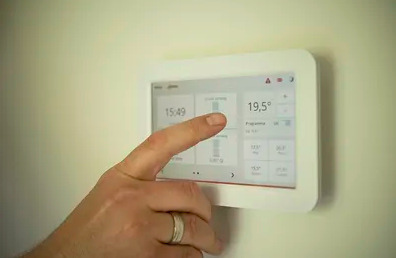
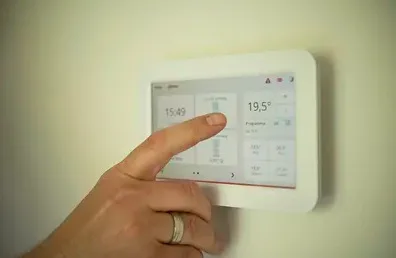
Use a programmable or smart thermostat to reduce heating or cooling when occupants are asleep or away. The Department of Energy states that suitable thermostat setbacks can save energy, although the result depends on climate, building construction, equipment, and the length of the setback period.
Do not set an air conditioner far below the desired temperature in an attempt to cool a room faster. It usually will not cool faster and may waste energy. In humid climates, avoid settings that allow harmful indoor humidity. Homes with pets, vulnerable occupants, plumbing exposed to freezing, or sensitive equipment also need safe limits.
Heat pumps may require compatible controls and different setback strategies. A portable electric heater is not automatically cheaper than central heating; it is most useful when it safely heats a small occupied zone while central heating can be reduced. Compare the limitations of energy-efficient electric heaters before relying on one as a whole-home solution.
3. Seal Uncontrolled Air Leaks
Conditioned air can escape through gaps around doors, windows, attic penetrations, plumbing, wiring, recessed fixtures, and unfinished joints. ENERGY STAR recommends a combination of caulking, weatherstripping, and insulation to reduce these losses.
Start with accessible gaps around operable doors and windows. Larger attic, crawl-space, duct, or envelope projects are better guided by an assessment. Do not block required ventilation, flues, combustion-air openings, or appliance clearances. Improper sealing can create moisture, air-quality, or combustion-safety problems.
4. Add Insulation Where the Building Needs It
Insulation slows heat transfer through ceilings, walls, and floors. The right location and amount depend on climate, existing construction, moisture conditions, and local building standards.
Attic insulation is often a logical place to investigate, but more insulation is not a substitute for stopping water intrusion or managing ventilation. Use audit findings to identify missing, compressed, wet, or poorly installed material before paying for a broad retrofit.
5. Maintain HVAC Equipment and Airflow
Dirty filters, blocked airflow, fouled coils, and neglected equipment can reduce heating or cooling performance. Follow the manufacturer’s filter schedule. When no specific schedule is available, inspect filters regularly during heavy-use seasons and replace or clean them when needed.
- Keep outdoor condenser units clear of leaves, debris, and nearby obstructions.
- Check that supply and return vents are open and not covered by furniture.
- Inspect the seal around room air conditioners at the start of each cooling season.
- Schedule professional service when performance changes, refrigerant problems are suspected, or the system requires electrical or combustion work.
The Department of Energy’s air-conditioner maintenance guidance explains how filters, coils, fins, drains, and airflow affect performance.
6. Use Daylight Without Overheating the Room
Open blinds or curtains when daylight can replace electric lighting. Position work surfaces near useful daylight and use task lighting instead of illuminating an entire room unnecessarily.
More glass is not automatically more efficient. Direct summer sun can increase cooling demand, while glare can make a space less comfortable. Use shading, exterior overhangs, vegetation, or adjustable coverings to balance natural light with heat gain.


7. Replace the Most-Used Incandescent Bulbs With LEDs
LEDs use at least 75% less energy and can last far longer than incandescent bulbs, according to the Department of Energy’s LED lighting guidance. Start with fixtures that are on for the most hours rather than replacing every bulb without a plan.
Compare lumens rather than watts when choosing brightness. Check color temperature, dimmer compatibility, enclosed-fixture ratings, outdoor ratings, and base type. Readers concerned about efficient-bulb technology can review how energy-efficient light bulbs work.
8. Add Occupancy Sensors, Timers, and Photosensors
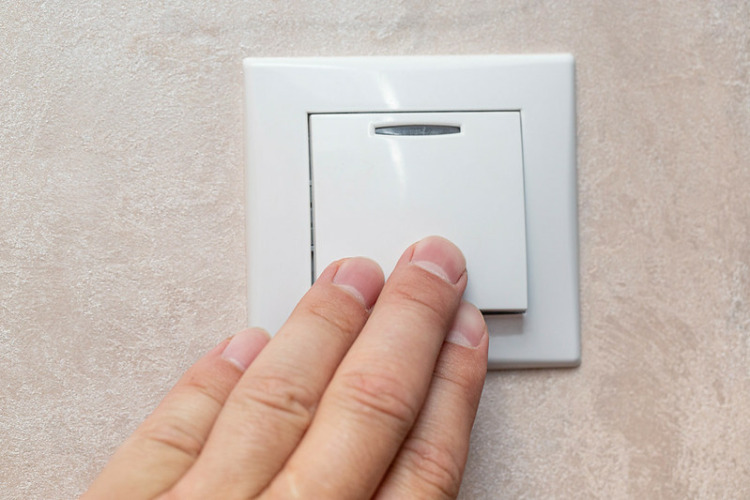
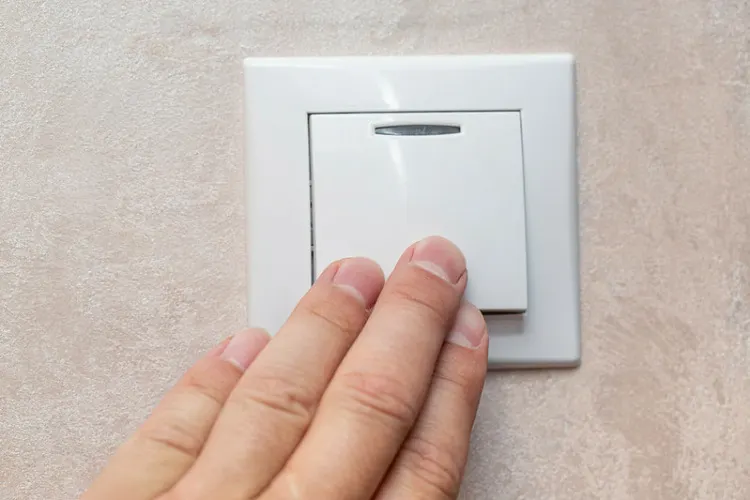
Lighting controls reduce energy use by turning lights off or dimming them when full output is unnecessary. Occupancy sensors work well in intermittently used rooms such as storage areas, restrooms, utility rooms, meeting rooms, and garages.
Photosensors can prevent outdoor or perimeter lights from operating in daylight. Timers are useful where occupancy follows a predictable schedule. Sensor placement matters: the device must detect people throughout the intended area without being triggered constantly by unrelated movement.
Retain a practical manual override where automatic shutoff could create a safety or accessibility problem. The Department of Energy provides additional guidance on lighting-control selection and placement.
9. Target Standby Loads With Switchable Power Strips
Televisions, game consoles, printers, speakers, monitors, chargers, and office equipment may draw power while idle. The impact varies widely, so target clusters of devices instead of unplugging everything indiscriminately.
Connect suitable entertainment or office equipment to a switchable or advanced power strip. A plug-in electricity meter can identify devices with a meaningful standby load. Do not cut power to refrigerators, medical devices, alarms, essential network equipment, security systems, sump pumps, or equipment that requires continuous operation.
10. Choose Efficient, Right-Sized Appliances When Replacement Is Due
Do not replace a functioning appliance solely because a newer model exists. Consider replacement when energy use, repair history, safety, capacity, or operating cost justifies it. Compare standardized energy labels and annual consumption rather than relying on marketing terms such as “eco” or “green.”
Choose the smallest capacity that reliably handles the task. Oversized refrigerators, televisions, kettles, washers, and HVAC systems may consume more energy than the household needs.
For category-specific comparisons, review energy-efficient TVs, energy-efficient kettles, and eco-friendly microwave options. Verify current specifications before purchasing because models and availability change.
11. Wash Full Laundry Loads With Cold Water When Suitable
Wait for a full load, but do not pack the washer so tightly that clothes cannot move or rinse properly. ENERGY STAR notes that water heating accounts for most of the energy used by a conventional clothes-washing cycle, making cold water one of the most useful low-effort changes for everyday laundry.
Use warm or hot water when fabric-care instructions, sanitation needs, or household health circumstances require it. Select the highest appropriate spin speed to remove more water before drying.
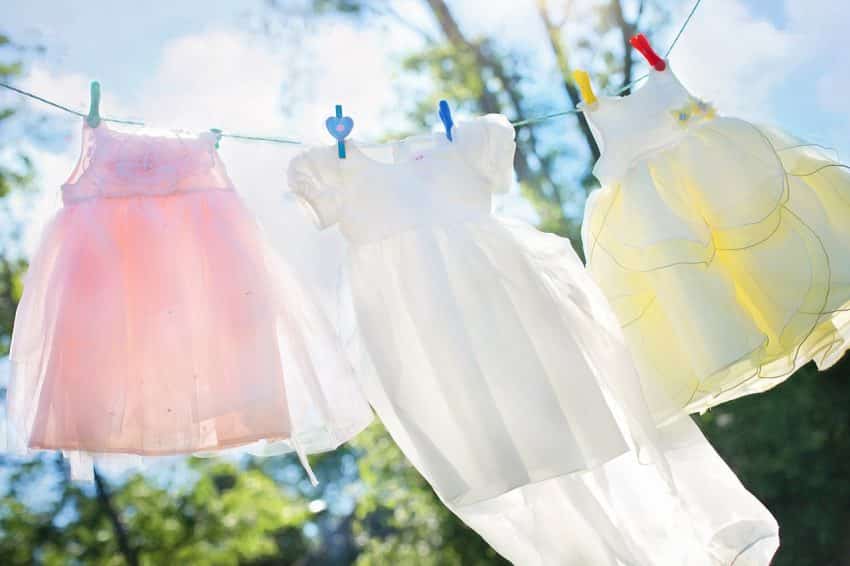
12. Air-Dry Clothes or Use the Dryer More Efficiently
Dry clothes outdoors when the weather, space, air quality, and local rules allow it. Indoors, use adequate ventilation because drying laundry can raise humidity and contribute to condensation or mold.
When using a dryer, clean the lint filter after each load, avoid mixing very heavy and lightweight fabrics, use moisture-sensing cycles when available, and stop the cycle when clothes are dry rather than continuing on a fixed timer.

13. Run Full Dishwasher Loads and Skip Heated Drying
For a typical full load, a modern efficient dishwasher generally uses less water and energy than washing each item under running hot water. The outcome depends on the dishwasher, cycle, water-heating system, and hand-washing method, but “wash everything by hand” is not a reliable conservation rule.
Scrape food into the trash or compost rather than pre-rinsing every dish. Run full loads without blocking spray arms, use the normal or energy-saving cycle, and disable heated drying when practical. ENERGY STAR provides current dishwasher efficiency and use guidance.


14. Reduce Hot-Water Waste
Water heating accounts for about 18% of home energy use on average, according to the U.S. Department of Energy. Shorter showers, repaired hot-water leaks, efficient fixtures, and insulated accessible hot-water pipes can reduce both water and energy use.
EPA WaterSense showerheads use no more than 2.0 gallons per minute while meeting performance criteria. A lower-flow fixture can reduce the volume of water that must be heated without asking the user to stop showering altogether.
Consult the water-heater manufacturer and relevant health guidance before changing the storage temperature. A lower setting is not appropriate in every building, particularly where bacterial growth, vulnerable occupants, long pipe runs, or local code requirements are concerns.


15. Operate the Refrigerator and Freezer at Safe Temperatures
The Department of Energy recommends keeping the refrigerator between 35°F and 38°F and always below 40°F. The freezer should remain at 0°F. Confirm temperatures with an appliance thermometer rather than relying only on an unlabeled control dial.
A moderately stocked refrigerator can recover temperature more steadily than an almost empty one, but tightly packing the shelves can block airflow. Do not buy unnecessary food simply to fill the appliance. Leave space for cold air to circulate, keep door seals clean, and decide what you need before opening the door.
16. Thaw Frozen Food Safely in the Refrigerator
Plan ahead and thaw frozen perishables in the refrigerator rather than leaving them on a countertop. Refrigerator thawing uses the food’s cold mass inside an appliance that is already operating, while keeping the food at a safer temperature.
The FDA advises refrigerating perishable food within two hours, or within one hour when the surrounding temperature exceeds 90°F. Follow official food-safety instructions for cold-water or microwave thawing, including prompt cooking when required.
17. Improve Existing Windows and Doors Before Replacing Them
Window heat gain and heat loss affect heating and cooling demand, but wholesale replacement is not always the first or most cost-effective response. The Department of Energy recommends evaluating existing windows and considering caulk, weatherstripping, coverings, storm windows, films, or exterior shading where appropriate.
Replace windows or doors when the assemblies are damaged, unsafe, beyond repair, or when a project-level analysis supports the investment. Choose products for the local climate and installation conditions rather than buying solely on the basis of a single performance number.
18. Operate Curtains, Shades, and Blinds by Season
Window coverings work only when they are operated at useful times. During hot, sunny periods, close coverings on windows receiving strong solar gain. During cold periods, open sun-facing coverings when solar heat is beneficial and close them after sunset to reduce heat loss.
Heavy curtains can improve comfort, but they should not trap condensation against cold glass or block radiators, vents, or controls. Automated shades may help in offices or homes where occupants rarely adjust coverings manually.
19. Consider a Cool Roof or Exterior Shade in the Right Climate
A reflective roof can reduce roof-surface temperature and cooling demand in hot, sunny climates. The benefit depends on roof construction, insulation, HVAC efficiency, electricity rates, solar exposure, and the length of the cooling season.
Cool roofs can create a winter heating penalty in colder climates, so they are not a universal retrofit. Evaluate the option when constructing a building or replacing a roof rather than coating a sound roof without confirming material compatibility, warranty terms, and local performance.
Exterior shade from correctly placed trees, awnings, or overhangs can also reduce unwanted solar heat. Account for mature tree size, roots, wildfire conditions, maintenance, nearby utilities, and winter sunlight before planting.
20. Reduce Demand Before Adding Solar or Wind Power
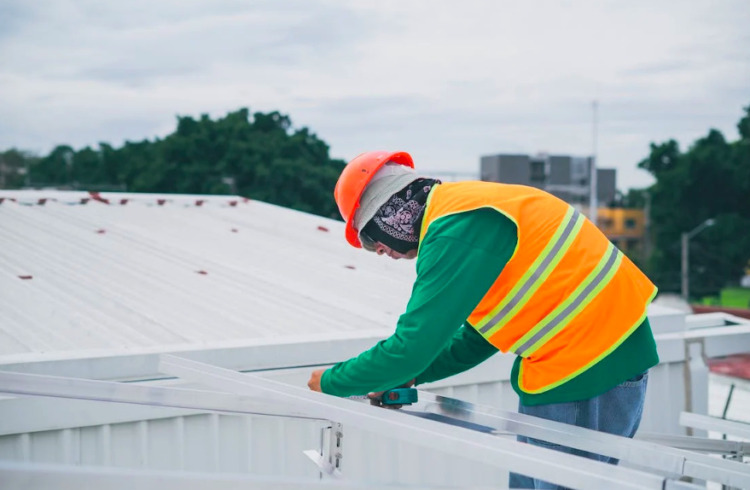
Solar panels and wind turbines can reduce purchased grid electricity or fossil-fuel demand, but they do not automatically reduce the amount of energy a building consumes. They are generation technologies rather than conservation measures.
Complete cost-effective conservation and efficiency work before sizing a renewable system. Lower demand may allow a smaller system, reduce storage requirements, and direct the budget toward the loads that actually need to be served.
Compare solar versus wind energy based on climate, site exposure, permitting, maintenance, financing, and utility rules. Small home wind turbines are highly site-dependent, so review the broader pros and cons of wind energy before treating them as a default residential solution.
A Practical 30-Day Energy Conservation Plan
Week 1: Establish a Baseline
- Collect 12 months of utility bills or download interval data from the utility portal.
- Record thermostat schedules and refrigerator and freezer temperatures.
- List major energy-using equipment and identify devices that operate continuously.
- Book a professional assessment when the building has unexplained high use, comfort problems, moisture, old combustion equipment, or planned renovations.
Week 2: Improve Controls and Daily Habits
- Create safe heating and cooling schedules.
- Turn off unused lights and add timers or sensors where appropriate.
- Place suitable entertainment or office electronics on switchable power strips.
- Run full laundry and dishwasher loads and choose cold-water washing when suitable.
Week 3: Address the Building and Hot Water
- Weatherstrip accessible doors and windows without blocking required ventilation.
- Inspect HVAC filters, outdoor-unit clearance, vents, and window-unit seals.
- Repair dripping hot-water fixtures and assess showerhead flow.
- Operate shades according to sun exposure and season.
Week 4: Verify Results and Plan Investments
- Compare daily or weekly use with the baseline while accounting for major weather changes.
- Prioritize insulation, air sealing, HVAC, windows, roofing, or appliance replacements based on measured need.
- Request multiple quotes for structural work and confirm warranties, codes, ventilation, and safety requirements.
- Size solar, wind, or storage only after the revised energy load is understood.
The Most Useful Next Step
Choose one no-cost operational change and one building-level investigation. For example, schedule the thermostat this week and arrange an energy assessment for the next planned improvement. Record the baseline, make the change, and verify the result instead of assuming that every green-labeled product will save energy.
Energy conservation works best as a repeatable process: measure, prioritize, act, and check. Readers looking beyond household energy use can explore practical ways to become an environmentalist without relying on vague or performative changes.
Frequently Asked Questions
What are the most effective energy conservation techniques?
Start with an energy assessment, then prioritize thermostat control, air sealing, insulation, HVAC maintenance, hot-water use, efficient lighting, and full-load appliance habits. The best order depends on the climate, building, equipment, and utility data.
What is the difference between energy conservation and energy efficiency?
Energy conservation changes behavior or operating practices so less energy is used. Energy efficiency uses better technology to provide the same service with less energy. Turning off an unused light is conservation; replacing an incandescent bulb with an LED is efficiency.
Does unplugging devices save a meaningful amount of energy?
It can, but the result varies by device. Target groups of entertainment, computer, and office equipment with a switchable power strip, and measure uncertain loads with a plug-in electricity meter. Never interrupt power to equipment that must operate continuously.
Is hand-washing dishes more energy efficient than using a dishwasher?
Not usually for a full load. A modern efficient dishwasher generally uses less water and energy than washing each item under running hot water. Scrape dishes, skip unnecessary pre-rinsing, run full loads, and disable heated drying when practical.
Should a refrigerator be kept full to save energy?
A moderately stocked refrigerator can maintain temperature more steadily, but it should not be packed so tightly that airflow is blocked. Do not buy excess food just to fill it. Keep the refrigerator between 35°F and 38°F and always below 40°F.
Is it safe to thaw frozen food on the counter?
No. Thaw perishable frozen food in the refrigerator or follow an official cold-water or microwave method. Counter thawing can leave the outer portion of the food at an unsafe temperature while the center remains frozen.
Do solar panels count as energy conservation?
Solar panels generate electricity; they do not inherently reduce consumption. Conserve energy and improve efficiency first, then size a solar or wind system for the lower, better-understood load.